Parenting
Parenting Guides for Every Stage
Clear, practical parenting guidance from pregnancy through the teenage years. Find straightforward answers on sleep, feeding, development, and the everyday questions that come up at each age — sourced, reviewed, and kept up to date.
Topics in Parenting
Toddlers
Behavior, routines, and play for ages one to three.
8 guides →Preschool
Learning, independence, and getting ready for school.
2 guides →School-Age Kids
Homework, friendships, and healthy routines.
3 guides →Teenagers
Communication, independence, and support through the teen years.
1 guide →Sleep
Age-by-age sleep guidance for the whole family.
9 guides →Feeding
Nutrition and mealtime help from bottle to family table.
9 guides →Child Development
Milestones and how to support them without the pressure.
11 guides →Guides in Parenting

How to Handle Toddler Tantrums: Real Help That Works, According to AAP and CDC
Help with toddler tantrums, how to handle toddler tantrums, and how to deal with toddler tantrums, using AAP, CDC, and NIH pages: what actually helps in the moment, an age-by-age look at what's typical at 1, 2, and 3, tantrums by setting (car seat, store, bedtime, drop-off), how to prevent the next one, and when to call your pediatrician. Editorially reviewed general information — not medical advice.

Building a Bedtime Routine That Works
A simple, consistent bedtime routine that helps kids wind down and fall asleep more easily.
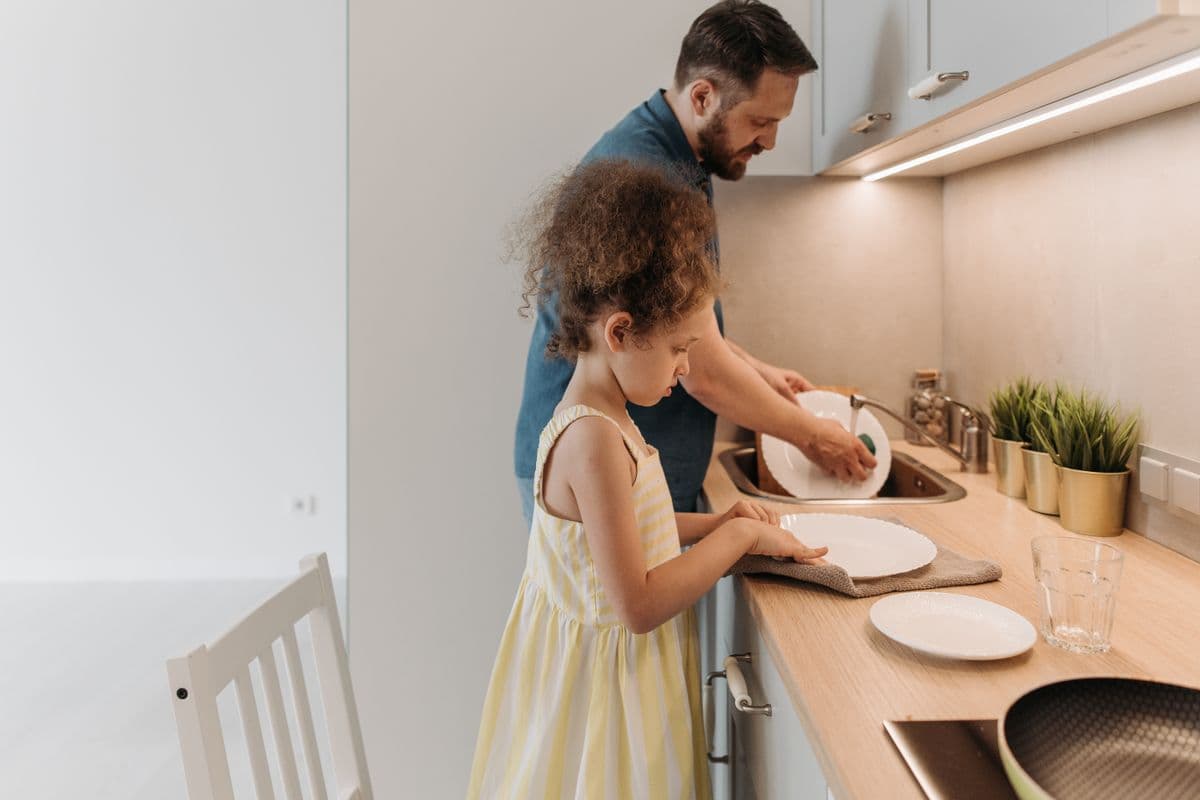
Age-Appropriate Chores for Kids
Age-by-age chore ideas for toddlers through school-age kids, plus how to handle allowance and what to do when a chore chart stops working.
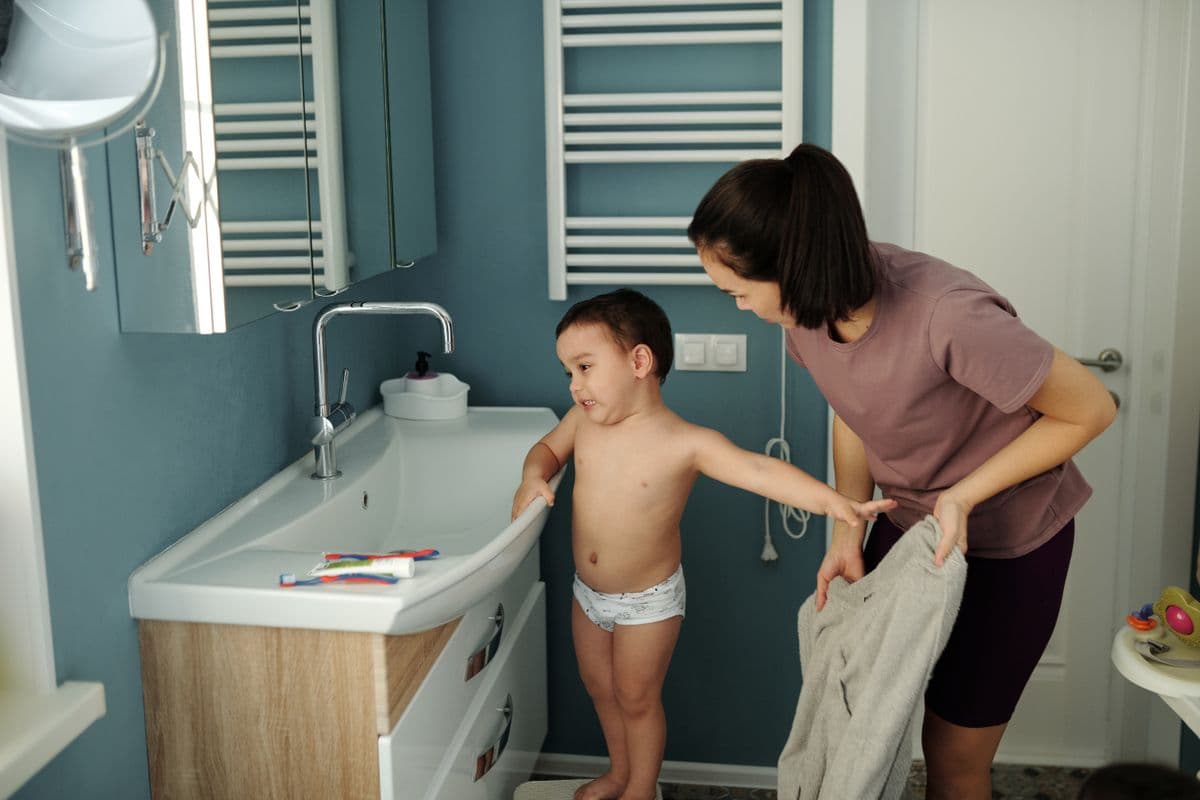
Potty Training: Signs of Readiness and How to Start
How to tell your toddler is ready for potty training, and a calm, child-led way to get started without power struggles.

How to Handle Sibling Rivalry
Why siblings fight, what actually helps in the moment and over time, and what to skip because it tends to backfire.
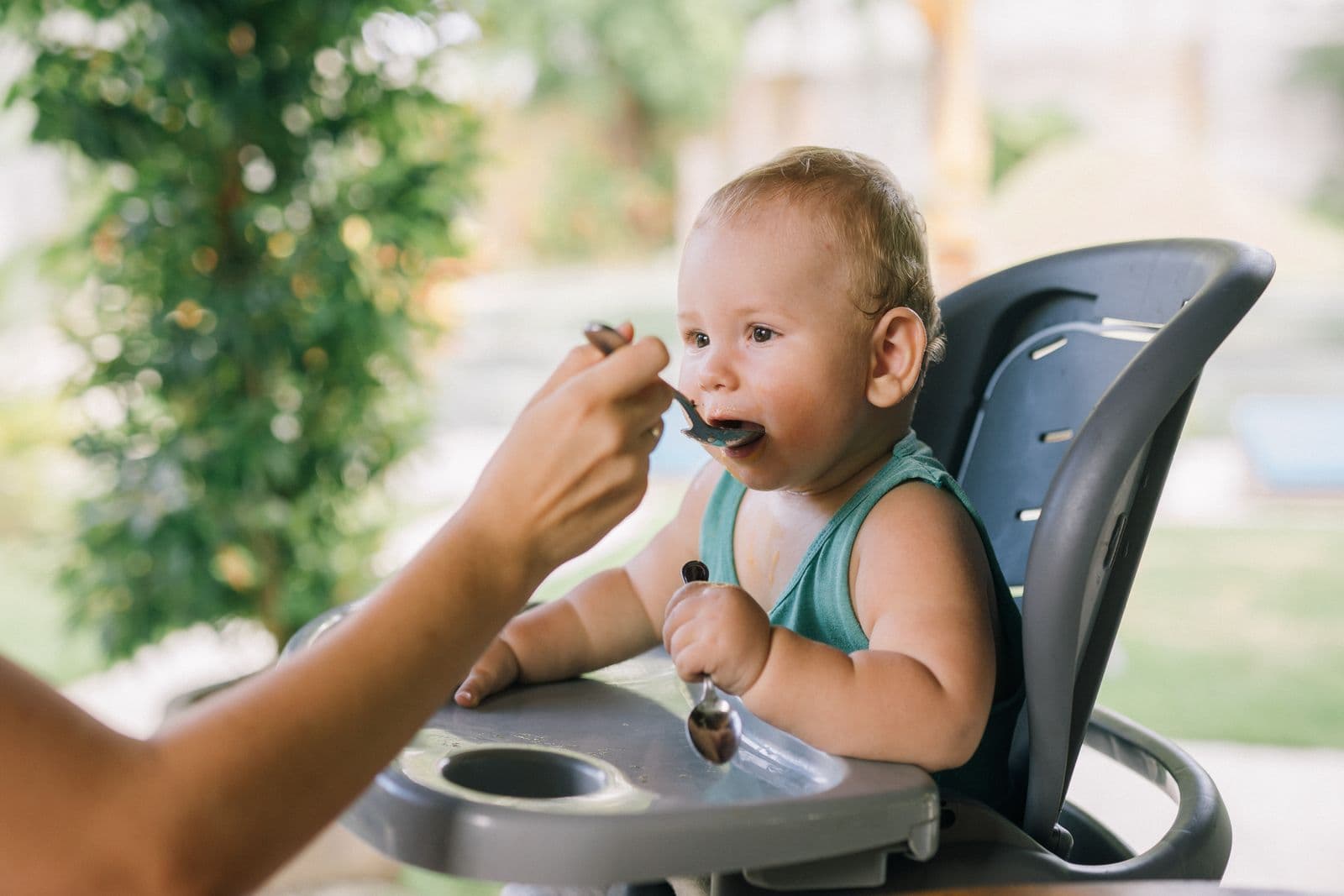
Best First Baby Foods & Best First Foods for Baby (CDC and AAP Guide)
Best first baby foods and best first foods for baby, in plain CDC and AAP terms: iron-rich starters around 6 months, one food at a time, allergen timing, first-feeding setup (bibs, spoons, cups), and what not to give. Editorially reviewed general information, not medical advice — not a ranked jar list.

When to Move a Toddler Out of the Crib — Safety Signs and How to Switch
When to move a toddler out of the crib, according to AAP height and climbing cues and CPSC crib and toddler-bed rules — plus how to switch the room safely. Editorially reviewed general information, not medical advice.

How to Handle Picky Eating in Toddlers
Why toddlers get picky around ages 2–4, the feeding approach with the most evidence behind it, and the red flags worth a pediatrician visit.

How to Handle Toddler Separation Anxiety
Why toddler separation anxiety happens, what actually shortens it, and when it's worth mentioning to your pediatrician.
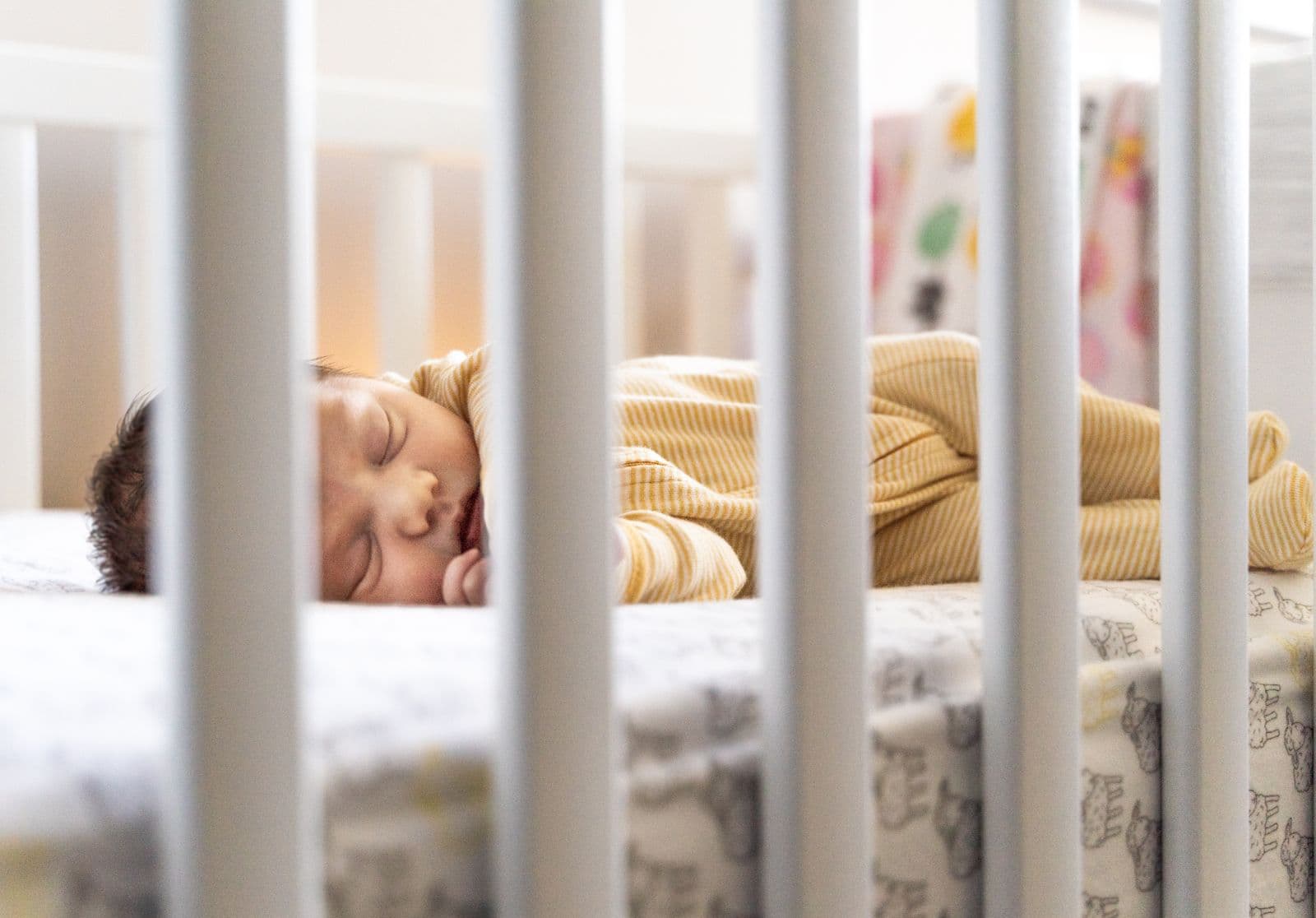
Baby and Toddler Sleep Regressions by Age: What's Happening at 4, 8, and 18 Months
Why sleep suddenly falls apart at 4 months, 8 months, and around 18 months, what's actually driving each one developmentally, and what to do differently (and not differently) at each stage.

Screen Time by Age: What the AAP Actually Recommends
The American Academy of Pediatrics' screen-time recommendations for babies, toddlers, and preschoolers — by age, in plain language.
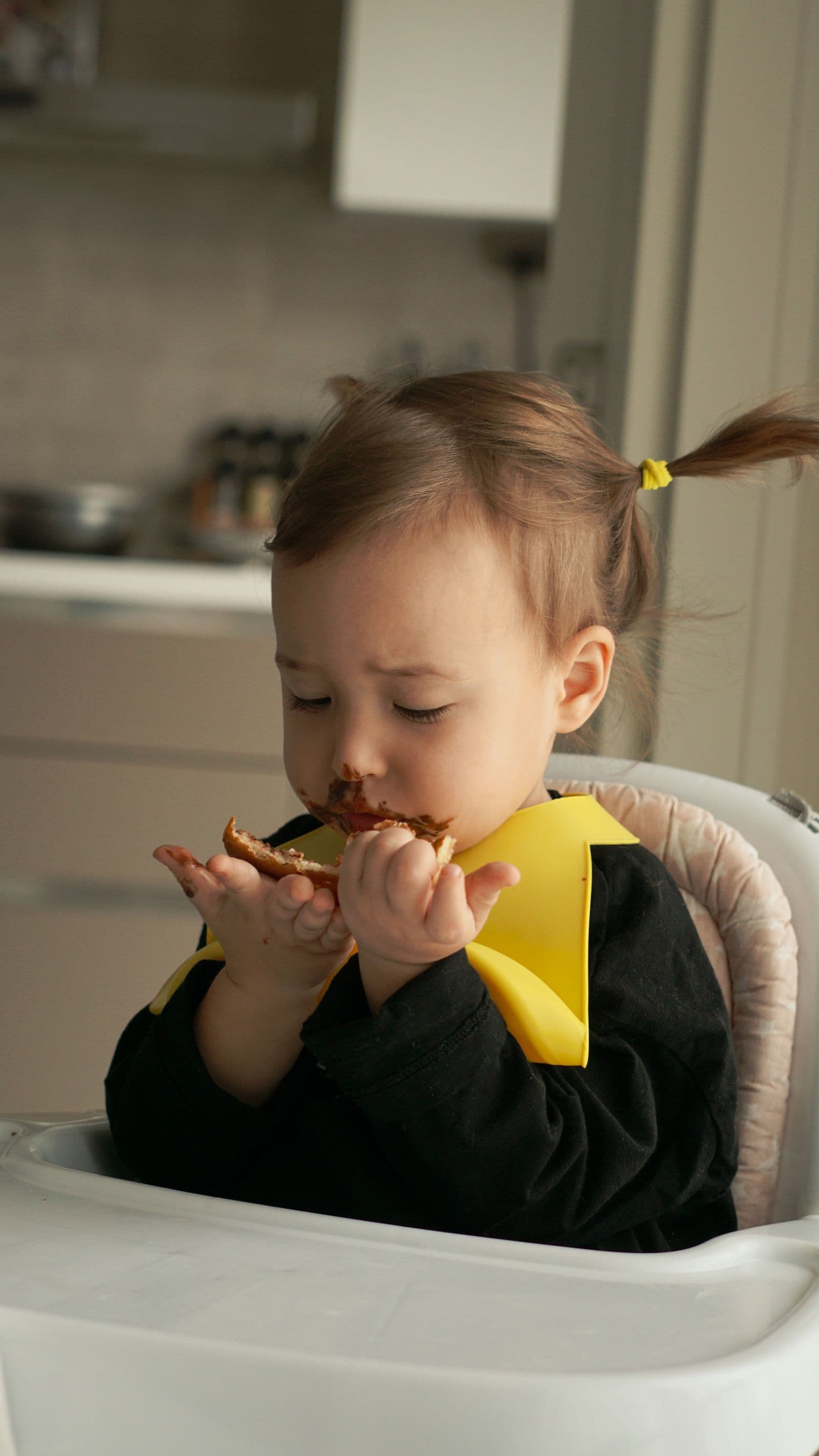
Toddler Won't Eat Dinner? How to Handle Picky Eating Without Battles
Why toddlers get picky, the calm "division of responsibility" approach to mealtimes, and what actually helps — without turning dinner into a fight.

Toddler Sleep Regressions & Sleep "Props": Why It Happens and What Helps
Why a good sleeper suddenly fights bed or wakes at night, why toddlers cling to odd sleep rituals and comfort objects, and how to ride it out.

Pacifiers and Thumb-Sucking: When and How to Wean, Age by Age
Why dentists treat pacifiers and thumb-sucking differently, the age ranges that actually matter for each, and weaning approaches that don't turn into a nightly battle.

Separation Anxiety & Daycare Drop-Offs: What Helps (and What Makes It Worse)
Why separation anxiety is a normal, healthy phase, when it peaks, and how to make daycare drop-offs easier — including the truth that it's usually harder on you.

Toddler Speech Milestones by Age: What's Normal, and When to Act Early
General CDC speech and language milestones for 18 months, 2, and 3 years — plus the clear signs it's worth asking your pediatrician about a hearing and developmental check.

How to Handle Toddler Biting
Why toddlers bite, the calm-and-firm response that actually reduces it, and when biting is more than a developmental phase.

How to Choose a Preschool: What to Ask and Look For
What to observe on a tour, the questions worth asking about ratios and curriculum, and the red flags that matter more than décor.

Sleep Training Methods Compared: Ferber, Chair Method, and No-Tears
How the Ferber method, the chair method, and no-tears approaches actually work, what the research says about each, and how to pick one that fits your family instead of one that just went viral.

Baby Developmental Milestones by Month: Your Baby's First Year
General CDC developmental milestones at the 2, 4, 6, 9, and 12-month checkpoints, across motor, language, social, and cognitive skills — and what actually counts as a reason to check in early.

Baby-Led Weaning vs. Purees: How to Choose (or Combine Both)
Baby-led weaning vs purees (and BLW vs purees combination feeding): mess, iron, gagging vs choking, and what CDC and AAP actually say about textures, readiness, and safety.

Sleep Training Methods, Explained: Ferber, Chair, No-Cry — and How to Choose
The main sleep-training methods compared — graduated extinction (Ferber), the chair method, pick-up/put-down, bedtime fading, and gentler options — plus what the research says and how to pick one.
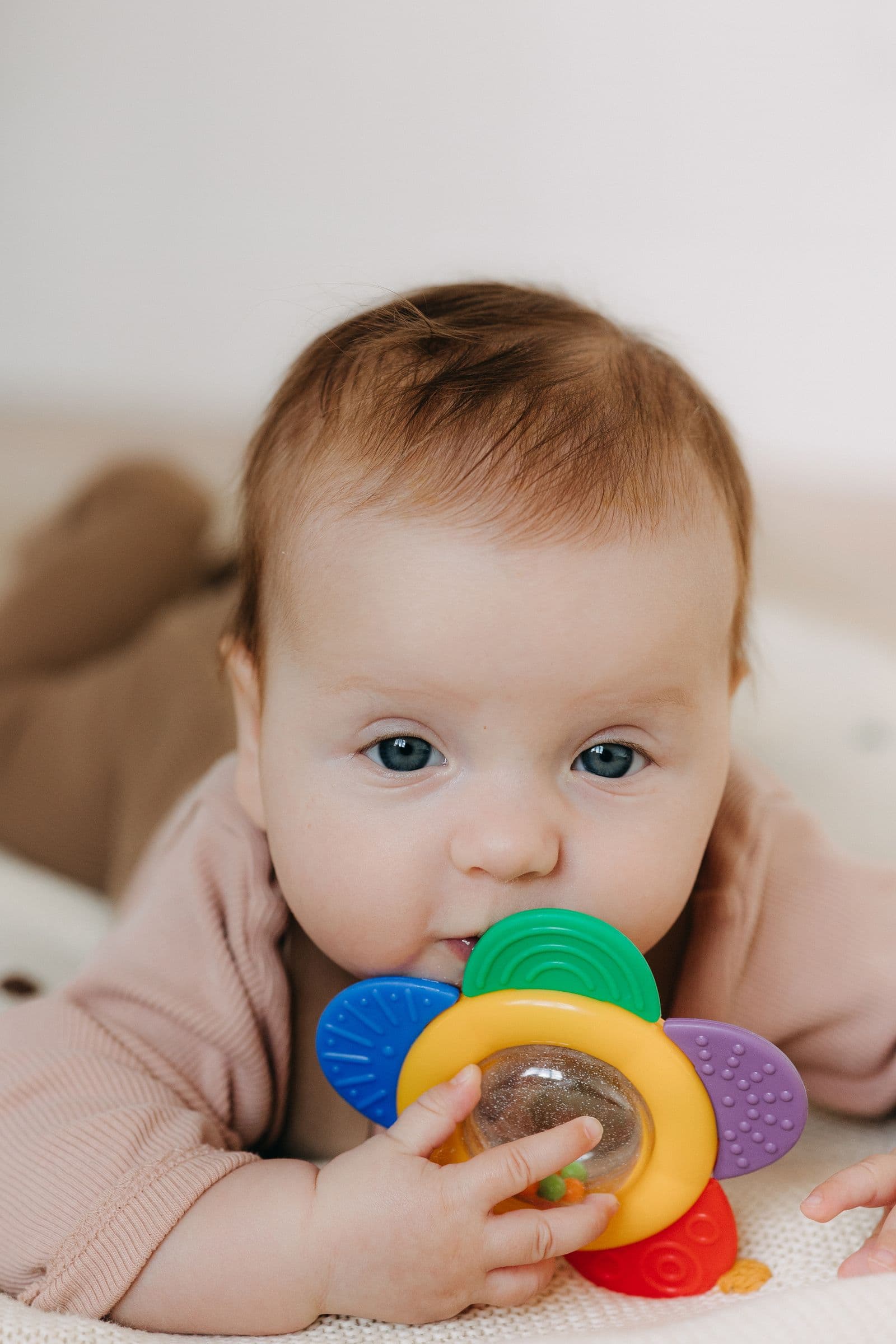
Teething: Signs, Timeline, and Safe Relief (Plus What to Skip)
The real signs and timeline of teething, safe ways to soothe sore gums, and the popular "remedies" the FDA and AAP warn against — benzocaine gels and amber necklaces.
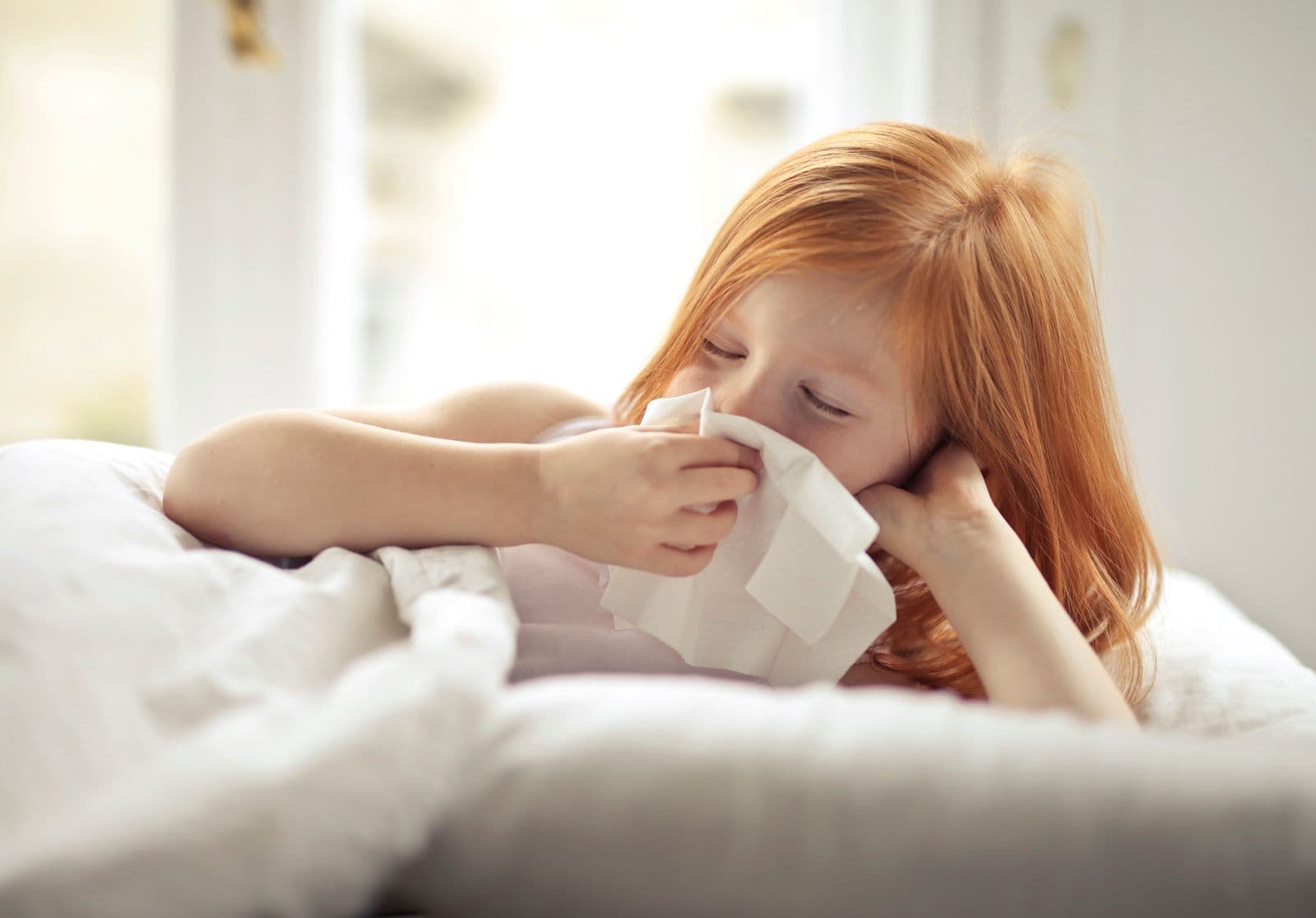
Why Is My Kid Always Sick? Surviving the First Year of Daycare Germs
Why kids in daycare seem to catch everything, how many colds a year is actually normal, when to keep them home, and when a bug is more than a bug.
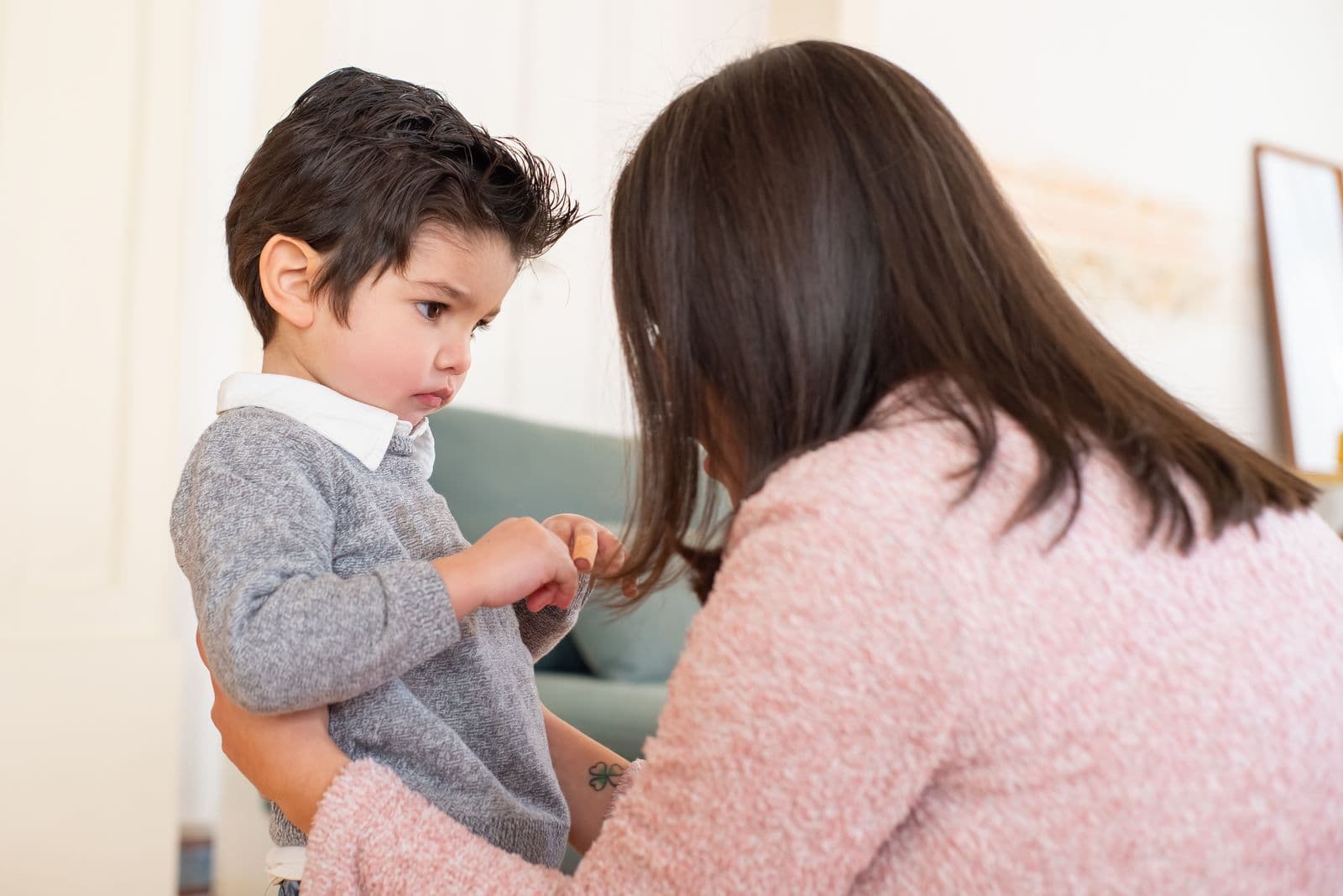
Gentle Parenting: What It Actually Means (and What It Doesn't)
Gentle parenting explained without the myths: empathy plus firm, consistent limits — not permissiveness — and how it lines up with what pediatricians recommend.

Baby Motor Milestones by Age: Rolling, Sitting, Crawling, and Walking
General CDC movement milestones for babies — rolling, sitting, crawling, pulling to stand, and first steps — plus when a delay is worth a check.
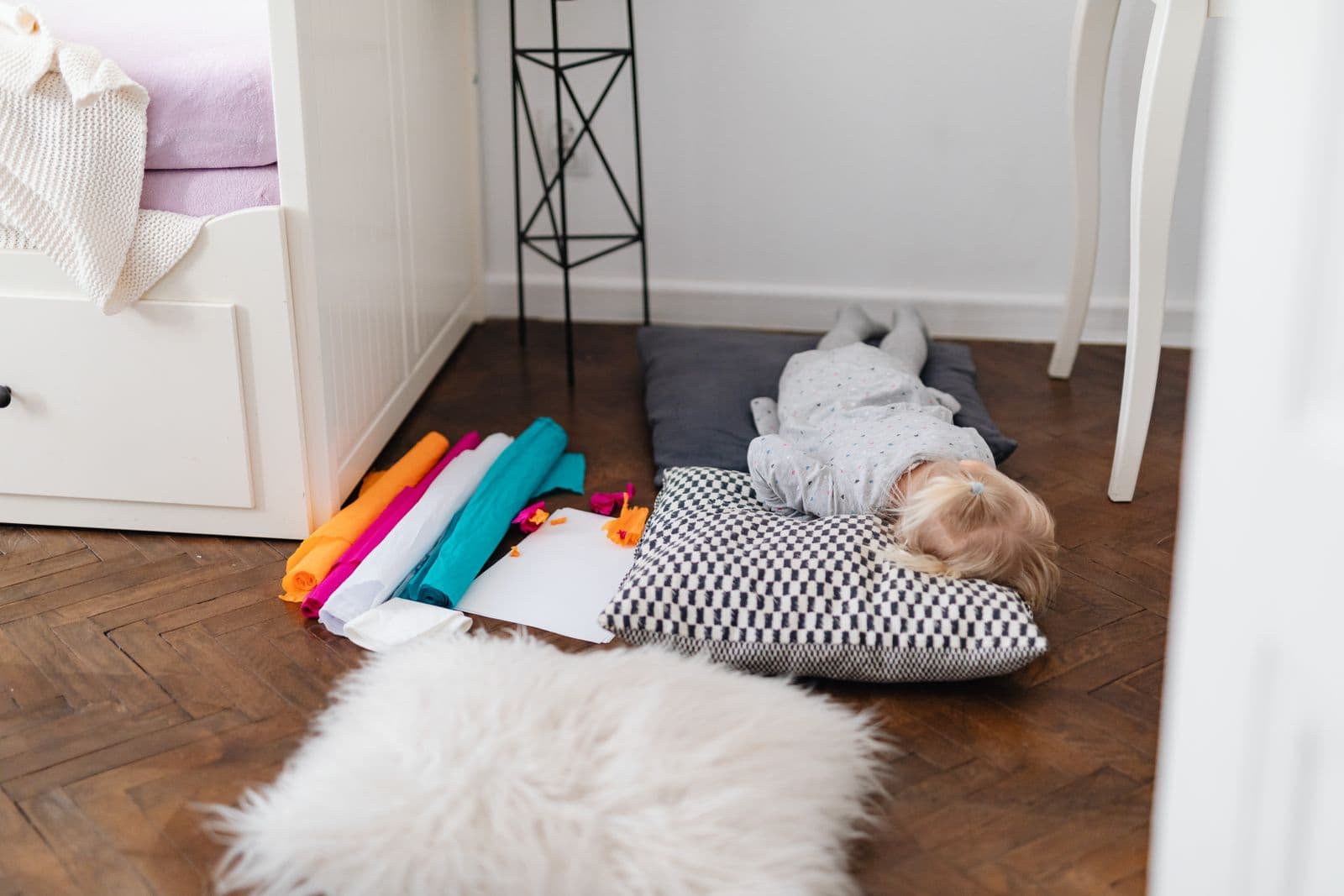
Toddler Nap Transitions: When Kids Drop Naps (and How to Survive It)
When toddlers go from two naps to one and eventually drop the nap altogether, the signs it's time, and how to smooth the bumpy transition.

Baby and Toddler Nap Schedules by Age: A Realistic Guide
How many naps to expect at each age, from newborn chaos to the one-nap toddler years, and why wake windows matter more than the clock.

Kindergarten Readiness: A Checklist for What Actually Matters
Why kindergarten teachers weigh independence and social-emotional skills more heavily than letters and numbers, plus a realistic checklist and what to do if your child isn't there yet.

How to Freeze Homemade Baby Food (and Store It Safely in the Fridge)
How to freeze homemade baby food safely, how long it keeps in the fridge and freezer by food type, and a practical week-one freezer workflow — grounded in FDA and University of Illinois Extension food-safety guidance, not a blog-invented number.
How to Handle Toddler Hitting: What to Do, According to AAP
Why toddlers hit before they have the words to say what's wrong, the AAP's actual script for responding in the moment, and the difference between discipline and punishment that most advice skips.
Toddler Afraid of the Dark: Why Nighttime Fears Start and How to Help
Why a toddler who slept fine for months can suddenly refuse a dark room, when nighttime fears typically start, and the responses — nightlights, a consistent routine, giving them a job to do about it — that help without teaching a toddler the fear was justified.
Why Toddlers Whine (and What Actually Helps)
Whining peaks for a reason: it sits in the gap between having the words to ask for something and the emotional control to handle not getting it. What escalates it, what defuses it, and why "stop whining" rarely works.
How to Handle Toddler Food Throwing at Meals
Why toddlers throw food — testing cause and effect, signaling they're full, or chasing a reaction — and the calm, consistent response that actually reduces it, broken down by age and by what usually triggers it.
How to Brush a Toddler's Teeth Without a Fight
How much toothpaste to actually use by age, the technique that reaches plaque instead of just foam, and the specific tactics that work when a toddler clamps their mouth shut — according to ADA and AAPD guidance.

Baby and Toddler Constipation: Signs, Safe Relief, and When to Call the Doctor
What actually counts as constipation in a baby or toddler versus normal straining, safe food and routine changes to try at home by age, and the specific signs — from HealthyChildren.org — that mean it's time to call the pediatrician instead of waiting it out.
How to Choose a Daycare or Child Care Center: A Parent's Checklist
How to verify a center's license, what staff-to-child ratios actually mean, and the tour questions from Child Care Aware of America and the AAP that matter more than a clean lobby.
When to Introduce Peanuts, Eggs, and Other Allergens to Your Baby
What changed in the allergy-prevention guidance, the nine major allergens and safe first forms for each, how to introduce them one at a time, and which babies should talk to an allergist before starting at home. Editorially reviewed general information, not medical advice.
How to Wean Your Baby Off the Bottle: An Age-by-Age Guide
When to start moving from bottle to cup, in AAP terms, and how to actually do it: which feeding to drop first, why the bedtime bottle comes last, a realistic week-by-week approach, and what to do when a toddler protests.
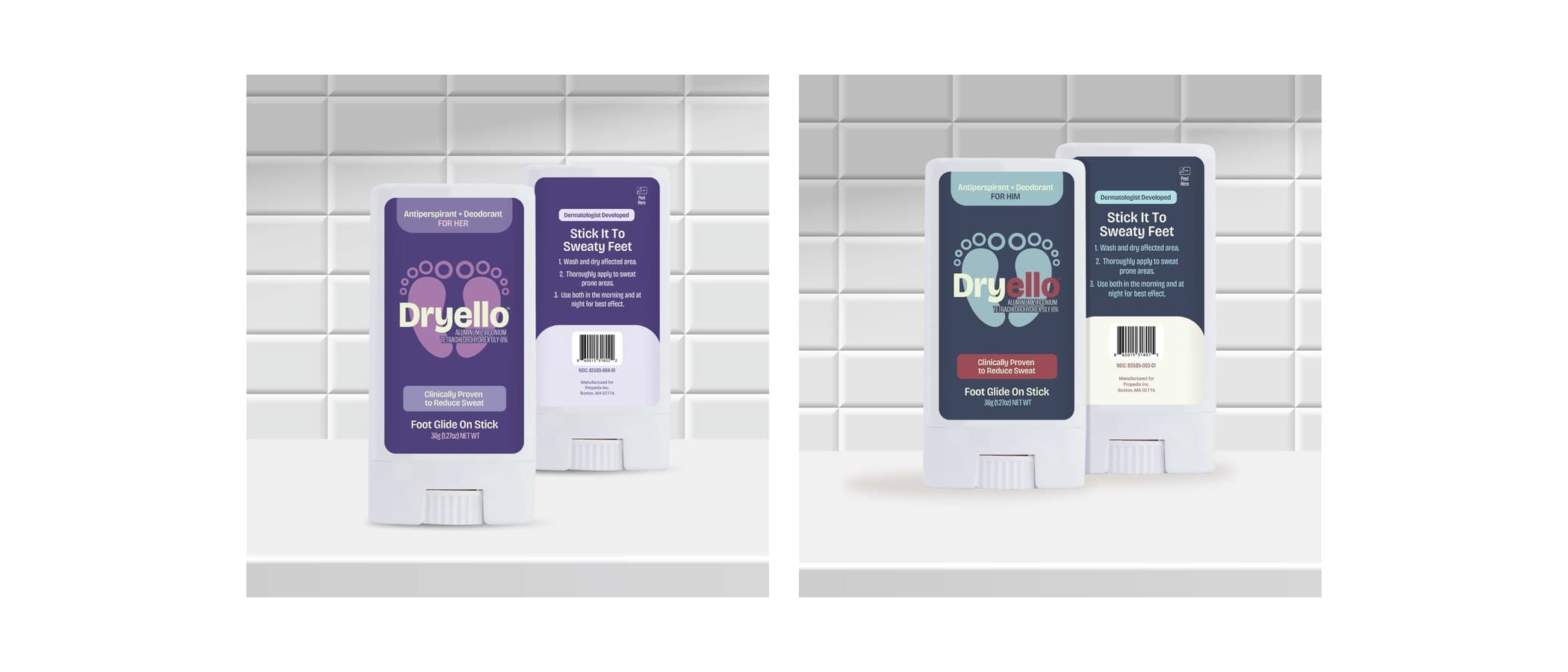
Sweaty, Smelly Feet in Tween and Teen Athletes: A Parent's Guide (Guest Post from Dryello)
A guest post from Dryello on why young athletes' feet sweat and smell, the sports-bag and shoe habits that help, how to bring it up with your teen, when to see a doctor, and how a foot antiperspirant stick works.
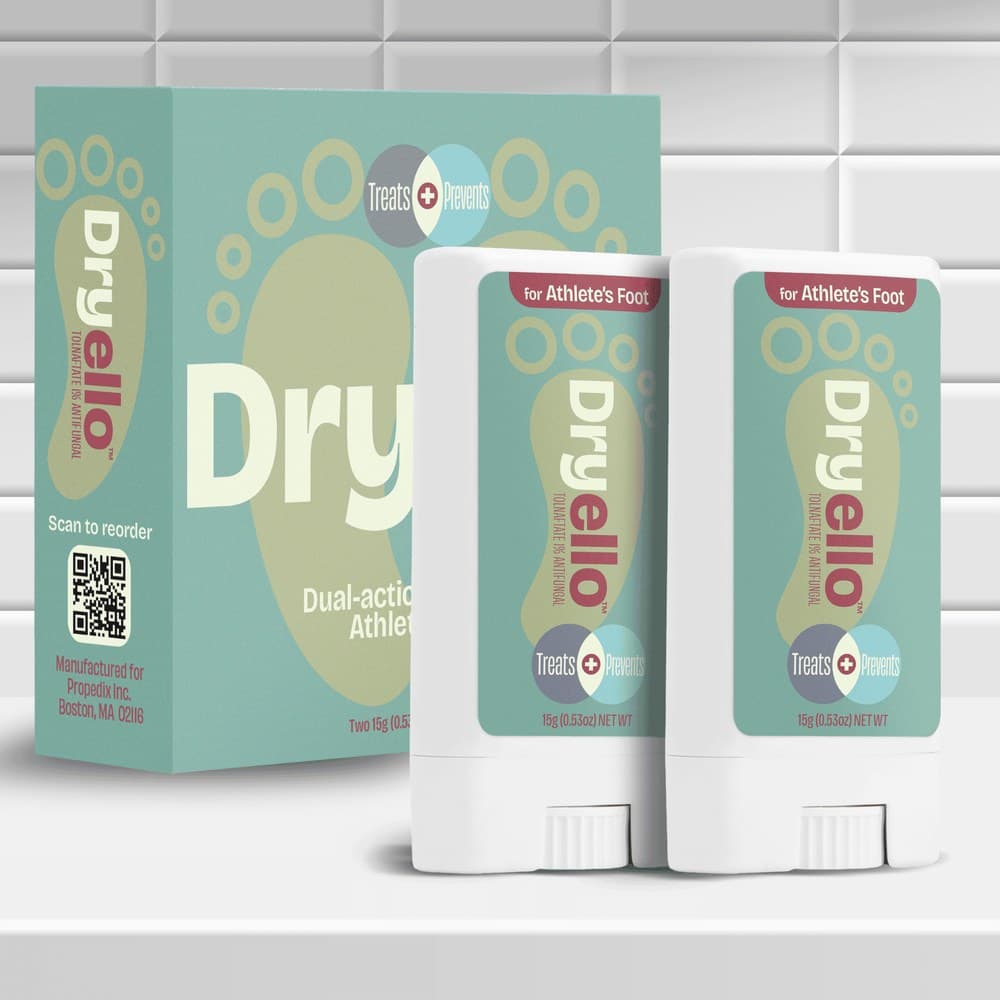
Athlete's Foot from School Gym and PE Class: A Parent's Guide (Guest Post from Dryello)
A guest post from Dryello for parents whose kids get itchy, peeling feet after PE, school gym, and shared locker rooms: how to tell athlete's foot from sweat and odor, what to pack, how a tolnaftate stick fits, and when to call the pediatrician.
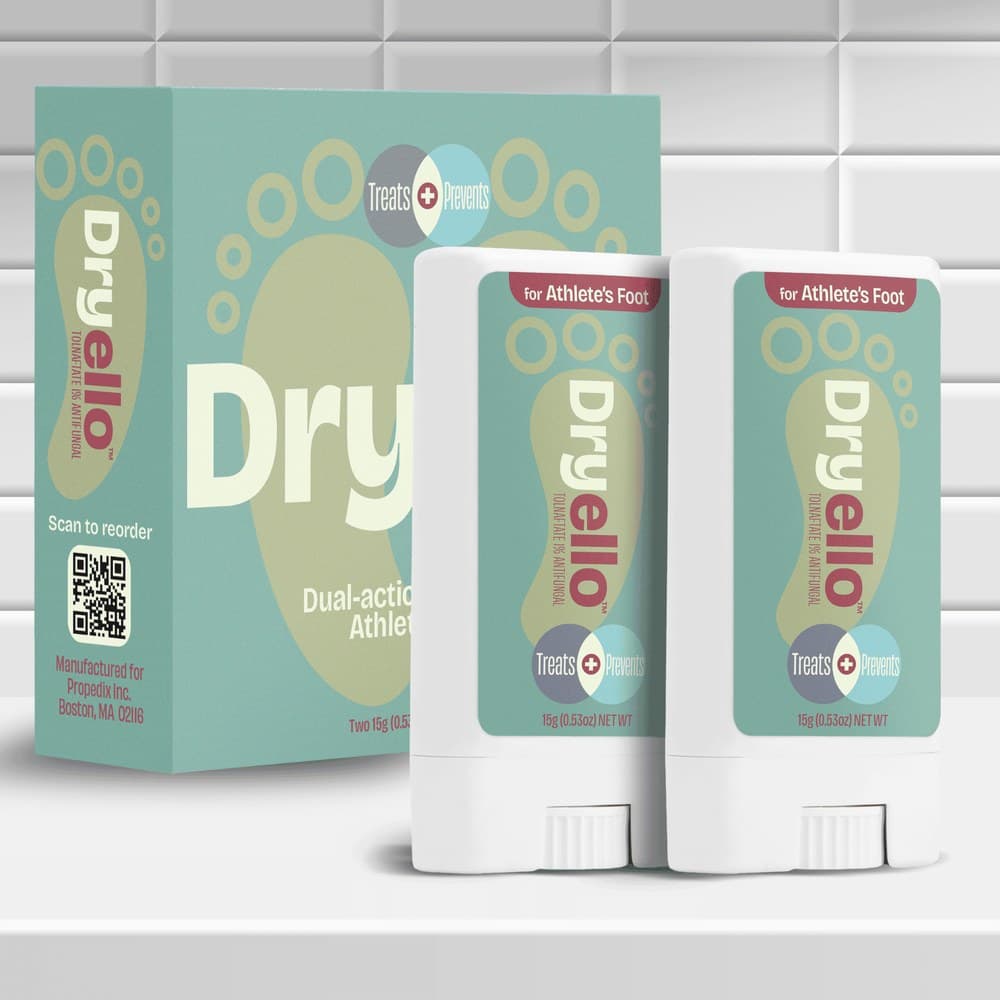
Athlete's Foot from Swimming Lessons and Pool Decks: A Parent's Guide (Guest Post from Dryello)
A guest post from Dryello for parents whose kids get itchy, peeling feet after swim lessons, pool decks, and Y/rec-center locker-room showers: how to tell athlete's foot from wet feet, whether kids can swim while treating it, what to pack, and when to call the pediatrician.

Flag Football vs Soccer vs T-Ball: Choosing a First Team Sport for a 5- or 6-Year-Old
Flag football vs soccer vs T-ball for a 5- or 6-year-old: how each first team sport typically feels, what skills they practice, questions to ask a rec program, and how to choose without inventing a future star.
Related sections


Frequently Asked Questions
How are Mom's Magazine parenting guides sourced?
We draw on guidance from recognized pediatric and public-health organizations and cite our sources on each guide. Health-related articles are reviewed by a qualified professional before publishing.
Newsletter
Get the Weekly Mom List
One short email a week: the most useful guides, activities, and picks for your family. No spam, unsubscribe anytime.