Parenting
Baby and Toddler Constipation: Signs, Safe Relief, and When to Call the Doctor
What actually counts as constipation in a baby or toddler versus normal straining, safe food and routine changes to try at home by age, and the specific signs — from HealthyChildren.org — that mean it's time to call the pediatrician instead of waiting it out.

Constipation means hard, dry, difficult-to-pass stool — not simply infrequent pooping, and not the grunting and straining many newborns do on soft stool, which is normal. In babies under 6 months who aren't yet eating solids, true constipation is uncommon and worth mentioning to your pediatrician rather than treating at home. After solids start, and through the toddler years, the most common fixes are dietary: more water, more fiber from fruits and vegetables, and less of the low-fiber foods (rice cereal, bananas, dairy in excess) that tend to firm stool up. A warm bath, gentle belly massage, and bicycling the legs can help a fussy baby pass a stool that's already there. Call your pediatrician if constipation lasts more than a week despite diet changes, if there's blood in the stool, if your baby seems to be in significant pain, or if a newborn hasn't had a stool in several days and seems unwell — these are general guidelines from HealthyChildren.org, not a diagnosis for your child.
Every parent ends up staring into a diaper at some point, trying to decide if what they're looking at is a problem. Constipation is one of the more confusing calls, because the internet conflates two very different things: a baby who grunts and strains on a normal soft stool, and a baby who's genuinely backed up and uncomfortable. They look similar from the outside and get treated very differently by pediatricians.
General information, not medical advice
This article summarizes general guidance from HealthyChildren.org, the American Academy of Pediatrics' parent site. It isn't a diagnosis, a treatment plan, or medication dosing for your specific child. Constipation in an infant under 6 months, or any constipation paired with vomiting, fever, weight loss, or blood in the stool, should go to your pediatrician rather than a home remedy.
What actually counts as constipation, by age
"Normal" bowel habits vary enormously by age and feeding type, which is exactly why frequency alone is a bad way to judge constipation. A breastfed newborn might stool after every feed, or go five to seven days between stools once early weeks pass — both can be completely normal if the stool, when it comes, is soft. The thing to watch is texture and effort, not the calendar.
| Age / stage | Normal range | What points to constipation instead |
|---|---|---|
| Newborn, breastfed | Several times a day to once every several days; stool is soft, seedy, or loose | Hard, pellet-like, or dry stool — rare in exclusively breastfed babies |
| Newborn, formula-fed | Once a day to every other day is typical; slightly firmer stool than breastfed babies | Hard, dry, or marble-like stool; straining that produces no result |
| After starting solids (6-12 months) | Frequency drops and stool firms up naturally as solids replace some milk feeds | Dry, hard stool; visible pain or crying during a bowel movement; small hard pellets |
| Toddler | Once a day to every other day, formed but soft stool | Large, hard stool that's painful to pass; streaks of blood from a small tear; fewer than 2-3 stools a week |
Grunting on a soft stool isn't constipation
Newborns often grunt, strain, arch their back, and turn red passing a completely soft or even loose stool — sometimes called infant dyschezia. It's a baby who hasn't yet learned to coordinate relaxing the pelvic floor while bearing down, not a digestive problem. As long as the stool itself is soft when it comes out, this typically resolves on its own within weeks as a baby matures, and it isn't a sign to change formula, add juice, or intervene.
Why it happens
A few genuinely common causes account for most cases outside of the newborn dyschezia pattern described above.
- Starting solid foods, especially a diet heavy on rice cereal and bananas without enough fruits, vegetables, or fluid alongside them — both are common first foods and both are naturally low in fiber and somewhat binding.
- Not enough fluid relative to a more solid-food-heavy diet, particularly in hot weather or during a mild illness.
- A diet very high in dairy relative to fiber, which is common once whole milk starts around 12 months and a toddler is also eating less produce than a pediatrician would like.
- Stool withholding in toddlers — a bowel movement was painful once (sometimes from a small tear or fissure, sometimes just from being backed up already), so the next urge gets consciously held in, which only makes the eventual stool larger and harder.
- A change in routine: travel, starting daycare, potty training pressure, or any stretch where a toddler is distracted or reluctant to stop and use an unfamiliar bathroom.
The iron-in-formula myth
A persistent piece of hand-me-down advice is that standard iron-fortified formula causes constipation and that a low-iron formula fixes it. HealthyChildren.org and the broader pediatric literature don't support this — the iron levels in standard infant formula are not a proven cause of constipation, and switching to a low-iron formula removes a nutrient babies need without addressing the actual cause. If a formula-fed baby is constipated, the more useful questions are about total fluid intake and, once solids have started, fiber — not the iron content on the label.
Safe relief to try at home, by age
What's appropriate to try changes a lot depending on whether solids have started, which is why a one-size answer doesn't work here.
Under 6 months, not yet on solids
Options are genuinely limited at this age, and that's by design — a young baby's diet shouldn't be casually adjusted without a pediatrician's input. Gentle, clockwise belly massage and bicycling the legs (lie the baby on their back and gently pedal the legs toward the chest) can help move things along mechanically. A warm bath can relax a baby enough to pass a stool that's already sitting there. Because true constipation is uncommon at this age and can occasionally point to something else worth ruling out, this is the age range where a call to the pediatrician — rather than a home remedy — is the right first step.
6 to 12 months, after solids start
This is where diet adjustments do the most work. Fiber-rich purees — pears, prunes, peaches, plums, and cooked broccoli or peas — tend to loosen stool, in contrast to the more binding effect of rice cereal, bananas, and applesauce. Offering a bit of water alongside meals (once a baby is eating solids, small amounts of water are appropriate, per our starting solids guide) adds fluid to help fiber do its job. Some pediatricians suggest a small amount of 100% prune, pear, or apple juice diluted with water for a baby over about 2-4 months who's constipated, because these juices contain natural sugars (sorbitol) that draw water into the stool — but confirm the amount and appropriateness with your pediatrician rather than guessing, since juice recommendations vary by age and by baby.
Toddlers
The toolkit widens: more whole fruits and vegetables, more water, and less reliance on milk as the default drink at every meal (a toddler who fills up on milk often has little appetite left for the fiber-rich foods that would actually help). Physical activity helps bowel motility in general, which is one more reason active play matters beyond the obvious. If withholding has become a pattern, a calm, low-pressure toilet routine — sitting at the same time each day, without punishment or big reactions to accidents — helps break the pain-then-hold cycle better than pressure does. Our picky-eating guide covers some of the same gentle, non-coercive approach for getting more produce into a reluctant eater.
Movement helps more than most parents expect
For a baby too young to walk, bicycling the legs and tummy time both encourage the gut to move. For a toddler, general active play — not a specific exercise — does the same job. It's one of the few constipation remedies that has no downside to try immediately, alongside diet changes, while you watch to see if things improve.
Stool softeners and laxatives
When diet and routine changes aren't enough, pediatricians commonly recommend an osmotic laxative such as polyethylene glycol (the active ingredient in Miralax) for toddlers and older children. It works by drawing water into the stool rather than stimulating the bowel, and is generally considered gentle and safe for regular pediatric use.
Mineral oil, stimulant laxatives, and enemas are not first-line home remedies for children and shouldn't be started without a pediatrician's direction — some carry real risks (aspiration risk with mineral oil in young children, for example) that make them inappropriate to self-prescribe from a symptom list.
When to call the pediatrician
HealthyChildren.org's general guidance points to calling if constipation hasn't improved after about a week of diet and routine changes — at that point, a stool softener or a closer look may be needed, and continuing to experiment at home on your own has diminishing returns. Call sooner, not after a week, for any of the following:
- Blood in or on the stool, or on the toilet paper
- A fever alongside constipation
- Significant abdominal pain, a swollen or hard belly, or vomiting
- A newborn under about 6 weeks who hasn't stooled in several days and seems unwell, is feeding poorly, or is unusually fussy
- Constipation that's severe, unusual, or simply doesn't fit the everyday pattern described above
- Pain or burning specifically when your child urinates, alongside the constipation
None of these need to wait for a scheduled well visit — a same-day call or nurse line is the right move, and no pediatrician minds a call about a symptom that's actually worrying you.
Where this fits with feeding overall
Constipation around the 6-to-12-month mark is common enough that it's worth expecting rather than panicking over the first time it shows up right as solids begin. If you're just starting that process, our beginner's guide to starting solid foods covers the iron- and zinc-rich first foods pediatric guidance actually recommends, and pairing those with the fruits and vegetables in this guide keeps fiber in the rotation from day one instead of only after a problem shows up. If mealtimes are already a fight before you even get to fiber content, our picky-eating guide is the more useful starting point.
Frequently Asked Questions
Is it normal for my newborn to grunt and strain while pooping?
Yes, if the stool itself is soft when it comes out. This is sometimes called infant dyschezia — a baby hasn't yet learned to relax the pelvic floor while bearing down, so grunting, straining, and turning red are normal parts of learning that coordination. It typically resolves on its own within weeks. It's only worth mentioning to your pediatrician if the stool itself is hard or dry, not just because the effort looks dramatic.
Does switching baby formula fix constipation?
Usually not, and the common belief that iron in standard formula causes constipation isn't supported by HealthyChildren.org or the broader pediatric literature. Switching to a low-iron formula removes a nutrient your baby needs without addressing the actual cause. If a formula-fed baby is constipated, ask your pediatrician about fluid intake and, once solids have started, fiber, rather than assuming the formula itself is the problem.
Can I give my baby juice for constipation?
Some pediatricians suggest a small amount of diluted 100% prune, pear, or apple juice for babies who are a few months old and constipated, because natural sugars in those juices draw water into the stool. The right amount and age to start depends on your individual baby, so confirm with your pediatrician rather than estimating — and note that juice isn't recommended at all for babies under about 6 months who aren't yet eating solids.
Why does my toddler hold in their poop instead of just going?
Stool withholding is extremely common and usually starts with one painful bowel movement — from being backed up, or a small tear — that the child then associates with pain and consciously avoids. Holding it in lets the stool sit longer and get larger and harder, which makes the next attempt hurt more, reinforcing the avoidance. Breaking the cycle usually takes softening the stool (diet, fluids, sometimes a stool softener your pediatrician recommends) so the next bowel movement doesn't hurt, combined with a calm, pressure-free bathroom routine rather than punishment or big reactions.
How long should I try home remedies before calling the doctor?
General guidance points to about a week of diet and routine changes. If things haven't improved by then, or if you see blood in the stool, a fever, significant pain, a swollen belly, or vomiting at any point before that week is up, call sooner. A newborn under about 6 weeks who hasn't stooled in several days and seems unwell also warrants a same-day call rather than waiting.
Sources & Further Reading
- How Can I Tell If My Baby is Constipated? — American Academy of Pediatrics (HealthyChildren.org) (reviewed 2026-09-13)
- Constipation in Children — American Academy of Pediatrics (HealthyChildren.org) (reviewed 2026-09-13)
Related Guides
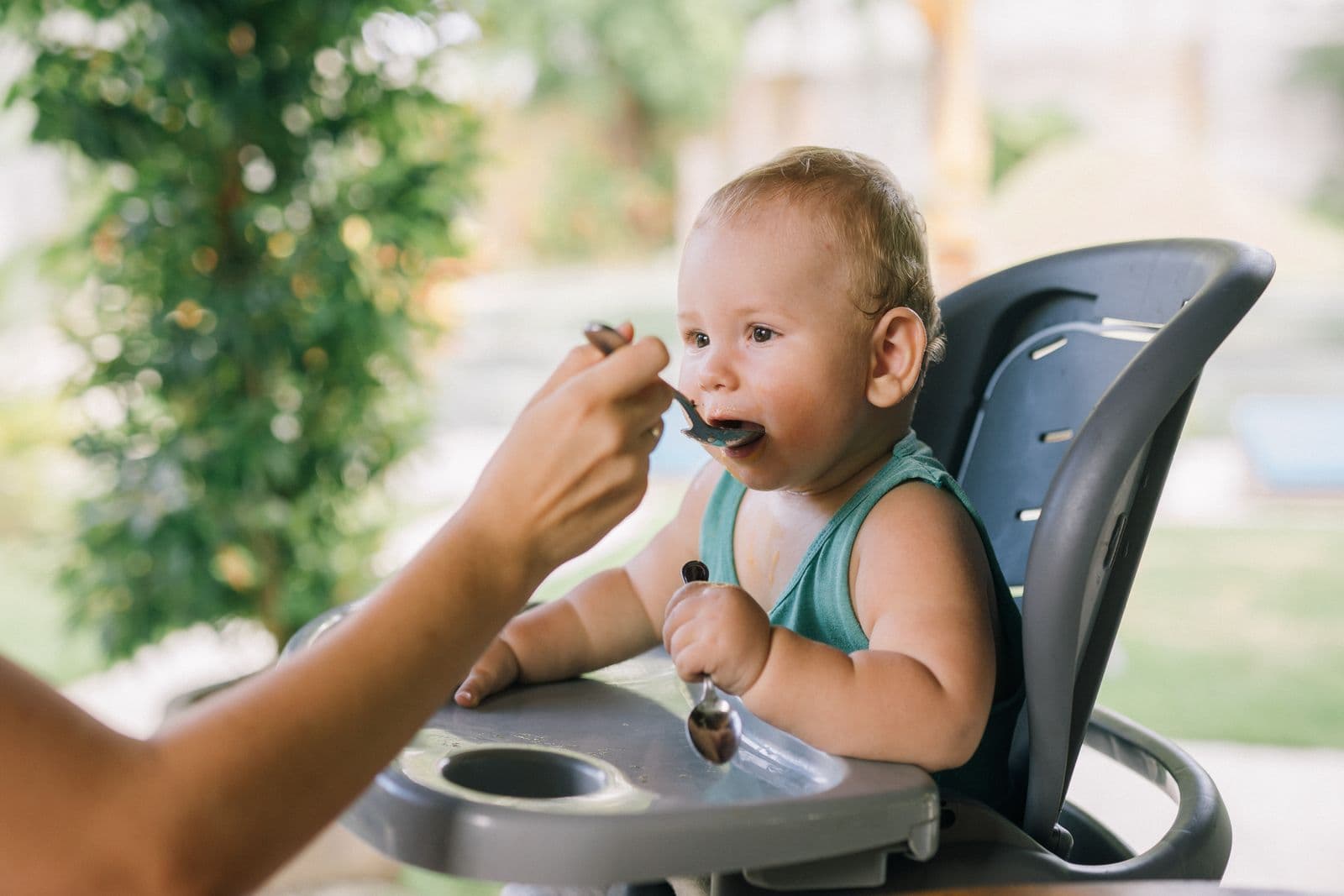
Best First Baby Foods & Best First Foods for Baby (CDC and AAP Guide)
Best first baby foods and best first foods for baby, in plain CDC and AAP terms: iron-rich starters around 6 months, one food at a time, allergen timing, first-feeding setup (bibs, spoons, cups), and what not to give. Editorially reviewed general information, not medical advice — not a ranked jar list.
How to Handle Picky Eating in Toddlers
Why toddlers get picky around ages 2–4, the feeding approach with the most evidence behind it, and the red flags worth a pediatrician visit.

"Is This Normal?" 10 Newborn Behaviors That Surprise New Parents
The startling-but-normal things newborns do — from noisy breathing to "newborn blindness" — and the few real red flags that mean call your pediatrician.

How to Choose a Pediatrician: Questions to Ask Before Baby Arrives
When to start looking, where to find candidates, and the questions worth asking at a prenatal meet-and-greet — so you're not choosing your baby's doctor in the exhausted first week home.

Baby-Led Weaning vs. Purees: How to Choose (or Combine Both)
Baby-led weaning vs purees (and BLW vs purees combination feeding): mess, iron, gagging vs choking, and what CDC and AAP actually say about textures, readiness, and safety.
Mom's Magazine Editorial Team
Editorial Team
The Mom's Magazine editorial team researches and writes practical, plainly-sourced guidance for parents and families. Guides are reviewed for accuracy and updated as recommendations change. Where a topic calls for professional expertise, we cite reputable organizations and, for health topics, add a qualified reviewer before publishing.
Newsletter
Get the Weekly Mom List
One short email a week: the most useful guides, activities, and picks for your family. No spam, unsubscribe anytime.