Parenting
Best First Baby Foods & Best First Foods for Baby (CDC and AAP Guide)
Best first baby foods and best first foods for baby, in plain CDC and AAP terms: iron-rich starters around 6 months, one food at a time, allergen timing, first-feeding setup (bibs, spoons, cups), and what not to give. Editorially reviewed general information, not medical advice — not a ranked jar list.
As an Amazon Associate I earn from qualifying purchases.Some links on this page are affiliate links. If you buy through them, Mom's Magazine may earn a small commission at no extra cost to you. It never changes which products we recommend. How we recommend products.
Best first baby foods and best first foods for baby mean the same thing in CDC and AAP language: iron- and zinc-rich complementary starters around 6 months — not a ranked jar or pouch list. The foods those agencies name most often are soft meats such as turkey, chicken, and beef, and iron-fortified infant cereal (oat, barley, or multigrain, not only rice), plus mashed legumes, soft fruits and cooked vegetables, and plain pasteurized yogurt or cheese. Both agencies say most babies can start these complementary foods at about 6 months, once they show developmental readiness — sitting with support, controlling the head and neck, opening the mouth for food, and swallowing instead of pushing food back out. There is no required first-food order and no single winning first food; iron and zinc come first, then variety. Introduce one single-ingredient food at a time, wait 3 to 5 days, offer common allergens in baby-safe forms when other foods start, and keep breast milk or formula as the main nutrition through the first year. This is general information from those agencies, not medical advice — talk with your child's pediatrician before you start, especially if your baby was premature, has severe eczema, or has already had a food reaction.
Best for Baby-Led Weaning
Baby-Led Weaning, Completely Updated and Expanded Tenth Anniversary Edition: The Essential Guide
Best for: Parents who want to skip purees and go straight to self-feeding whole foods
Quick picks
| Product | Best for | |
|---|---|---|
| Baby-Led Weaning, Completely Updated and Expanded Tenth Anniversary Edition: The Essential Guide Best for Baby-Led Weaning | Parents who want to skip purees and go straight to self-feeding whole foods | Check price on Amazon |
| OXO Tot Waterproof Silicone Roll Up Bib Everyday solids bib | Everyday spoon-feeding when first baby foods start | Check price on Amazon |
| Bumkins Silicone Pocket Bib Deep pocket for BLW mess | Messy self-feeders and baby-led weaning alongside first foods | Check price on Amazon |
| ezpz Mini Mat Suction mat for early self-feeding | Early self-feeding once textures move past smooth purees | Check price on Amazon |
| NumNum Pre-Spoon GOOtensils, 2-Pack Pre-spoon for early solids | Earliest self-feeding weeks alongside best first baby foods | Check price on Amazon |
| ezpz Tiny Spoon, 2-Pack Short spoon as skills grow | Short soft spoon once wrist control shows up | Check price on Amazon |
| Munchkin Miracle 360 Sippy Cup, 7 Ounce, Tropical Swirl, Blue/Green Spoutless trainer cup | Spoutless toddler training cup | Check price on Amazon |
| b.box Sippy Cup with Weighted Straw, 8 oz On-the-go straw cup | On-the-go water once baby first foods are underway | Check price on Amazon |
Most families start asking about first foods the week a baby starts staring at the dinner plate. The honest answer is less exciting than a ranked list of pouches: the CDC and the AAP do not crown a single winning first food. They describe when a baby is ready, which nutrients to prioritize, how to add new foods one at a time, which textures to start with, and which foods and drinks to skip. This guide sticks to official pages for feeding guidance and says so when a claim is theirs.
General information, not medical advice
Infant feeding is a health topic that belongs with your child's clinician. This article is editorially reviewed general information from CDC, AAP, and FDA pages. It is not medical advice, not a feeding plan for your child, and not medically reviewed. Talk with your child's pediatrician before starting solids — and sooner if your baby was born early, has a medical condition, has severe eczema, or has already had an allergic reaction to food.
Same week as first foods: a method book and a cup
The Amazon pick already on this guide is the [Baby-Led Weaning book] — a method guide, not a ranked first-food list. When cup practice starts around 6 months, we already compared the [Munchkin Miracle 360 Trainer Cup] and the [b.box Sippy Cup with Weighted Straw] in our sippy cup roundup. No new products, prices, or ratings here.
Check the Baby-Led Weaning book on AmazonAffiliate link.
Check Munchkin Miracle 360 on AmazonAffiliate link.
Check b.box weighted straw cup on AmazonAffiliate link.
Compare all sippy cups we listedRoundup page.
What best first foods for baby actually means
Search results treat best first baby foods like a shopping category. Official guidance treats it like a nutrition and safety question. On its starting-solids page, the AAP says your baby's first foods are your choice — homemade or store-bought — as long as the food is soft or pureed to reduce choking, you introduce one single-ingredient food at a time, and you include foods that provide iron and zinc. CDC, summarizing AAP, says that for most children you do not need to give food in a certain order. That is why this guide will not rank a number-one first food or invent a tested product lineup we have not bought, cooked, and fed.
If best is going to mean anything here, it means the starter foods CDC and AAP themselves name most often: iron-fortified infant cereal; meats such as turkey, chicken, and beef; other proteins; vegetables and fruits prepared to a smooth texture; and, once other foods are going, common allergens in forms that do not choke. Variety matters more than a perfect opening bite. CDC says that by 7 or 8 months a child can eat foods from different groups — vegetables, fruits, meat or other proteins, dairy without added sugars (yogurts and cheeses), and whole grains such as infant cereals.
No ranked first-food products on this page
We have not lab-tested jars, pouches, or cereals, and a best-baby-food-brands list. The only product already attached to this article is a baby-led-weaning book that was already in the file — a method guide, not a first-food ranking. For the method debate itself, see baby-led weaning vs. purees.
Signs your baby is ready — around 6 months, not a calendar rule
CDC's infant-nutrition page opens with a line it attributes to both the Dietary Guidelines for Americans and the AAP: introduce foods other than breast milk or infant formula at about 6 months. The same page is explicit that every child is different and that introducing foods before 4 months is not recommended. Readiness is a cluster of skills, not the morning of a six-month birthday.
Your child can begin eating solid foods at about 6 months. Introducing foods before 4 months is not recommended. Every child is different.
— CDC, When, What, and How to Introduce Solid Foods (page reviewed August 21, 2026)
That guidance and actual practice don't match
A CDC-funded analysis of the Infant Feeding Practices Study II, published in Pediatrics in 2013, found that 40.4% of mothers had introduced solid foods before their baby's 4-month birthday — earlier than the CDC and AAP timing above. The gap wasn't even across feeding types: 52.7% of exclusively formula-fed babies started before 4 months, compared with 24.3% of exclusively breastfed babies. It's older data, not a 2026 statistic, but the CDC's current guidance page still frames "introducing foods before 4 months is not recommended" as a caution worth stating plainly — a sign this pattern hasn't fully gone away. If a well-meaning relative insists early solids are normal because "everyone does it," the data backs up that it happens often — not that it matches current guidance.
CDC lists these developmental signs that a child is ready to begin eating food:
- Sits up alone or with support.
- Can control their head and neck.
- Opens their mouth when you offer food.
- Swallows food rather than pushes it back out onto their chin.
- Brings objects to their mouth.
- Tries to grasp small objects, such as toys or food.
- Transfers food from the front to the back of their tongue to swallow.
AAP's HealthyChildren starting-solids page asks the same questions in parent language. Can the baby hold their head up and sit in a high chair or feeding seat with good head control? Do they watch you eat, reach for your food, and seem eager? If a spoon of cereal is pushed back out and dribbles down the chin, they may not yet be able to move thicker food to the back of the mouth — AAP calls that normal and says you can dilute the food, thicken it gradually, or wait a week or two and try again. AAP also notes a size cue used in clinic conversations: when infants double their birth weight (typically around 4 months) and weigh about 13 pounds or more, they may be ready. That is a may, not a start date. A smaller baby who sits and swallows can be ready; a bigger baby who still tongue-thrusts every spoonful is not.
AAP on milk first, then food
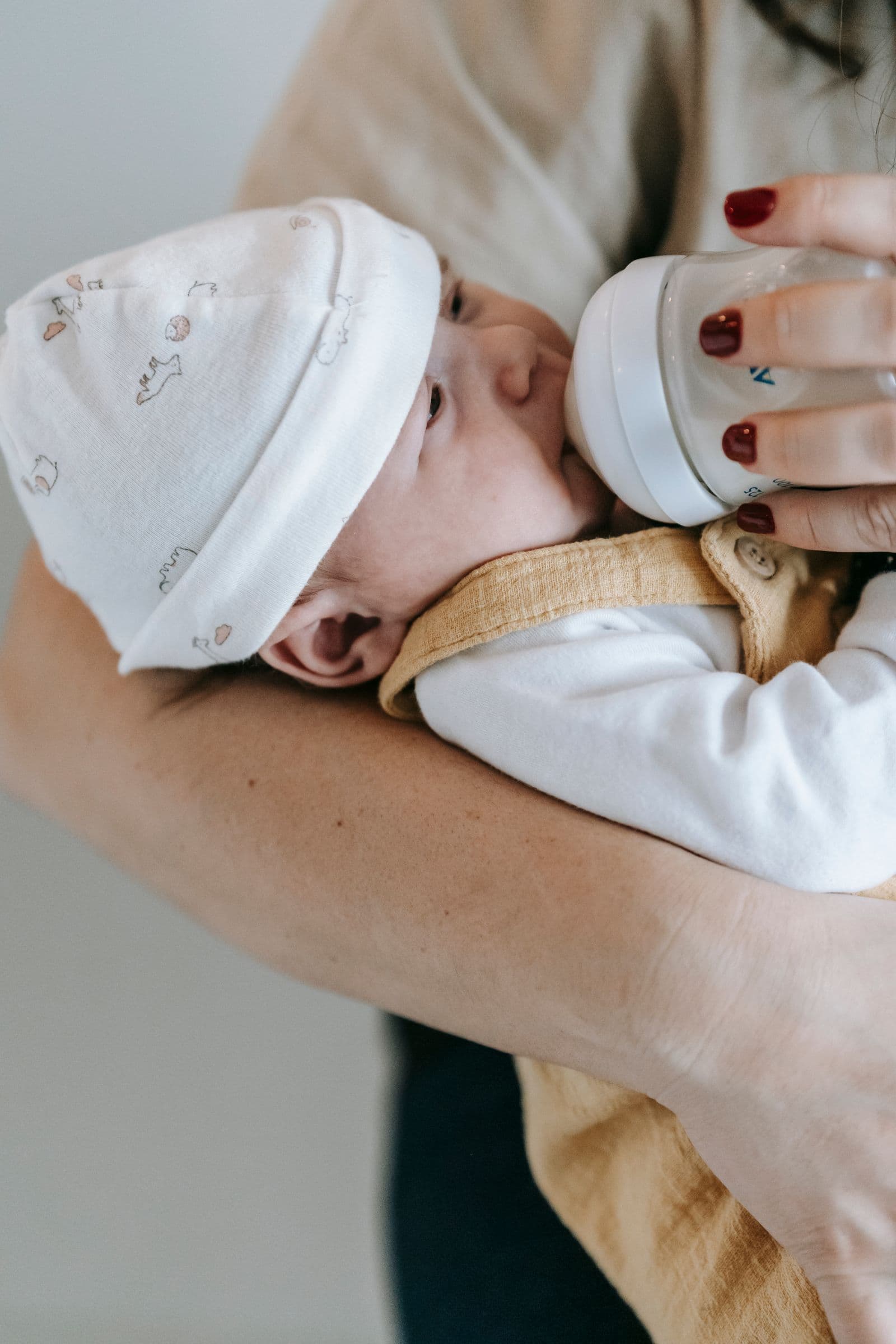
AAP recommends providing only breast milk for approximately 6 months after birth, then continuing breastfeeding along with introductory foods for as long as you and your child wish, for 2 years or beyond. Formula-fed babies follow the same complementary-food timing on CDC's page: foods other than breast milk or infant formula at about 6 months. Check with your child's doctor about vitamin D and iron supplements during the first year — this article does not give supplement doses.
If you are still deciding how milk feeds work before this stage, our guide to breastfeeding vs. formula covers that earlier decision. Solids do not replace those feeds in the first year.
The best first foods for baby, as CDC and AAP describe them
Parents often want one official first spoonful. AAP will not give it. Your baby's first foods are your choice, the starting-solids page says, then lists the constraints that actually matter: soft or pureed texture, one new single-ingredient food every 3 to 5 days, watch for reactions, and include iron and zinc. There is no evidence, AAP adds, that giving fruit first will make a baby dislike vegetables.
Iron-rich foods come up first for a reason
AAP's breastfeeding-and-solids page is the clearest official statement on why iron shows up in every serious first-foods list: most breastfeeding babies' iron stores begin to diminish at about 6 months, so good first choices are foods rich in that mineral. Current AAP language on that page is that meats such as turkey, chicken, and beef should be added as one of the first solids for the breastfed infant — they provide high-quality protein, iron, and zinc. Iron-fortified infant cereal (the page names oatmeal as an example) is another good complement to breast milk. When you start cereal, AAP says to check that it is a single-ingredient product without added fruit, milk, yogurt solids, or infant formula, so a first reaction is easier to spot.
The starting-solids AAP page repeats the iron-and-zinc point for every baby, not only breastfed ones: include foods that provide iron and zinc, such as baby food made with meat or iron-fortified cereals. If you use premade cereal, it should be made for babies and iron fortified. You can buy it premixed or dry, and mix the dry kind with breast milk, formula, or water.
CDC's how-to-prepare list matches that: mix infant cereals and mashed, cooked grains with breast milk, formula, or water until they are smooth and easy to swallow. If cereal is part of the rotation, CDC and its infant-nutrition FAQ say to offer a variety of fortified infant cereals such as oat, barley, and multigrain instead of only rice cereal. The FAQ question is framed around arsenic in infant cereal; the answer we can quote is the variety recommendation.
Food groups CDC expects by 7 or 8 months
Once a baby has started, CDC says that by 7 or 8 months they can eat various foods from different groups. That is a horizon, not a menu you have to finish in week one.
- Vegetables
- Fruits
- Meat or other proteins
- Dairy without added sugars, like yogurts and cheeses
- Whole grains, like infant cereals
CDC's foods and drinks to encourage page gives parent-level examples in those groups: cooked spinach, carrots, beans, peas, lentils, sweet potatoes, or beets; bananas, strawberries, pears, oranges, melons, or avocados; soft, small pieces of beef, lamb, chicken, fish, turkey, eggs, or tofu; pasteurized cheeses or yogurts, including fortified dairy alternatives; and whole-grain breads, crackers, or pastas. Those examples still have to pass the texture and choking rules below. Whole beans, for example, appear on CDC's encourage list as a protein or vegetable and on its choking-hazard list as whole beans — the difference is preparation (cooked and mashed versus served whole).
| Commonly recommended starter | Why the official pages mention it | How those pages say to prepare it |
|---|---|---|
| Iron-fortified infant cereal (oat, barley, or multigrain — not only rice) | AAP: include iron and zinc. CDC: variety of fortified cereals rather than only rice cereal. | Mix with breast milk, formula, or water until smooth (CDC). Start single-ingredient (AAP). |
| Meat — turkey, chicken, beef | AAP: one of the first solids for breastfed infants; protein, iron, and zinc. | Remove fat, skin, and bones before cooking; cook until soft enough to mash (CDC). |
| Beans, lentils, other cooked legumes | CDC encourage list (beans, peas, lentils) as vegetables or proteins. | Cook until mashable. CDC lists whole beans as a choking hazard. |
| Soft fruits and cooked vegetables (banana, avocado, sweet potato, carrot, squash, apple) | CDC and AAP fruit and vegetable groups; AAP names applesauce, pears, peaches, bananas, cooked carrots, peas, sweet potatoes. | Mash or puree until smooth. Cook hard produce (carrots, apples) so you can mash them (CDC). |
| Pasteurized yogurt or cheese without added sugars | CDC: dairy without added sugars can start before 12 months. Drinking cow's milk waits until after 12 months. | Plain, pasteurized. CDC and FDA both warn against unpasteurized milk, yogurt, cheese, and juice. |
| Well-cooked egg; thinned nut butter; fish lower in mercury | CDC: introduce potentially allergenic foods when you introduce other foods. AAP: no evidence that delaying egg, dairy, soy, peanut products, or fish beyond 4 to 6 months prevents allergy. | Baby-safe textures only. CDC lists whole nuts, chunks or a spoonful of nut butter, and bones in fish as choking hazards. |
One new food at a time, then wait 3 to 5 days
CDC: let your child try one single-ingredient food at a time at first, so you can see if they have any problems, such as food allergies, and wait 3 to 5 days between each new food. AAP uses the same 3-to-5-day window and says to look out for reactions. That is identification, not a homemade allergy-prevention protocol.
Best first baby foods: a practical shortlist (not a ranking)
If you came here for a list you can actually shop from, here it is — but read the disclaimer in the heading first. This is not a ranking, a best-of, or a set of scored products. It is the group of starter foods CDC and AAP name most often across their infant-nutrition pages, arranged so you can see them at a glance. There is no required order among them; you do not have to start at the top and work down. The one thing the official pages ask you to prioritize is iron and zinc, and the one rule that governs the whole list is one new single-ingredient food at a time, then wait 3 to 5 days before the next so a reaction is easy to trace. Everything below still has to pass the texture and choking rules in the sections that follow.
Start with the two foods both agencies keep returning to when they explain why iron matters at 6 months: soft meats and iron-fortified infant cereal. AAP calls meats such as turkey, chicken, and beef good early solids for breastfed infants because they carry high-quality protein, iron, and zinc together, and it names iron-fortified infant cereal — oatmeal is its example — as another good complement. CDC adds the variety note that keeps this list off rice by default: offer a variety of fortified infant cereals such as oat, barley, and multigrain rather than relying only on rice cereal. If you want a single sentence to remember, it is this: reach for an iron- and zinc-rich food first, and let the rest of the shortlist fill in around it over the following weeks.
From there, the shortlist widens into the food groups CDC expects a baby to be eating across by 7 or 8 months. Mashed legumes — beans, peas, and lentils cooked until they crush easily — cover protein and iron in a plant form and mash to a first-foods texture without much work. Soft fruits and cooked vegetables give you the widest, cheapest rotation: banana and avocado need no cooking, while sweet potato, carrot, squash, and apple should be cooked until you can mash or puree them smooth. Plain pasteurized yogurt and cheese without added sugars can start before 12 months on CDC's page, even though cow's milk as a drink waits until after the first birthday. And when other foods are already going, common allergens belong on the list too — well-cooked egg, thinned nut butter stirred into cereal or fruit, and fish lower in mercury — always in baby-safe forms, never as whole nuts or a chunk or spoonful of nut butter.
Notice what is not on this shortlist: no brand names, no prices, no star ratings, and no claim that one pouch or cereal beats another. We have not lab-tested jars or cereals, so a ranking of them. The value of a shortlist like this is not that it picks a winner — it is that it shows you have real range on day one. A baby who starts on mashed lentils is not behind a baby who starts on iron-fortified oat cereal, and neither is behind a baby who starts on pureed beef. Iron and zinc first, then variety, then patience with texture — that is the whole method, and it is the same whether the food comes from your blender or a single-ingredient jar.
Use the table below as the at-a-glance version of the shortlist. Each row is a food or food group the official pages name, why it earns a place, and the one preparation rule that keeps it baby-safe. Prepare each to the smooth or soft texture described later on this page, and introduce them one at a time.
| Shortlist starter | Iron / zinc priority? | Baby-safe form |
|---|---|---|
| Soft meats — turkey, chicken, beef | Yes — AAP names these first for iron and zinc | Remove fat, skin, and bones; cook soft; puree or finely mince to a smooth, mashable texture. |
| Iron-fortified infant cereal — oat, barley, or multigrain (not only rice) | Yes — fortified for iron; CDC says vary the grain | Single-ingredient; mix with breast milk, formula, or water until smooth. Never in a bottle. |
| Mashed beans, peas, and lentils | Partly — plant iron and protein | Cook until they crush easily and mash; CDC lists whole beans as a choking hazard. |
| Soft fruits and cooked vegetables — banana, avocado, sweet potato, carrot, squash, apple | No — variety and vitamins | Mash raw banana/avocado; cook hard produce until you can mash or puree it smooth. |
| Plain pasteurized yogurt or cheese, no added sugars | No — dairy for calcium and protein | Pasteurized and unsweetened; can start before 12 months. Cow's milk as a drink waits until after 12 months. |
| Baby-safe allergens — well-cooked egg, thinned nut butter, lower-mercury fish | No — allergen exposure once other foods start | Egg cooked through; nut butter thinned into cereal, fruit, or yogurt; never whole nuts or a spoonful of nut butter. |
How to read this shortlist
This is a shortlist, not a ranking. CDC and AAP say there is no required first-food order, so pick any starter here — an iron- and zinc-rich one first is the only priority. Introduce one single-ingredient food at a time and wait 3 to 5 days before the next. No brands, prices, or best-of scores appear on this page because we have not tested products to publish them.
Texture progression: smooth first, then thicker, then chopped
CDC's tastes-and-textures page and its how-to-introduce page agree on the starting texture: at around 6 months it is easier to eat mashed, pureed, or strained foods that are very smooth. It can take time to adjust. CDC says a child might cough, gag, or spit up. You introduce thicker and more lumpy foods as eating skill develops, then finely chopped or ground foods as they get older and are ready. The textures CDC names are smooth (strained or pureed), mashed or lumpy, and finely chopped or ground.
That progression is about skill, not a race. CDC also says to prepare foods that easily dissolve with saliva and do not require chewing, feed small portions, encourage the baby to eat slowly, and always watch them while they eat. AAP is blunt about the early weeks: do not give food that requires chewing at this age, or any food that can be a choking hazard. Once a baby can sit up and bring hands or objects to their mouth, AAP says you can offer finger foods that are soft, easy to swallow, and cut into small pieces — small pieces of banana, wafer-type cookies or crackers, scrambled eggs, well-cooked pasta, well-cooked finely chopped chicken, and well-cooked cut-up potatoes or peas.
- Start smooth: mashed, pureed, or strained foods (CDC, around 6 months).
- Thicken as skill develops: more lumpy mashed textures (CDC).
- Move to finely chopped or ground foods when the baby is older and ready (CDC).
- Add soft, small finger foods once the baby sits up and brings objects to their mouth (AAP).
CDC's textures page also says to encourage a child to pinch or pick up food with their fingers — it helps them learn how food feels and builds fine motor skills. That is official permission to let a baby get messy with safe pieces. It is not the same thing as a full baby-led-weaning protocol. CDC does not use that brand name on the pages. Families who want the method comparison — mess, cost, and the gagging-versus-choking questions that article takes up — should use our baby-led weaning vs. purees guide rather than treat this page as an endorsement of either camp.
How to offer those first bites
AAP's feeding advice for the first sessions is small and unhurried. Start with half a spoonful or less. The baby may look confused, wrinkle their nose, roll the food around, or reject it. One way AAP suggests making the first tries easier is to give a little breast milk or formula first, switch to very small half-spoonfuls of food, then finish with more milk, so a very hungry baby is not asked to learn a new skill at peak frustration. Increase gradually — AAP says just a teaspoonful or two to start — so the baby has time to learn to swallow solids.
If the baby cries or turns away, AAP says do not make them eat. Go back to breastfeeding or bottle-feeding exclusively for a time before trying again. Starting solids is a gradual process; at first, most nutrition still comes from breast milk, formula, or both. AAP's breastfeeding-and-solids page adds a practical timing note for milk-fed babies: first foods are complements, not replacements, and it can help to offer them after a late-afternoon or evening feeding, when milk supply may be lower and the baby may still be hungry. That is a suggestion on that page, not a rule you have to run by the clock.
Do not put cereal in the bottle
AAP: do not put baby cereal in a bottle because the baby could choke, and it may increase how much they eat. Cereal in a bottle may be recommended if a baby has reflux — check with the child's doctor. CDC's FAQ is just as direct: putting infant cereal or other solid foods in the bottle will not make a baby sleep longer, and it could increase the risk of choking.
AAP also describes what enough looks like later, once meals exist: at each of the baby's daily meals they should be eating about 4 ounces, or the amount in one small jar of strained baby food. Limit processed foods made for adults and older children; those often contain more salt and other preservatives. If you make food at home, AAP says to use a blender or food processor or mash softer foods with a fork, cook fresh foods with no added salt or seasoning, and refrigerate leftovers. Fresh foods spoil faster than canned or jarred food. Watch for spoilage before serving.
A seated, wipeable high chair makes the sit-up-while-eating rule on CDC's choking page easier to follow. Our high-chair comparison is a shopping guide, not a feeding-safety substitute. If any of those milk feeds are still from a bottle, our baby-bottle comparison stays on flow and cleaning, not on solids. The mess is real either way — our comparison of silicone bibs and suction placemats covers what actually catches dropped iron-fortified cereal and mashed sweet potato versus what just looks like it will.
Store-bought pouches, jars, and cereal: what "best" means on the label
None of this changes because a food comes from a jar instead of your own blender. The FDA's Closer to Zero initiative, which set voluntary action levels for lead in food intended for babies and young children in 2025, is the reason more brands now print heavy-metal testing claims on packaging. That initiative does not ban any category of baby food or tell parents to avoid pouches — it pushed manufacturers toward lower action levels and encouraged more frequent testing. The practical takeaway for a label is the same one CDC and AAP already give for homemade first foods: check that a cereal or pouch is iron-fortified and single-ingredient when you're starting out, skip anything with added sugar (CDC's added-sugar rule applies to store-bought food same as homemade), and rotate grains and vegetables rather than feeding the same rice-based pouch daily, since variety is also how you reduce any one food's contribution to total exposure. We are not naming a ranked list of "safest" baby-food brands — that would require lab results we have not run — but rotating between rice, oat, barley, and multigrain cereals, and between root vegetables and other produce, is advice CDC's own arsenic-in-infant-cereal FAQ points toward.
If you're deciding whether to build first foods around a blender, a steamer, or a jar, our comparison of baby food makers walks through what a dedicated steam-and-blend appliance actually buys you over a stovetop pot and a fork, and when a $20 hand-crank mill does the same job for an occasional user.
If you're leaning toward homemade, the freezer tray you portion it into matters more than it seems like it should. Our comparison of baby food storage containers and freezer trays covers silicone versus glass and which sizes fit an early-solids appetite versus a toddler's.
Allergen introduction — what CDC and AAP state, and nothing extra
This is the section older relatives are most likely to get wrong. For years, families were told to delay peanut, egg, and other common allergens. The pages say the opposite, at a high level.
CDC: introduce potentially allergenic foods when you introduce other foods. The foods CDC lists on that page are eggs, shellfish, nut butters, and wheat. Drinking cow's milk or fortified dairy alternatives is not recommended until the child is older than 12 months; other cow's milk products, such as yogurt without added sugars, can be introduced before 12 months. If the child has severe eczema or an egg allergy, CDC says to talk with the child's doctor or nurse about when and how to safely introduce foods with peanuts.
AAP's starting-solids page: there is no evidence that waiting to introduce baby-safe (soft) foods such as eggs, dairy, soy, peanut products, or fish beyond 4 to 6 months of age prevents food allergy. Testing for peanut allergy is recommended for babies with severe eczema and/or egg allergy. Check with your child's doctor about how and when to give peanut products.
AAP's longer allergy page — When to Introduce Egg, Peanut Butter and Other Common Food Allergens to a Baby. Experts once thought delaying peanut might prevent allergy and even eczema. Newer research, the page says, found no benefit to delaying allergenic foods. Once a baby is ready for solids, it can be helpful to begin offering small amounts of foods more likely to cause allergies. The page mentions a 2015 study of early peanut introduction with continued, regular servings in infants at high risk (severe eczema and/or egg allergy), and a follow-up that showed lasting protection. It also says studies have found protective effects with early introduction of eggs and infant-appropriate dairy such as cow's-milk-based formula. We are not going to turn those sentences into teaspoon-by-teaspoon instructions.
High-risk babies need their pediatrician, not a printout
AAP: if your baby has or had severe, persistent eczema or an immediate allergic reaction to any food — especially a highly allergenic food such as egg — they are considered high risk for peanut allergy. Talk with the pediatrician first about how and when to introduce highly allergenic complementary foods. CDC says the same for severe eczema or an egg allergy and peanut. We will not publish amounts, frequencies, or an at-home challenge schedule.
What we will repeat, because both choking guidance and the AAP allergy page say it: do not feed whole peanuts or tree nuts to babies or young children. AAP says whole nuts can block the airway and that whole or partially chewed peanuts inhaled into the lungs can cause a severe chemical pneumonia; it says to avoid whole peanuts until a child is old enough to be counted on to chew them well (usually at least 4 years). To introduce peanut, AAP describes mixing and thinning a small amount of peanut butter in cereal, pureed fruit, or yogurt, or dissolving peanut butter in breast milk or formula and feeding it by spoon. CDC's choking page lists chunks or a spoonful of nut and seed butters as foods to avoid. Those are texture rules, not a dose.
Choking hazards CDC and USDA actually list
CDC's choking-hazards page says a baby may choke while learning to chew and swallow, and that hazards can exist even after a child is feeding themselves. The way food is prepared may increase the risk: foods served uncooked, whole, or in certain shapes or sizes. Cutting food into smaller pieces and mashing foods can help. CDC then reprints a list from the USDA Special Supplemental Nutrition Program for Women, Infants, and Children (WIC) and warns that the list may not include every food that could cause choking.
How CDC says to set up the meal
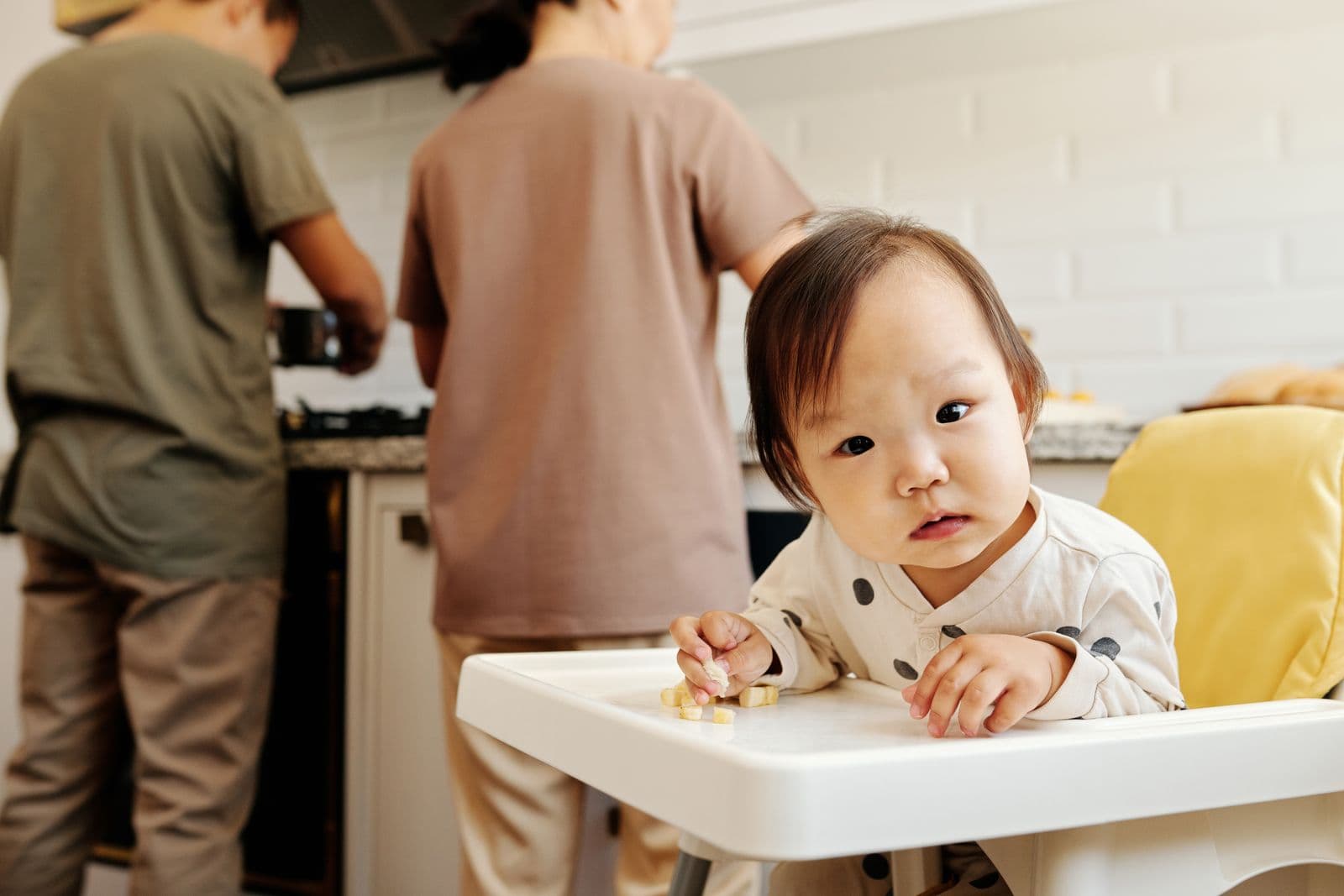
Have the child sit up while eating — no lying down, crawling, or walking. Use a high chair or other safe place. Avoid letting the child eat in the car or a stroller. Keep mealtimes calm; avoid distractions, disruptions, and rushing. Pay close attention to what the child puts in their mouth, and watch them at all times while they eat. Talk with the child's doctor or nurse about what to do if the child chokes.
Fruits and vegetables to avoid (CDC / USDA WIC list)
- Cooked or raw whole corn kernels.
- Uncut cherry or grape tomatoes.
- Pieces of hard raw vegetables or fruit, such as raw carrots or apples.
- Whole pieces of canned fruit.
- Uncut grapes, berries, cherries, or melon balls.
- Uncooked dried vegetables or fruit, such as raisins.
Proteins to avoid (CDC / USDA WIC list)
- Whole or chopped nuts and seeds.
- Chunks or spoonful of nut and seed butters, such as peanut butter.
- Tough or large chunks of meat.
- Hot dogs, meat sticks, or sausages.
- Large chunks of cheese, especially string cheese.
- Bones in meat or fish.
- Whole beans.
Grain products and sweetened foods to avoid (CDC / USDA WIC list)
- Cookies or granola bars.
- Potato or corn chips, pretzels, popcorn, or similar snack foods.
- Crackers or breads with seeds, nut pieces, or whole grain kernels.
- Whole grain kernels of cooked barley, wheat, or other grains.
- Plain wheat germ.
- Round or hard candy, jelly beans, caramels, gum drops, or gummy candies.
- Chewy fruit snacks, chewing gum, and marshmallows.
CDC's prepare-food list is the counterpart to that avoid list. Cut cylindrical foods like hot dogs, sausage, and string cheese into short thin strips — round pieces can get stuck in the airway. Cut small spherical foods such as grapes, cherries, berries, and tomatoes into small pieces. Remove seeds and hard pits from fruit, then cut the fruit small. Remove all fat, skin, and bones from poultry, meat, and fish before cooking. Cook hard vegetables and fruits so you can mash or puree them. Cook and finely grind or mash whole-grain kernels. AAP's own under-1 choking list on the starting-solids page overlaps: hot dogs (including meat sticks or baby-food hot dogs); nuts and seeds; chunks of meat or cheese; whole grapes; popcorn; chunks of peanut butter; raw vegetables; fruit chunks such as apple chunks; and hard, gooey, or sticky candy.
What not to give — only what the official pages say
Choking is one kind of do-not-serve. The other kind is foods and drinks CDC, AAP, and FDA flag as unsafe or a poor idea in the first year even when the texture is right.
Honey before 12 months
CDC: honey given to children younger than 12 months may cause a severe food poisoning called botulism. Do not give honey before 12 months. Do not add honey to the baby's food, water, infant formula, or pacifier. FDA's Once Baby Arrives food-safety page says the same in different words: do not use honey as a sweetener to entice babies to drink water from a bottle; honey is not safe for children less than a year old because it can contain the Clostridium botulinum organism that could cause serious illness or death. We are not adding homemade caveats about baked honey or just a little on a pacifier. CDC already closed the pacifier loophole.
Cow's milk as a drink, juice, and what dairy does mean
CDC: giving cow's milk to a baby before 12 months may put them at risk for intestinal bleeding. Cow's milk also has too many proteins and minerals for a baby's kidneys and does not have the right amount of nutrients the baby needs. The cow's-milk page repeats those three reasons and says you can introduce whole cow's milk at 12 months old, but not before. Yogurt and cheese without added sugars are a different sentence: CDC's introduce-solids page allows those before 12 months. Do not give raw or unpasteurized milk — CDC says raw milk and raw milk products can carry harmful bacteria and can be life-threatening. FDA's baby food-safety page also says not to give raw or unpasteurized milk or unpasteurized fruit or vegetable juice to infants or young children.
Juice is not a first food. CDC: children younger than 12 months should not drink any fruit or vegetable juice. AAP: babies do not need juice; babies younger than 12 months should not be given juice. After 12 months (up to 3 years), AAP and CDC both cite AAP's limit of no more than 4 ounces a day of 100 percent fruit juice, in a cup, not a bottle. Fruit drinks and juice drinks have added sugars and should not be given. Whole fruit is the healthier option on both pages.
Added sugars, salty foods, unpasteurized foods, and high-mercury fish
CDC: infants and young children should not have added sugars. Examples on that page include muffins, flavored yogurts, and cookies. CDC also says to avoid foods high in salt (sodium) — some canned foods (choose low sodium or no salt added), processed meats such as lunch meats, sausages, hot dogs, and ham, and some frozen dinners. Unpasteurized juice, milk, yogurt, and cheeses may put a child at risk for harmful bacteria that can cause severe diarrhea.
CDC lists fish to avoid because of mercury: king mackerel, marlin, orange roughy, shark, swordfish, tilefish from the Gulf of Mexico, and bigeye tuna. The same page says many other types of fish are lower in mercury and have nutrients that support brain development, and it points parents to FDA and EPA advice about eating fish — CDC's FAQ on whether a child should eat fish does the same. We are not turning that into a homemade serving chart. If family or friends caught the fish, CDC says to check local fish and shellfish advisories before serving it.
Caffeinated drinks are not a first-foods question for most six-month-olds, but CDC states it anyway: children younger than 24 months should avoid caffeinated drinks such as soft drinks, tea, coffee, and sports drinks, and there is no established safe limit of caffeine for young children. Sugar-sweetened drinks — soda, flavored milk, sports drinks, flavored water with sugar, juice drinks — are on the avoid list. Children younger than 24 months should not have added sugars.
How much to expect — practice first, milk still does the work
The first week of baby first foods is a skills class. AAP says most of the first few solid-food feedings will wind up on the face, hands, and bib, and that the baby is still getting most of their nutrition from breast milk, formula, or both. AAP's breastfeeding page says breast milk will continue to provide the great majority of needed nutrients even as the baby samples new foods; early solid-food experiences are practice sessions for the future. CDC's FAQ on why nutrition matters says exclusive breast milk is the recommended source for most babies for about the first 6 months, and that feeding solid foods in addition to breast milk or infant formula helps meet rising nutrient needs as children grow.
Appetite is not a report card. AAP: watch your child for cues that they have had enough; do not overfeed. If the baby cries or turns away, stop. AAP also tells parents to offer a good variety of healthy foods and to encourage family meals from the first feeding when you can. If you have questions about the child eating too much or too little, talk with the child's doctor — that sentence is on the AAP starting-solids page, and it is the right one to keep.
What looks like picky at 6 months is often just a new texture. CDC's FAQ says it may take 8 to 10 exposures before a young child is willing to try a new food. If that caution hardens into a short toddler menu later, our picky-eating guide is the next article in this cluster — not a reason to force bites now.
Cup practice that starts alongside solids is also the first step of a much longer transition away from the bottle entirely. Our age-by-age guide to weaning off the bottle picks up from here and covers dropping feedings one at a time, through the AAP's 12-to-18-month target window.
Water once solids start
AAP: healthy babies do not need extra water. Breast milk, formula, or both provide all the fluids they need. It is OK to offer a little water when you begin solid foods. Use an open, sippy, or strawed cup, and limit water to no more than 1 cup (8 ounces) each day. A small amount of water may be needed in very hot weather. If local water is fluoridated, drinking water will also help prevent future tooth decay. For the two cups already on our sippy cup roundup — [Munchkin Miracle 360] and [b.box weighted straw] — see that page, not a new ranking here.
CDC's foods-and-drinks-to-encourage page, for children 6 to 12 months, lists two drinks: breast milk or infant formula, and water (4 to 8 ounces a day). Those two official ranges sit next to each other: AAP's ceiling is 8 ounces; CDC's range is 4 to 8 ounces. Neither page is asking you to replace milk feeds with water. If a pediatrician has given your baby a different fluid plan — reflux, heat, illness — follow that plan.
Check the Baby-Led Weaning book on AmazonAffiliate link. Method guide already listed in Our Recommendations below.
Check Munchkin Miracle 360 on AmazonAffiliate link. Listed on /products/best-sippy-cups.
Check b.box weighted straw cup on AmazonAffiliate link. Listed on /products/best-sippy-cups.
Cup practice often starts the same week as solids — small sips of water, not a bottle replacement. Our open cups for babies guide covers tiny silicone open cups and straw bridges,.
What changes after solids start
AAP warns parents about the diaper, because the first week of solids produces a lot of false alarms. Stools become more solid and more variable in color, and they have a much stronger odor because of added sugars and fats in food. Peas and other green vegetables may turn stool deep green; beets may make it red, and sometimes the urine too. If meals are not strained, stools may contain undigested pieces — hulls of peas or corn, skins of tomatoes or other vegetables. AAP calls all of that normal. An immature digestive system needs time. If stools are extremely loose, watery, or full of mucus, AAP says the digestive tract may be irritated: reduce the amount of solids and introduce them more slowly, and if that pattern continues, talk with the child's doctor.
AAP also asks parents to treat these early meals as practice for the process of eating: sitting up, taking food from a spoon, resting between bites, and stopping when full. Those habits, the page says, help a child learn good eating habits throughout life. That is as close as the official pages come to a philosophy of feeding, and it does not require a branded method.
Firmer, more variable stools are one thing; stools that turn hard, dry, and genuinely painful to pass are another. Our guide to baby and toddler constipation covers which first foods tend to firm things up, which fruits and vegetables help loosen them back out, and when a few days of diet changes should turn into a call to the pediatrician instead.
When to call the pediatrician
Call before you start if your baby was premature, has a medical condition that affects feeding or swallowing, has severe or persistent eczema, has already had an immediate allergic reaction to a food, or you have been told they need a different timeline. Call if you try solids and the baby cannot sit with support, cannot control their head, or still pushes every offering back out after you have waited and tried again. Call if a new food is followed by vomiting, rash, diarrhea, swelling, or trouble breathing — and use emergency care for breathing trouble rather than waiting for office hours. Call if stools stay extremely loose, watery, or full of mucus after you have slowed down, which is AAP's own threshold on the starting-solids page.
CDC's readiness FAQ ends with a line we will copy in spirit: if you have concerns about developmental milestones, talk to the child's doctor and share those concerns. A late-to-sit baby is not a puzzle for a magazine article to solve.
Sources
Every factual claim above is taken from the CDC, AAP, and FDA guidance cited below. The full list with URLs is in the source list at the bottom of this page. The primary documents were CDC's infant-and-toddler nutrition pages on when, what, and how to introduce foods, choking hazards, foods and drinks to avoid or limit, tastes and textures, foods and drinks to encourage, cow's milk, and FAQs; AAP HealthyChildren pages on starting solid foods, breastfeeding and solid foods, and introducing common food allergens; and FDA's Once Baby Arrives food-safety page for honey and unpasteurized drinks.
Week-one grocery list for best first foods for baby (not a ranked brand list)
Parents searching best first baby foods and best first foods for baby often want a cart list and a realistic first-week plan, not another theory page. Here is an honest week-one grocery pass built from the same CDC and AAP shortlist above — foods and textures, not a scored brand ranking. Buy what your store carries; rotate brands freely; skip anything with added sugar when you are starting out. This list is practice fuel for the first seven days of complementary feeding, not a calorie target and not a claim that your baby must finish every item.
Shop the iron-and-zinc starters first, then add two or three soft sides you can mash the same day. CDC and AAP both keep returning to soft meats and iron-fortified infant cereal as early complements; CDC also expects fruits, vegetables, and proteins to show up across the first months of solids. A week-one cart that only buys bananas and rice cereal is thinner than what those pages describe. Keep portions tiny — AAP's first sessions are half a spoonful to a teaspoon or two — so you are not throwing out a family-size roast because the baby practiced on two bites.
- One iron-fortified single-ingredient infant cereal — oat, barley, or multigrain preferred over rice-only (CDC variety note). Buy the smallest box; you will thin it and waste less.
- A small amount of soft-cook meat you will puree or finely mince — turkey, chicken, or beef, fat/skin/bones removed (AAP iron-and-zinc starters). A few ounces is enough for several practice spoonfuls once pureed and refrigerated safely.
- One or two soft fruits that mash easily — banana and avocado need no cooking and cover two easy first textures.
- One or two hard vegetables or firm fruit you will cook until mashable — sweet potato, carrot, squash, or apple. Cook until a fork slides through with almost no resistance.
- A can or bag of beans or lentils you will cook until they crush (CDC choking page: not whole beans). Mash thoroughly; skip if you are only doing meat and cereal this week.
- Plain pasteurized yogurt without added sugar if dairy is already in your plan (CDC allows yogurt/cheese before 12 months; cow's milk as a drink waits until after the first birthday).
- Optional: a jar or two of single-ingredient baby food if homemade prep is not realistic this week — same iron/texture rules apply.
- Optional allergen forms only after other foods are going and your pediatrician plan is clear — well-cooked egg, thinned nut butter stirred into cereal or fruit, lower-mercury fish in a baby-safe texture. Never whole nuts or a chunk of nut butter.
That cart is practice fuel, not a week of calorie targets. AAP says early solids are complements — most nutrition still comes from breast milk or formula — and CDC says it can take many exposures before a baby accepts a new food. Buy small. Freeze extras only after you have read safe storage guidance (our homemade baby-food storage guide if you are batch cooking). Do not put cereal in a bottle (AAP and CDC). Do not add honey. Do not invent a best-jar ranking from this list.
A simple day-by-day grocery use pattern (not a required menu)
If the cart still feels abstract, use this pattern for the first week of best first foods for baby — then ignore it the moment your pediatrician or your baby needs a different pace. Day 1–2: one iron-rich single-ingredient food (fortified oat cereal or a soft meat puree) after a milk feed, half-spoonfuls only. Day 3–5: keep that same food while you watch for a reaction, then add one soft fruit or cooked vegetable as the next single ingredient. Day 6–7: still one new food at a time; do not stack three new items in one weekend because the grocery aisle looked inspiring. CDC's 3-to-5-day wait is about tracing reactions, not about unlocking a badge for variety speed.
- Morning or evening milk feed first when the baby is calm — AAP notes first foods after a late-afternoon or evening feed can help some milk-fed babies.
- One practice solid session most days is enough in week one; you do not owe three solid meals on day three.
- Keep a written note of which single-ingredient food started on which day so a rash or spit-up pattern is easier to discuss with the pediatrician.
- If the baby cries or turns away, AAP says do not force the bite — return to milk and try again another day.
Utensils belong in week one too
A flat pre-spoon (NumNum-style) helps early mouthing; a short silicone spoon arrives as coordination improves. Those tools are compared on our toddler self-feeding utensils page and listed in Our Recommendations below — not as a best-first-foods ranking.
First-week schedule pitfalls when starting best first baby foods
The grocery list answers what to buy. The first week of best first baby foods also fails on timing and expectations. These pitfalls come from the same CDC and AAP pages already cited on this guide — readiness around 6 months, tiny first portions, milk still doing the nutrition work, one new food at a time, upright seated meals, and no cereal in the bottle. They are not a clinical schedule and not a substitute for your pediatrician's plan.
- Starting because of a calendar birthday instead of readiness signs — CDC and AAP describe sitting with support, head and neck control, opening for food, and swallowing instead of tongue-thrusting. A date on the invitation is not a readiness checklist.
- Replacing a milk feed too early — AAP treats early solids as complements; breast milk or formula remains the main nutrition through the first year. Cutting a feed to "make room" for jars is not what those pages describe for week one.
- Offering solids at peak hunger or peak fatigue — AAP suggests a little milk first, then tiny spoonfuls, then more milk, so a frantic baby is not asked to learn a new skill at maximum frustration.
- Stacking several new foods in one weekend — CDC's one-single-ingredient-then-wait-3-to-5-days pattern exists so a reaction is traceable. A tasting flight of four jars is a week-one own-goal.
- Putting cereal in the bottle to stretch sleep — AAP and CDC both warn against cereal in the bottle for choking risk and because it does not reliably make babies sleep longer.
- Serving while lying down, in a swing, or on the go — CDC's choking setup asks for an upright seat and an adult watching the whole meal. A car-seat pouch is not that setup.
- Expecting a clean plate or a finished jar — AAP's first amounts are half a spoonful to a teaspoon or two. Refusal is information, not a failed grocery trip.
- Skipping the allergen conversation for high-risk babies — AAP says severe eczema or a prior food reaction belongs with the pediatrician before you freestyle peanut or egg at home.
If week one feels messy, that matches what the official pages describe: practice, patience, and milk still carrying the load. Use the shortlist and grocery sections above for what belongs on the spoon; use baby-led weaning vs purees only when you are choosing a method, not as a requirement to pass week one. Keep the seated, wipeable setup in the next section so the CDC meal-setup rules are easier to follow while you practice.
First feeding setup: bibs, spoons, a suction mat, and a cup (not a ranked kit)
Best first baby foods are still a nutrition question. The mess is a logistics question. Once solids start, CDC's choking page asks you to seat the baby upright in a high chair or other safe place and watch them at all times while they eat — which is why a wipeable bib, a tray that keeps food from flying, early spoons, and a cup for the small water amount AAP allows once solids begin show up in the same week as the first spoonful. The products below are not a best-first-foods ranking and not a required shopping list. They are Amazon picks we already compared on Mom's Magazine product pages, pulled onto this guide so you can open them without leaving the solids article.
- A catch-all silicone bib for spoon-feeding and early self-feeding mess — see the OXO Tot roll-up bib and Bumkins pocket bib already compared in our silicone bibs and placemats roundup.
- A flat pre-spoon for the earliest self-feeding weeks — NumNum Pre-Spoon GOOtensils are already compared on our self-feeding utensils page; CDC notes babies often start self-using a spoon around 10 to 12 months, even while meals stay messy.
- A short soft silicone spoon as coordination improves — ezpz Tiny Spoon twin pack is already on that same utensils page.
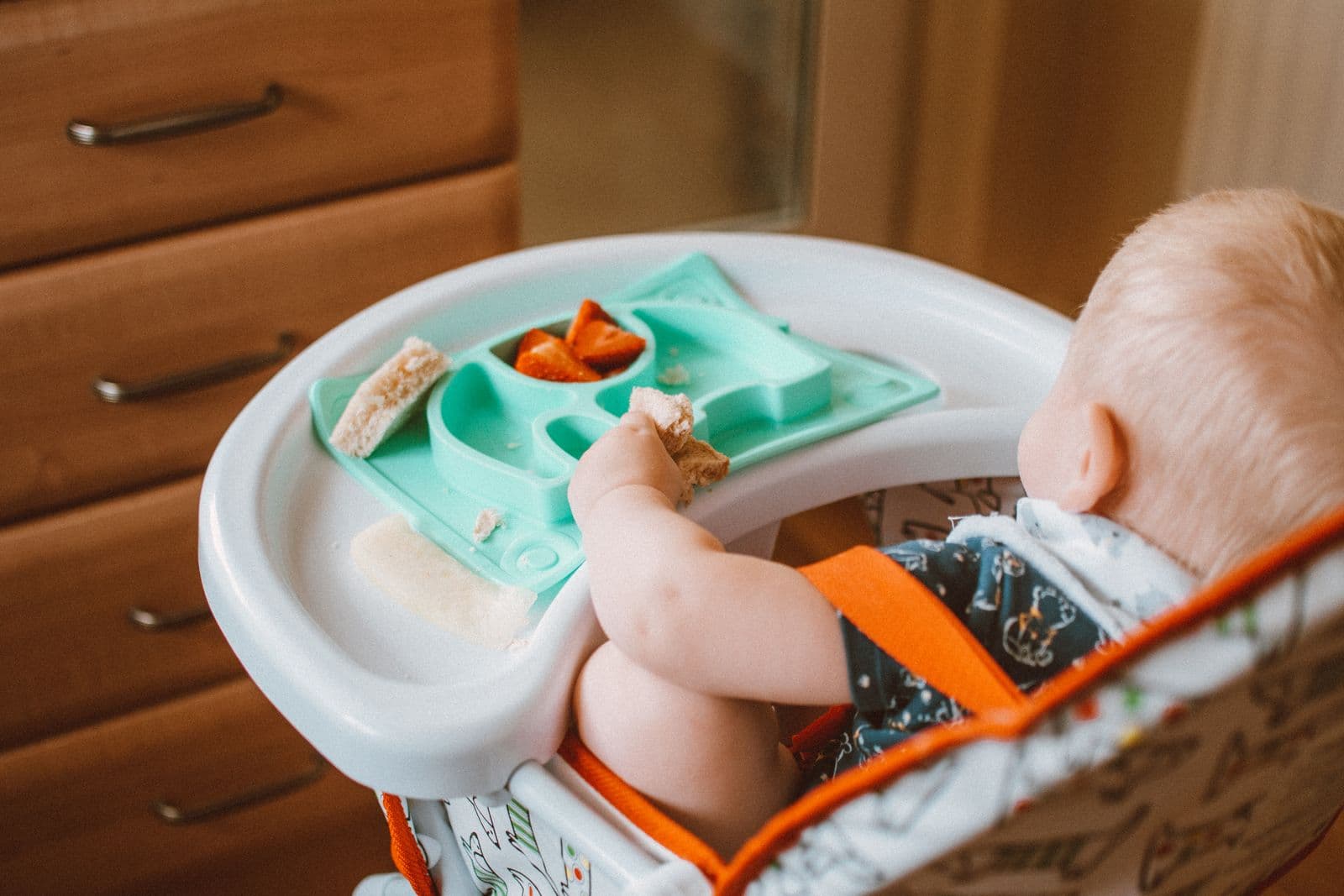
- A suction plate or mat for early self-feeding once finger foods start — the ezpz Mini Mat is already on our bibs/placemats page as a first self-feeding option.
- A trainer cup when water starts with solids — AAP allows a little water in an open, sippy, or strawed cup, limited to no more than 8 ounces a day; CDC lists 4 to 8 ounces for 6- to 12-month-olds. The [Munchkin Miracle 360] and [b.box weighted straw] are already on our sippy cup roundup.
- A stable high chair is still the seating piece CDC's meal setup describes — compare options on our high chair page, not as a substitute for sitting-up and watching.
Affiliate disclosure on this gear
Mom's Magazine may earn a commission if you buy through Amazon links on this page (disclosure and rel=sponsored nofollow on those anchors).
Check OXO Tot Roll Up Bib on AmazonAffiliate link.
Check Bumkins Silicone Pocket Bib on AmazonAffiliate link.
Check ezpz Mini Mat on AmazonAffiliate link.
Check NumNum GOOtensils on AmazonAffiliate link.
Check ezpz Tiny Spoon on AmazonAffiliate link.
Check Munchkin Miracle 360 on AmazonAffiliate link.
Check b.box weighted straw cup on AmazonAffiliate link.
That wipeable seated setup CDC describes is usually a high chair, not a couch cushion. Our high chair comparison covers convertible and slim seats for solids week through toddler meals.
Gear already named on this guide
Our Recommendations below now include the Baby-Led Weaning book plus the feeding-setup picks named above (bibs, Mini Mat, NumNum pre-spoons, ezpz Tiny Spoon, trainer cups). Tap through to Amazon for current availability, or open the linked roundups for the fuller comparisons.
Check the Baby-Led Weaning book on AmazonAffiliate link.
Open the sippy cup roundupMunchkin Miracle 360 and b.box weighted straw are listed there.
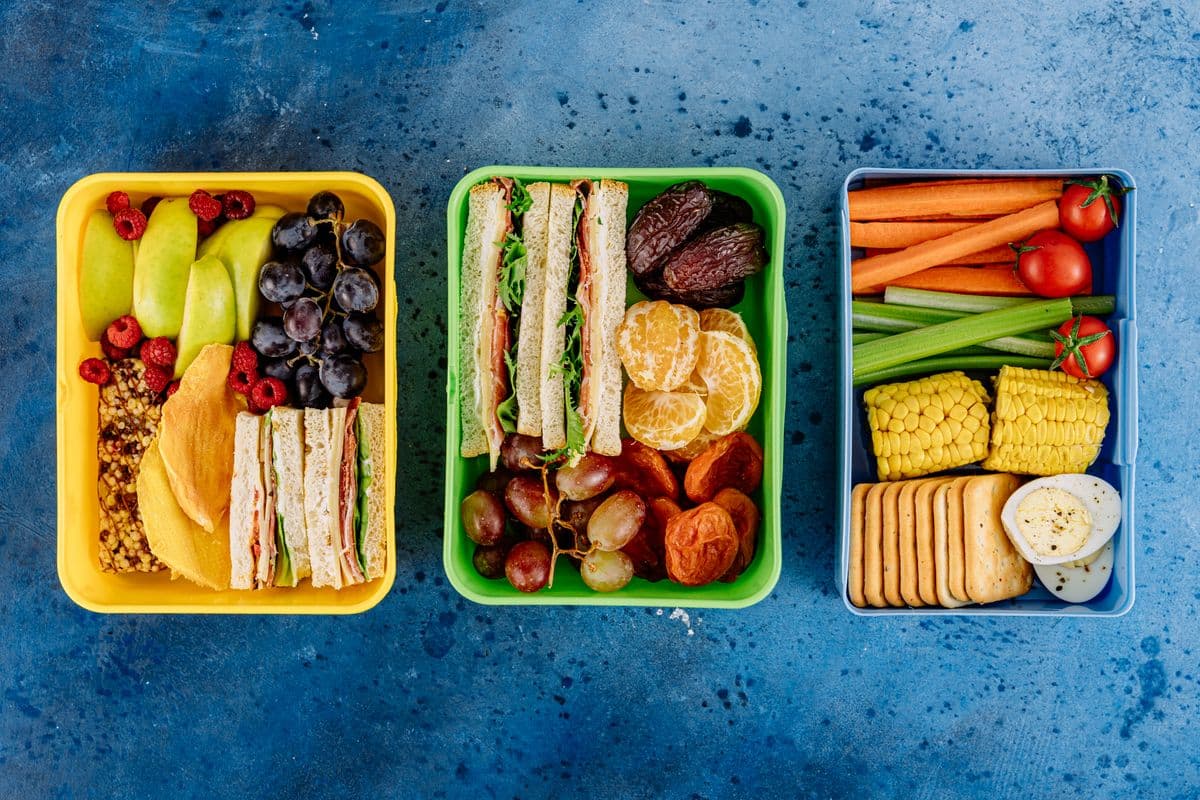
When an older sibling (or this baby a few years later) needs a school lunch box a five-year-old can open alone, our kindergarten lunch box comparison covers latches, bento vs bag, and USDA packed-lunch safety.
Compare kindergarten lunch boxesFunnel next step after solids → sippy. Affiliate product cards already on that page.
The later chapter of the same feeding arc is the backpack drink and the no-fridge lunch: kids water bottles for leak lids a child can open alone, school lunches that do not need refrigeration for USDA two-hour packing, and insulated lunch bags for kids for the soft cold carrier.
Compare kids water bottlesNext step after solids → open-cup → sippy — preschool/elementary bottles already listed there.
Pack school lunches without a fridgeNo-fridge packing + USDA cold-safety — later chapter of the solids sequence.
Same feeding arc, later chapter: when preschool or kindergarten lunch is the problem (older sibling, or this baby a few years on), our kindergarten lunch box comparison covers kid-openable latches, kids water bottles covers the backpack drink, insulated lunch bags for kids covers the soft cold carrier, and school lunches that do not need refrigeration covers no-fridge packing.
Between sippy cups and that kindergarten tray, daycare lunches have their own box. A later lunch-box guide for toddlers covers the 3-and-up kits and bentos, with the magnet warning for children under 3. This solids page stays on first foods.
Appetite usually drops off around the first birthday, and that catches parents off guard after a few good months of eating. Handling toddler dinner refusals without a battle picks up roughly where this guide leaves off.
Our Recommendations

Baby-Led Weaning, Completely Updated and Expanded Tenth Anniversary Edition: The Essential Guide
Best for: Parents who want to skip purees and go straight to self-feeding whole foods
The book that popularized baby-led weaning, written by the researcher who coined the term, with a step-by-step guide to first foods, shapes, and what to expect at each stage of self-feeding.
- Written by the researcher who developed the baby-led weaning approach
- Covers food shapes and sizes appropriate for each stage
- Tenth-anniversary edition updated with current allergen-introduction research
- Includes a section on baby-led weaning at daycare
Keep in mind: It's an advocacy book for the baby-led approach specifically — parents planning to use purees, or a mix of both, will only need parts of it.
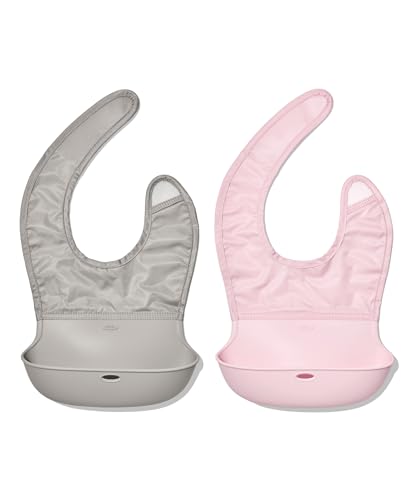
OXO Tot Waterproof Silicone Roll Up Bib
Best for: Everyday spoon-feeding when first baby foods start
A silicone bib with a wide catch-all pocket and a comfort-fit fabric neckband that rolls into a compact pod for a diaper bag. Already compared on our silicone bibs roundup — listed here because solids week is when the mess starts.
- Wide, self-opening catch-all pocket at the base
- Comfort-fit fabric neck strap with hook-and-loop closure
- Rolls up into a compact pod for travel
- Wipe-clean silicone; dishwasher-safe
Keep in mind: The fabric neckband is not silicone, so it should be spot-cleaned or air-dried rather than run through every dishwasher cycle with the rest of the bib.
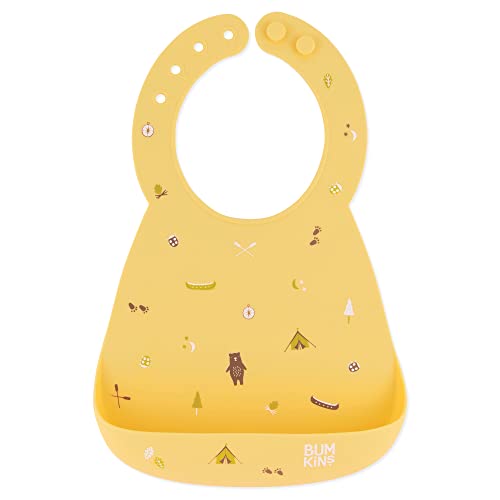
Bumkins Silicone Pocket Bib
Best for: Messy self-feeders and baby-led weaning alongside first foods
A one-piece platinum silicone bib with a deep stay-open pocket. Already on our bibs roundup; useful when best first foods for baby move from smooth purees into finger-food mess.
- Deep, stay-open pocket sized for early self-feeding mess
- One-piece platinum silicone — no fabric insert to wash separately
- Adjustable closure from about 6 months through toddlerhood
- Dishwasher-safe top rack
Keep in mind: The stiffer, fully silicone neckband is less soft against the skin than a fabric-backed bib, which some parents notice with a texture-sensitive baby.
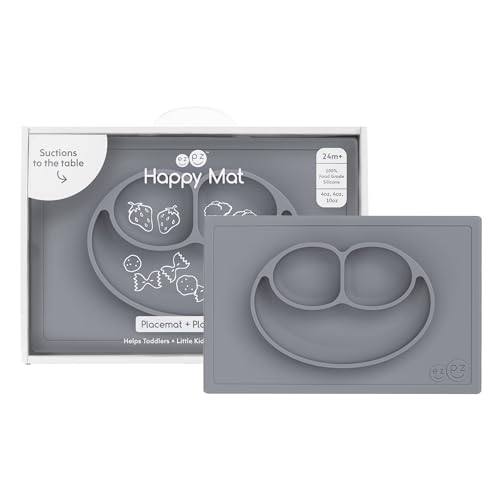
ezpz Mini Mat
Best for: Early self-feeding once textures move past smooth purees
A one-piece silicone placemat with a built-in divided plate that suctions to a smooth high chair tray. Already listed on our bibs and placemats roundup — not a first-food ranking, just a tray setup that keeps small portions in place.
- Suction base for a clean, smooth, flat surface
- Built-in divided sections for separating foods
- One-piece silicone — dishwasher- and microwave-safe
- Sized for a high chair tray
Keep in mind: Suction reliability drops on a textured tray, a crumb-covered surface, or anything that is not flat — a real limitation worth knowing before you buy.
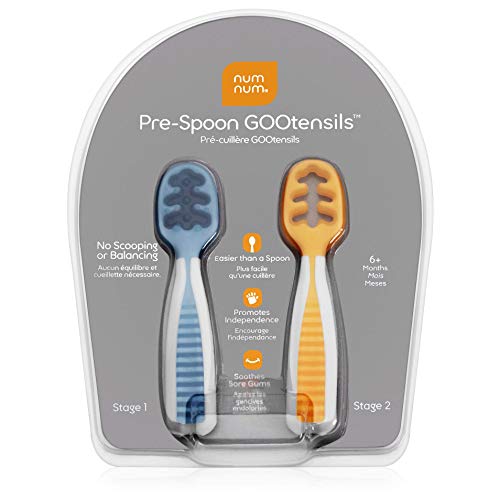
NumNum Pre-Spoon GOOtensils, 2-Pack
Best for: Earliest self-feeding weeks alongside best first baby foods
A flat, dimpled pre-spoon set already compared on our self-feeding utensils page. Useful when first foods start and a baby mouths more than scoops — not a ranked best-first-foods product.
- Flat dimpled head that does not require balancing a bowl of puree
- Soft silicone for early mouthing
- Two-pack so one can be in the wash
Keep in mind: It is a training shape — once a toddler scoops well, a real short spoon is more efficient for thicker foods.
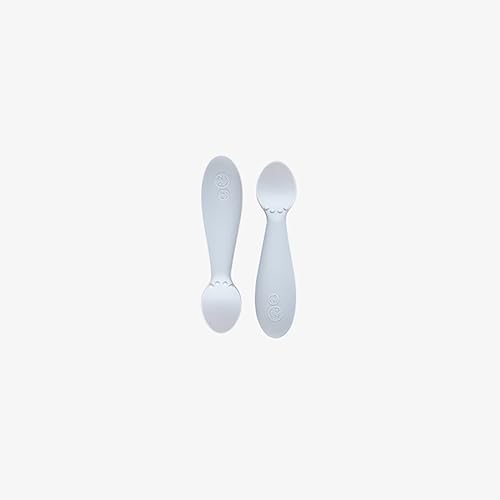
ezpz Tiny Spoon, 2-Pack
Best for: Short soft spoon once wrist control shows up
A short-handled soft silicone spoon already on our utensils roundup. Fits the window CDC describes when babies begin self-using a spoon around 10 to 12 months — still messy, still practice. Not a scored ranking of best first foods for baby.
- Short handle sized for a small fist
- Soft silicone bowl
- Twin pack
Keep in mind: A very young starter who only mouths may still do better with a flat pre-spoon first.

Munchkin Miracle 360 Sippy Cup, 7 Ounce, Tropical Swirl, Blue/Green
Best for: Spoutless toddler training cup
A BPA-free plastic Miracle 360 spoutless trainer cup with a 360-degree drinking edge. It automatically seals when a child stops drinking, and transition handles help little hands hold it.
- 7-ounce capacity
- BPA-free plastic
- 360-degree drinking edge
- Automatically seals when the child stops drinking
- Top-rack dishwasher safe
- No extra valves or parts
Keep in mind: Listing colorway is Tropical Swirl Blue/Green (not a random assort).

b.box Sippy Cup with Weighted Straw, 8 oz
Best for: On-the-go water once baby first foods are underway
A weighted-straw sippy already on our sippy cup roundup. Flip-top lid helps keep the straw clean between uses when you are offering the small water amounts CDC and AAP describe alongside solids.
- Weighted straw reaches liquid at an angle
- Flip-top lid clicks shut between uses
- Spill-resistant when the straw is in use
- Dishwasher- and sterilizer-safe parts
Keep in mind: The straw and valve are multiple small parts to wash correctly — more upkeep than a one-piece spoutless cup.
As an Amazon Associate I earn from qualifying purchases. Mom's Magazine may earn a commission when you buy through links on this page, at no extra cost to you. Learn more.
Frequently Asked Questions
What are the best first foods for baby?
CDC and AAP do not name one official first food or a ranked product list. AAP says first foods are your choice if they are soft or pureed, introduced one at a time, and include iron and zinc — meat or iron-fortified infant cereal are the examples AAP uses. CDC says there is no required order, and that by 7 or 8 months a baby can eat vegetables, fruits, meat or other proteins, unsweetened yogurt or cheese, and whole grains such as infant cereal. The best first baby foods, then, are those iron- and zinc-rich starters plus a widening variety — see our practical shortlist above — not a brand ranking we can't honestly publish.
Is iron-fortified cereal or meat the better first food?
Both are on AAP's short list of good first foods, and neither is officially ranked above the other. AAP names meats such as turkey, chicken, and beef as good early solids because they carry iron, zinc, and high-quality protein together, and it names iron-fortified infant cereal as another good complement to breast milk. The point both foods share is iron — most breastfed babies' iron stores begin to run low around 6 months, which is why an iron-rich food comes first. Pick whichever fits your baby and kitchen: a smooth puree of soft-cooked meat, or a single-ingredient fortified cereal (oat, barley, or multigrain) mixed with breast milk, formula, or water. Many families rotate both. There is no evidence you must choose one.
What are the best first baby foods if we want to avoid rice cereal?
You have plenty of options — CDC itself says to offer a variety of fortified infant cereals such as oat, barley, and multigrain rather than relying only on rice cereal, so an iron-fortified oat, barley, or multigrain cereal is the closest swap. You do not need any cereal at all, though: soft-cooked and pureed meats (turkey, chicken, beef) are an iron- and zinc-rich first food AAP names directly, and mashed beans, peas, or lentils add plant iron and protein. Round those out with mashed soft fruits and cooked vegetables and plain pasteurized yogurt or cheese. The only priority is that an early food provides iron and zinc; the grain it comes with is up to you.
When should a baby start solid foods?
CDC, citing the Dietary Guidelines for Americans and AAP, says complementary foods at about 6 months, and that introducing foods before 4 months is not recommended. Start when the baby shows readiness signs — sitting with support, head and neck control, opening the mouth for food, swallowing instead of pushing food out — not on a birthday alone. Ask your pediatrician if your baby was premature or has a condition that affects feeding.
Should I delay peanut, egg, or other allergens?
Not according to the CDC and AAP pages. CDC says to introduce potentially allergenic foods (it lists eggs, shellfish, nut butters, and wheat) when you introduce other foods. AAP says there is no evidence that waiting to introduce baby-safe egg, dairy, soy, peanut products, or fish beyond 4 to 6 months prevents food allergy. If your baby has severe eczema or an egg allergy, both agencies say to talk with the doctor before peanut. This article does not give a homemade introduction protocol.
What should I never give a baby starting solids?
Honey before 12 months — CDC and FDA both say it can cause infant botulism; CDC says not to add it to food, water, formula, or a pacifier. Do not offer cow's milk as a drink or juice before 12 months (CDC and AAP). Skip unpasteurized milk, juice, yogurt, and cheese (CDC and FDA). Use CDC's choking list: whole nuts, chunks or a spoonful of nut butter, whole grapes, hot dogs and meat sticks, popcorn, hard raw vegetables and fruit, and the other foods on that page, unless you have prepared them the way CDC describes.
Does my baby need water when we start baby first foods?
AAP says healthy babies do not need extra water and that breast milk or formula covers fluids, but it is OK to offer a little water when solids begin, in a cup, limited to no more than 8 ounces a day. CDC lists water at 4 to 8 ounces a day for 6- to 12-month-olds, alongside breast milk or formula. Neither page says to replace milk feeds with water. Confirm the plan with your pediatrician.
Are store-bought pouches and jars as good as the best first baby foods you'd make at home?
CDC and AAP don't distinguish homemade from store-bought when they describe best first foods — the requirements are the same either way: soft or pureed texture, iron and zinc sources, no added sugar, and single-ingredient starts so a reaction is easy to trace. The FDA's Closer to Zero initiative pushed baby-food manufacturers toward lower lead action levels starting in 2025; rotating grains (oat, barley, multigrain, not only rice) and rotating produce is the same variety advice CDC gives for homemade first foods, and it also limits any one food's share of total exposure. We won't rank specific brands — that needs lab testing we haven't run.
What's the difference between the best first foods for baby and baby-led weaning?
They're different questions. "Best first foods" is about which foods and nutrients to prioritize — iron, zinc, then variety — regardless of how you serve them. Baby-led weaning is about the serving method: soft finger-food strips a baby feeds themselves from the start, instead of spoon-fed purees. CDC's textures page describes both a puree progression and letting a baby pinch up finger foods once they can sit and bring objects to their mouth; it doesn't use the baby-led-weaning brand name. See [our baby-led weaning vs. purees guide](/parenting/baby-led-weaning-vs-purees) for the method comparison.
What should I buy the first week for best first baby foods?
Shop foods, not brands: one iron-fortified single-ingredient infant cereal (oat, barley, or multigrain — CDC prefers variety over rice-only), a small amount of soft-cook meat to puree (turkey, chicken, or beef per AAP iron-and-zinc starters), mashable fruit (banana, avocado), cook-until-soft vegetables (sweet potato, carrot), mashed legumes, and optional plain pasteurized yogurt without added sugar. Add a catch-all bib, a flat pre-spoon or short silicone spoon, and a cup for the small water amount AAP/CDC allow once solids start. See the week-one grocery section above.
Do I need special utensils for best first foods for baby?
You need a soft, baby-safe way to offer food — that can be a caregiver spoon for purees, a flat pre-spoon for early self-feeding, then a short silicone spoon as coordination improves. CDC notes many babies start self-using a spoon around 10 to 12 months. The Amazon picks we already compare (NumNum GOOtensils; ezpz Tiny Spoon) live on our utensils page and in Our Recommendations here; they are gear for the meal, not a ranking of best first baby foods.
Sources & Further Reading
- Closer to Zero: Reducing Childhood Exposure to Contaminants from Foods — U.S. Food and Drug Administration (reviewed 2026-09-14)
- When, What, and How to Introduce Solid Foods — Centers for Disease Control and Prevention (Infant and Toddler Nutrition) (reviewed 2026-09-14)
- Choking Hazards — Centers for Disease Control and Prevention (Infant and Toddler Nutrition) (reviewed 2026-09-14)
- Foods and Drinks to Avoid or Limit — Centers for Disease Control and Prevention (Infant and Toddler Nutrition) (reviewed 2026-09-14)
- Tastes and Textures — Centers for Disease Control and Prevention (Infant and Toddler Nutrition) (reviewed 2026-09-14)
- Foods and Drinks to Encourage — Centers for Disease Control and Prevention (Infant and Toddler Nutrition) (reviewed 2026-09-14)
- Cow's Milk and Milk Alternatives — Centers for Disease Control and Prevention (Infant and Toddler Nutrition) (reviewed 2026-09-14)
- Frequently Asked Questions (Infant and Toddler Nutrition) — Centers for Disease Control and Prevention (reviewed 2026-09-14)
- When Can Babies Start Solid Foods? Readiness and Feeding Tips — American Academy of Pediatrics (HealthyChildren.org) (reviewed 2026-09-14)
- Breastfeeding and Solid Foods: Working Together — American Academy of Pediatrics (HealthyChildren.org) (reviewed 2026-09-14)
- When to Introduce Egg, Peanut Butter and Other Common Food Allergens to a Baby — American Academy of Pediatrics (HealthyChildren.org) (reviewed 2026-09-14)
- Once Baby Arrives (Food Safety for Moms-to-Be) — U.S. Food and Drug Administration (reviewed 2026-09-14)
- Prevalence and Reasons for Introducing Infants Early to Solid Foods: Variations by Milk Feeding Type — Pediatrics (using CDC Infant Feeding Practices Study II data) (reviewed 2026-08-29)
Related Guides
Baby-Led Weaning vs. Purees: How to Choose (or Combine Both)
Baby-led weaning vs purees (and BLW vs purees combination feeding): mess, iron, gagging vs choking, and what CDC and AAP actually say about textures, readiness, and safety.
Best Sippy Cups (2026): Spoutless 360, Straw & Open-Cup Transition
Best sippy cups by drinking mechanism — spoutless 360, weighted straw, stainless, open-cup trainers — plus a CDC/AAP age-band transition plan (6 months to ~2 years), spill/mold/travel pitfalls, and AAPD tooth-decay context. Four Amazon picks.
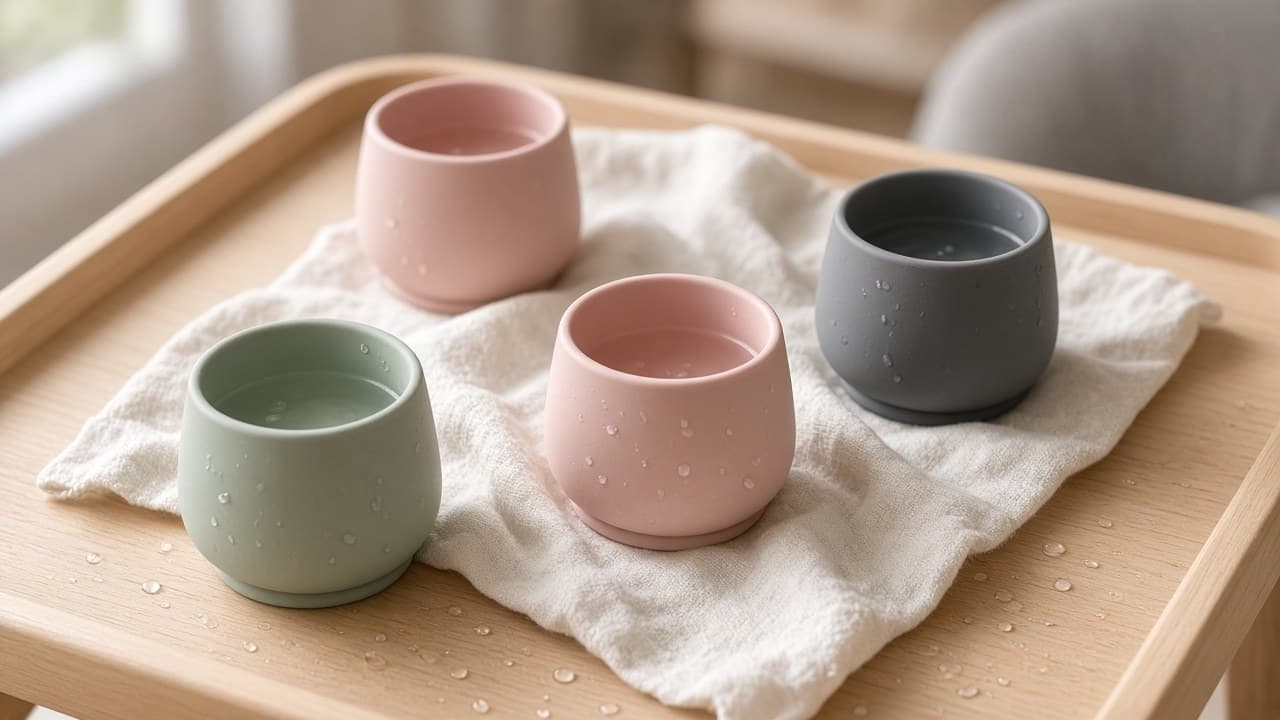
Best Open Cups for Babies and 6-Month-Olds (2026 Buying Guide)
Why open-cup and straw skills matter around 6 months with solids, how they differ from valved sippies, and four researched picks — ezpz Tiny Cup, ezpz Mini Cup + Straw, Munchkin C'est Silicone in Coral/Pink, and a squeeze straw trainer — with CDC and AAP sources.
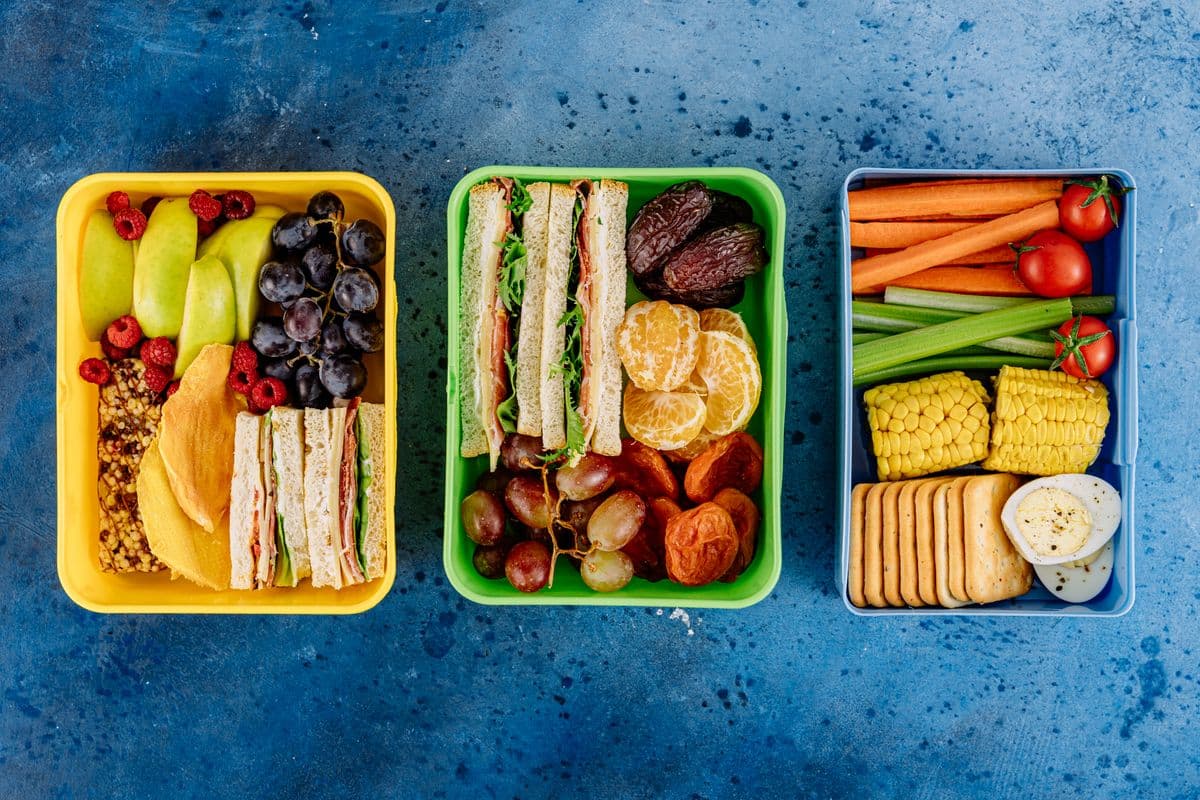
Best Lunch Boxes for Kindergarten (2026 Buying Guide)
Lunch box for kindergarten buying guide: hard vs soft, age bands, what to avoid, bento compartments, thermos wells, dishwasher care, backpack fit, short lunch periods, USDA FSIS / CDC packing notes, spill risk, and five Amazon picks.
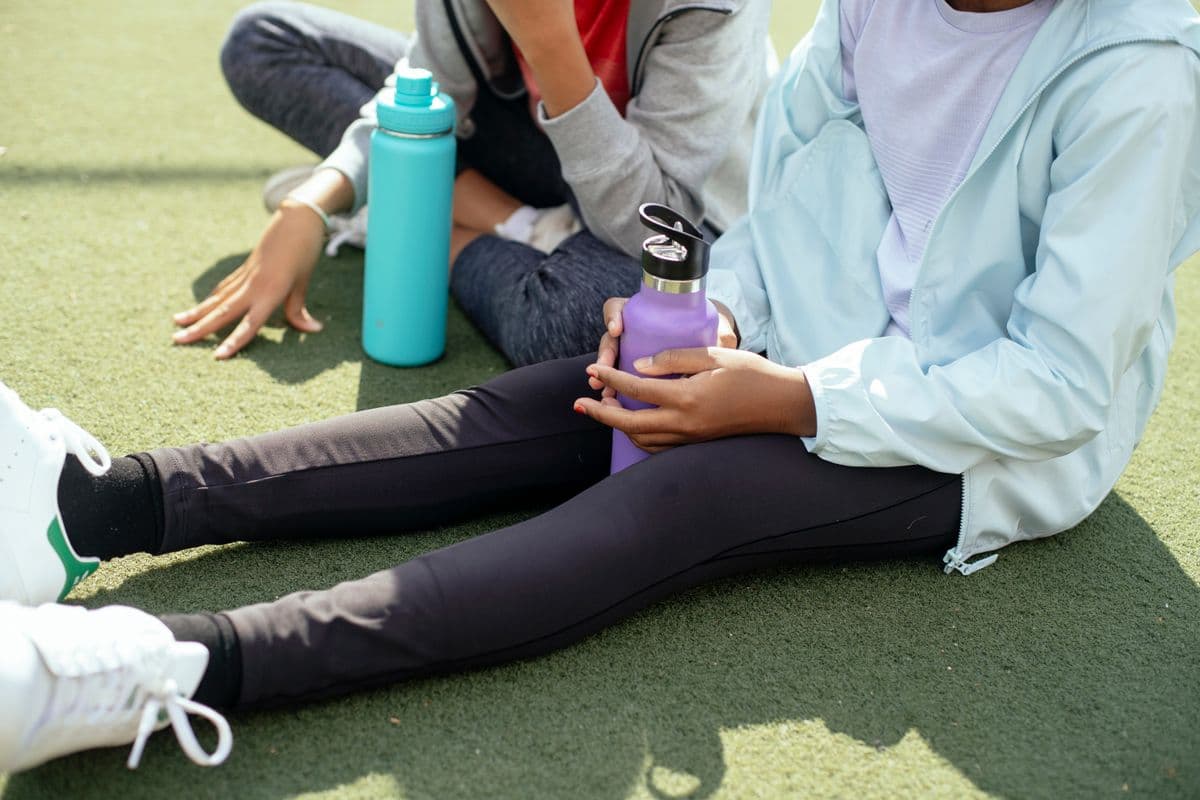
Best Water Bottles for Kids (2026): Preschool, Lunch Bag & Sports
Best water bottle for kids by job — preschool carry, school lunch bag, sports bag, and older-kid dual spout — plus leak tests, cleaning to stop straw mold, size by age, and CDC/AAP water guidance.
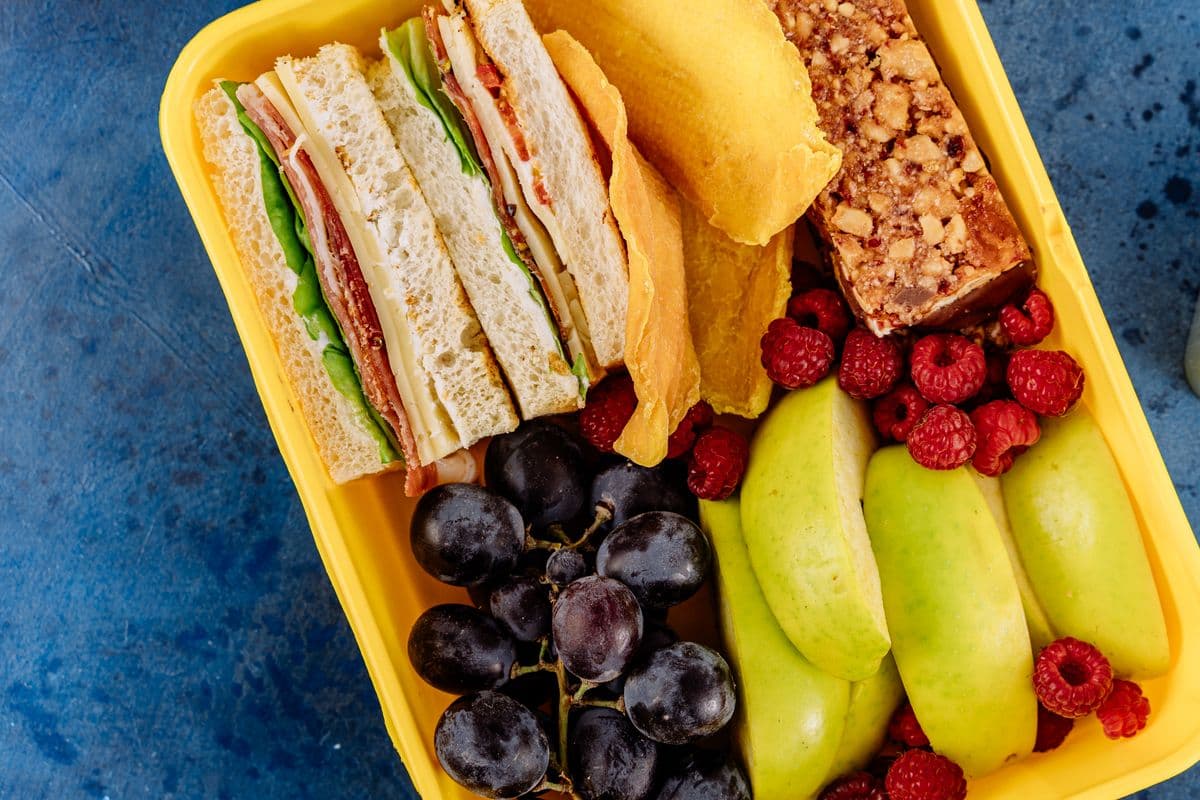
School Lunches That Don't Need Refrigeration: No-Fridge Ideas That Stay Food-Safe
School lunches that don't need refrigeration: shelf-stable protein, fruit and veggie ideas, how to pack a thermos so hot food stays safe, and the USDA 40°F–140°F rule for anything perishable.
Best Insulated Lunch Bags for Kids (2026 School Lunch Guide)
Best insulated lunch bags for kids for school: freezable-wall vs thick soft insulation vs fitted brand bags vs kids hard-sided coolers, USDA FSIS and CDC cold-safety packing framework, and five real Amazon options.
How to Handle Picky Eating in Toddlers
Why toddlers get picky around ages 2–4, the feeding approach with the most evidence behind it, and the red flags worth a pediatrician visit.
Best High Chair & Best Baby High Chair (2026): Convertible, Slim & Toddler Seats
Best high chair and best baby high chair picks for starting solids through toddler years: slim fold-flat, convertible grow-with-baby, infant recline, and portable booster.
Breastfeeding vs. Formula Feeding: How to Decide
What the AAP actually recommends, why formula is a legitimate first choice rather than a fallback, and the practical trade-offs — not the online noise — that should drive your decision.
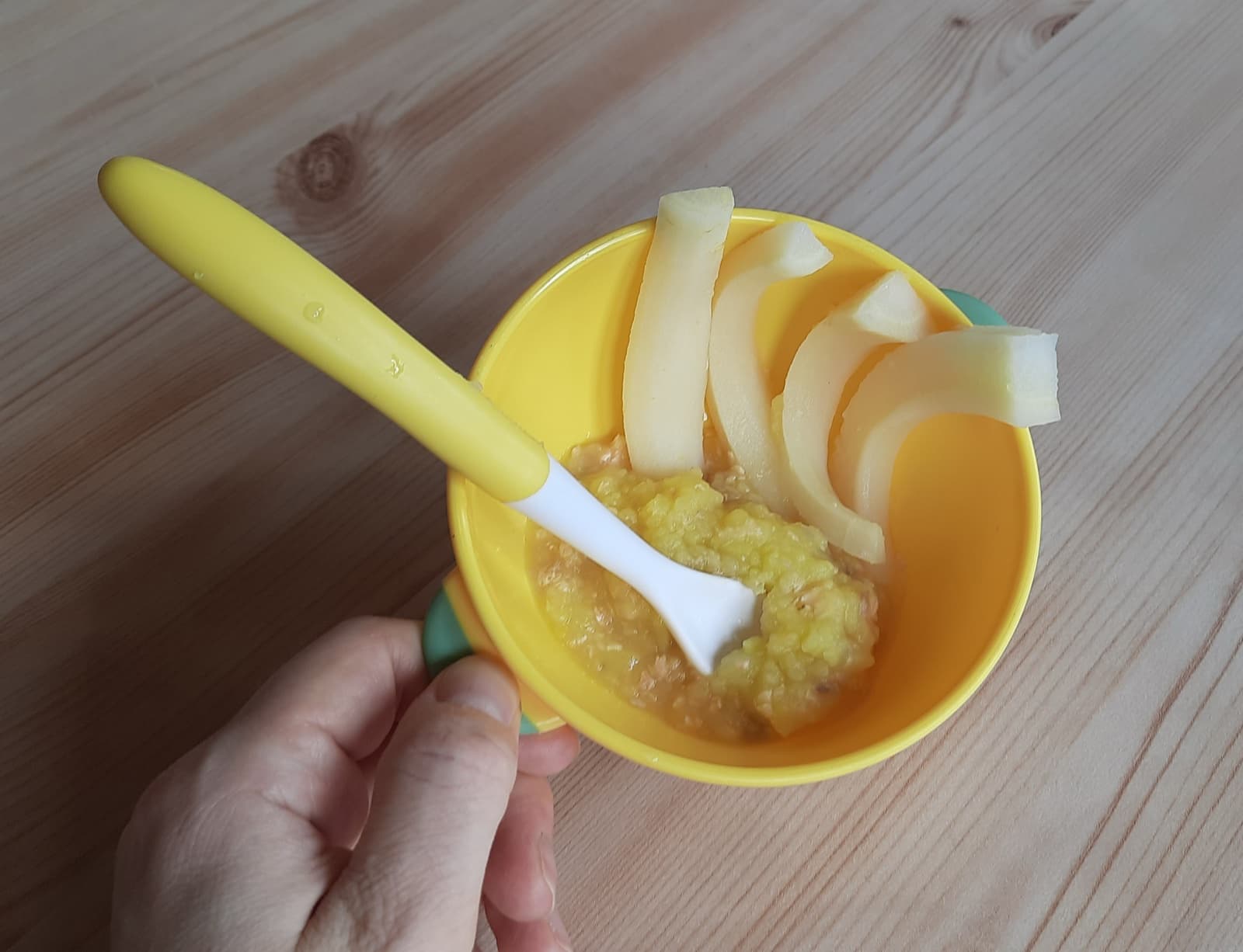
Best Baby Food Makers of 2026: 4 Steamer-Blenders and a Manual Mill Compared
Best baby food makers of 2026 compared: BEABA Babycook Neo and Duo, Baby Brezza One Step, nutribullet Baby Steam + Blend, and the OXO Tot manual mill. One-step vs basket steamer-blender combos, capacity, twin-bowl batch cooking, cleanup and descaling, and when a pot and blender is enough.

Best Silicone Baby Bibs and Placemats of 2026
A researched comparison of silicone bibs and suction placemats for solids and baby-led weaning — what actually cuts down mess versus what just looks like it will, plus four options across ages and stages.
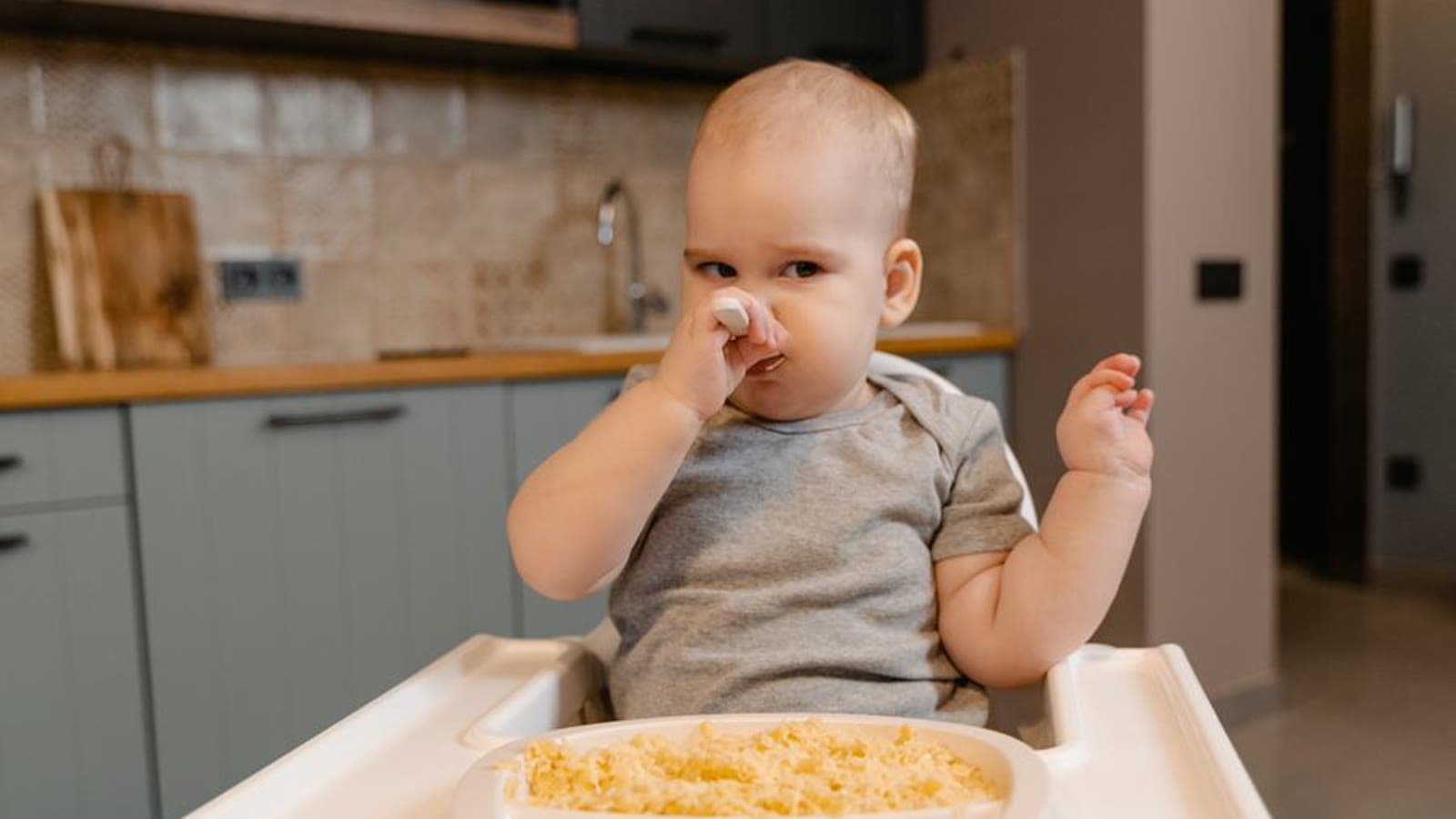
Best Toddler Self-Feeding Utensils and Baby Spoons of 2026
Why the first spoon your baby actually uses isn't shaped like a spoon, which self-feeding utensils fit each stage from first purees to a toddler fork, and how utensils pair with solids, open cups, high chairs, bibs, and plates.
Mom's Magazine Editorial Team
Editorial Team
The Mom's Magazine editorial team researches and writes practical, plainly-sourced guidance for parents and families. Guides are reviewed for accuracy and updated as recommendations change. Where a topic calls for professional expertise, we cite reputable organizations and, for health topics, add a qualified reviewer before publishing.
Newsletter
Get the Weekly Mom List
One short email a week: the most useful guides, activities, and picks for your family. No spam, unsubscribe anytime.