Products
Best Open Cups for Babies and 6-Month-Olds (2026 Buying Guide)
Why open-cup and straw skills matter around 6 months with solids, how they differ from valved sippies, and four researched picks — ezpz Tiny Cup, ezpz Mini Cup + Straw, Munchkin C'est Silicone in Coral/Pink, and a squeeze straw trainer — with CDC and AAP sources.
As an Amazon Associate I earn from qualifying purchases.Some links on this page are affiliate links. If you buy through them, Mom's Magazine may earn a small commission at no extra cost to you. It never changes which products we recommend. How we recommend products.
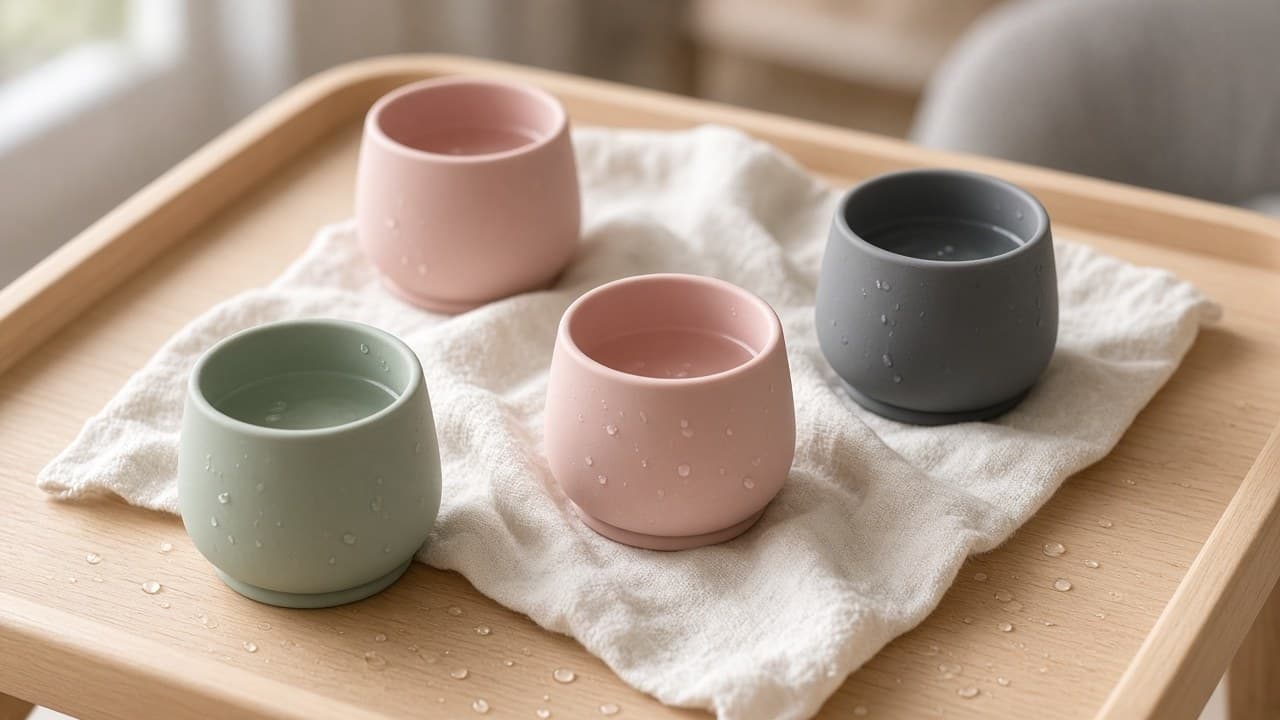
The "best" open cup for babies is less a single winning product than a training tool matched to the stage: around 6 months, when solids start, CDC and AAP guidance supports offering small amounts of water in an open cup, sippy, or straw cup while breast milk or formula stays the main drink under 12 months. For a true open-cup starter, a tiny weighted silicone cup like the ezpz Tiny Cup is built so small hands can tip controlled sips without a valve. As coordination improves, open-plus-straw systems and convertible silicone trainers bridge toward straw skills; a squeeze straw cup is a straw-learning tool, not a true open cup. This is a researched comparison of design features and official drink guidance — not a hands-on lab test, not medical advice, and not a ranked scoreboard with invented review scores.
Quick picks
| Product | Best for | |
|---|---|---|
| ezpz Tiny Cup Best Open Cup Starter | First supervised open-cup sips around solids | Check price on Amazon |
| ezpz Mini Cup + Straw Training System Best for straw transition | Open cup practice plus a straw transition path | Check price on Amazon |
| Munchkin C'est Silicone Straw Training Cup, Coral/Pink Best convertible trainer | One cup that converts between open and straw modes | Check price on Amazon |
| Legendairy Milk Honey Bear Straw Cup Straw-learning tool (not open cup) | Straw-learning bridge (not a true open cup) | Check price on Amazon |
| Reflo Smart Cup Flow-control open cup | Slowing the pour while a baby learns to tip | Check price on Amazon |
| SAMiGO Silicone Baby Open Cup (2-Pack) Tiny 2 oz starter cups | First sips from 6 months | Check price on Amazon |
| PandaEar Tiny Silicone Training Cups (2-Pack) Two-pack grip cups | Low-cost backup cups for home and daycare | Check price on Amazon |
| Lalo Mealtime Cups (2-Pack) Bigger 6 oz toddler cup | Toddlers 12 months and up who are ready for a bigger cup | Check price on Amazon |
| Munchkin Control Flow Open Training Cups (2-Pack) Removable-valve trainer | Moving on from a 360 cup or sippy cup | Check price on Amazon |
How we picked
This is a researched buying guide, not a hands-on lab test — we have not handed these cups to a baby side by side. We compared manufacturer design features (open rim vs straw vs convertible, silicone vs hard spout, weighted base, size for small hands), CDC and AAP drink-and-solids guidance, and the product categories families actually shop when cup practice starts with solids. If we add hands-on testing later, we will update this guide and say so. Check live Amazon listings for current availability.
General information, not medical advice
Infant feeding and drinks are health topics that belong with your child's clinician. This article is editorially reviewed general information from CDC and AAP/HealthyChildren pages we cite below. It is not medical advice, not a feeding plan for your child, and not medically reviewed by a named clinician. Talk with your child's pediatrician before changing drinks or cup routines, especially if your baby was premature, has a medical condition, or has oral-motor or feeding concerns.
Why open cups show up the same week as solids
Most families meet the open-cup question the same week they start solids — around 6 months — because that is when official drink guidance and mealtime practice collide. The CDC page on introducing solid foods frames complementary foods around that developmental window. AAP/HealthyChildren's starting solid foods and recommended drinks for young children ages 0–5 pages are the drink-side companions: breast milk or formula remains the main nutrition through the first year, and small amounts of water can enter the picture with cup practice as solids begin. That is skill practice, not a swap that replaces milk feeds.
If you are still mapping the solids side of that same stretch, our beginner's guide to starting solids stays with CDC and AAP readiness signs, iron-rich starters, and what not to give. This page covers the cup skill that often starts in the same week — not a second solids curriculum.
Juice is not the practice liquid under age 1
AAP/HealthyChildren recommended-drinks guidance does not treat juice as an infant drink under 1 year. For cup practice, water is the low-stakes default. Save sweet drinks out of the all-day sipper habit later, too — prolonged sugar exposure against teeth is a separate dental concern covered in our sippy-cup guide.
If you are still choosing how food hits the tray — self-fed strips, spooned purees, or both — baby-led weaning vs purees is the method page next to this cup practice. Same solids week as open-cup sips.
Open cup vs valved sippy vs straw — what each trains
It is tempting to shop this category by color or brand loyalty, but the consequential decision is the drinking mechanism. A true open cup asks a baby to tip, seal lips on a rim, and manage a free-flowing liquid — closer to how older toddlers and adults drink. A hard-spout valved sippy stops spills by design and can let liquid sit against teeth longer when the drink is anything other than water; that is why pediatric dental guidance generally pushes families toward straw or open cups rather than staying on a valved spout indefinitely. A straw cup trains a different oral-motor pattern (sucking through a tube) that many speech-language pathologists view as useful — and that travel logistics favor — without being the same skill as an open rim.
| Cup type | What it trains | Spill reality | Best stage fit |
|---|---|---|---|
| True open cup (tiny silicone) | Rim seal + tipping control with free-flow liquid | Spills are part of practice — best over a mat or outdoors at first | Early solids window (~6 months+) with close supervision |
| Open + straw training system | Open rim practice plus a separate straw path as skills grow | More parts; spills depend which mode you use | Often ~9 months+ when straw interest shows up |
| Convertible silicone (open/straw) | One body that switches modes as coordination improves | Still not car-seat proof in open mode | Families who want one cup that grows with the skill |
| Valved hard-spout sippy | Easy no-spill convenience, not open-cup mechanics | Lowest spill, weakest open-cup practice | Short-term travel convenience — not the long-term everyday goal |
| Squeeze straw trainer (honey-bear style) | Straw suck with caregiver-assisted squeeze — a bridge, not an open cup | Designed to reduce free pour while learning straw | Straw-learning tool; label it honestly, do not call it an open cup |
Valved sippies still have a place — car seats, carpet you care about, the week you need zero cleanup — which is why we already compared spoutless 360s, weighted straws, and transition cups in our sippy cup roundup. This guide does not replace that page; it zooms in on the open-cup and early-straw path that pairs with solids.
Four picks already compared below
The product cards further down cover four researched options: an open silicone starter (ezpz Tiny Cup), an open-plus-straw system (ezpz Mini Cup + Straw Training System), a convertible silicone trainer (Munchkin C'est Silicone Straw Training Cup in Coral/Pink), and an optional squeeze straw trainer (Legendairy Milk Honey Bear) labeled honestly as a straw-learning bridge — not a true open cup. No prices or review scores are printed here.
Check ezpz Tiny Cup on AmazonAffiliate link. Open silicone starter on this page.
Check ezpz Mini Cup + Straw system on AmazonAffiliate link. Open+straw system on this page.
Jump to all product cardsSame picks as Our Recommendations below — no new ranking.
How to practice without turning mealtime into a flood
Start with a tiny amount of water — enough to practice the tip, not enough to soak a onesie if the whole cup flips. Sit the baby upright in a high chair or on your lap with support. Hold the cup with them at first; many babies need a hand-over-hand tip for weeks before independent lifts look smooth. Expect coughs and sputters while they learn to manage liquid — that is different from a medical choking emergency, but you should still stay within arm's reach and follow your clinician's guidance if feeding has been difficult.
- Practice at the table or over a mat — not on the living-room rug you care about.
- Offer the open cup at meals when you are already supervising solids, not as an all-day companion cup.
- Keep breast milk or formula as the main drink under 12 months; water here is skill practice in small amounts.
- Rotate a straw or spoutless option for the stroller if you need lower spill risk between practice sessions.
- Wash parts the way the manufacturer describes — silicone rims and straw valves collect milk film if rushed.
Once self-feeding utensils enter the same high-chair stretch, our toddler self-feeding utensils guide covers pre-spoons and short silicone spoons. Cup skills and utensil skills often improve in parallel because both are about control at the tray.
Cup practice happens in a seat that stays upright and wipeable — the same CDC meal-setup rule as solids. Our high chair comparison covers convertible, slim, and toddler seats for that tray.
When a sippy is still the right tool
Open-cup practice does not mean you must throw every spill-resistant cup away. Daycare drop-off, long car rides, and hotel carpets are legitimate reasons to keep a spoutless 360 or weighted straw in the bag. The honesty rule is about defaults: do not let a valved hard spout become the only way your toddler ever drinks water between 12 and 24 months if the longer-term goal is open-cup competence. Use the sippy for logistics; keep short, supervised open-cup sets at the table.
Compare sippy and straw cups we already listedSibling roundup — spoutless, weighted straw, stainless, open-transition.
Read the starting-solids beginner guideCDC/AAP solids timing that pairs with first cup practice.
See self-feeding utensils for the same stageTray skills that often develop alongside cup practice.
When the bottle still has to leave the house for good, weaning off the bottle is the feeding-by-feeding plan that pairs with this open-cup practice — AAP timing, which feed to drop first, and why bedtime is last. Spill-resistant daily cups that sit next to that plan live on best sippy cups.
What we skipped on purpose
We did not recommend juice in an infant cup. We did not publish dosing for how many ounces of water a baby "should" drink — volume questions belong with your clinician and the baby's overall feeding pattern. We also did not treat a squeeze straw trainer as an open cup; if a listing photo looks cute, the mechanism still has to match the label.
Where this pipeline goes next (sippy → water bottle → lunch)
Open-cup and straw skills in infancy are early chapters of the same self-feeding story that later becomes packing a sealed bottle beside a kindergarten lunch. The middle step is a kids water bottle that a preschooler or kindergartner can open alone. When the full lunch chapter arrives, our kindergarten lunch box comparison and no-refrigeration school lunches cover bentos and shelf-stable packing — useful bookmarks, not purchases you need the week solids start.
Compare kids water bottles for the next stageFunnel next after open-cup / sippy practice — leak lids and kid-openable caps.
When tray practice graduates to a backpack drink, kids water bottles is the next page in this series — leak lids and kid-openable caps, not another infant open cup. From there the lunch chapter is kindergarten lunch boxes, insulated lunch bags for kids, and school lunches that do not need refrigeration.
What cup skills actually means at the tray
Cup practice looks simple from across the kitchen and surprisingly complex up close. A baby has to stabilize the trunk, bring hands to midline, tip on a useful angle, seal lips, and time a swallow — often while still figuring out spoon foods in the same sitting. That is why tiny volumes and short sessions beat long, frustrated drills. Five calm minutes at lunch can teach more than a half-hour of chasing spills around the living room.
Speech-language pathologists and feeding therapists often talk about open cups and straws as oral-motor practice tools, not as parenting status symbols. You do not need a therapy prescription to offer water in a tiny open cup at home if your baby is otherwise feeding typically — but you should involve your clinician if feeds are stressful, weight gain is a concern, or your baby refuses textures. No product here replaces clinical care, and this page isn't a home therapy protocol.
Silicone, parts count, and the dishwasher reality
Most of the open and convertible trainers on this page are silicone-forward for a reason: soft rims are kinder for early mouthing, and silicone tolerates repeated washing better than some rigid plastics that scratch and hold smells. The trade-off is parts count. A single open Tiny Cup is one piece to rinse. An open-plus-straw system or convertible cup adds valves, straw segments, and lids that only stay hygienic if you actually take them apart. If your household already drowns in pump parts, be honest about whether a three-piece trainer will get cleaned correctly every night.
Manufacturer care instructions beat blog shortcuts. Hot water and a bottle brush get most silicone cups through a day; dishwashers help when the parts are rated for it. Milk film and thickened water-with-residue from snack crackers collect in straw bends — the same reason straw sippies need occasional deep cleans in our sippy guide.
How to buy
Shopping results for "best open cup for babies" are full of numbered lists that imply a lab test nobody ran. Our rule matches the rest of Mom's Magazine product coverage: name Amazon picks, describe design features you can verify on the listing or manufacturer page, disclose affiliate links, and refuse invented scores. If a cup is "best" for anything here, the badge means a role fit — starter open cup, straw transition, convertible trainer, straw-learning bridge — not a composite victory over every other product in the category.
- Decide which skill you are practicing this month: open rim, straw, or travel spill control.
- Match the product mechanism to that skill (open rim ≠ squeeze straw).
- Check the age guidance on the package and your baby's actual coordination, not a marketing photo.
- Buy one or two cups to start — not a rainbow set you will not wash.
- Keep a spill-resistant backup for logistics without abandoning table practice.
Affiliate disclosure applies the same way it does on our other product pages: we may earn a commission if you buy through our Amazon links, at no extra cost to you. That commission does not change the honesty rules — no fabricated prices, no fabricated review scores, no pretend clinical endorsements.
Common mistakes with early open cups
- Filling the cup like an adult water glass — tiny practice volumes are kinder.
- Calling every training cup an "open cup" when the mechanism is a straw or valve.
- Using juice as the practice liquid under age 1 against AAP/HealthyChildren drink guidance.
- Expecting zero spills from a true open cup, then giving up after one soaked bib.
- Skipping solids-readiness context and treating the cup as a bottle replacement overnight.
- Leaving a convertible cup in no-spill mode forever so open-rim practice never happens.
If mealtime is already tense, adding a flood-prone cup on day one of solids can make everything worse. It is fine to introduce the open cup a week or two after first spoon or finger foods feel less chaotic — still inside the broader ~6-month window, still with clinician guidance when needed. The goal is a calm skill loop, not a perfect Instagram tray.
Travel, grandparents, and daycare logistics
An open cup that works at your kitchen table may be the wrong tool in a grandparent's carpeted den or a daycare classroom that bans free-pour cups. Pack the skill you can support. Send a spoutless or straw cup for out-of-home care if that is what caregivers will actually use safely, and keep open-cup practice for home meals where you can mop the tray. Fighting a caregiver over cup ideology helps nobody; consistency inside each setting matters more than purity across every setting.
Label cups with your baby's name, pack a spare, and photograph the parts layout if a convertible cup has a non-obvious reassembly order. The same spare-cup logic we describe for sippies applies here: one favorite open cup in the dishwasher should not end practice for the day.
Check current prices on the cups below
Our Recommendations section lists the four cups with Check Current Price buttons. Availability and bundles change; use the live Amazon listing rather than memorizing a number from a blog.
Check ezpz Tiny Cup on AmazonAffiliate link.
Check ezpz Mini Cup + Straw system on AmazonAffiliate link.
Check Munchkin C'est Silicone cup (Coral/Pink) on AmazonAffiliate link. Coral/Pink, 4 oz.
Check Legendairy Milk Honey Bear on AmazonAffiliate link. Straw-learning tool — not a true open cup.
See the product cardsIncludes badges and drawbacks on this page.
Our Recommendations

ezpz Tiny Cup
Best for: First supervised open-cup sips around solids
A small, weighted silicone open cup sized for early practice — no spout, no valve, free-flow rim. Designed so a caregiver can help tip controlled sips while a baby learns lip seal and pacing. This is the true open-cup starter on this page.
- Open rim with no spout or valve — real open-cup mechanics
- Weighted silicone base helps the cup resist easy tip-overs on a tray
- Soft silicone rim is gentle for early mouthing and practice
- Compact volume suited to practice sips rather than large pours
Keep in mind: Spills are part of the design — this is not the cup for a car seat or an unsupervised stroller cup holder.

ezpz Mini Cup + Straw Training System
Best for: Open cup practice plus a straw transition path
A training system that pairs an open mini cup with straw components so families can practice rim drinking and introduce straw skills without buying unrelated products that do not share a design language. Built for the stretch when open sips are going and straw interest is starting — often later than the first Tiny Cup sessions.
- Open mini cup for continued rim practice
- Straw training pieces in the same system for a second skill path
- Silicone construction consistent with other ezpz mealtime tools
- Useful when you want one brand ecosystem from open cup into straw
Keep in mind: More parts to wash than a single open cup, and straw mode is not a substitute for true open-rim practice if that is still the skill you are targeting.

Munchkin C'est Silicone Straw Training Cup, Coral/Pink
Best for: One cup that converts between open and straw modes
A silicone training cup designed to convert between open-cup and straw configurations so you are not managing two entirely different vessels as skills change. Useful for families who want flexibility without abandoning open-rim practice entirely. This ASIN is the Coral/Pink color, 4 oz, sold by Amazon.com.
- Converts between open and straw training modes
- Silicone body suited to early mealtime gear drawers
- Built as a training cup rather than a hard-spout valved sippy
- This ASIN is Coral/Pink, 4 oz
Keep in mind: Convertible cups add mode decisions — if caregivers keep it in the easiest no-spill mode all day, you lose the open-cup practice the product can offer. This listing is Coral/Pink, not another color.

Legendairy Milk Honey Bear Straw Cup
Best for: Straw-learning bridge (not a true open cup)
A squeeze-style straw trainer often used to teach straw drinking with caregiver-assisted pressure. Included here because families searching "open cup" sometimes land on straw bridges next — and honesty requires labeling it as a straw-learning tool, not an open rim cup.
- Squeeze body helps demonstrate straw flow with caregiver assist
- Straw-focused training rather than free-pour open rim
- Familiar honey-bear form factor many feeding specialists recognize as a teaching tool
- Useful bridge when straw interest exists but independent suck is still inconsistent
Keep in mind: This is not an open cup — if your only goal is rim-and-tip practice, skip it and stay with a Tiny Cup–style open trainer.

Reflo Smart Cup
Best for: Slowing the pour while a baby learns to tip
A clear open cup with a removable insert that slows the flow without a valve or spout. The maker describes it as slow-spill, not spill-proof. Take the insert out once your child is ready for a regular open cup.
- Removable flow-control insert, no valve or spout
- Unbreakable Zylar plastic; BPA- and phthalate-free
- Drinks from any side of the rim
- Top-rack dishwasher safe; made in the USA
Keep in mind: It's slow-spill, not spill-proof: a tipped cup will still leak.

SAMiGO Silicone Baby Open Cup (2-Pack)
Best for: First sips from 6 months
Two small 2 oz silicone cups with a weighted base and a tapered opening, sized for babies from 6–12 months. They're food-grade silicone and top-rack dishwasher safe.
- 2 oz capacity, listed for 6–12 months
- Weighted base to resist tipping
- Tapered opening narrows toward the rim
- Food-grade silicone; top-rack dishwasher safe
Keep in mind: At 2 oz they're outgrown quickly once a toddler drinks more at meals.

PandaEar Tiny Silicone Training Cups (2-Pack)
Best for: Low-cost backup cups for home and daycare
Two 3.5 oz silicone cups with non-slip grip bumps, for babies and toddlers. They're BPA-, PVC-, and phthalate-free and top-rack dishwasher safe.
- 3.5 oz (104 ml) capacity
- Grip bumps on the outside
- BPA-, PVC-, and phthalate-free silicone
- Top-rack dishwasher safe
Keep in mind: No weighted base, so they tip more easily than weighted cups.

Lalo Mealtime Cups (2-Pack)
Best for: Toddlers 12 months and up who are ready for a bigger cup
Two 6 oz silicone cups listed for children 12 months and up. They measure 2.85 x 3.3 inches, stack for storage, and are dishwasher safe.
- 6 fl oz capacity, 12 months+
- 2.85 x 3.3 inches; stackable
- BPA-free, food-grade silicone
- Dishwasher safe
Keep in mind: Bigger than a first cup, so pour only an ounce or two while your child is learning.

Munchkin Control Flow Open Training Cups (2-Pack)
Best for: Moving on from a 360 cup or sippy cup
Two 10 oz toddler cups with a removable valve that lets liquid out at a steady pace. Take the valve out and it works as a regular open cup. Listed for 18 months and up.
- 10 oz cups, 18 months+
- Removable control-flow valve
- Works as a true open cup with the valve out
- Two-pack
Keep in mind: The 18-month age listing makes it a later-stage pick than the tiny cups above.
As an Amazon Associate I earn from qualifying purchases. Mom's Magazine may earn a commission when you buy through links on this page, at no extra cost to you. Learn more.
Frequently Asked Questions
When should I introduce an open cup to my baby?
Around 6 months is when CDC/AAP solids timing and drink guidance commonly intersect with first cup practice — small amounts of water in an open, sippy, or straw cup while breast milk or formula stays primary under 12 months. Readiness is developmental and individual; ask your pediatrician if your baby was premature or has feeding concerns.
Is an open cup better than a sippy cup?
They train different things. An open cup practices rim seal and tipping with free-flow liquid. A valved sippy prioritizes spill control and is weaker open-cup practice. Many families use both: supervised open cups at the table, spill-resistant options for travel. Pediatric dental guidance generally favors moving toward straw or open cups rather than indefinite hard-spout valve use.
Can I put juice in a baby open cup?
AAP/HealthyChildren recommended-drinks guidance does not treat juice as an appropriate drink for infants under 1 year. For cup practice, water is the default.
What is the difference between the ezpz Tiny Cup and the Mini Cup + Straw system?
The Tiny Cup is a small open silicone cup for early rim practice. The Mini Cup + Straw Training System adds straw components for a second skill path as coordination grows. They solve overlapping but not identical stages — many drawers eventually hold both kinds of practice tools.
Is the Honey Bear an open cup?
No. The Legendairy Milk Honey Bear is a squeeze straw trainer — a straw-learning bridge. We include it so shoppers are not misled by cute photos; if you want true open-rim practice, choose an open cup like the Tiny Cup instead.
How much water should my baby drink from a cup?
This article does not publish water dosing. Under 12 months, breast milk or formula remains the main drink on CDC/AAP framing; cup water is typically about practice in small amounts. Ask your child's clinician for volume guidance specific to your baby.
Sources & Further Reading
- When, What, and How to Introduce Solid Foods — Centers for Disease Control and Prevention (CDC) (reviewed 2026-09-11)
- Recommended Drinks for Young Children Ages 0-5 — American Academy of Pediatrics (HealthyChildren.org) (reviewed 2026-09-11)
- Starting Solid Foods — American Academy of Pediatrics (HealthyChildren.org) (reviewed 2026-09-11)
Related Guides
Best First Baby Foods & Best First Foods for Baby (CDC and AAP Guide)
Best first baby foods and best first foods for baby, in plain CDC and AAP terms: iron-rich starters around 6 months, one food at a time, allergen timing, first-feeding setup (bibs, spoons, cups), and what not to give. Editorially reviewed general information, not medical advice — not a ranked jar list.
Baby-Led Weaning vs. Purees: How to Choose (or Combine Both)
Baby-led weaning vs purees (and BLW vs purees combination feeding): mess, iron, gagging vs choking, and what CDC and AAP actually say about textures, readiness, and safety.
Best Sippy Cups (2026): Spoutless 360, Straw & Open-Cup Transition
Best sippy cups by drinking mechanism — spoutless 360, weighted straw, stainless, open-cup trainers — plus a CDC/AAP age-band transition plan (6 months to ~2 years), spill/mold/travel pitfalls, and AAPD tooth-decay context. Four Amazon picks.
Best Water Bottles for Kids (2026): Preschool, Lunch Bag & Sports
Best water bottle for kids by job — preschool carry, school lunch bag, sports bag, and older-kid dual spout — plus leak tests, cleaning to stop straw mold, size by age, and CDC/AAP water guidance.
Best Toddler Self-Feeding Utensils and Baby Spoons of 2026
Why the first spoon your baby actually uses isn't shaped like a spoon, which self-feeding utensils fit each stage from first purees to a toddler fork, and how utensils pair with solids, open cups, high chairs, bibs, and plates.
Best Lunch Boxes for Kindergarten (2026 Buying Guide)
Lunch box for kindergarten buying guide: hard vs soft, age bands, what to avoid, bento compartments, thermos wells, dishwasher care, backpack fit, short lunch periods, USDA FSIS / CDC packing notes, spill risk, and five Amazon picks.
School Lunches That Don't Need Refrigeration: No-Fridge Ideas That Stay Food-Safe
School lunches that don't need refrigeration: shelf-stable protein, fruit and veggie ideas, how to pack a thermos so hot food stays safe, and the USDA 40°F–140°F rule for anything perishable.
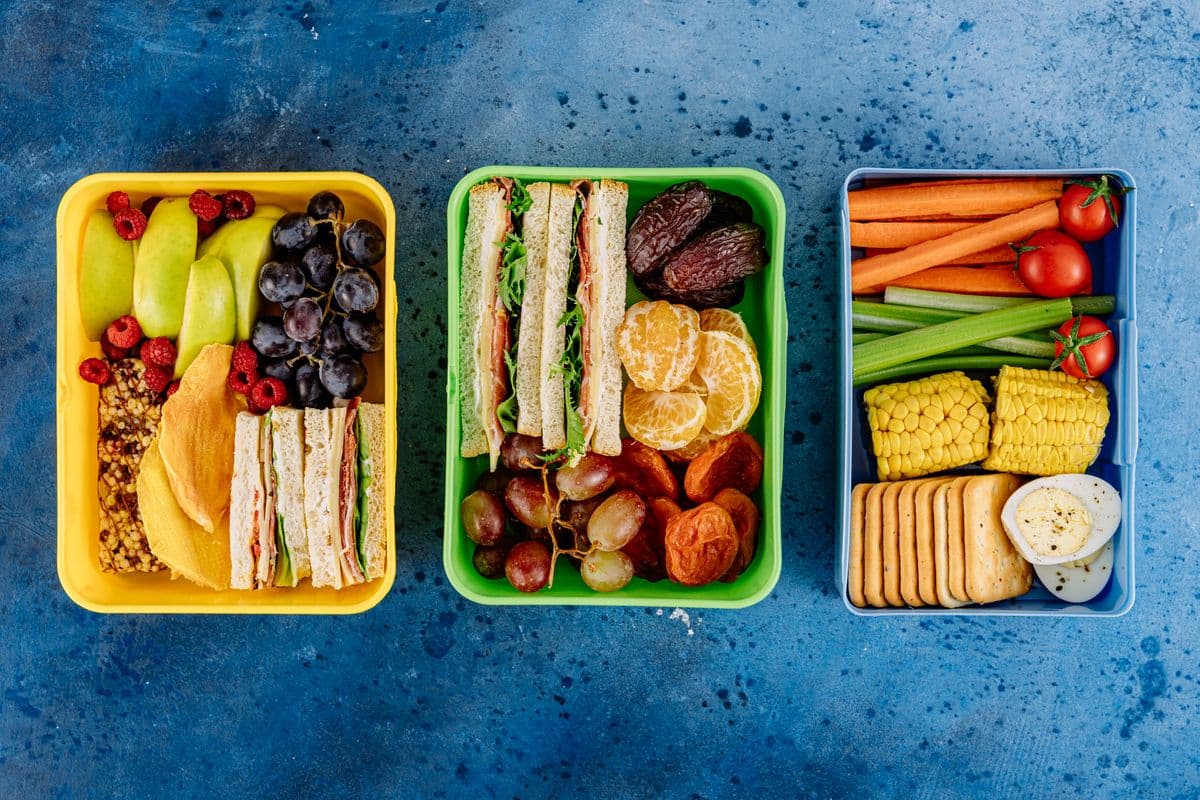
Best Insulated Lunch Bags for Kids (2026 School Lunch Guide)
Best insulated lunch bags for kids for school: freezable-wall vs thick soft insulation vs fitted brand bags vs kids hard-sided coolers, USDA FSIS and CDC cold-safety packing framework, and five real Amazon options.
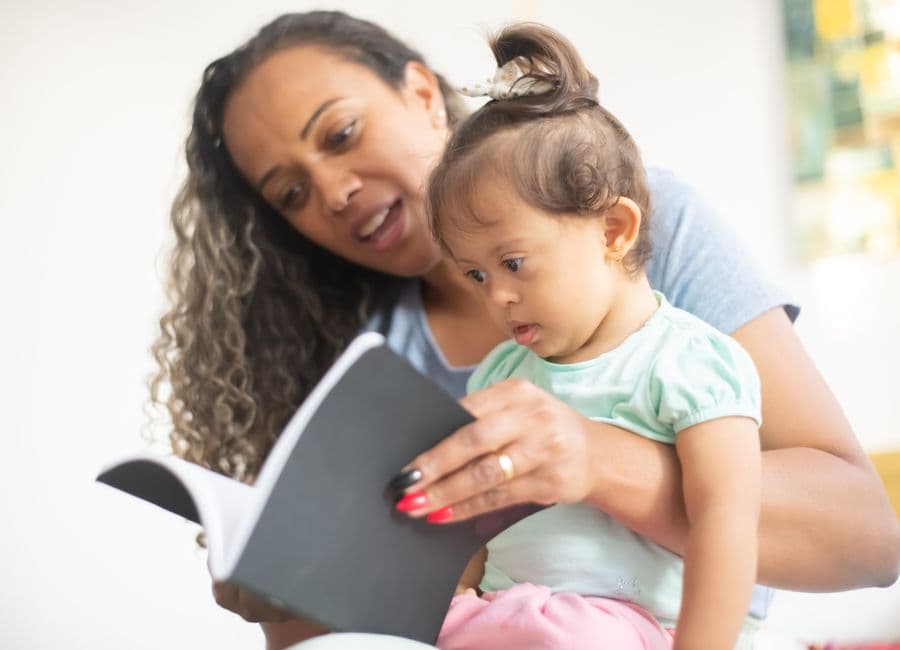
How to Wean Your Baby Off the Bottle: An Age-by-Age Guide
When to start moving from bottle to cup, in AAP terms, and how to actually do it: which feeding to drop first, why the bedtime bottle comes last, a realistic week-by-week approach, and what to do when a toddler protests.
Mom's Magazine Editorial Team
Editorial Team
The Mom's Magazine editorial team researches and writes practical, plainly-sourced guidance for parents and families. Guides are reviewed for accuracy and updated as recommendations change. Where a topic calls for professional expertise, we cite reputable organizations and, for health topics, add a qualified reviewer before publishing.
Newsletter
Get the Weekly Mom List
One short email a week: the most useful guides, activities, and picks for your family. No spam, unsubscribe anytime.