Products
Best High Chair & Best Baby High Chair (2026): Convertible, Slim & Toddler Seats
Best high chair and best baby high chair picks for starting solids through toddler years: slim fold-flat, convertible grow-with-baby, infant recline, and portable booster.
As an Amazon Associate I earn from qualifying purchases.Some links on this page are affiliate links. If you buy through them, Mom's Magazine may earn a small commission at no extra cost to you. It never changes which products we recommend. How we recommend products.
Looking for the best high chair or best baby high chair? There is no single lab winner — the right infant or toddler high chair depends on kitchen footprint and how long you need the seat. For tight spaces, a slim fold-flat chair like the Graco Slim Snacker is the daily-driver pattern. For a convertible high chair that lasts from infancy through the toddler years, models like the Evenflo Eat and Grow or Chicco Zest LE adjust through multiple stages instead of being replaced. For travel or a grandparent's house, a strap-on booster like the Ingenuity Baby Base skips the full-size frame. U.S. freestanding high chairs sold today must meet the CPSC safety standard at 16 CFR part 1231 (ASTM F404-21 for chairs manufactured after July 23, 2022). CDC mealtime guidance still defines the job: sit your child in a safe place such as a high chair or booster, strap them in, keep them upright while eating, and watch them at all times. This is a researched buying guide based on manufacturer specifications, CPSC/CDC/AAP primary sources, and recurring patterns in verified reviews — not a hands-on side-by-side lab test, not a ranked scoreboard with invented scores, and not medical advice.
Best for small kitchens
Graco Slim Snacker High Chair, Ultra Slim, Fast-Folding, Multiple Recline Positions
Best for: Small kitchens or apartments with limited standing space
Quick picks
| Product | Best for | |
|---|---|---|
| Graco Slim Snacker High Chair, Ultra Slim, Fast-Folding, Multiple Recline Positions Best for small kitchens | Small kitchens or apartments with limited standing space | Check price on Amazon |
| Evenflo Eat and Grow 4-in-1 Convertible High Chair Best long-term value | Families who want one seat from infancy through the toddler years | Check price on Amazon |
| Ingenuity Baby Base 2-in-1 Booster Feeding and Floor Seat Best for travel | Travel, a second household, or supplementing a full-size chair | Check price on Amazon |
| Chicco Zest LE 4-in-1 Folding High Chair, Baby Chair, Youth Stool Best folding convertible | Families who want convertible stages but still need it to fold for storage | Check price on Amazon |
Affiliate disclosure
Mom's Magazine may earn a commission if you buy through Amazon links on this page (rel=sponsored nofollow). Product cards use manufacturer-facing specs and patterns from verified reviews. Editorially reviewed — not medically reviewed by a named clinician.
General information, not medical advice
Infant seating and choking prevention are health topics that belong with your child's clinician. This article cites CPSC high-chair rules plus CDC and AAP/HealthyChildren pages for solids timing, mealtime seating, and choking hazards. It is not medical advice, not a feeding or safety plan for your child, and not medically reviewed by a named clinician. Talk with your pediatrician about feeding concerns, premature birth history, or developmental questions.
How we picked the best baby high chair options on this page
This is a researched buying guide for families searching best high chair, best baby high chair, infant high chair, toddler high chair, and best convertible high chairs — not a hands-on lab test. We have not fed a toddler in these chairs side by side. We compared manufacturer specifications, CPSC high-chair business guidance and the federal standard at 16 CFR part 1231, CDC mealtime seating and choking-prevention pages, AAP/HealthyChildren solids and choking guidance, and the recurring patterns in verified customer reviews across popular, widely available chairs. We focused on the differences that actually change daily use: footprint and folding, harness type, tray design, how easy each is to clean after a food-throwing phase, age/stage fit when solids start, and whether a portable booster belongs in the same cart. If we add hands-on testing later, we will update this guide and say so. Check live Amazon listings for current availability.
Badges like Best for small kitchens describe a use-case fit, not a laboratory winner.
When starting solids meets the best baby high chair
Most families shop for a best baby high chair in the same window they start complementary foods. AAP/HealthyChildren's Starting Solid Foods page is explicit about seating readiness: your baby should be able to sit in a high chair, a feeding seat, or an infant seat with good head control. Other readiness signs on that page include opening for food, moving food from a spoon into the throat rather than pushing it straight out, and overall developmental readiness — which is individual, not a calendar deadline. The AAP recommends providing only breast milk for approximately 6 months after birth, then continuing breastfeeding along with introductory foods; formula-fed babies follow clinician guidance in the same developmental window. CDC's When, What, and How to Introduce Solid Foods page likewise frames complementary foods at about 6 months and warns against introducing foods before 4 months.
That timing matters for the chair decision. An infant high chair with recline helps younger babies who still need more trunk support during early spoon feeds. A toddler high chair stage (or a convertible that drops into booster mode) matters later when self-feeding, open-cup practice, and longer meals arrive. Food preparation — soft textures, small pieces, iron-rich starters, choking hazards — still belongs on our beginner's guide to starting solid foods. This page covers the seated, strapped, upright place those first meals happen.
Same week as first foods: cup practice on the tray
AAP/HealthyChildren notes it is OK to offer a little water when solids begin, using an open, sippy, or strawed cup and limiting water (their page says no more than 1 cup / 8 ounces each day for healthy babies). Put those short, supervised sips on the high-chair tray — not on the couch — so cup practice matches CDC's upright-while-eating rule. Compare mechanisms on best sippy cups and best open cups for babies.
Read the starting-solids beginner guideAAP/CDC readiness, first foods, and choking context that pairs with this chair.
Compare open cups for the same solids weekTray water practice — a related guide.
What CPSC requires for a freestanding high chair
Before you fall for a staged kitchen photo, ground the category in the federal rule. CPSC High Chairs Business Guidance explains that section 104 of the Consumer Product Safety Improvement Act led to a mandatory standard for high chairs at 16 CFR part 1231. That regulation incorporates ASTM F404 by reference. For high chairs manufactured after July 23, 2022, the Commission-accepted version is ASTM F404-21. CPSC defines a high chair, for this rule, as a freestanding chair for a child up to 3 years of age that has a seating surface more than 15 inches above the floor and elevates the child normally for feeding or eating.
The business-guidance page lists the kinds of requirements the standard addresses: latching or locking mechanisms, openings, sharp points and edges, small parts, paint and surface coating limits, tray or front torso support integrity and pull tests, static load, stability, restraint systems, scissoring/shearing/pinching hazards, tray latch release mechanisms, side containment, protrusions, and related structural integrity checks. Manufacturers and importers of children's products subject to the rule must certify compliance with a Children's Product Certificate citing 16 CFR part 1231 — High chairs, use CPSC-accepted third-party testing, and meet tracking-label and registration-form duties that apply to durable infant or toddler products.
Freestanding vs booster vs hook-on
CPSC's high-chair rule is written for freestanding high chairs as defined above. Strap-on boosters and hook-on chairs that clamp to a table can be useful travel or small-space tools, but they are not automatically the same product category as a freestanding high chair under 16 CFR part 1231. Read the packaging, the Children's Product Certificate citation when available, and the manufacturer's age/weight limits — do not assume a clamp-on seat inherited grandma's high-chair safety envelope.
- Prefer new freestanding chairs that cite current compliance rather than undated garage-sale finds with missing restraint hardware.
- Register the product so the maker can reach you for recalls — registration forms are part of the durable infant/toddler product duties CPSC describes.
- Use the harness every meal; federal performance tests assume a restraint system exists, they do not replace caregiver use.
- If a used chair is missing the crotch restraint, tray latch pieces, or legible warnings, do not treat it as a bargain — it is incomplete safety gear.
- Hook-on and booster seats still need a sturdy host chair or table edge and adult supervision; they are not a license for walking snacks.
What CDC (and AAP) say the seat has to do
CPSC compliance is the product baseline; caregiver routine is the rest of the job. CDC's Tips for Mealtime Routines page is blunt: sit your child in a safe place (a high chair or booster seat are good options), strap your child into the high chair or booster, and watch children at all times to make sure they are safe. CDC's Choking Hazards page adds the posture rule families skip when snacks happen on the couch: have your child sit up while eating (no lying down, crawling, or walking); have your child sit in a high chair or other safe place; avoid letting your child eat in the car or stroller; keep mealtimes calm; avoid distractions; and watch your child at all times while they are eating.
AAP/HealthyChildren choking-prevention guidance lines up with that seating story — upright, supervised, age-appropriate food shapes — and belongs next to the chair decision, not in a separate browser tab you never open. Food preparation details stay on the solids guide; this page covers the seat that makes an upright, supervised meal possible.
5-point harness, every time
Once a baby can push up against the tray, a tray alone will not stop them from standing or sliding out. Use the chair's 5-point harness for every meal, even short ones — that matches the spirit of CDC's strap-in guidance and standard product-safety expectations, not a marketing claim unique to one brand.
Start with your kitchen, not the feature list
Before comparing harnesses and trays, figure out where the best high chair for your home will actually live. A full-size convertible parked at the table full-time needs real floor clearance to pull in and out; a small kitchen or open-concept apartment often does better with a chair that folds flat for storage, or a booster that straps to a dining chair you already own. Measure the clear rectangle next to your table — including the pull-out arc — before you fall for a photo of a chair in a huge staged kitchen.
| Style | Footprint | Lifespan | Trade-off |
|---|---|---|---|
| Slim folding high chair | Smallest standing footprint; folds flat | Infant through toddler (booster mode on some models) | Fewer growth stages than a full convertible |
| Convertible multi-stage chair | Largest — often stays assembled at the table | Infant through big-kid chair, several years | Heaviest and most expensive; harder to move between rooms |
| Folding convertible | Medium — multi-stage but still folds | Infant through youth stool on models like Chicco Zest LE | More parts to clean than a single-stage slim chair |
| Strap-on portable booster | No standing footprint — packs into a bag | Once a baby can sit unassisted through early toddler | No recline; needs a sturdy dining chair to attach to |
| Traditional wooden high chair | Often large; style-forward at the table | Long cosmetic life if hardware stays complete | Harder to deep-clean; verify modern restraint + current standard compliance |
| Hook-on / clamp-on seat | Uses table edge instead of floor space | Travel and tiny kitchens | Not the same freestanding CPSC high-chair category; needs a suitable table |
Whichever chair you land on, expect a genuinely messy first few weeks if you are doing any self-feeding — our comparison of baby-led weaning and purees covers what to expect on the mess front, and it is worth choosing a tray and floor setup with that in mind rather than being surprised by it. CDC even suggests putting newspaper or a plastic mat under the high chair to make cleanup easier — a boring tip that saves more sanity than most accessories.
Convertible vs wooden vs hook-on: honest tradeoffs
Search results for best convertible high chairs often imply every household needs a four-stage frame. Convertible chairs earn their keep when you want one purchase to cover infant recline, upright high-chair meals, a toddler booster at the table, and eventually a youth chair. The tradeoff is bulk, weight, and more parts to lose between stages. If you will hand the chair down or resell it after infancy, a simpler slim single-stage chair is easier to part with — and often kinder to a small kitchen.
Wooden high chairs photograph beautifully and can feel like heirloom furniture at a dining table. The honesty checks are mechanical, not aesthetic: does the restraint system still latch, are tray and crotch restraints intact, are warnings and tracking labels present on a newer unit, and does the finish tolerate the wipe-down reality of yogurt and iron-fortified cereal? A gorgeous wooden chair with a missing harness strap is not safer because it is wood. Prefer current-production models with clear manufacturer care and restraint instructions over undated vintage seats missing hardware.
Hook-on seats that clamp to a table edge solve apartments where a freestanding frame will not fit. They are not magic: the table must be thick and sturdy enough for the clamp design, the seat still needs supervision, and — as CPSC's freestanding definition underscores — you should not assume the hook-on inherits every test that applies to freestanding high chairs under 16 CFR part 1231. Treat hook-ons as a space strategy with their own manuals, not as a silent upgrade from a full high chair.
Compare the stages each manufacturer lists, then decide whether you want one long-lived frame, a cheaper slim chair plus a later booster, or a hook-on for a second location. Live Amazon prices move; check the listing, not a frozen number here.
Cleaning: tray and seat pad matter more than the frame
- A tray that lifts off with one hand (not two, not a hidden latch) gets used correctly at every meal — a fussy tray release is the kind of small annoyance that adds up daily.
- Dishwasher-safe trays save real time once purees turn into finger foods and self-feeding starts — follow the maker's top-rack / hand-wash notes.
- Fabric or padded seat inserts should be removable and machine-washable; a seat that can only be wiped down gets visibly grim within weeks of a messy eater.
- Crevices around the harness buckle are the hardest part of any high chair to clean — check reviews specifically for complaints about food getting trapped there before buying.
- Wipe the floor mat or newspaper under the chair after meals; CDC's cleanup tip exists because food on the floor is part of learning, not a parenting failure.
- Wooden trays and carved crevices need a real wipe plan — beauty finishes that stain permanently become a hygiene headache once solids start.
A wipeable tray only handles what lands on the chair itself — our comparison of silicone bibs and suction placemats covers what actually catches the food that misses the tray entirely, and our comparison of baby food makers covers what is going onto the tray in the first place. Self-feeding tools that share the tray live on our toddler self-feeding utensils guide.
What lands on the tray usually started in a freezer bag. Our comparison of baby food storage containers and freezer trays covers which portion sizes and materials actually hold up to months of freezing and reheating.
How the high chair pairs with solids, cups, and lunch packing
The chair is the hub of the solids sequence, not a standalone gadget. CDC and AAP readiness for complementary foods usually lands around the same stretch when families also start open-cup or sippy practice and first utensils. Each job has its own guide: solids readiness and first-food safety live on starting solid foods; spill-resistant daily cups live on best sippy cups and best open cups for babies; preschool-through-elementary bottles live on best water bottles for kids; lunch packing years later lives on kindergarten lunch boxes and insulated lunch bags. This page covers the seated, strapped, upright place those meals happen.
If cup practice and first spoons start the same week as the chair, put water practice on the tray during seated meals — short, supervised sips — rather than free-roaming drinks on the couch. That habit matches CDC's upright-while-eating rule better than a bottle on the sofa.
Compare sippy cups we already listedSpoutless and weighted-straw picks for tray water practice.
See insulated lunch bags for the later chapterYears after the high chair — soft-sided cold carriers.
The high chair is the seat for first foods and the first cup sips — not a separate shopping trip. Starting solid foods covers CDC/AAP readiness and the BLW book. For the drink that lands on the tray the same week, open cups for babies and sippy cups list the trainers (Munchkin Miracle 360, b.box weighted straw).
Signs it's time to move to a booster or big-kid chair
- Your toddler can climb in and out of the high chair unassisted, which is also a fall-risk sign it is time for something lower to the ground.
- They are consistently asking to sit at the table with everyone else rather than at a separate tray.
- The chair's weight or height limit (check the manual — this varies by model) is approaching.
- Meals are calm enough that a strap-on booster on a dining chair keeps them at the family table without a separate tray island.
Moving down does not mean unsupervised snacks on the floor. CDC's sit-up-and-watch rules still apply at a booster or kid chair. If picky eating is the real stressor at the table, our picky-eating guide covers behavior — not a reason to unbuckle early.
No chair fixes a toddler who won't touch dinner, though staying at the table with everyone else does help. Our guide to toddler dinner refusals explains the division-of-responsibility approach and why pressure at the table backfires.
How each pick earns its spot
Use these as use-case fits for best high chair shopping, not a ranked scoreboard. Capacities and stage claims reflect manufacturer-facing product details.
Graco Slim Snacker remains the small-kitchen default: ultra-slim fold-flat frame, multiple recline positions, one-hand tray release. Pick it when standing footprint is the constraint and you do not need multi-year youth-chair stages.
Check Graco Slim Snacker on AmazonAffiliate link. Slim fold-flat pick on this page.
Evenflo Eat and Grow is the long-horizon convertible: 4-in-1 stages from infant through youth chair, dishwasher-safe dual-position tray per maker positioning, 5-point harness in high-chair stages. Pick it when you want one frame to grow rather than buying a later booster separately — a common answer when shoppers ask for the best convertible high chairs without room for three separate purchases.
Check Evenflo Eat and Grow on AmazonAffiliate link. Convertible long-term pick on this page.
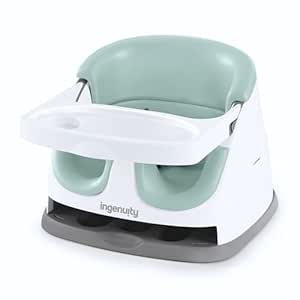
Ingenuity Baby Base is the travel / second-household booster: straps onto most standard dining chairs, self-storing tray, packs for grandparents or a rental. Not a substitute for a full high chair with a younger infant who still needs recline.
Check Ingenuity Baby Base on AmazonAffiliate link. Portable booster pick on this page.
Chicco Zest LE splits the difference: multi-stage (high chair through youth stool) with a folding frame, wipeable seat pad, BPA-free removable tray, 5-point harness, multiple recline positions. Maker weight rating across stages is listed on packaging/listing — check the live page rather than memorizing a number from an old review.
Check Chicco Zest LE on AmazonAffiliate link. Folding convertible pick on this page.
Side-by-side: the four chairs on this page
| Chair | Best for | Stages / style | Harness (high-chair stages) | Fold? |
|---|---|---|---|---|
| Graco Slim Snacker | Small kitchens / apartments | Single-stage high chair with recline | Check listing for current harness config | Yes — fold-flat |
| Evenflo Eat and Grow | One seat across years | 4-in-1 convertible | 5-point in high-chair stages per maker | No (bulkier leave-out) |
| Ingenuity Baby Base | Travel / second household | Strap-on booster + floor seat modes | Booster straps — not a full high-chair frame | Packs into a bag |
| Chicco Zest LE | Convertible that still folds | 4-in-1 folding high chair to youth stool | 5-point per maker | Yes — folds in high-chair config |
Mistakes worth naming
- Buying the biggest convertible for a kitchen that cannot store it — then using it unbuckled because the harness is a hassle.
- Skipping the strap because it is just a quick snack — CDC says strap in and watch; short meals still count.
- Letting a child eat lying down, walking, or in a moving stroller/car because the high chair feels like too much setup.
- Choosing a wipe-only seat pad for a baby-led-weaning household without a floor mat plan.
- Assuming a portable booster or hook-on replaces a reclining infant high chair before the baby sits unassisted.
- Treating a vintage wooden chair with missing restraints as automatically safe because it looks sturdy.
- Use-case fit beats a ranking built from star averages.
Bottom line on the best high chair and best baby high chair
Own the decision with four filters: will it fit the kitchen you actually have, can you clean the tray and pad on a weeknight, will you use the harness every meal, and does a freestanding model you buy new sit inside the CPSC high-chair rule families should expect for modern chairs? Then match style — slim fold-flat for tight spaces, convertible for multi-year stages, folding convertible when you want both, portable booster for travel and grandparents. Keep CDC's seating rules and AAP solids-readiness seating cues next to the Amazon cart: upright, strapped, supervised, developmentally ready. That routine prevents more regret than any badge on a product card.
Keep this page as your shortlist for infant, toddler, and convertible high chairs. This guide does not include prices, star ratings, or hands-on rankings.
Start solids with the beginner guideReadiness and first-food safety that pair with this seat.
Add sippy cups for tray water practiceSame solids week — spoutless and straw picks.
Open cups for rim practiceTrue open-rim trainers for supervised tray sips.
Later: insulated lunch bags for kidsYears after the high chair — soft-sided cold carriers.
Once a toddler is ready to move on from the high chair entirely, our comparison of toddler booster seats covers the difference between a booster that stays strapped to one chair and a fold-flat travel seat, plus what to check before buying either.
Our Recommendations

Graco Slim Snacker High Chair, Ultra Slim, Fast-Folding, Multiple Recline Positions
Best for: Small kitchens or apartments with limited standing space
A single-stage chair built around a slim, fold-flat frame — the main reason to pick it over a bulkier convertible is that it stores against a wall instead of permanently occupying floor space at the table.
- Fold-flat frame for storage between meals
- Multiple recline positions for younger infants
- One-hand tray release
- Compact standing footprint versus multi-stage chairs
Keep in mind: Fewer growth stages than a convertible chair — it's built to be a high chair, not to convert into a youth chair later.

Evenflo Eat and Grow 4-in-1 Convertible High Chair
Best for: Families who want one seat from infancy through the toddler years
A 4-in-1 chair that converts from infant high chair to toddler booster to youth chair as your child grows, aimed at replacing three separate purchases with one that adjusts over time.
- Converts across 4 stages: infant, high chair, booster, youth chair
- Dishwasher-safe, dual-position tray
- 5-point harness in the high-chair stages
- Larger standing footprint than a slim single-stage chair
Keep in mind: Heavier and bulkier than a slim chair, and the conversion hardware is another part to keep track of between stages.
Ingenuity Baby Base 2-in-1 Booster Feeding and Floor Seat
Best for: Travel, a second household, or supplementing a full-size chair
A strap-on booster with a self-storing tray, meant to add feeding-seat coverage anywhere there's a sturdy dining chair — a grandparent's house, a rental, or a diaper bag for travel — without buying a second full-size high chair.
- Straps onto most standard dining chairs
- Self-storing tray that tucks into the seat base
- Compact enough to pack for travel
- No recline — meant for babies who sit unassisted
Keep in mind: Not a substitute for a full high chair with a younger infant who still needs recline support.

Chicco Zest LE 4-in-1 Folding High Chair, Baby Chair, Youth Stool
Best for: Families who want convertible stages but still need it to fold for storage
Combines the multi-stage idea (high chair through youth stool) with a folding frame, aimed at households that want longevity without giving up the ability to tuck the chair away.
- Folds even in high-chair configuration
- Wipeable seat pad and BPA-free removable tray
- 5-point harness; check live listing for current weight rating across stages
- Multiple recline positions for younger infants
Keep in mind: As with most multi-stage chairs, the added hardware for converting stages means more parts to keep clean than a single-stage chair.
As an Amazon Associate I earn from qualifying purchases. Mom's Magazine may earn a commission when you buy through links on this page, at no extra cost to you. Learn more.
Frequently Asked Questions
What is the best high chair for babies?
There is no single best high chair for every kitchen. Match style to constraints: slim fold-flat (Graco Slim Snacker pattern) for tight floor space; convertible multi-stage (Evenflo Eat and Grow or Chicco Zest LE patterns) when you want infant through toddler/youth stages; portable booster (Ingenuity Baby Base pattern) for travel or grandparents. Prefer a modern freestanding chair that sits under CPSC's 16 CFR part 1231 framework, use a 5-point harness every meal, and follow CDC strap-in and upright-eating guidance.
What is the best baby high chair when starting solids?
Shop in the same developmental window as complementary foods. AAP/HealthyChildren says your baby should be able to sit in a high chair, feeding seat, or infant seat with good head control; AAP timing for solids is about 6 months with continued breast milk or formula as the main nutrition. An infant high chair with recline helps earlier feeds; cleanliness and a harness matter as much as brand. Pair the seat with our starting-solids guide rather than treating the chair as a feeding plan.
When do babies need a high chair?
When complementary foods start and your baby can sit with support or unassisted per your clinician's guidance — often around the same stretch as starting solids. CDC mealtime tips recommend a high chair or booster as a safe place to sit for meals, strapped in and supervised. Readiness is individual; ask your pediatrician if your baby was premature or has motor delays.
Infant high chair vs toddler high chair — do I need both?
Not always. Many convertible high chairs cover infant recline and toddler stages in one frame. A slim single-stage chair may cover infancy and early toddler years, then you add a booster. A dedicated toddler high chair or booster makes sense when your child has outgrown infant recline needs and you want them lower at the family table. Check each model's weight/height limits — a universal age cutoff.
What should I look for in the best convertible high chairs?
Look for clear stage list (infant / high chair / booster / youth), a 5-point harness in high-chair stages, a removable tray you will actually wash, and a footprint your kitchen can store. Convertible chairs cost more up front and weigh more; they earn that cost when you would otherwise buy three separate seats. Folding convertibles (Chicco Zest LE pattern) help small spaces; leave-out convertibles (Evenflo Eat and Grow pattern) suit dedicated table zones.
Is a 5-point harness required?
Product designs vary, but once a baby can push against a tray, a tray alone is not enough restraint. CDC says strap your child into the high chair or booster. Prefer a 5-point harness in high-chair stages and use it every meal — including short snacks.
Do freestanding high chairs have to meet a CPSC standard?
Yes. CPSC's mandatory standard for high chairs is 16 CFR part 1231, which incorporates ASTM F404 (F404-21 for manufacture dates after July 23, 2022 per CPSC business guidance). The rule covers freestanding high chairs as CPSC defines them. Boosters and hook-on seats are not automatically the same category — read packaging and manuals.
Can my baby eat in a stroller or car seat instead?
CDC choking guidance says to have your child sit up in a high chair or other safe place and to avoid letting your child eat in the car or stroller. Treat that as the default safety rule, not a lifestyle preference.
Slim folding vs convertible — which should I buy?
Buy slim folding when standing footprint and storage dominate (apartments, small kitchens). Buy convertible when you want one frame through booster/youth stages and you have room to leave it near the table. A folding convertible (like the Chicco Zest LE pattern) splits the difference. There is no universal best.
Do I still need a travel booster if I own a full high chair?
Often yes — grandparents, travel, and second kitchens are where full-size chairs fail. A strap-on booster like the Ingenuity Baby Base pattern covers those without a second freestanding frame. It is not a reclining infant substitute.
How do I clean a high chair?
Follow the manufacturer's care label for dishwasher-safe trays and machine-washable pads. Wipe harness buckles and crevices after messy meals.
How does the high chair fit with sippy cups and open cups?
Cup practice usually starts in the same solids window. Keep short, supervised water practice on the tray during seated meals — see our open-cups and sippy guides. Preschool water bottles and insulated lunch bags are later jobs on those product pages.
Sources & Further Reading
- High Chairs Business Guidance — U.S. Consumer Product Safety Commission (CPSC) (reviewed 2026-09-22)
- 16 CFR Part 1231 — Safety Standard for High Chairs — eCFR / U.S. Consumer Product Safety Commission (reviewed 2026-09-22)
- Tips for Mealtime Routines — Centers for Disease Control and Prevention (CDC) (reviewed 2026-09-22)
- Choking Hazards — Centers for Disease Control and Prevention (CDC) (reviewed 2026-09-22)
- When, What, and How to Introduce Solid Foods — Centers for Disease Control and Prevention (CDC) (reviewed 2026-09-22)
- Choking Prevention for Babies & Children — American Academy of Pediatrics (HealthyChildren.org) (reviewed 2026-09-22)
- Starting Solid Foods — American Academy of Pediatrics (HealthyChildren.org) (reviewed 2026-09-22)
Related Guides
Best First Baby Foods & Best First Foods for Baby (CDC and AAP Guide)
Best first baby foods and best first foods for baby, in plain CDC and AAP terms: iron-rich starters around 6 months, one food at a time, allergen timing, first-feeding setup (bibs, spoons, cups), and what not to give. Editorially reviewed general information, not medical advice — not a ranked jar list.

Best Toddler Self-Feeding Utensils and Baby Spoons of 2026
Why the first spoon your baby actually uses isn't shaped like a spoon, which self-feeding utensils fit each stage from first purees to a toddler fork, and how utensils pair with solids, open cups, high chairs, bibs, and plates.
Best Open Cups for Babies and 6-Month-Olds (2026 Buying Guide)
Why open-cup and straw skills matter around 6 months with solids, how they differ from valved sippies, and four researched picks — ezpz Tiny Cup, ezpz Mini Cup + Straw, Munchkin C'est Silicone, and a squeeze straw trainer — with CDC and AAP sources.
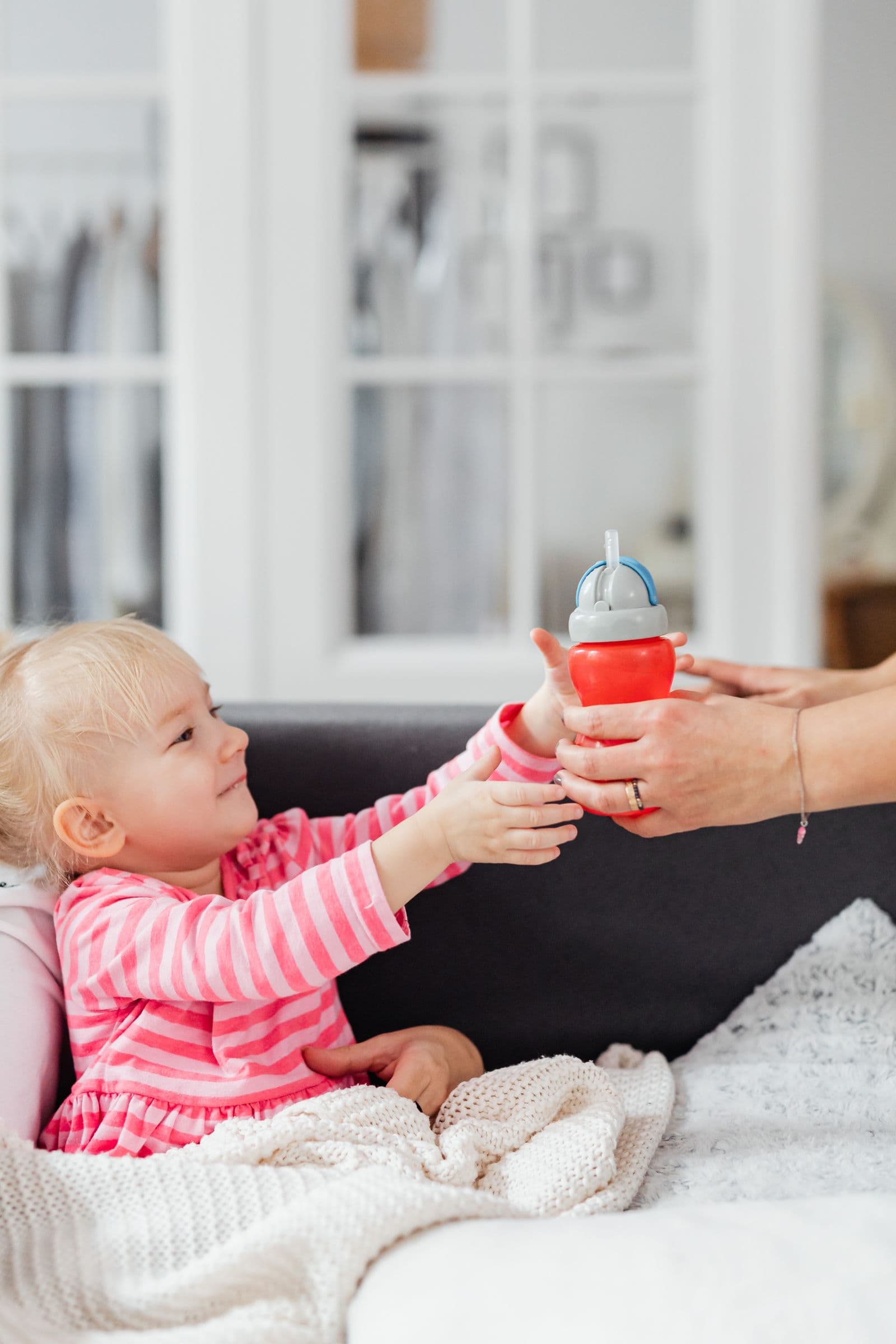
Best Sippy Cups (2026): Spoutless 360, Straw & Open-Cup Transition
Best sippy cups by drinking mechanism — spoutless 360, weighted straw, stainless, open-cup trainers — plus a CDC/AAP age-band transition plan (6 months to ~2 years), spill/mold/travel pitfalls, and AAPD tooth-decay context. Four Amazon picks.

Best Water Bottles for Kids (2026): Preschool, Lunch Bag & Sports
Best water bottle for kids by job — preschool carry, school lunch bag, sports bag, and older-kid dual spout — plus leak tests, cleaning to stop straw mold, size by age, and CDC/AAP water guidance.
Best Silicone Baby Bibs and Placemats of 2026
A researched comparison of silicone bibs and suction placemats for solids and baby-led weaning — what actually cuts down mess versus what just looks like it will, plus four options across ages and stages.
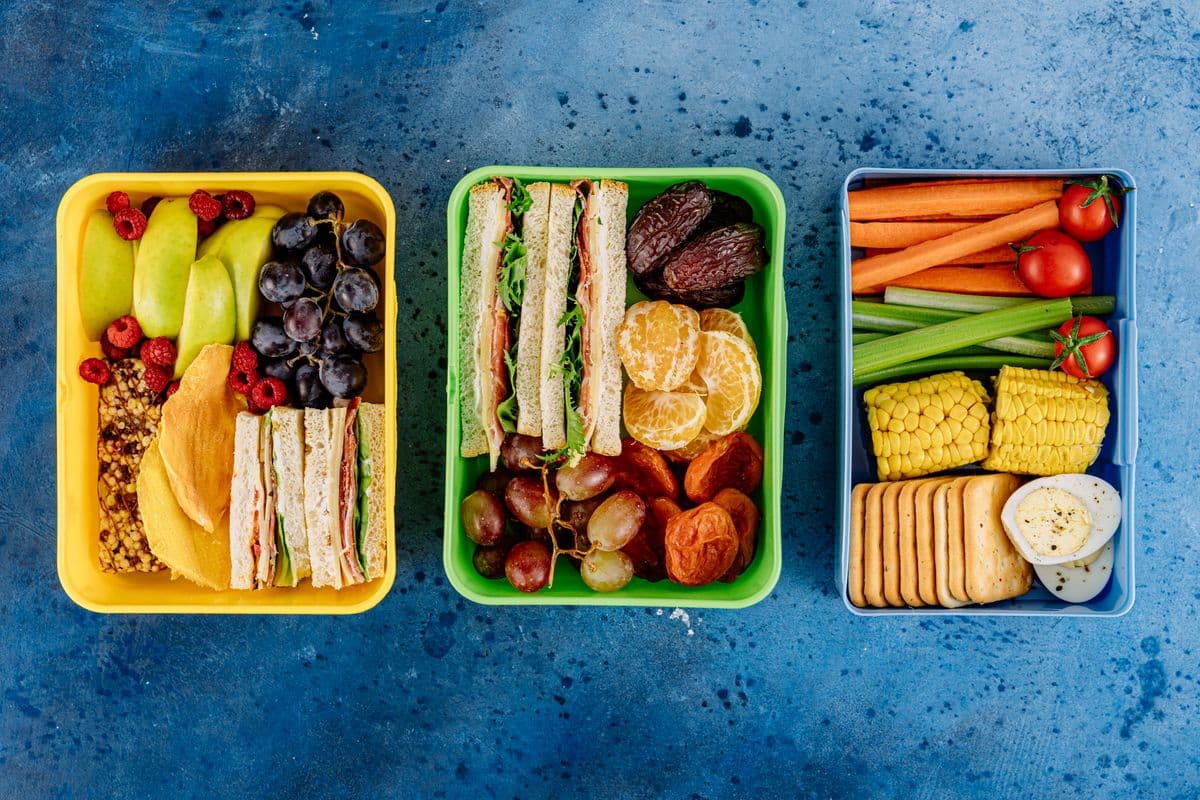
Best Lunch Boxes for Kindergarten (2026 Buying Guide)
Lunch box for kindergarten buying guide: hard vs soft, age bands, what to avoid, bento compartments, thermos wells, dishwasher care, backpack fit, short lunch periods, USDA FSIS / CDC packing notes, spill risk, and five Amazon picks.
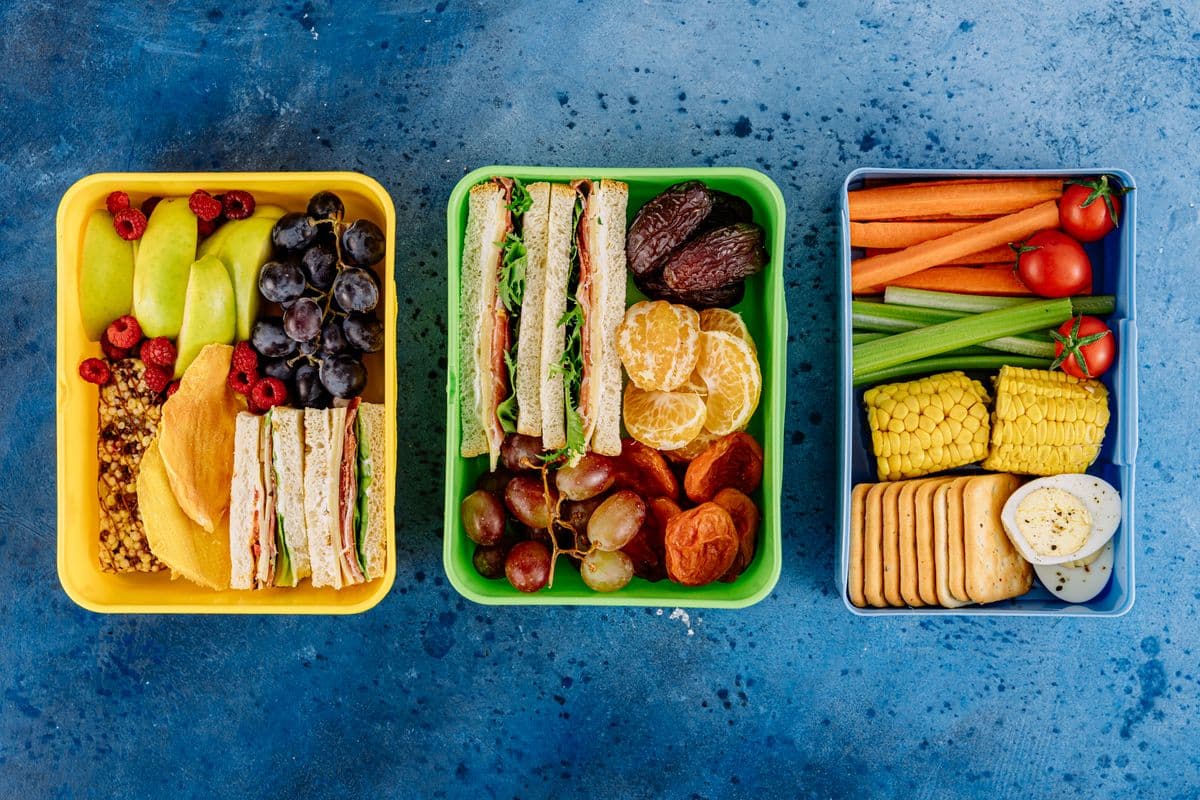
Best Insulated Lunch Bags for Kids (2026 School Lunch Guide)
Best insulated lunch bags for kids for school: freezable-wall vs thick soft insulation vs fitted brand bags vs kids hard-sided coolers, USDA FSIS and CDC cold-safety packing framework, and five real Amazon options.
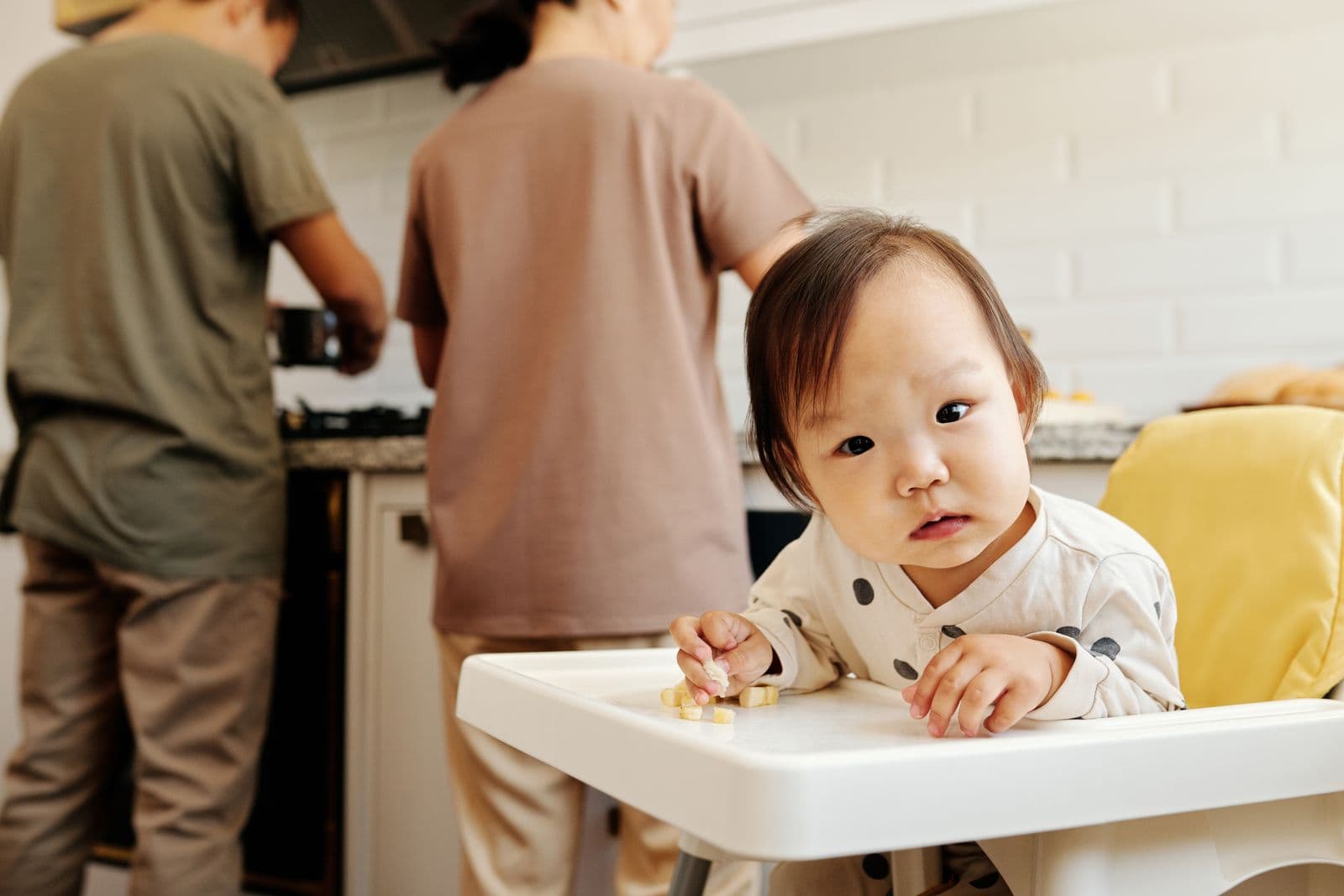
How to Handle Picky Eating in Toddlers
Why toddlers get picky around ages 2–4, the feeding approach with the most evidence behind it, and the red flags worth a pediatrician visit.
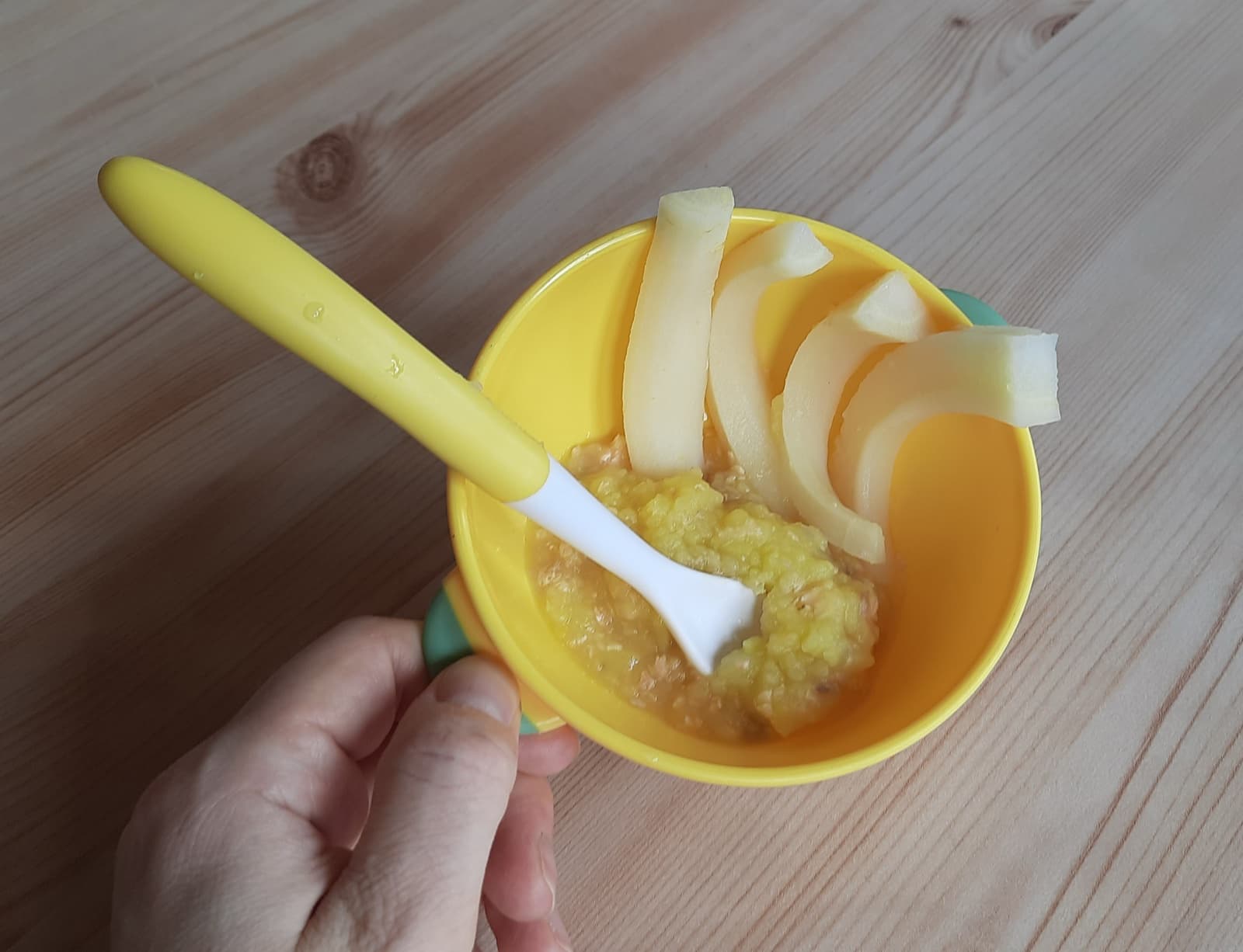
Best Baby Food Makers of 2026: Steam-and-Blend All-in-Ones vs Pot and Blender
Best baby food makers compared for parents searching baby food maker options: what a dedicated steam-and-blend appliance actually buys you over a stovetop pot and blender, steam vs boil nutrient retention, batch-cook and freeze workflow, glass vs plastic, cleanup, and a manual mill for travel.
Mom's Magazine Editorial Team
Editorial Team
The Mom's Magazine editorial team researches and writes practical, plainly-sourced guidance for parents and families. Guides are reviewed for accuracy and updated as recommendations change. Where a topic calls for professional expertise, we cite reputable organizations and, for health topics, add a qualified reviewer before publishing.
Newsletter
Get the Weekly Mom List
One short email a week: the most useful guides, activities, and picks for your family. No spam, unsubscribe anytime.