Products
Best Toddler Self-Feeding Utensils and Baby Spoons of 2026
Why the first spoon your baby actually uses isn't shaped like a spoon, which self-feeding utensils fit each stage from first purees to a toddler fork, and how utensils pair with solids, open cups, high chairs, bibs, and plates.
As an Amazon Associate I earn from qualifying purchases.Some links on this page are affiliate links. If you buy through them, Mom's Magazine may earn a small commission at no extra cost to you. It never changes which products we recommend. How we recommend products.
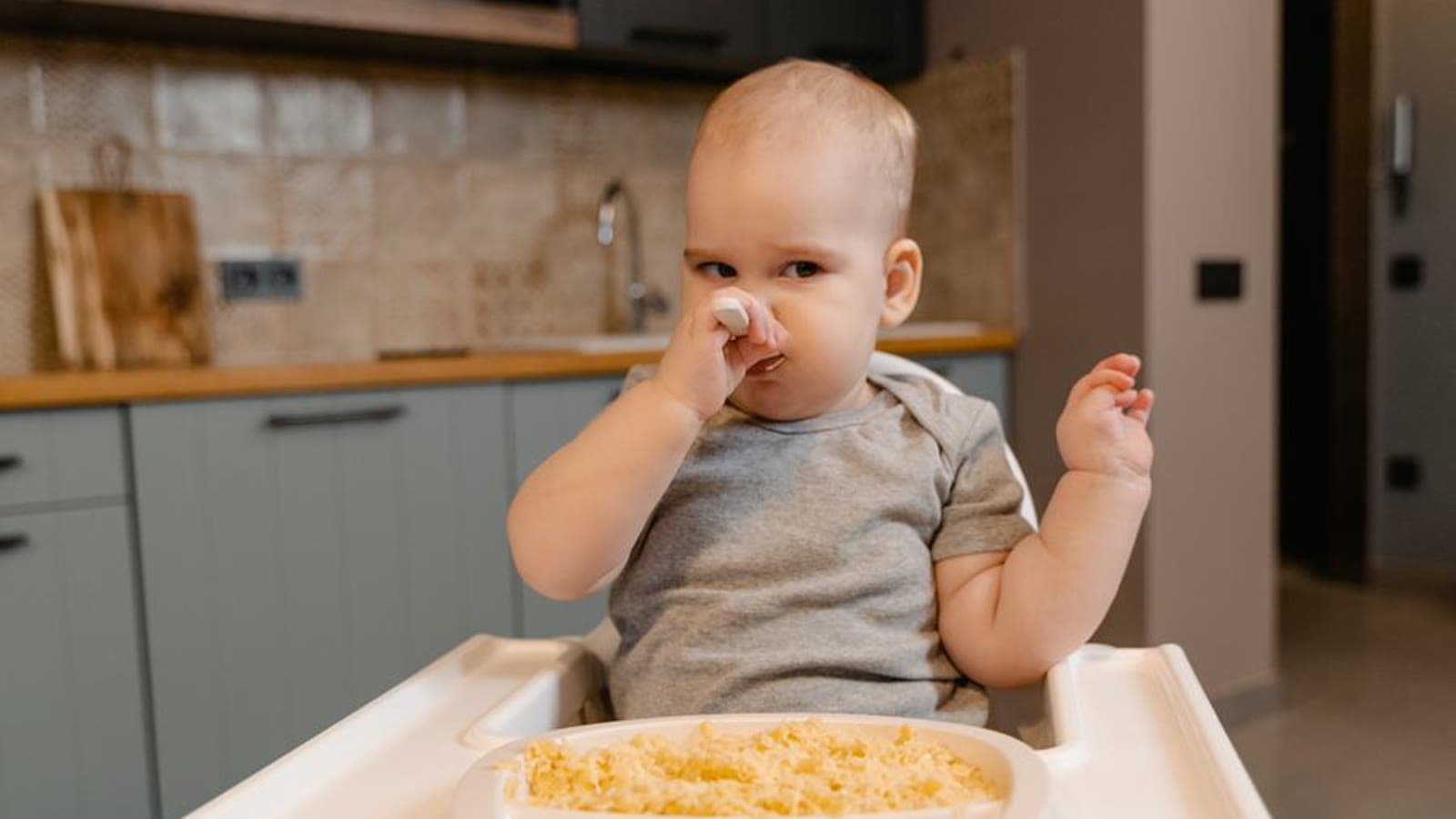
For the earliest self-feeding stage (around 6 months, once a baby is starting solids), a flat or dimpled "pre-spoon" like the NumNum GOOtensils works better than a traditional spoon shape, because babies at that age scoop and mouth rather than balance food on a bowl. As coordination improves, a short-handled silicone spoon such as the ezpz Tiny Spoon takes over — CDC notes babies can start using a spoon by themselves around 10 to 12 months, even if meals stay messy. By around a year, a real toddler-proportioned fork-and-spoon set like ezpz Mini Utensils is worth adding so a child starts learning to stab and scoop instead of just mouthing everything. Most families end up with pieces from two or three of these stages in the drawer at once, because a baby doesn't graduate cleanly from one skill to the next. This is a researched comparison of design features and official feeding guidance — not a hands-on lab test, not medical advice, and not a ranked scoreboard with invented review scores.
Quick picks
| Product | Best for | |
|---|---|---|
| NumNum Pre-Spoon GOOtensils, 2-Pack Best for first scoops | First self-feeding scoops, around 6+ months | Check price on Amazon |
| ezpz Tiny Spoon, Twin Pack Best for the middle stage | The middle stage, once a baby can load and lift a spoon | Check price on Amazon |
| ezpz Mini Utensils (Fork & Spoon Set) Best for introducing a fork | Introducing a real toddler fork alongside a more mature spoon | Check price on Amazon |
| Bumkins Silicone Chewtensils Budget teether-spoon hybrid | A budget teether-and-spoon hybrid for early exploration | Check price on Amazon |
How we picked
This is a researched buying guide, not a hands-on lab test — we haven't handed a rotation of spoons to a baby and timed how much ends up on the floor. We compared manufacturer specs, pediatric feeding-therapy guidance on grip and utensil shape, CDC mealtime skill timing, AAP/HealthyChildren solids and choking-prevention pages, and the recurring patterns across verified customer reviews. We focused on the distinction that actually matters here: what stage of self-feeding a utensil is built for, not the color or the packaging. If we add hands-on testing later, we'll update this guide and say so. Check live Amazon listings for current availability.
General information, not medical advice
Infant feeding and choking prevention are health topics that belong with your child's clinician. This article is editorially reviewed general information from CDC and AAP/HealthyChildren pages we cite below. It is not medical advice, not a feeding or therapy plan for your child, and not medically reviewed by a named clinician. Talk with your child's pediatrician before changing feeding routines, especially if your baby was premature, has a medical condition, or has oral-motor or feeding concerns.
Self-feeding utensils are really different jobs
The baby aisle sells "self-feeding spoons" as if they're one category, and they aren't. A six-month-old who's just started purees doesn't have the wrist rotation to scoop with a spoon shape the way an adult does — they mash a flat tool into the bowl and bring it to their mouth however it lands. A fifteen-month-old with a year of practice can actually load a spoon bowl and turn their wrist to keep food on it. Buying the second kind of tool for the first stage just means more frustration and more food on the floor; buying the first kind for a toddler who's ready for more means they outgrow it fast and you're back at the store.
CDC's Fingers, Spoons, Forks, and Cups page is useful framing here: most babies can swallow a spoonful of pureed foods without choking around 6 months when a caregiver feeds them, and babies can start to use a spoon by themselves around 10 to 12 months — with the explicit note that you should still give them a chance even when meals get messy. That timeline is developmental, not a stopwatch. Premature babies and babies with oral-motor delays often need a different pace; ask your clinician rather than forcing the aisle's age badge.
Stage-by-stage timeline: solids, cups, and utensils together
Utensils rarely show up alone. The same week families start solids, they also meet open cups, sippies, high-chair setup, and bibs. Treat this as one mealtime system rather than four unrelated Amazon carts.
| Approximate window | What solids/cups are doing | What utensils usually fit |
|---|---|---|
| ~6 months (solids start) | AAP readiness signs + first soft/pureed foods; small water practice in open, sippy, or straw cup per AAP/CDC drink framing | Flat pre-spoon (NumNum-style) + caregiver spoon; lots of mouthing |
| ~7–9 months | More textures; open-cup practice still supervised and tiny; sippy/straw for logistics | Still pre-spoon heavy; short silicone spoon may appear if wrist control shows up |
| ~10–12 months | CDC: babies often start self-using a spoon; finger foods still primary for many BLW-leaning families | Shorter-bowled silicone spoon (ezpz Tiny Spoon class); keep pre-spoon as backup |
| ~12+ months | More table foods; straw/open skills improving; daycare packing starts | Toddler fork + deeper spoon set (ezpz Mini Utensils class) once aim/pincer grasp ready |
| 18–24 months | More independent meals; lunch packing for outings | Same toddler set; buy extras for daycare bag rather than adult-scaled utensils too early |
If you are still mapping the solids side of that same stretch, our beginner's guide to starting solids stays with CDC and AAP readiness signs, iron-rich starters, and what not to give. Cup skills that often start in the same week live in our open cups for babies guide and our sippy cup roundup. This page covers the utensil skill that shares the high-chair tray with those cups — not a second solids curriculum.
Two spoons, one for each of you
AAP's starting-solids guidance describes offering food from a spoon and letting babies learn the process of taking food from a spoon — many feeding specialists extend that idea by letting a baby hold a second spoon while you load bites with yours. Most pre-spoon sets ship in pairs for exactly this reason. It is practice, not a race to independent meals.
Stage one: flat pre-spoons for first scoops (roughly 6–9 months)
The category that gets this right is the flat, dimpled "pre-spoon" — NumNum's GOOtensils popularized the shape, and it's since been copied by half the brands in the aisle. Instead of a bowl a baby has to balance, the head is flat with shallow dimples or ridges that let puree stick to it. There's no wrong way to hold it and nothing to spill on the way up, which matters more than it sounds like at an age when a baby is still working out that the spoon and the food are connected. The tradeoff is that it's a training tool, not a permanent one — a toddler who's mastered real scooping will find a flat pre-spoon inefficient for anything thicker than yogurt.
Stage two: shorter-bowled toddler spoons (roughly 9–12+ months)
Once a baby can actually rotate a wrist and hold a bite on a spoon bowl without a flat, dimpled surface doing the work, a tool like the ezpz Tiny Spoon is the better fit. It still has a soft, bendable silicone tip — worth keeping even past this stage, since face-plants into a bowl are still common — but the bowl is spoon-shaped rather than flat, so it can actually scoop thicker foods like oatmeal or mashed sweet potato instead of just holding what sticks to it. This is usually the longest-lived stage in the drawer, because the same shape keeps working as a baby's coordination keeps improving through the first year.
Align expectations with CDC timing: self-spoon use often shows up around 10 to 12 months, not the first week of purees. Offering the spoon earlier for grip practice is fine; expecting clean scoops at 6 months is how families decide "this utensil doesn't work" when the skill simply isn't ready yet.
Stage three: real toddler forks (roughly 12+ months)
A fork is a genuinely different skill from a spoon — stabbing requires more precise aim and hand strength than scooping does, which is why most feeding-therapy guidance puts it later, generally once a child is well into the second half of their first year or past their first birthday and showing real pincer-grasp control. A set like ezpz Mini Utensils, sized down from adult proportions with a short, blunt-tined fork, is a reasonable way to introduce the idea without the tine-length risk of an adult fork cut down or a hand-me-down toddler set bought too big. Watch for gagging or frustration in the first week or two — that's usually a sign to go back to spoon-only for another few weeks rather than a sign the utensil is wrong.
Choking and gum safety (what the sources actually say)
Utensil safety is mostly about supervision, seat position, and not treating a fork like a toy. AAP/HealthyChildren's choking prevention page focuses heavily on food shape and small objects, and it is explicit that children should sit to eat — never run, walk, play, or lie down with food in their mouths. That same sit-and-supervise rule applies when a utensil is in play. Soft silicone tips reduce the chance a face-plant bruises gums; they do not make unsupervised meals safe.
AAP/HealthyChildren's starting solid foods page also stresses soft, easy-to-swallow pieces and lists classic food choking hazards for babies under 1 (whole grapes, hot dogs, nuts, popcorn, hard candy, and similar). Pair utensil practice with age-appropriate soft foods — a perfect spoon cannot make a choking-hazard food safe. If you lean baby-led weaning, AAP's BLW safety overview emphasizes upright seating, soft mashable foods, and active supervision; a baby-safe spoon is an optional tool for soft mashed sides, not a substitute for those rules.
Skip anything with rigid, pointed tines — and inspect silicone
CDC and AAP choking guidance for this age doesn't single out utensils as its main topic, but the same logic that applies to food shape applies here: anything a baby can jab into the roof of their mouth or gag on is worth avoiding until they've shown real control. Soft, rounded, short tines — not a miniature version of your own fork — are what to look for. Before each meal, check silicone utensils for tears, missing chunks, or loose bits from teething; damaged silicone can become a small-parts hazard. Check CPSC recall pages if a specific product is in the news — recall lists on this page.
How utensils pair with high chairs, bibs, and plates
A great spoon still fails on a wobbly lap or a slick tray. Self-feeding works best when the seat, catch layer, and dish match the utensil stage:
- High chair: upright trunk support and a harnessed seat so hands can work at midline — see our high chair comparison.
- Bibs and placemats: catch the misses that are part of early scooping — see silicone bibs and suction placemats.
- Plates and bowls: a suction or non-slip dish keeps the target still while a baby loads a spoon — see toddler plates and bowls.
- Cups: open-cup and straw practice often improve in parallel with utensil control because both are about pacing at the tray — see open cups and sippy cups.
If your baby is still working out first foods rather than the utensils themselves, our baby-led weaning vs. purees comparison covers whether utensils are even the method you want to build a first-foods routine around — baby-led weaning leans on finger foods more than spoons in the earliest weeks.
Dishwasher and heat safety
Every utensil in this guide is sold as dishwasher-safe silicone (or silicone-plus-nylon for the NumNum set), which matters because these get mouthed constantly and need a real clean, not just a rinse. Follow the manufacturer's care instructions rather than a blog's claimed temperature number — °F ratings or sterilizer cycles the packaging does not state. If a listing says top-rack only, believe it. If it says do not microwave or boil, believe that too.
Textured or ridged surfaces (the kind some pre-spoons and teether-style utensils use to help food stick) are worth checking closely after a dishwasher cycle — food can hide in the ridges in a way it can't on a smooth bowl, and a bottle brush or dedicated small brush handles that better than a sponge. High heat that warps a handle or softens a joint is a reason to retire the utensil, not a reason to keep using a bent tool that no longer matches the baby's mouth size.
Silicone can hold smells from strong foods (garlic pasta, curry leftovers mashed for a toddler). A baking-soda soak or manufacturer-recommended clean is safer than guessing at bleach dilutions. When in doubt, replace a stained, torn, or permanently smelly utensil — these are inexpensive relative to a feeding fight.
Travel and daycare pack
A utensil that works at your kitchen table may be the wrong tool in a daycare classroom that only allows certain materials, or in a grandparent's house where the only spoon is adult stainless. Pack the skill you can support.
- Two of the current-stage utensil (one in use, one clean backup).
- A small wet bag or zip pouch so a dirty spoon does not ride loose in the diaper bag.
- A suction bowl or plate if the destination does not have one — loading a spoon on a slick adult dinner plate is harder.
- A bib you do not care about staining.
- A note for caregivers: which utensil is for scooping practice vs which is still mostly for mouthing.
Label utensils with your child's name. Photograph the set if daycare has a strict "bring your own" list. Fighting a caregiver over utensil ideology helps nobody; consistency inside each setting matters more than purity across every setting. The same spare-item logic we describe for open cups applies here: one favorite spoon in the dishwasher should not end practice for the day.
The other half of a travel pack is what holds the food itself. Our comparison of toddler snack containers covers spill-proof cups, a hinged flip-top, and a flat silicone bag for the same diaper bag or backpack these utensils travel in.
Three researched picks (plus one budget teether hybrid)
The product cards further down cover three researched options: NumNum Pre-Spoon GOOtensils, ezpz Tiny Spoon twin pack, and ezpz Mini Utensils fork-and-spoon set. A fourth card — Bumkins Silicone Chewtensils. No prices or review scores are printed here.
Check NumNum GOOtensils on AmazonAffiliate link. Pre-spoon starter on this page.
Check ezpz Tiny Spoon on AmazonAffiliate link. Middle-stage spoon on this page.
Check ezpz Mini Utensils on AmazonAffiliate link. Toddler fork+spoon set on this page.
Jump to all product cardsSame picks as Our Recommendations below — no new ranking.
What doesn't matter as much as the marketing suggests
Color-changing silicone that supposedly signals food temperature, handle shapes molded to look like animals, and suction bases (that's a bowl feature, not a utensil one) are all fine if your baby likes them, but none of them are the difference between a good and bad utensil purchase. What actually separates a good self-feeding tool from a frustrating one is whether the shape matches the stage your baby is actually in — a well-made spoon that's wrong for where your baby is developmentally will sit in a drawer no matter how nice it looks.
The other thing that matters more than people expect: buying enough of them. A single spoon means constantly interrupting a meal to wash it, or handing over whatever's clean instead of what actually works. Most families do better with at least two or three of whichever stage they're in — one loaded by a parent, one the baby's actually gripping, and a spare for when one goes flying off the high chair tray.
What this should cost
None of these need to be expensive. A twin pack of pre-spoons or toddler utensils typically runs in a low double-digit range at everyday retail, and paying more rarely buys a meaningfully better product at this stage — you're mostly paying for color options and brand name. We do not print live prices here because they change; use the Check Current Price buttons on the product cards. The exception is genuinely well-designed pediatric-feeding-specialist products, which the ezpz sets in this guide are (both were developed with pediatric feeding therapists per the brand's published design story), where the shape itself is doing real design work rather than just marketing copy.
What we skipped on purpose
We did not publish dosing for how many ounces a baby "should" self-feed. We also did not treat a teether-style Chewtensil as a primary scooping tool — if a listing photo looks cute, the mechanism still has to match the job.
How to buy
- Decide which skill you are practicing this month: pre-scoop mouthing, spoon loading, or fork stabbing.
- Match the product shape to that skill (flat pre-spoon ≠ toddler fork).
- Check the age guidance on the package and your baby's actual coordination, not a marketing photo.
- Buy two or three of the current stage — not a rainbow set of every stage at once.
- Keep the seat, bib, and dish in the same system so the utensil has a fair chance.
Affiliate disclosure applies the same way it does on our other product pages: we may earn a commission if you buy through our Amazon links, at no extra cost to you. That commission does not change the honesty rules — no fabricated prices, no fabricated review scores, no pretend clinical endorsements.
Common mistakes with early self-feeding utensils
- Buying a fork-and-spoon set for a 6-month-old because the box said "starter."
- Expecting clean scoops the first week of solids.
- Letting a baby walk or crawl with a utensil in their mouth.
- Skipping the high-chair harness so hands never stabilize at the tray.
- Using adult stainless as the only option at grandparents' house with no soft tip.
- Keeping a torn silicone spoon in rotation because it is a "favorite color."
Check current prices on the utensils below
Our Recommendations section lists the picks with Check Current Price buttons. Availability and bundles change; use the live Amazon listing rather than memorizing a number from a blog.
Check NumNum GOOtensils on AmazonAffiliate link.
Check ezpz Tiny Spoon on AmazonAffiliate link.
Check ezpz Mini Utensils on AmazonAffiliate link.
See the product cardsIncludes badges and drawbacks on this page.
Our Recommendations

NumNum Pre-Spoon GOOtensils, 2-Pack
Best for: First self-feeding scoops, around 6+ months
A flat, dimpled silicone paddle rather than a spoon shape — food sticks to the dimples, and there's no bowl to balance, which is why it works before a baby has real wrist control.
- Flat, dimpled head designed to hold puree without a spoon bowl
- Dual-stage design (flat side, deeper-scoop side) for early and slightly later feeding
- Silicone and nylon construction, dishwasher-safe per manufacturer
- Sold in pairs — one for the baby, one for a parent to load
Keep in mind: Some parents find the flat head doesn't clear a bowl as efficiently as a real spoon shape once a baby is ready to move on — it's a first-stage tool, not a lasting one.
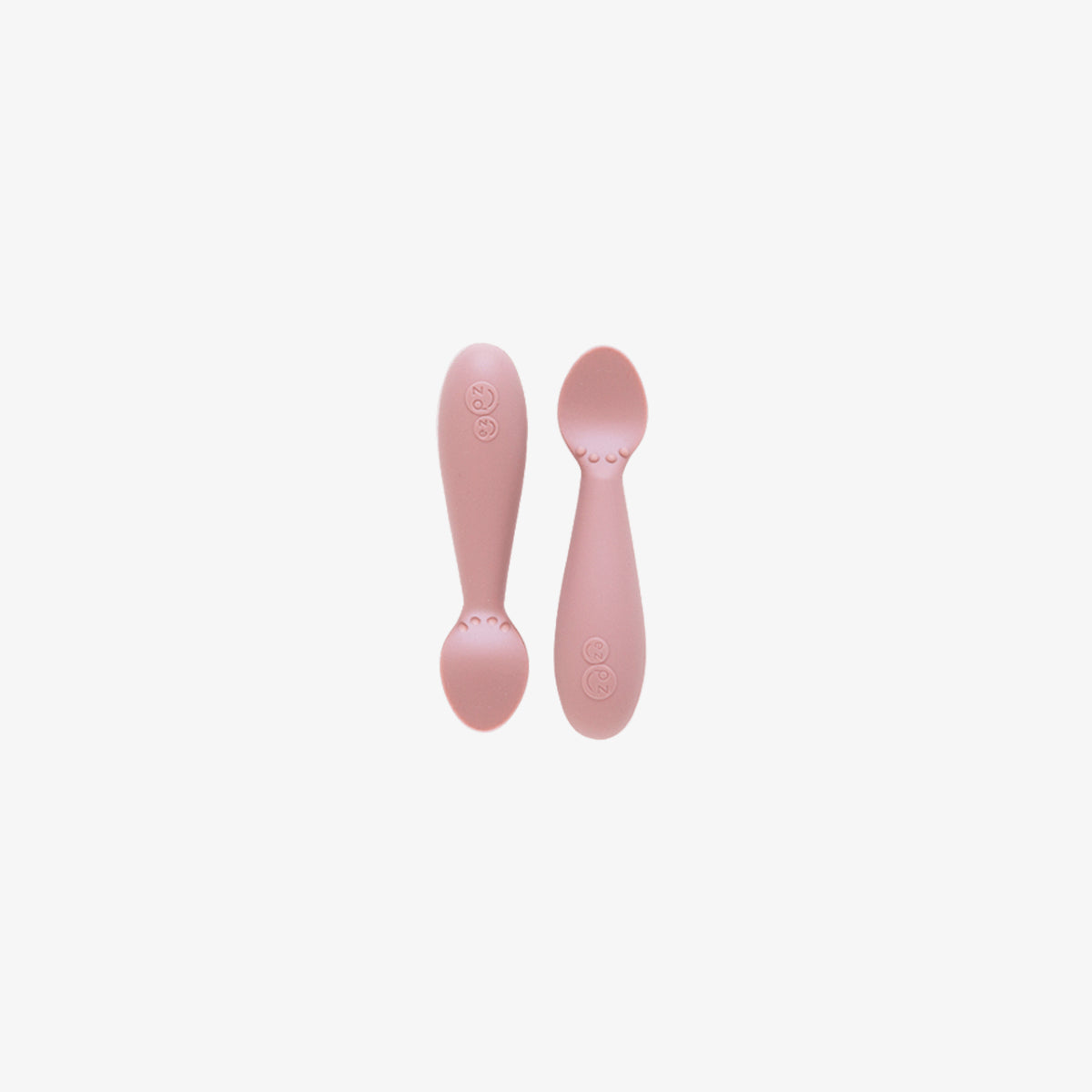
ezpz Tiny Spoon, Twin Pack
Best for: The middle stage, once a baby can load and lift a spoon
A short, round handle sized for a baby's grip with a soft, slightly arced silicone bowl narrow enough to fit a small mouth safely — developed with a pediatric feeding specialist rather than sized down from an adult spoon.
- Baby-led handle design supports palmar grasp and hand-to-mouth coordination
- Slight arc for easier dipping and scooping than a flat pre-spoon
- Narrow spoon bowl sized for a baby's mouth
- Food-grade silicone, dishwasher-safe per manufacturer
Keep in mind: The bowl is genuinely spoon-shaped, which means it needs more wrist control than a flat pre-spoon — a baby who's not ready yet will find it harder to use, not easier.
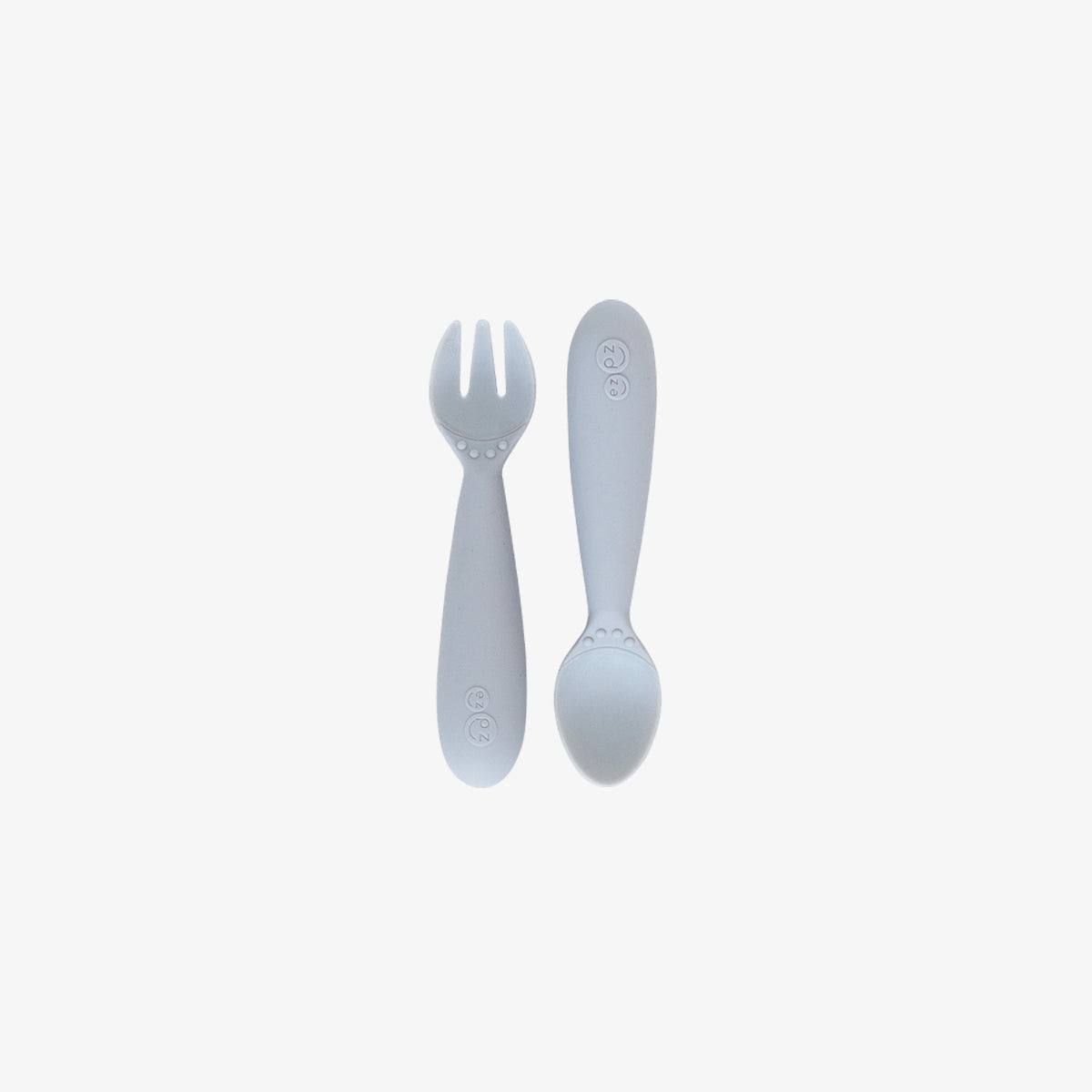
ezpz Mini Utensils (Fork & Spoon Set)
Best for: Introducing a real toddler fork alongside a more mature spoon
A toddler-proportioned fork and spoon pair — short, blunt tines on the fork rather than an adult shape scaled down, plus a deeper spoon bowl than the Tiny Spoon for a toddler who's outgrown the earlier stages.
- Short, rounded fork tines sized for a toddler's grip and mouth
- Deeper spoon bowl than earlier-stage spoons
- Sensory silicone design from the same line as the Tiny Spoon
- Dishwasher-safe per manufacturer
Keep in mind: The fork is a genuinely new skill, not a natural extension of spoon use — expect some gagging or frustration in the first week or two, which usually resolves with a short break and another try.

Bumkins Silicone Chewtensils
Best for: A budget teether-and-spoon hybrid for early exploration
A textured, teether-style utensil that leans more toward gum relief than efficient scooping — a reasonable low-cost add for a baby who's more interested in chewing the spoon than using it, which is most babies for at least a few weeks.
- Ventilated choke barrier built into the handle
- Textured surface doubles as a teether
- Wide range of color options
- Dishwasher-safe silicone per manufacturer
Keep in mind: The textured nubs that make it a good teether make it harder to clean thoroughly and less intuitive for actual self-feeding than a smoother pre-spoon — treat it as a teether that happens to be spoon-shaped, not a primary feeding tool.
As an Amazon Associate I earn from qualifying purchases. Mom's Magazine may earn a commission when you buy through links on this page, at no extra cost to you. Learn more.
Frequently Asked Questions
When should a baby start using self-feeding utensils?
Around 6 months, alongside starting solids, most babies can hold and mouth a flat pre-spoon even before they can scoop with it effectively — that early handling is still useful practice. CDC notes babies can start to use a spoon by themselves around 10 to 12 months. A more spoon-shaped tool usually clicks as wrist control improves; readiness is individual — ask your pediatrician if your baby was premature or has feeding concerns.
Should I buy a spoon or a fork first?
A spoon first. Scooping is an earlier, easier skill than stabbing, and most feeding-therapy guidance puts a real fork later — generally once a child is past their first birthday and showing real pincer-grasp control. Introducing a fork too early usually just means more frustration and more gagging on tines the baby can't yet control.
My baby just chews on the spoon instead of using it — is that normal?
Yes. Mouthing a new object, including a utensil, is a normal way babies explore texture and shape, and it often overlaps with teething. Keep offering it at mealtimes while seated and supervised; the shift from chewing to using it usually happens gradually over weeks, not overnight.
Are silicone utensils safe for babies to chew on?
Food-grade silicone that's BPA-, BPS-, and phthalate-free and meets applicable children's product standards is designed to be mouthed — check the product listing or packaging for those specific claims rather than assuming all silicone is equivalent. Inspect for tears before each use. This is not a guarantee that every silicone product on the market is equivalent.
How many self-feeding utensils do I actually need?
Two to three of whichever stage your baby is currently in works well for most families — enough that you're not constantly rewashing one utensil mid-meal, without buying a full stockpile of a size your baby will outgrow in a few months. Add a labeled spare for daycare if caregivers will use it.
Can I put these in the dishwasher or sterilizer?
Follow the manufacturer's care label. The picks on this page are sold as dishwasher-safe silicone (or silicone-plus-nylon). If packaging says top-rack only or no boiling, follow that. Retire warped or torn utensils.
How do utensils fit with open cups and sippy cups?
They share the same solids window. CDC and AAP framing put cup practice around 6 months with solids; utensil self-use often consolidates later (~10–12 months for spoons per CDC). Use supervised open-cup or straw practice at the table and keep a spill-resistant sippy for logistics — see our open-cup and sippy guides linked in this article.
What should I pack for daycare or travel?
Two current-stage utensils, a wet bag, a bib, and a suction bowl or plate if the destination lacks one. Label everything and tell caregivers which tool is for scooping versus mouthing. Do not send a sharp-tined fork before the child has shown control at home.
Sources & Further Reading
- Fingers, Spoons, Forks, and Cups — Centers for Disease Control and Prevention (CDC) (reviewed 2026-09-17)
- Starting Solid Foods — American Academy of Pediatrics (HealthyChildren.org) (reviewed 2026-09-17)
- Choking Prevention for Babies & Children — American Academy of Pediatrics (HealthyChildren.org) (reviewed 2026-09-17)
- Baby-Led Weaning: Is It Safe? — American Academy of Pediatrics (HealthyChildren.org) (reviewed 2026-09-17)
Related Guides
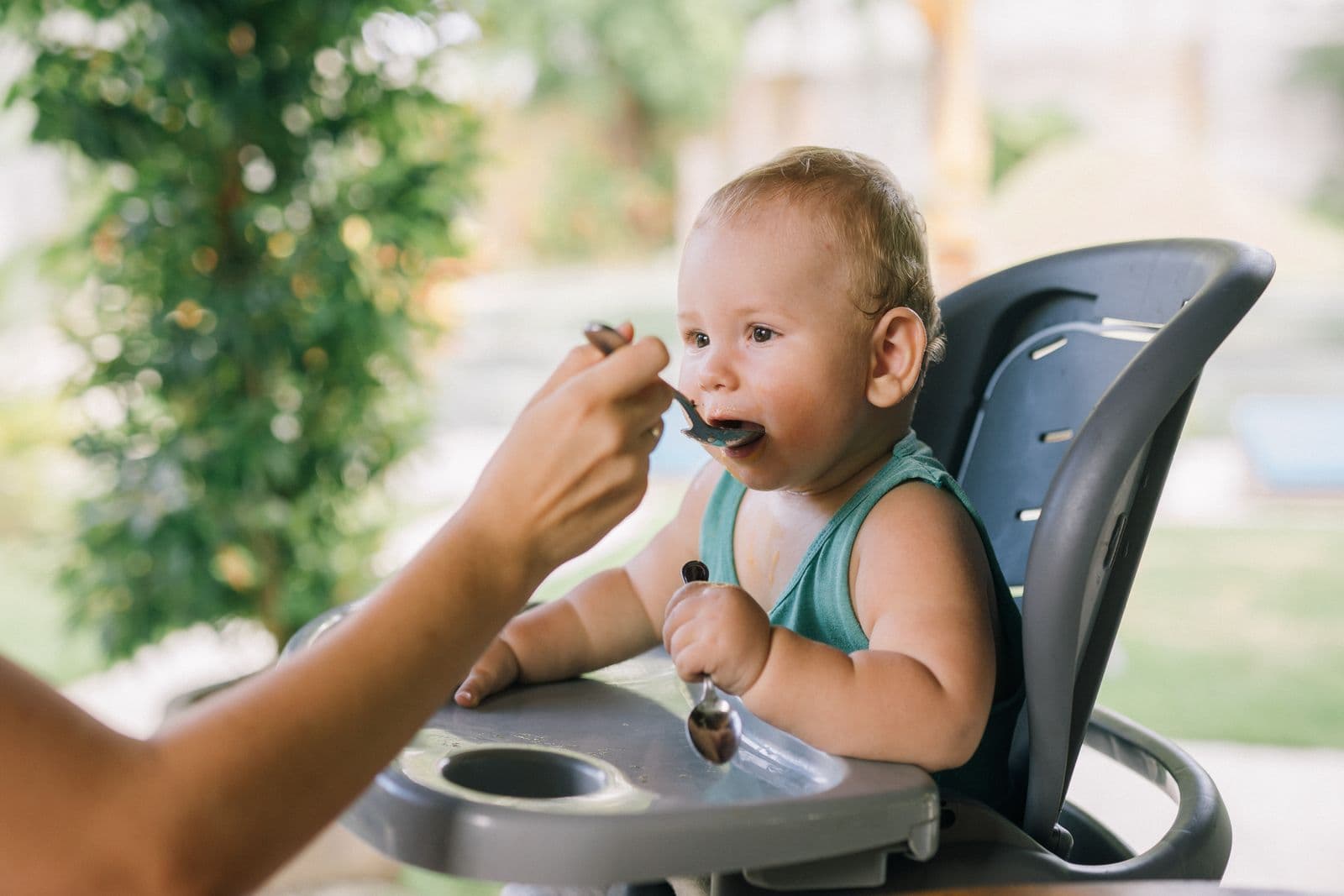
Best First Baby Foods & Best First Foods for Baby (CDC and AAP Guide)
Best first baby foods and best first foods for baby, in plain CDC and AAP terms: iron-rich starters around 6 months, one food at a time, allergen timing, first-feeding setup (bibs, spoons, cups), and what not to give. Editorially reviewed general information, not medical advice — not a ranked jar list.
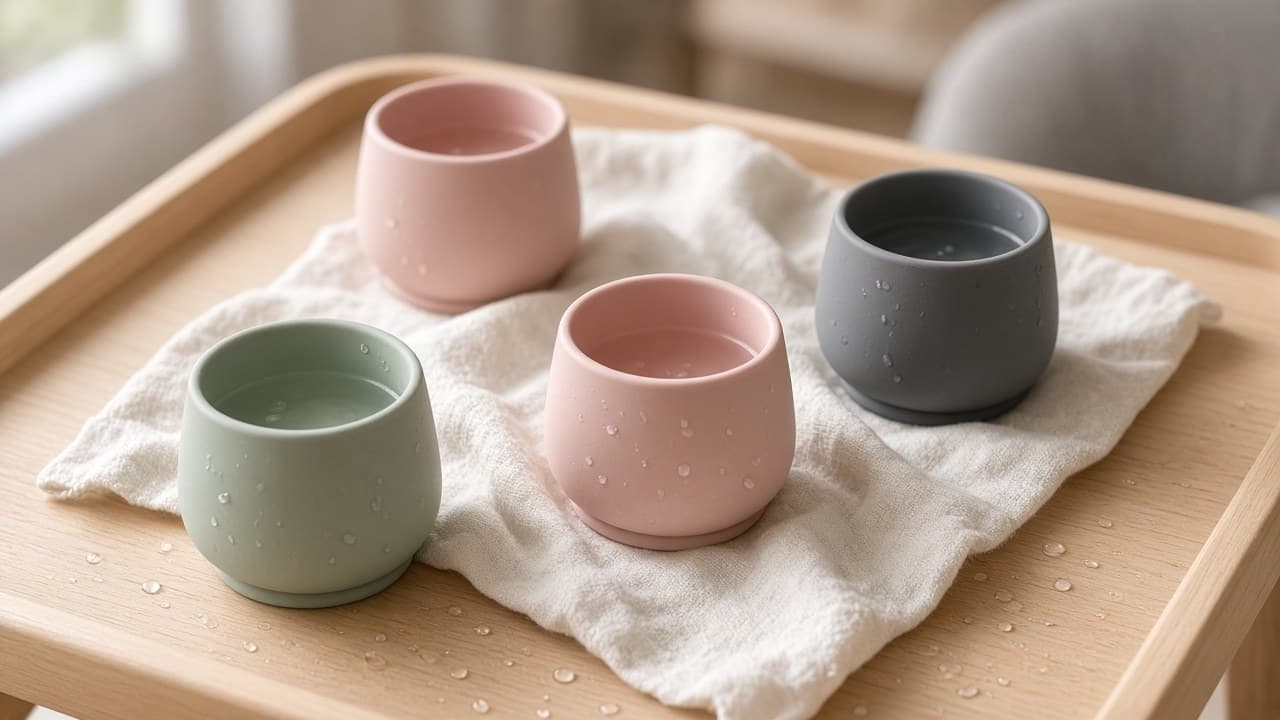
Best Open Cups for Babies and 6-Month-Olds (2026 Buying Guide)
Why open-cup and straw skills matter around 6 months with solids, how they differ from valved sippies, and four researched picks — ezpz Tiny Cup, ezpz Mini Cup + Straw, Munchkin C'est Silicone in Coral/Pink, and a squeeze straw trainer — with CDC and AAP sources.
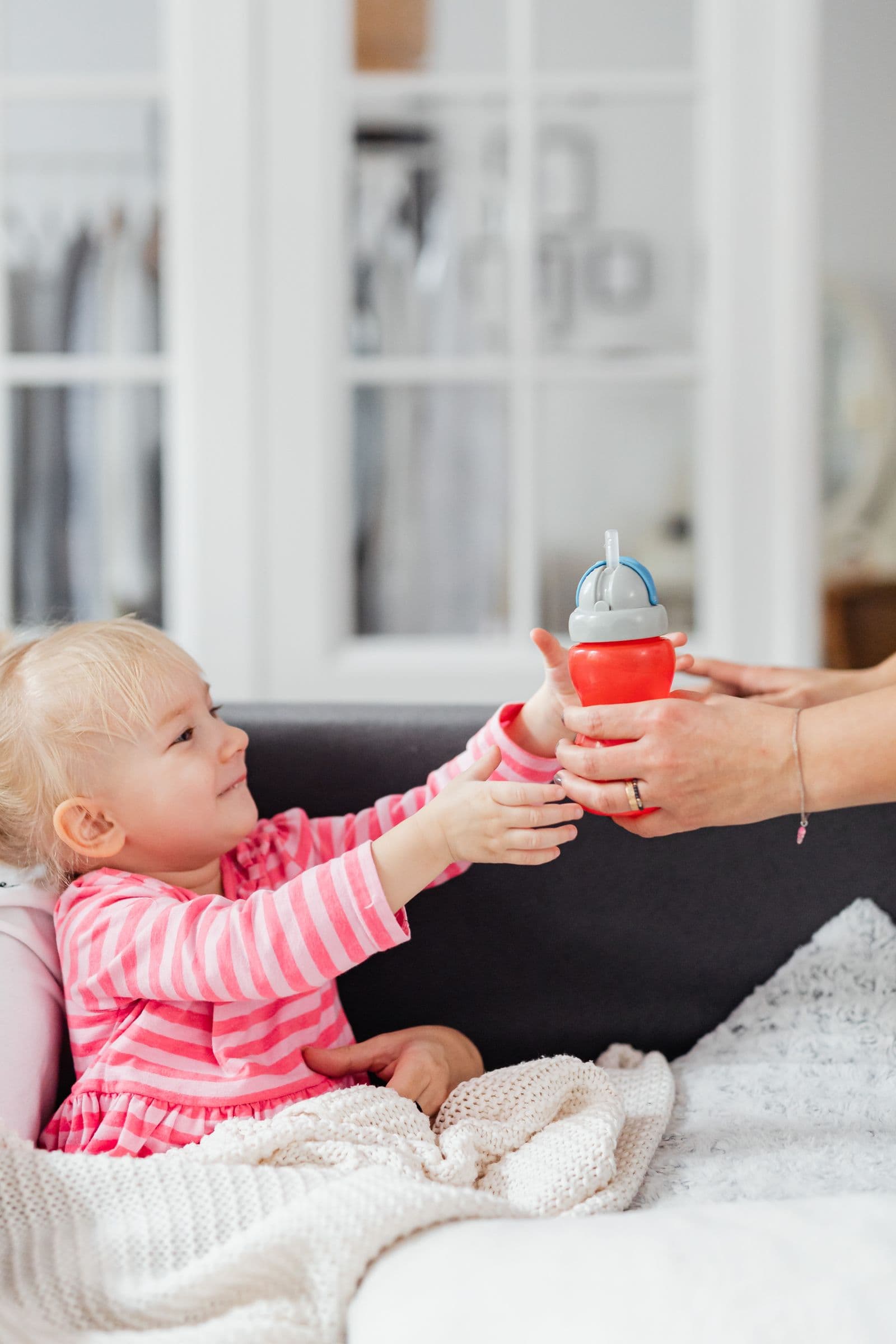
Best Sippy Cups (2026): Spoutless 360, Straw & Open-Cup Transition
Best sippy cups by drinking mechanism — spoutless 360, weighted straw, stainless, open-cup trainers — plus a CDC/AAP age-band transition plan (6 months to ~2 years), spill/mold/travel pitfalls, and AAPD tooth-decay context. Four Amazon picks.
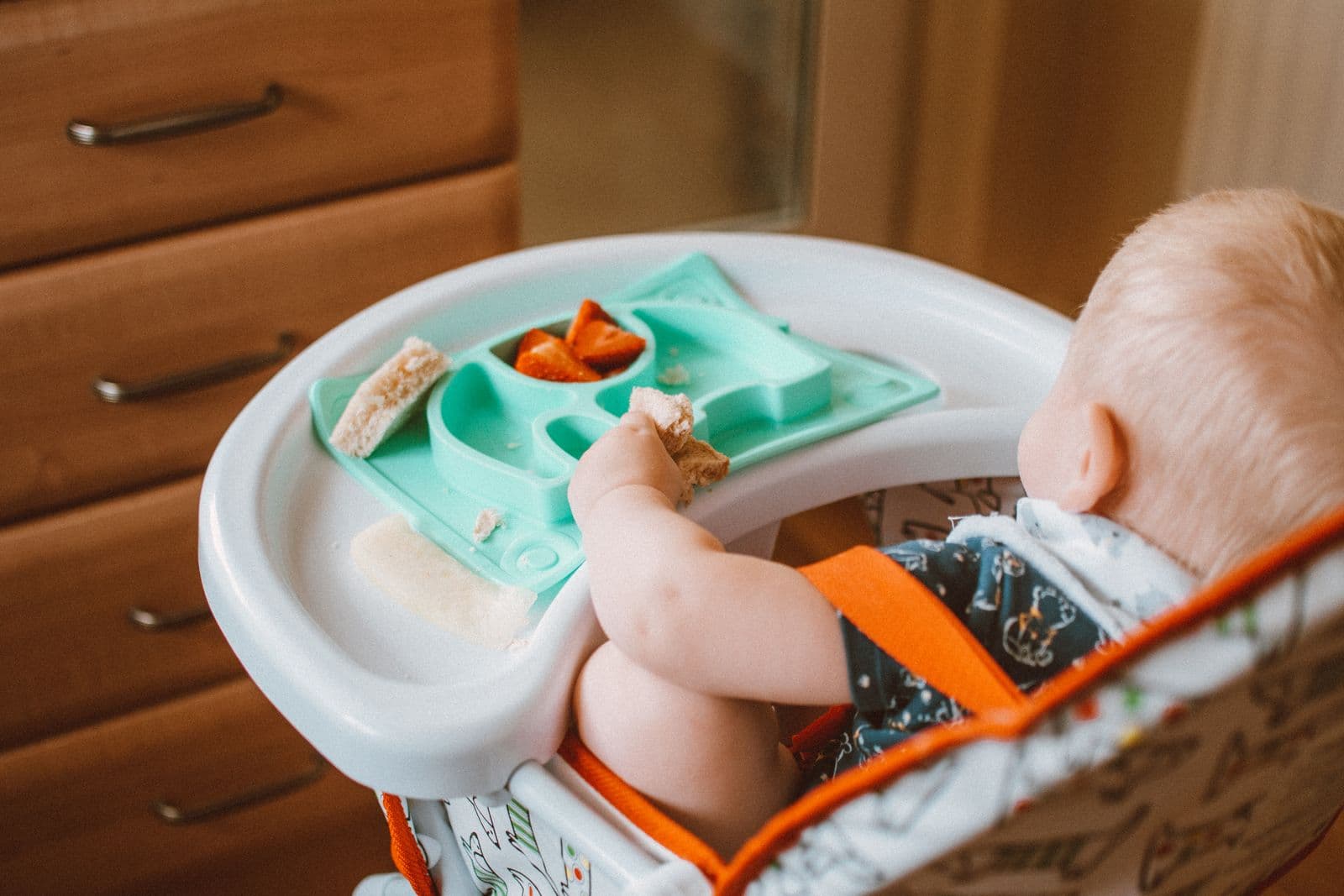
Best High Chair & Best Baby High Chair (2026): Convertible, Slim & Toddler Seats
Best high chair and best baby high chair picks for starting solids through toddler years: slim fold-flat, convertible grow-with-baby, infant recline, and portable booster.

Best Silicone Baby Bibs and Placemats of 2026
A researched comparison of silicone bibs and suction placemats for solids and baby-led weaning — what actually cuts down mess versus what just looks like it will, plus four options across ages and stages.
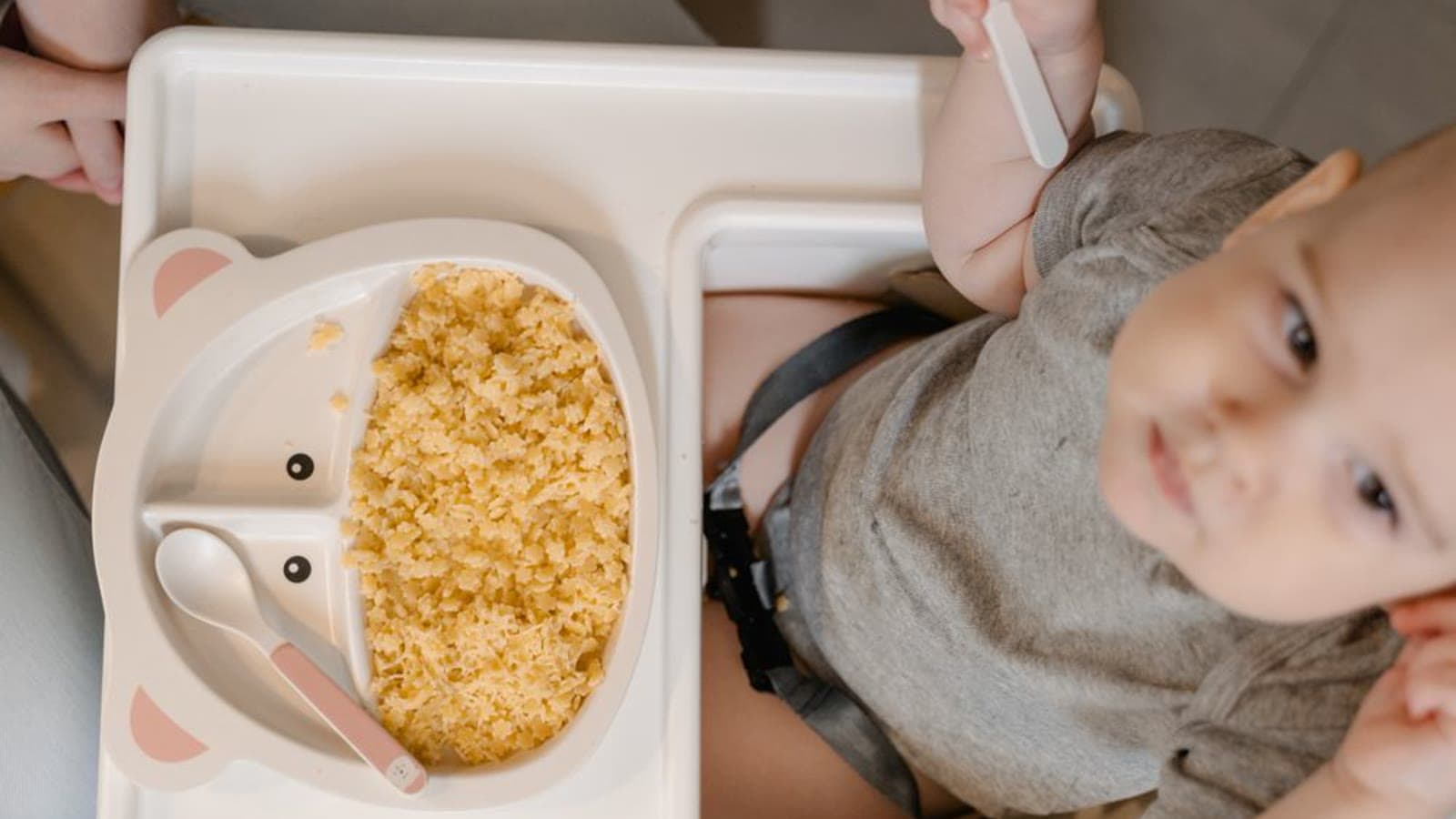
Best Toddler Plates and Bowls for Self-Feeding (2026)
True suction vs. a weighted non-slip base isn't a marketing detail — it's the difference between a plate that survives a granite counter and one that doesn't. Three picks for three different feeding stages, and the mechanical difference that actually matters.
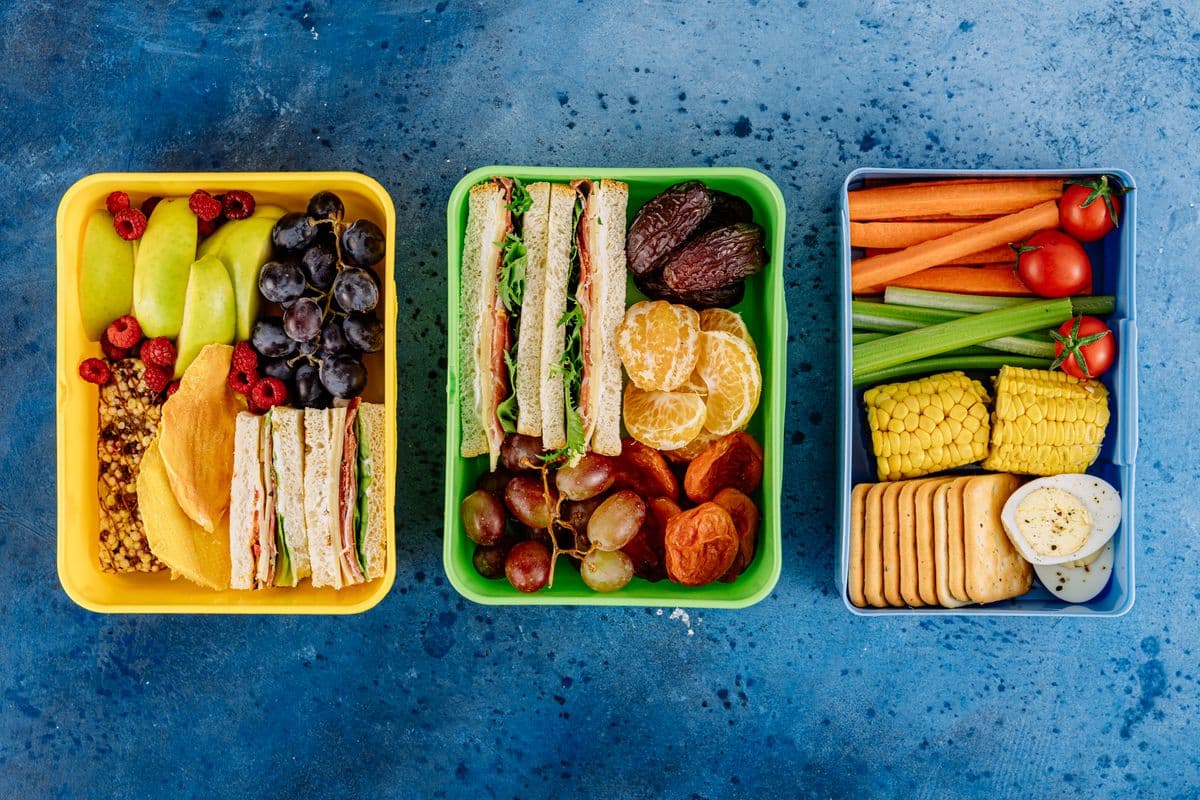
Best Toddler Snack Containers of 2026
Spill-proof snack cups, silicone snack bags, and stacking snack containers compared by lid mechanism — plus lunchbox packing, daycare snack rules (CFOC/HHS piece size and grape quartering), and how snack cups pair with bento boxes and insulated lunch bags.
Mom's Magazine Editorial Team
Editorial Team
The Mom's Magazine editorial team researches and writes practical, plainly-sourced guidance for parents and families. Guides are reviewed for accuracy and updated as recommendations change. Where a topic calls for professional expertise, we cite reputable organizations and, for health topics, add a qualified reviewer before publishing.
Newsletter
Get the Weekly Mom List
One short email a week: the most useful guides, activities, and picks for your family. No spam, unsubscribe anytime.