Products
Best Sippy Cups (2026): Spoutless 360, Straw & Open-Cup Transition
Best sippy cups by drinking mechanism — spoutless 360, weighted straw, stainless, open-cup trainers — plus a CDC/AAP age-band transition plan (6 months to ~2 years), spill/mold/travel pitfalls, and AAPD tooth-decay context. Four Amazon picks.
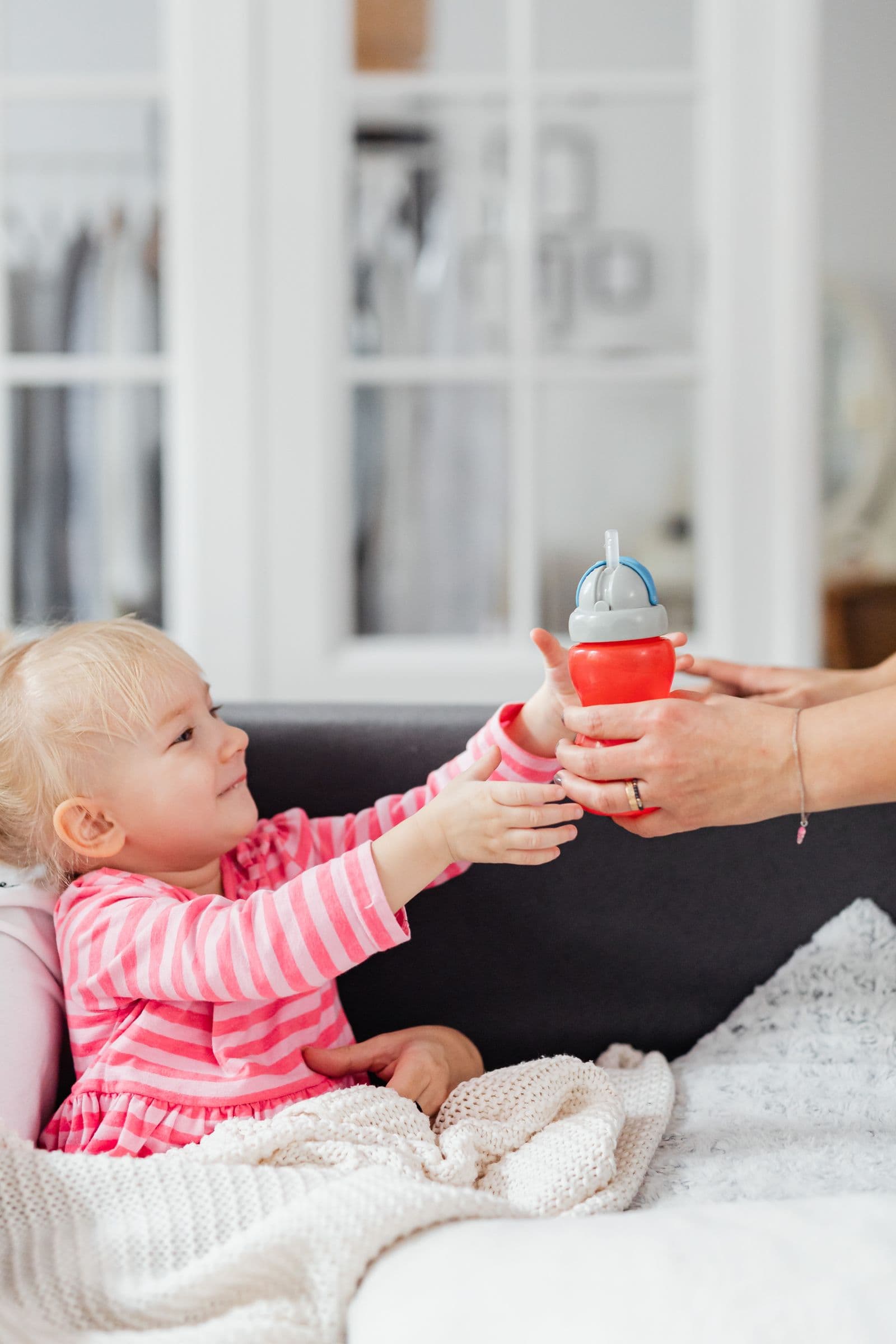
As an Amazon Associate I earn from qualifying purchases.Some links on this page are affiliate links. If you buy through them, Mom's Magazine may earn a small commission at no extra cost to you. It never changes which products we recommend. How we recommend products.
The best sippy cups for 2026 are the ones matched to drinking mechanism and stage — not a single brand winner. Start offering any cup with small sips of water around 6 months alongside solids (AAP bottle-to-cup timing on HealthyChildren.org); finish the bottle transition typically between 12 and 18 months. The American Academy of Pediatric Dentistry flags repeated, prolonged use of a hard-spout, valved sippy — especially with juice or sweetened milk — as a risk factor for early childhood caries, and generally favors straw cups, spoutless "360" cups, or open cups over an all-day hard spout. For everyday table use, the Munchkin Miracle 360 is our spoutless default; for stroller and car seat, the b.box weighted straw; for plastic-free bodies, Pura Kiki stainless; for supervised open-cup practice, the b.box training cup. This is a researched guide of manufacturer specs and recurring verified-review patterns — editorially reviewed, not a hands-on lab ranking, and not medical advice.
Quick picks
| Product | Best for | |
|---|---|---|
| Munchkin Miracle 360 Sippy Cup, 7 Ounce, Tropical Swirl, Blue/Green Spoutless trainer cup | Spoutless toddler training cup | Check price on Amazon |
| b.box Sippy Cup with Weighted Straw, 8 oz Best for on the go | On the go — stroller, car seat, restaurant table | Check price on Amazon |
| Pura Kiki 11 oz Stainless Steel Sippy Cup with Silicone Sipper Spout Best plastic-free option | Avoiding plastic entirely | Check price on Amazon |
| b.box Toddler Training Cup (Open-Cup Transition), 8 oz Best for the open-cup transition | Bridging to a real open cup | Check price on Amazon |
Affiliate disclosure
Mom's Magazine may earn a commission if you buy through Amazon links on this page (rel=sponsored nofollow). Product cards use manufacturer-facing specs and patterns from verified reviews. Editorially reviewed — not medically reviewed.
How we picked the best sippy cups
Parents searching best sippy cups are usually solving a concrete mess: a bottle that will not retire, juice that sits in a valved spout all afternoon, a daycare that wants a specific lid, or a car seat that cannot survive a free-flow trainer. This page is built for that search. It is a researched buying guide, not a hands-on lab test — we have not handed these four cups to a toddler side by side in our own kitchen. We compared manufacturer specifications, AAP bottle-to-cup timing, AAPD early-childhood caries context, and recurring patterns in verified customer reviews, focused on drinking mechanism rather than color or handle fashion. If we add hands-on testing later, we will update this guide and say so with a date.
The product set is small on purpose. Four cups cover the main mechanism trade-offs. Badges like Best everyday cup are editorial role labels for this page's comparison structure — not third-party awards, lab scores, or Amazon Best Seller claims. Check live listings for current availability, color options, and price.
When to start offering a cup (AAP timing)
Pediatric guidance generally points to around 6 months as the time to start introducing a cup, which lines up with when most babies also start complementary foods. This is not about replacing bottle or breast feeds at 6 months — it is about giving a baby low-stakes practice with a new skill well before they will rely on it. The American Academy of Pediatrics' bottle-to-cup guidance on HealthyChildren.org describes gradually reducing bottle feedings from around 6 months, with the transition typically completing somewhere between 12 and 18 months. A baby who has had months of casual cup practice by the time the bottle actually needs to go tends to have an easier transition than one starting cold.
Under age 1, breast milk, formula, or both remain the primary drinks. When cup practice starts, water is the low-stakes liquid for learning lip seal, straw suction, or rim tipping. Juice is not the practice drink for infants under 1 under recommended-drinks guidance commonly cited alongside AAP materials — and sweet drinks should stay out of the all-day sipper habit later, too, because prolonged sugar exposure against teeth is a separate dental concern the AAPD highlights in its early childhood caries policy.
If cup practice is starting in the same stretch as first foods, read our beginner's guide to starting solid foods for CDC and AAP readiness signs, iron-rich starters, and allergen timing. That page covers the solids questions; this page covers cup mechanism and spill-resistant daily use. Once a toddler is packing school lunches years later, school lunches that do not need refrigeration and best water bottles for kids pick up insulated bottles and no-fridge packing — not sippy mechanics.
Offering a cup early is only the first half of this — the bottle still has to actually go away on its own timeline. Our age-by-age guide to weaning off the bottle covers which feeding to drop first and why the bedtime bottle is almost always the last one standing.
AAP cup timing lines up with solids week, and CDC wants the baby seated upright for meals — usually a high chair. Best high chairs for babies and toddlers is the seating page next to this sippy roundup.
Why cup type matters more than brand
It is tempting to shop this category by brand loyalty or character print, but the more consequential decision is the drinking mechanism itself. The American Academy of Pediatric Dentistry's policy on early childhood caries specifically calls out repeated use of a sippy or no-spill cup — particularly with sugar-containing liquids like juice or sweetened milk — as a risk factor, because a valve that stops spilling also tends to let liquid pool against the teeth for longer stretches than a straw or an open cup does. The AAPD's general direction is toward transitioning off a hard-spout valved cup and toward a straw cup or open cup, ideally by somewhere around 12 to 14 months, well before most toddlers are actually capable of a spill-free open cup on their own.
| Cup type | How it works | Dental take | Best for |
|---|---|---|---|
| Hard-spout sippy (with valve) | Rigid spout, one-way valve stops backflow when tipped | AAPD flags repeated, prolonged use — especially with sweet drinks — as a decay risk factor | Short-term convenience or travel, not a default everyday cup |
| Spoutless / "360" | Wide rim that seals shut except where a child's lips are actively pressing | Closer to an open-cup lip-seal motion; often the type pediatric dentists mention favorably | Everyday table use once a baby has some cup coordination, typically 8+ months |
| Weighted straw | A flexible, weighted straw finds liquid at any angle the cup is tilted | Straw drinking is generally viewed as neutral to favorable for oral-motor development | On the go — stroller, car seat, restaurant high chair — where tipping the head back is not practical |
| Stainless steel / insulated | Metal body with a silicone spout or straw insert doing the actual drinking work | Same dental considerations as whichever spout or straw style it uses | Avoiding plastic, or keeping drinks cold on a hot day |
| Free-flow trainer (open transition) | No valve — liquid pours more like an open cup through a narrowed opening | Trains open-cup pacing; spills more by design | Supervised table practice when you are ready to leave valves behind |
What is in the cup matters as much as the cup
The AAPD's underlying concern is not the cup mechanism in isolation — it is prolonged exposure of teeth to anything containing sugar, including juice and sweetened milk, especially between meals when saliva production (which helps clear sugar off teeth) is lower. Water is the safe default for any cup your toddler carries around all day; save juice or milk for meal or snack times rather than constant sipping.
If the longer-term goal is a true open rim rather than staying on a valved spout, our open cups for babies guide zooms in on tiny silicone open cups and straw-learning bridges.
Best sippy cups by age and stage
A 6-month-old learning lip seal and a 14-month-old in daycare are not shopping for the same cup, even though both need a sippy cup. Start with the stage, then pick mechanism.
About 6–8 months: first cup practice with solids
This stage is short, supervised sips of water at a meal — not an all-day replacement for milk feeds. A spoutless 360 can feel hard at first because it needs real lip pressure; some families start with a weighted straw because suction is easier on day one, then add spoutless practice at the high chair. Either path is fine if water stays the practice liquid and sessions stay short. Pair this week with the solids setup on starting solid foods and the seat next to the cup on best high chairs.
About 8–12 months: everyday spoutless vs on-the-go straw
Once a baby has some coordination, a spoutless Miracle 360-style cup is a strong everyday table default because the drinking motion is closer to an open cup than a hard spout. Keep a weighted straw cup for the stroller and car seat so you are not forced to choose between dental goals and a soaked seat. Expect mess while skills build — that is the work, not a sign the cup is wrong.
About 12–18 months: bottle fade and open-cup bridge
AAP bottle-to-cup timing typically finishes in this window. Lean harder on straw or spoutless for daily use; introduce a free-flow trainer (like the b.box training cup on this page) at supervised meals so open-cup pacing gets practice before you need it. The AAPD's general direction toward open cups around 12 to 14 months is a direction, not a cliff — most toddlers still need a spill-resistant option for transit.
Daycare, travel, and when spill control wins
If daycare requires a specific lid style, match that constraint first, then pick the best mechanism available inside it. Buy two or three identical cups so dishwasher and cubby reality do not strand you with a hard-spout backup. Airlines and grandparents' houses are where families often reintroduce a valved hard spout "just for the trip" — if that happens, keep the liquid water-only and return to straw or spoutless at home so the trip does not become the new default for months.
Check Munchkin Miracle 360 on AmazonAffiliate link. Spoutless everyday pick on this page.
Check b.box weighted straw cup on AmazonAffiliate link. On-the-go straw pick on this page.
Age-band transition plan: 6 months to about age 2
Public CDC and AAP pages describe skill windows, not a single winning brand. Use this age-band plan as a practical calendar for cup practice, bottle fade, and open-cup progress — then return to mechanism choice on this page for which lid matches today's setting. This is general education from those public pages, not a personalized feeding plan.
About 6–9 months: introduce a cup with solids
CDC's infant and toddler nutrition page on fingers, spoons, forks, and cups notes that around 6 months — as complementary foods begin — families can offer a sippy (training) cup with a spouted lid or a cup and straw. AAP guidance on HealthyChildren.org (From Bottle to Cup) aligns: offer a cup when solids start, usually around 6 months. Early practice is short, supervised, and low-volume. Water is the low-stakes practice liquid for most families; under age 1, breast milk or formula remains primary. Pair this window with starting solid foods rather than treating cups as a standalone milestone.
- Put the cup on the high-chair tray at one meal a day — not all day in a car seat.
- Expect mess. Spills are the skill, not a reason to quit in week one.
- A weighted straw is often easier on day one; a spoutless 360 can wait until lip pressure is stronger.
- Do not replace bottle or breast feeds overnight at 6 months — this is practice, not a full switch.
About 9–12 months: open-cup practice with help
CDC notes children can start learning an open cup without a lid around 9 months, with more independent open-cup drinking around 12 months as an adult helps hold and tip. That does not mean ditching every spill-resistant lid at 9 months. It means adding supervised open-rim or free-flow trainer sessions at the table while a straw or spoutless cup still covers transit. Keep juice and sugar-sweetened drinks out of the all-day sipper habit — AAPD healthy-beverage consensus and early-childhood caries guidance treat prolonged sugar against teeth as the risk story, not the existence of a cup.
- Add 2–3 short open-cup or free-flow trainer sessions per week at meals you can wipe up.
- Keep a locking straw cup for stroller and car seat so dental goals and logistics do not fight.
- If milk or formula goes in a cup at meals, switch back to water for between-meal carrying.
- No bottle in bed with milk or juice — if a bottle is still part of bedtime, water only, and plan the fade (see below).
About 12–18 months: finish the bottle transition
AAP From Bottle to Cup guidance describes completing the bottle-to-cup transition typically between 12 and 18 months — gradually reducing bottle feedings rather than cutting them all at once. Sippy and straw cups are a short-term bridge in that framing, not a forever default. AAPD and related healthy-beverage consensus language commonly cited with pediatric dentistry also points to weaning the bottle by around age one when possible, and avoiding sugar-sweetened beverages in sippy or training cups. For a step-by-step bottle fade that stays on the weaning job (not mechanism shopping), see how to wean your baby off the bottle.
- Drop one bottle feeding at a time — often daytime first, bedtime last.
- Offer the same liquid in a cup at the table so the skill and the calorie are not fighting.
- Lean harder on spoutless or straw for daily use; use the free-flow trainer (b.box training cup on this page) at supervised meals.
- If grandparents reintroduce a bedtime bottle "just for the weekend," reset the plan Monday — consistency beats a perfect single day.
By about age 2: open cup as the everyday goal
HealthyChildren's From Bottle to Cup framing describes it as healthiest for kids to drink from an open cup by about 2 years of age, with sippy cups used while little ones are learning. In practice, most toddlers still keep a spill-resistant straw or spoutless option for car rides and daycare past that birthday. Treat open-cup as the table default you are building toward — not a cliff where every lid disappears overnight. True open-rim trainers and related picks live on best open cups for babies; preschool-through-elementary bottles that come later live on best water bottles for kids.
Write the age band on the shopping list
Before you buy another cup, write "6–9 practice," "9–12 open help," "12–18 bottle fade," or "toward open by ~2" on the list. Shop only that band's job. Most wasted sippy spend is buying a third table cup when the real hole was a locking straw for the diaper bag — or buying another valved spout when the plan was open-cup practice.
Read the bottle-weaning walkthroughSibling guide for the 12–18 month bottle fade — not a second cup ranking.
Compare open cups we already listedOpen-rim practice that pairs with the 9–12 and by-~2 bands.
When the cup years turn into a labeled meal for daycare or preschool, the next container is a lunch box rather than another spout. Toddler lunch boxes for the daycare years compares a PlanetBox Rover kit, Bentgo Kids, Bentgo Chill, and OmieBox for that step. Kindergarten latches come later.
What cup practice is actually training
A bottle uses a suck-swallow pattern with a nipple seal. A cup asks for different oral-motor work depending on the mechanism: lip seal and controlled tipping on a spoutless or open rim, or sustained straw suction and pacing on a straw cup. That is why speech-language pathologists and pediatric dentists often care more about which mechanism you normalize than about which logo is on the lid. Early practice is short, supervised, and low-volume — a few sips of water at a meal — not an all-day replacement for milk feeds.
Expect mess while skills build. A spoutless 360 that needs firm lip pressure can frustrate a brand-new cup drinker; a weighted straw can feel easier on day one but does not teach the same rim-seal motion as an open cup. Many families keep two roles in the rotation on purpose: a spoutless or open trainer at the table, and a leak-resistant straw cup for the car and stroller. That is not failure to "pick a winner" — it matches how different settings actually work.
Leak-proof vs dental goals: the real tradeoff
Marketing language sells spill-proof as an absolute. Real life is a tradeoff. A hard valve that never drips can also hold liquid against teeth longer if the drink is anything but water. A free-flow trainer teaches open-cup pacing and will soak a car seat. A weighted straw with a locking flip-top sits in the middle: spill-resistant when closed, usable at any angle when open, more parts to wash. Choose the tool for the setting instead of hunting for one cup that wins every job forever.
- Table / kitchen floor you can wipe: spoutless 360 or free-flow trainer.
- Car seat, stroller, diaper bag: weighted straw with a lid that clicks shut.
- Hot outdoor day / plastic-free preference: stainless body — then pick spout vs straw insert with the same dental rules as plastic.
- All-day sipping liquid: water only, regardless of mechanism.
Size, handles, and daycare logistics
An 8-ounce capacity covers most toddlers' single servings without being unwieldy for small hands. Handles genuinely help for babies under about 18 months who are not yet reliably holding a cup one-handed, but they become less necessary — and sometimes just extra parts to wash — once a toddler has the coordination to grip a cup body directly. If a cup is heading to daycare, buy at least two or three identical ones; a single-cup rotation means you are always either washing one at the wrong time or sending your child in with whatever is clean, which usually is not the one they actually like.
Label everything that leaves the house. Daycare sinks and dishwasher racks are where lookalike Miracle 360 lids and b.box straw assemblies get mixed up. Keeping a spare complete cup (not just a spare lid) in the diaper bag also prevents the "we only have the hard-spout backup" day that undoes a careful transition plan.
Once the cup situation is settled and preschool or kindergarten is on the calendar, the next container problem is lunch. Our kindergarten lunch box comparison covers bento versus bag designs and which lids a five-year-old can open without help — and insulated lunch bags for kids covers the soft-sided cold carrier that pairs with those boxes.
Materials, mold, and cleaning reality
Nearly every baby cup sold in the U.S. today is labeled BPA-free for plastic parts that contact liquid, because FDA restrictions on BPA in baby bottles and sippy cups have been in place for years. Treat BPA-free as a baseline expectation, not a differentiator between these four picks. The more useful daily question is whether you can fully disassemble the valve, straw, gasket, and lid so milk film and moisture cannot sit in a closed cavity between washes.
Weighted straw cups earn their on-the-go reputation and also earn more sink time: straw, weight, valve pieces, and lid need correct reassembly or they leak and grow odor. Spoutless 360 valves need periodic deep cleans too — a rim that seals shut can trap residue if you only rinse the outside. Stainless bodies resist staining and smell better over months of dishwasher cycles, but they are heavier in small hands and usually cost more for insulation and materials rather than for a magically better drinking mechanism.
- Disassemble every piece the manufacturer says is removable — lids that look "clean enough" from the outside are where odor starts.
- Air-dry fully before reassembly; trapping damp parts under a closed lid overnight is a common mold setup.
- Replace worn silicone straws and cracked valves rather than stretching them — a tired seal is how "leak-proof" cups start soaking diaper bags.
- If your daycare requires a specific lid style, match that constraint first, then pick the best mechanism available inside it.
- Keep a narrow straw brush next to the sink the same way you would for a school water bottle — the week-two smell problem is the same category of cleaning failure.
Spill, mold, and travel pitfalls (practical, not medical advice)
Most cup failures in real kitchens are logistics, not brand drama. These pitfalls show up repeatedly in verified-review patterns and in the same cleaning reality already covered above — gathered here so a travel week or a daycare start does not undo a careful transition plan.
Spill pitfalls
- Using a free-flow open trainer in a moving car seat, then blaming the toddler for the flood — that cup is a table tool.
- Sending a spoutless 360 that needs firm lip pressure as the only cup on a long car ride — pack a locking straw backup.
- Assuming "leak-proof" means the cup can live sideways under a car seat for six hours without a click-shut lid.
- Filling juice for "fewer stops" on a road trip — AAPD risk rises when sugar sits against teeth between meals; water travels better.
Mold and odor pitfalls
- Rinsing the outside of a weighted straw cup and reassembling damp parts under a closed lid overnight.
- Skipping the straw brush for a week because the cup "looks clean" from the outside.
- Stretching a cracked silicone straw instead of replacing it — tired seals leak and trap film.
- Leaving milk film in a valve after a daycare day, then wondering why the Monday cup smells.
Travel and handoff pitfalls
- Airlines and grandparents' houses reintroducing a valved hard spout "just for the trip" with juice — keep liquid water-only and return to straw or spoutless at home.
- Daycare requiring a specific lid style you do not own two of — buy matching backups before the first week, not after the favorite is lost.
- Packing only one complete cup in the diaper bag so a cracked lid at noon becomes a hard-spout emergency buy.
- Mixing lookalike Miracle 360 lids and b.box straw assemblies in a shared sink without labels.
Bedtime bottles and cups
AAP and pediatric dentistry guidance commonly stress not putting a child to bed with a bottle of milk or juice. If a bottle is still part of bedtime during the fade, water only — and keep working the 12–18 month plan. The same sugar-against-teeth story applies to an all-night sippy of juice. This is not medical advice; ask your pediatrician or pediatric dentist for individualized guidance.
How each pick earns its spot
The product cards further down cover four cups we already listed. Use this section as a use-case map, not a scoreboard. Mid-page links are the same products — not a second ranking.
Munchkin Miracle 360 Sippy Cup, 7 Ounce, Tropical Swirl, Blue/Green is the spoutless toddler training cup listed as BPA-free plastic. Its 360-degree drinking edge automatically seals when a child stops drinking, and the transition handles help little hands hold it.
Check Munchkin Miracle 360 on AmazonAffiliate link. Spoutless everyday pick on this page.
b.box Sippy Cup with Weighted Straw, 8 oz is the on-the-go straw pick: a flexible weighted straw finds liquid at any tilt, so a toddler does not need to tip their head back in a car seat. Flip-top lid clicks shut between uses. Leak-resistant when closed; more small parts to wash correctly than a one-piece spoutless cup.
Check b.box weighted straw cup on AmazonAffiliate link. On-the-go straw pick on this page.
Pura Kiki 11 oz Stainless Steel with silicone sipper spout covers the plastic-free body job: stainless body, medical-grade silicone components, interchangeable tops (sipper spout, straw, or sleeve-protected designs depending on what you buy). Insulation and odor resistance are material features — the dental rules still follow whichever spout or straw insert you put on top.
Check Pura Kiki stainless on AmazonAffiliate link. — plastic-free body pick on this page.
b.box Toddler Training Cup, 8 oz is the open-cup bridge: free-flow, no valve, narrowed opening and clear window so spills stay manageable while a toddler practices open-cup pacing. Use it at the table; keep a straw cup for transit so dental goals and car-seat logistics do not fight each other.
Check b.box training cup on AmazonAffiliate link. Open-cup transition pick on this page.
Jump to all four product cardsSame picks as Our Recommendations below — no new ranking.
Common mistakes that undo a good cup plan
- Letting juice or sweetened milk sit in a valved cup between meals all afternoon — the AAPD risk story is prolonged sugar exposure, not the existence of a cup.
- Skipping cup practice until the week you want the bottle gone — late starts make weaning feel like a cliff instead of a fade.
- Owning only one favorite cup — dishwasher and daycare reality will strand you with a worse backup.
- Assuming "spill-proof" means "skip cleaning the valve" — sealed parts need more cleaning attention, not less.
- Buying a dozen novelty cups before locking the mechanism you actually want to practice — variety is fine after the skill sticks.
- Using a free-flow open trainer in a moving car seat, then blaming the toddler for the flood — that cup is a table tool.
- Treating stainless as a dental upgrade — the mechanism on top still follows spout vs straw vs open rules.
When to move toward an open cup
The AAPD's general direction is toward an open cup by around 12 to 14 months, but in practice most toddlers keep some kind of spill-resistant cup — straw or spoutless — well past that for car rides and daycare, even once they can manage an open cup with supervision at the table. There is no hard cutoff; it is a gradual shift toward more open-cup use as coordination improves. Our open cups for babies guide zooms in on true open-rim trainers (including ezpz Tiny Cup and related picks) without replacing this sippy-and-straw page.
The b.box toddler training cup on this page is the bridge product in this set: free-flow, no valve, narrowed opening for manageable spills during supervised practice. Use it at the table when you are ready to leave everyday valves behind, and keep a straw cup for transit so you are not forced to choose between dental goals and a soaked car seat.
Compare open cups we already listedRelated guide: solids → sippy → open cup.
Method choice for first foods sits next to cup choice: baby-led weaning vs purees covers BLW vs spoon-fed textures while this page stays on spill-resistant daily cups.
Where this sits with solids, high chairs, and later lunch packing
Cup practice usually starts in the same developmental window as complementary foods. Each job has its own guide: solids readiness and first-food safety live on starting solid foods; spill-resistant daily cups live here; true open-rim practice lives on best open cups for babies. Once cups are part of the meal routine, the seat next to the cup is covered on best high chairs for babies and toddlers. Years later, when the job is packing a school lunch that stays food-safe until noon, school lunches that do not need refrigeration, lunch boxes for kindergarten, and insulated lunch bags for kids cover the cold carrier and temperature timing — and best water bottles for kids covers preschool-through-elementary bottles, not sippy mechanics.
Compare insulated lunch bags for kidsLater stage — soft-sided and freezable cold carriers after cups are sorted.
If you are still working out bottle logistics alongside the cup transition, our guide to baby bottles breaks down nipple flow and material trade-offs.
What we skipped on purpose
We have not hands-on tested these cups, and this guide does not claim to.
Editorially reviewed, not medical advice
This page summarizes publicly available AAP and AAPD guidance for general education. It is not a diagnosis, treatment plan, or substitute for your pediatrician or pediatric dentist — especially for premature babies, children with feeding therapy needs, or ongoing dental concerns.
A five-question decision framework (before you buy another cup)
Parents searching best sippy cups do not need a twelfth novelty print — they need a short decision path that matches stage, setting, and dental goals. Answer these five questions in order, then use the product cards below as tools for the job you named — not as a scoreboard.
- What is the setting today — high-chair table you can wipe, or car seat / stroller / daycare cubby?
- Is the all-day liquid water, or are you tempted to fill juice or sweetened milk for convenience?
- Which mechanism are you practicing on purpose this month — spoutless lip seal, straw suction, or free-flow open pacing?
- Can you fully disassemble, wash, and air-dry every piece on a weeknight without skipping the straw brush?
- Do you already own a cup that covers one role, so the next purchase should cover the other role instead of duplicating the same lid?
If the answers conflict (dental goals want open-cup practice; logistics need a locked straw), keep two roles on purpose: spoutless or free-flow trainer at the table, weighted straw for transit. That is the framework this page is built around.
Write the job on a sticky note
Before you open Amazon, write "table practice" or "car-seat straw" on a note. Shop only that job. Most wasted sippy spend is buying a third table cup when the real hole was a locking straw for the diaper bag.
CDC and AAP cup timing — what the public pages actually say
The Centers for Disease Control and Prevention's infant and toddler nutrition pages note that around 6 months, as complementary foods begin, families can offer a sippy (training) cup with a spouted lid or a cup and straw, and that children can start learning an open cup without a lid around 9 months, with more independent open-cup drinking around 12 months as an adult holds it. That timeline lines up with AAP bottle-to-cup guidance on HealthyChildren.org: offer a cup when solids start (often around 6 months), then finish the bottle transition typically between 12 and 18 months. HealthyChildren's recommended-drinks framing for ages 0–5 also describes offering a little water around 6 months (about 4–8 ounces per day) in an open, sippy, or strawed cup while breast milk or formula remains primary under age 1.
None of those pages name a winning brand. They describe skill windows. Use them to decide when to start practice and when to fade bottles — then return to mechanism choice on this page for which lid matches today's setting. For solids readiness signs that often land in the same week, see starting solid foods.
Product safety and hygiene
U.S. children's drinking cups sold today are generally expected to meet baseline material rules parents already see labeled (including BPA restrictions on baby bottles and sippy cups under longstanding FDA food-contact policy). Treat BPA-free as table stakes, not a reason to rank one of our four picks above another. The day-to-day safety work that actually fails in kitchens is hygiene and use pattern: milk film trapped in a closed straw assembly, cracked silicone that no longer seals, or juice left in a valved spout between meals.
- Follow the manufacturer's wash and age guidance printed with the cup — sterilization schedules or dosing of cleaning products.
- Retire cups with cracked lids, torn straws, or valves that no longer seat; a tired seal is how "leak-proof" cups soak bags and grow odor.
- If a specific model is subject to a recall, check the Consumer Product Safety Commission (CPSC) recall listings and the brand's own notice — we will not fabricate recall headlines on this page.
- Keep small detachable parts away from infants who still mouth everything unsupervised; lid assemblies are tools for drinking practice, not toys.
- Water remains the default all-day liquid in any mechanism; that is dental guidance (AAPD) as much as it is product advice.
Not a substitute for your clinician
Premature babies, children in feeding therapy, and toddlers with ongoing dental concerns need individualized guidance from their pediatrician or pediatric dentist. This page summarizes public AAP, AAPD, CDC, and FDA materials for general education — editorially reviewed, not medically reviewed, and not a treatment plan.
Bottom line on the best sippy cups
Own the decision with three filters: which drinking mechanism matches today's setting, is the all-day liquid water, and can you actually disassemble and dry the parts on a weeknight? Then keep two roles — spoutless or open trainer at the table, weighted straw for transit — instead of hunting for one forever-winner. Move toward more open-cup use as coordination improves, without pretending car seats suddenly stop needing lids.
Keep this page as your shortlist for sippy cups, whether you want a spoutless 360 trainer, a weighted straw cup, stainless steel, or a step toward an open cup. This guide does not include prices, star ratings, or hands-on rankings.
Check current prices on the cups below
Our Recommendations section lists the four cups with Check Current Price buttons. The two cups we keep highlighting for everyday vs. on-the-go are Munchkin Miracle 360 and b.box weighted straw. Stainless and open-cup transition picks are in the same card set.
Check Munchkin Miracle 360 on AmazonAffiliate link.
Check b.box weighted straw cup on AmazonAffiliate link.
Check Pura Kiki stainless on AmazonAffiliate link. Plastic-free body pick on this page.
Check b.box training cup on AmazonAffiliate link. Open-cup transition pick on this page.
Our Recommendations

Munchkin Miracle 360 Sippy Cup, 7 Ounce, Tropical Swirl, Blue/Green
Best for: Spoutless toddler training cup
A BPA-free plastic Miracle 360 spoutless trainer cup with a 360-degree drinking edge. It automatically seals when a child stops drinking, and transition handles help little hands hold it.
- 7-ounce capacity
- BPA-free plastic
- 360-degree drinking edge
- Automatically seals when the child stops drinking
- Top-rack dishwasher safe
- No extra valves or parts
Keep in mind: Listing colorway is Tropical Swirl Blue/Green (not a random assort).

b.box Sippy Cup with Weighted Straw, 8 oz
Best for: On the go — stroller, car seat, restaurant table
A flexible, weighted straw that finds liquid no matter what angle the cup is tilted at, so a toddler doesn't have to lean their head back to drink. The two-way valve is built specifically to prevent leaks even when the cup is knocked on its side in a diaper bag.
- Weighted straw self-adjusts to reach liquid at any tilt angle
- Flip-top lid clicks shut to keep the straw clean between uses
- Leak-proof when closed, spill-resistant when the straw is out and in use
- Dishwasher- and sterilizer-safe components
Keep in mind: The straw and valve are multiple small parts to disassemble and wash correctly, which is more upkeep than a one-piece spoutless cup.

Pura Kiki 11 oz Stainless Steel Sippy Cup with Silicone Sipper Spout
Best for: Avoiding plastic entirely
A stainless steel bottle with a silicone spout or straw insert (sold separately for the straw version) rather than a plastic body. It keeps cold drinks cold longer than plastic and doesn't retain smells or scratch the way plastic can after months of dishwasher cycles.
- 100% plastic-free body — stainless steel with medical-grade silicone components only
- Insulated construction keeps drinks cold noticeably longer than uninsulated plastic cups
- Interchangeable tops (sipper spout, straw, or a sleeve-protected design) fit the same bottle base
- Comes with a protective silicone sleeve for grip and drop protection
Keep in mind: Heavier than a plastic cup of the same size, and it costs more — a real premium for the plastic-free and insulation features rather than for anything about the drinking mechanism itself.

b.box Toddler Training Cup (Open-Cup Transition), 8 oz
Best for: Bridging to a real open cup
A free-flow, no-valve cup designed as the step between a sippy or straw cup and a true open cup — it lets liquid pour like an open cup would, but the narrow opening and clear window still limit how much comes out at once, which keeps spills manageable while a toddler practices.
- No valve at all — trains the same open-cup drinking motion a toddler will eventually use daily
- Clear window lets a toddler (and a parent) see how much liquid is left
- Wide, stable base resists tipping on a high chair tray
- BPA-free and dishwasher-safe
Keep in mind: It spills more than a valved cup by design — that's the point, but it means this isn't the pick for a car seat or a carpet you're precious about.
As an Amazon Associate I earn from qualifying purchases. Mom's Magazine may earn a commission when you buy through links on this page, at no extra cost to you. Learn more.
Frequently Asked Questions
What age should my baby start using a sippy cup?
Around 6 months is when most pediatric guidance suggests starting to offer a cup — small sips of water, alongside starting solids. It's about early practice, not replacing bottle or breast feeds right away; the full bottle transition typically finishes between 12 and 18 months per AAP bottle-to-cup guidance on HealthyChildren.org.
Are sippy cups bad for teeth?
The American Academy of Pediatric Dentistry's concern is specifically about repeated, prolonged use of a hard-spout, valved sippy cup — especially with sugary liquids like juice or sweetened milk — because the valve can let liquid sit against teeth longer. Water in any cup is low-risk; the AAPD generally favors moving toward straw cups or open cups by around 12 to 14 months rather than staying on a valved sippy indefinitely.
Straw cup or spoutless 360 cup — which is better?
Both are generally viewed more favorably than a hard-spout valved sippy for oral development. A straw cup works better on the go since it doesn't require tilting the head back; a spoutless cup teaches a lip-seal motion closer to an open cup. Many families end up using both for different situations rather than picking just one.
How many sippy cups do I actually need?
Two to four is typical for home use, more if one is heading to daycare, since a single-cup rotation means constantly washing between uses. If your toddler is picky about a specific cup, having a backup of the same one saves a meltdown when the favorite is in the dishwasher.
When should my toddler stop using a sippy cup entirely?
The AAPD's general direction is toward an open cup by around 12 to 14 months, but in practice most toddlers keep some kind of spill-resistant cup — straw or spoutless — well past that for car rides and daycare, even once they can manage an open cup with supervision at the table. There's no hard cutoff; it's a gradual shift toward more open-cup use as coordination improves.
Can I put milk or juice in a sippy cup?
You can, but the AAPD risk story gets worse when sugar-containing liquids sit against teeth between meals in a valved cup. Prefer water for all-day sipping; offer milk or juice at meal or snack times, then switch back to water. Under age 1, juice is not the practice drink — breast milk or formula remains primary.
How do I keep a weighted straw cup from getting moldy?
Fully disassemble the straw, weight, valve pieces, and lid after milk use, wash per the manufacturer, and air-dry completely before reassembling. Trapping damp parts under a closed lid overnight is a common odor and mold setup. Replace worn silicone straws instead of stretching cracked parts. A narrow straw brush makes weeknight cleaning realistic.
Is stainless steel safer than plastic?
Stainless avoids scratched plastic odor and can keep drinks cold longer, but the drinking mechanism on top still follows the same dental rules as a spout or straw cup. BPA-free plastic is a baseline FDA-era expectation for baby cups, not a rare premium feature. Choose stainless for materials preference and insulation, not as a substitute for good mechanism and cleaning habits.
What is the best sippy cup for a 6-month-old?
At 6 months the job is short, supervised water practice — not an all-day bottle replacement. A weighted straw cup is often easier on day one; a spoutless 360 can wait until lip pressure is stronger. Keep sessions short and stick to water. Match solids readiness on our starting-solids guide rather than shopping cups alone.
Should I skip sippy cups and go straight to an open cup?
Some families do, with supervised free-flow trainers and open cups at the table. Logistics still matter: car seats and daycare usually need a spill-resistant option. A hybrid plan — open or free-flow at meals, straw for transit — matches AAPD direction without ignoring real-world spills.
What does CDC say about cups around 6 months?
CDC infant and toddler nutrition pages note you can offer a sippy (training) cup or a cup and straw around 6 months when solid foods start, and that open-cup learning often begins around 9 months with more help from an adult around 12 months. That complements AAP bottle-to-cup timing on HealthyChildren.org rather than replacing it. Keep breast milk or formula primary under age 1; use water for early cup practice unless your clinician says otherwise.
How do I choose between the four cups on this page?
Use the five-question framework above: setting, all-day liquid, mechanism to practice, cleaning reality, and whether you already own one role. Everyday table → Munchkin Miracle 360. Car seat / stroller → b.box weighted straw. Plastic-free body → Pura Kiki. Supervised open-cup bridge → b.box training cup. Badges on the cards are editorial role labels for this page, not lab scores or awards.
What is a simple week-by-week or age-band plan for sippy cups?
Use public CDC/AAP timing as bands, not a rigid calendar: introduce a training cup or cup+straw around 6 months with solids; add open-cup practice with help around 9–12 months; finish bottle-to-cup typically between 12 and 18 months; aim for everyday open-cup drinking by about age 2, while keeping a spill-resistant option for transit. Details and caveats are in the age-band section on this page — not medical advice.
How do I avoid mold in a travel sippy cup?
Fully disassemble straw, weight, valve, and lid after milk use; wash per the manufacturer; air-dry completely before reassembling. Pack a spare complete cup for travel so you are not forced to reassemble damp parts in a hotel sink. Replace cracked silicone rather than stretching it. See the spill/mold/travel pitfalls section for the common failure modes.
Do I need to sterilize sippy cups every day?
Follow the manufacturer's care instructions for your specific cup. Many families wash with hot soapy water or a dishwasher on the parts the brand says are safe, then air-dry fully. There's no universal sterilize-daily rule or cleaning-product dose for every home — when in doubt for a newborn-adjacent household or immunocompromised child, ask your pediatrician.
Sources & Further Reading
- Policy on Early Childhood Caries (ECC): Classifications, Consequences, and Preventive Strategies — American Academy of Pediatric Dentistry (AAPD) (reviewed 2026-09-24)
- From Bottle to Cup: Helping Your Child Make a Healthy Transition — American Academy of Pediatrics (HealthyChildren.org) (reviewed 2026-09-24)
- Recommended Drinks for Children Age 5 & Younger — American Academy of Pediatrics (HealthyChildren.org) (reviewed 2026-09-24)
- Fingers, Spoons, Forks, and Cups — Centers for Disease Control and Prevention (CDC) (reviewed 2026-09-24)
- Bisphenol A (BPA): Use in Food Contact Application — U.S. Food and Drug Administration (reviewed 2026-09-24)
- Recalls & Product Safety Alerts — U.S. Consumer Product Safety Commission (CPSC) (reviewed 2026-09-24)
Related Guides
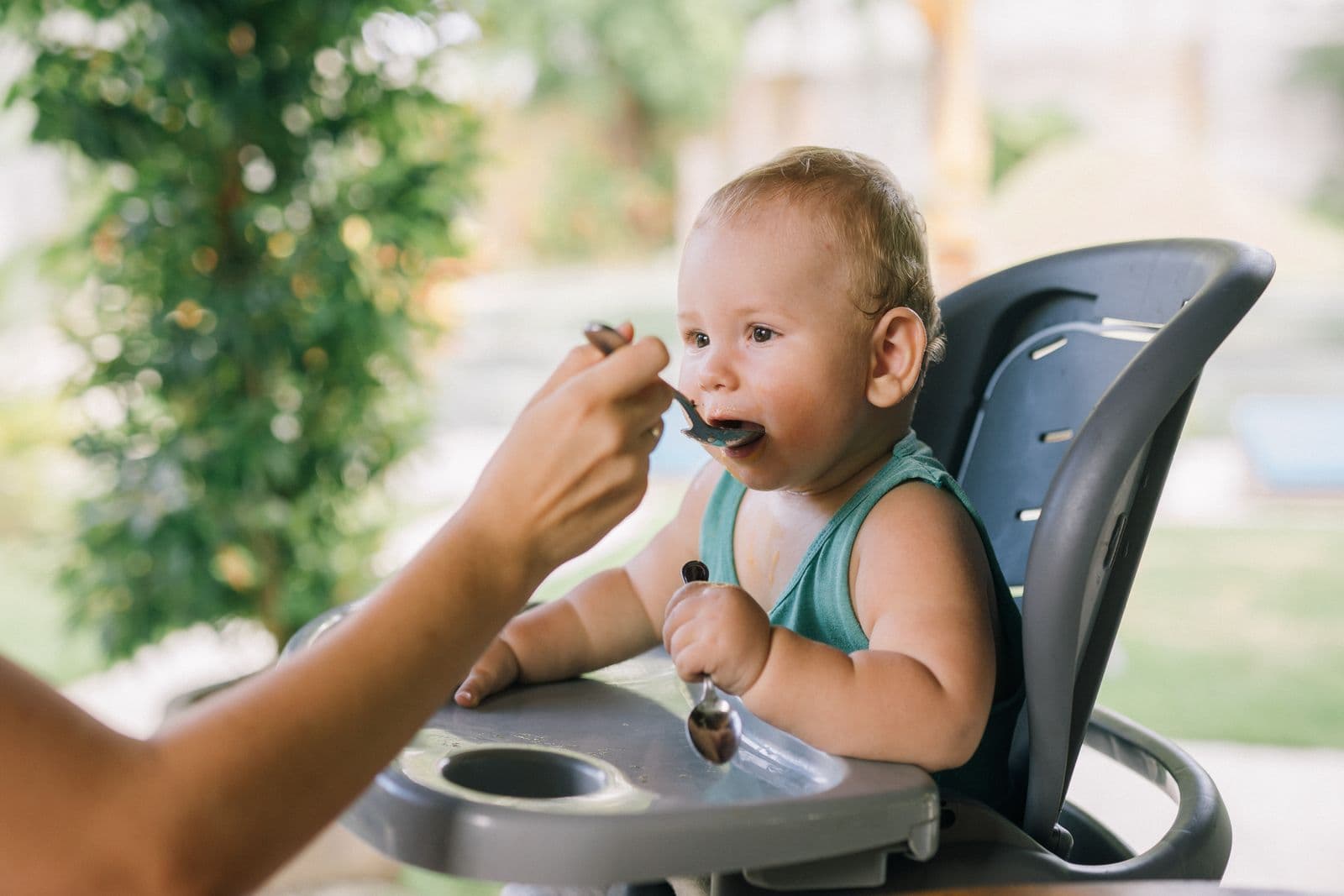
Best First Baby Foods & Best First Foods for Baby (CDC and AAP Guide)
Best first baby foods and best first foods for baby, in plain CDC and AAP terms: iron-rich starters around 6 months, one food at a time, allergen timing, first-feeding setup (bibs, spoons, cups), and what not to give. Editorially reviewed general information, not medical advice — not a ranked jar list.
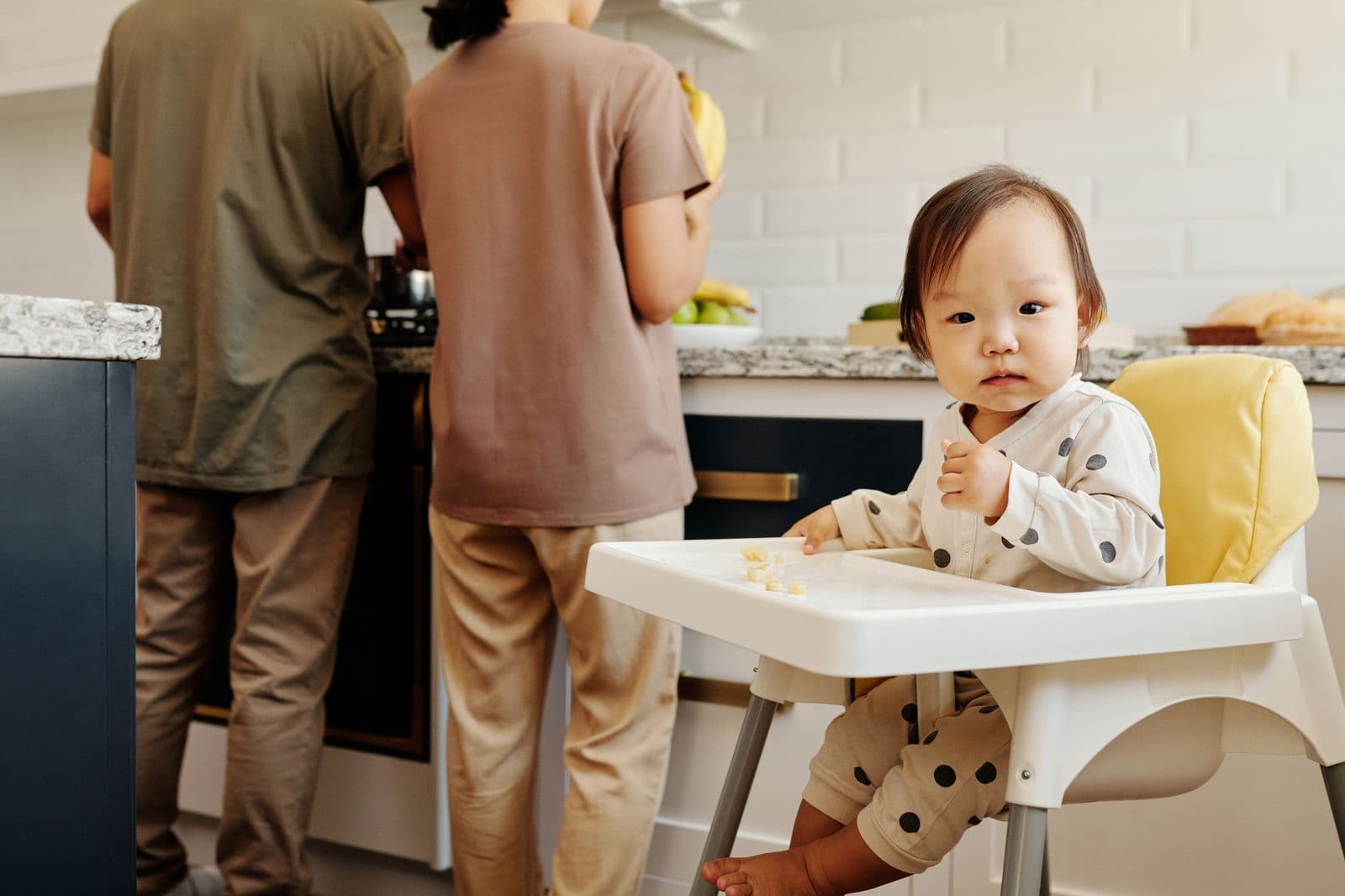
Baby-Led Weaning vs. Purees: How to Choose (or Combine Both)
Baby-led weaning vs purees (and BLW vs purees combination feeding): mess, iron, gagging vs choking, and what CDC and AAP actually say about textures, readiness, and safety.
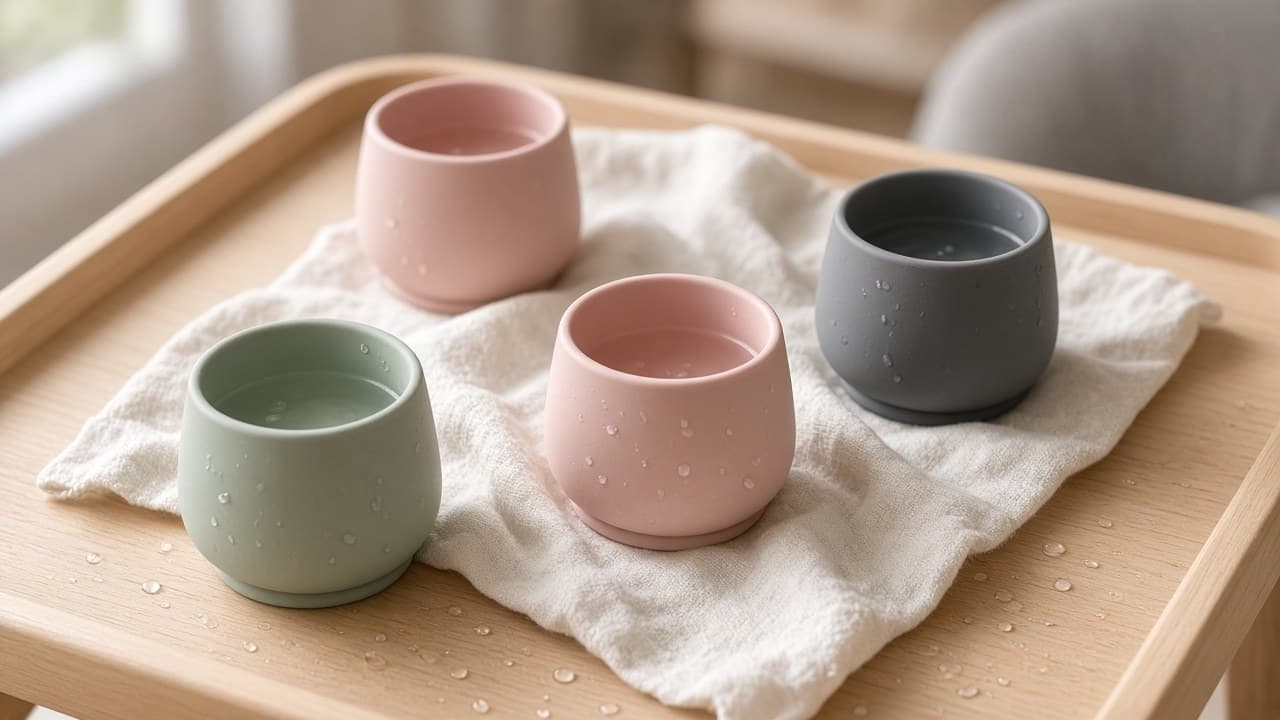
Best Open Cups for Babies and 6-Month-Olds (2026 Buying Guide)
Why open-cup and straw skills matter around 6 months with solids, how they differ from valved sippies, and four researched picks — ezpz Tiny Cup, ezpz Mini Cup + Straw, Munchkin C'est Silicone in Coral/Pink, and a squeeze straw trainer — with CDC and AAP sources.
How to Wean Your Baby Off the Bottle: An Age-by-Age Guide
When to start moving from bottle to cup, in AAP terms, and how to actually do it: which feeding to drop first, why the bedtime bottle comes last, a realistic week-by-week approach, and what to do when a toddler protests.
Best Water Bottles for Kids (2026): Preschool, Lunch Bag & Sports
Best water bottle for kids by job — preschool carry, school lunch bag, sports bag, and older-kid dual spout — plus leak tests, cleaning to stop straw mold, size by age, and CDC/AAP water guidance.
Best Lunch Boxes for Kindergarten (2026 Buying Guide)
Lunch box for kindergarten buying guide: hard vs soft, age bands, what to avoid, bento compartments, thermos wells, dishwasher care, backpack fit, short lunch periods, USDA FSIS / CDC packing notes, spill risk, and five Amazon picks.
Best Insulated Lunch Bags for Kids (2026 School Lunch Guide)
Best insulated lunch bags for kids for school: freezable-wall vs thick soft insulation vs fitted brand bags vs kids hard-sided coolers, USDA FSIS and CDC cold-safety packing framework, and five real Amazon options.
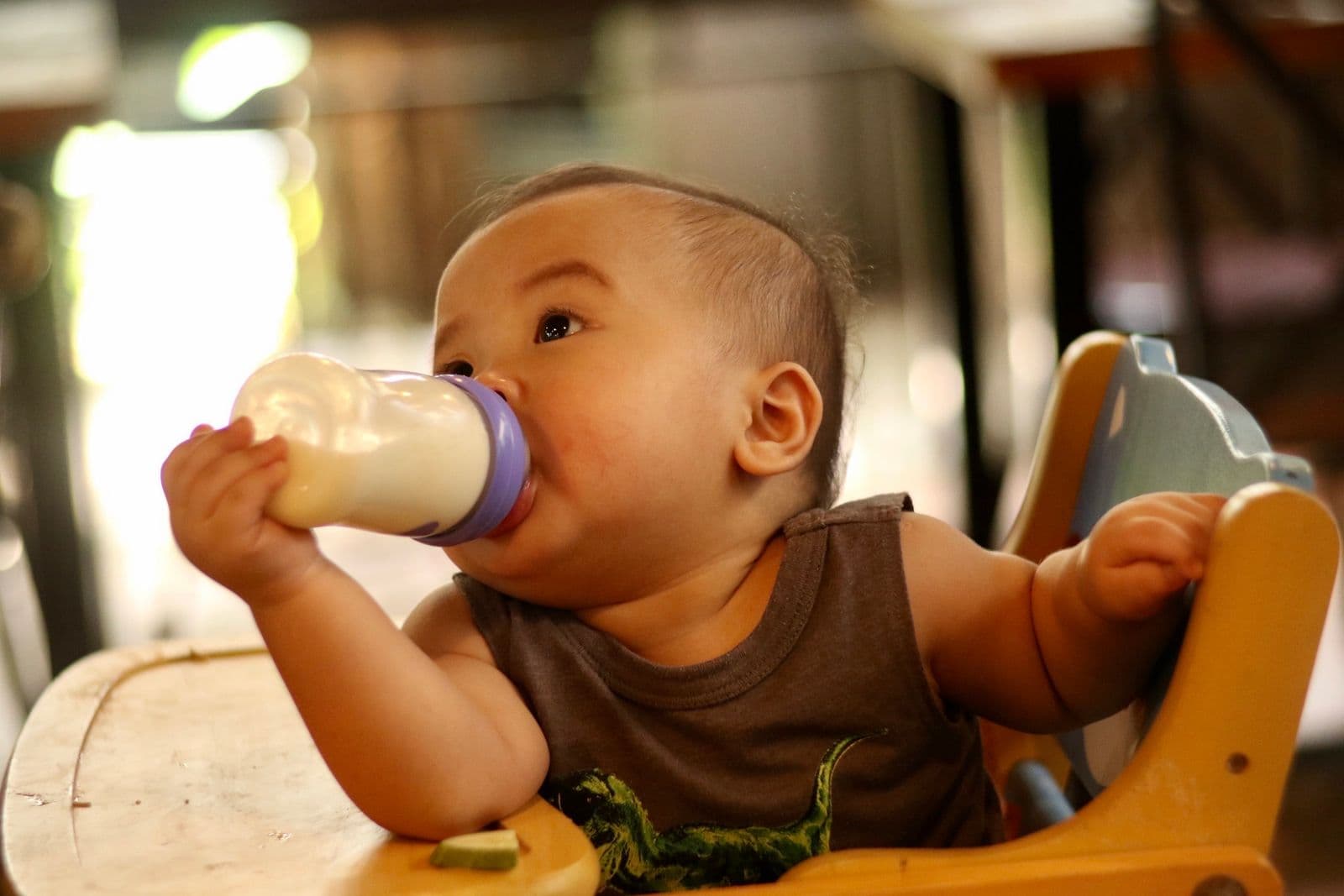
Best Baby Bottles of 2026
A researched comparison of anti-colic, breast-like, and glass baby bottles — what actually determines whether a bottle works for your baby, plus four well-reviewed options to start with.
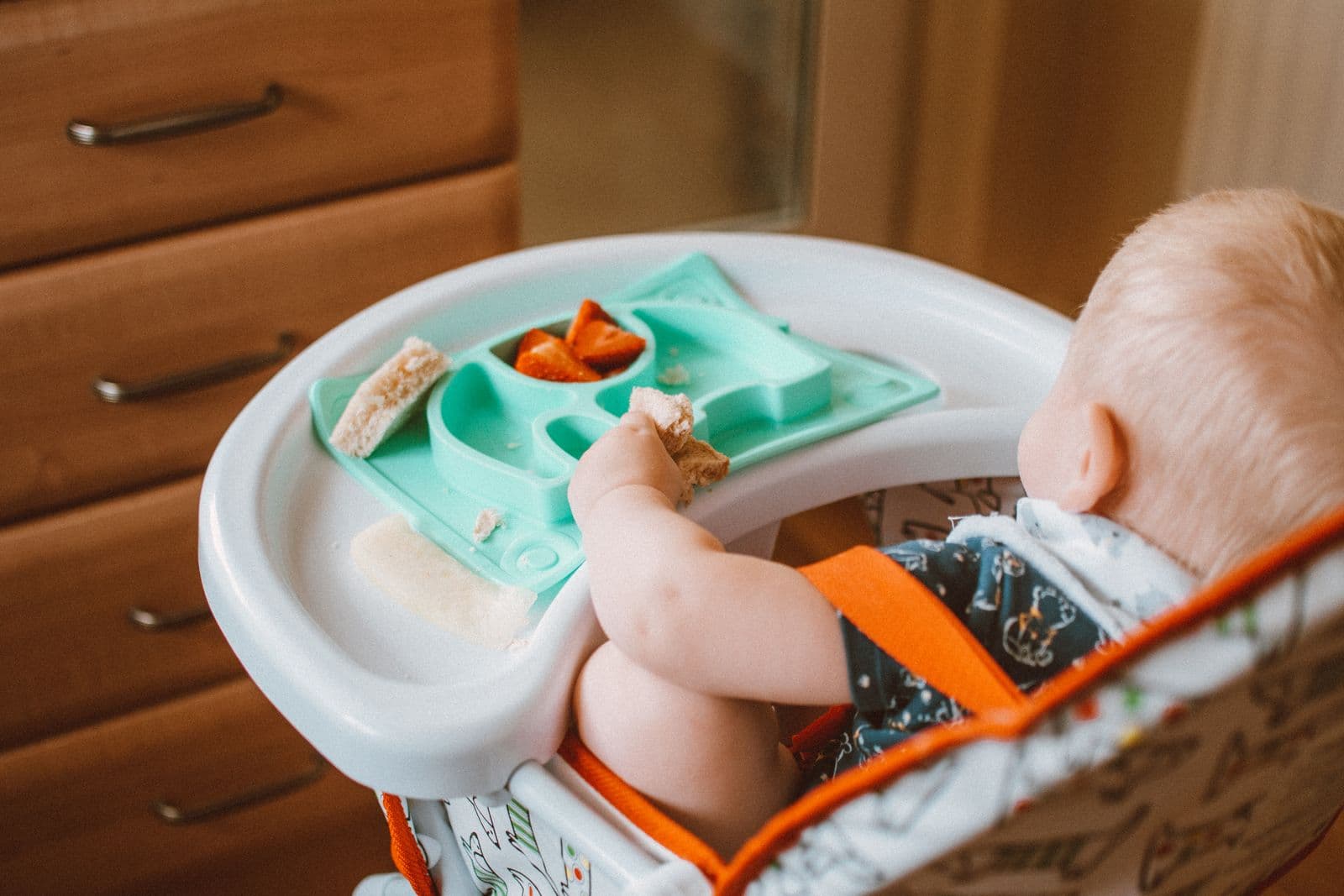
Best High Chair & Best Baby High Chair (2026): Convertible, Slim & Toddler Seats
Best high chair and best baby high chair picks for starting solids through toddler years: slim fold-flat, convertible grow-with-baby, infant recline, and portable booster.
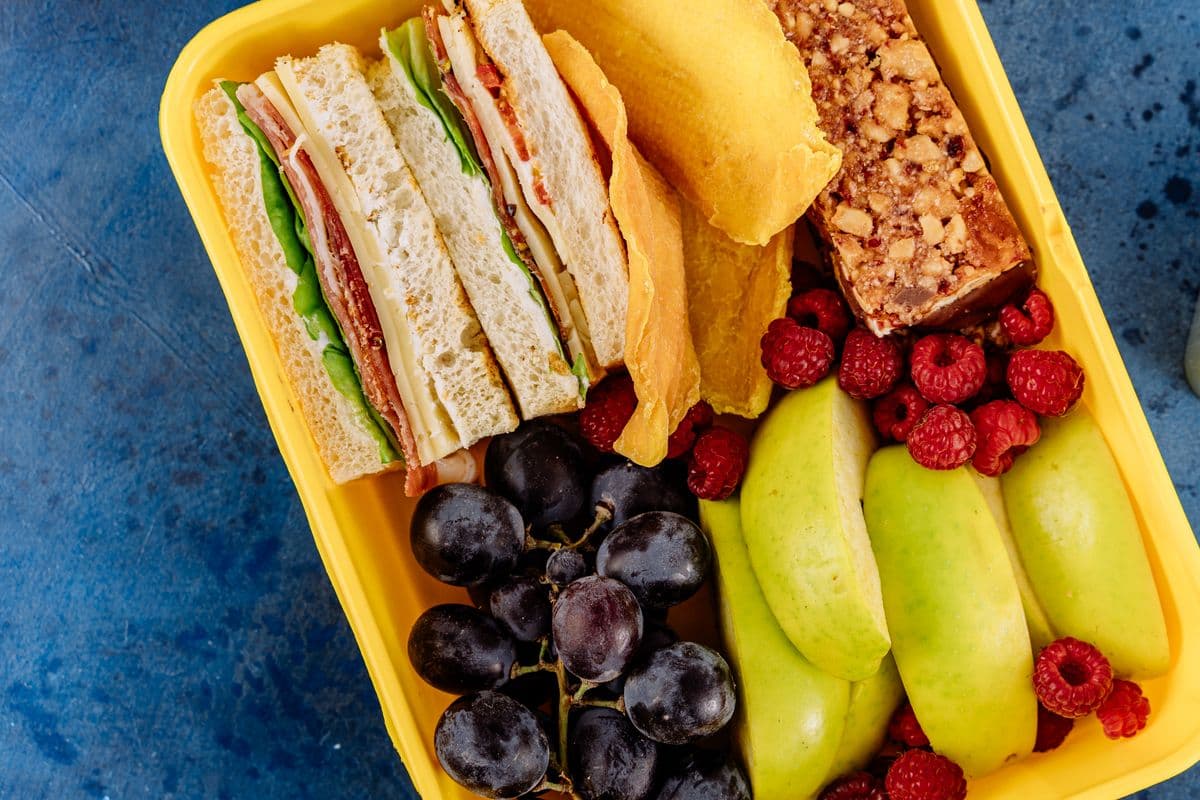
School Lunches That Don't Need Refrigeration: No-Fridge Ideas That Stay Food-Safe
School lunches that don't need refrigeration: shelf-stable protein, fruit and veggie ideas, how to pack a thermos so hot food stays safe, and the USDA 40°F–140°F rule for anything perishable.
Mom's Magazine Editorial Team
Editorial Team
The Mom's Magazine editorial team researches and writes practical, plainly-sourced guidance for parents and families. Guides are reviewed for accuracy and updated as recommendations change. Where a topic calls for professional expertise, we cite reputable organizations and, for health topics, add a qualified reviewer before publishing.
Newsletter
Get the Weekly Mom List
One short email a week: the most useful guides, activities, and picks for your family. No spam, unsubscribe anytime.