Products
Best Water Bottles for Kids (2026): Preschool, Lunch Bag & Sports
Best water bottle for kids by job — preschool carry, school lunch bag, sports bag, and older-kid dual spout — plus leak tests, cleaning to stop straw mold, size by age, and CDC/AAP water guidance.
As an Amazon Associate I earn from qualifying purchases.Some links on this page are affiliate links. If you buy through them, Mom's Magazine may earn a small commission at no extra cost to you. It never changes which products we recommend. How we recommend products.
The best water bottle for kids in 2026 is spill-resistant, small enough for your child to open and drink from without help, and simple enough to fully disassemble for cleaning — those three things matter more than brand name or insulation marketing for most families. Match the bottle to the job: a lighter BPA-free plastic straw bottle for preschool and stroller days; a 12–14 oz insulated stainless straw bottle like the Thermos Funtainer or Contigo Aubrey for lunch bags and elementary school; a dual sip-and-swig design like the Owala Kids FreeSip when an older kid wants the bottle style their friends carry. This is a researched guide based on manufacturer specifications and recurring patterns in verified reviews, editorially reviewed — not a hands-on lab test, not a ranked best-of list with invented scores, and not medical advice.
Best insulated
Thermos Funtainer 12 oz Kids Water Bottle
Best for: Keeping drinks cold all day / lunch bag
Quick picks
| Product | Best for | |
|---|---|---|
| Thermos Funtainer 12 oz Kids Water Bottle Best insulated | Keeping drinks cold all day / lunch bag | Check price on Amazon |
| CamelBak Eddy+ Kids 14 oz Best spill-resistant | Easy, spill-resistant sipping / lighter preschool carry | Check price on Amazon |
| Contigo Aubrey Kids Stainless Steel 13 oz Easiest to clean | Easy cleaning | Check price on Amazon |
| Simple Modern Summit Kids 14 oz Best value | Value and lots of designs | Check price on Amazon |
| Owala Kids FreeSip 16 oz Stainless Steel Water Bottle Best for older kids / most-requested style | An older elementary kid who wants the bottle style their friends have | Check price on Amazon |
Affiliate disclosure
Mom's Magazine may earn a commission if you buy through Amazon links on this page (rel=sponsored nofollow). Product cards use manufacturer-facing specs and patterns from verified reviews. Editorially reviewed — not medically reviewed.
How we picked the best water bottle for kids
Parents searching best water bottle for kids are usually solving a practical mess: spills in a backpack, a lunch bag that warms up by noon, a preschooler who cannot open a screw top, or a straw that smells like a gym locker by Thursday. This page is built for that search. It is a researched buying guide, not a hands-on lab test. We compared widely available kids bottles on spill resistance, how easy the bottle is for a child to use alone, how simple it is to clean, insulation vs plastic trade-offs, and size/fit for lunch bags and cup holders — using manufacturer specifications and broad, recurring patterns in verified customer reviews. If we add hands-on testing later, we will say so and date it.
Badges like Best insulated describe a use-case fit, not a laboratory winner.
What to look for in the best water bottle for kids
- Spill resistance: a straw or bite-valve lid that seals when closed — not only when the bottle sits upright on a table.
- Easy for kids: your child should open, drink, and close it alone. A bottle that needs an adult at every recess does not get used.
- Easy to clean: lids that fully come apart (straw, gasket, valve) and can go dishwasher-safe where the maker says so save real weekly time.
- Insulation vs plastic: stainless keeps drinks colder longer and survives drops; plastic is lighter and cheaper to carry for smaller arms.
- Size and fit: 12–14 oz suits most preschool and early-elementary kids and fits many lunch bags without tipping the bag sideways.
- Age and use match: preschool classroom, elementary lunch bag, sports practice, and bottle their friends have are different jobs.
Sizing tip
A bottle that is too big gets left behind. For preschool and early elementary, 12–14 oz is usually the sweet spot; size up toward 16–20 oz once a kid is carrying their own bag through a full school day without a reliable refill break. Capacity is not the same thing as hydration success if the bottle never leaves the cubby.
Size by age (practical ranges, not medical doses)
These ranges are shopping heuristics based on how bottles fit lunch bags and small hands — not CDC ounce prescriptions. Preschool (about 3–5): 10–14 oz, prioritize weight and a straw the child can open. Early elementary (about 5–8): 12–14 oz insulated for lunch bags is the common fit; confirm the bottle stands in the bag beside a sandwich box before you buy a tall 20 oz design. Older elementary (about 8–11): 14–16 oz dual-spout or insulated straw bottles are fine when the child carries their own backpack and can operate a push-button or lock alone. Size up only when the smaller bottle is empty before lunch routinely and a refill fountain is unreliable — not because a product card looks bigger.
Best water bottle for kids by age and use
A 3-year-old in preschool and a 9-year-old carrying a backpack through a full school day are not shopping for the same bottle, even though both need a kids' water bottle. Start with the use case, then pick materials and lid style.
Once the bottle is sorted for the lunch bag, the next decision is how the rest of the meal stays food-safe until noon. Insulated lunch bags for kids covers soft-sided cold packs, and school lunches that do not need refrigeration covers no-fridge packing.
Decision framework: lunch bag vs sports vs preschool
Before you compare brand names, name the job. Most families searching best water bottle for kids are actually choosing among three jobs — and the right bottle for one job is often the wrong bottle for another.
- Preschool / classroom cubby: light enough for small hands, straw a child can open alone, small enough not to tip a tote. Weight and independence beat all-day ice claims.
- School lunch bag: insulated 12–14 oz that stands upright beside a sandwich box without tipping the bag; lid locks for a sideways backpack ride; pairs with an ice pack or insulated tote.
- Sports / practice bag: lid that stays sealed when the bottle lies on its side under cleats and cones; insulation earns its weight on hot outdoor practices; teach the lock-or-cover habit.
If your child needs two jobs — lunch and soccer on the same day — either pack one insulated bottle that locks well for both, or keep a lighter plastic backup in the car so the lunch bottle is not riding open in a mesh sports bag. Do not buy a 24 oz adult bottle for a kindergartner on the theory that bigger equals better hydration; a bottle that never leaves the cubby hydrates nobody.
One question that picks the bottle
Ask: where will this bottle spend most of the day — upright on a desk, sideways in a lunch bag, or bouncing in a sports tote? Desk favors light straw plastic; lunch bag favors insulated 12–14 oz with a cover or lock; sports bag favors a lockable lid you can feel click shut.
Why a kid-friendly water bottle matters (CDC & AAP framing)
Plain water is the drink public-health guidance keeps pointing families toward for everyday hydration — zero calories, no added sugar, and a healthier default than sugary drinks. The CDC notes that getting enough water helps the body function normally and that daily needs vary by age, activity, and environment. The American Academy of Pediatrics (HealthyChildren.org) similarly positions plain water, along with milk, as a top everyday drink choice for kids, and notes that being well hydrated supports mood, memory, and attention — which is exactly why a bottle a child will actually use at school beats a prettier bottle left in a locker.
CDC school-nutrition guidance also emphasizes access to free drinking water during the school day and encourages schools to allow students to carry refillable bottles in class where policy allows. That is policy context for why a leak-resistant, kid-openable bottle matters — not a guarantee that every classroom permits bottles on desks. Check your school's rule, then buy the bottle that can survive the bag on the days bottles are allowed.
Editorially reviewed — not medical advice
Hydration needs vary with age, activity, heat, and illness. This section cites CDC and AAP/HealthyChildren framing so you have reputable anchors — it is not a prescription for ounces per day, not infection-control advice, and not a substitute for your child's clinician if you have specific health concerns.
Practical takeaway for the shopping decision: make water easy. A bottle your child can open without help, that does not soak homework, and that you can clean on a Tuesday night is how plain water wins over juice boxes by default — which is the behavior public-health guidance is trying to encourage.
Preschool (about ages 3–5)
Preschoolers need something light enough to hold with one hand, simple enough to open without help, and small enough not to tip a tote or lunch bag. A straw lid usually beats a screw-top here because there is no separate cap to lose under a cubby. BPA-free plastic (like the CamelBak Eddy+ Kids pattern) often wins on weight for walk-to-school or stroller cup-holder days. If the classroom keeps drinks in a shared fridge or the bottle mostly sits upright, spill resistance still matters — bags get knocked over during dismissal.
A preschool bottle is often the first cup a child manages entirely alone, which is why the straw skill matters more than the material. If your three-year-old is still mid-transition from a toddler cup, the earlier chapters of that series live on best sippy cups (spoutless and weighted-straw picks) and best open cups for babies (true open-rim practice) — those pages cover cup mechanics, this page covers the preschool-through-elementary bottle a child carries to a classroom. A 12 oz-class straw bottle a preschooler can open, sip, and close without a teacher is the graduation step, not a downgrade from a sippy.
Elementary lunch bag (about ages 5–9)
Early elementary stretches the gap between morning pack and afternoon pickup, and the bottle usually rides inside a soft lunch bag rather than a backpack side pocket. An insulated 12–14 oz stainless straw bottle (Thermos Funtainer, Contigo Aubrey, Simple Modern Summit Kids) is the common lunch-bag fit: cold water at lunch without a bottle so tall it crowds the sandwich or tips the whole bag sideways when it stands up next to a container. Before you fall for a print, measure the bag's bottle sleeve or the open main pocket and confirm a 12–14 oz bottle stands upright next to a sandwich box and a piece of fruit without forcing the zipper.
Think about the bottle and the bag as one system, because a cold bottle can actually help keep the rest of lunch food-safe. A frozen or refrigerated insulated bottle acts like a second ice pack against the sandwich, and a soft insulated tote holds that cold longer than a bare backpack pocket. Insulated lunch bags for kids covers the cold carrier and ice-pack pockets that pair with these bottles, best lunch boxes for kindergarten covers how much room a 12–14 oz bottle takes beside a bento tray, and school lunches that do not need refrigeration covers the USDA two-hour rule and no-fridge packing when the classroom has no reliable cold storage. The bottle is the drink; those three pages are the rest of the meal in the same tote.
Sports, recess, and practice
Movement changes the spill problem. A bottle that sits quietly upright on a desk behaves very differently once it is rolling in a mesh soccer bag, bouncing on a bleacher, or getting kicked sideways during drills. Bite-valve and lockable straw lids matter more here because the failure mode is not a knocked-over bottle on a flat surface — it is a bottle lying on its side, under other gear, for the length of a practice. On hot outdoor practices insulation earns its weight because warm water gets refused and cold water gets drunk; when a coach or parent is carrying the whole tote anyway, the weight of a 14–16 oz insulated bottle stops being the deciding factor. Teach the lock-or-cover habit explicitly: a spill-resistant lid still soaks a gym bag if a distracted kid tosses it in open. For a rowdy practice bag, the pop-up straw with a cover (Funtainer pattern) or a fully lockable straw lid (Contigo, Simple Modern patterns) protects the drinking surface better than a bite valve left exposed.
Older elementary and the bottle their friends have
Social fit is a real use case, not a joke. An older kid who refuses a technically better bottle will leave it in a locker. Dual sip-and-swig designs like the Owala Kids FreeSip are popular because they feel different from a straw-only lid — sip through the straw or tip back for a wider swig — and the push-to-open cover keeps the spout off backpack grime when closed. At 16 oz stainless, they are heavier than preschool bottles; treat them as an older-kid / carry-own-bag pick, not a first bottle for a three-year-old.
A water bottle a child can open, drink from, and close without help is a small piece of everyday independence — the same skill family that shows up on our kindergarten readiness checklist. Pair bottle practice with packing the lunch bag the night before if mornings are already chaotic.
Skip to the pick that fits the job
Lunch-bag insulated straw bottle for elementary: Thermos Funtainer. Easiest lid to fully take apart on a school night: Contigo Aubrey Kids. Dual sip-and-swig for an older kid who wants their friends' bottle: Owala Kids FreeSip. Affiliate link..
Check the Thermos Funtainer lunch-bag bottle on AmazonAffiliate link. Insulated 12 oz lunch-bag pick.
Insulated stainless steel vs plastic
Insulated stainless steel is worth the extra weight when a drink genuinely needs to stay cold for a long stretch — a full school day with recess, summer camp, or a car ride to and from practice. Stainless also tends to survive backpack drops better than thin plastic. The tradeoff is real: an insulated bottle can feel heavier empty than a plastic bottle full, and a small preschooler carrying their own backpack will feel that difference by the end of a walk to daycare.
Plain BPA-free plastic is the better call when lightness and simplicity matter more than all-day ice: a younger kid still building arm strength, a bottle that mostly lives in a stroller cup holder, or a backup bottle you keep in the car. Neither option is objectively the best water bottle for kids in every situation — they solve different problems. If you want cold water and lunch-bag durability, lean insulated. If you want the bottle to actually get carried by a small kid, lean lighter plastic or a smaller insulated size.
What the guidance doesn't say
Thermos rates the Funtainer for cold retention on its product positioning; Owala rates FreeSip cold retention on its materials. Treat those as manufacturer ratings, not our stopwatch results.
Spill resistance in a real backpack, not on a flat desk
Spill-proof on a product title is not the same as survives a tipped backpack. Look for three checks: (1) the lid locks or covers when not in use, (2) the straw or bite valve closes rather than staying open, and (3) verified review patterns mention backpack or lunch-bag leaks specifically — not only upright desk spills. Some lids resist spills while upright but weep when the bottle lies on its side for an hour.
Leak and spill criteria checklist
- Positive lock or cover you can feel or see closed — not only a straw that flops shut.
- Gasket seats the same way every time a child reassembles the lid after washing.
- Drinking surface covered in the bag (pop-up cover, push-button closed state, or bite valve designed to seal).
- Sideways paper-towel test at home: fill, lock, lay on a towel for an hour before the first school day.
- No juice or sugary drinks left sitting in a straw overnight — sugar residue accelerates smell and mold complaints.
The real-world test is not a bottle standing on a table — it is a bottle wedged sideways in a backpack, under a binder, pressure-loaded, for the entire bus ride and the first two class periods. That is the position that turns a small seep into a soaked reading folder. Three things separate a bottle that survives that from one that ruins homework: a positive lock or click you can feel (not just a straw that flops closed), a gasket that seats the same way every time the child reassembles it, and a drinking surface that is physically covered rather than open to backpack lint. When a lid stays open unless you deliberately lock it — some push-buttons pop the straw up on a bump — that is a leak waiting for the next crowded bag. If you can, do the sideways test yourself before the first day: fill the bottle, lock it, lay it on its side on a paper towel for an hour, and see whether the towel stays dry. It costs five minutes and saves a morning of laundry and a lost worksheet.
- Bite-valve straws (CamelBak-style) are easy for kids and designed to seal when not bitten — still check the closed/lock state before tossing the bottle in a bag.
- Pop-up straw with a hygienic cover (Thermos Funtainer pattern) adds a physical cover over the drinking surface — useful in backpacks.
- Fully lockable straw lids (Contigo / Simple Modern patterns) help when the bottle shares a bag with folders and a banana.
- Push-to-open dual spouts (Owala FreeSip pattern) protect the drinking surface when closed; confirm the kid can operate the button without help.
No lid makes juice stains impossible if it is left open. If your child drinks flavored liquids, cleaning discipline matters even more — sugar residue in a straw is a mold invitation.
Cleaning, mold in the straw, and the week-two smell
A straw or spout bottle that looks clean from the outside can grow mold inside the straw within days if it is not fully taken apart between uses. The inside of a narrow straw stays damp long after the outside looks dry, and that damp, dark, narrow space is exactly the environment mold likes. This is the single most common complaint pattern across straw-lid kids bottles in verified reviews, regardless of brand or price point, and it is almost always a cleaning-routine problem rather than a mysterious product curse.
Before you buy any straw or spout bottle, confirm that every part of the lid — straw, gasket, valve — separates by hand for washing. A lid that only partially disassembles is a lid that will eventually smell off no matter how good the insulation is. A dedicated straw brush (sold separately from most bottles, inexpensive) makes school-night cleaning realistic instead of a weekend project that gets skipped. Air-dry fully before you reassemble; trapping moisture under a gasket undoes the wash.
Lid design is the biggest predictor of whether the mold problem ever starts. Among the five here, the Contigo Aubrey is positioned specifically around a straw lid that comes fully apart and goes top-rack in the dishwasher, which is why it earns the easiest-to-clean use case — the whole point is that a real deep clean is possible on a Tuesday night, not just in theory. The Owala FreeSip's wide mouth makes the cup itself easy to reach a bottle brush into (its lid is the part to hand-wash), while narrow straw bottles like the Funtainer and Simple Modern reward keeping a thin straw brush by the sink. There is no bottle you can skip cleaning; there are bottles that make the correct routine fast enough that a tired parent actually does it. That is the difference between a bottle that lasts a school year and one that gets thrown out in October.
- Nightly: empty, rinse, open the lid, pull the straw if it separates, stand parts so air can move through.
- Several times a week: full disassembly + straw brush + bottle brush; dishwasher only for parts the maker marks safe.
- Deep clean when smell starts: baking-soda soak or a bottle-cleaning tablet per the cleaner directions — then inspect the straw for film before you blame the brand.
- Skip reassembling wet parts so it is ready for morning — that is how week-two mildew starts.
Editorially reviewed — not medical advice
This page is editorially reviewed by Mom's Magazine staff. It is not medically reviewed and not infection-control advice from a clinician. If your child is immunocompromised or you see visible mold you cannot remove, replace the bottle or straw parts and ask your child's clinician if you have specific health concerns.
Side-by-side: the five bottles on this page
Use this table as a use-case map, not a scoreboard. Capacities and cleaning notes reflect manufacturer product details and recurring patterns in owner reviews.
| Bottle | Best for | Insulation | Capacity | Lid fully disassembles? |
|---|---|---|---|---|
| Thermos Funtainer | Keeping drinks cold all day / lunch bag | Vacuum-insulated stainless steel | 12 oz | Straw and cover come apart; a few small parts |
| CamelBak Eddy+ Kids | Easy, spill-resistant sipping / lighter carry | None (BPA-free plastic) | 14 oz | Bite valve removes for cleaning |
| Contigo Aubrey Kids | Easiest full cleaning | Insulated stainless steel | 13 oz | Yes — lid disassembles completely; top-rack dishwasher safe per maker |
| Simple Modern Summit Kids | Value and design variety | Double-wall stainless steel | 14 oz | Straw lid comes apart; leak-proof gasket |
| Owala Kids FreeSip | Older kids who want dual sip-and-swig | Triple-layer insulated stainless steel | 16 oz | Yes — wide mouth for cleaning and ice; hand-wash cup, dishwasher-safe lid per maker |
How each pick earns its spot
Thermos Funtainer remains the classic lunch-bag insulated straw bottle: 12 oz, vacuum-insulated stainless, pop-up straw with a cover. Manufacturer cold-retention positioning is part of why families keep buying it for school days. The tradeoff is small lid parts to clean — budget a straw brush.
Check Thermos Funtainer on AmazonAffiliate link. Insulated 12 oz pick on this page.
CamelBak Eddy+ Kids is the lighter plastic path: bite-valve straw, spill-resistant when closed, 14 oz. Strong preschool / easy-sip fit when you do not need stainless insulation. Bite valves can wear over time; replacement valves are a known maintenance pattern in this category.
Check CamelBak Eddy+ Kids on AmazonAffiliate link. Spill-resistant plastic pick on this page.
Contigo Aubrey Kids is the cleaning-first insulated pick: spill-proof straw lid that comes apart completely and is top-rack dishwasher safe per Contigo positioning. Slightly more reassembly after washing — the point is that deep cleaning is actually possible on a weeknight.
Check Contigo Aubrey Kids on AmazonAffiliate link. Easiest-clean insulated pick on this page.
Simple Modern Summit Kids covers families who want double-wall stainless, a leak-oriented straw lid, and lots of kid-facing designs without pretending we ran a price laboratory. Licensed prints can cost more than plain colors; that is a design choice, not a performance score.
Check Simple Modern Summit Kids on AmazonAffiliate link. Value/design variety pick on this page.
Owala Kids FreeSip is here for the older-kid dual-opening job: sip through a built-in straw or swig from a wider spout, push-to-open lid, triple-layer insulation with manufacturer cold-retention positioning, wide mouth for ice and cleaning. Heavier 16 oz stainless — better when the kid carries their own bag.
Check Owala Kids FreeSip on AmazonAffiliate link. Dual sip-and-swig pick on this page.
Mistakes worth naming
- Buying the biggest capacity on the theory that bigger lasts longer — a too-big bottle is heavier, harder for a small kid to manage, and often gets left behind.
- Skipping the straw brush, then being surprised the bottle smells off within a couple of weeks.
- Choosing heavy insulated steel for a toddler who is still building strength to carry their own bag, when a lighter plastic bottle would actually get used more.
- Assuming any straw is automatically spill-proof — check whether the lid seals closed when not being sipped, including on its side in a bag.
- Ignoring what a kid will actually carry — a technically better bottle a child refuses loses to a good-enough bottle they drink from.
- Reassembling a wet straw and gasket the night before school — trapped moisture recreates the mold problem you just washed.
Related school gear on Mom's Magazine
A bottle is one piece of the morning pack. If you are building the full bag, see best backpacks for elementary school and our back-to-school checklist by grade. For lunch packing next to that 12–14 oz bottle, stay with best lunch boxes for kindergarten. When the job is keeping the whole meal cold until noon — not just the drink — insulated lunch bags for kids and school lunches that do not need refrigeration pick up the USDA temperature and no-fridge packing side of the same series.
That lunch-stage trio — kindergarten lunch boxes, insulated lunch bags, and no-refrigeration school lunches — is the later chapter of the solids → sippy → lunch sequence after cups are already handled. The earliest chapter is starting solid foods.
Bottom line on the best water bottle for kids
Own the decision with three filters: can my child use it alone, will it survive the bag without soaking folders, and can I actually clean the straw on a school night? Then match age and use — light plastic for preschool carry, insulated 12–14 oz for elementary lunch bags, dual-spout insulated for older kids who care what their friends carry. Keep a straw brush next to the sink. That routine prevents more regret than any badge on a product card.
Keep this page as your shortlist for kids' water bottles, whether you need an insulated bottle, a straw bottle for school, or a preschool bottle. This guide does not include prices, star ratings, or hands-on rankings.
Shop all five kids water bottles (real Amazon listings)
Here are the five bottles on this page as direct Amazon links (affiliate links). Pick by the job, not by badge: insulated for lunch bags and long days, plastic for the lightest preschool carry, easiest-clean when straw scrubbing is the dealbreaker, dual-spout for an older kid who wants their friends' bottle.
- Thermos Funtainer 12 oz (insulated lunch-bag straw bottle) — check on Amazon
- CamelBak Eddy+ Kids 14 oz (lighter BPA-free plastic, bite-valve straw) — check on Amazon
- Contigo Aubrey Kids 13 oz (insulated, lid fully disassembles for cleaning) — check on Amazon
- Simple Modern Summit Kids 14 oz (double-wall stainless, many designs) — check on Amazon
- Owala Kids FreeSip 16 oz (dual sip-and-swig for older kids) — check on Amazon
Check the Contigo Aubrey Kids (easiest-clean pick) on AmazonAffiliate link. Insulated straw lid that fully comes apart.
Check the Owala Kids FreeSip (older-kid dual spout) on AmazonAffiliate link. Sip-and-swig lid, wide mouth for ice and cleaning.
Our Recommendations

Thermos Funtainer 12 oz Kids Water Bottle
Best for: Keeping drinks cold all day / lunch bag
A long-time favorite: vacuum-insulated stainless steel with a pop-up straw and a hygienic cover. Thermos rates it to keep drinks cold for up to 12 hours, and the 12 oz size fits small hands and most lunch bags.
- Vacuum-insulated stainless steel
- Pop-up straw with a hygienic cover
- Rated to keep drinks cold up to 12 hours
- 12 oz — fits small hands and lunch bags
Keep in mind: The straw and lid have a few small parts to clean, and it isn't meant for hot liquids.

CamelBak Eddy+ Kids 14 oz
Best for: Easy, spill-resistant sipping / lighter preschool carry
A BPA-free bottle with CamelBak's bite-valve straw that's easy for kids to drink from and designed to be spill-proof when the straw is closed. The 14 oz size holds a little more for longer days.
- Bite-valve straw that's easy for kids
- Spill-proof when the straw is closed
- BPA-free materials
- 14 oz capacity
Keep in mind: The bite valve can wear over time and may need an occasional replacement.

Contigo Aubrey Kids Stainless Steel 13 oz
Best for: Easy cleaning
Insulated stainless steel with a spill-proof straw lid that comes apart completely for cleaning and is top-rack dishwasher safe — a real plus if scrubbing straws isn't your thing.
- Lid disassembles fully for cleaning
- Top-rack dishwasher safe
- Insulated stainless steel
- Spill-proof straw lid
Keep in mind: A few more parts to reassemble after washing.

Simple Modern Summit Kids 14 oz
Best for: Value and lots of designs
Double-wall 18/8 stainless steel with a leak-proof straw lid, in a wide range of kid-friendly designs and sizes. Fits most cup holders and tends to be gentler on the wallet.
- 18/8 stainless steel, double-wall insulated
- Leak-proof straw lid
- Fits most cup holders
- Wide range of designs and sizes
Keep in mind: Licensed character prints can cost more than plain colors.

Owala Kids FreeSip 16 oz Stainless Steel Water Bottle
Best for: An older elementary kid who wants the bottle style their friends have
Owala's dual-opening FreeSip lid lets a kid sip through a built-in straw or tip the bottle back to swig from a wider spout — a genuinely different design from a straw-only lid, not just a different logo on the same idea. Triple-layer insulation is rated to keep drinks cold up to 24 hours, and the wide mouth makes it easy to add ice or reach in for cleaning.
- Dual FreeSip spout — sip through the straw or swig from the wider opening
- Push-to-open lid protects the spout from backpack grime when closed
- Triple-layer insulation, rated to keep drinks cold up to 24 hours
- Wide mouth for ice and easy cleaning; carry loop doubles as a lock
Keep in mind: At 16 oz and built from stainless steel, it's heavier and bulkier than the 12–14 oz bottles above — better suited to an older kid carrying their own bag than a preschooler.
As an Amazon Associate I earn from qualifying purchases. Mom's Magazine may earn a commission when you buy through links on this page, at no extra cost to you. Learn more.
Frequently Asked Questions
What is the best water bottle for kids?
The best water bottle for kids is the one your child can open and drink from alone, that resists spills in a bag, and that you can fully take apart to clean — then matched to age and use. Preschoolers often do better with a lighter straw bottle; elementary lunch bags usually favor a 12–14 oz insulated straw bottle; older kids may prefer a dual sip-and-swig design they will actually carry. This is a researched guide, not a lab ranking.
What size water bottle is best for a young child?
For preschool and early elementary, 12–14 oz is usually ideal — enough water without being too heavy or too big for a lunch bag. Size up toward 16–20 oz once a kid is managing their own backpack through a full school day.
Are insulated stainless-steel bottles worth it for kids?
If your child likes cold water, is often outdoors, or has a long gap between refills at school, insulated stainless steel keeps drinks cold longer and holds up to drops better than plastic. If you want the lightest option for a younger kid still building carry strength, a BPA-free plastic bottle is often the better daily driver.
Which kids' water bottle is easiest to clean?
Look for a lid that fully disassembles and is dishwasher-safe where the maker says so — straw, gasket, and valve should separate by hand. On this page, the Contigo Aubrey is positioned around full lid disassembly. A bottle brush plus a dedicated straw brush make weekly cleaning realistic.
Why does my kid's water bottle smell bad or grow mold even though I rinse it?
A quick rinse does not reach inside a straw, which stays damp and dark long after the outside looks clean. Take every lid part fully apart between uses, brush the straw, and air-dry completely before reassembling. If a bottle's straw does not come out for cleaning, that is worth ruling out before you buy.
Is a straw lid or a spout/swig lid better for a kid?
A straw lid is generally easiest for a younger kid to use one-handed and tends to spill less if knocked over when locked. A dual-opening design like Owala's FreeSip adds a wider swig opening for faster drinking and ice, which older kids often prefer, but it is a slightly bigger lid to manage than a simple straw-only design.
How much water should kids drink, and does bottle size matter?
Daily fluid needs vary by age, activity, and heat — the CDC does not publish one fixed cups-per-day number for every child, and AAP/HealthyChildren guidance emphasizes plain water as a primary everyday drink without turning bottle capacity into a medical dose. Choose a bottle your child will actually use and refill: 12–14 oz for preschool and early elementary lunch bags is a common practical fit; size up when the smaller bottle routinely runs dry before a reliable refill. This is shopping guidance, not medical advice.
Should I buy separate bottles for lunch and sports?
Only if the jobs truly conflict. One insulated lockable bottle can cover lunch and practice for many kids. Add a second lighter plastic bottle when the sports bag is rough enough that you do not want the lunch bottle riding open under gear — or when siblings share gear and need two labeled bottles.
Sources & Further Reading
- About Water and Healthier Drinks — Centers for Disease Control and Prevention (CDC) (reviewed 2026-09-22)
- Water Access in Schools — Centers for Disease Control and Prevention (CDC) (reviewed 2026-09-22)
- Choose Water for Healthy Hydration — American Academy of Pediatrics (HealthyChildren.org) (reviewed 2026-09-22)
Related Guides
Best First Baby Foods & Best First Foods for Baby (CDC and AAP Guide)
Best first baby foods and best first foods for baby, in plain CDC and AAP terms: iron-rich starters around 6 months, one food at a time, allergen timing, first-feeding setup (bibs, spoons, cups), and what not to give. Editorially reviewed general information, not medical advice — not a ranked jar list.
Best Open Cups for Babies and 6-Month-Olds (2026 Buying Guide)
Why open-cup and straw skills matter around 6 months with solids, how they differ from valved sippies, and four researched picks — ezpz Tiny Cup, ezpz Mini Cup + Straw, Munchkin C'est Silicone in Coral/Pink, and a squeeze straw trainer — with CDC and AAP sources.
Best Sippy Cups (2026): Spoutless 360, Straw & Open-Cup Transition
Best sippy cups by drinking mechanism — spoutless 360, weighted straw, stainless, open-cup trainers — plus a CDC/AAP age-band transition plan (6 months to ~2 years), spill/mold/travel pitfalls, and AAPD tooth-decay context. Four Amazon picks.
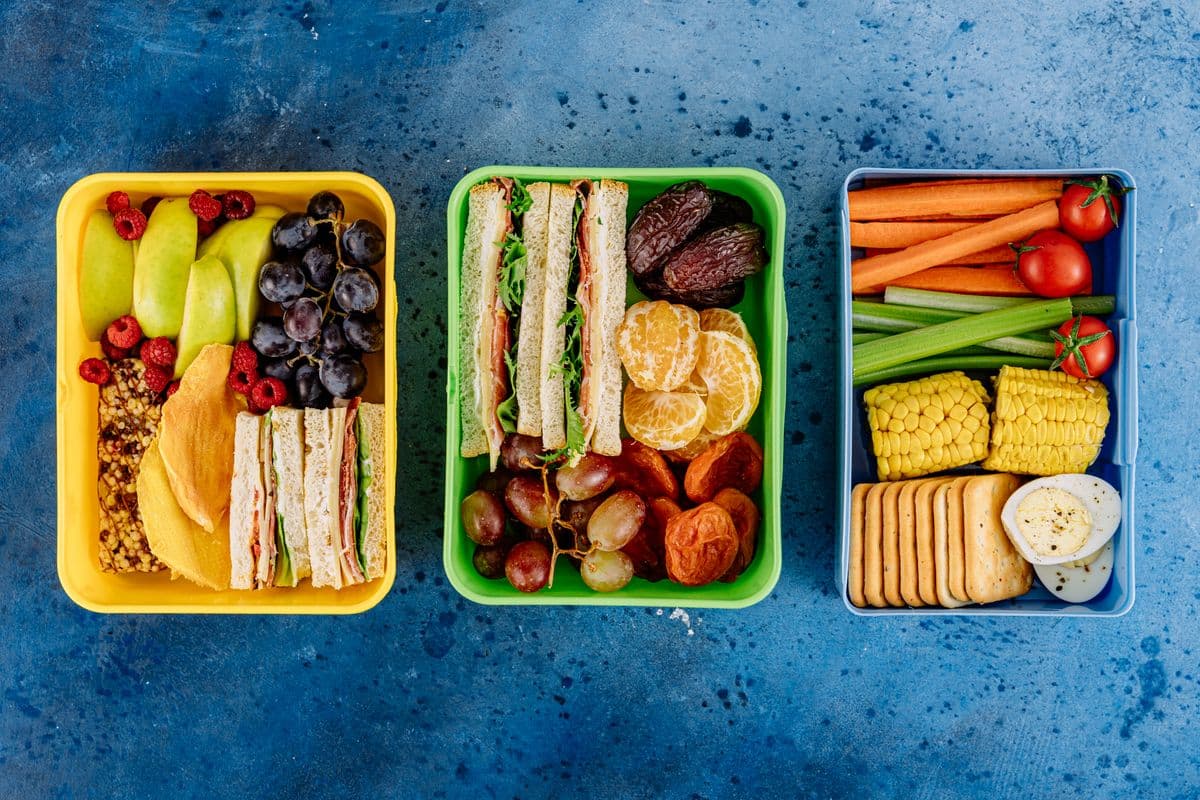
Best Lunch Boxes for Kindergarten (2026 Buying Guide)
Lunch box for kindergarten buying guide: hard vs soft, age bands, what to avoid, bento compartments, thermos wells, dishwasher care, backpack fit, short lunch periods, USDA FSIS / CDC packing notes, spill risk, and five Amazon picks.
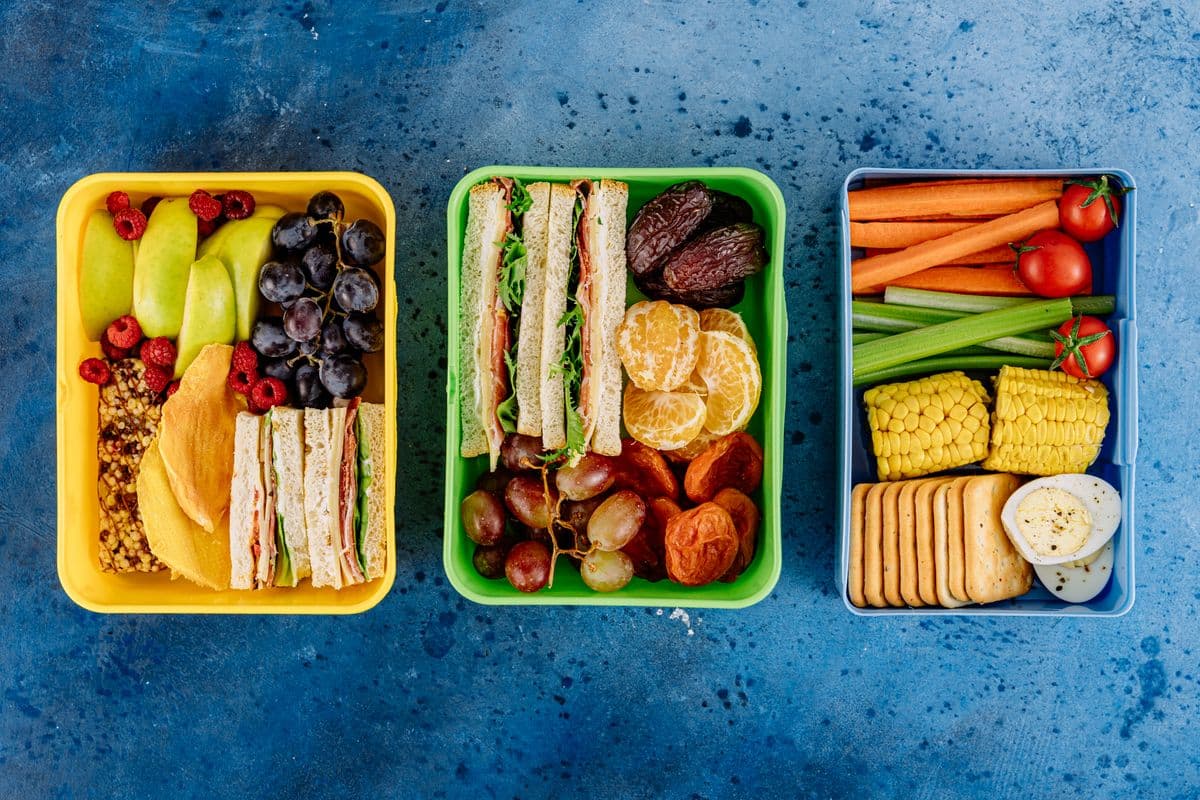
Best Insulated Lunch Bags for Kids (2026 School Lunch Guide)
Best insulated lunch bags for kids for school: freezable-wall vs thick soft insulation vs fitted brand bags vs kids hard-sided coolers, USDA FSIS and CDC cold-safety packing framework, and five real Amazon options.
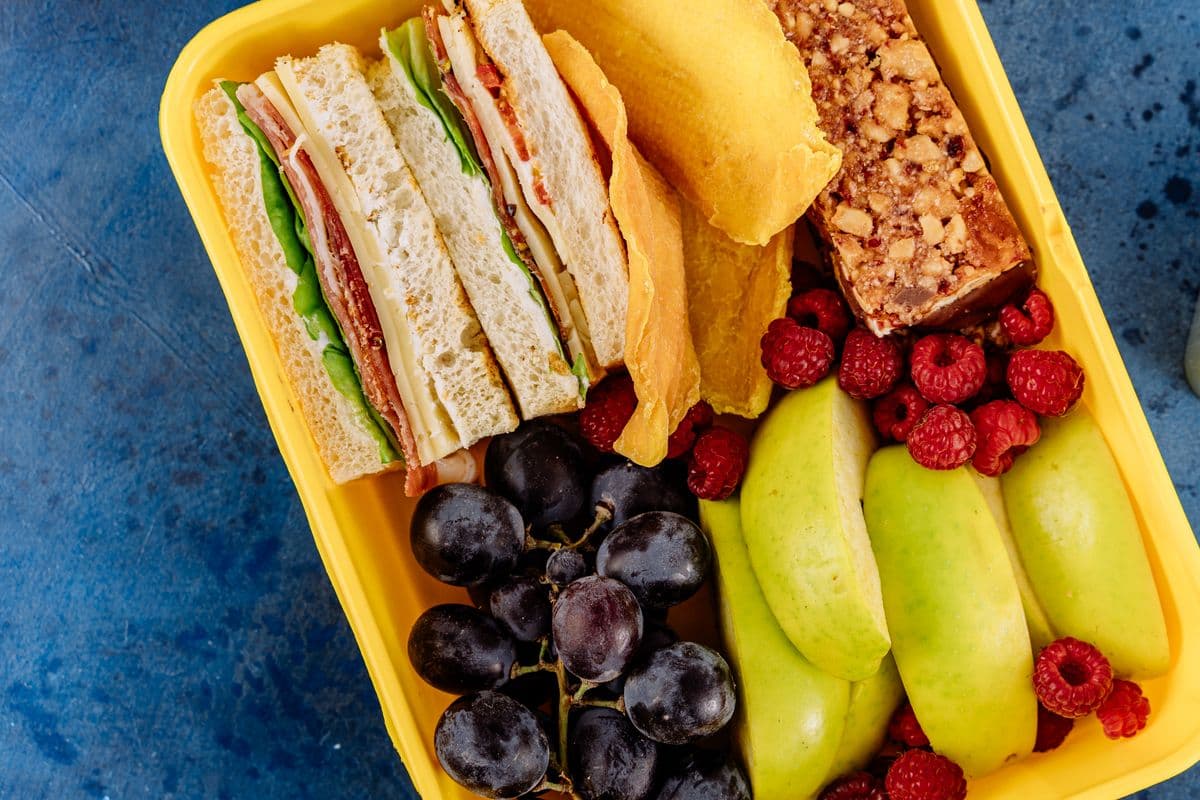
School Lunches That Don't Need Refrigeration: No-Fridge Ideas That Stay Food-Safe
School lunches that don't need refrigeration: shelf-stable protein, fruit and veggie ideas, how to pack a thermos so hot food stays safe, and the USDA 40°F–140°F rule for anything perishable.
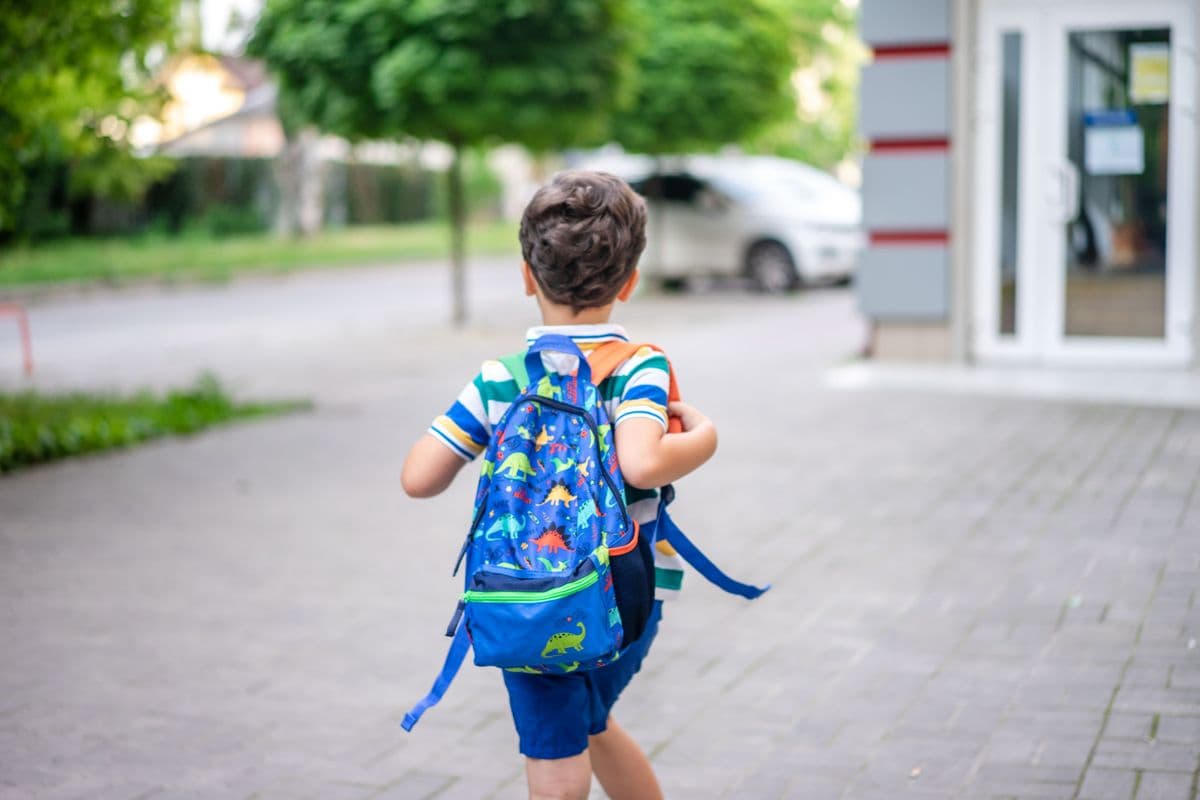
Best Backpacks for Elementary School
How to choose a well-fitting, durable elementary-school backpack, plus options to compare.
Back-to-School Checklist by Grade
A practical, grade-by-grade back-to-school checklist covering supplies, routines, and paperwork.
Mom's Magazine Editorial Team
Editorial Team
The Mom's Magazine editorial team researches and writes practical, plainly-sourced guidance for parents and families. Guides are reviewed for accuracy and updated as recommendations change. Where a topic calls for professional expertise, we cite reputable organizations and, for health topics, add a qualified reviewer before publishing.
Newsletter
Get the Weekly Mom List
One short email a week: the most useful guides, activities, and picks for your family. No spam, unsubscribe anytime.