Products
Best Backpacks for Elementary School
How to choose a well-fitting, durable elementary-school backpack, plus options to compare.
As an Amazon Associate I earn from qualifying purchases.Some links on this page are affiliate links. If you buy through them, Mom's Magazine may earn a small commission at no extra cost to you. It never changes which products we recommend. How we recommend products.
The best elementary-school backpack fits your child's back (not oversized), has padded, adjustable straps, and is light when empty. Look for a size proportional to your child, two padded shoulder straps worn on both shoulders, and durable, easy-to-clean material. A loaded backpack should stay well under the often-cited guideline of about 10–15% of a child's body weight.
Quick picks
| Product | Best for | |
|---|---|---|
| JanSport SuperBreak Backpack Best Overall Value | Durable everyday carry with a lifetime warranty | Check price on Amazon |
| Wildkin Kids 15-Inch Backpack Best for Young Kids | Younger kids who want fun patterns | Check price on Amazon |
| Fjällräven Kånken Kids Backpack Best Lightweight | Keeping the load light and simple | Check price on Amazon |
| STATE Bags Kane Kids Backpack Best Everyday | Comfortable daily use | Check price on Amazon |
| High Sierra Loop Backpack Best Budget | Upper-elementary kids carrying a tablet | Check price on Amazon |
The right elementary-school backpack is less about the pattern on the front and more about how it sits on your child's back. A pack that fits well and stays light protects growing shoulders, keeps kids comfortable through a long day, and lasts more than one school year. This guide covers how a backpack should fit, how to keep the load healthy, the materials and features worth paying for, and the sizing differences between a kindergartner and a fifth grader. The specific picks are listed separately above; here is how to choose well no matter which one you land on.
Why fit matters more than anything else
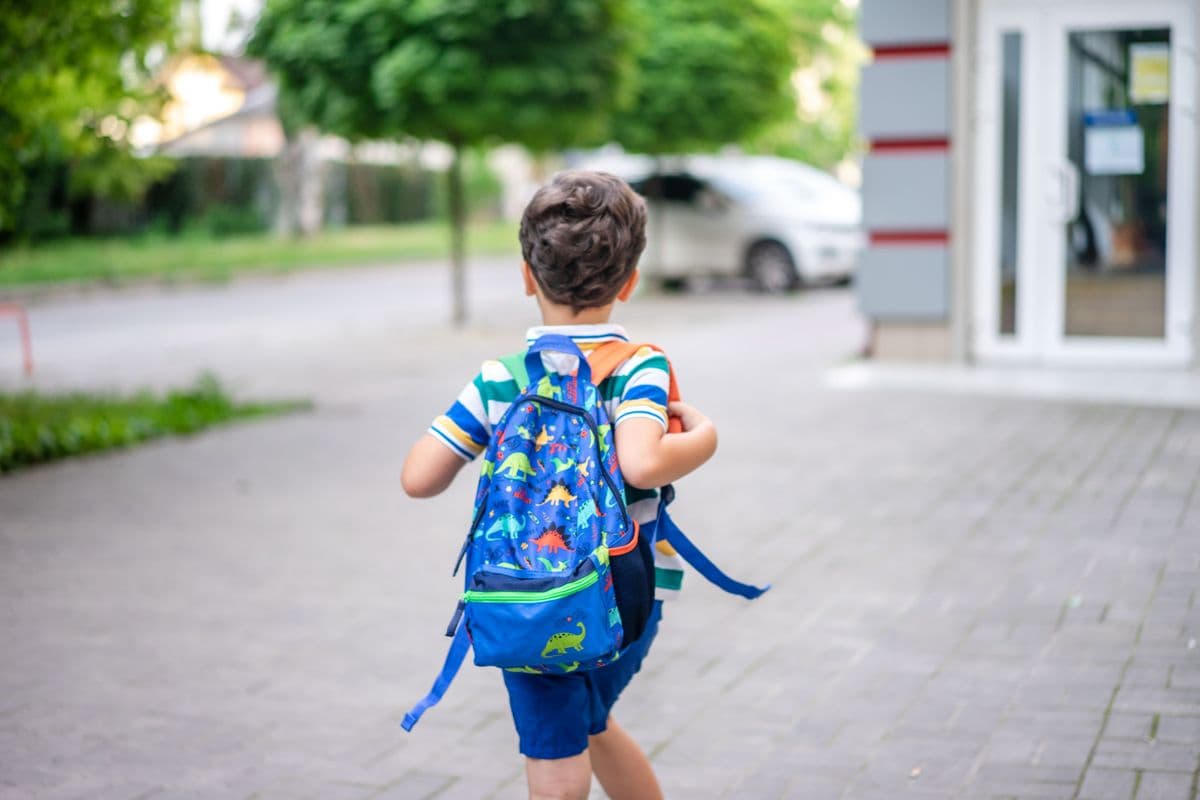
Kids carry backpacks for years, often on both a walk and a bus, and a poorly fitted pack puts uneven strain on the shoulders and back. The goal is simple: a pack that hugs the back, distributes weight across both shoulders, and never drags below the hips. An oversized bag encourages a child to overfill it and to sling it on one shoulder, both of which throw off posture. Buying a size proportional to your child — rather than one they will grow into — is the single best decision you can make.
Both straps, every time
Pediatric sources broadly recommend wearing a backpack on both shoulders rather than slung over one, to keep the load balanced. It is worth making the two-strap habit a family rule from day one.
How a backpack should fit
A quick fit check takes less than a minute and tells you almost everything.
- The top of the pack sits near the top of the shoulders, and the bottom rests at or just above the waist — not sagging down onto the hips or bottom.
- Both shoulder straps are padded and adjustable, snug enough that the pack stays close to the back without gaps.
- The width of the pack is no wider than your child's torso.
- It is light when empty, so the weight budget goes to books and supplies, not the bag itself.
- If it has a chest or waist strap, it can be clipped to take some load off the shoulders on longer walks.
How much weight is too much
A backpack that fits perfectly can still be too heavy. Many pediatric sources suggest keeping a loaded backpack to a modest fraction of a child's body weight, commonly cited as somewhere in the range of about 10 to 15 percent, worn on both shoulders. The practical takeaway matters more than the exact number: pack only what is needed for the day, put the heaviest items closest to the back, and use lockers or cubbies when the school allows it.
| What to look for | Why it matters |
|---|---|
| Two padded, adjustable shoulder straps | Wide, cushioned straps spread the load and prevent digging into the shoulders. |
| A padded back panel | Adds comfort and keeps hard edges of books off the back. |
| Light empty weight | Every ounce the bag weighs is an ounce less budget for books. |
| Proportional size | A pack sized to the child discourages overpacking and one-shoulder slinging. |
| Durable, water-resistant fabric | Survives being dropped, dragged, and rained on across a school year. |
| Easy-to-clean material | Spilled snacks and muddy playgrounds are inevitable; wipe-clean fabric saves the bag. |
| A chest or waist strap (optional) | Helps stabilize the load for kids with longer walks or commutes. |
Materials and durability
Elementary backpacks take a beating. They get dropped on pavement, stuffed into cubbies, dragged by one strap, and rained on at the bus stop. Tough, tightly woven synthetic fabrics hold up far better than thin novelty materials, and reinforced stitching at the seams and strap anchors is where cheaper bags fail first. A water-resistant coating keeps books and papers dry, and a wipe-clean exterior means one juice spill does not end the bag's life. If a brand offers a warranty, that is often a sign the maker expects the pack to last.
Features worth having — and ones you can skip
- Worth having: a roomy main compartment, a front pocket for small items, and a side pocket that actually holds a water bottle upright.
- Nice for older kids: a padded sleeve for a tablet or Chromebook as schoolwork goes digital in upper elementary.
- Often skippable: wheels (heavy, awkward on stairs, and rarely allowed), and an overload of zippered compartments that add weight and confusion for little hands.
- Safety bonus: reflective accents for kids walking or biking near roads in low light.
Sizing for kindergarten vs. upper elementary
A backpack that fits a fifth grader will swallow a kindergartner. Because kids grow so much across these years, matching the pack to your child's current size is more important than picking the biggest bag on the shelf.
| Stage | Typical needs | What to prioritize |
|---|---|---|
| Kindergarten & 1st grade | Folder, lunch bag, water bottle, a few small items | A smaller, lighter pack that fits a little torso; easy zippers little hands can work |
| 2nd–3rd grade | Folders, a few books, lunch, supplies | A mid-size pack with a front pocket and a bottle holder |
| 4th–5th grade | More books, binders, sometimes a tablet or Chromebook | A slightly larger pack with a padded device sleeve and organization |
Let them help choose
Kids are far more likely to wear a pack correctly and take care of it when they picked the color or pattern. Let your child choose the look from a set of options that already fit and are well made — you control the fit and quality, they get the say that makes them want to use it.
Care and cleaning
A little maintenance keeps a good backpack going for years and prevents it from becoming a science experiment by spring.
- Empty it fully every Friday — this is where forgotten permission slips and moldy snacks come to light.
- Spot-clean spills promptly with a damp cloth and mild soap rather than waiting for them to set.
- Check the care label: many packs can be gently machine-washed in a pillowcase and air-dried, while others should only be wiped down.
- Air it out after wet days so straps and padding do not stay damp.
- Tighten or repair loose straps early, before a small issue becomes a broken bag mid-semester.
Common mistakes and how to budget
The most common mistake is buying big to get more years out of a bag; an oversized pack invites overpacking and poor posture, and rarely lasts long enough to grow into anyway. The second is chasing features over fit — extra compartments and gadgets add weight without adding comfort. On budget, the smart move is to spend where durability lives: straps, stitching, and fabric. A mid-priced pack from a maker that stands behind it often outlasts two cheap ones, which makes it the better value even at a higher sticker price. Save on the accessories, and put the money into the bag your child will carry every single day.
A backpack is one of the few school items where spending more genuinely buys durability, which makes it worth knowing where to save elsewhere on the list. Our family budgeting section covers those trade-offs.
Our Recommendations

JanSport SuperBreak Backpack
Best for: Durable everyday carry with a lifetime warranty
The classic one-compartment pack: simple, tough, and backed by a lifetime warranty. For younger kids, the smaller JanSport Half Pint is the same idea sized down.
- Single large compartment plus front pocket
- Padded shoulder straps
- Lifetime warranty from JanSport
- Wide range of colors and patterns
Keep in mind: Basic organization and no padded device sleeve.
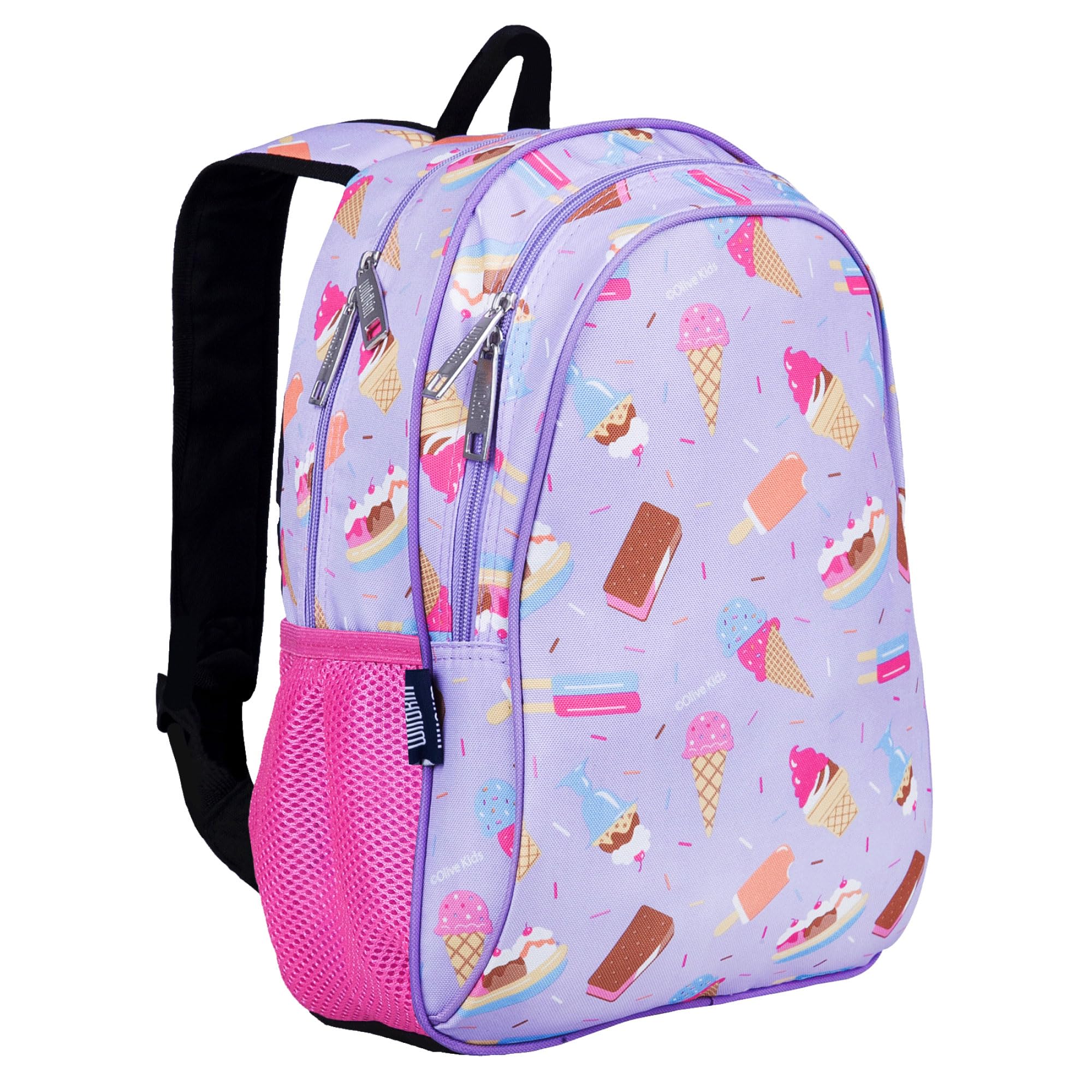
Wildkin Kids 15-Inch Backpack
Best for: Younger kids who want fun patterns
Sized for K–2 with a padded back and lots of prints kids love, often with a matching lunch bag available.
- 15-inch size suited to younger children
- Padded back panel and straps
- Many kid-friendly patterns
- Coordinating lunch bag options
Keep in mind: Lighter-duty than premium brands for heavy daily loads.
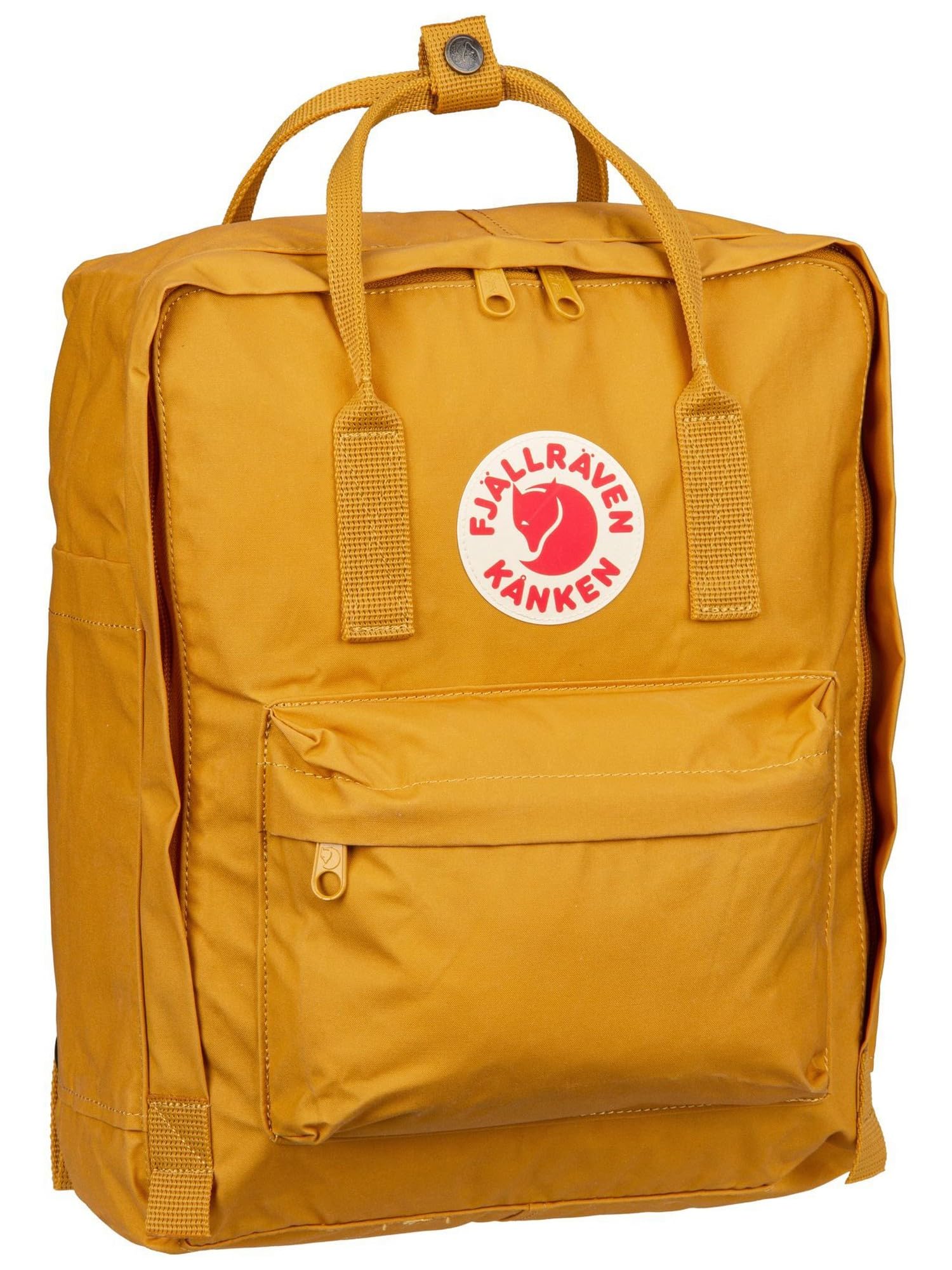
Fjällräven Kånken Kids Backpack
Best for: Keeping the load light and simple
A very light, durable pack in tough Vinylon fabric with a minimalist boxy shape and reflective accents for visibility.
- Lightweight, hard-wearing Vinylon fabric
- Simple main compartment with a flat front pocket
- Reflective logo and accents
- Ergonomic kid-sized fit
Keep in mind: Minimal padding and interior organization.
STATE Bags Kane Kids Backpack
Best for: Comfortable daily use
A padded, roomy pack that's a favorite for everyday elementary use, with a cushioned back and popular kid designs.
- Padded back panel and shoulder straps
- Roomy main compartment with front pocket
- Popular prints and colorways
- Wipe-clean exterior
Keep in mind: Costs more than basic packs.

High Sierra Loop Backpack
Best for: Upper-elementary kids carrying a tablet
A budget-friendly pack with more organization and a padded sleeve for a tablet or Chromebook — a good fit as schoolwork grows.
- Padded tablet/laptop sleeve
- Multiple compartments and pockets
- Padded, adjustable straps
- Budget-friendly pricing
Keep in mind: Larger size can overwhelm a small kindergartner.
As an Amazon Associate I earn from qualifying purchases. Mom's Magazine may earn a commission when you buy through links on this page, at no extra cost to you. Learn more.
Frequently Asked Questions
How should an elementary backpack fit?
It should sit between the shoulders and the waist without sagging low, with two padded, adjustable straps worn on both shoulders. Choose a pack proportional to your child's torso rather than an oversized one, and make sure it is light when empty so the weight budget goes to supplies, not the bag.
How heavy is too heavy for a loaded backpack?
Many pediatric sources suggest keeping a loaded pack to a modest fraction of a child's body weight, often cited around 10 to 15 percent, worn on both shoulders. The practical rule is to pack only what the day requires, put heavy items closest to the back, and use a locker or cubby when possible. Confirm the exact figure with a current pediatric source.
Do young kids need a laptop or tablet sleeve?
Usually not in the earliest grades, but a padded device sleeve becomes genuinely useful in upper elementary as schoolwork goes digital. For kindergartners, prioritize a smaller, lighter pack over device features they will not use yet.
Are rolling backpacks a good idea?
For most elementary kids, no. Wheeled packs are heavy, awkward on stairs and buses, and many schools do not allow them. A well-fitted two-strap pack worn on both shoulders is lighter and more practical for the typical school day.
How do I make a backpack last more than one year?
Buy for durability — reinforced stitching, tough water-resistant fabric, and padded straps — then maintain it: empty it weekly, spot-clean spills promptly, follow the care label for washing, and air it out after wet days. A mid-priced pack that is cared for often outlasts two cheap ones.
Related Guides
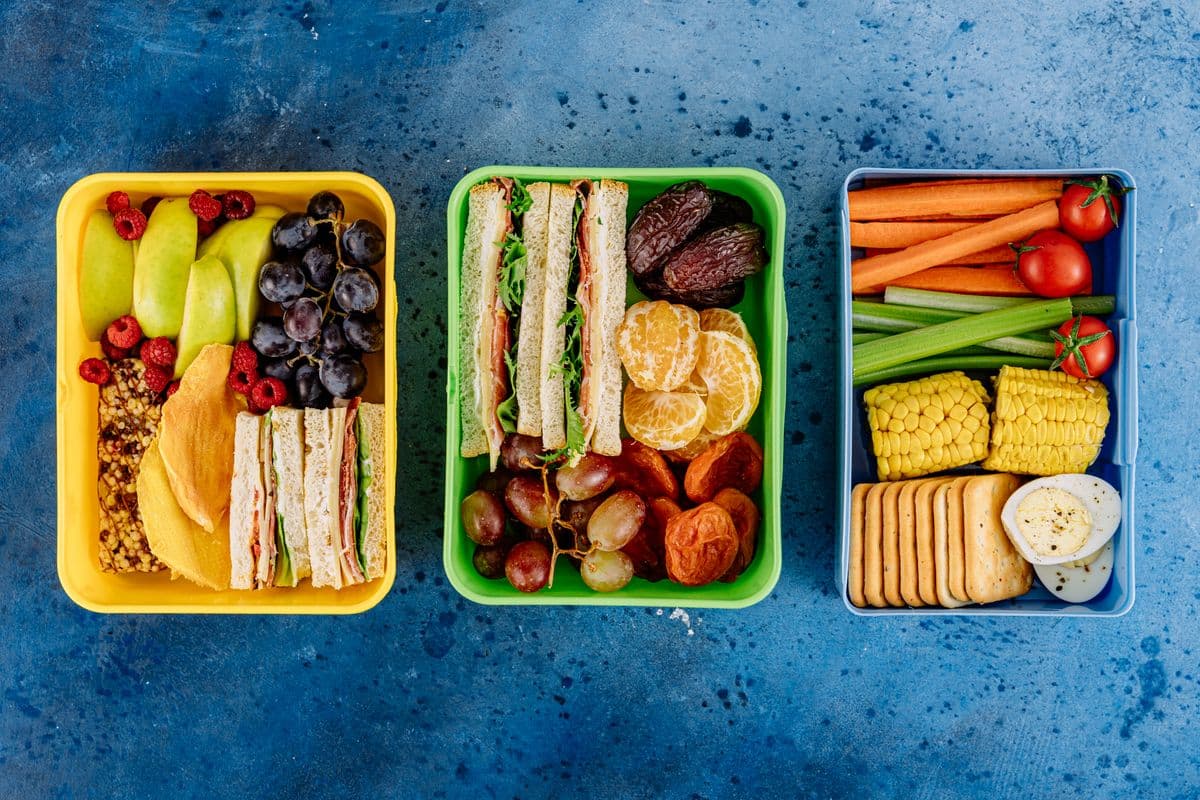
Best Lunch Boxes for Kindergarten (2026 Buying Guide)
Lunch box for kindergarten buying guide: hard vs soft, age bands, what to avoid, bento compartments, thermos wells, dishwasher care, backpack fit, short lunch periods, USDA FSIS / CDC packing notes, spill risk, and five Amazon picks.
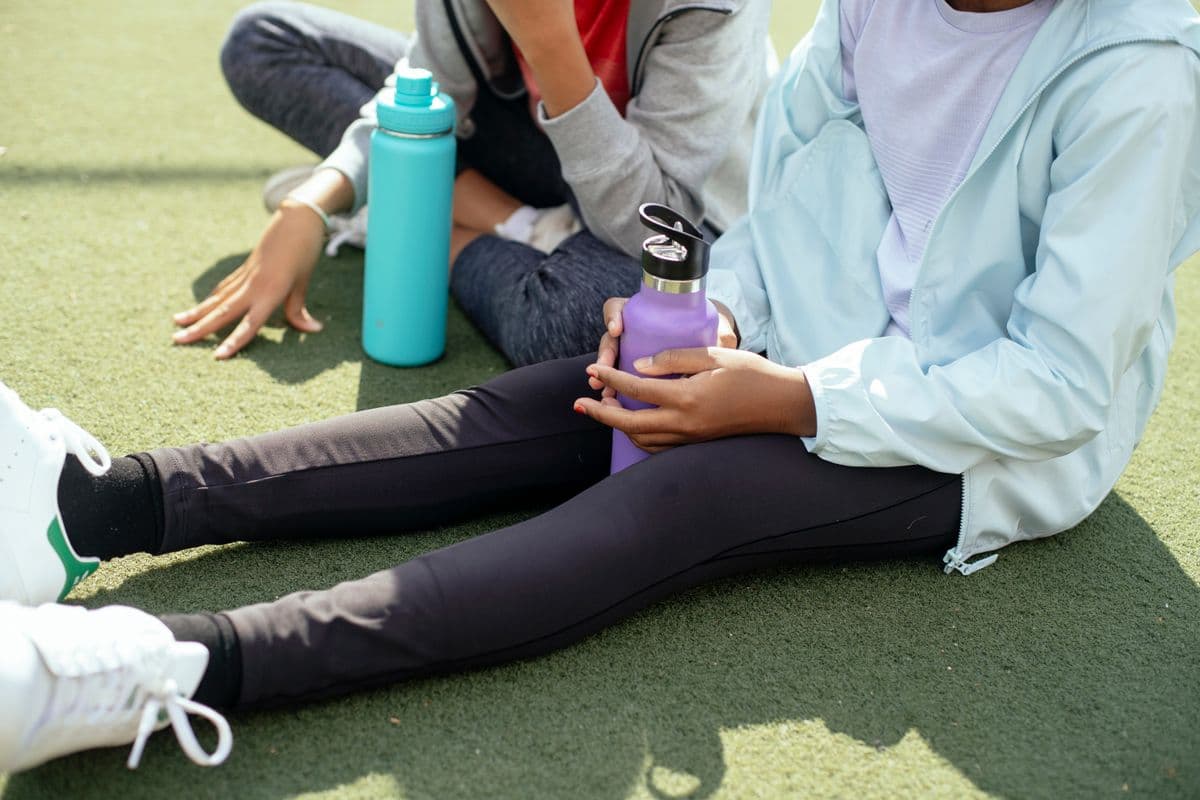
Best Water Bottles for Kids (2026): Preschool, Lunch Bag & Sports
Best water bottle for kids by job — preschool carry, school lunch bag, sports bag, and older-kid dual spout — plus leak tests, cleaning to stop straw mold, size by age, and CDC/AAP water guidance.
Back-to-School Checklist by Grade
A practical, grade-by-grade back-to-school checklist covering supplies, routines, and paperwork.
Mom's Magazine Editorial Team
Editorial Team
The Mom's Magazine editorial team researches and writes practical, plainly-sourced guidance for parents and families. Guides are reviewed for accuracy and updated as recommendations change. Where a topic calls for professional expertise, we cite reputable organizations and, for health topics, add a qualified reviewer before publishing.
Newsletter
Get the Weekly Mom List
One short email a week: the most useful guides, activities, and picks for your family. No spam, unsubscribe anytime.