Family Life
Back-to-School Checklist by Grade
A practical, grade-by-grade back-to-school checklist covering supplies, routines, and paperwork.
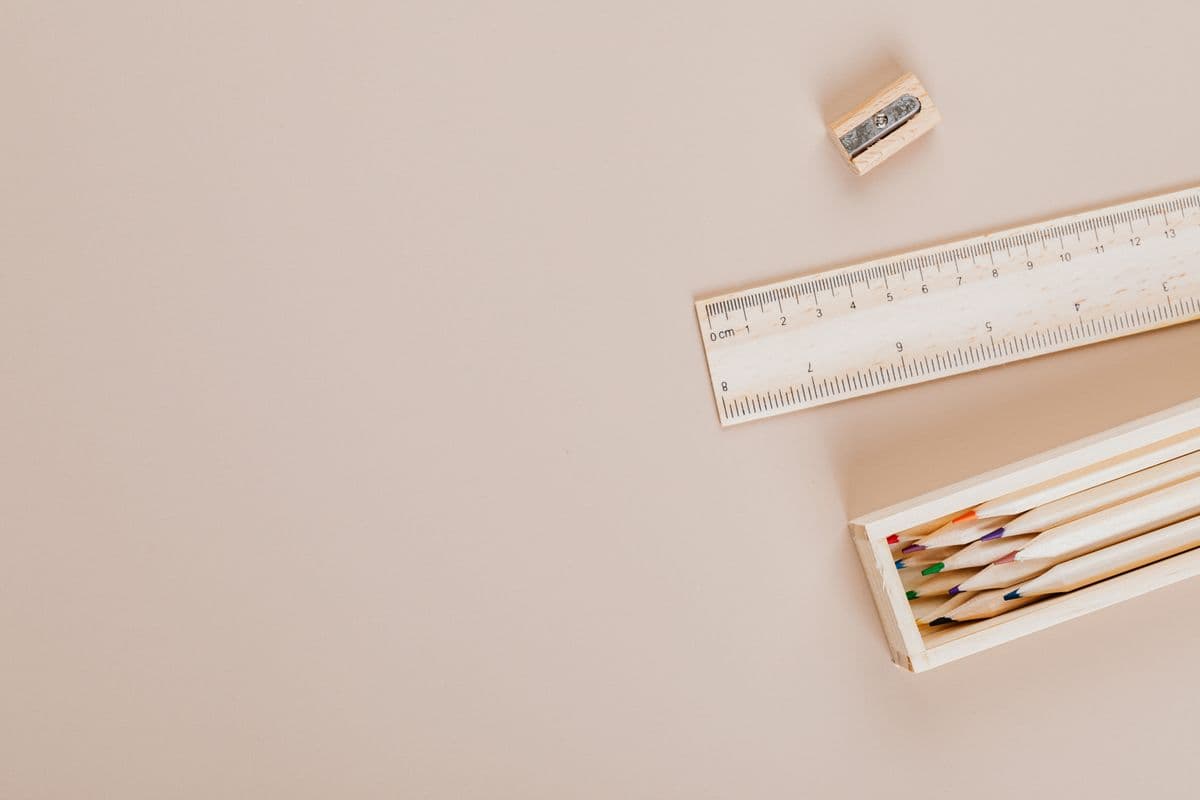
A good back-to-school checklist covers three things at every grade: supplies, routines, and paperwork. Younger grades lean on labeled basics and a set morning routine; older grades add organization tools, activity forms, and more independence. Start about two weeks out to avoid the last-minute rush.
A good back-to-school checklist does more than list pencils. The families who glide into the first day tend to prepare three things at every grade: supplies, routines, and paperwork. Get those moving about two weeks out and the last-minute scramble mostly disappears. This guide walks you through a simple countdown, an all-grades essentials list, and a grade-by-grade breakdown from preschool through high school.
Start two weeks out: a simple countdown
You don't need to do everything at once. Spreading the work across two weeks keeps it low-stress and gives you time to track down anything that's out of stock.
- Two weeks before: find the school supply list, take stock of what you already own, and start shifting bedtimes earlier by 10–15 minutes every few nights.
- One week before: shop for supplies and clothes, complete enrollment and health forms, and label everything for younger kids.
- A few days before: set up a homework and backpack drop spot, confirm the morning and bus/pickup plan, and do a practice run of the morning routine.
- Night before: lay out clothes, pack the bag, and prep lunch so day one is calm.
Do a practice morning
A day or two before school starts, run the full morning once — wake time, breakfast, getting dressed, out the door. It surfaces the bottlenecks while the stakes are still low.
The all-grades essentials
A handful of things belong on every family's list no matter the age. Start here, then layer on the grade-specific items below.
- Confirm the official school supply list (they vary by teacher and district)
- Re-establish consistent bedtimes and wake times
- Complete enrollment, emergency-contact, and health forms
- Update immunization records if your school requires them
- Label clothing, water bottles, and gear for younger kids
- Set up a homework station and a backpack drop spot
- Add key dates to a shared family calendar
- Plan the morning routine and the after-school pickup or bus plan
Grade-by-grade guide at a glance
Every stage leans on the same three pillars — supplies, routines, and paperwork — but the specifics shift as kids grow. Use this table as a quick map, then read the detail for your child's stage below.
| Grade | Key supplies | Routine focus | Paperwork |
|---|---|---|---|
| Preschool & Kindergarten | Labeled change of clothes, nap items, backpack that fits | Nap/rest, potty independence, morning routine | Enrollment, health & immunization forms |
| Elementary (1–5) | Pencils, crayons, folders, water bottle, labeled supplies | Homework habit, reading time, morning routine | Emergency contacts, activity forms |
| Middle school (6–8) | Planner or digital calendar, binders, combination lock | Organization, self-managed homework, sleep | Locker/PE forms, device agreements |
| High school (9–12) | Laptop/charger, planner, subject supplies | Time management, study blocks, activities | Athletics physicals, permissions, device policy |
Preschool and kindergarten
For the youngest students, the checklist is less about supplies and more about comfort and independence. A labeled change of clothes, anything needed for rest time, and a backpack sized to your child go a long way. Practice the skills that build first-day confidence: putting on shoes, opening lunch containers, and using the bathroom independently.
- A labeled spare change of clothes (accidents happen)
- A backpack small enough to carry comfortably
- Rest-time items if the program has them
- Practice opening lunch and snack containers at home
Elementary school (grades 1–5)
This is the classic supply-list stage. Beyond the pencils and folders, the highest-value work is building a homework habit and a predictable morning. A visible family calendar and a consistent after-school rhythm — snack, short break, homework, free time — prevent most weeknight friction.
- Labeled basics: pencils, erasers, crayons, folders, and a water bottle
- A simple homework station stocked with what they need
- A daily reading habit, even just 15 minutes
- A morning routine practiced before day one
Middle school (grades 6–8)
Middle school adds moving between classes, more teachers, and real organization demands. A planner (paper or digital) and a binder or folder system are the difference between on-top-of-it and overwhelmed. This is also the stage to hand over more ownership: let your student track their own assignments while you check in, rather than managing it for them.
- A planner or a shared digital calendar they actually use
- A binder/folder system per subject and a combination lock they've practiced
- A consistent homework block and a protected bedtime
- Any PE, locker, or device paperwork the school requires
High school (grades 9–12)
High schoolers are mostly self-managing, so the checklist shifts toward tools and logistics: a reliable laptop and charger, a planning system, and the paperwork that unlocks sports and activities. Help them set up study blocks and a calendar that includes tests, practices, and deadlines — then step back.
- A working laptop, charger, and a planning system
- Subject-specific supplies (calculator, lab notebook, etc.)
- Athletics physicals and activity permission forms, done early
- A weekly plan that blocks study time around activities
Set up routines that actually stick
Supplies are the easy part; routines are what make the year run. Three routines carry the most weight:
- Sleep: shift bedtimes earlier gradually the week before, and keep wake times consistent.
- Mornings: lay out clothes and pack bags the night before to cut decisions at 7 a.m.
- Homework: a set time and a dedicated, low-distraction spot beats 'whenever.'
Health and paperwork you can't skip
Forms are boring and also the thing most likely to trip you up on day one. Handle them early so nothing blocks your child from starting on time.
- Enrollment and emergency-contact forms
- Health forms and up-to-date immunization records (requirements vary by state and school)
- Sports physicals and activity permissions
- Any device or acceptable-use agreements
Check your school's specific requirements
Immunization and health-form rules vary by state and district. Confirm the current requirements with your school or a reputable public-health source rather than assuming last year's rules still apply.
Save money on supplies
- Shop your house first — you likely have half the list already.
- Buy generic for basics (pencils, folders) and spend where quality matters (a backpack that lasts).
- Watch for tax-free weekends and back-to-school sales.
- Split bulk buys with another family.
Supplies are one line in a much bigger year. Our family money and budgeting guides collect the rest of what we've written on keeping household costs manageable.
Frequently Asked Questions
When should I start back-to-school prep?
About two weeks before the first day. That's enough time to adjust sleep schedules gradually, shop without the crowds, and complete paperwork — without turning it into a stressful sprint.
What supplies does every grade need?
Nearly every list includes labeled basics (pencils, folders, a water bottle), plus a backpack that fits and a homework spot at home. Beyond that, always check the teacher- or district-specific list, since they vary.
How do I get my child back on a school sleep schedule?
Shift bedtime earlier by about 10–15 minutes every couple of nights in the week before school, and keep wake times consistent. Gradual changes are much easier than a sudden jump.
What paperwork do schools usually require?
Typically enrollment and emergency-contact forms, health and immunization records, and activity or sports permissions. Requirements vary by state and school, so confirm yours early.
How can I save money on school supplies?
Shop what you already own first, buy generic for basics, take advantage of tax-free weekends and sales, and invest only where durability matters — like a backpack that has to survive the whole year.
Related Guides
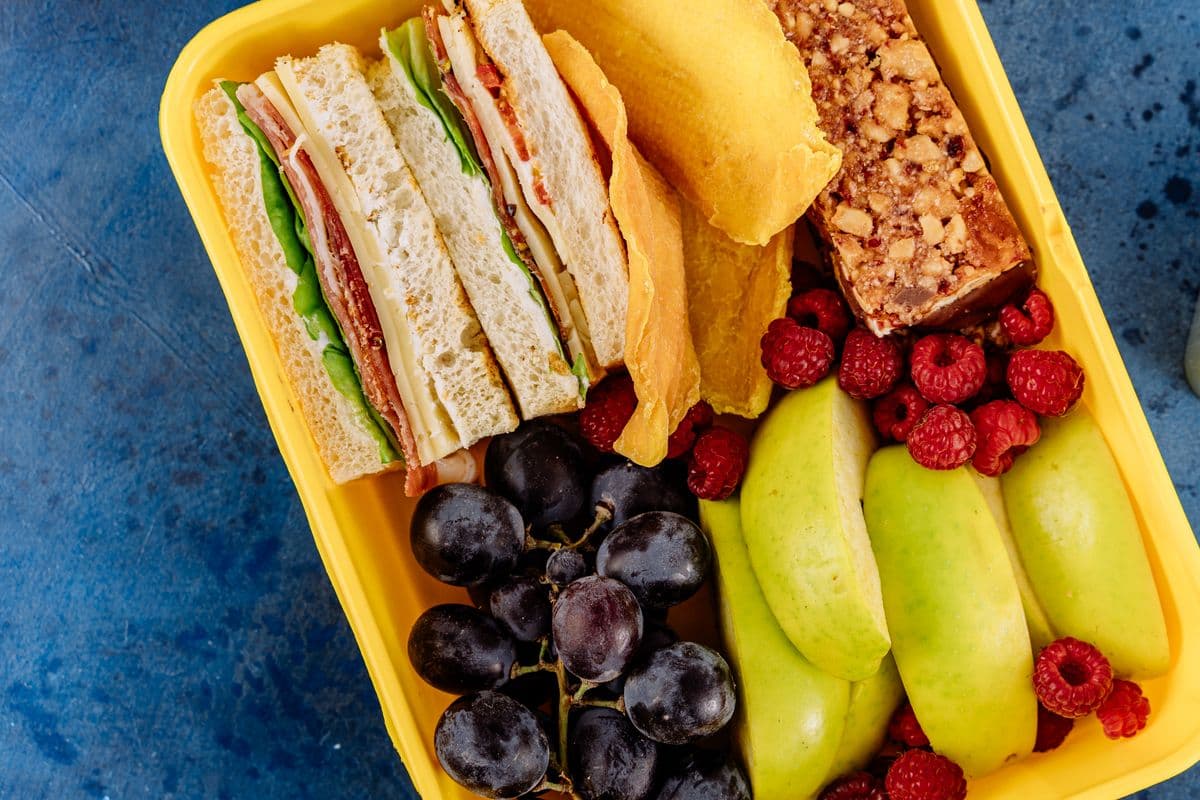
School Lunches That Don't Need Refrigeration: No-Fridge Ideas That Stay Food-Safe
School lunches that don't need refrigeration: shelf-stable protein, fruit and veggie ideas, how to pack a thermos so hot food stays safe, and the USDA 40°F–140°F rule for anything perishable.
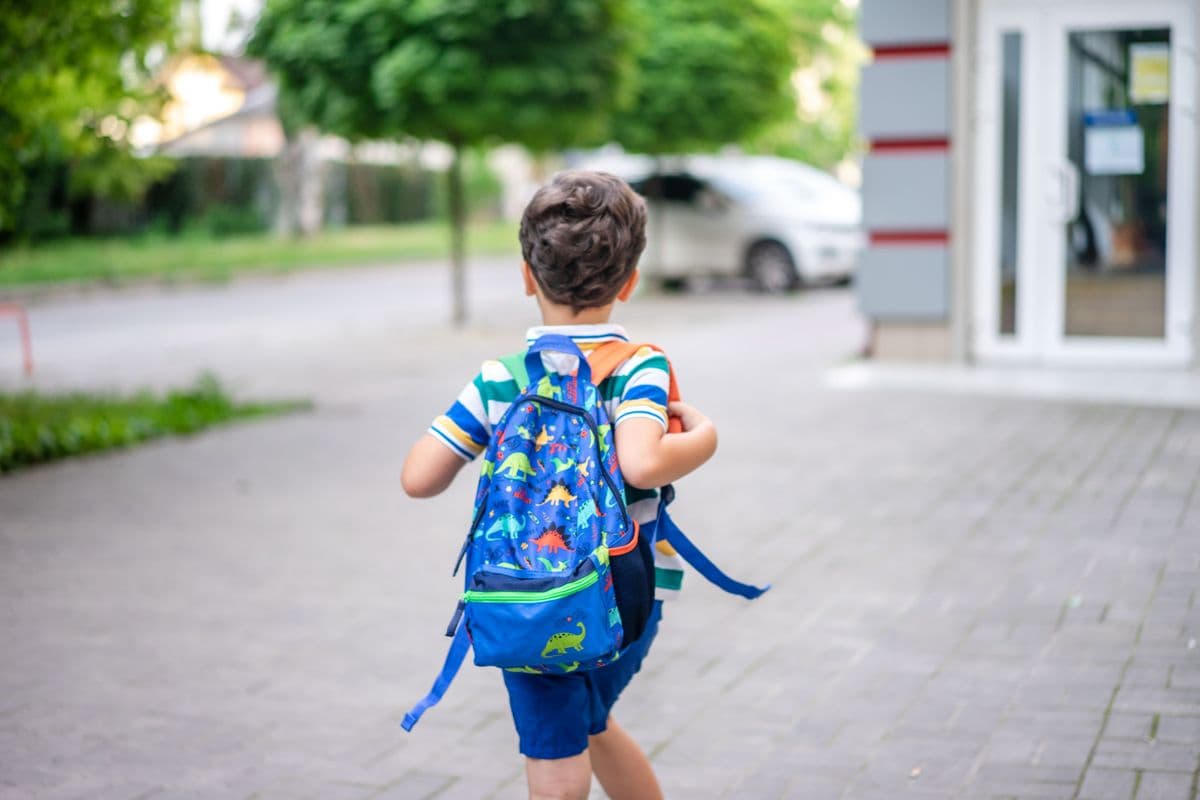
Best Backpacks for Elementary School
How to choose a well-fitting, durable elementary-school backpack, plus options to compare.
Mom's Magazine Editorial Team
Editorial Team
The Mom's Magazine editorial team researches and writes practical, plainly-sourced guidance for parents and families. Guides are reviewed for accuracy and updated as recommendations change. Where a topic calls for professional expertise, we cite reputable organizations and, for health topics, add a qualified reviewer before publishing.
Newsletter
Get the Weekly Mom List
One short email a week: the most useful guides, activities, and picks for your family. No spam, unsubscribe anytime.