Parenting
Kindergarten Readiness: A Checklist for What Actually Matters
Why kindergarten teachers weigh independence and social-emotional skills more heavily than letters and numbers, plus a realistic checklist and what to do if your child isn't there yet.
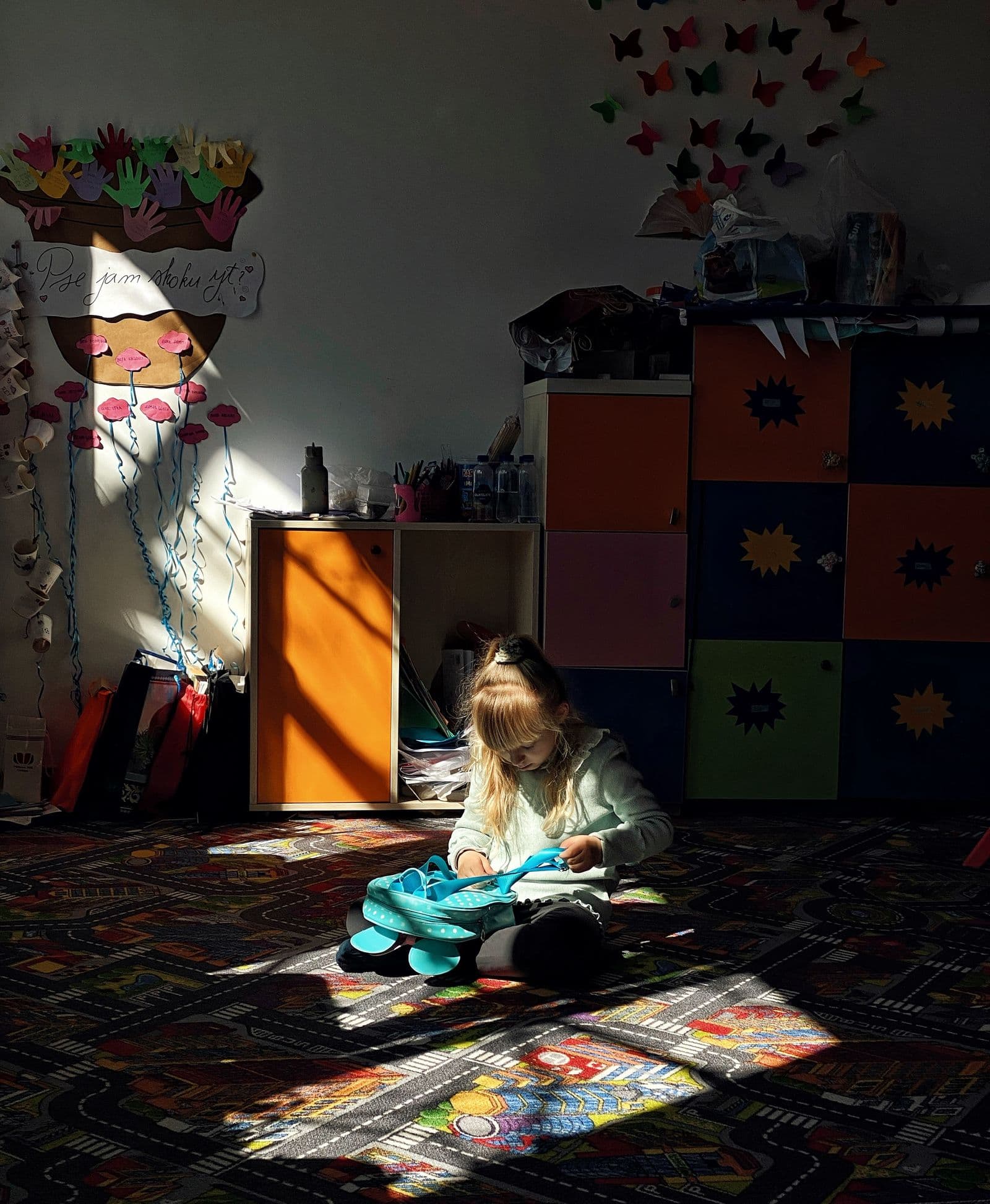
Kindergarten readiness is less about academics than most parents assume — early-childhood organizations like NAEYC frame it as a whole-child picture, and in practice, teachers weigh separating calmly, following two-step directions, basic self-care (using the bathroom, managing a coat and lunch box), and getting along with peers more heavily than knowing letters or counting. Academic pre-skills — recognizing some letters, listening to a story, counting a few objects — matter too, but a child who's socially and independently ready typically catches up academically faster than the reverse.
Kindergarten-readiness checklists online tend to lead with letters, numbers, and shapes, which is exactly backward from what most kindergarten teachers actually say matters most on day one. Here's the checklist reordered around what actually predicts an easier start, and what's worth doing if your child isn't quite there yet.
What actually matters most
The National Association for the Education of Young Children describes readiness as a whole-child picture — social, emotional, physical, language, and cognitive skills together — rather than a checklist a child either passes or fails. In day-to-day classroom terms, that translates to: can this child separate from a parent without prolonged distress, follow simple multi-step directions, manage basic self-care, and navigate small conflicts with peers with some adult support. Those skills carry more weight for a smooth start than knowing the alphabet.
Social-emotional and independence skills
- Separates from a parent or caregiver without prolonged distress
- Follows a two-step direction given without a demonstration ("put your folder in your cubby, then come sit down")
- Takes turns and shares with some adult reminding, not necessarily on their own yet
- Manages big feelings without hitting or biting most of the time, even if not every time
- Asks an adult for help when something's wrong, rather than staying stuck or melting down silently
Self-care basics
- Uses the bathroom independently, including wiping and re-dressing
- Washes and dries their own hands
- Puts on and takes off a coat and shoes without help (Velcro or slip-on shoes are fine)
- Opens their own lunch container, water bottle, and food packaging, or knows to ask for help
- Blows their own nose with a tissue
Academic building blocks (nice to have, not required)
- Recognizes some letters, especially the ones in their own name
- Sits through a short story and can answer a simple question about it afterward
- Counts a handful of objects, even if not accurately past ten
- Holds a crayon or pencil with some control, even an immature grip
Academics are the most catch-up-able skill set
Kindergarten curriculum is built assuming most children arrive at different starting points on letters and numbers — that's literally what the first months of school teach. Social-emotional and self-care skills are harder to teach quickly in a classroom of twenty, which is part of why they weigh more heavily on how the year starts.
What if my child isn't there yet?
A gap on a few items isn't a reason to panic, and it isn't unusual — plenty of kids arrive at kindergarten still working on one or two of these. Some families with a child close to their state's age cutoff consider delaying kindergarten a year (sometimes called redshirting); it's a genuinely debated choice among educators, with real arguments on both sides, and there's no universal right answer. The more useful move is a direct conversation with your child's current preschool or pre-K teacher, who has watched them in a group setting and can speak to specifics rather than a generic checklist.
Communication skills are tangled up in a lot of this — a child who can clearly tell a teacher what's wrong has an easier time than one who can't yet, regardless of academic skill. Our guide to toddler and preschool speech milestones covers what's typical and when a speech evaluation is worth asking about. And once you've picked a program, our guide to choosing a preschool covers what to look for if you're still deciding where your child will spend the year leading up to kindergarten.
Frequently Asked Questions
What age do kids typically start kindergarten?
It depends on your state's age cutoff, but most children start kindergarten around age 5, having turned 5 by a specific date set by the state or district. Check your local district's exact cutoff, since it varies by state.
Should I redshirt (delay) my summer-birthday child?
There's no single right answer — it's a genuinely debated choice among educators and families, with arguments on both sides. If you're weighing it, a direct conversation with your child's current preschool teacher and, if useful, their pediatrician, will be more specific to your child than a general rule.
My child doesn't know all their letters yet — should I worry?
Generally no. Letter recognition is one of the more catch-up-able skills in kindergarten and is taught deliberately in the first months of school. Self-care and social-emotional skills are harder to build quickly in a group setting, which is why they're weighted more heavily in most readiness discussions.
How can I help at home before kindergarten starts?
Practice the self-care basics directly — using the bathroom alone, opening lunch containers, putting on a coat — since these come up constantly in a school day. Practice short separations if that's a struggle, read together daily, and give two-step directions at home ('get your shoes, then meet me at the door') to build that specific skill.
Sources & Further Reading
- Readiness: Not a State of Knowledge, but a State of Mind — National Association for the Education of Young Children (NAEYC) (reviewed 2026-08-15)
Related Guides
How to Choose a Preschool: What to Ask and Look For
What to observe on a tour, the questions worth asking about ratios and curriculum, and the red flags that matter more than décor.

Toddler Speech Milestones by Age: What's Normal, and When to Act Early
General CDC speech and language milestones for 18 months, 2, and 3 years — plus the clear signs it's worth asking your pediatrician about a hearing and developmental check.
Best Water Bottles for Kids (2026): Preschool, Lunch Bag & Sports
Best water bottle for kids by job — preschool carry, school lunch bag, sports bag, and older-kid dual spout — plus leak tests, cleaning to stop straw mold, size by age, and CDC/AAP water guidance.
Mom's Magazine Editorial Team
Editorial Team
The Mom's Magazine editorial team researches and writes practical, plainly-sourced guidance for parents and families. Guides are reviewed for accuracy and updated as recommendations change. Where a topic calls for professional expertise, we cite reputable organizations and, for health topics, add a qualified reviewer before publishing.
Newsletter
Get the Weekly Mom List
One short email a week: the most useful guides, activities, and picks for your family. No spam, unsubscribe anytime.