Parenting
Toddler Speech Milestones by Age: What's Normal, and When to Act Early
General CDC speech and language milestones for 18 months, 2, and 3 years — plus the clear signs it's worth asking your pediatrician about a hearing and developmental check.

Every child talks on their own timeline, but there are general CDC markers: by 18 months, trying to say several words beyond "mama" and "dada" and following simple one-step directions; by 2 years, using two-word phrases; by 3 years, holding a short back-and-forth conversation and being understood by strangers most of the time. If your child isn't meeting these, loses skills they had, or you're simply worried, don't wait and see — ask your pediatrician about a hearing test and a developmental screening. Acting early is what helps most.
The toddler language explosion is thrilling — and it's also the source of a thousand 3 a.m. "is my kid behind?" worries. Here's the reassuring, evidence-based version, with the general milestones from the CDC and, more importantly, the signs that mean it's worth a phone call rather than a wait.
General speech milestones by age (CDC)
| Age | What many children are doing |
|---|---|
| By 18 months | Trying to say three or more words besides "mama" and "dada," and following a one-step direction given without a gesture. |
| By 2 years | Putting two words together ("more milk"), pointing to things in a book when asked, and being understood by familiar adults some of the time. |
| By 3 years | Having a short back-and-forth conversation, asking "where" questions, saying their first name, and talking clearly enough for strangers to understand most of the time. |
A range, not a deadline
These are general markers, and plenty of happy, typical kids hit them a little early or a little late. They're a guide for noticing patterns — not a scoreboard for a single Tuesday.
Speech is one of several areas the CDC tracks. For the physical side of the same checklist, baby motor milestones by age runs from rolling through first steps and flags the variations that usually aren't a problem.
When to act early — and why waiting isn't the safe option
The CDC's guidance is direct: if your child isn't meeting one or more milestones, loses skills they once had, or you have any concern, talk to your pediatrician and ask about developmental screening. "Wait and see" feels safe, but acting early is what actually helps — a young brain is at its most adaptable, and an early evaluation is free through your state's early-intervention program.
The Reddit thread every worried parent should read
Two of the most-upvoted speech-delay posts in r/toddlers share a title, more or less: "UPDATE: it was hearing loss." They're from parents who trusted a gut feeling that something was off, pushed for a hearing test despite being told to wait — and found a real, treatable cause hiding behind the "delay." It's the single best argument going for the CDC's act-early message: a speech check often starts with a hearing check, and catching something like fluid or hearing loss early can change everything. (And for balance, r/toddlers is also full of joyful "my speech-delayed toddler finally said his first word" threads — late talkers very often catch up, especially with support.)
How to support talking at home
- Narrate your day out loud — "I'm cutting the apple, it's crunchy" — so words attach to real things.
- Read together every day, and let them turn pages, point, and "read" back to you.
- Get face to face and take turns: say something, wait, and respond to whatever they offer.
- Expand on what they say: they say "dog," you say "big brown dog!"
- Keep background screens off — language grows through back-and-forth with people, not passive audio.
"Late talker" vs. language delay — the distinction that matters
Not every slow-to-talk toddler has a language delay, and the difference is worth understanding — though the response to both is the same: get it checked rather than wait. A "late talker" typically has strong comprehension (they follow directions, point to things, clearly understand you), good social engagement and gestures, but fewer spoken words than expected for their age; many catch up. A broader delay is more likely when a child also struggles to understand language, doesn't use gestures like pointing or waving, doesn't respond to their name, or loses words they had. The reassuring part is that strong understanding is a genuinely good sign — and the practical part is that you don't have to sort out which is which yourself. An evaluation does that.
Signs to prompt a check regardless of age
Beyond the age milestones: no babbling by around 12 months, no gestures like pointing or waving by about 12 months, not responding to their name, losing speech or social skills they once had, or not understanding simple requests. Any of these is a reason to ask your pediatrician now, not later — and a hearing test is usually the first step.
How to actually request a free evaluation
Here's the part many parents don't realize: in the U.S., you don't need a doctor's referral to get your child evaluated. Every state runs a free early-intervention program for children under 3 (and the public school district takes over evaluations from age 3), and you can contact them directly:
- Under age 3: search "[your state] early intervention" and call to request an evaluation — you can self-refer, and the assessment is free regardless of income or insurance.
- Age 3 and up: contact your local public school district's special-education or "child find" office to request a free evaluation, even before your child is enrolled.
- Also tell your pediatrician, and ask specifically for a hearing test — undetected hearing loss or chronic ear fluid is a common, treatable cause of speech delay.
- Don't wait for a referral or a "let's see in six months" — you can start both tracks yourself today, and early support is what helps most.
The myths that keep parents waiting too long
- "Boys just talk later." There's wide individual variation, but a real delay deserves a look regardless of sex — chalking it up to gender can delay helpful support.
- "Being bilingual is causing the delay." It isn't — bilingual kids' total language is on track, and a true delay shows up across both languages.
- "He understands everything, so he's fine." Strong understanding is reassuring, but a big gap between understanding and talking is still worth evaluating.
- "She'll grow out of it." Many late talkers do catch up — but you can't know in advance which ones won't, and an evaluation costs little while waiting can cost time a young brain uses best.
Everyday routines that build language (no flashcards needed)
The single biggest driver of early language is simple back-and-forth interaction with the people around a child — which means the ordinary moments of your day are also your best speech-building tool. You don't need apps or drills; you need to talk with your child, not just at them:
- Narrate routines: bath, diaper changes, cooking, and errands are all chances to name what's happening ("warm water, splash, here's the soap").
- Follow their lead: talk about whatever they're looking at or pointing to — words stick best when they're attached to something the child cares about right now.
- Use the "serve and return": say something, pause, and treat any response (a sound, a gesture, a word) as a turn in the conversation, then respond back.
- Expand, don't correct: when they say "car," you say "yes, a fast red car!" — modeling more without making them feel wrong.
- Read the same books over and over, let them fill in familiar words, and sing songs with gestures — repetition and rhythm are language gold.
- Keep background TV and screens off during these moments; language grows through live interaction, not passive audio.
Interaction beats any app
No screen-based "learning" program builds language the way a responsive back-and-forth with you does. A child learns words from the give-and-take of real conversation — the pausing, the eye contact, the response to what they offer — which is exactly what a screen can't give back.
That 2 a.m. babble is often the language explosion in action — see toddler sleep regressions and sleep props. And because interaction is what builds language, what the AAP actually says about screen time is worth a read.
Communication skills are also a bigger factor in kindergarten readiness than most checklists mention — a child who can clearly tell a teacher what's wrong has an easier adjustment than one who can't yet. Our kindergarten readiness checklist covers what actually matters most, beyond letters and numbers.
Frequently Asked Questions
My 2-year-old barely talks but understands everything. Should I worry?
Strong understanding is a genuinely good sign, and many late talkers catch up. But "understands everything, says little" is still worth mentioning to your pediatrician, who will likely start with a hearing check. Acting early costs little and can catch a treatable cause.
Does being bilingual cause speech delay?
No. Growing up bilingual doesn't cause a language delay. Bilingual kids may mix languages or seem to have a smaller vocabulary in each one early on, but their total language is on track. A true delay shows up across both languages — flag that with your pediatrician.
What's the first step if I'm worried?
Talk to your pediatrician and ask specifically about a hearing test and a developmental screening. You can also contact your state's early-intervention program directly for a free evaluation — you don't need to wait for a referral.
What's the difference between a 'late talker' and a language delay?
A late talker usually understands well, uses gestures, and engages socially but has fewer spoken words; many catch up. A broader delay is more likely when a child also struggles to understand language, doesn't point or wave, doesn't respond to their name, or loses skills. Both warrant an evaluation — you don't have to figure out which it is yourself, and strong comprehension is a genuinely encouraging sign.
How do I get a free early-intervention evaluation?
For children under 3, search '[your state] early intervention' and call to self-refer — no doctor's referral needed, and it's free regardless of insurance. For age 3 and up, contact your local public school district's special-education or 'child find' office. Do both alongside telling your pediatrician and requesting a hearing test.
Sources & Further Reading
- Milestones by 18 Months (Learn the Signs. Act Early.) — Centers for Disease Control and Prevention (reviewed 2026-08-12)
- Milestones by 2 Years (Learn the Signs. Act Early.) — Centers for Disease Control and Prevention (reviewed 2026-08-12)
- Milestones by 3 Years (Learn the Signs. Act Early.) — Centers for Disease Control and Prevention (reviewed 2026-08-12)
Related Guides

Toddler Sleep Regressions & Sleep "Props": Why It Happens and What Helps
Why a good sleeper suddenly fights bed or wakes at night, why toddlers cling to odd sleep rituals and comfort objects, and how to ride it out.
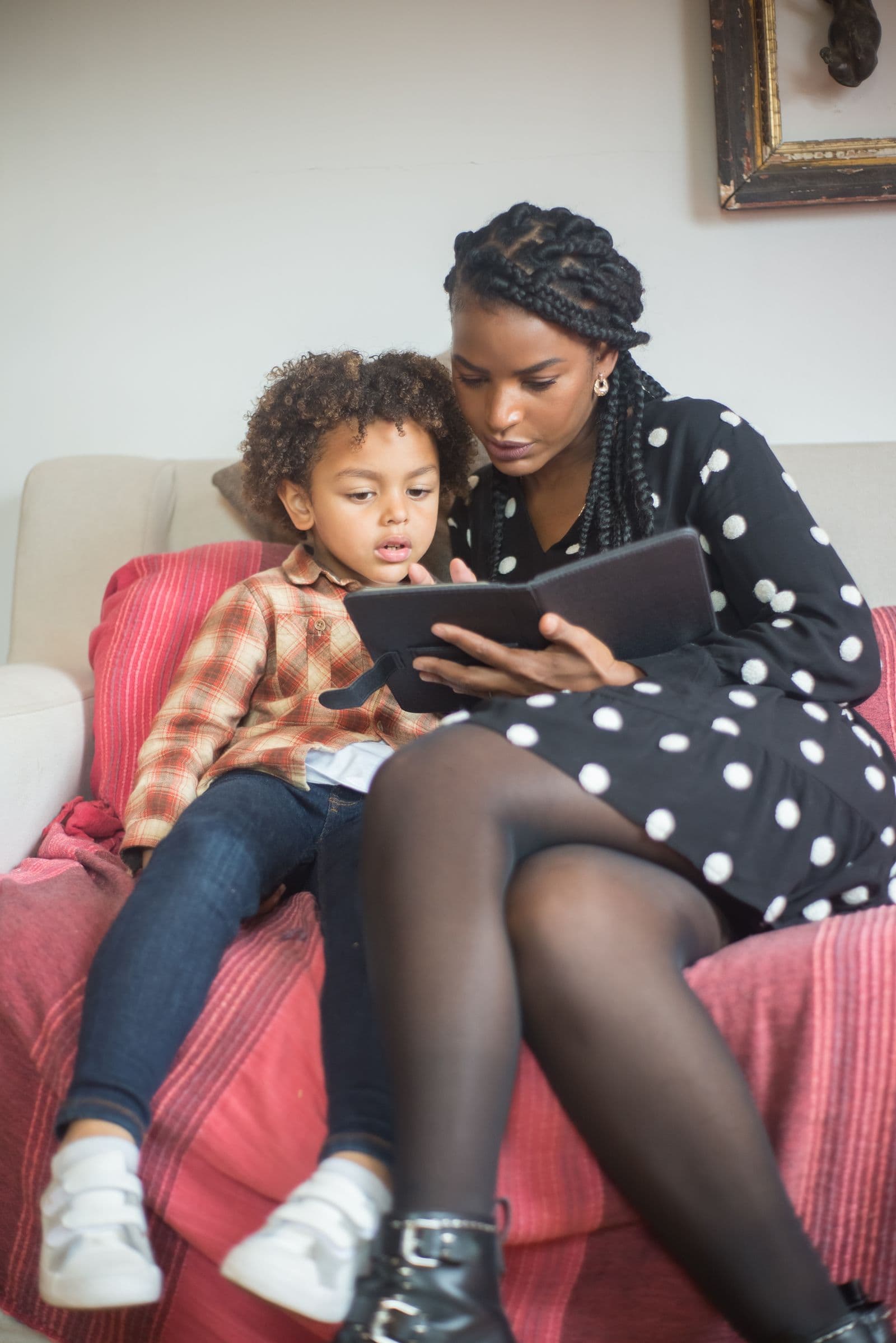
Screen Time by Age: What the AAP Actually Recommends
The American Academy of Pediatrics' screen-time recommendations for babies, toddlers, and preschoolers — by age, in plain language.

"Is This Normal?" 10 Newborn Behaviors That Surprise New Parents
The startling-but-normal things newborns do — from noisy breathing to "newborn blindness" — and the few real red flags that mean call your pediatrician.
Mom's Magazine Editorial Team
Editorial Team
The Mom's Magazine editorial team researches and writes practical, plainly-sourced guidance for parents and families. Guides are reviewed for accuracy and updated as recommendations change. Where a topic calls for professional expertise, we cite reputable organizations and, for health topics, add a qualified reviewer before publishing.
Newsletter
Get the Weekly Mom List
One short email a week: the most useful guides, activities, and picks for your family. No spam, unsubscribe anytime.