Parenting
Screen Time by Age: What the AAP Actually Recommends
The American Academy of Pediatrics' screen-time recommendations for babies, toddlers, and preschoolers — by age, in plain language.
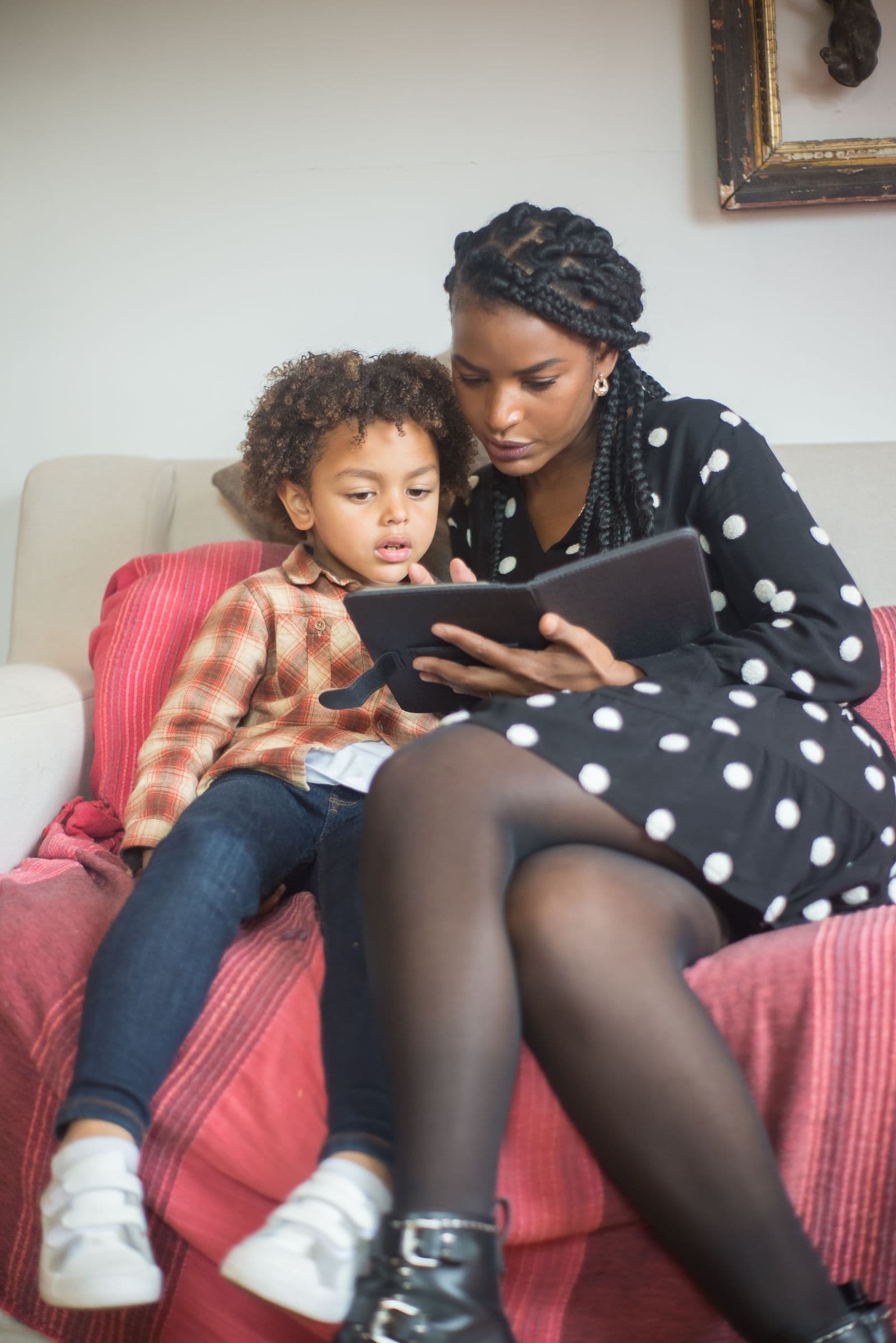
The American Academy of Pediatrics recommends no screen media before 18 months except live video chat; for 18–24 months, only high-quality programming watched together; and for ages 2–5, about one hour a day of high-quality content, co-viewed when you can. At every age the AAP advises keeping meals, playtime, and bedrooms screen-free and turning screens off about an hour before bed. What kids watch — and whether you watch with them — matters as much as the number on the clock.
Few parenting topics stir up as much guilt as screen time. The good news: the American Academy of Pediatrics' (AAP) advice is more practical than "never" — it's about matching screens to your child's age, choosing good content, and protecting sleep and connection.
AAP screen-time recommendations by age
| Age | AAP guidance |
|---|---|
| Under 18 months | Avoid screen media other than live video chat (a FaceTime with grandparents is fine). |
| 18–24 months | If you introduce screens, pick high-quality programming and watch together — not solo watching. |
| 2–5 years | Limit to about 1 hour per day of high-quality programming, and co-view when you can. |
| 6 and up | Set consistent limits on time and content, and keep screens from crowding out sleep, activity, and family time. |
Why is video chat an exception?
The AAP treats live video chat differently because it's interactive and social — a real back-and-forth with a person, not passive watching.
Quality and co-viewing matter more than the clock
An hour of a slow, gentle show you watch together is very different from an hour of fast, autoplaying clips alone. Content and context are where most of the benefit — or harm — actually lives.
- Choose slow-paced, age-appropriate shows and apps over fast, hyper-stimulating ones.
- Watch together and talk about what you see — it turns screen time into shared time.
- Try not to rely on screens as the main way to calm big feelings, so kids can build other coping skills.
Simple family screen habits that stick
- Keep bedrooms screen-free — charge devices outside the room overnight.
- Make meals and playtime screen-free for everyone, parents included.
- Turn screens off about an hour before bed to protect sleep.
- Model the limits you set — kids copy what they see you do.
What parents are actually working out (and where the guilt comes from)
Whenever the AAP updates its screen-time guidance, the big parenting communities light up — a recent "Screen Time Updates from AAP" thread in r/Parenting drew hundreds of comments fast. The tension in those threads is almost always the same: a parent who wants to honor the "about an hour" guideline but is running on no sleep and needs twenty minutes of a show to get dinner on the table. The reassuring throughline is that occasional, high-quality, co-viewed screen time is not what the guidance is worried about — all-day background TV and screens standing in for every hard moment are.
It helps to separate "foreground" from "background" screens. A show your child actively watches for a set stretch is very different from a TV murmuring in the room all afternoon — and the background kind is both the easiest to trim and the one most parents forget to count. And if you're using a screen to survive the witching hour, you're in extremely normal company; the goal is a predictable window, not zero.
Make the hour predictable, not random
Kids handle limits far better when screen time is a known part of the day — "one episode after bath" — than when it's an unpredictable tug-of-war they renegotiate every time.
The hardest part isn't the hour — it's turning it off
For most families the meltdown isn't about screen time existing; it's the moment it ends. A few techniques make the off-switch far less explosive, and they work better than a surprise "okay, done!":
- Make the end predictable: "one episode" or "until the timer beeps" gives a natural stopping point that isn't you versus them.
- Give a heads-up: a two-minute warning lets a young brain prepare for the transition instead of being yanked out of it.
- Watch the ending together and narrate the hand-off: "That's the last one — let's go see what's next," then move straight into an appealing activity.
- Avoid stopping mid-episode when you can; cutting off in the middle reliably triggers the biggest protests.
- Hold the limit calmly when the protest comes — the tantrum is about the fun ending, not a sign the limit was wrong.
Screens and sleep don't mix
The AAP specifically recommends keeping screens out of the bedroom and powering down about an hour before bed. Screen use close to bedtime is linked to harder, later sleep — both from the stimulating content and the light — which is why the pre-bed cutoff is one of the guidelines worth holding even on the days the rest slides.
Signs screen time has tipped too far
Rather than fixating on the exact number of minutes, watch for whether screens are crowding out the things young kids need. The AAP's real concern is displacement — screens replacing sleep, movement, play, and face-to-face interaction. Signs it's worth resetting:
- Screens are routinely winning out over active play, outdoor time, or sleep.
- Every hard moment gets handed a device, so other coping skills aren't developing.
- Turning it off reliably triggers meltdowns out of proportion to the rest of the day.
- Background TV is on for hours whether or not anyone's watching it.
How to cut back without a war
If screens have crept up — extremely common, especially after a stretch of illness, travel, or a new baby — you don't have to go cold turkey. Ratchet down gradually: trim the daily amount a little at a time, replace one predictable screen slot with an equally appealing activity (a bath, an outing, helping in the kitchen), and cut background TV first since it's the easiest to lose. Expect a few rough days as the new normal sets in, then hold it steady — predictability is what makes a lower limit stick.
How to make the screen time you do allow actually good
The AAP keeps emphasizing co-viewing for a reason: watching with your child and talking about what's on screen is what turns passive watching into something closer to interaction — the thing young kids learn from. You don't have to narrate every minute, but a little engagement changes the value of the time:
- Talk about what's happening: "Where did the puppy go? What do you think he'll do?" — it builds language and comprehension.
- Connect it to real life: "We have a red ball like that one!" helps a toddler transfer what they see to the world.
- Choose content built for participation — shows that pause and ask questions, or that model kindness and problem-solving.
- Favor slow-paced programming over fast, frantically-edited clips; the slower stuff is easier for a young brain to follow and less over-stimulating.
- Skip autoplay and endless recommended feeds — pick a show, watch it, and stop, so the screen has a clear beginning and end.
Not all screen time is equal
An hour of a gentle show you watch and discuss together is a genuinely different thing from an hour of solo, autoplaying, hyper-stimulating clips. When you can't co-view, high-quality, slower content still beats fast content — the what matters as much as the how much.
Looking for what to do instead of a screen? Our screen-free activity ideas has options by age, indoors and out, and a solid bedtime routine makes the pre-sleep screen cutoff a lot easier to hold.
Frequently Asked Questions
Is a little screen time bad for toddlers?
A small amount of high-quality, co-viewed content isn't something to feel guilty about. The AAP's concern is with heavy solo use — and with screens displacing sleep, play, and interaction — more than with any single show.
Does video chatting with grandparents count against the limit?
No. The AAP treats live video chat as an exception because it's interactive and social, unlike passive watching.
What counts as "high-quality" programming?
Slower-paced, age-appropriate shows and apps designed to be watched or used with a caregiver, without aggressive ads or endless autoplay. Public-media kids' shows are a common example.
Does screen time on a long flight or road trip count?
Occasional situational screen time — a flight, a long drive, a doctor's waiting room — is exactly the kind of practical exception the guidance leaves room for. It's the everyday, all-day background use that the AAP is more concerned about, not the tablet that gets a toddler through a five-hour flight. Use it, then return to your normal routine when you're home.
How do I cut back if screen time has crept up?
Go gradual rather than cold turkey. Trim the daily amount a bit at a time, cut background TV first, and swap one reliable screen slot for an equally appealing activity. Expect a few rough days, keep the new limit predictable ("one show after bath"), and hold it steady — consistency is what makes a lower limit stick without a constant fight.
Sources & Further Reading
- Media and Young Minds (Policy Statement) — American Academy of Pediatrics (reviewed 2026-08-12)
Related Guides

Screen-Free Activities for Kids
Screen-free activities for kids across ages: off-screen play as a habit, AAP Family Media Plan zones, and CDC screen lines.
Building a Bedtime Routine That Works
A simple, consistent bedtime routine that helps kids wind down and fall asleep more easily.

Indoor Activities for Toddlers
Indoor activities for toddlers ages 1 to 3: dump, fill, and scoop play, short setups, and close-supervision notes from CDC and AAP pages.
Mom's Magazine Editorial Team
Editorial Team
The Mom's Magazine editorial team researches and writes practical, plainly-sourced guidance for parents and families. Guides are reviewed for accuracy and updated as recommendations change. Where a topic calls for professional expertise, we cite reputable organizations and, for health topics, add a qualified reviewer before publishing.
Newsletter
Get the Weekly Mom List
One short email a week: the most useful guides, activities, and picks for your family. No spam, unsubscribe anytime.