Parenting
Building a Bedtime Routine That Works
A simple, consistent bedtime routine that helps kids wind down and fall asleep more easily.
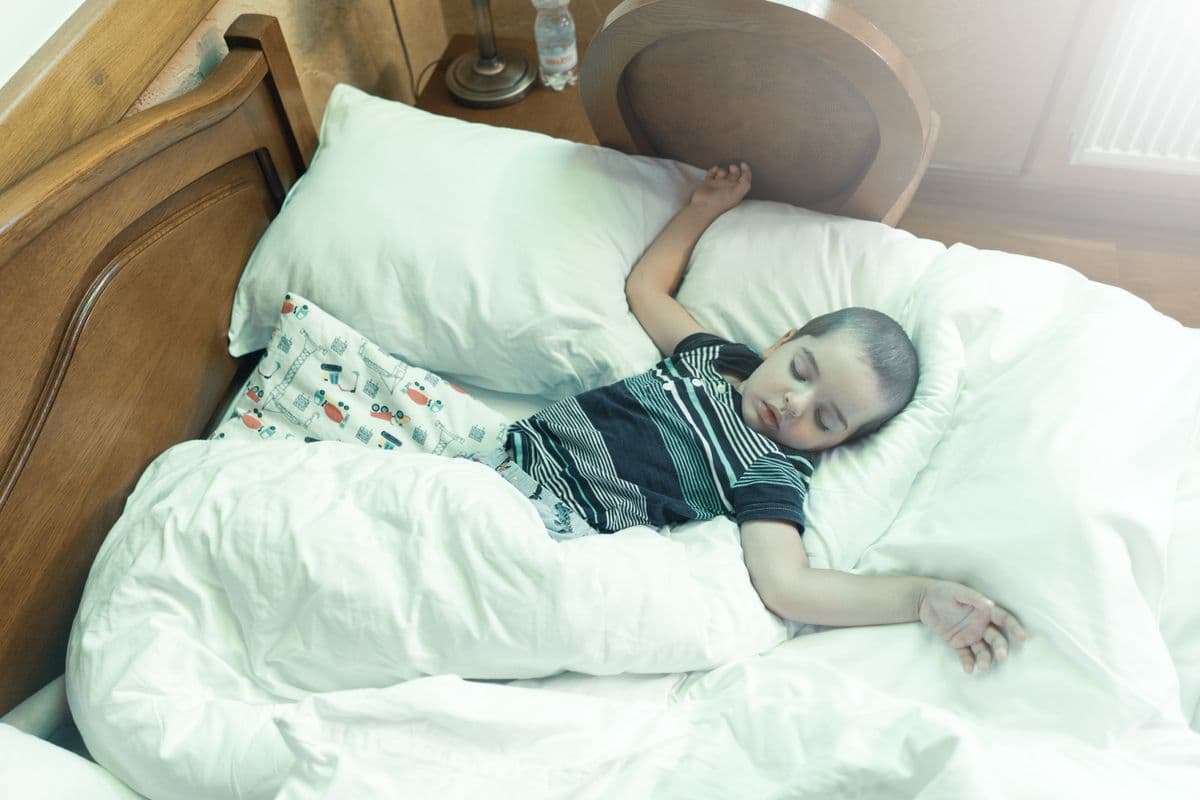
A good bedtime routine is short, consistent, and the same order every night — a wind-down sequence like bath, pajamas, teeth, books, lights out. Predictability signals the body it's time to sleep, so the routine matters more than the exact steps. Dim the lights and turn off screens well before bed to help kids settle.
The nights that go smoothly are rarely the ones where you found the perfect trick. They are the ones where the same quiet sequence unfolds in the same order, so a child's body starts winding down before you have even reached the last step. A bedtime routine works because of predictability, not because of any single magic ingredient. Once the pattern is set, the routine begins doing the work for you — the bath, the pajamas, the books all become signals that sleep is coming. This guide covers why routines work, a simple sequence to adapt, how to time it, and how to handle the stalling, resistance, and rough patches that every family runs into.
Why a consistent routine works
A bedtime routine is essentially a series of cues. When the same calming steps happen in the same order every night, a child's body and brain learn to read them as a countdown to sleep. The routine becomes a bridge from the busy, stimulating day to the stillness of lying down in the dark — a transition that is genuinely hard for young children to make on their own.
The American Academy of Pediatrics, through HealthyChildren.org, emphasizes consistent, calming sleep habits as a cornerstone of healthy sleep for kids. The steadiness is the active ingredient. Which steps you choose matters far less than doing them in the same order, at roughly the same time, night after night.
Order beats content
Two families can have completely different routines — one does bath first, another saves it for morning — and both work fine. What they share is that the sequence does not change from night to night. Pick steps that fit your family, then protect the order.
A simple wind-down sequence
Here is a common, flexible sequence you can adapt. The aim is a calm, downhill slope toward sleep, with the energy dropping at each step rather than spiking.
- Signal the wind-down. A simple phrase — Okay, heading toward bed — starts the countdown so it is not abrupt.
- Bath or wash-up. Warm water and a change of pace help the body shift gears.
- Pajamas and brushing teeth. The practical steps, kept low-key.
- Into bed for books. Move to the actual sleep space and read together — often the emotional heart of the routine.
- A quiet moment. A short chat about the day, a song, or a few calm words.
- Lights out with a consistent goodnight. The same closing phrase and the same time each night.
Notice the direction of travel: from active to still, bright to dim, together to settling. You do not need every step — a shorter version done consistently beats an elaborate one you cannot keep up.
Timing the routine
A routine that runs too long invites stalling; one that is rushed does not give the body time to shift gears. Use the table as a rough frame and adjust to your child, keeping in mind that appropriate total sleep and bedtimes vary a good deal by age.
| Step | Rough timing | What it does |
|---|---|---|
| Wind-down signal | The cue to begin | Ends active play; sets expectations so bedtime is not a surprise |
| Bath or wash-up | Early in the sequence | Marks the shift from day to night and calms the body |
| Pajamas and teeth | Middle | Practical steps, kept brief and low-stimulation |
| Books in bed | The main event | Connection and calm in the actual sleep space |
| Quiet moment | Just before lights out | A final settle — a chat, a song, a soft goodnight |
| Lights out | Same time each night | The consistent endpoint that anchors the whole routine |
Keep it short and calming
For most kids a routine of roughly twenty to thirty minutes is plenty. Longer than that and it tends to drift into stalling; the goal is a calm, predictable glide to sleep, not a lengthy production.
Set up the sleep environment
The room itself is part of the routine. A space set up for sleep makes the whole sequence easier, because the environment keeps sending the same signal after you leave.
- Dim the lights well before bed; bright light works against the body's natural wind-down.
- Power down screens ahead of bedtime — the content is stimulating and the light does not help. Trade the screen for books.
- Keep the room cool, dark, and quiet, using a night-light if your child prefers one.
- Keep the bed for sleep where you can, rather than a spot for active play, so lying down is associated with settling.
Where you actually sit for the books step matters more than people expect — a chair that's genuinely comfortable for ten minutes of reading, every night, gets used; one that isn't tends to get skipped. Our comparison of nursery gliders and rocking chairs breaks down what's worth paying for versus what's a nice-to-have.
White noise is the one piece of sleep gear worth thinking about carefully, mostly because of volume and placement. Our comparison of baby sound machines covers what actually differs between nursery, all-in-one, and portable models, along with hearing-safety guidance that applies whichever one you buy.
Handling common bedtime challenges
Even a solid routine meets resistance. These are the snags nearly every family hits, and steady, boring consistency handles most of them better than a new gadget or a nightly renegotiation.
The endless stalling
One more book, another drink, a sudden urgent story. Build the reasonable requests into the routine itself — the last drink, the last trip to the bathroom, the two books — so they are already accounted for. Then hold the line kindly and predictably. A calm, repeated last book, then sleep works better than a fresh negotiation each night.
Getting out of bed
When a child pops back out, the quiet, low-drama approach tends to work best: calmly walk them back with minimal talking and little fuss. Big reactions, even frustrated ones, can accidentally make the trip out of bed more rewarding. Consistency here is what teaches, and it often takes several nights.
Fear of the dark
Nighttime fears are common and real to a child. A night-light, a favorite stuffed animal, and a calm reassuring presence usually help more than insisting there is nothing to be afraid of. The routine itself — the same safe, predictable steps — is reassuring in its own right.
Protesting when you leave the room
For some kids, the hardest part of bedtime isn't the wind-down at all — it's the moment you actually walk out, which is its own small separation. Our guide to toddler separation anxiety covers a short, consistent goodbye approach that carries over well to a bedtime exit, instead of a drawn-out series of one-more-check-ins that tends to prolong the protest.
Expect an adjustment period
A new routine often takes a week or two to settle in, and there will be hard nights along the way. Try to keep the order the same even when a night goes sideways — the consistency is exactly what makes the routine start working.
Adapting the routine as kids grow
A routine is not set in stone. It should flex as your child changes — through a move out of the crib, a new sibling, a schedule shift, or simply growing older. The steps evolve; the principle does not.
- Keep the core sequence steady even when the setting changes, like a crib-to-bed transition — the familiar order is what keeps sleep on track while the bed underneath changes.
- Shift bedtimes gradually rather than in sudden jumps, especially around school-year changes or time changes.
- Hand older kids more ownership — choosing the books, brushing teeth on their own — while keeping the same reliable frame.
- Expect regressions around big changes, and lean harder on consistency rather than abandoning the routine when it gets bumpy.
A routine that was working can still hit a snag when a toddler suddenly develops a fear of the dark — it's a common, separate stage, not a sign the routine itself has failed. Our guide to nighttime fears covers why it starts and what actually helps without adding rituals that make it worse.
If a dim light is already part of the wind-down, the color of that light matters more than most parents realize — a warm amber or red glow doesn't work against sleep the way plain white light can. Our comparison of toddler nightlights covers plug-in, rechargeable, and star-projector styles and which fear each one actually answers.
Brushing is one of the steps most families slot into that sequence, and it's also one of the more common fights inside an otherwise smooth routine. Our guide to brushing a toddler's teeth without a fight covers positioning and toothpaste amounts that make it less of a nightly standoff.
Frequently Asked Questions
How long should a bedtime routine be?
For most children, about twenty to thirty minutes is enough. Long routines tend to become an opening for stalling, while a short, predictable sequence does the job. The goal is a calm, consistent glide toward sleep rather than a lengthy production, so keep it brief and steady.
Does the order of steps really matter?
Yes — arguably more than the steps themselves. The routine works because the same calming sequence, in the same order, becomes a reliable cue that sleep is coming. Two families can have very different routines and both succeed, as long as each keeps its own order consistent from night to night.
How do I stop bedtime stalling?
Build the predictable requests — a last drink, a last bathroom trip, the two books — into the routine so they are already accounted for, then hold the line calmly and consistently. A steady, slightly boring last book, then sleep tends to work far better than renegotiating the terms every single night.
Should screens be part of the wind-down?
It is generally better to keep screens out of the wind-down. Screen content is stimulating and the light does not help the body settle, so trading the screen for books or quiet time before bed usually makes falling asleep easier. Turning screens off well ahead of bedtime is a common, practical starting point.
How long until a new routine works?
Often a week or two, with some rough nights mixed in. The most important thing is to keep the order of the routine the same even when a night goes badly, because that consistency is exactly what teaches a child's body to wind down. Give it time before deciding it is not working.
Sources & Further Reading
- Healthy sleep habits for children — American Academy of Pediatrics (HealthyChildren.org) (reviewed 2026-08-03)
Related Guides

How to Handle Toddler Tantrums: Real Help That Works, According to AAP and CDC
Help with toddler tantrums, how to handle toddler tantrums, and how to deal with toddler tantrums, using AAP, CDC, and NIH pages: what actually helps in the moment, an age-by-age look at what's typical at 1, 2, and 3, tantrums by setting (car seat, store, bedtime, drop-off), how to prevent the next one, and when to call your pediatrician. Editorially reviewed general information — not medical advice.

Newborn Sleep: What to Expect in the First Weeks
A realistic look at newborn sleep in the first weeks — plus the safe-sleep basics every parent should know.

When to Move a Toddler Out of the Crib — Safety Signs and How to Switch
When to move a toddler out of the crib, according to AAP height and climbing cues and CPSC crib and toddler-bed rules — plus how to switch the room safely. Editorially reviewed general information, not medical advice.

Best Nursery Gliders and Rocking Chairs of 2026
What actually differs between swivel gliders, rocker-recliners, and glider-and-ottoman sets — and three well-reviewed starting points across price points.
Sleep Training Methods Compared: Ferber, Chair Method, and No-Tears
How the Ferber method, the chair method, and no-tears approaches actually work, what the research says about each, and how to pick one that fits your family instead of one that just went viral.
Mom's Magazine Editorial Team
Editorial Team
The Mom's Magazine editorial team researches and writes practical, plainly-sourced guidance for parents and families. Guides are reviewed for accuracy and updated as recommendations change. Where a topic calls for professional expertise, we cite reputable organizations and, for health topics, add a qualified reviewer before publishing.
Newsletter
Get the Weekly Mom List
One short email a week: the most useful guides, activities, and picks for your family. No spam, unsubscribe anytime.