Products
Best Nightlights for a Toddler's Room (2026)
Why an amber or red glow beats plain white light for a toddler's room, and three nightlight styles — plug-in, rechargeable touch light, and star projector — compared for a toddler working through a fear of the dark.

As an Amazon Associate I earn from qualifying purchases.Some links on this page are affiliate links. If you buy through them, Mom's Magazine may earn a small commission at no extra cost to you. It never changes which products we recommend. How we recommend products.
The best nightlight for a toddler's room is dim, warm-colored, and placed low or plugged in rather than overhead — bright white or blue-tinted light works against sleep, while a soft amber or red glow does the job of taking the edge off a dark room without disrupting the body's wind-down. For a simple, always-there glow, a plug-in light-sensing amber nightlight is the lowest-effort option and needs no charging or app. For a toddler who wants to hold or carry their own light — a real comfort factor at this age — a small rechargeable touch light like VAVA's is portable and simple enough for a toddler to operate themselves. For a toddler whose fear centers on shadows and an unreadable dark ceiling, a star projector like Cloud b's Twilight Turtle fills the room with a soft, moving pattern that gives the eyes something calm to land on, with a timer that shuts off well before it could interfere with deep sleep.
Best simple plug-in
GE Light-Sensing Amber Night Light (2-Pack)
Best for: The simplest, lowest-maintenance option — plug it in and forget it
Quick picks
| Product | Best for | |
|---|---|---|
| GE Light-Sensing Amber Night Light (2-Pack) Best simple plug-in | The simplest, lowest-maintenance option — plug it in and forget it | Check price on Amazon |
| VAVA Aura Baby Night Light Best portable, toddler-operable | A toddler who wants to hold and carry their own light | Check price on Amazon |
| Cloud b Twilight Turtle Constellation Night Light Best for shadow and shape fears | A toddler whose fear centers on shadows and a dark, unreadable ceiling | Check price on Amazon |
"Best nightlight for a toddler" sounds like a simple shopping question until you're standing in the light-bulb aisle at 8 p.m. comparing a basic plug-in light to a pricier turtle that projects stars on the ceiling. They're not actually solving the same problem. A plug-in light keeps a room from going fully dark. A projector gives a toddler's eyes something specific and calm to focus on instead of an unreadable dark ceiling their imagination is free to fill in. Which one helps more depends on what your toddler's fear is actually about.
How we picked
This is a researched comparison, not a hands-on test across every model — we compared manufacturer specifications, light-color research on sleep, and the practical differences between plug-in, rechargeable, and projector-style nightlights. If we run hands-on testing later, we'll update this page and say so.
Why the color of the light matters more than the brand
Sleep Foundation's summary of the research on light and melatonin is direct: blue-enriched light suppresses melatonin and can delay or disrupt sleep more than other colors, including in children specifically, while red, amber, and orange light — the long-wavelength end of the visible spectrum — has little to no effect on melatonin production. That's the whole reason "amber nightlight" and "red nightlight" show up so often in nursery and toddler-room recommendations: it's not a marketing color choice, it's the wavelength that's least likely to work against the sleep you're trying to protect by adding light in the first place.
A lot of budget nightlights and phone-charger-style lights default to plain white or a cool blue-white, because it's the cheapest LED to manufacture, not because it's better for a bedroom. If a nightlight you already own only comes in white, dimming it as low as it goes is a reasonable partial fix; swapping to an amber or red-toned light is the more complete one.
Three nightlight styles, and which fear each one answers
| Style | What it actually does | Best for |
|---|---|---|
| Plug-in, light-sensing | Turns on automatically at dusk or in a dark room; stays on all night, low and steady | A toddler who mainly needs the room to not go fully black — the simplest, lowest-maintenance option |
| Rechargeable touch light | A small, portable light a toddler can turn on, carry, or hold themselves without adult help | A toddler who wants control — checking under the bed themselves, or holding the light while you both look |
| Star or constellation projector | Fills the ceiling and walls with a moving pattern of light instead of a plain glow | A toddler specifically afraid of shadows or an unreadable dark ceiling, rather than darkness in general |
If your toddler's fear is mostly "it's too dark and I don't like it," the plug-in style solves that directly and requires nothing from anyone once it's installed. If the fear is more specific — a shape on the wall, something in the closet, a shadow that looks like it moved — a projector gives their eyes a known, moving pattern to land on instead of a blank dark space their imagination fills in. A touch light splits the difference and adds something a plain plug-in can't: a toddler can hold it, carry it to the closet themselves, and turn it on without calling for you, which is exactly the "give the fear a job" strategy that actually helps with nighttime fears at this age.
Three picks, one from each style
GE Light-Sensing Amber Night Light (2-Pack)
A plug-in nightlight with an automatic dusk-to-dawn light sensor — it turns on when the room goes dark and off when daylight returns, with no switch to remember. It's amber-toned specifically (not the white or cool-white versions GE also sells), which matters for the melatonin reasons above, and it uses a cool-to-the-touch LED with a UL listing. Its compact, low-profile design uses one outlet slot and leaves the other free, or fully covers the outlet for a cleaner look.
Check price on AmazonGE Light-Sensing Amber Night Light (2-Pack)
VAVA Aura Baby Night Light
A small, rechargeable, cordless light with touch controls and eight adjustable color options, made from toy-grade materials so it's safe for a toddler to hold and carry. VAVA rates the battery at up to 100 hours on a full charge in its lowest brightness mode, with a 1-hour auto-off timer to prevent it from staying on all night on full brightness. Because there's no cord, a toddler can genuinely take this from the nightstand to the closet themselves — the touch-control simplicity is built for small hands, not adult ones.
Check price on AmazonVAVA Aura Baby Night Light
Cloud b Twilight Turtle Constellation Night Light
A plush sea-turtle-shaped light that projects a starry night sky and eight identifiable constellations onto the ceiling and walls, with three color options (amber, green, blue) and a 45-minute auto-shutoff timer built specifically so the light doesn't stay bright enough to disrupt sleep once a child has fallen asleep. It runs on 3 AA batteries rather than a rechargeable cell, which means no charging cable to manage but batteries to keep on hand. The soft plush shell also makes it something a toddler can hold like a stuffed animal, not just look at.
None of these were tested hands-on for this page
We compared manufacturer specifications and independent research on light color and sleep, not a side-by-side test in an actual toddler's room. How well any of these lands depends on your specific toddler's fear and preferences — a projector that delights one toddler can unsettle another who doesn't like moving shapes on the ceiling either.
Check price on AmazonCloud b Twilight Turtle Constellation Night Light
Placement matters as much as the light itself
A nightlight plugged in near the floor or on a low dresser reads differently to a toddler than the same light mounted higher up — low placement keeps it out of direct sightline from the bed, which tends to read as calmer than a bright point of light a toddler is staring straight at while trying to fall asleep. Keep it out of the crib or bed itself, away from bedding, and unplugged from any outlet that also needs to stay accessible for something else. If a toddler shares a room with a sibling, a dim, low light is far less likely to disrupt the other child's sleep than a brighter or overhead option — see the shared-room notes in our fear-of-the-dark guide for more on that specific setup.
What's not worth it here
Nightlights that double as full sound machines and white-noise players solve a different, adjacent problem — they're worth having, but they're a bigger purchase decision with their own comparison questions (app control, speaker quality, sound library) that don't belong bundled into a simple "help my toddler not be scared of the dark" nightlight. If you're specifically shopping for a combined sound-and-light machine rather than a standalone nightlight, our sound machine comparison covers that category directly, including the Hatch Rest+, which functions as both a nightlight and a full sound machine for a higher price than any single-purpose light on this page.
Mistakes worth naming
- Buying a bright white or cool-toned light because it was cheapest, then wondering why sleep got worse instead of better.
- Mounting the light high or pointed directly at the bed, which can be more disruptive than no light at all.
- Skipping the auto-shutoff or dimming feature and leaving a bright light on all night out of habit, rather than checking whether it can run dim enough to stay on safely.
- Treating the nightlight as the whole fix — see our guide to toddler nighttime fears for the routine and reassurance pieces that do the rest of the work.
- Assuming every toddler wants the same style — a toddler unsettled by moving shapes on the ceiling may do better with a plain steady glow, not a projector.
Our Recommendations
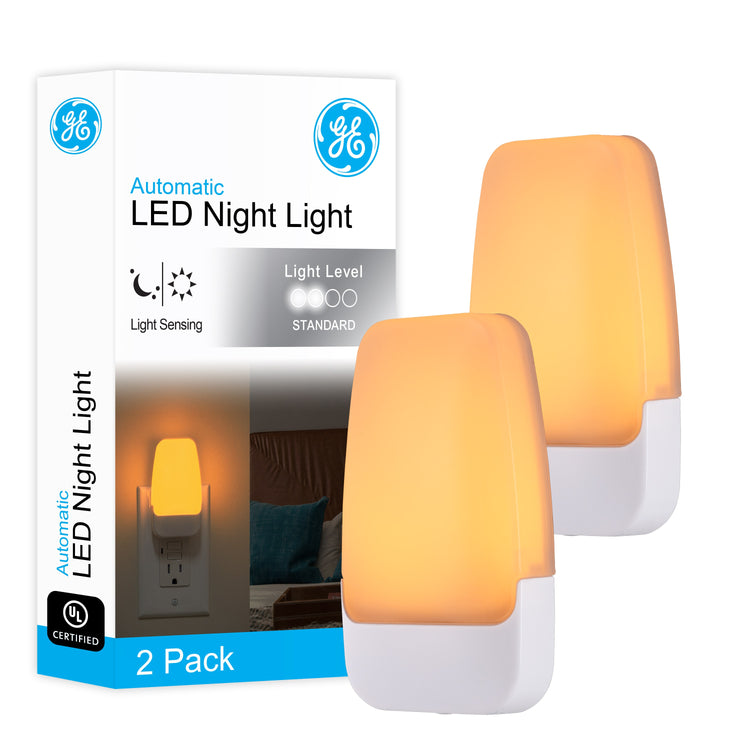
GE Light-Sensing Amber Night Light (2-Pack)
Best for: The simplest, lowest-maintenance option — plug it in and forget it
A plug-in nightlight with an automatic dusk-to-dawn sensor and a warm amber (not white) glow, cool-to-the-touch LED, and a UL listing. Turns on in the dark and off in daylight with nothing to remember or charge.
- Automatic dusk-to-dawn light sensor
- Amber color temperature, not white or cool-white
- Cool-to-the-touch LED, UL listed
- Compact design leaves the second outlet slot usable
- 2-pack covers two rooms or a hallway plus a bedroom
Keep in mind: No dimming control and no way to turn it off manually if a toddler wants total darkness on nights the fear has passed — it's on whenever the room is dark, period.
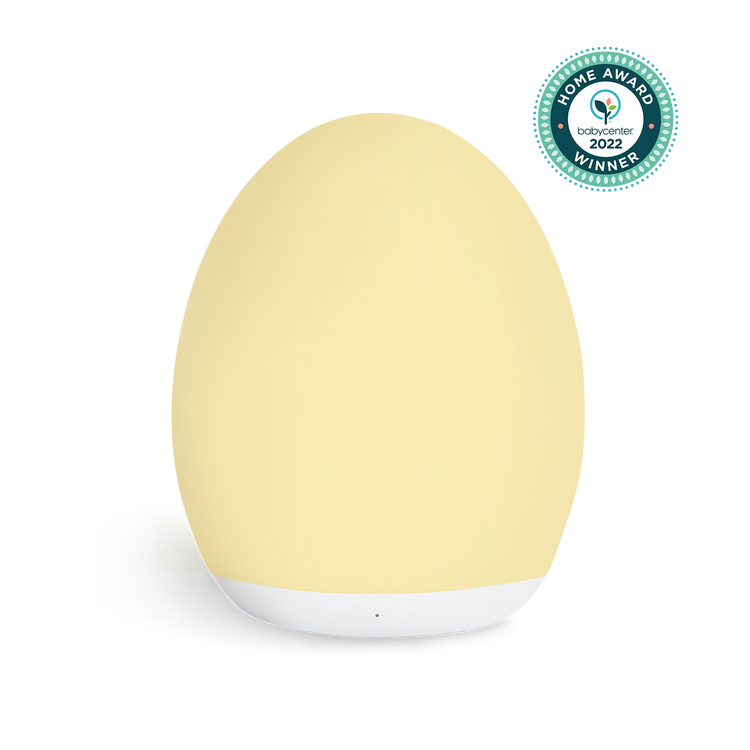
VAVA Aura Baby Night Light
Best for: A toddler who wants to hold and carry their own light
A small, cordless, rechargeable night light with touch controls and 8 color options, made from toy-grade materials so a toddler can safely hold and carry it. VAVA rates battery life up to 100 hours on low brightness, with a 1-hour auto-off timer.
- Touch controls simple enough for small hands
- 8 adjustable colors, dimmable
- Up to 100 hours of battery life on a full charge (manufacturer spec, low-brightness mode)
- 1-hour auto-off timer
- Toy-grade, cordless — safe to carry room to room
Keep in mind: The 1-hour auto-off means it's not meant to glow all night on its own — if your toddler wants a light that stays on until morning, this isn't built for that use.
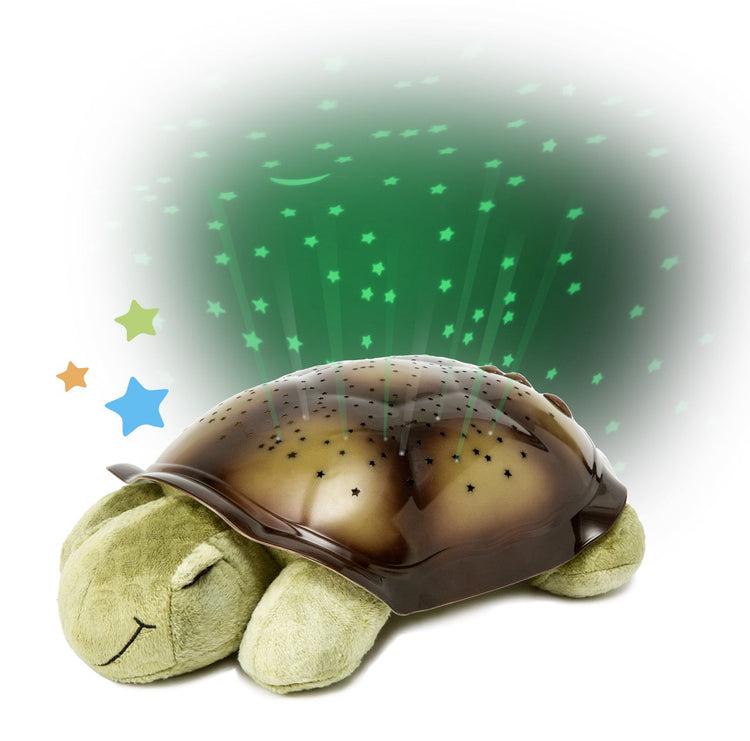
Cloud b Twilight Turtle Constellation Night Light
Best for: A toddler whose fear centers on shadows and a dark, unreadable ceiling
A plush sea-turtle-shaped projector that fills the ceiling and walls with a starry pattern and 8 identifiable constellations, in a choice of 3 colors, with a 45-minute auto-shutoff so the light doesn't stay bright enough to interfere with sleep later in the night.
- Projects a starry sky and 8 constellations onto the ceiling and walls
- 3 color options (amber, green, blue)
- 45-minute auto-shutoff timer
- Soft plush shell doubles as something to hold, not just look at
- Runs on 3 AA batteries (not included)
Keep in mind: Batteries rather than rechargeable, so you'll want spares on hand, and the projected pattern itself can unsettle a toddler who's specifically bothered by moving shapes rather than darkness.
As an Amazon Associate I earn from qualifying purchases. Mom's Magazine may earn a commission when you buy through links on this page, at no extra cost to you. Learn more.
Frequently Asked Questions
What color nightlight is best for a toddler's room?
Warm amber or red, not white or blue-tinted light. Sleep Foundation's summary of the research on light and melatonin says blue-enriched light suppresses melatonin more than other colors, including in children, while red and amber light have little to no effect. If a nightlight you own only comes in white, dim it as low as it goes; swapping to an amber or red-toned option is the more complete fix.
Is it okay for a nightlight to stay on all night?
A dim, warm-colored light left on all night is generally fine and doesn't meaningfully disrupt sleep the way a bright or cool-toned light can. Some styles (like star projectors) use an auto-shutoff timer instead, on the theory that a child is usually asleep within 30-45 minutes and doesn't need the light after that — either approach works; the key is keeping it dim and warm-toned, not whether it technically stays on all night.
Should I get a nightlight or a full sound machine with a nightlight built in?
If a standalone light is all you need, a dedicated nightlight is simpler and usually cheaper than a combined unit. If you're also dealing with sleep-disrupting household noise or want white noise for naps, a combined sound-and-light machine like the Hatch Rest+ covered in our [sound machine comparison](/products/best-baby-sound-machines) does both, at a higher price point than a single-purpose nightlight.
My toddler wants to hold the nightlight — is that safe?
A rechargeable, cordless, toy-grade light designed for kids (like a touch-control portable light) is built for that kind of handling. A plug-in nightlight isn't meant to be unplugged and carried around, and battery-powered projector lights are usually designed to sit in one spot rather than be carried, so match the style to how your toddler actually wants to use it.
Will a nightlight alone fix my toddler's fear of the dark?
Usually not by itself. A nightlight removes one specific trigger — a blank, unreadable dark room — but most nighttime fears respond better to a nightlight combined with a consistent bedtime routine and taking the fear seriously without feeding it. [Our guide to toddler nighttime fears](/parenting/toddler-afraid-of-the-dark-and-nighttime-fears) covers the routine and reassurance side in full.
Sources & Further Reading
- What Color Light Helps You Sleep? — Sleep Foundation (reviewed 2026-09-03)
Related Guides
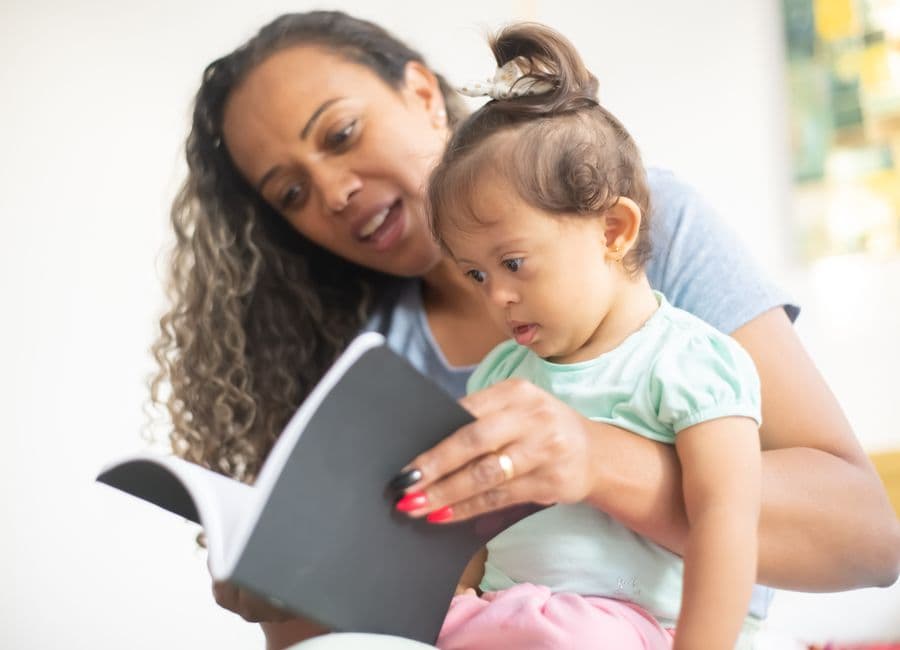
Toddler Afraid of the Dark: Why Nighttime Fears Start and How to Help
Why a toddler who slept fine for months can suddenly refuse a dark room, when nighttime fears typically start, and the responses — nightlights, a consistent routine, giving them a job to do about it — that help without teaching a toddler the fear was justified.
Building a Bedtime Routine That Works
A simple, consistent bedtime routine that helps kids wind down and fall asleep more easily.
Best Baby Noise Machines of 2026: Sound Machines Compared by Use Case
A researched comparison of the best baby noise machines — nursery, all-in-one, and portable sound machines — what actually differs between them, the hearing-safety research worth knowing before you buy, and where to start.
Toddler Sleep Regressions & Sleep "Props": Why It Happens and What Helps
Why a good sleeper suddenly fights bed or wakes at night, why toddlers cling to odd sleep rituals and comfort objects, and how to ride it out.
Mom's Magazine Editorial Team
Editorial Team
The Mom's Magazine editorial team researches and writes practical, plainly-sourced guidance for parents and families. Guides are reviewed for accuracy and updated as recommendations change. Where a topic calls for professional expertise, we cite reputable organizations and, for health topics, add a qualified reviewer before publishing.
Newsletter
Get the Weekly Mom List
One short email a week: the most useful guides, activities, and picks for your family. No spam, unsubscribe anytime.