Parenting
Toddler Afraid of the Dark: Why Nighttime Fears Start and How to Help
Why a toddler who slept fine for months can suddenly refuse a dark room, when nighttime fears typically start, and the responses — nightlights, a consistent routine, giving them a job to do about it — that help without teaching a toddler the fear was justified.
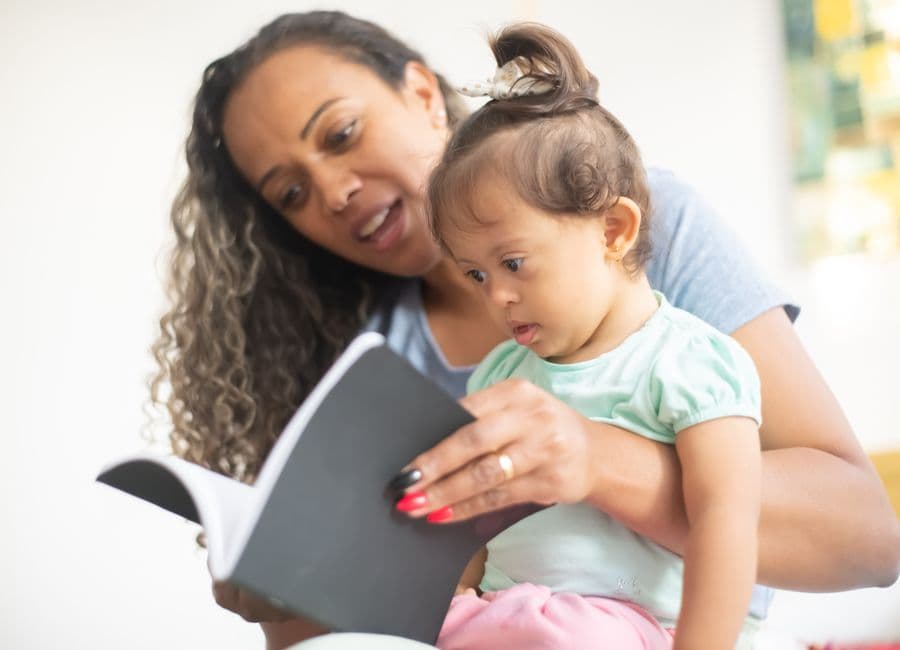
A toddler's fear of the dark usually isn't really about the dark — it shows up as imagination develops, typically somewhere around age 2 to 3, and it's most common overall between ages 3 and 8, when a child is old enough to picture something in the shadows but not yet reliably able to sort pretend from real. The dark also removes the visual cues a toddler's brain uses to feel safe, and bedtime already means separating from the parent who makes the rest of the day feel secure, so a confident sleeper can develop a real, sudden fear almost overnight. It's developmentally normal, tends to respond well to a dim light, a predictable routine, and taking the fear seriously without adding rituals that suggest the threat is real, and most toddlers outgrow it within a few weeks to a few months.
Two nights ago, bedtime was routine. Tonight, a toddler who's slept fine for months is standing at the bedroom door refusing to go back in, insisting something is in there, and no amount of "there's nothing to be scared of" is landing. This shows up in a lot of households almost overnight, and it can feel like a regression or a new problem. Mostly, it isn't either — it's a predictable stage tied to how a toddler's imagination is developing, and it has specific things that help.
Why this tends to start out of nowhere
By around two and a half, most toddlers are deeply engaged in pretend play — feeding a stuffed animal, talking to an imaginary friend, narrating stories to their toys — and that same imaginative leap that makes pretend play so rich also makes it harder to reliably separate what's real from what isn't. A shadow cast by a coat on a hook, or a shape a nightlight throws on the wall, can register as something genuinely present rather than an easily explained object, because the part of a toddler's brain that would calmly rule that out isn't fully online yet. Layer onto that the fact that darkness removes the visual information a toddler's brain normally uses to scan a room and confirm it's safe, and that bedtime means being left alone by the person who makes everything else feel secure, and a sudden fear of the dark stops looking mysterious.
How common this actually is
Nighttime fears are close to universal at some point in early-to-middle childhood. Estimates put the share of kids ages 4 to 12 who report some kind of nighttime fear at close to 75%, and fear of the dark specifically is one of the most common versions. For toddlers, the onset is often earlier than that age range suggests — many parents notice it starting around age 2, well before a child has the language to fully explain what they're afraid of, which is part of why it can look like an unexplained meltdown at bedtime rather than a clearly stated fear.
This is considered developmentally normal, not a red flag on its own
Nighttime fears in early childhood, including fear of the dark, are widely treated by pediatric guidance as a normal part of development rather than a sign something has gone wrong. They typically respond to reassurance, a consistent routine, and gradual support — not to convincing a toddler the fear is illogical.
What actually helps
- A dim, warm nightlight instead of full darkness — not bright enough to disrupt sleep, just enough to keep the room from being a blank, unreadable space.
- A short, consistent wind-down routine that ends the same way every night, so bedtime itself feels predictable even on a night the fear is loud.
- Checking the room together once, calmly, rather than refusing to check at all — a quick, matter-of-fact look under the bed or in the closet, done without drama, addresses the specific fear without turning it into a nightly ritual.
- Giving the fear a job: a "monster spray" bottle (water with a drop of scent), a stuffed "guard," or a flashlight kept within reach all work by handing a toddler something they can do, not by proving anything scientifically.
- Cutting scary content — even mild peril in a cartoon or story — from the hour or so before bed, since a toddler's brain is primed to carry that imagery straight into a dark room.
- Staying close for a few extra minutes at lights-out rather than a hard exit, then shortening that time gradually over several nights rather than all at once.
Not every nightlight does the same job — a plain plug-in glow answers a different fear than a light that fills the ceiling with a pattern. Our comparison of toddler nightlights breaks down plug-in, rechargeable touch-light, and star-projector styles and which fits a shadow-specific fear versus a general dislike of the dark.
Responses that tend to backfire
Dismissing the fear outright — "there's nothing there, go to sleep" — rarely works, because a toddler isn't being unreasonable from where they're standing; the fear feels real even though the threat isn't. Mocking or comparing them to a younger sibling who isn't scared tends to add shame on top of the fear rather than resolving it. On the other end, elaborate new rituals that imply the threat is genuine — repeatedly hunting for monsters with visible tension, or reacting with alarm to every 2 a.m. call — can accidentally confirm that something really might be out there. And using the dark, or being sent to their room alone, as a consequence for unrelated misbehavior undoes a lot of the trust-building the rest of this list is trying to do.
When one scared toddler shares a room with a sibling
A fearful toddler in a shared room can end up keeping a sibling awake too, which adds pressure to "fix" it fast. It usually works better to address the fear directly — nightlight, routine, a check-together habit — than to solve it by separating the kids, which can read as a punishment to the scared child. If the sibling is old enough, some families find that a slightly older roommate genuinely helps, since a toddler feels less alone in the dark with another person breathing nearby, even a sleeping one.
Working on the broader bedtime routine at the same time? →Our guide to building a routine that sticks covers the wind-down sequence and age-by-age sleep targets this fits into.
What's happening during the day matters at night
Nighttime fears often cluster around bigger changes happening in a toddler's life — starting daycare or preschool, a new sibling, a move, or even just a stretch of more separations from a parent than usual during the day. The fear of the dark can end up carrying some of that daytime stress, since bedtime is already the moment of separating from a parent for the longest stretch of the day. If a toddler's nighttime fear started around the same time as starting daycare or another separation, treating the daytime piece and the nighttime piece as connected — rather than two unrelated problems — usually moves faster than tackling bedtime alone.
When it's more than a phase
Most nighttime fears ease within a few weeks to a few months of a calm, consistent response. It's worth mentioning to a pediatrician if the fear keeps intensifying rather than settling, spreads into daytime avoidance (refusing dark rooms, closets, or basements at any hour), comes with physical symptoms like stomachaches or vomiting tied specifically to bedtime, or is severe enough that it's blocking sleep for the whole household over months, not weeks. That pattern is uncommon, but it's a reasonable line for when a normal developmental stage is worth a second opinion rather than more time.
Frequently Asked Questions
Should I let my toddler sleep with the light on all night?
A dim, warm nightlight is fine and often helpful — it's not the same as a fully lit room, which can interfere with sleep quality. Keep it low and indirect rather than a bright overhead light, and it can typically stay on for as long as the fear lasts without causing other sleep problems.
Is it okay to let my toddler sleep in my bed until this passes?
Occasionally, during a genuinely rough stretch, it's not going to undo months of independent sleep. But making it the nightly solution tends to make the underlying fear harder to work through, since the toddler never practices being okay in their own room. A better middle ground is staying close in their room at lights-out and gradually stepping back, rather than moving the whole problem into your bed.
My toddler says there's a monster in the closet — should I check the closet with them?
Yes, once, calmly, and without drama — a quick look together ("see, just your coat and the extra blanket") addresses the specific fear directly. Checking every single night in an elaborate, tense way can accidentally reinforce the idea that there's really something to find, so keep it brief and matter-of-fact.
How long should I expect a fear of the dark to last?
For most toddlers, it eases within a few weeks to a few months, especially with a consistent nightlight-plus-routine response. It's common for it to fade and then flare up again during a stressful stretch — that's a normal pattern, not a sign the fear never actually went away.
Could this be connected to something else going on, like starting daycare or a new sibling?
Often, yes. Nighttime fears frequently show up around the same time as a bigger daytime change — a new sibling, starting daycare or preschool, a move — because bedtime is already the day's biggest separation from a parent. Addressing the daytime stress alongside the bedtime routine usually helps both settle faster than treating them separately.
Sources & Further Reading
- My 2-year-old Son is Suddenly Afraid of the Dark — ZERO TO THREE (reviewed 2026-09-02)
- Tips if Your Child is Afraid of the Dark — Cleveland Clinic (reviewed 2026-09-02)
Related Guides
Building a Bedtime Routine That Works
A simple, consistent bedtime routine that helps kids wind down and fall asleep more easily.
Toddler Sleep Regressions & Sleep "Props": Why It Happens and What Helps
Why a good sleeper suddenly fights bed or wakes at night, why toddlers cling to odd sleep rituals and comfort objects, and how to ride it out.

How to Handle Toddler Separation Anxiety
Why toddler separation anxiety happens, what actually shortens it, and when it's worth mentioning to your pediatrician.
Baby and Toddler Nap Schedules by Age: A Realistic Guide
How many naps to expect at each age, from newborn chaos to the one-nap toddler years, and why wake windows matter more than the clock.

Best Nightlights for a Toddler's Room (2026)
Why an amber or red glow beats plain white light for a toddler's room, and three nightlight styles — plug-in, rechargeable touch light, and star projector — compared for a toddler working through a fear of the dark.
Mom's Magazine Editorial Team
Editorial Team
The Mom's Magazine editorial team researches and writes practical, plainly-sourced guidance for parents and families. Guides are reviewed for accuracy and updated as recommendations change. Where a topic calls for professional expertise, we cite reputable organizations and, for health topics, add a qualified reviewer before publishing.
Newsletter
Get the Weekly Mom List
One short email a week: the most useful guides, activities, and picks for your family. No spam, unsubscribe anytime.