Parenting
How to Handle Toddler Separation Anxiety
Why toddler separation anxiety happens, what actually shortens it, and when it's worth mentioning to your pediatrician.
Toddler separation anxiety — crying, clinging, or protesting when you leave — usually peaks between 12 and 24 months and is a normal sign of healthy attachment, not a parenting failure. A short, calm, consistent goodbye works better than sneaking out or lingering: say goodbye once, sound confident, and leave promptly, even while your toddler is upset. Most toddlers settle within a few minutes of the caregiver leaving, even though it rarely feels that way in the moment. Mention it to your pediatrician if the anxiety is intense, isn't improving after several weeks of a consistent routine, or comes with other developmental concerns.
Why this happens
Separation anxiety shows up once a baby understands object permanence — that you still exist even when they can't see you — which is exactly why it wasn't a problem at 2 months old and suddenly is at 12. It typically starts around 6 to 8 months, peaks somewhere between 12 and 24 months, and often resurfaces around age 2 to 3 during a push for independence or a big change at home, like a new sibling, a move, or a parent returning to work.
It's easy to read a toddler's distress at drop-off as evidence that something's wrong with the arrangement, the caregiver, or your parenting. Usually it's the opposite: a toddler who protests your leaving has a clear, secure sense of who their attachment figures are — the anxiety comes from the strength of that bond, not a gap in it.
What actually helps in the moment
- Build in a few minutes of transition time rather than arriving and leaving in a rush.
- Say goodbye once, in a warm, matter-of-fact tone — not several times, and not while hovering at the door.
- Use a short, consistent phrase or ritual ("Goodbye, I'll see you after nap. Have fun with Ms. Sarah.") every time, so it becomes familiar.
- Leave promptly after the goodbye, even if your toddler is crying — lingering usually extends the distress rather than easing it.
- Trust the caregiver to text or call if something is actually wrong, and resist the urge to check in five minutes after you leave.
A goodbye ritual works because it's boring
A predictable, low-drama goodbye — the same words, the same hug, the same exit — gives your toddler a script they can anticipate. Novelty and uncertainty are what fuel anxiety; repetition is what calms it.
What tends to make it worse
- Sneaking out without saying goodbye. It can spare you a few minutes of crying in the moment, but it also teaches a toddler that you might disappear without warning, which can make them more anxious and clingy going forward, not less.
- A long, drawn-out goodbye with multiple hugs and re-entries — it signals to your toddler that you're also unsure about leaving.
- Showing your own anxiety about the separation. Toddlers pick up on a parent's tone and body language more than the words.
- An inconsistent routine, where drop-off looks different every day — different timing, different goodbye, different person doing it.
Situations that can bring on a flare-up
Separation anxiety that had mostly settled down can resurface around a big transition — starting daycare or a new sitter, starting preschool, a new sibling arriving, a move, or a parent going back to work after time at home. It can also flare up alongside other developmental changes, like moving out of the crib into a toddler bed, since a toddler who used to be physically contained now has the ability to get up and come find you at night. If a preschool start date is what's driving it, our guide to choosing a preschool covers the tour and questions worth asking, which can also help you gauge how the program itself handles drop-off tears.
A consistent bedtime routine matters even more during one of these flare-ups, since bedtime separation ("goodnight, I'm leaving the room") is its own version of the same anxiety. Our guide to building a bedtime routine covers the wind-down sequence that tends to help here too.
When to check in with your pediatrician
Occasional, intense separation anxiety in the toddler years is expected and usually resolves with a consistent routine over a few weeks. It's worth a conversation with your pediatrician if the anxiety is extreme, doesn't ease up over time, interferes significantly with daily activities, or comes alongside other concerns about your child's development, speech, or social engagement. A pediatrician can help sort out what's a normal developmental stage versus something worth a closer look.
Frequently Asked Questions
At what age does separation anxiety peak in toddlers?
It typically starts around 6 to 8 months and peaks somewhere between 12 and 24 months, though the exact timing and intensity vary a lot by child. A milder wave often resurfaces around age 2 to 3, sometimes tied to a new transition like starting daycare or a sibling arriving.
Should I sneak out to avoid a scene?
No — it's tempting because it avoids a few minutes of crying, but sneaking out tends to backfire over time. A toddler who realizes you disappeared without warning can become more watchful and clingy afterward, because they've learned goodbyes might happen without notice. A brief, honest goodbye is harder in the moment but builds more trust.
How long does separation anxiety last?
The most intense stretch usually eases within a few weeks of a consistent drop-off routine, though the underlying tendency toward separation anxiety can resurface at different ages, especially around transitions. Most children grow out of the daily-drop-off version of it by preschool age.
Does daycare drop-off get easier over time?
For most toddlers, yes — drop-off distress typically fades over the first few weeks at a new daycare or with a new sitter as the routine and caregiver become familiar. If it's not improving at all after a month of a consistent goodbye routine, that's worth mentioning to your pediatrician or the daycare staff.
Is separation anxiety a sign of an attachment problem?
No — it's typically the opposite. Separation anxiety usually reflects a clear, secure attachment to a parent or caregiver, since a toddler has to understand who their key attachment figures are before missing them makes sense. Persistent, extreme anxiety that doesn't fit this normal developmental pattern is worth discussing with a pediatrician, but the presence of separation anxiety itself is not a red flag.
Sources & Further Reading
- Understanding separation anxiety in young children — American Academy of Pediatrics (HealthyChildren.org) (reviewed 2026-08-08)
Related Guides
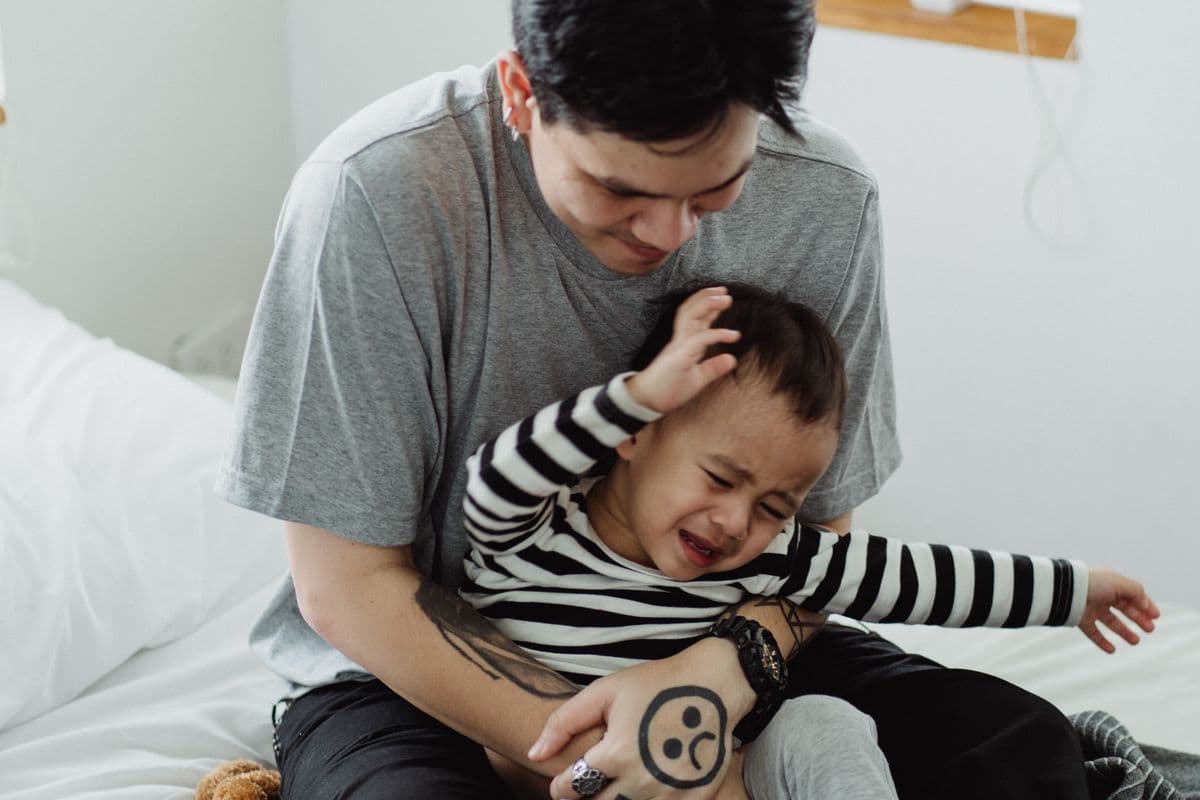
How to Handle Toddler Tantrums: Real Help That Works, According to AAP and CDC
Help with toddler tantrums, how to handle toddler tantrums, and how to deal with toddler tantrums, using AAP, CDC, and NIH pages: what actually helps in the moment, an age-by-age look at what's typical at 1, 2, and 3, tantrums by setting (car seat, store, bedtime, drop-off), how to prevent the next one, and when to call your pediatrician. Editorially reviewed general information — not medical advice.
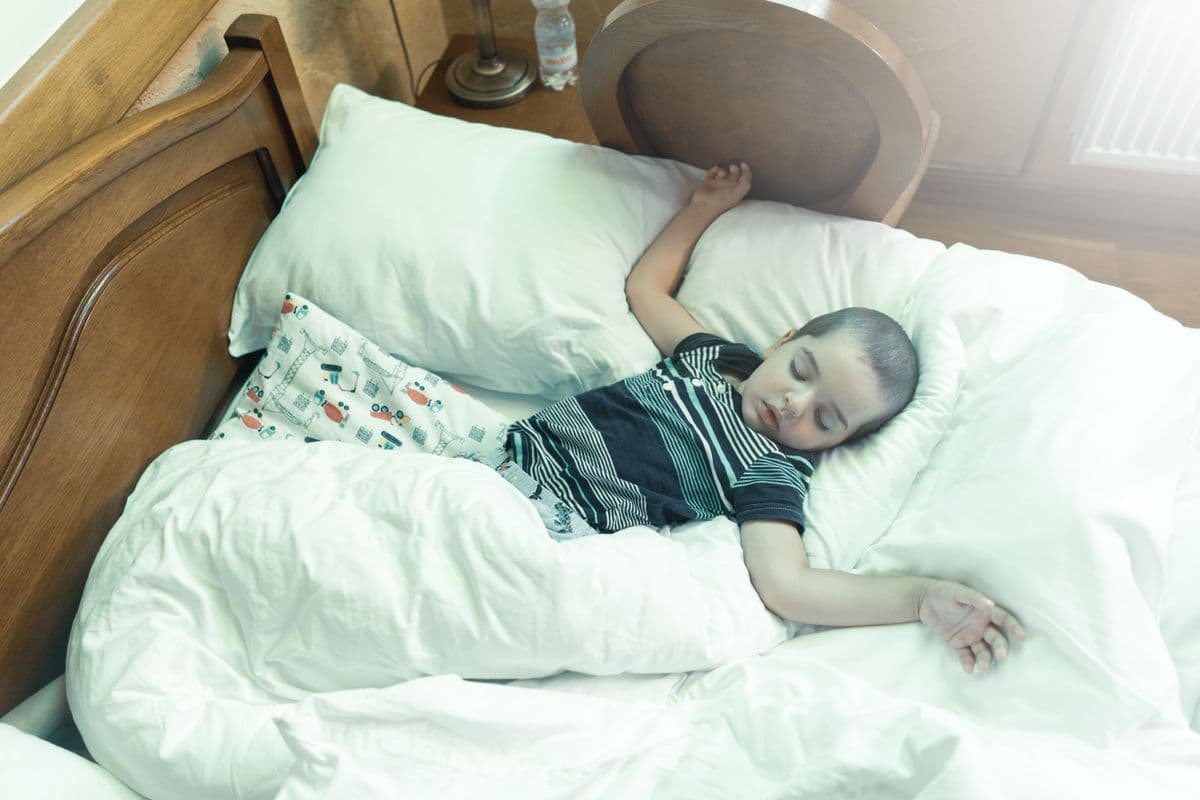
Building a Bedtime Routine That Works
A simple, consistent bedtime routine that helps kids wind down and fall asleep more easily.
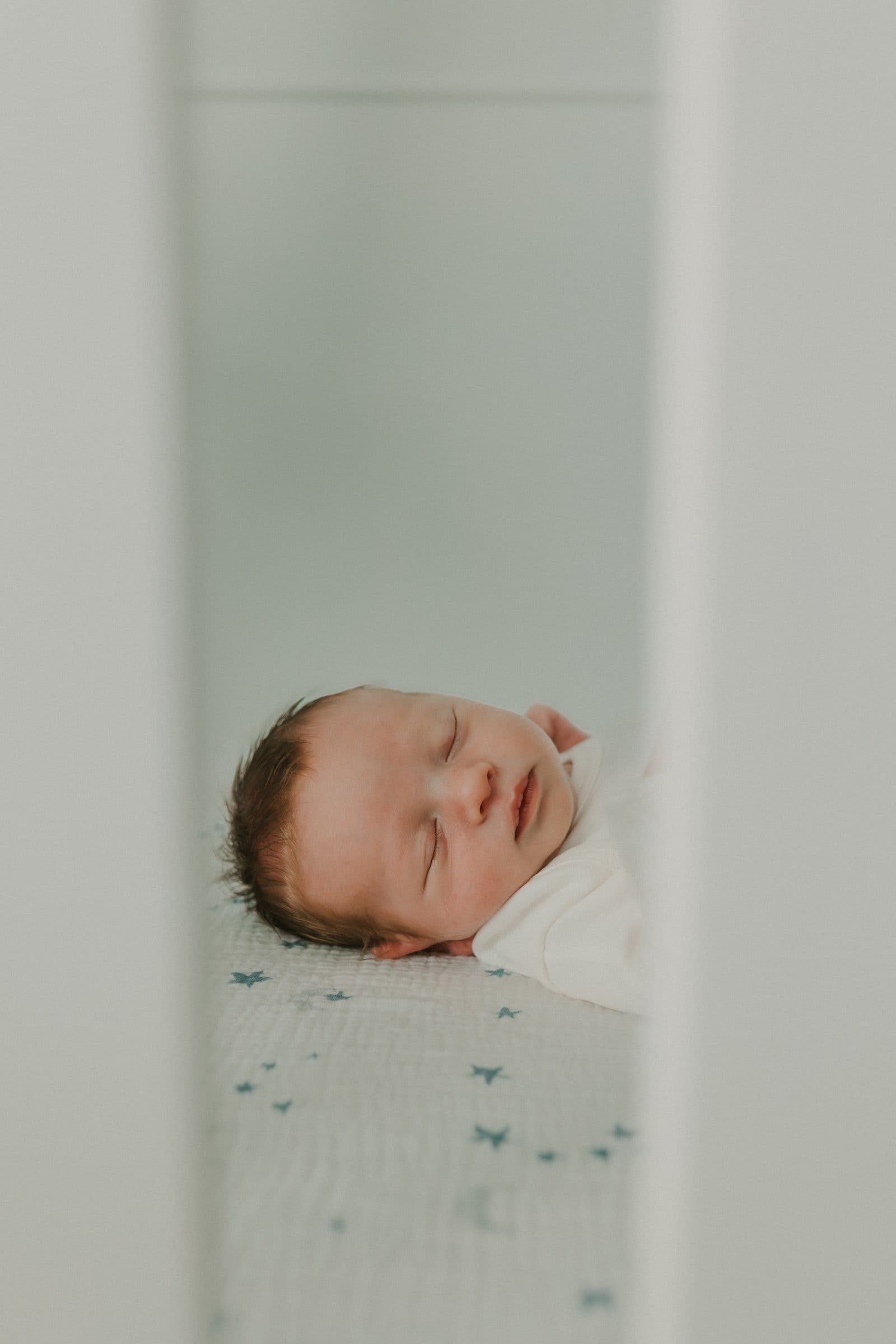
When to Move a Toddler Out of the Crib — Safety Signs and How to Switch
When to move a toddler out of the crib, according to AAP height and climbing cues and CPSC crib and toddler-bed rules — plus how to switch the room safely. Editorially reviewed general information, not medical advice.
Activities for 2-Year-Olds
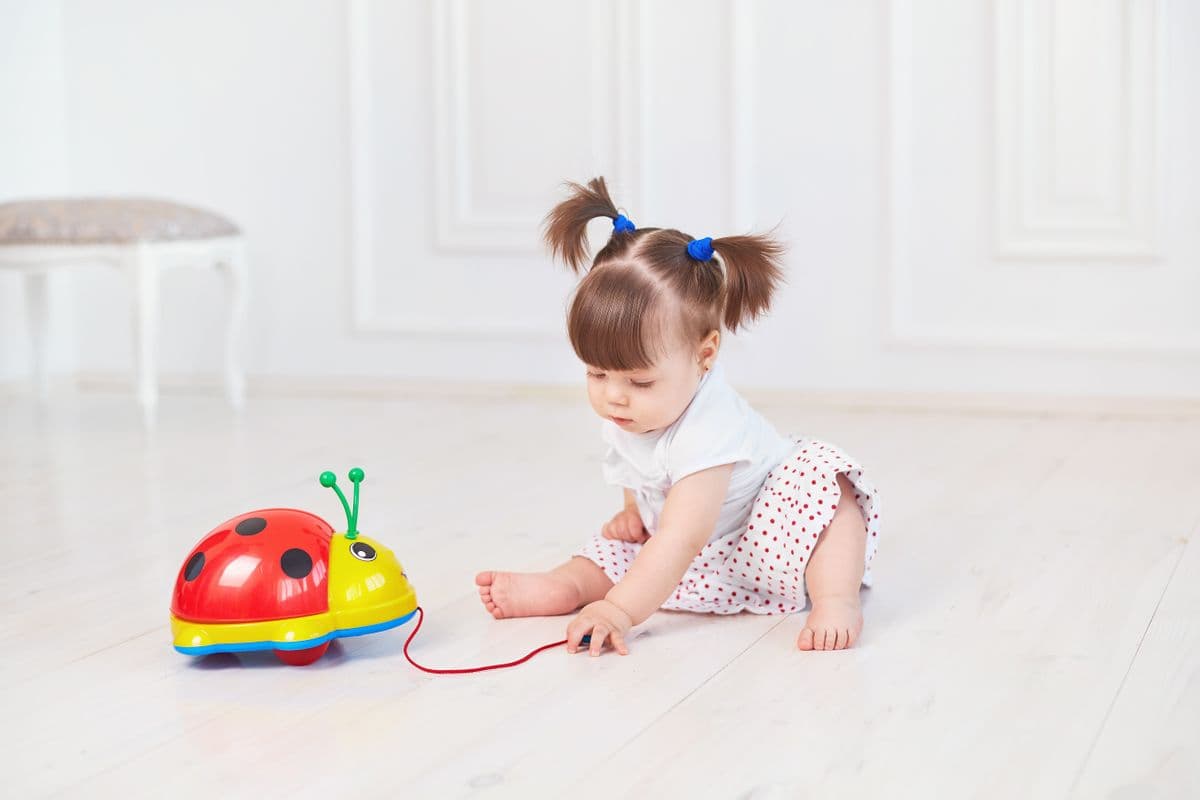
Activities for 2-year-olds and just-turned-twos: repetition, dump and fill, climbing and dancing, stacking, naming and singing. Based on CDC 2-year milestones and AAP toy-safety guidance.
Mom's Magazine Editorial Team
Editorial Team
The Mom's Magazine editorial team researches and writes practical, plainly-sourced guidance for parents and families. Guides are reviewed for accuracy and updated as recommendations change. Where a topic calls for professional expertise, we cite reputable organizations and, for health topics, add a qualified reviewer before publishing.
Newsletter
Get the Weekly Mom List
One short email a week: the most useful guides, activities, and picks for your family. No spam, unsubscribe anytime.