Parenting
When to Move a Toddler Out of the Crib — Safety Signs and How to Switch
When to move a toddler out of the crib, according to AAP height and climbing cues and CPSC crib and toddler-bed rules — plus how to switch the room safely. Editorially reviewed general information, not medical advice.

As an Amazon Associate I earn from qualifying purchases.Some links on this page are affiliate links. If you buy through them, Mom's Magazine may earn a small commission at no extra cost to you. It never changes which products we recommend. How we recommend products.
There is no required birthday for when to move a toddler out of the crib. The American Academy of Pediatrics, on HealthyChildren.org, times the switch to safety: move your child to another bed when they are 35 inches (89 cm) tall, or when the crib side rail is less than three-quarters of their height (about nipple level). Once a toddler can climb out, AAP says it may be time to move to a big-kid bed. The U.S. Consumer Product Safety Commission defines a toddler bed as a bed that uses a full-size crib mattress and is intended for a child not less than 15 months old who weighs no more than 50 pounds — that is how the product is scoped, not a parent timeline. If the crib is still safe and your child is not climbing, you do not have to rush. This page is editorially reviewed general information from AAP, CPSC, and CDC pages. It is not medical advice and not medically reviewed. Talk with your child's pediatrician about your child's sleep space.
Easy Install
Regalo Swing Down Toddler Bed Rail Guard, 43"
Best for: A first bed rail that pivots out of the way for sheet changes instead of lifting off
When to move a toddler out of the crib is usually a search that shows up the week someone already has one foot over the rail. The official answer is less tidy than a birthday. The American Academy of Pediatrics times the move to height and climbing risk, not a calendar. The U.S. Consumer Product Safety Commission writes the safety rules for the crib they are leaving and the toddler bed they may move into. This guide sticks to AAP HealthyChildren, CPSC, and CDC pages — and says so when a claim is theirs.
General information, not medical advice
Crib and toddler-bed safety sits next to sleep, falls, and a room a child can now leave on their own. This article is editorially reviewed general information from pages. It is not medical advice, not a plan for your child, and not medically reviewed. Talk with your child's pediatrician about your child's sleep space — AAP's big-kid-bed page ends with that same instruction.
When to move a toddler out of the crib: there is no required age
AAP does not publish a required age for the crib-to-bed switch. The parent-facing language on HealthyChildren is about whether the crib still contains your child safely. Families switch at different ages because children reach those safety cues at different ages.
AAP's Make Baby's Room Safe checklist is blunt about why the timing is a measurement, not a party: falls are the most common crib injury, and children are most likely to fall when the mattress is still too high for their height, or was not lowered as they grew. What that page then publishes is a height-and-rail test:
The most common falls occur when a baby tries to climb out, so move your child to another bed when he is 35 inches (89 cm) tall, or when the height of the side rail is less than three-quarters of his height (approximately nipple level).
— American Academy of Pediatrics, Make Baby's Room Safe: Parent Checklist (page reviewed August 21, 2026)
A separate HealthyChildren page — Big Kid Beds: When to Switch From a Crib, by Rachel Y. Moon, MD, FAAP, last updated August 1, 2022 on the page — starts from climbing, not the tape measure: once your toddler can climb out of their crib, it may be time to transition to a big-kid bed. That "may" is in the original. Climbing is the moment the crib's job as a barrier is failing. It is not a personality milestone.
The same page notes that most kids are happy to "graduate" and stay in a bed more willingly than they did in the crib — and that for a few, the change has to be managed closely. That is a description of two common nights, not a readiness score you can fail. If they are already over the rail, the safety cue has already fired.
Climbing out is a safety cue, not a readiness debate
If your toddler is already up and over the rail, AAP treats that as a reason to change the sleep space. Waiting for them to "be ready" to stay in a bed does not make a crib-height fall safer. The room they land in has to be safe the night you make the change — not the week after.
One common reason parents rush the switch is a new baby needing the crib. If that's your situation, move your toddler well before the birth instead of in the same week, and our guide to preparing a toddler for a sibling walks through the rest of that timing.
The official signs it is time
Put the AAP and CPSC pages next to each other and you get a short list. None of these is a vibe. They are published measurements and product rules.
- Height: 35 inches (89 cm). AAP says move your child to another bed at this height.
- Rail height: the side rail is less than about three-quarters of your child's height, or about nipple level. AAP lists this as an alternate trigger on the same checklist.
- Climbing out. AAP's big-kid-bed page says that once they can climb out, it may be time to switch.
- The crib itself is no longer a safe container — missing hardware, broken slats, a drop-side rail, or a mattress that no longer fits. CPSC's crib-safety tips and AAP's room-safety checklist both treat a damaged or non-compliant crib as unsafe to keep using.
CPSC's toddler-bed business guidance and toddler-bed FAQ define a toddler bed as a bed sized for a full-size crib mattress — minimum 51⅝ by 27¼ inches — "intended to provide free access and egress to a child not less than 15 months of age and who weighs no more than 50 lbs. (27.7 kg)." That sentence is about what the product is designed and regulated for. It is not AAP telling you to move a 15-month-old, and it is not a license to keep a 55-pound climber in a toddler bed because the birthday still looks young. If your child is outside that weight range, the product's own labeling and your pediatrician are the next stop — not a magazine age chart.
If they are starting to climb but the crib is still the safer box
A first attempt at the rail is not always the same as a child who is over it every night. AAP's room-safety page is specific about what to change inside the crib before you give up on it.
- Lower the mattress before your child can sit, to a level where they cannot fall by leaning or pulling up. Set it at the lowest position before they learn to stand.
- Do not use bumper pads. AAP says there is no evidence they prevent injuries, there is a possible risk of suffocation, strangulation, or entrapment, and toddlers can use a bumper to climb and fall out.
- Keep the crib free of the soft extras AAP lists for infant sleep — pillows, quilts, comforters, sheepskins, stuffed animals — which also become step stools once a toddler can stand.
- Do not place the crib near a window. AAP says that applies to any child's bed, and that CPSC recommends cordless window coverings if possible.
CPSC's crib safety tips match the hardware side of that list: a firm, tight-fitting mattress; no missing, loose, broken, or badly installed screws or brackets; slats no more than 2⅜ inches apart (about the width of a soda can); no corner posts over 1/16 inch high; no cutouts in the headboard or footboard. AAP adds the two-finger mattress-gap test: if you can insert more than two fingers between the mattress and the crib sides or ends, that combination should not be used.
AAP also tells parents to inspect the crib before each assembly and weekly after that for damaged hardware, loose joints, missing parts, or sharp edges — and not to use it if anything is missing or broken. Replacement parts have to come from the manufacturer. AAP is specific: never swap original screws or brackets for something from a hardware store. A child's movement can make a crib come apart; that is a suffocation and entrapment risk, not a cosmetic one.
Use a crib manufactured after June 2011, AAP says, when the current standards that banned the manufacture or sale of drop-side cribs took effect. CPSC's matching federal action — the December 2010 vote, effective June 2011 — stopped new drop-side cribs, required stronger mattress supports, more durable hardware, and tougher testing. That same CPSC release said the agency had recalled more than 11 million cribs since 2007, and that detaching drop-side rails were associated with at least 32 infant suffocation and strangulation deaths since 2000. An older hand-me-down that still has a drop side, missing original hardware, or no way to confirm it meets current rules is not a crib you stretch for a few more months. It is a reason to change the sleep space now.
Why there's no set waiting age
Some parenting articles tell you to hold the crib until age 3 because sleep will be easier. That may be true in some houses. It is not a sentence we found on the AAP, CPSC, or CDC pages. If the crib is still safe, staying is a reasonable choice. If it is not, the official pages do not ask you to wait for a birthday.
Other reasons families switch — without turning them into rules
Safety is the published trigger. Families also switch because a second child needs the crib, because nighttime potty trips have started, because they are moving rooms, or because a toddler is asking for a big-kid bed. Those are household logistics, not AAP criteria. Treat them as logistics.
If a new baby is the reason you need the crib, do not stack the bed change onto the birth week if you can help it. AAP's big-kid-bed page is about keeping the bedtime routine identical and managing the first nights closely. A newborn arriving in the same stretch is a second, larger change. The practical point is to let the bed change be its own event. Preparing a toddler for a new sibling is the article for the rest of that timing.
Nighttime potty training is the other common collision. A toddler who needs to get to the bathroom cannot do that from a crib with the side up. That is a real constraint. It is also a reason to finish one skill before you start the other when you can. Potty-training readiness is the place for that timeline — this page will not steal it.
What CPSC actually requires of a toddler bed
A toddler bed is not a shorter twin with a cute rail. CPSC regulates it as a durable infant or toddler product at 16 CFR part 1217, incorporating ASTM F1821. The page says 16 CFR § 1217.2 identifies the latest Commission-accepted version of that standard. For beds manufactured or imported on or after January 27, 2020, that same CPSC business-guidance page lists ASTM F1821-19ɛ1. Check the page — and the label on the bed you have — rather than assuming an older frame still qualifies.
The FAQ says the regulation is there to cut entrapment at the end structures, in the space between the guardrail and side rail, and in the mattress support — head or neck entrapment can asphyxiate a child — and to limit corner-post extensions that can catch a pacifier cord, ribbon, necklace, or clothing.
CPSC's April 2011 news release on the mandatory toddler-bed standard is still the clearest public list of the consumer-facing requirements that landed in that original rule:
- The upper edge of the guardrail must be at least five inches above the toddler bed's mattress.
- Spindle and slat strength testing must match what is required for crib spindles and slats.
- Separate warning labels for entrapment and strangulation must appear on the bed.
- Cribs that convert into toddler beds must also meet the toddler-bed standard.
That same 2011 release said CPSC was aware of 122 toddler-bed incidents from 2005 through 2010, including four deaths and 43 injuries. The current CPSC pages list the performance areas ASTM F1821 still covers: mattress-support integrity, guardrails, end structures and side rails, partially bounded openings, and spindle or slat strength, plus the usual children's-product rules on small parts, lead in paint, and phthalates. You do not need to memorize the test names. You do need a bed that was sold as a toddler bed or a convertible crib used in its toddler-bed mode, with original hardware, a snug full-size crib mattress, and the labels still on it. A homemade rail on a random frame is not a CPSC toddler bed.
No ranked toddler-bed list on this page
We have not lab-tested toddler beds, floor beds, or rails, and a best-toddler-beds ranking. The only product already attached to this article is the bed rail that was already in the file — a swing-down rail, not a #1 pick. If a later reviewer tests beds, that work can be added. It has not been done here.
How AAP says to handle the first nights
The big-kid-bed page is mostly about behavior after the rails come down, because that is when a toddler discovers they can leave. AAP's first instruction is to keep the same bedtime routine you have used since the child joined the family. The bed is the new variable. The bath, books, lights, and wording are not. If the evening itself needs a rebuild, our bedtime-routine guide is the place for that work — do it before or after the furniture change, not the same week if you can avoid it.
AAP then gives a four-step walk-back, in this order:
- When you end the routine, tell your child to stay in bed until you come for them.
- If they get out of bed, calmly and quietly lead them back and tell them they must stay in bed.
- When they are back in bed, reward them by briefly saying what a good sleeper they are being for being there, then leave the room.
- Tell them you will come and check on them during the night. For some children that is reassuring.
AAP is blunt about how many times you may do steps 1 and 2: be prepared to repeat them as many times as you have to for several nights in a row. "Twenty farewell appearances in one evening is by no means an unusual number" is the line on the page. Stay calm. Keep the interaction brief and boring. The aim, AAP says, is to reward them with praise for staying in bed, not for getting out. Children will take any attention over none. A big reaction — even an exasperated one — is still attention.
While respecting your toddler's newfound mobility, insist on the rule that once it's time for sleep, people have to stay in bed until morning unless they have to go to the bathroom. Avoid rewarding bedroom breakouts, such as by allowing your child to climb into your bed or join the members of the family who are still up. Instead, praise them in the morning for having stayed in bed all night.
— American Academy of Pediatrics, Big Kid Beds: When to Switch From a Crib (page reviewed August 21, 2026)
If they are going to climb out whether you want them to or not, AAP says to be clear that the only acceptable time is when sleep or nap time is over. AAP does not publish an adjustment-week count. If wandering is still the whole night, weeks later, and nothing about the room or the routine has settled, that is a pediatrician conversation — not a number we will guess.
A toddler who can now walk out of the room sometimes uses that freedom to come find you. That can look like a sleep problem and like separation anxiety at the same time. AAP's walk-back still applies: brief, boring, back to bed. If a pacifier is still part of falling asleep, change that habit on a different week. Weaning a pacifier is its own article.
Childproof the room before the rails come down
A crib contains a child. A bed does not. AAP's big-kid-bed page treats the room as the new crib. Do this work before the first night, not after the first 2 a.m. tour.
- While you are waiting to get a new bed, AAP says to place the crib mattress on the floor. That is an official interim sleep surface, not a trend.
- Clear away furniture and large toys that could injure a child who falls against them. AAP names rocking horses as the example.
- You may need a safety gate across the bedroom door to keep them from wandering while you are asleep.
- You will also need a gate at the top of the stairs. Baby gates for stairs and doorways is the product page for that hardware.
- Prevent dressers and other furniture from tipping. AAP says to install childproof latches on chests of drawers, or tape drawers shut, so they cannot be pulled out and used as steps.
Furniture tip-overs are not a footnote. AAP's Preventing Furniture and TV Tip-Overs page says a child is taken to an emergency department at least once every hour with a furniture or TV tip-over injury, that 77 percent of tip-over deaths from 2000 to 2019 involved children under six, and that about half of the fatal incidents involving children happen in bedrooms — sometimes when parents think the kids are asleep. Anti-tip devices, that page says, cost about $5 to $25 and take minutes to install.
CPSC's Anchor It! campaign is the matching federal advice: use sturdy furniture, secure TVs, mount flat screens, follow the manufacturer's instructions, recycle old CRT sets, secure top-heavy furniture with anti-tip brackets (new dressers often ship with them — install them), and take toys and remotes off the top so they stop being climb bait. AAP adds: prefer metal L-brackets over plastic that can get brittle; put heavier items in the lowest drawers; never put a TV on a dresser in a child's room; if furniture does fall on a child, see a pediatrician or the emergency room even if they seem fine, because internal injuries are possible; and report tip-overs at SaferProducts.gov.
The rest of AAP's bedroom checklist still applies after the crib is gone: cordless window coverings, the bed not under a window, window guards secured, night-lights that stay cool and away from drapes or bedding, smoke alarms outside every sleeping area and on every level, and carbon-monoxide detectors on each floor. Baby-proofing room by room is the fuller house list. This page is the bedroom the night the rails come down.
Toddler bed, floor mattress, or twin — without a ranking
AAP does not crown a winning bed. The big-kid-bed page talks about moving to another bed, using the crib mattress on the floor while you wait, and making the room safe. CPSC tells you what a regulated toddler bed is. Between those two facts, families use several setups. We can describe them. We will not rank them.
| Setup | What the official pages actually say | What that means in a real room |
|---|---|---|
| Crib, still in use | AAP: keep it if it still contains the child; move at 35 inches, nipple-level rail, or climbing. CPSC: current crib standards, no drop side, tight mattress, 2⅜-inch slat spacing. | Lowest mattress setting, weekly hardware check, no bumpers, no window, original hardware only. |
| Crib mattress on the floor | AAP: place the crib mattress on the floor while you wait for a new bed. | Lowest fall height. The room has to be fully childproofed, because there is no rail at all. |
| Toddler bed (crib mattress, low frame, guardrail) | CPSC: full-size crib mattress, free access, intended for a child not less than 15 months and not more than 50 lb. Guardrail at least 5 inches above the mattress (2011 CPSC standard). | Same mattress they already have. Check labels, weight limit, manufacture-date standard, and that a convertible crib in toddler mode meets the toddler-bed rule. |
| Twin or larger bed with a rail | Not a CPSC "toddler bed" unless it is sold and certified as one. AAP still wants the room childproofed and the bed away from windows. | Longer lifespan, higher fall if the mattress is up on a frame. Any add-on rail is only as good as its instructions and fit. |
A low mattress on the floor is a legitimate sleep surface on AAP's own page. A toddler-bed frame is a convenience and a regulated product, not a requirement. A twin with a rail is how some families skip the toddler-bed purchase entirely. What matters on the official pages is fall height, a snug mattress, a guardrail that actually meets a standard if you are buying a toddler bed, and a room that is safe to wake up in.
If you use a rail on a twin or toddler bed, follow the rail's own age and install instructions. The product on this page is a swing-down rail that was already in the file. It is not a tested winner and we are not adding a second pick we have not used. Sleepwear is a separate safety question — toddler pajama standards cover snug-fit versus flame-resistant sleepwear, not which bed to buy.
What tends to make the switch harder
These are household patterns, not AAP diagnoses. They show up often enough that they are worth naming.
- Changing the bedtime routine and the bed on the same night. AAP asks you to keep the routine.
- Switching the week a sibling is born, so the toddler can read the crib as something the baby took.
- Removing the crib the afternoon you set up the bed, so there is no way to put the mattress back on the floor (AAP's own interim) if the first nights go badly.
- Turning each return-to-bed into a negotiation, a lecture, or a ticket into the grown-up bed. AAP's walk-back is boring on purpose.
- Leaving the room un-childproofed and then treating every nighttime tour as a behavior problem instead of a safety setup you skipped.
If nights were already rough before the rails came down, the bed will not fix the routine. Start with the bedtime sequence. If the new freedom is mostly "I can walk to your door now," the separation-anxiety page is the better match than a different mattress.
When to talk with your pediatrician
AAP's big-kid-bed page ends with a single clinical instruction: if you have any questions about your child's sleep space or routine, talk with their pediatrician. That is the bar we will use.
Reasons to call rather than wait it out
Call if you are not sure the crib or bed you have is safe to keep using. Call if your child is climbing and you are unsure whether to move them yet. Call if nighttime wandering is paired with snoring, pauses in breathing, or a child who seems distressed rather than testing a new freedom. Call if a fall from the crib or bed hits the head, or if furniture tips onto your child — AAP says to get that child seen even if they seem fine. This article cannot sort those questions for your child.
AAP's infant safe-sleep page — How to Keep Your Sleeping Baby Safe — is written for babies up to 1 year of age unless the page says otherwise. CDC's infant safe-sleep page supports those same 2022 AAP recommendations and is also written for babies. We are not stretching those SIDS rules onto a toddler bed. What still carries forward is the boring furniture: a firm, flat surface that meets CPSC rules, a mattress that fits, and no product that claims to do a safety job it has not been regulated to do. AAP's infant page tells parents to check the CPSC website for recalls, especially if a crib is not new. That recall check is still the right move before you reuse a crib or a toddler bed.
Sources
Every safety claim above is taken from a page. The full list with URLs is in the source list at the bottom of this page. The primary documents were AAP HealthyChildren pages on big-kid beds, making a baby's room safe, infant safe sleep, and furniture tip-overs; CPSC pages on crib safety tips, toddler-bed business guidance and FAQs, full-size crib business guidance, the 2011 toddler-bed and crib standards releases, and the Anchor It! campaign; and CDC's infant safe-sleep page, cited only as support for AAP's under-1 recommendations — not as a toddler-bed protocol. Where a page is a product-scope definition (15 months / 50 pounds) rather than a parent timeline, we said so. Where AAP does not publish a number — how many nights the walk-back lasts, how many weeks before a sibling arrives to switch.
Our Recommendations
Regalo Swing Down Toddler Bed Rail Guard, 43"
Best for: A first bed rail that pivots out of the way for sheet changes instead of lifting off
A no-tools, reinforced-anchor bed rail that swings down flat against the bed frame when you need full access, then locks back upright — useful for a toddler bed pushed against a wall on one side only.
- No-tools installation with a reinforced anchor safety system
- Swings down flat for easy sheet changes instead of detaching fully
- 43" length fits twin, full, and queen beds
- All-metal frame rated for ages 2–5
Keep in mind: At 20 inches tall it sits lower than some competitors, which matters more for a very active sleeper who rolls hard against it.
As an Amazon Associate I earn from qualifying purchases. Mom's Magazine may earn a commission when you buy through links on this page, at no extra cost to you. Learn more.
Frequently Asked Questions
When should I move my toddler out of the crib?
AAP does not give a required age. On HealthyChildren, move your child to another bed when they are 35 inches (89 cm) tall, or when the crib side rail is less than about three-quarters of their height (nipple level). Once they can climb out, AAP says it may be time to switch. If the crib is still safe and they are not climbing, you do not have to move them on a birthday. Ask your pediatrician about your child's sleep space.
Is there an age that is too early for a toddler bed?
CPSC defines a toddler bed as intended for a child not less than 15 months old who weighs no more than 50 pounds. That is the product's regulated scope, not an AAP start date. AAP times the switch to height, rail height, and climbing — not a birthday. If your child is younger than the label on the bed you have, follow the label and ask your pediatrician.
Do I need a toddler bed, or can I put the crib mattress on the floor?
AAP explicitly says to place the crib mattress on the floor while you are waiting to get a new bed. A low mattress is a legitimate sleep surface on that page. A CPSC toddler bed is optional hardware: same crib mattress, a low frame, and a guardrail at least five inches above the mattress under the 2011 federal standard. A toddler-bed frame is not required for the switch to be "official."
My toddler keeps getting out of the new bed. What does AAP say to do?
Keep the same bedtime routine. If they get up, calmly and quietly lead them back, tell them to stay in bed, briefly praise them for being there, and leave. AAP says you may repeat that many times for several nights — twenty trips in one evening is not unusual on that page. Do not reward a breakout by letting them into your bed or joining people who are still up. Praise them in the morning for staying in bed.
Should I switch before a new baby needs the crib?
If you can, make the bed change its own event rather than the week of the birth. AAP's guidance is about keeping the routine stable and managing the first nights closely — a newborn in the same stretch is a second change. We do not have an official week-count on the pages, so we will not publish one. Talk with your pediatrician if you are choosing between two imperfect timelines.
Sources & Further Reading
- Big Kid Beds: When to Switch From a Crib — American Academy of Pediatrics (HealthyChildren.org) (reviewed 2026-08-21)
- Make Baby's Room Safe: Parent Checklist — American Academy of Pediatrics (HealthyChildren.org) (reviewed 2026-08-21)
- How to Keep Your Sleeping Baby Safe: AAP Policy Explained — American Academy of Pediatrics (HealthyChildren.org) (reviewed 2026-08-21)
- Preventing Furniture and TV Tip-Overs — American Academy of Pediatrics (HealthyChildren.org) (reviewed 2026-08-21)
- Crib Safety Tips — U.S. Consumer Product Safety Commission (reviewed 2026-08-21)
- Toddler Beds Business Guidance — U.S. Consumer Product Safety Commission (reviewed 2026-08-21)
- Toddler Beds (FAQ) — U.S. Consumer Product Safety Commission (reviewed 2026-08-21)
- Full-Size Baby Cribs Business Guidance — U.S. Consumer Product Safety Commission (reviewed 2026-08-21)
- CPSC Approves New Mandatory Standard for Toddler Beds — U.S. Consumer Product Safety Commission (reviewed 2026-08-21)
- CPSC Approves Strong New Crib Safety Standards To Ensure a Safe Sleep for Babies and Toddlers — U.S. Consumer Product Safety Commission (reviewed 2026-08-21)
- Anchor It! — U.S. Consumer Product Safety Commission (reviewed 2026-08-21)
- Providing Care for Babies to Sleep Safely — Centers for Disease Control and Prevention (reviewed 2026-08-21)
Related Guides
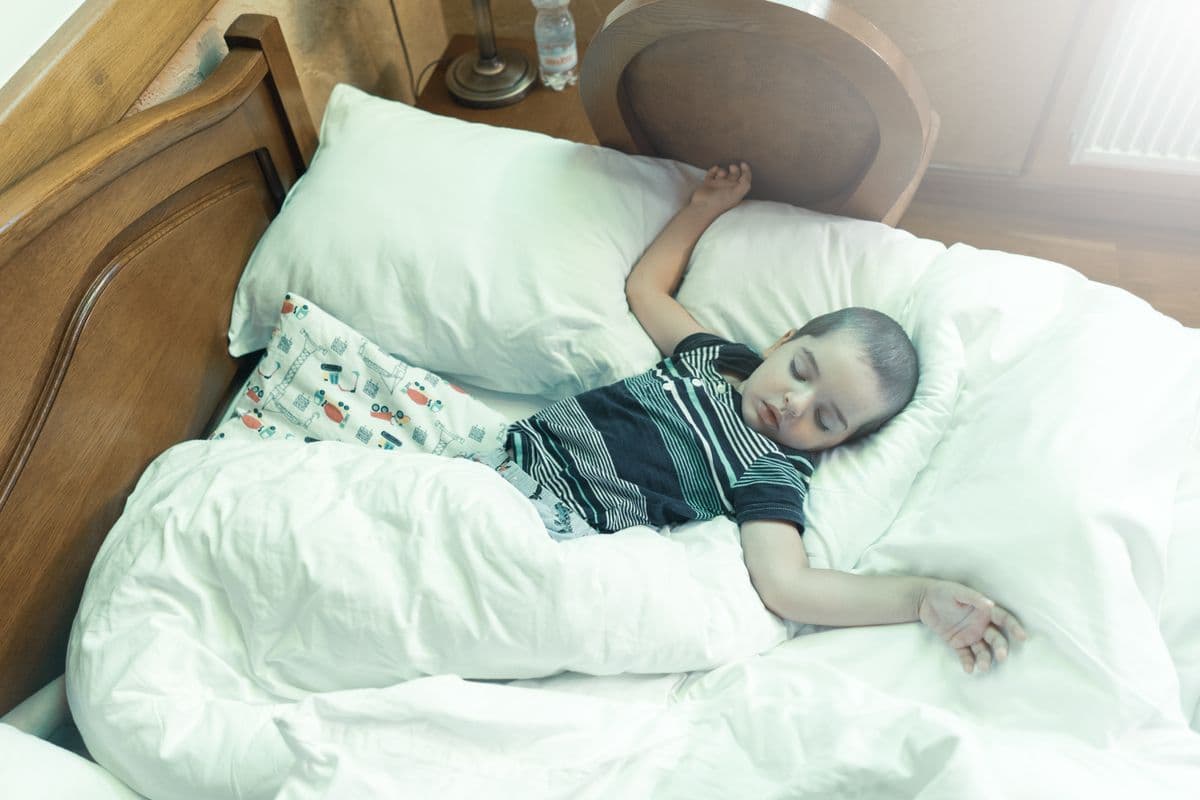
Building a Bedtime Routine That Works
A simple, consistent bedtime routine that helps kids wind down and fall asleep more easily.

How to Handle Toddler Separation Anxiety
Why toddler separation anxiety happens, what actually shortens it, and when it's worth mentioning to your pediatrician.
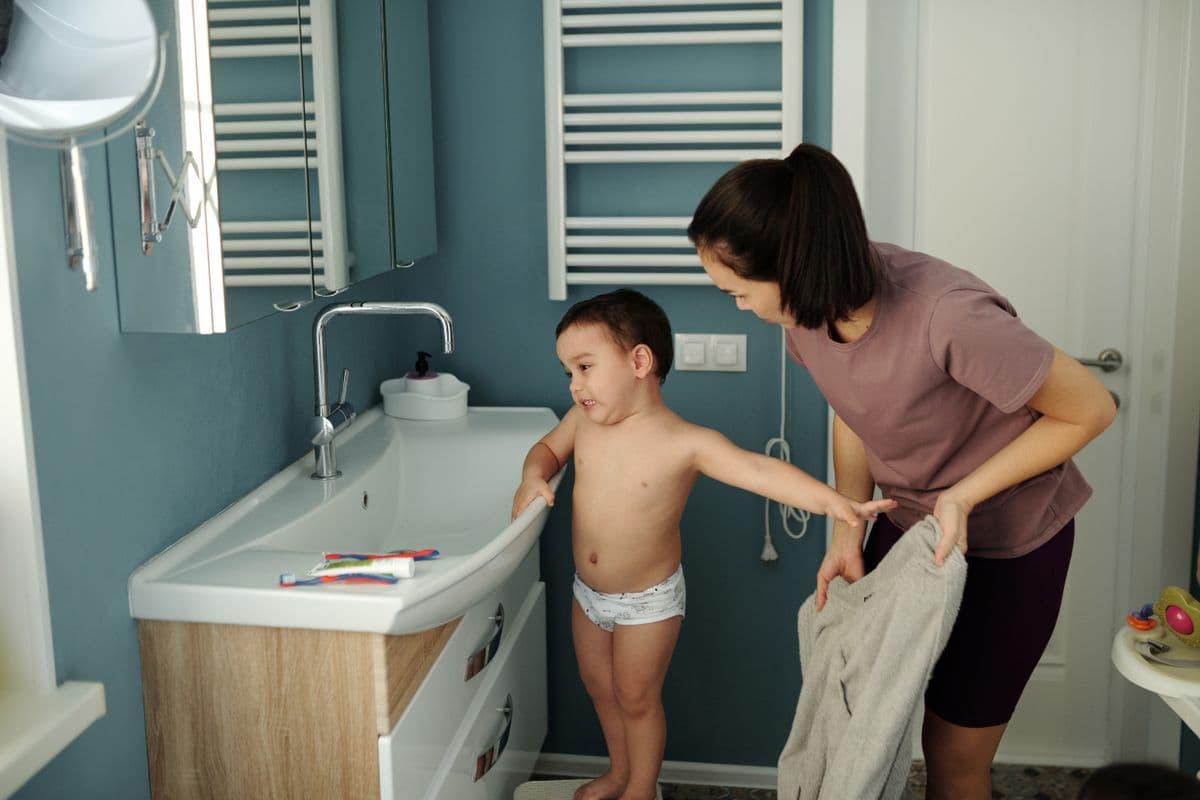
Potty Training: Signs of Readiness and How to Start
How to tell your toddler is ready for potty training, and a calm, child-led way to get started without power struggles.

Pacifiers and Thumb-Sucking: When and How to Wean, Age by Age
Why dentists treat pacifiers and thumb-sucking differently, the age ranges that actually matter for each, and weaning approaches that don't turn into a nightly battle.
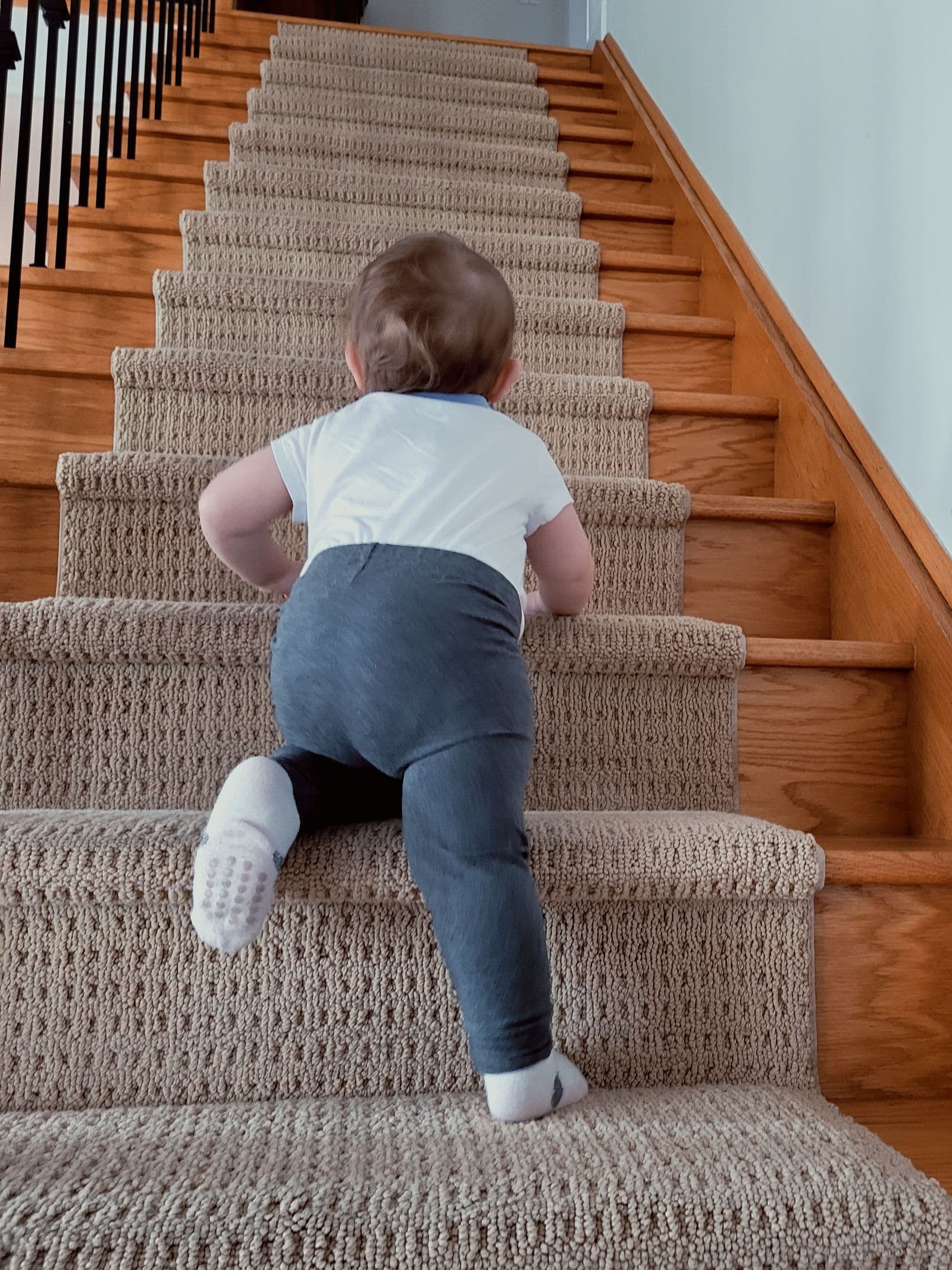
Best Baby Gates for Stairs and Doorways (2026)
The best baby gates for stairs and doorways in 2026 — hardware-mounted stair gates, pressure-mounted walk-through gates, and extra-wide picks, plus the safety rules every parent should know.
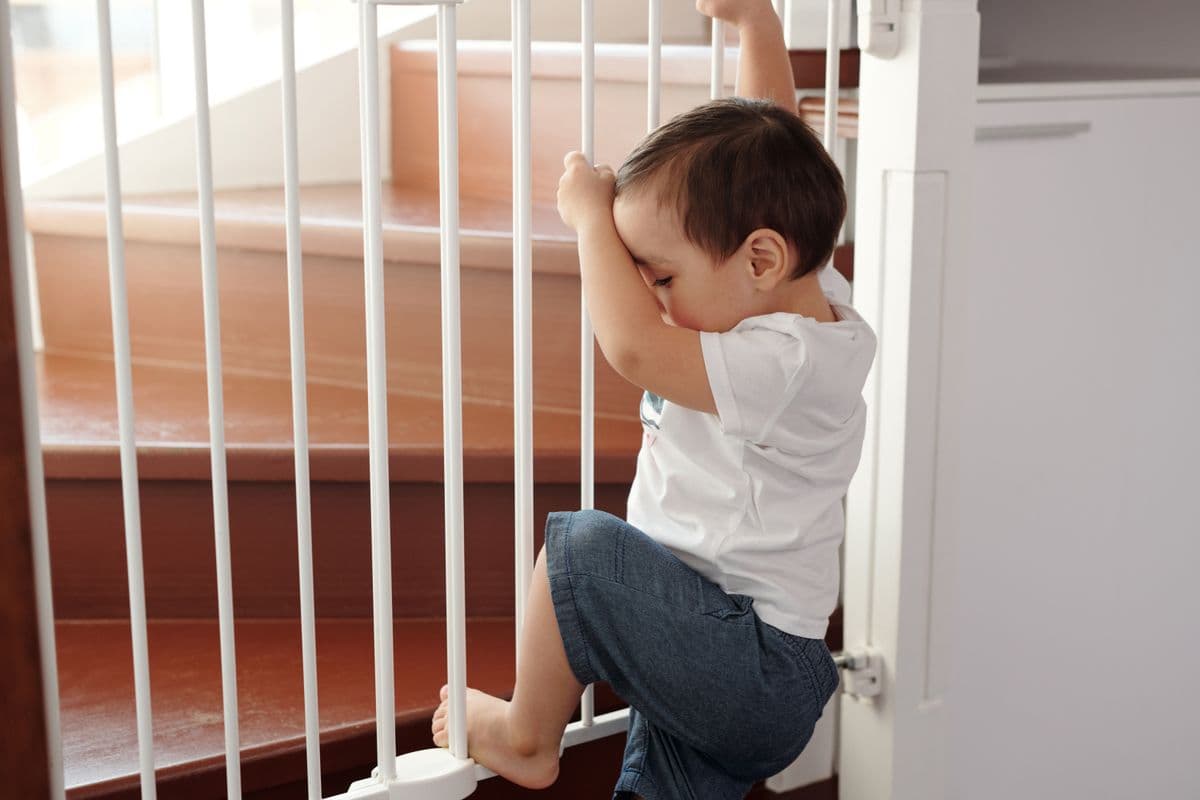
Baby-Proofing Your Home: A Room-by-Room Checklist
A practical, room-by-room baby-proofing checklist covering the changes that matter most before your baby starts crawling.
Mom's Magazine Editorial Team
Editorial Team
The Mom's Magazine editorial team researches and writes practical, plainly-sourced guidance for parents and families. Guides are reviewed for accuracy and updated as recommendations change. Where a topic calls for professional expertise, we cite reputable organizations and, for health topics, add a qualified reviewer before publishing.
Newsletter
Get the Weekly Mom List
One short email a week: the most useful guides, activities, and picks for your family. No spam, unsubscribe anytime.