Parenting
Sleep Training Methods Compared: Ferber, Chair Method, and No-Tears
How the Ferber method, the chair method, and no-tears approaches actually work, what the research says about each, and how to pick one that fits your family instead of one that just went viral.
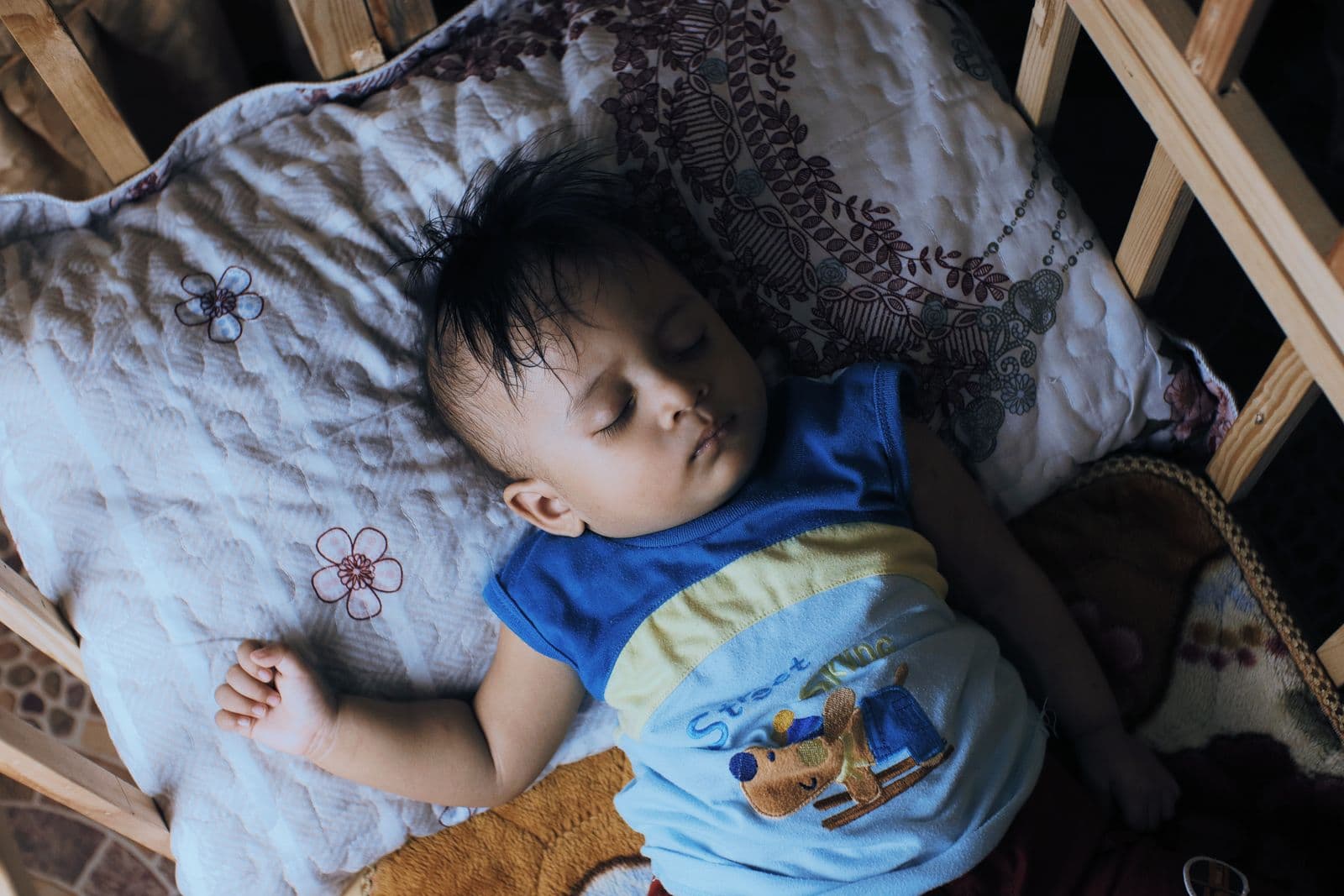
The three most common sleep training approaches are the Ferber method (put your baby down awake and check in at gradually longer, timed intervals), the chair method (sit in the room and slowly move your chair toward the door over days or weeks), and no-tears methods like pick-up/put-down (stay responsive and fade your help slowly, over a longer stretch). Ferber tends to work fastest, often within a week; the chair method and no-tears approaches take longer but involve less crying and let you stay in the room. All three are considered safe by sleep researchers once a baby is developmentally ready, usually somewhere past 4-6 months — the right one is whichever you can actually stick with for more than one rough night.
There's no single "correct" sleep training method — there's evidence that a few different approaches work, and a lot of personal tolerance for how much crying, or how much time, a family is willing to trade for a faster result. Here's what each of the three most common methods actually involves, not just the internet-shorthand version.
The three methods, side by side
| Ferber (graduated extinction) | Chair method | No-tears (pick-up/put-down, fading) | |
|---|---|---|---|
| How it works | Put baby down awake; check in briefly at increasing timed intervals (e.g., 3, 5, 10 minutes) | Sit in a chair near the crib; move the chair closer to the door every few nights until you're out of the room | Stay responsive — pick up and soothe when needed, put down before fully asleep — and slowly do less over time |
| Typical timeline | 3-7 nights for most babies | 1-2 weeks | 2-3 weeks or longer |
| Crying involved | Moderate, in the moment, generally less over successive nights | Often less acute distress since a parent stays visible | Usually the least, but a slower process can mean more total nights of some fussing |
| What it asks of you | Tolerating your baby crying without picking them up between checks | Being present but not intervening beyond scheduled comfort | High consistency and patience over a longer stretch |
The Ferber method, in practice
Named for pediatric sleep researcher Dr. Richard Ferber, this is sometimes called "graduated extinction." You put your baby down drowsy but awake, leave the room, and if they cry, you wait a set interval before a brief check-in — a few reassuring words or a light pat, without picking them up, then leave again. Each interval gets a little longer as the night goes on and across nights (a common schedule starts around 3 minutes, then 5, then 10, adding a few minutes each night). Most families see a real change within the first week, which is a big part of why it's the most widely used timed-interval method.
The chair method, in practice
The chair method keeps a parent physically present but gradually less involved. You sit in a chair near the crib the first few nights, offering verbal reassurance but not picking your baby up once they're down. Every two to three nights, you move the chair a little closer to the door, until eventually you're sitting just outside it, then not in the room at all. It's slower than Ferber — often a week or two longer — but some parents find it easier to tolerate emotionally because they're not leaving the room while their baby is upset.
No-tears methods, in practice
"No-tears" is really a family of gentler approaches — pick-up/put-down (soothe your baby when they're upset, then put them back down before they're fully asleep, repeating as needed) and fading (gradually reducing how much you do at bedtime, like less rocking each night) are the two most common. These ask for the most patience: progress is slower and less linear, and a rough night doesn't necessarily mean the approach isn't working. They tend to appeal to parents who find any amount of crib crying hard to sit with, even in short bursts.
What a head-to-head study actually found
Research comparing a responsive, chair-style approach against graduated extinction (Ferber) found that both approaches worked — babies in both groups slept better by the end. The chair/responsive group ended up with somewhat fewer night wakings and reported less parental stress, while the Ferber group generally saw faster initial results. Neither approach showed signs of harming the parent-child attachment, a common worry that isn't borne out in the sleep-training research to date.
When not to start (or to pause)
Bad timing undermines any method
Hold off on starting, or pause a method already in progress, during: a cold, ear infection, or teething flare-up; a big transition like starting daycare, a move, or a new sibling arriving; travel or a schedule that won't let you be consistent for at least a week; or if reflux, allergies, or another medical issue hasn't been ruled out as the reason for night waking. Starting during a rough patch tends to fail regardless of method, and then gets blamed on the method instead of the timing.
Most sleep consultants and pediatric sources also suggest waiting until a sleep regression has largely passed before starting a new method — it's hard to tell whether the approach is working or the regression is just resolving on its own underneath it.
How to actually pick one
- If a fast timeline matters more to you than avoiding any crying, Ferber has the most evidence behind quick results.
- If you can't tolerate leaving the room while your baby is upset, the chair method gets you most of the same result without leaving.
- If any structured crying feels wrong for your family, no-tears methods work — they just ask for more patience and more consistent nights before you see a clear trend.
- Whatever you pick, give it a full week of consistent nights before judging it — switching methods every few nights is the most common reason sleep training doesn't seem to work.
A steady routine matters just as much as the method itself — our guide to building a bedtime routine covers the wind-down sequence that pairs with any of these approaches. And if a comfort object or pacifier is part of the bedtime picture, our guide to weaning off a pacifier has more on timing that change separately from a sleep-training change, rather than stacking both at once.
Frequently Asked Questions
What age is safe to start sleep training?
Most pediatric sources point to somewhere around 4-6 months as a reasonable earliest window, once a baby's sleep cycles have matured and many are developmentally capable of longer stretches without a feed — but readiness varies, and it's worth checking with your pediatrician first, especially around weight gain and feeding needs.
Does letting a baby cry during sleep training cause long-term harm?
Studies that have followed sleep-trained babies, including a well-cited long-term follow-up, haven't found evidence of harm to attachment, emotional development, or the parent-child bond years later. That said, if a method feels wrong for your family, a gentler approach is a legitimate choice, not a lesser one.
Can I switch methods partway through if the first one isn't working?
You can, but switching too early is one of the most common reasons sleep training seems to fail — a method needs several consistent nights before you can fairly judge it. If you do switch, treat it as starting over rather than picking up where you left off.
Do I need to sleep train at all?
No. Plenty of families never formally sleep train and their children still learn to sleep independently over time, often more gradually. Sleep training is a tool for families who want a faster, more structured path to independent sleep — it isn't a requirement for a baby's development.
What if my baby is in daycare — does that change the approach?
It mostly changes timing, not method: pick a stretch with at least a week of stable evenings (no new daycare start, no travel) so the routine can stay consistent, since inconsistency is what slows any of these methods down the most.
Sources & Further Reading
- The Ferber Method for Sleep Training — Sleep Foundation (reviewed 2026-08-14)
- Sleep and Your 1- to 3-Year-Old — American Academy of Pediatrics (HealthyChildren.org) (reviewed 2026-08-14)
Related Guides
Baby and Toddler Sleep Regressions by Age: What's Happening at 4, 8, and 18 Months
Why sleep suddenly falls apart at 4 months, 8 months, and around 18 months, what's actually driving each one developmentally, and what to do differently (and not differently) at each stage.

Building a Bedtime Routine That Works
A simple, consistent bedtime routine that helps kids wind down and fall asleep more easily.

Toddler Sleep Regressions & Sleep "Props": Why It Happens and What Helps
Why a good sleeper suddenly fights bed or wakes at night, why toddlers cling to odd sleep rituals and comfort objects, and how to ride it out.

Pacifiers and Thumb-Sucking: When and How to Wean, Age by Age
Why dentists treat pacifiers and thumb-sucking differently, the age ranges that actually matter for each, and weaning approaches that don't turn into a nightly battle.
Mom's Magazine Editorial Team
Editorial Team
The Mom's Magazine editorial team researches and writes practical, plainly-sourced guidance for parents and families. Guides are reviewed for accuracy and updated as recommendations change. Where a topic calls for professional expertise, we cite reputable organizations and, for health topics, add a qualified reviewer before publishing.
Newsletter
Get the Weekly Mom List
One short email a week: the most useful guides, activities, and picks for your family. No spam, unsubscribe anytime.