Parenting
Baby and Toddler Sleep Regressions by Age: What's Happening at 4, 8, and 18 Months
Why sleep suddenly falls apart at 4 months, 8 months, and around 18 months, what's actually driving each one developmentally, and what to do differently (and not differently) at each stage.
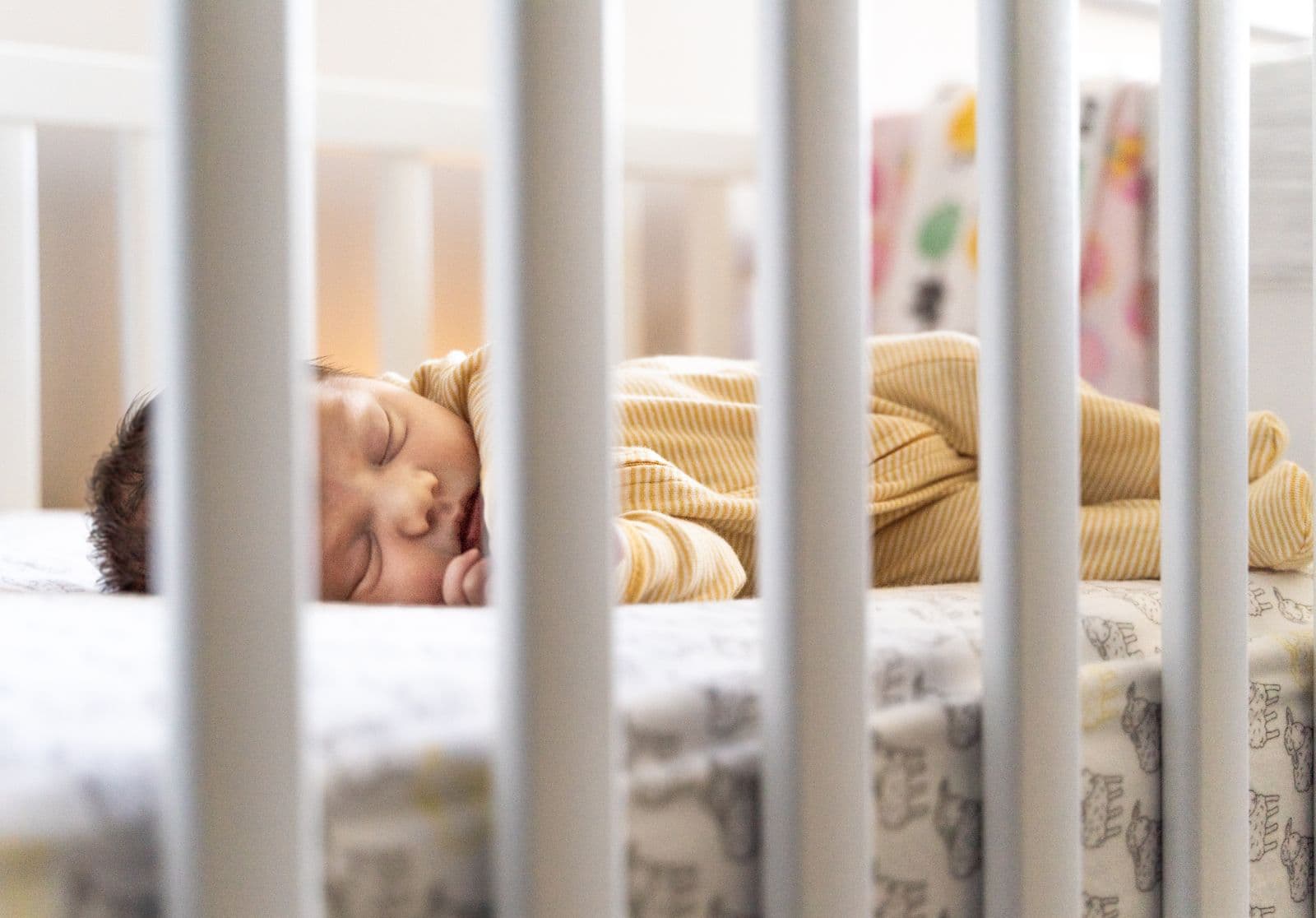
A sleep regression isn't really a step backward — it's a sign your baby's brain or body just did something new. The 4-month regression is a permanent shift in sleep architecture (not a phase that ends), while the 8-month and 18-month regressions are temporary, usually 2 to 6 weeks, and tied to specific leaps: rolling and sitting around 8 months, walking and language around 18 months. The fix at every age is the same short list — keep the routine boring and consistent, resist building a new sleep habit you can't sustain long-term, and give it a few weeks before assuming something's actually wrong.
What a "sleep regression" actually is
The name is a little misleading. Nothing regresses — a skill, a body change, or a brain milestone moves forward, and sleep gets disrupted as a side effect. That reframe matters because it changes what you're solving for: not "how do I get my old sleeper back," but "how do I get through the adjustment without creating a habit I'll have to undo in a month."
4 months: a permanent shift, not a phase that ends
Around 4 months, a baby's sleep cycles reorganize into the adult-like pattern of alternating light and deep sleep, with brief wake-ups between cycles. Newborns don't have this structure yet — they drop almost straight into deep sleep. Once the mature cycle kicks in, your baby will keep briefly surfacing between cycles for the rest of their life, the same way you do. The difference is that a newborn who wakes fully doesn't yet know how to drift back down alone, so those brief surfacings turn into full wake-ups and calls for help.
This one doesn't "end"
Because the 4-month shift is a permanent change in sleep architecture, not a temporary phase, the goal isn't to wait it out — it's to start giving your baby small chances to settle themselves between cycles, which is really the start of independent sleep skills. Our guide to newborn sleep in the first weeks covers what's realistic before this shift happens.
This is also roughly when swaddling has to end, since the safety window closes as soon as a baby starts showing rolling signs. Our guide to swaddling safely, and the arms-out transition covers staging that exit so it doesn't collide with the sleep-cycle shift any harder than it has to.
This same stretch is often when arms come fully out of the swaddle, since rolling and the 4-month regression tend to overlap. Our sleep sack comparison covers the arms-free options built for exactly this stage.
8 months: mobility, teeth, and the move to two naps
The stretch between roughly 7 and 10 months packs in a lot at once — many babies are rolling, sitting, pulling to stand, cutting teeth, and shifting from three naps down to two, sometimes all in the same few weeks. Any one of those is enough to disrupt sleep; together, they often do. A baby who just learned to pull up may practice it at 2 a.m. simply because they can, not because anything is wrong.
This regression is usually shorter-lived than the 4-month one — commonly 2 to 4 weeks — and tends to resolve on its own once the new skill (or new nap schedule) settles in. If nap transitions seem to be the bigger driver than a physical skill, pushing bedtime slightly earlier for a week or two often helps more than fighting the nap change directly.
Teeth get blamed for a lot of night waking around this age, sometimes fairly. Teething signs, timeline, and safe relief covers what teething actually causes and which soothing products to skip.
18 months: independence, molars, and boundary-testing
Around 14 to 19 months, toddlers are absorbing language fast, testing what happens when they say no, and often cutting molars — which are notably more uncomfortable than earlier teeth. Bedtime becomes a place to practice all of that: stalling, calling out, climbing the crib rail to see what you'll do. This is also the age range where separation anxiety tends to peak, which shows up at bedtime as much as at drop-off.
Hold the line kindly
This is the regression most likely to turn into a long-term habit if you cave on a new routine to get through a hard week — a toddler who gets you to stay until they fall asleep once will reasonably expect it every night after. A short, warm, and boring goodbye — the same one every night — tends to shorten this regression faster than an elaborate new routine.
What actually helps, across all three
- Keep the bedtime routine identical every night — same order, same words, same length. Predictability is doing the calming, not novelty.
- Pick the smallest fix you can live with for a few weeks, not the one that works fastest tonight — you'll likely need to walk it back once the regression passes.
- Give it two to three weeks before concluding something beyond the regression is going on.
- Keep daytime sleep on schedule as much as possible; an overtired baby or toddler sleeps worse at night, not better.
- Expect more daytime crankiness and shorter fuses during a regression — it's the same overtiredness showing up outside the crib, and it's a normal reason tantrums tend to spike during these stretches.
When it's not just a regression
Talk to your pediatrician if...
Loud snoring, pauses in breathing, or gasping during sleep; no improvement at all after four to six weeks; sleep disruption alongside fever, rash, or reduced wet diapers; or a baby who seems distressed rather than just resistant to settling. These patterns point past a typical developmental regression and are worth a pediatrician visit rather than more time and patience.
Regressions are frustrating precisely because they feel personal — like something you did wrong. Almost always, it's the opposite: your baby's brain or body is doing exactly what it's supposed to do, just not on your schedule.
One easy trap during a rough sleep stretch is stacking a habit change on top of it — dropping a pacifier for the first time during the 18-month regression, for example, when the wake-ups may already have nothing to do with the pacifier at all. Our guide to pacifier and thumb-sucking weaning has more on picking a calmer window for that specific change.
A regression can also look a lot like an ordinary nap transition landing at a bad time — our baby and toddler nap schedule guide by age covers what's actually typical at each stage, so you can tell the two apart.
Frequently Asked Questions
How long does a sleep regression usually last?
The 8-month and 18-month regressions typically resolve within 2 to 6 weeks. The 4-month shift is different — it's a permanent change in sleep cycles, so rather than 'ending,' it settles as your baby develops the skill to fall back asleep between cycles on their own.
Should I sleep-train during a regression, or wait?
Most sleep consultants suggest waiting until a regression has largely settled before starting a new sleep-training approach, since it's hard to tell whether a method is working or the regression is just passing on its own. An exception is the 4-month mark, which is often when families start introducing independent settling skills for the first time, since it coincides with the shift itself. [Our comparison of sleep training methods](/parenting/sleep-training-methods-compared-ferber-chair-no-cry) covers Ferber, the chair method, and no-tears approaches once you're ready to start.
Can teething cause a sleep regression on its own?
Teething can disrupt sleep for a few uncomfortable nights, especially around molars, but a true regression usually involves more than one factor at once (a developmental leap, a nap transition, or a cognitive shift like separation anxiety) rather than teething alone. [Our teething guide](/new-moms/baby-teething-symptoms-timeline-and-what-helps) covers which symptoms are actually caused by teething and which just happen to overlap with it.
Is it normal for regressions to hit at different ages than 4, 8, and 18 months?
Yes — these are common windows, not fixed deadlines. Some babies have a rougher stretch at 6 months instead of 8, or barely notice the 18-month shift. The underlying pattern (a new skill or developmental leap disrupting sleep temporarily) matters more than hitting an exact age.
Sources & Further Reading
- Healthy Sleep Habits: How Many Hours Does Your Child Need? — American Academy of Pediatrics (HealthyChildren.org) (reviewed 2026-08-11)
- Sleep and Your 1- to 3-Year-Old — American Academy of Pediatrics (HealthyChildren.org) (reviewed 2026-08-11)
Related Guides

Newborn Sleep: What to Expect in the First Weeks
A realistic look at newborn sleep in the first weeks — plus the safe-sleep basics every parent should know.
Building a Bedtime Routine That Works
A simple, consistent bedtime routine that helps kids wind down and fall asleep more easily.

How to Handle Toddler Separation Anxiety
Why toddler separation anxiety happens, what actually shortens it, and when it's worth mentioning to your pediatrician.
Best Baby Monitors of 2026
A researched comparison of Wi-Fi and non-Wi-Fi baby monitors — what actually matters when you're choosing one, and four well-reviewed options to start with.

Pacifiers and Thumb-Sucking: When and How to Wean, Age by Age
Why dentists treat pacifiers and thumb-sucking differently, the age ranges that actually matter for each, and weaning approaches that don't turn into a nightly battle.
Mom's Magazine Editorial Team
Editorial Team
The Mom's Magazine editorial team researches and writes practical, plainly-sourced guidance for parents and families. Guides are reviewed for accuracy and updated as recommendations change. Where a topic calls for professional expertise, we cite reputable organizations and, for health topics, add a qualified reviewer before publishing.
Newsletter
Get the Weekly Mom List
One short email a week: the most useful guides, activities, and picks for your family. No spam, unsubscribe anytime.