Products
Best Insulated Lunch Bags for Kids (2026 School Lunch Guide)
Best insulated lunch bags for kids for school: freezable-wall vs thick soft insulation vs fitted brand bags vs kids hard-sided coolers, USDA FSIS and CDC cold-safety packing framework, and five real Amazon options.
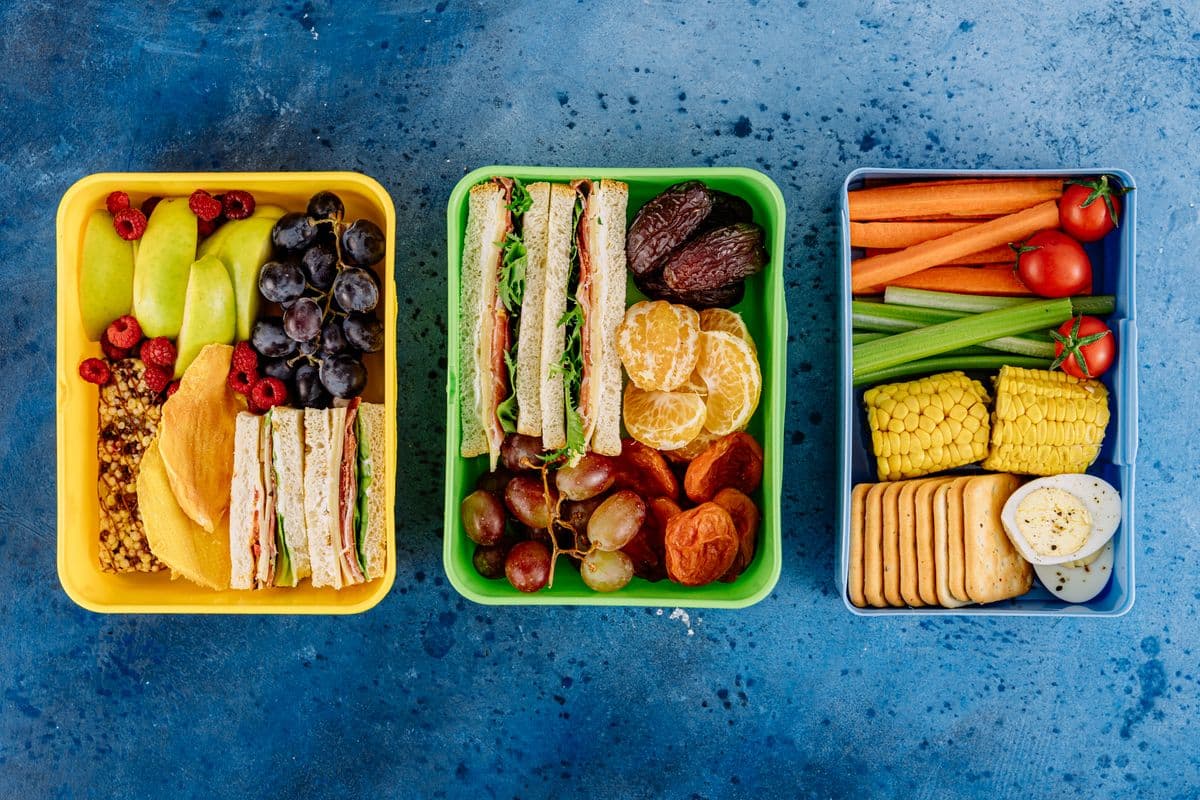
As an Amazon Associate I earn from qualifying purchases.Some links on this page are affiliate links. If you buy through them, Mom's Magazine may earn a small commission at no extra cost to you. It never changes which products we recommend. How we recommend products.
The best insulated lunch bag for kids is the one that matches how you pack perishables and how your child carries lunch to school. Freezable-wall bags (like PackIt Classic or PackIt Mini) chill when frozen overnight and can skip a separate ice pack. Thick soft bags (like Bentgo Kids Prints) hold a lunch box plus snacks and usually need ice packs. Fitted brand bags (like PlanetBox) are sized for a matching stainless tray and include ice-pack pockets. Kids hard-sided insulated boxes (like Hydro Flask Kids) add structure and dual-layer insulation with an interior band for an ice pack. USDA FSIS packed-lunch guidance still applies either way: keep perishable food out of the 40–140°F Danger Zone with an insulated bag and cold sources. This page compares those approaches with five Amazon picks.
Quick picks
| Product | Best for | |
|---|---|---|
| PackIt Freezable Classic Lunch Box (Black) Freezable walls | Families who want built-in freezable walls and fewer loose ice packs | Check price on Amazon |
| PackIt Freezable Mini Lunch Bag (Polka Dot) Freezable mini | Smaller freezable bag that fits kids' backpacks without a separate ice pack | Check price on Amazon |
| Bentgo Kids Prints Lunch Bag Soft double-insulated | Soft double-insulated everyday bag that holds a lunch box, snacks, and clips to a backpack | Check price on Amazon |
| PlanetBox Insulated Lunch Bag (Black Currant) Fitted brand bag | Families who pack a PlanetBox stainless lunch box and want a fitted insulated carry bag | Check price on Amazon |
| Hydro Flask Kids Small Insulated Lunch Box (Firefly) Kids hard-sided | Hard-sided kids cooler with dual-layer insulation and crush resistance in a backpack | Check price on Amazon |
Parents searching for the best insulated lunch bags for kids — or a school lunch bag that actually keeps yogurt cold until noon — are usually solving a temperature problem, not a fashion problem. A sandwich with deli meat, a yogurt tube, cut fruit, or cheese needs to stay cold from the kitchen counter through drop-off and the cafeteria line. An insulated lunch bag for kids is the soft (or freezable, or hard-sided) layer that slows heat getting in — and it only works when you pair it with cold sources the way USDA FSIS describes for bag lunches. This page is a researched buying guide comparing four insulation approaches with five Amazon picks. It is not a hands-on lab test, not a numbered best-of with invented scores, and not medical advice.
If you already own a hard bento and need the bag that carries it, start with fit and ice-pack pockets. If you want one piece that freezes flat overnight, start with freezable-wall designs (full-size Classic or backpack-friendly Mini). If your child wants a printed soft tote that clips to a backpack and holds snacks beside the box, start with thick double-insulated soft bags. If you want more structure than a soft tote — room for containers plus an interior ice-pack band — look at kids hard-sided insulated lunch boxes. Cross-link the pieces that sit next to this decision: best lunch boxes for kindergarten covers the tray inside the bag, school lunches that do not need refrigeration covers what to pack when cold storage is unreliable, and best water bottles for kids covers the bottle that often shares the same tote.
Check PackIt Freezable Classic on AmazonAffiliate link. Freezable-wall approach — freeze overnight.
See all product cardsFive Amazon picks: PackIt Classic, PackIt Mini, Bentgo Kids Prints, PlanetBox Currant, Hydro Flask Kids.
Why insulation matters for a school lunch bag
USDA Food Safety and Inspection Service guidance for bag lunches is blunt about temperature. Perishable food belongs out of the Danger Zone between 40°F and 140°F. An insulated bag slows how fast the inside warms toward room temperature, but the bag does not create cold by itself unless it has built-in freezable gel that you froze overnight or you packed ice packs (or frozen drinks) with the food. FDA consumer food-safety messaging for perishable leftovers and picnic-style packing uses the same 40°F line and the familiar 2-hour / 1-hour ambient rules many parents already know from grocery runs and cookouts. A lunch packed at 7 a.m. and eaten at noon is a multi-hour window — longer than those ambient rules if nothing is actively keeping food cold.
That is why so many families shop for an insulated lunch bag every August. Thin novelty totes with a zipper and almost no lining look cute and fail the morning. Thick foam, freezable gel walls, or a dual-layer kids cooler buy time. Packing the bag fuller (less empty air) and keeping it out of a hot car trunk or sunny backpack pocket also matters. Makers publish their own chill claims, and real-world hold time depends on starting temperature, how often the bag opens, and how hot the classroom or playground is.
Danger Zone reminder
USDA FSIS describes the Danger Zone as 40–140°F for perishable food. If a bag sat in a hot car during drop-off or without cold sources through a warm morning, treat perishable items as unsafe rather than trusting look and smell. Bacteria that cause foodborne illness do not reliably change how food looks or smells.
Four insulation approaches (not a scored ranking)
Most kids' lunch bags fall into one of four jobs. Pick the job first, then the print.
1. Freezable walls (built-in gel)
Bags like the PackIt Freezable Classic and the smaller PackIt Freezable Mini build nontoxic cooling gel into the walls. You collapse the bag, freeze it overnight (PackIt guidance commonly points to a long freeze, often described around 12 hours on product materials), and pack in the morning without hunting for a separate ice pack. The Classic is the larger freezable lunch-box shape; the Mini is sized for kids' meals and backpacks. The tradeoff is freezer space and the discipline to dry the bag before refreezing so frost does not build up. This approach shines when you want fewer loose parts and you remember to freeze the night before.
2. Thick soft insulation + ice packs
Double-insulated soft bags like the Bentgo Kids Prints Lunch Bag are the everyday backpack companion: room for a lunch box, snacks, and usually a bottle pocket, plus straps or clips for hands-free carry. You still add ice packs (ideally more than one cold source for perishables). The tradeoff is remembering packs and giving them freezer real estate every night. The upside is flexibility — you can leave the bag unfrozen when you pack only shelf-stable foods.
3. Fitted brand bags around a known lunch box
PlanetBox insulated carry bags are sized for PlanetBox stainless trays (Rover / Launch class footprints on maker pages) with pockets for a bottle, snacks, utensils, and a mesh ice-pack sleeve. You buy the system when you already like the tray — or you are building that system on purpose. The tradeoff is less "any bento fits" flexibility; the upside is fewer packing geometry fights and an ice-pack pocket that sits where the maker intended.
4. Kids hard-sided insulated lunch boxes
Hard-sided kids coolers such as the Hydro Flask Kids Small Insulated Lunch Box add structure so sandwiches and containers are less likely to get crushed in a backpack. Maker materials commonly describe two layers of insulation, a wipe-clean lined interior, an interior band for utensils or an ice pack, and a flexible handle sized for little hands (Hydro Flask lists ages 5+ on several kids lunch-box listings). You still pack ice packs for perishables — insulation slows heat; it does not rewrite USDA FSIS temperature rules. The tradeoff versus a soft tote is bulk and less clip-to-backpack flexibility on some designs.
| Approach | Best when | Cold source habit | Watch-outs |
|---|---|---|---|
| Freezable walls | You want fewer loose ice packs | Freeze the bag overnight | Needs freezer flat space; dry fully before refreeze |
| Thick soft bag | Box + snacks + backpack clip | Pack 1–2 ice packs / frozen drink | Insulation fails if you skip cold sources with perishables |
| Fitted brand bag | You already use that lunch box | Use the mesh ice-pack pocket | Sized for that system; confirm tray fit before you buy |
| Kids hard-sided cooler | You want crush resistance + structure | Use interior ice-pack band + frozen drink | Bulkier in small backpacks; still needs cold sources for perishables |
Check PackIt Freezable Mini on AmazonAffiliate link. Smaller freezable bag for backpacks.
Check Bentgo Kids Prints Lunch Bag on AmazonAffiliate link. Soft double-insulated bag.
Check Hydro Flask Kids Lunch Box on AmazonAffiliate link. Kids hard-sided insulated box.
What to look for in an insulated lunch bag for kids
- Insulation you can feel: foam walls, foil lining, freezable gel, or a dual-layer kids cooler — not a thin fabric pouch with a zipper.
- Kid-openable zipper or flap: teachers should not be the latch every day.
- Carry options that match the child: padded handle, adjustable strap, backpack buckle/clip.
- Room for the real pack: lunch box + snack + napkin + ice pack without crushing.
- Wipeable lining and a care path you will follow on school nights.
- Bottle pocket or space for a 12–14 oz kids bottle if that is how you pack drinks.
- Honest ice-pack plan: one pack under and one over perishable food when USDA FSIS-style packing is the goal.
- Backpack reality check: measure the lunch bag against the pack the child actually carries — see best backpacks for elementary school.
Backpack fit deserves a minute of thought. A bulky soft bag or hard-sided cooler that barely zips into a small preschool pack will get left in a cubby or hung on a hook in a warm hallway. If you are sizing the whole morning load, make sure the lunch bag you choose still leaves room for folders.
Food-safety packing that matches official guidance
USDA FSIS pages on keeping bag lunches safe emphasize clean prep, insulated bags, and cold sources placed to surround perishable food. USDA back-to-school lunch releases and FDA "food to go" tips use the same Danger Zone and 2-hour / 1-hour ambient rules. Practical habits that stay faithful to that guidance:
- Wash hands and rinse produce before packing. Use clean, dry containers.
- Keep perishable food refrigerated until pack time; do not leave the packed bag on a warm counter for an hour.
- Use an insulated bag — freezable, thick soft, fitted, or kids hard-sided — not a paper sack for perishables.
- Add at least two cold sources when the lunch includes meat, dairy, cut fruit, or other perishables: ice packs above and below, or one ice pack plus a frozen water bottle or yogurt tube.
- Freeze sandwiches the night before when the filling freezes well (skip mayo-heavy spreads that separate awkwardly), or freeze the drink that sits beside the sandwich.
- Tell kids not to leave the bag on a sunny playground bench; backpack hooks in a hot portable classroom count as a warm spot too.
- Throw out perishable leftovers that sat through the Danger Zone window rather than saving them for after-school snacks.
Shelf-stable building blocks still help: whole fruit, crackers, nut or seed butter when school policy allows, hard cheese in cooler weather with ice packs, dried fruit, and sealed pouches. That is the same logic as our no-refrigeration school lunch guide — build safety first, then variety.
Two cold sources
A single thin ice pack in a half-empty bag often loses the fight by late morning. USDA FSIS-style packing for bag lunches points families toward insulated carriers and enough cold to keep food out of the Danger Zone. A frozen water bottle that finishes thawing by lunch is both a drink and a second chill source.
A school-morning workflow that actually sticks
The bag fails when the morning does. A routine that matches USDA-style cold packing without turning 6:40 a.m. into a science fair:
- Night before: freeze the PackIt-style bag or freeze ice packs and a water bottle; pack non-perishable sides into the lunch box.
- Morning: add perishable items straight from the fridge; nest cold sources against them; zip the bag closed before it sits on a warm counter.
- Drop-off: keep the bag out of a hot trunk; if the child carries it, remind them it stays in the backpack or cubby — not on a sunny ledge.
- After school: empty crumbs, wipe the lining, air-dry open; dry freezable bags fully before the next overnight freeze.
If your school's lunch is unusually late, or the classroom runs hot, lean harder on two cold sources and on shelf-stable backups. When in doubt, pack colder or pack fewer perishables.
Age, independence, and how the bag gets carried
Preschool and early kindergarten kids need a bag they can unzip without a struggle and a handle or clip that does not drag on the ground. Elementary kids often want the print their friends have and a shoulder strap for after-school programs. Soft Bentgo-style bags lean into prints and backpack clips. PackIt Classic is a horizontal freezable box-shaped bag with a buckle handle for clipping; PackIt Mini is the smaller freezable shape for tighter backpacks. PlanetBox bags use an adjustable strap and pockets aimed at the stainless tray system. Hydro Flask kids lunch boxes emphasize a flexible handle and ages 5+ guidance on several listings — confirm the age and size notes on the live colorway you buy.
Practice the open-and-close routine at home the week before school starts — the same independence test we recommend for kindergarten lunch boxes. A beautiful bag that only an adult can unzip becomes a lunch that sits untouched until a teacher helps.
Cleaning and care (the quiet reason bags get replaced)
Most soft insulated bags want a wipeable interior and spot-cleaned exterior. PackIt materials commonly say wipe the interior, spot-clean the exterior, and air-dry fully with the bag open before freezing again — dishwashers and washing machines are usually the wrong tool. PlanetBox recycled-polyester carry bags are marketed with wipeable, water-resistant interiors; maker care notes typically favor hand wash / air dry rather than a hot dryer. Bentgo soft bags are positioned as wipe-clean with water-resistant fabric. Hydro Flask kids lunch-box materials commonly describe a wipe-clean lined interior; confirm dishwasher claims on the exact listing, because care notes vary by generation. Always confirm the live care panel on the listing you buy, because colorways and revisions change.
- Empty crumbs nightly; wipe lining with a damp cloth.
- Dry zippers and seams fully — trapped moisture is how lunch bags smell like a gym locker by October.
- Wash ice packs separately per their own care notes; cracks mean replace, not tape.
- For freezable bags, dry completely before the overnight freeze to limit frost buildup.
How we chose the five bags on this page
Last checked 2026-09-15. If a colorway is out of stock, Amazon may substitute a similar print; verify the title on the live page before checkout.
- PackIt Freezable Classic Lunch Box (Black) — freezable gel in the walls.
- PackIt Freezable Mini Lunch Bag (Polka Dot) — smaller freezable bag for backpacks.
- Bentgo Kids Prints Lunch Bag — double-insulated soft bag for ages 3+.
- PlanetBox Insulated Lunch Bag (Black Currant) — fitted insulated carry bag with ice-pack pocket.
- Hydro Flask Kids Small Insulated Lunch Box (Firefly) — hard-sided kids cooler with dual-layer insulation.
Some heritage canvas lunch boxes sell mainly on brand sites, so they aren't listed here. Optional PlanetBox colorways such as Tutti Frutti are the same bag in a different print if Currant is unavailable — confirm the live title before you buy. Other PackIt Mini prints (for example Monsters or Camo colorways on Amazon) are the same Mini form factor if Polka Dot is out of stock.
Check current prices on the bags below
Our Recommendations lists the five bags with affiliate links. Tap through for live Amazon availability and pricing — prices change, so we do not hard-code them here.
Check PackIt Freezable Classic on AmazonAffiliate link.
Check PackIt Freezable Mini on AmazonAffiliate link.
Check Bentgo Kids Prints Lunch Bag on AmazonAffiliate link.
Check PlanetBox Currant insulated bag on AmazonAffiliate link.
Check Hydro Flask Kids Lunch Box on AmazonAffiliate link.
Jump to product cardsCompare approaches side by side.
Packing scenarios that map to each bag
Perishable sandwich morning
Deli turkey, cheese, and cut apple slices need cold from pack to lunch. Freezable PackIt walls (Classic or Mini) or a soft Bentgo / PlanetBox / Hydro Flask bag with two cold sources are the honest setups. Put an ice pack against the sandwich container; add a frozen water bottle. Keep mayo packets cold the same way, or switch to shelf-stable spreads on hot-forecast days.
Mostly shelf-stable day
Whole fruit, crackers, seed butter (when allowed), and a sealed pouch can ride in a lighter bag — but if you still include yogurt or cheese, treat it as perishable and bring the ice packs back. Insulation without cold sources does not rewrite USDA FSIS temperature rules.
PlanetBox stainless day
If the tray is a PlanetBox Rover or Launch-style box, the Currant insulated bag is the carry piece sized for that system, with a mesh pocket meant for an ice pack. Pair with the stainless tray notes on our kindergarten lunch box guide — stainless compartments are durable, but wet foods still need the right cups or a different box.
Crush-prone backpack day
When the lunch rides under binders and a water bottle, a hard-sided kids cooler (Hydro Flask Kids class) or a well-packed freezable Classic can protect containers better than an overstuffed soft tote. Still add ice packs for perishables, and confirm the cooler still fits the backpack before the first day of school.
Mistakes that undo a good insulated bag
- Buying a "lunch bag" that is only decorative fabric with no real insulation.
- Packing perishables with zero ice packs because the marketing said insulated.
- Leaving the packed bag in a hot car during a long drop-off line.
- Freezing a PackIt-style bag while it is still damp, then fighting frost and odors.
- Choosing a bag so big it will not fit in the backpack the child actually carries.
- Skipping the zipper practice until the first day of school.
- Assuming a hard-sided cooler keeps food cold without any ice pack on a warm day.
Related gear that sits next to the lunch bag
The bag is one layer. The lunch box controls portions and leaks. The bottle controls spills in the same tote. The backpack controls whether everything arrives without being crushed. Use best lunch boxes for kindergarten, best water bottles for kids, and best backpacks for elementary school as the sibling buying guides — and keep food-safety packing habits aligned with school lunches that do not need refrigeration. Earlier in the same solids → sippy → lunch sequence, best sippy cups covers spoutless and weighted-straw picks when a younger sibling is still on cups — not sippy mechanics on this lunch-bag page.
Compare sippy cups we already listedEarlier stage — spoutless 360 and weighted straw before school lunch bags.
If a younger sibling is still in the cup stage while you are packing this lunch bag, best sippy cups is the earlier page in the solids → sippy → lunch sequence — spill-resistant daily cups, not school cold carriers.
Decision framework: pick the approach before the brand
Parents comparing the best insulated lunch bags for kids often jump to color prints and Amazon thumbnails. A cleaner order is: (1) what perishable food you actually pack, (2) how long the bag sits before lunch, (3) whether your child carries the bag alone, and (4) whether you will freeze a freezable wall overnight or remember loose ice packs. Only after those answers does brand choice matter. This framework is not a scored lab ranking — it is a buying sequence so you do not buy a cute soft bag for a dairy-heavy pack on a hot portable-classroom day without cold sources.
- Perishable load: deli meat, yogurt, cut fruit, and soft cheese need insulation plus cold sources (USDA FSIS bag-lunch guidance). Shelf-stable packs can use a lighter bag.
- Time window: morning pack to noon cafeteria is the common school case; early bus routes and late lunch bells stretch that window — favor two cold sources.
- Carry style: backpack clip, shoulder strap, or hard-sided box the child can open alone without dumping the tray.
- Freeze discipline: if you will not freeze walls or packs the night before, freezable bags stop being freezable in practice — choose thick soft + packs you already own, or build the habit.
- Fit check: measure the lunch box or bento you already use; fitted brand bags (PlanetBox-style) fail when the tray is a different system.
Once those five answers are clear, map to an approach: freezable walls (PackIt Classic / Mini), thick soft bag + ice packs (Bentgo Kids Prints), fitted brand bag (PlanetBox), or kids hard-sided insulated box (Hydro Flask Kids). The five picks below illustrate those approaches — confirm live listing color, size, and care notes before you buy.
School-day packing: night-before and morning-of
Insulation fails most often because of workflow, not fabric weight. A school-day packing routine that matches USDA FSIS cold-safety habits keeps perishables out of the 40–140°F Danger Zone without turning breakfast into a science fair.
Night before
- Flatten and freeze freezable-wall bags, or put ice packs in the freezer so they are solid by morning.
- Wash and dry produce; portion cut fruit or cheese into clean containers and refrigerate.
- Park shelf-stable sides (crackers, sealed pouches, whole fruit) in a bin so the morning pack is mostly cold items.
- If you use a freezable bag, leave space in the freezer so it freezes flat — a crumpled bag freezes unevenly.
Morning of
- Keep perishables in the fridge until the last packing step — do not stage the full bag on a warm counter.
- Pack cold sources around the perishables (above and below when the bag shape allows), then close promptly.
- Add a frozen water bottle when you want a drink that doubles as backup chill.
- Clip or seat the bag so it is not crushed flat in a stuffed backpack (crushed insulation and dumped ice packs both lose performance).
- If lunch includes hot soup in a separate thermos, treat that as a different temperature system — do not assume one insulated bag keeps hot and cold zones honest without dedicated containers.
At school and after
- Remind kids not to leave the bag on a sunny playground bench or in a hot portable classroom between drop-off and lunch.
- Toss perishable leftovers that sat through the Danger Zone window rather than saving them for an after-school snack.
- Open the bag at home to dry; trapped moisture is why linings smell and why bags get replaced early.
Danger Zone reminder
USDA FSIS bag-lunch guidance centers on keeping perishable food out of the 40–140°F Danger Zone with an insulated bag and cold sources. Insulation alone is not a free pass — especially on warm days or long bus rides. See the Sources list for the FSIS and USDA pages we cite; this is food-safety education, not medical advice.
Who should skip which approach
Honest skip rules prevent returns better than invented review scores:
- Skip freezable-wall bags if you will not freeze them overnight — without the freeze step they are just soft bags with gel that never got cold.
- Skip a fitted brand bag if your child uses a different tray system; the insulation pocket is sized for that brand's geometry.
- Skip ultra-tiny mini bags for older kids packing a full sandwich, fruit, and snack — capacity matters more than print novelty.
- Skip hard-sided boxes if backpack weight is already a fight and the child only packs shelf-stable items — a lighter soft bag may be enough.
- Skip any bag marketed only on fashion if you cannot confirm wipe-clean interiors and a zipper a young child can operate — independence failures show up as spilled yogurt.
USDA / FSIS / CDC cold-safety notes we actually cite
We lean on primary sources rather than brand hour claims. USDA FSIS "Keeping Bag Lunches Safe" and USDA back-to-school lunch releases emphasize clean prep, refrigerated perishables until pack time, insulated bags, and cold sources that surround food. FDA "food to go" tips align on the same Danger Zone idea. CDC food-safety prevention pages teach the same four steps — Clean, Separate, Cook, Chill — and the same Danger Zone framing: bacteria multiply rapidly between 40°F and 140°F, and perishable food should not sit out more than 2 hours (1 hour if ambient temperatures are above 90°F). Practical translation for school lunch bags:
- Perishable protein and dairy belong with cold sources — not in an uninsulated fashion tote.
- Two cold sources beat one for a morning-to-noon window, especially in warm weather — FSIS specifically recommends packing at least two ice sources with perishable food in any lunch bag or box.
- A frozen juice box or water bottle can be both drink and chill; place cold sources on top and bottom of perishable items when the bag shape allows (FSIS packing guidance).
- When ambient heat is extreme, the one-hour guidance for perishables left out in hot conditions is the stricter end of the usual two-hour rule — plan cold sources harder, not prettier prints.
- Pack only what will be eaten at lunch; FSIS advises discarding leftover perishable food and used packaging after lunch rather than saving Danger Zone leftovers for an after-school snack.
- We do not republish brand-specific "stays cold for X hours" marketing as fact; check the live listing and treat hours as unverified unless a primary source supports them.
Full citations sit in Sources at the bottom of this page (FSIS bag-lunch page, USDA back-to-school releases, CDC preventing food poisoning / Chill guidance). Pair this guide with our school lunch and bento coverage when you are building the whole pack, not only the outer bag.
Cold-safety packing framework for school mornings
Use this as a packing checklist, not a brand ranking. It restates FSIS bag-lunch and CDC Chill guidance in the order a school morning actually runs — without inventing hold times, star scores, or temperatures brands did not publish.
- Start cold: keep meat, dairy, cut fruit, and other perishables refrigerated at 40°F or below until the last packing step (FSIS / CDC Chill).
- Choose the carrier for the perishable load: freezable walls frozen overnight, or a thick soft / fitted / hard-sided insulated bag with ice packs — not a paper sack for perishables (FSIS).
- Pack at least two cold sources around perishables — two frozen gel packs, or one gel pack plus a frozen juice box or water bottle — placed above and below when possible (FSIS).
- Close the bag promptly; do not stage a packed perishable lunch on a warm counter or in a hot car trunk during a long drop-off line (2-hour / 1-hour ambient rules from FSIS and CDC).
- At school, keep the bag out of sunny playground benches and hot portable-classroom ledges; if a refrigerator is available, store perishable items there.
- After lunch, discard leftover perishables that sat through the Danger Zone window rather than saving them for later (FSIS).
- At home, empty crumbs, wipe the lining, and air-dry open — especially before refreezing a freezable-wall bag.
What we will not invent
This framework does not invent brand "stays cold for X hours" claims, star rankings, or prices. CDC and USDA/FSIS publish Danger Zone temperatures and time limits for perishable food left out; they do not certify a specific Amazon lunch bag. If a listing's chill claim is not backed by a primary source, treat it as marketing and rely on ice packs plus the insulated carrier.
When the menu is the weak link — late lunch bells, no reliable classroom cold storage, or a child who leaves the bag on a sunny bench — shift more of the pack to shelf-stable building blocks and keep the cold plan for the few perishables you still send. That handoff lives on school lunches that do not need refrigeration. The tray inside the bag still matters for leaks and crush: see best lunch boxes for kindergarten.
Bottom line
Choose the insulation approach that matches your freezer habits and your child's carry style. Freezable walls (Classic or Mini) reduce loose ice packs if you freeze overnight. Thick soft bags win when you need prints, clips, and room for snacks — and you commit to ice packs for perishables. Fitted PlanetBox bags win when the stainless tray is already the plan. Kids hard-sided coolers win when crush resistance matters as much as insulation. Keep USDA FSIS Danger Zone guidance in the foreground every school morning. Then open the five Amazon cards below for live availability — prices, rankings, or lab scores.
Our Recommendations

PackIt Freezable Classic Lunch Box (Black)
Best for: Families who want built-in freezable walls and fewer loose ice packs
A freezable lunch box with cooling gel built into the walls. Flatten and freeze overnight so the walls chill food without a separate ice pack. Large zip opening, buckle handle for clipping to a backpack, mesh side pocket, and wipe-clean interior per PackIt product materials. Confirm freeze time and care notes on the live listing.
- Freezable gel built into the walls (EcoFreeze-style design on PackIt materials)
- Collapses flat for freezer storage; freeze overnight before packing
- Buckle handle to clip onto backpacks or sports bags
- Mesh side pocket for a small bottle or utensils; zip pocket for ID/wipes
- PVC-, BPA-, and phthalate-free materials claimed on PackIt product pages
Keep in mind: Needs freezer flat space every night and must dry fully before refreezing; not a set-and-forget soft tote.
PackIt Freezable Mini Lunch Bag (Polka Dot)
Best for: Smaller freezable bag that fits kids' backpacks without a separate ice pack
A smaller PackIt freezable lunch bag with cooling gel built into the walls. Collapse flat, freeze overnight (PackIt materials commonly describe about 12 hours), then pack. Product materials list roughly 8.25 × 8 × 3.75 in open size, zipper closure, backpack/stroller clip handle, and wipe-clean lining. Ideal when the Classic is too big for the pack. Confirm print and care notes on the live listing.
- Freezable gel permanently built into the walls — freeze overnight
- Mini size aimed at kids' meals and backpacks (smaller than PackIt Classic)
- Buckle handle clips to backpacks, totes, or strollers
- Zip top; wipe-clean interior / spot-clean exterior per PackIt care notes
- PVC-, BPA-, phthalate-, formaldehyde-, and lead-free materials claimed on PackIt pages
Keep in mind: Smaller capacity than the Classic — measure against your lunch box before you buy; still needs full overnight freeze discipline.
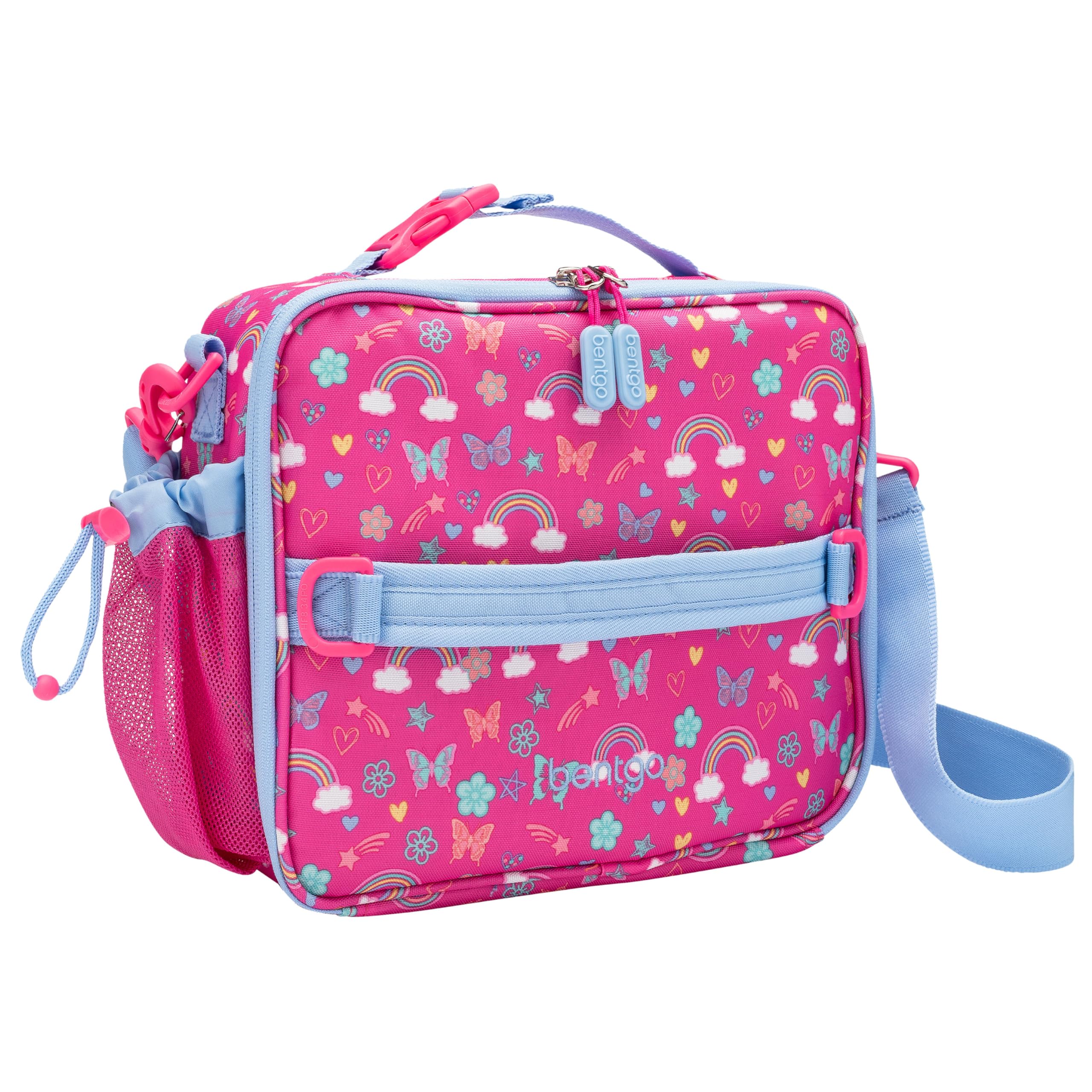
Bentgo Kids Prints Lunch Bag
Best for: Soft double-insulated everyday bag that holds a lunch box, snacks, and clips to a backpack
A kids soft lunch bag with thick double insulation, water-resistant fabric, interior and exterior zippered pockets, and an external bottle holder. Bentgo positions it for ages 3+. Adjustable strap, padded handle, and backpack buckle/clip options. Still pack ice packs for perishables — insulation slows heat; it does not replace cold sources.
- Ultra-thick double insulation in a soft, wipe-clean bag
- Fits a lunch box plus snacks; exterior mesh bottle pocket
- Interior and exterior zippered pockets for utensils or ice packs
- Multiple carry options: handle, shoulder strap, backpack clip
- Maker age guidance: ages 3+
Keep in mind: Still needs ice packs for perishable food; print availability rotates, so check which prints are listed.

PlanetBox Insulated Lunch Bag (Black Currant)
Best for: Families who pack a PlanetBox stainless lunch box and want a fitted insulated carry bag
PlanetBox insulated carry bag in Black Currant, sized around PlanetBox lunch boxes with room for snacks and a bottle. Listing features include a wipeable water-resistant interior, 100% recycled polyester exterior, interior elastic utensil straps, a mesh ice-pack pocket, outer snack/bottle pockets, and an adjustable strap. Confirm it is the insulated bag (not a tray-only listing) on the live Amazon page.
- Insulated carry bag designed for PlanetBox lunch boxes
- Mesh interior pocket for ice packs; outer pockets for snacks and a bottle
- Interior elastic straps for utensils
- Wipeable water-resistant interior; recycled polyester exterior per listing
- Approx. 12 x 9 x 2.5 in footprint on PlanetBox/Amazon product copy
Keep in mind: Best when you already use (or plan to use) a PlanetBox tray — less flexible as a generic any-bento tote.
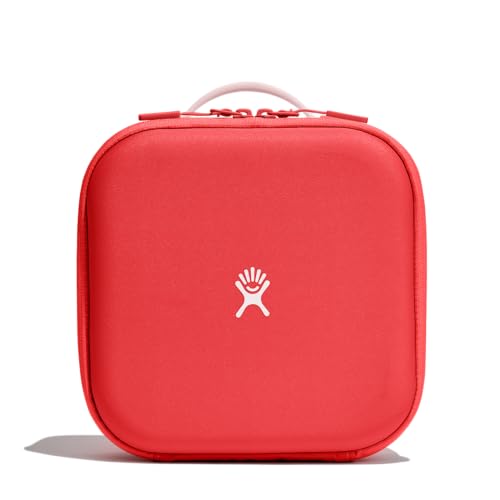
Hydro Flask Kids Small Insulated Lunch Box (Firefly)
Best for: Hard-sided kids cooler with dual-layer insulation and crush resistance in a backpack
Hydro Flask kids small insulated lunch box in Firefly. Maker materials commonly describe two layers of insulation, a fully lined wipe-clean interior, an interior band for utensils or an ice pack, a flexible handle for little hands, and ages 5+ guidance on several kids lunch-box listings. Still pack ice packs for perishables. Confirm colorway, capacity, and care notes on the live Amazon page before you buy.
- Two layers of insulation per Hydro Flask kids lunch-box product materials
- Fully lined interior designed to wipe clean
- Interior band to hold utensils or an ice pack
- Flexible handle sized for kids; playground-durable framing on maker copy
- Ages 5+ guidance on several Hydro Flask kids lunch-box listings — confirm on the live page
Keep in mind: Bulkier than a soft tote in small preschool packs; insulation still needs ice packs for perishable food on warm days.
As an Amazon Associate I earn from qualifying purchases. Mom's Magazine may earn a commission when you buy through links on this page, at no extra cost to you. Learn more.
Frequently Asked Questions
What is the best insulated lunch bag for kids?
The best insulated lunch bag for kids is the one that matches your packing style: freezable walls if you will freeze the bag overnight, a thick soft bag if you want backpack clips and room for snacks plus ice packs, a fitted brand bag if you already pack a matching lunch box, or a kids hard-sided insulated box if crush resistance matters. Pair any of those with USDA FSIS-style cold sources for perishables. This page compares five real Amazon options — it is not a scored lab ranking.
Do insulated lunch bags keep food cold without ice packs?
Usually no. Soft insulation slows heat; it does not create cold. Freezable-wall bags are the exception only when you actually froze the bag overnight so the built-in gel is cold. For perishable food, USDA FSIS bag-lunch guidance still centers on keeping food out of the 40–140°F Danger Zone with insulated carriers and cold sources.
How many ice packs does a kids lunch bag need?
For perishable lunches across a morning-to-noon school window, two cold sources beat one — for example an ice pack plus a frozen water bottle. Place cold sources so they contact the perishable containers. Shelf-stable-only lunches can skip ice packs, but the moment you add yogurt, deli meat, or cut fruit, bring cold back.
Is a freezable lunch bag better than a regular insulated bag?
It is different, not universally better. Freezable bags reduce loose ice packs if you have freezer space and remember to freeze overnight. Regular insulated soft bags and kids hard-sided coolers are more flexible day to day and still work well when you pack ice packs consistently. Choose based on your morning routine.
What size insulated lunch bag fits a kindergarten lunch box?
Choose a bag that fits your actual lunch box plus at least one ice pack and a napkin without crushing. Many kindergarten bentos fit soft bags in the roughly 9–12 inch class, but measure your box. PackIt Mini is smaller than PackIt Classic. Fitted bags like PlanetBox are sized for that brand's trays — confirm compatibility on the listing.
How do I clean an insulated lunch bag?
Most soft and freezable kids lunch bags are wipe-clean inside and spot-clean outside. Air-dry fully with the bag open. Hard-sided kids coolers are usually wipe-clean inside; confirm dishwasher claims on the exact listing. Check the care panel for your model before machine washing — many freezable bags and structured insulated bags are not dishwasher or washer safe.
Can I pack hot food in an insulated lunch bag?
Insulated soft bags and most kids coolers are mainly for keeping cold food colder longer. Hot food usually needs a dedicated insulated food jar preheated with boiling water, packed upright. Do not assume a soft lunch bag will keep soup safely hot for hours.
What is the difference between a PackIt Classic and a PackIt Mini?
Both are freezable-wall PackIt bags. The Classic is the larger freezable lunch-box shape. The Mini is smaller and aimed at kids' meals and backpacks. Pick Mini when pack space is tight; pick Classic when you need more volume. Both need an overnight freeze and full drying before refreeze.
Do I still need an ice pack with a Hydro Flask kids lunch box?
Yes for perishables on a school morning. Dual-layer insulation slows heat; it does not create cold. Hydro Flask materials describe an interior band that can hold an ice pack — use it, and consider a frozen water bottle as a second cold source, consistent with USDA FSIS bag-lunch guidance.
What is a school-day packing timeline for an insulated lunch bag?
Night before: freeze freezable walls or ice packs and pre-portion perishables in the fridge. Morning of: keep cold food refrigerated until the last step, pack cold sources around perishables, then close and clip the bag. At school: keep the bag out of sun and hot portables. After school: discard Danger Zone leftovers and open the bag to dry. That timeline follows USDA FSIS bag-lunch cold-safety habits.
How do I choose between freezable, soft, fitted, and hard-sided kids lunch bags?
Start with perishable load, time window, carry style, and whether you will freeze walls overnight. Freezable walls suit families who freeze the bag; thick soft bags suit families with ice packs on hand; fitted brand bags suit matching tray systems; kids hard-sided boxes add structure and dual-layer insulation with an ice-pack band. This page's five picks illustrate those approaches.
Does USDA say kids need an insulated lunch bag?
USDA FSIS guidance on keeping bag lunches safe emphasizes insulated bags and cold sources for perishable food so lunches stay out of the 40–140°F Danger Zone. Shelf-stable packs can be more flexible, but meat, dairy, and cut fruit still need the cold-safety pattern. See the FSIS and USDA sources linked on this page; agency quotes beyond what those pages teach.
Sources & Further Reading
- Keeping "Bag" Lunches Safe — USDA Food Safety and Inspection Service (reviewed 2026-09-25)
- USDA Reminds Families to Pack Food Safety with Back-to-School Lunches — U.S. Department of Agriculture (reviewed 2026-09-25)
- Get An A+ in Lunchbox Back-to-School Food Safety — U.S. Department of Agriculture (reviewed 2026-09-25)
- Food Safety Tips for Taking Food To Go / Leftovers — U.S. Food and Drug Administration (reviewed 2026-09-25)
- Preventing Food Poisoning (Clean, Separate, Cook, Chill) — Centers for Disease Control and Prevention (reviewed 2026-09-25)
Related Guides
Best First Baby Foods & Best First Foods for Baby (CDC and AAP Guide)
Best first baby foods and best first foods for baby, in plain CDC and AAP terms: iron-rich starters around 6 months, one food at a time, allergen timing, first-feeding setup (bibs, spoons, cups), and what not to give. Editorially reviewed general information, not medical advice — not a ranked jar list.
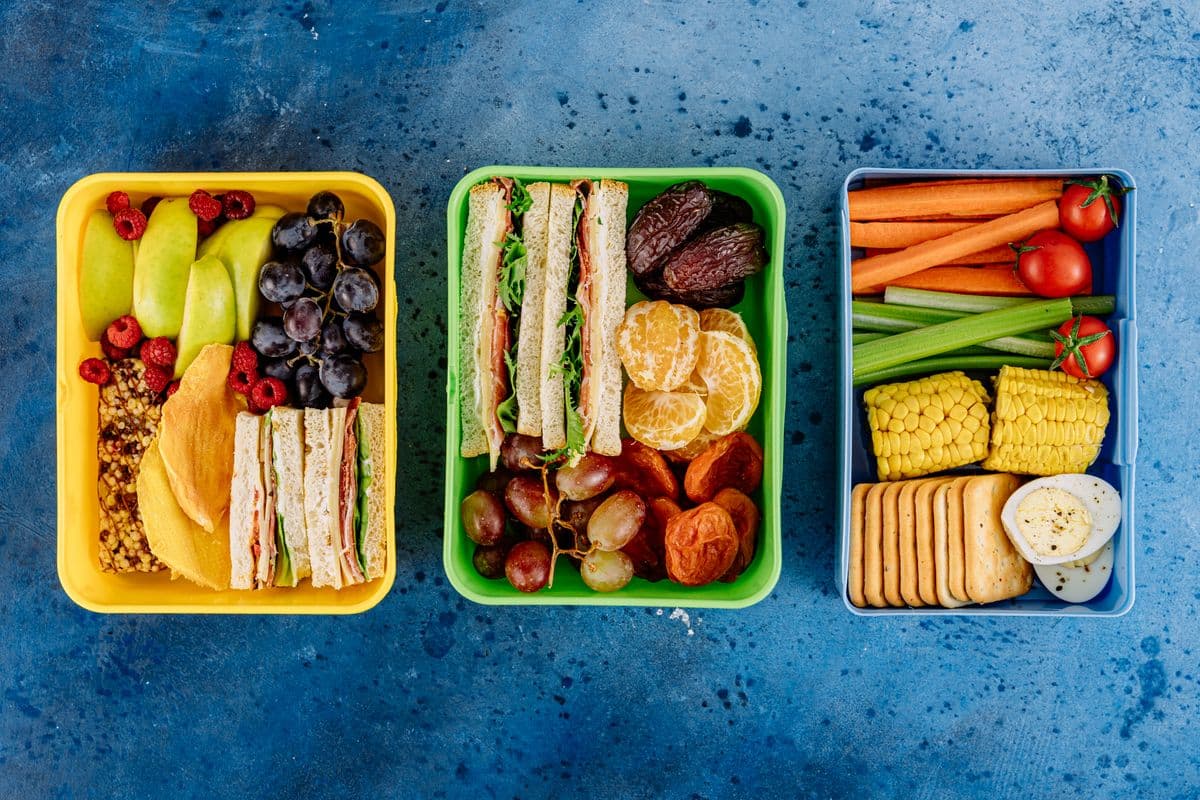
Best Lunch Boxes for Kindergarten (2026 Buying Guide)
Lunch box for kindergarten buying guide: hard vs soft, age bands, what to avoid, bento compartments, thermos wells, dishwasher care, backpack fit, short lunch periods, USDA FSIS / CDC packing notes, spill risk, and five Amazon picks.
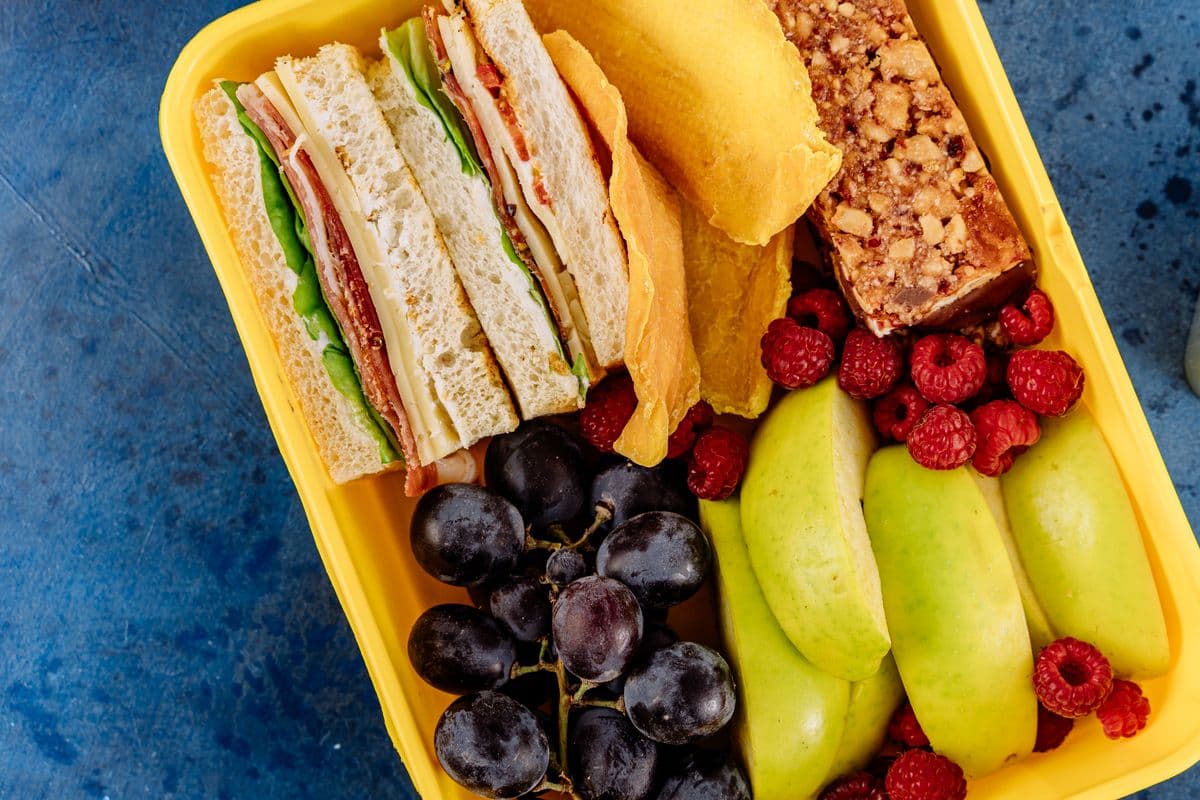
School Lunches That Don't Need Refrigeration: No-Fridge Ideas That Stay Food-Safe
School lunches that don't need refrigeration: shelf-stable protein, fruit and veggie ideas, how to pack a thermos so hot food stays safe, and the USDA 40°F–140°F rule for anything perishable.
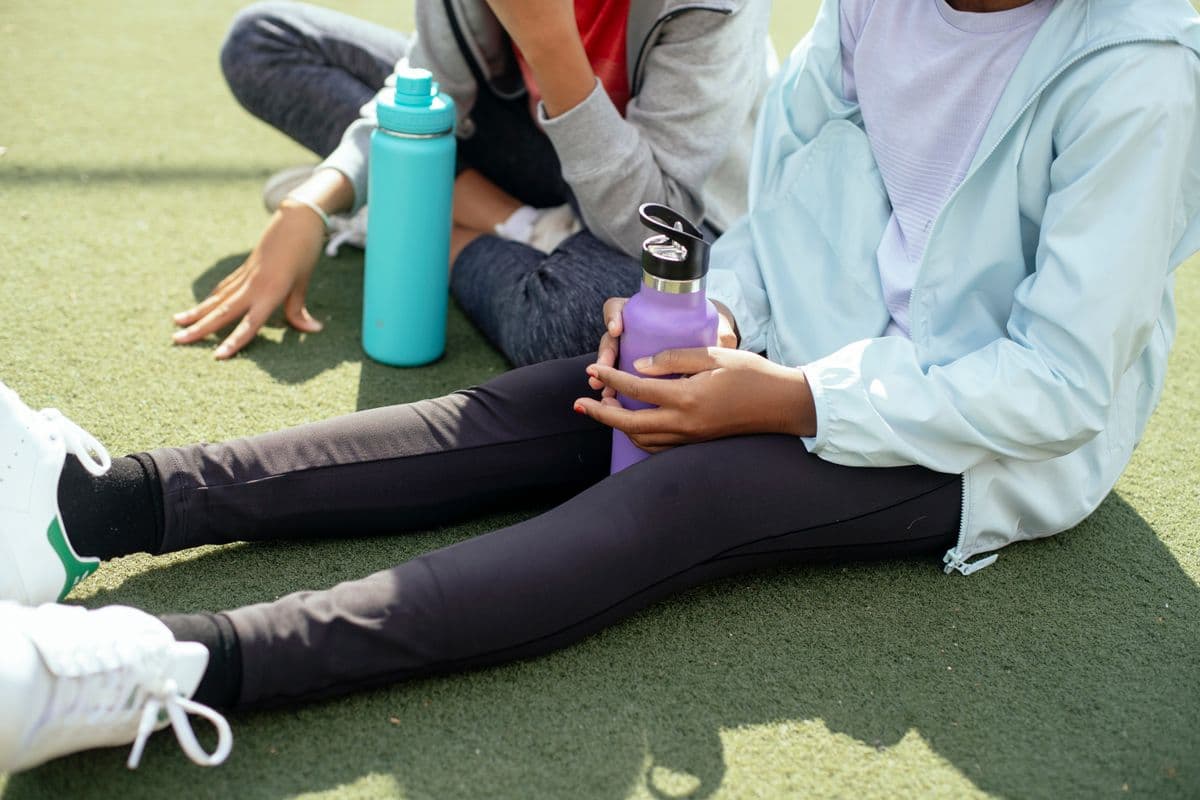
Best Water Bottles for Kids (2026): Preschool, Lunch Bag & Sports
Best water bottle for kids by job — preschool carry, school lunch bag, sports bag, and older-kid dual spout — plus leak tests, cleaning to stop straw mold, size by age, and CDC/AAP water guidance.
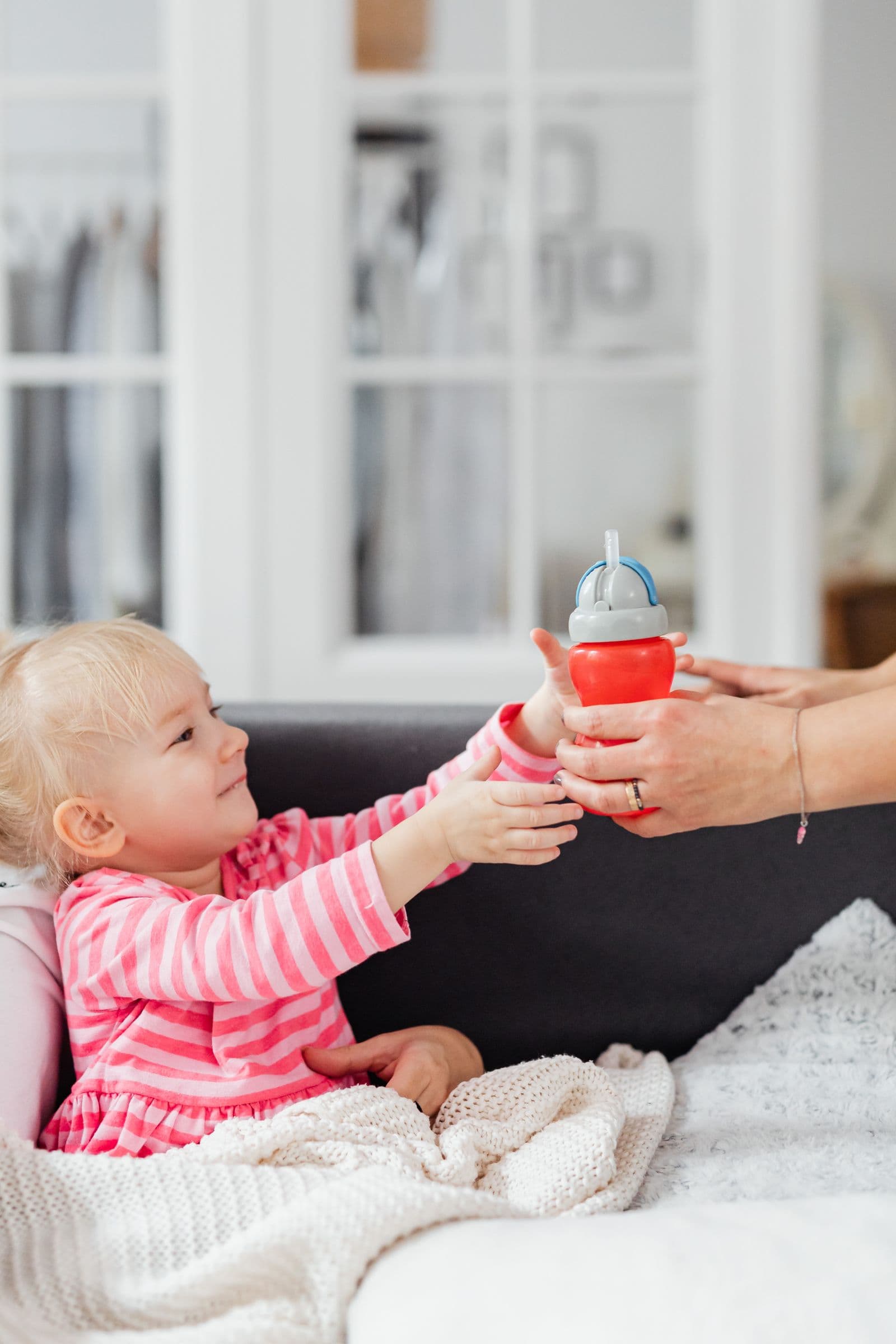
Best Sippy Cups (2026): Spoutless 360, Straw & Open-Cup Transition
Best sippy cups by drinking mechanism — spoutless 360, weighted straw, stainless, open-cup trainers — plus a CDC/AAP age-band transition plan (6 months to ~2 years), spill/mold/travel pitfalls, and AAPD tooth-decay context. Four Amazon picks.
Best Open Cups for Babies and 6-Month-Olds (2026 Buying Guide)
Why open-cup and straw skills matter around 6 months with solids, how they differ from valved sippies, and four researched picks — ezpz Tiny Cup, ezpz Mini Cup + Straw, Munchkin C'est Silicone in Coral/Pink, and a squeeze straw trainer — with CDC and AAP sources.
Best Backpacks for Elementary School
How to choose a well-fitting, durable elementary-school backpack, plus options to compare.
Back-to-School Checklist by Grade
A practical, grade-by-grade back-to-school checklist covering supplies, routines, and paperwork.
Mom's Magazine Editorial Team
Editorial Team
The Mom's Magazine editorial team researches and writes practical, plainly-sourced guidance for parents and families. Guides are reviewed for accuracy and updated as recommendations change. Where a topic calls for professional expertise, we cite reputable organizations and, for health topics, add a qualified reviewer before publishing.
Newsletter
Get the Weekly Mom List
One short email a week: the most useful guides, activities, and picks for your family. No spam, unsubscribe anytime.