Parenting
Toddler Won't Eat Dinner? How to Handle Picky Eating Without Battles
Why toddlers get picky, the calm "division of responsibility" approach to mealtimes, and what actually helps — without turning dinner into a fight.

Picky eating is a normal, usually temporary phase for toddlers. The calmest approach is the "division of responsibility": you decide what food is offered and when; your child decides whether and how much to eat. Keep serving a variety without pressure, eat together, and judge things over a week rather than a single dinner — toddler appetites swing day to day.
You made dinner, your toddler took one look and said "no," and now you're negotiating with someone who can't tie their own shoes. Picky eating is one of the most common toddler struggles — and one of the most fixable, once you stop trying to win the meal.
Why toddlers turn picky
- Growth slows after the first year, so appetites genuinely shrink.
- Wariness of new foods ("neophobia") is a normal developmental stage.
- Saying "no" to food is one of the few powerful choices a toddler has.
The "division of responsibility"
The most widely recommended framework, from the Ellyn Satter Institute, splits the job in two — and sticking to your half is what defuses the power struggle.
- Your job: decide what is served, and when and where meals and snacks happen.
- Your child's job: decide whether to eat, and how much.
Always include one "safe" food
Serve at least one thing you know your child usually eats alongside the rest of the meal. They won't go hungry, and there's no pressure to try the new thing.
What helps at the table
- Eat together — kids learn to eat by watching you eat.
- Offer new foods next to familiar ones, with zero pressure to try them.
- Let them serve themselves when they can; autonomy lowers resistance.
- Keep meals short and pleasant; end without a battle.
What to skip
- Don't force "just one bite" — it raises the stakes and the resistance.
- Don't bribe with dessert; it makes the vegetable the loser and the treat the prize.
- Don't become a short-order cook, making a second meal on demand.
- Don't label your child "picky" in front of them — kids live up to the story we tell.
When to check with your pediatrician
Most picky eating is normal. Talk to your pediatrician if your child is losing weight or not gaining, eats only a very small number of foods, gags or chokes often, or a meal-time change comes with other worries.
The "eats everything for Grandma" phenomenon
One of the most relatable running themes in r/toddlers is the parent whose impossibly picky toddler demolishes a full, adventurous meal — butternut squash risotto, in one popular post — the moment they're at a grandparent's house or daycare, with no drama at all. It's maddening. It's also the clearest proof going that the food itself usually isn't the problem: it's the pressure and the power struggle that build up at home. Remove the audience and the negotiation, and the eating often sorts itself out — which is exactly what the division of responsibility is built to do.
Two other threads-that-repeat are worth taking to heart. There's a whole genre of "I feel like I traumatized my toddler" posts from parents who pushed, bribed, or forced bites and watched mealtimes get worse — a painful but strong argument for backing off the pressure. And plenty of parents report that starting with baby-led weaning didn't inoculate them against a picky stage either; pickiness is developmental, not a scoreboard on how you introduced solids.
The pattern behind the posts
Across thousands of these threads, the kids who eat best are rarely the ones who were pushed hardest — they're the ones whose parents kept the table calm and let hunger, not pressure, do the work.
Why the 15th time is the charm: exposure without pressure
It's easy to serve a new food twice, watch it get rejected, and conclude your kid "doesn't like" it. But toddlers often need many neutral, no-pressure encounters with a food before they'll try it — it can take a dozen or more exposures, and "exposure" includes seeing it on the table, touching it, and playing with it, not just eating it. The job is to keep calmly offering, not to get a bite down today:
- Keep putting the rejected food on the table in small amounts, with zero comment when it's ignored.
- Count touching, licking, smelling, and "feeding it to the dog" as progress — that's how wariness wears off.
- Serve new foods alongside a safe favorite so there's no pressure and no hunger stakes.
- Don't announce it ("try the broccoli!") — a spotlight raises resistance. Just serve it and eat yours.
Serving style beats the food itself
Small tweaks lower resistance more than any single food does: serve meals "family style" so kids serve themselves, deconstruct mixed dishes (toddlers often reject casseroles but eat the same ingredients separately), and offer a dip — many kids will eat almost anything if it comes with hummus, yogurt, or ketchup.
What a low-pressure week actually looks like
The division of responsibility can sound abstract until you picture it playing out. In practice, a calm week looks like: predictable meals and snacks at roughly the same times (not all-day grazing, which kills appetite at meals); every meal includes at least one "safe" food; you serve, then eat your own food and chat about anything but the eating; and you let them eat as much or as little as they want from what's offered, then clear the plates without comment. Some days they'll eat a startling amount; other days almost nothing. Judged across the whole week, most toddlers balance out — which is why one skipped dinner is a non-event, not a crisis.
The hidden appetite-killer: all-day grazing
One of the most common reasons a toddler "won't eat dinner" is that they've been snacking and sipping milk or juice steadily since breakfast, so they simply aren't hungry at 6 p.m. Structuring eating into meals and a couple of sit-down snacks — rather than a constant buffet — lets real hunger build, which is the single best appetite booster there is. Water between meals rather than milk or juice keeps them from filling up on calories that blunt their appetite without the nutrition of a meal.
Your fork is the most persuasive tool at the table
Toddlers learn to eat largely by watching the people they trust eat — which makes family meals, and what's on your own plate, quietly powerful. You can't lecture a toddler into liking vegetables, but you can let them watch you enjoy them, repeatedly and without comment, until curiosity does the rest:
- Eat the same meal as your toddler when you can, at the same time — short-order cooking a separate 'kid dinner' teaches them to hold out for it.
- Let them see you eat and enjoy the very foods you hope they'll try, with genuine (not performed) pleasure.
- Serve family-style so they watch you serve yourself the new food and can copy the motion when they're ready.
- Keep table talk off the eating — conversation about the day lowers the pressure and makes the meal something they want to be part of.
- Model trying-and-not-loving gracefully: "I don't love olives, so I'll leave those" shows that declining a food is allowed and calm, not a battle.
The table sets the tone
Kids eat best at a table that's relaxed and sociable, not one where they're the center of a food negotiation. When mealtimes are pleasant and pressure-free, eating becomes something a toddler wants to do more of — which, over time, is exactly the point.
Still early in the food journey? Our beginner's guide to starting solids covers first foods and choking safety, and easy weeknight dinners has meals the whole table can share. If the dinner-table standoff needs a lower-pressure companion tactic, our comparison of cookbooks for picky eaters covers getting a reluctant eater's hands into the food itself, outside of mealtime.
Frequently Asked Questions
Should I make my toddler finish their plate?
No — pressuring kids to clean their plate teaches them to override their own hunger and fullness cues. Let them decide how much to eat from what you've served.
My toddler ate great yesterday and nothing today. Is that normal?
Very. Toddler appetites swing a lot day to day. Look at what they eat across a whole week rather than judging any single meal.
Will my child grow out of picky eating?
Most do, especially when meals stay low-pressure and new foods keep showing up on the table without a fight. If you're worried about growth or a very limited diet, check with your pediatrician.
How many times do I have to offer a food before giving up?
Don't think of it as giving up — think of it as keeping the food in rotation. Kids often need many neutral exposures (a dozen or more) before accepting a new food, and each low-pressure encounter chips away at the wariness. Keep offering small amounts alongside familiar foods, drop the commentary, and let curiosity do the work on its own timeline.
My toddler snacks all day and won't eat meals. What should I change?
Constant grazing and milk or juice between meals are the usual culprits — a child who's been nibbling since breakfast isn't hungry at dinner. Move to structured meals plus a couple of sit-down snacks at set times, offer water (not milk/juice) in between, and let genuine hunger build. It's the most reliable way to get better eating at actual meals.
Sources & Further Reading
- The Division of Responsibility in Feeding — Ellyn Satter Institute (reviewed 2026-08-12)
Related Guides
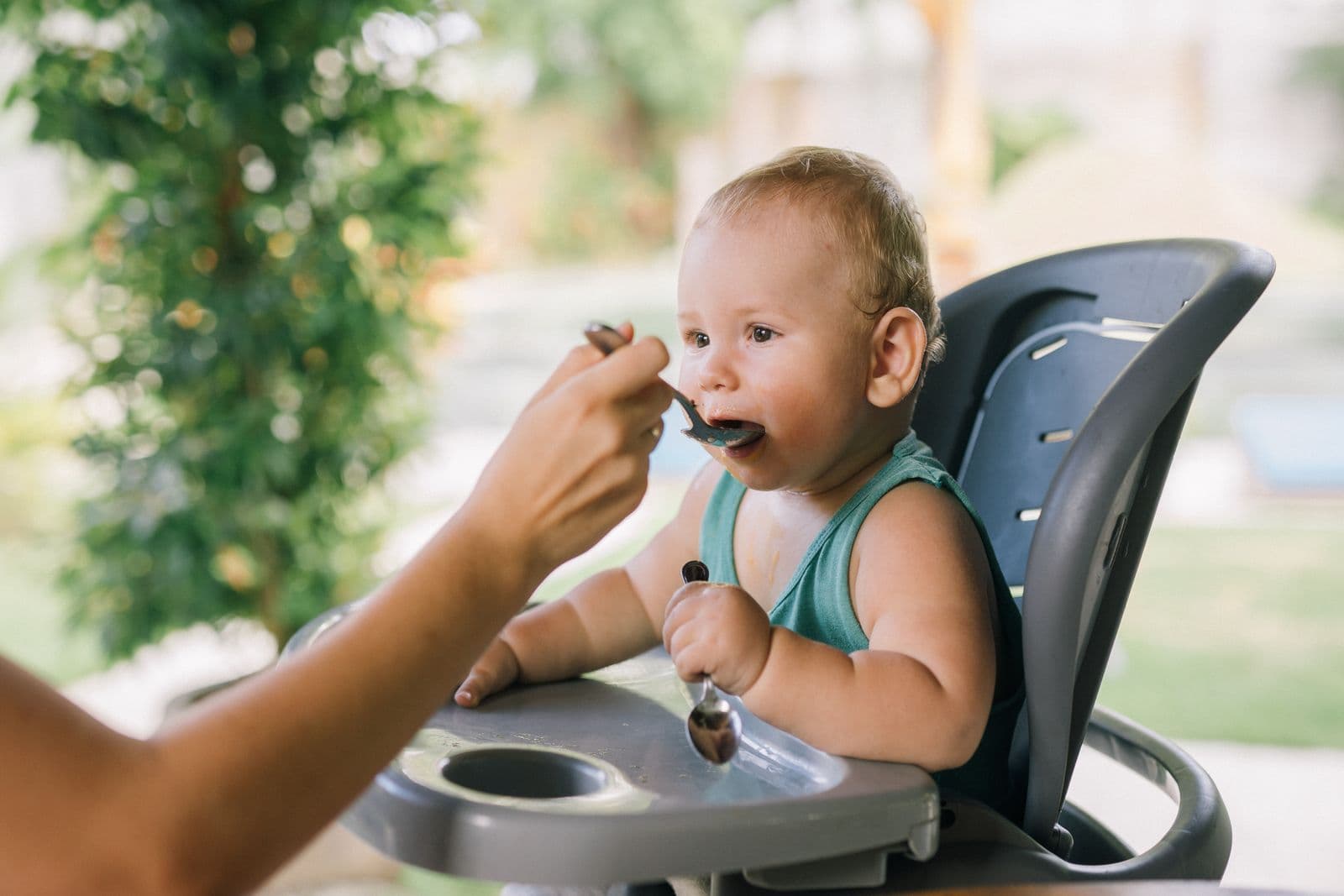
Best First Baby Foods & Best First Foods for Baby (CDC and AAP Guide)
Best first baby foods and best first foods for baby, in plain CDC and AAP terms: iron-rich starters around 6 months, one food at a time, allergen timing, first-feeding setup (bibs, spoons, cups), and what not to give. Editorially reviewed general information, not medical advice — not a ranked jar list.
Easy Weeknight Dinner Ideas for Families
Fast, family-friendly weeknight dinner ideas and a simple system to stop the 5 p.m. scramble.
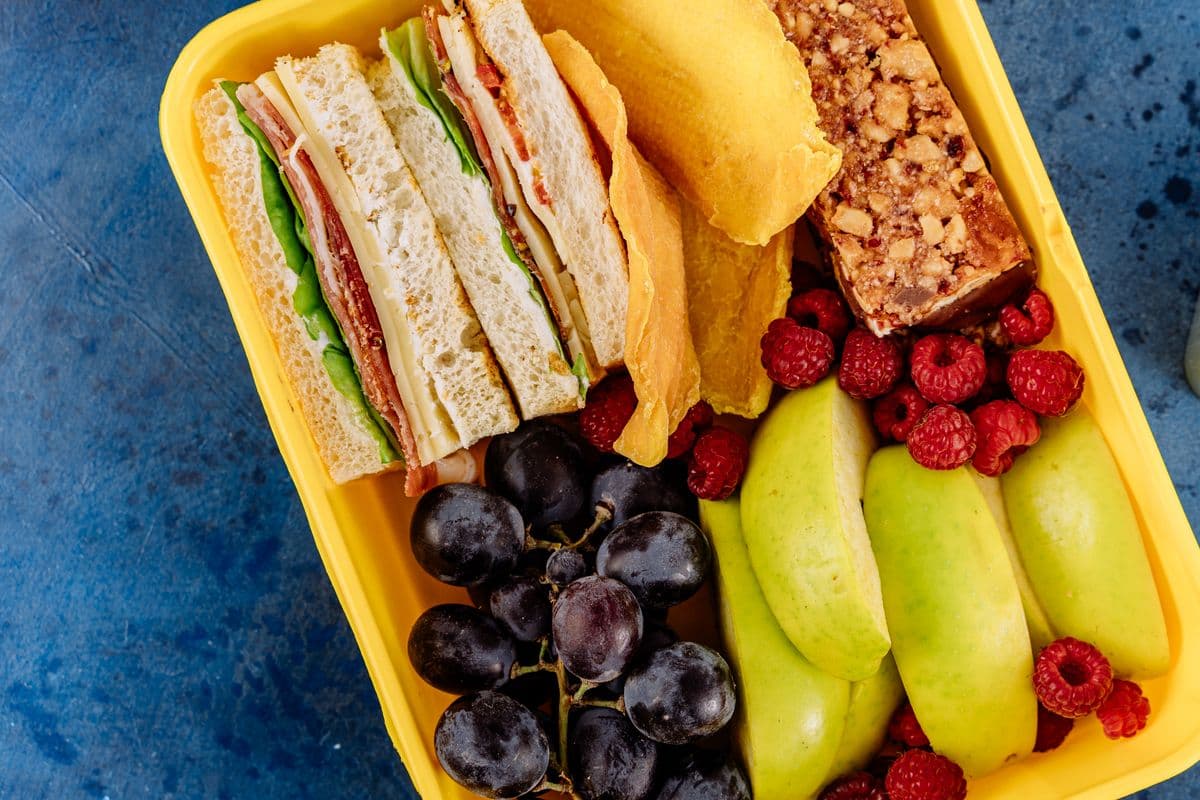
School Lunches That Don't Need Refrigeration: No-Fridge Ideas That Stay Food-Safe
School lunches that don't need refrigeration: shelf-stable protein, fruit and veggie ideas, how to pack a thermos so hot food stays safe, and the USDA 40°F–140°F rule for anything perishable.
Mom's Magazine Editorial Team
Editorial Team
The Mom's Magazine editorial team researches and writes practical, plainly-sourced guidance for parents and families. Guides are reviewed for accuracy and updated as recommendations change. Where a topic calls for professional expertise, we cite reputable organizations and, for health topics, add a qualified reviewer before publishing.
Newsletter
Get the Weekly Mom List
One short email a week: the most useful guides, activities, and picks for your family. No spam, unsubscribe anytime.