Family Life
Easy Weeknight Dinner Ideas for Families
Fast, family-friendly weeknight dinner ideas and a simple system to stop the 5 p.m. scramble.
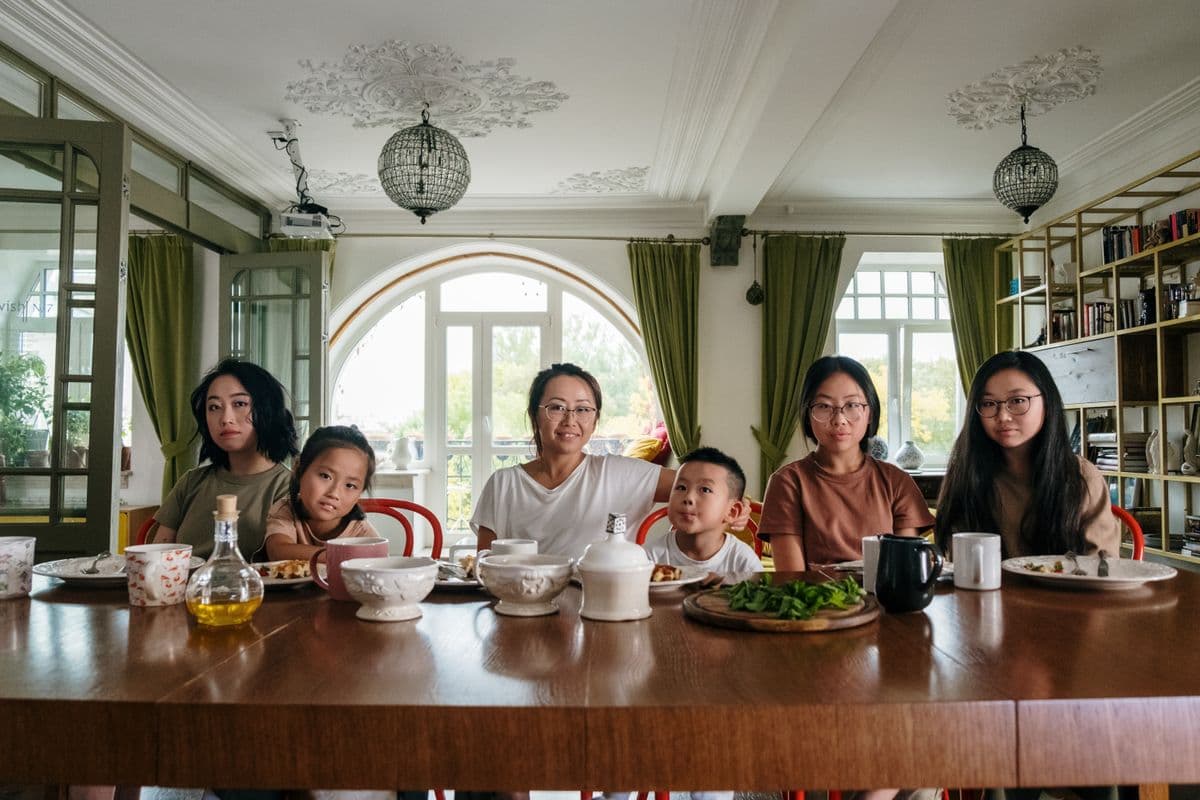
The easiest weeknight dinners lean on a small rotation of simple, flexible meals and a little prep — think build-your-own bowls, sheet-pan dinners, pasta with a vegetable, tacos, and breakfast-for-dinner. Keep a short list of go-to meals and a stocked pantry so you're deciding less and cooking more. A rough weekly plan beats a nightly scramble.
Most weeknight dinner stress isn't about cooking — it's about deciding. By the time everyone is hungry and tired, the question "what's for dinner?" feels much bigger than it should. The fix isn't a fancier recipe box; it's a small system that takes the decision off your plate before 5 p.m. This guide gives you a rotation you can actually remember, a stocked-shelf plan, a night-by-night map, and honest shortcuts for the evenings when cooking simply isn't happening.
Why a rotation beats a recipe binder
A big collection of recipes sounds helpful and usually isn't. The more options you have, the more time you spend choosing, shopping for unfamiliar ingredients, and second-guessing. A short rotation flips that: you cook a handful of meals often enough to make them from muscle memory, your grocery list gets predictable, and your family knows what to expect. Repetition is a feature, not a failure — restaurants run on a fixed menu for exactly this reason.
The trick is building each meal around a template rather than a single recipe, so one idea flexes into a dozen dinners without new instructions.
Think in templates, not recipes
- Sheet-pan template: one protein + two vegetables + oil and seasoning, roasted on one tray.
- Bowl or taco template: a base (rice, greens, tortillas), a protein, and a few toppings everyone can self-assemble.
- Pasta template: noodles + one vegetable + a sauce you can make or open.
- Stir-fry template: whatever produce is aging in the crisper + a protein + a splash of soy or teriyaki.
- Breakfast-for-dinner template: eggs or pancakes + a fruit + a simple side.
Name your nights
Giving nights loose themes — Sheet-Pan Sunday, Taco Tuesday, Pasta Thursday — removes the daily decision without locking you into an exact dish. The theme picks the template; you fill in whatever's on hand.
A sample week you can copy
Here's one way to spread the five templates across a week so no single night is too much work. The prep column is a rough guide to hands-on time, not a promise — your kitchen, kids, and knife skills all move the number. Rearrange freely to match your own busy nights.
| Night | Template | Example | Rough hands-on time |
|---|---|---|---|
| Monday | Pasta | Penne, frozen peas, jarred marinara, grated cheese | About 20 minutes |
| Tuesday | Tacos / bowls | Seasoned ground turkey, rice, beans, toppings bar | About 25 minutes |
| Wednesday | Sheet-pan | Sausage, potatoes, and broccoli on one tray | About 15 minutes hands-on, then it roasts |
| Thursday | Stir-fry | Chicken or tofu with whatever produce needs using up | About 20 minutes |
| Friday | Breakfast-for-dinner | Scrambled eggs, toast, fruit, maybe bacon | About 15 minutes |
Weekends are the natural release valve. Save the slightly-more-involved meal, the leftovers cleanup, or the takeout you actually enjoy for Saturday and Sunday, and keep the weeknights boringly reliable.
Stock a "fast dinner" shelf
A rotation only works if the ingredients are already home. Keep a small set of shelf-stable and freezer staples that can become dinner on a night you didn't plan for anything. You're not stocking a bunker — just enough that a no-plan night still has a plan.
Pantry
- Dried pasta and a jar or two of sauce
- Canned beans and canned tomatoes
- Rice or another quick grain
- Broth, oil, soy sauce, and a few dependable spices
- Shelf-stable tortillas or wraps
Freezer
- Frozen mixed vegetables and frozen peas
- A protein or two you can thaw quickly (ground meat, chicken pieces, or a plant-based option)
- Frozen fruit for smoothies or a fast dessert
- A backup bag of dumplings, ravioli, or veggie burgers for true emergencies
Restock as you cook
Keep a running list on the fridge or your phone and add an item the moment you open the last one. A staple you notice is gone at 5 p.m. is the fastest route back to the takeout menu.
Groceries tend to be the most flexible line in a family budget, so a rotation pays off twice. There's more on that side of things in our budgeting guides for families.
Ten-minute prep that saves the week
You don't need a Sunday marathon of meal prep. Small pockets of prep, done when you happen to have ten free minutes, remove the parts of cooking that make a tired evening feel impossible — mostly chopping and decisions.
- Wash and chop a couple of vegetables right after you unpack groceries, while they're already on the counter.
- Brown a batch of ground meat or roast a tray of chicken to reuse across two different meals.
- Cook a pot of rice or grains you can reheat for bowls, stir-fry, or a quick fried-rice night.
- Portion snacks and fruit at the same time so lunch and dinner prep share the effort.
- Set out tomorrow's non-perishable ingredients the night before, so future-you starts a step ahead.
Feeding a crowd with different tastes
The build-your-own templates aren't just fast — they're diplomatic. When dinner is a bar of components, each person assembles a plate they'll actually eat, and you're not cooking three separate meals. A child who currently eats only plain rice and cheese can still sit down to the same taco night as everyone else.
This also lowers the stakes on new foods. Serving one unfamiliar item alongside familiar favorites, with no pressure to finish it, tends to work better than making the whole plate a negotiation. Our guide to handling picky eating in toddlers covers how to keep a new food in gentle rotation without turning dinner into a standoff.
One meal, many plates
Set out components — protein, a starch, a couple of vegetables, and toppings — and let everyone build their own. It feels like customization to the kids and like one dinner to you.
When you're not cooking at all
Some nights the honest answer is that dinner isn't getting cooked, and that's fine. Having a couple of respectable no-cook fallbacks keeps those nights from defaulting to stress or a delivery charge every time.
- A "snack plate" dinner: cheese, crackers, fruit, veggies, and a protein like hard-boiled eggs or hummus.
- Sandwiches or wraps with a side of fruit and whatever raw vegetables you have.
- A big bowl of cereal or oatmeal with fruit — breakfast-for-dinner in its laziest, most beloved form.
- Planned leftovers: cook once, eat twice, and let a busy Thursday coast on Wednesday's extra portion.
Frequently Asked Questions
How many dinners should I keep in my rotation?
Around five to eight is a sweet spot. That's enough variety that meals don't feel monotonous, but few enough that you can shop and cook them without pulling out a recipe every time. Add a new one occasionally to keep it fresh.
How do I plan meals when my schedule changes constantly?
Plan by template instead of by exact date. Decide you'll do a pasta night, a sheet-pan night, and a taco night this week, but slot them into whichever evenings turn out to be calm. The flexibility is what makes a plan survive a real week.
What are the fastest weeknight dinners with almost no prep?
Breakfast-for-dinner, quesadillas or wraps, pasta with a jarred sauce and frozen vegetables, and a snack-plate dinner all come together in roughly 15 to 20 minutes with pantry and freezer staples on hand.
How can I get kids to eat the same dinner as the adults?
Use build-your-own meals so each person assembles their own plate from shared components. Kids eat the parts they like, adults eat the fuller version, and you still only cooked one dinner.
Is it okay to repeat the same meals every week?
Yes. Repetition makes shopping and cooking faster and gives kids the predictability many of them prefer. Rotating a small set of dependable meals is a sustainable strategy, not a shortcut you need to feel guilty about.
Related Guides
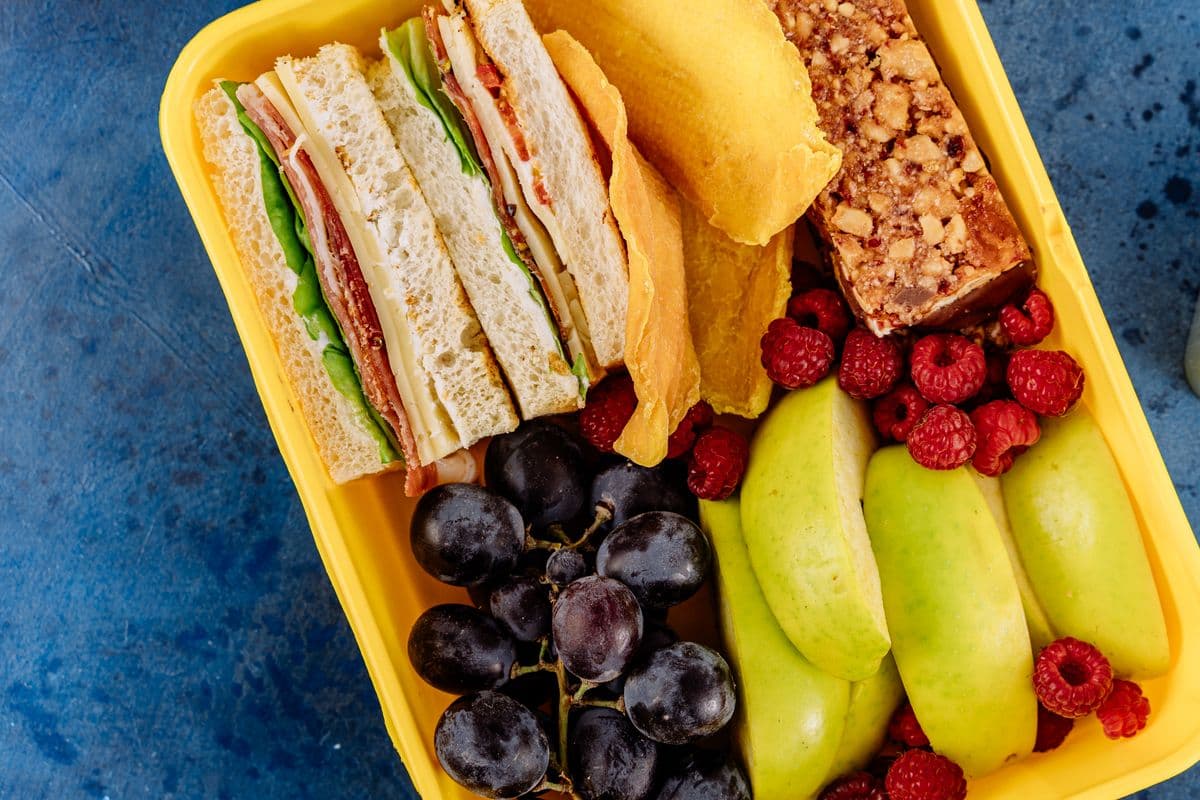
School Lunches That Don't Need Refrigeration: No-Fridge Ideas That Stay Food-Safe
School lunches that don't need refrigeration: shelf-stable protein, fruit and veggie ideas, how to pack a thermos so hot food stays safe, and the USDA 40°F–140°F rule for anything perishable.
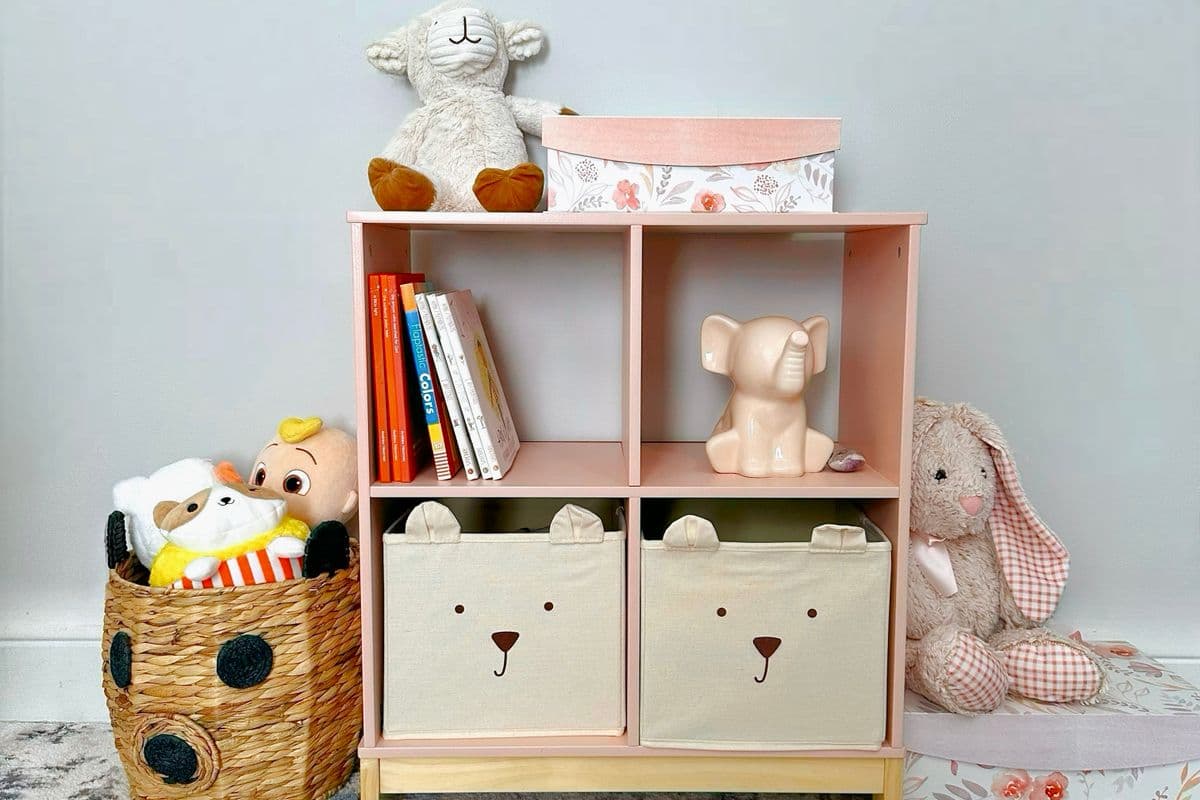
How to Organize Kids' Toys
A realistic system for organizing kids' toys that actually stays tidy — and that kids can maintain.
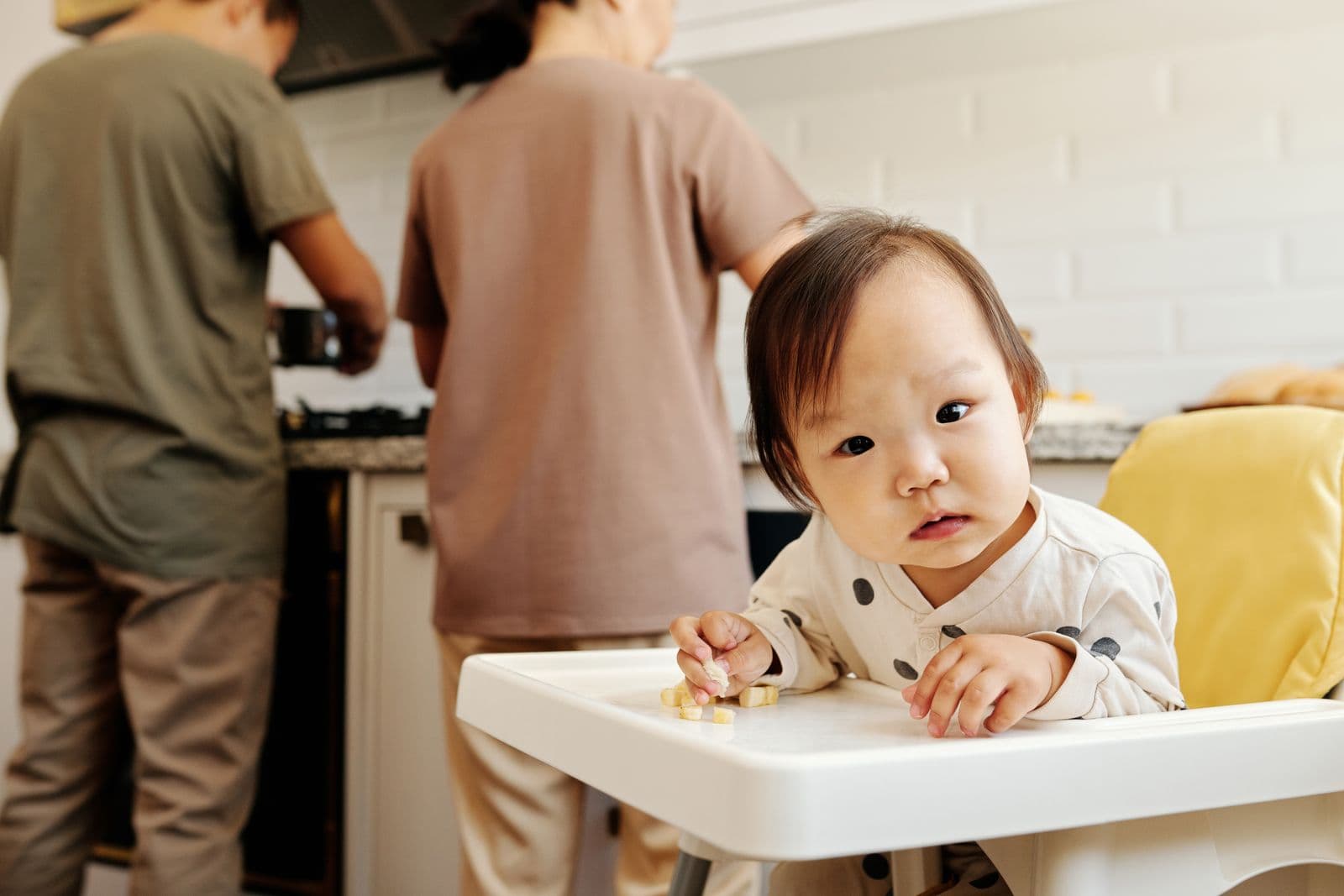
How to Handle Picky Eating in Toddlers
Why toddlers get picky around ages 2–4, the feeding approach with the most evidence behind it, and the red flags worth a pediatrician visit.
Mom's Magazine Editorial Team
Editorial Team
The Mom's Magazine editorial team researches and writes practical, plainly-sourced guidance for parents and families. Guides are reviewed for accuracy and updated as recommendations change. Where a topic calls for professional expertise, we cite reputable organizations and, for health topics, add a qualified reviewer before publishing.
Newsletter
Get the Weekly Mom List
One short email a week: the most useful guides, activities, and picks for your family. No spam, unsubscribe anytime.