Parenting
How to Handle Sibling Rivalry
Why siblings fight, what actually helps in the moment and over time, and what to skip because it tends to backfire.

As an Amazon Associate I earn from qualifying purchases.Some links on this page are affiliate links. If you buy through them, Mom's Magazine may earn a small commission at no extra cost to you. It never changes which products we recommend. How we recommend products.
Sibling rivalry is normal and rarely means something is wrong with your kids or your parenting — it's mostly competition for attention, space, and things that feel scarce (your lap, the good toy, being first). In the moment, separate them if needed, stay neutral instead of assigning blame, and let each child say what happened. Long-term, regular one-on-one time with each child and avoiding comparisons does more than any in-the-moment fix.
Editor's Pick
Siblings Without Rivalry: How to Help Your Children Live Together So You Can Live Too
Best for: Parents who want exact phrases to use mid-fight, not just the theory behind them
Why siblings fight in the first place
Most sibling conflict comes down to competition for things that feel limited: your attention, a specific toy, being first, being right. It's not usually about the toy itself — a fight over a plastic dinosaur is rarely about the dinosaur. Add in different ages, different temperaments, and kids who are still learning to regulate frustration, and regular friction is close to guaranteed. That doesn't mean it's pleasant to referee, just that it isn't a sign you're doing something wrong.
What to do while it's happening
- Separate them if it's physical or escalating — a short break lowers the temperature before anyone tries to talk.
- Stay neutral. Resist figuring out who "started it" in real time; both kids usually have a version where they're the victim.
- Ask each child to say what they wanted, not just what the other one did wrong.
- Help them land on a next step — take turns, trade, or walk away — rather than solving it for them every time.
- Reconnect briefly with both afterward so no one walks away feeling like the loser of the interaction.
When to step in immediately
Hitting, biting, or anything that could hurt someone gets an immediate, calm stop — separate first, talk after everyone's safe. Don't wait for a fight to "resolve itself" once it's physical.
What actually reduces rivalry over time
- Regular one-on-one time with each child, even 10–15 minutes, so nobody has to fight for your attention to get it.
- Avoid comparisons out loud — even positive ones ("why can't you sit still like your sister") teach kids to see each other as competition.
- Let each child have a few things that are genuinely theirs, not shared, so not everything is a negotiation.
- Teach the words for working it out ("I had it first," "can I have a turn when you're done") instead of only stepping in to solve it.
- Notice and name good moments between them — cooperation gets reinforced the same way conflict does.
What tends to backfire
- Forcing an apology or hug on the spot — it teaches performing sorry, not feeling it, and can breed resentment.
- Assuming the older child is always responsible, or the younger one is always the victim — kids notice a pattern and either resent it or exploit it.
- Fixed labels like "the sensitive one" or "the wild one" — repeated often enough, kids grow into the role.
- Expecting them to be best friends. Some sibling pairs are close, some are cordial, and both are fine outcomes.
When a new sibling is the trigger
A lot of rivalry starts the moment a new baby comes home. An older child who was the only focus of attention suddenly isn't, and regression — clinginess, tantrums, sleep or potty setbacks — is a common, temporary response, not defiance. Protecting a slice of one-on-one time with the older child during the newborn stretch, and letting them help in small, real ways (picking an outfit, holding the baby with support) rather than being pushed aside, tends to soften this phase.
Most of the groundwork here happens before the birth rather than after it. Preparing a toddler for a new sibling covers what to say ahead of time, how regression usually shows up, and scripts for the "take the baby back" phase.
Simple scripts, by age
Knowing what to actually say in the moment matters more than the theory. What works shifts as kids get older, mostly because their vocabulary for their own feelings grows.
- Toddlers (1–3): keep it to one short sentence and name the feeling, not the fault — "You're both mad about the truck. Let's find another one." A toddler can't process a multi-step explanation mid-meltdown.
- Preschoolers (3–5): add a choice — "You can take turns with a timer, or find something else to play with. You two decide." This age can handle picking between two options even when upset.
- School-age (6+): step back further and coach rather than referee — "Sounds like you're both frustrated. What's one thing you could try?" Kids this age can usually generate their own fix if given a beat to cool down first.
"Siblings Without Rivalry" by Adele Faber and Elaine Mazlish is the book most family therapists still point parents toward for this exact problem — it's built almost entirely around scripts like these, including how to acknowledge two kids' competing feelings without deciding who's "right." It won't stop the fighting outright, but it gives you language for the moment you're standing between two kids and blanking on what to say.
When it's more than typical rivalry
Occasional squabbling is normal. A pattern that's consistently one-sided — one child is regularly scared of, or hurt by, the other — is a different situation and worth taking seriously rather than filing under "siblings will be siblings." If fighting is frequent, intense, or not improving with consistent, calm handling over a few months, it's reasonable to talk to your pediatrician or a family therapist rather than assuming it will resolve on its own.
Shared space is a common flashpoint, too — our guide to organizing kids' toys covers giving each child their own bin or shelf, which cuts down on "that's mine" disputes. And if the fighting regularly turns into a full meltdown for one child, our guide to handling toddler tantrums has more on staying calm and helping a child regulate once things spike, while our guide to toddler biting covers what to do when a fight over a toy turns physical.
Sibling friction is one strand of a bigger picture. Our relationships and support guides cover partners, siblings, playdates, and building a village when family isn't nearby.
Our Recommendations

Siblings Without Rivalry: How to Help Your Children Live Together So You Can Live Too
Best for: Parents who want exact phrases to use mid-fight, not just the theory behind them
A long-running, widely recommended guide built around real scripts for acknowledging sibling conflict, defusing comparisons, and helping kids work things out without a parent handing down a verdict every time.
- Script-based approach you can use the same day
- Covers comparisons, favoritism, and physical fights separately
- Includes cartoon-illustrated examples of right and wrong approaches
- Companion workbook and workshop materials available separately
Keep in mind: Some examples read as dated (first published in the late 1980s), and it's a read-and-apply book, not a quick-reference guide.
As an Amazon Associate I earn from qualifying purchases. Mom's Magazine may earn a commission when you buy through links on this page, at no extra cost to you. Learn more.
Frequently Asked Questions
Is sibling rivalry normal?
Yes. Some level of competition and conflict between siblings is a typical part of growing up together, not a sign of a parenting problem or that your kids don't love each other. It usually ebbs and flows with age and life changes like a new sibling or a move.
Should I make my kids apologize to each other?
A forced, on-the-spot apology often teaches kids to perform the words rather than mean them. It's usually more useful to help each child understand what happened and, once things are calm, let an apology happen because they actually feel it — sometimes that's later, or in their own words.
How do I stop comparing my kids without realizing it?
Comparisons often slip out as shorthand ("your brother finished his dinner"). Try describing the behavior you want directly instead — "please finish your dinner" — without referencing a sibling at all. It takes practice to catch yourself, but it removes a common source of resentment.
Does sibling rivalry get better as kids get older?
For most families, yes — rivalry often eases as kids get older, communicate better, and spend more time apart (school, activities, friends). It doesn't disappear entirely, and some flare-ups can resurface around big changes, but the intensity of early-childhood fighting usually isn't permanent.
Should each child have their own toys, or should everything be shared?
A mix works better than an all-or-nothing rule. Letting each child keep a few things that are genuinely theirs (no sharing required) reduces conflict, while a shared toy bin for the rest teaches turn-taking. Forcing every single item to be shared often creates more fights, not fewer.
Sources & Further Reading
- Sibling Rivalry — American Academy of Pediatrics (HealthyChildren.org) (reviewed 2026-08-05)
Related Guides
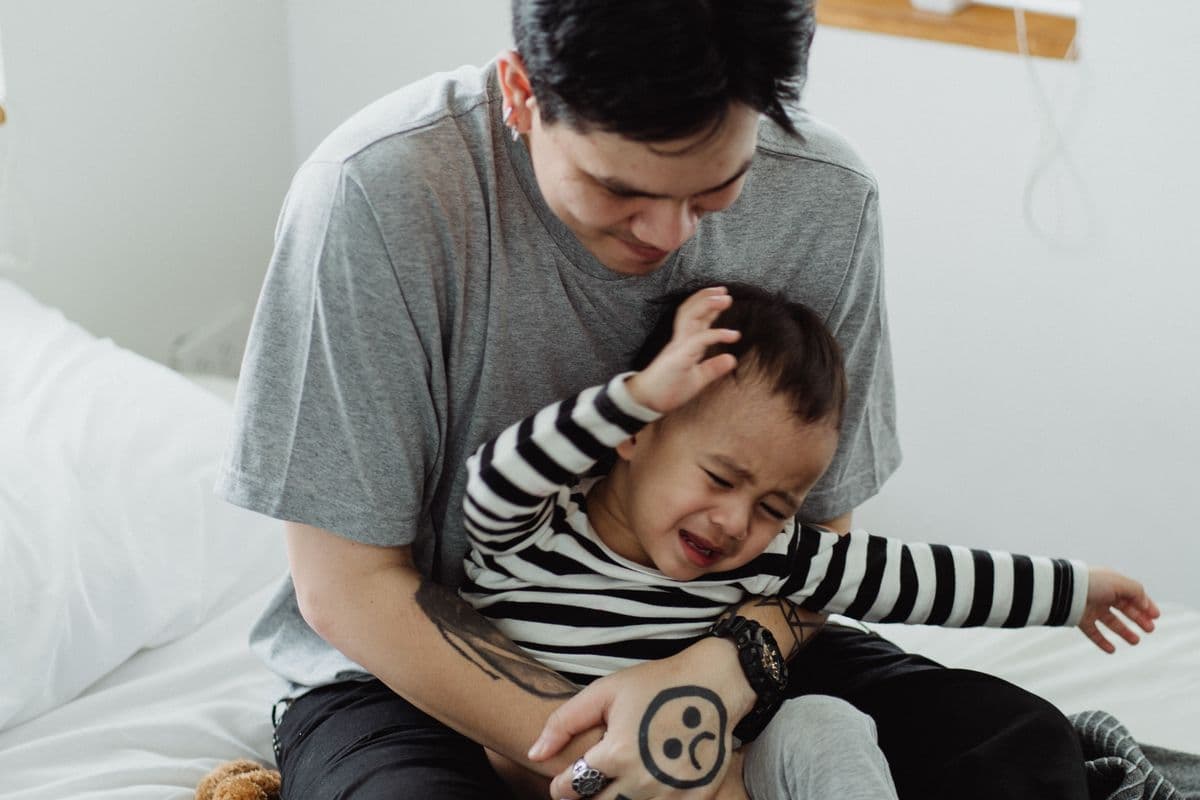
How to Handle Toddler Tantrums: Real Help That Works, According to AAP and CDC
Help with toddler tantrums, how to handle toddler tantrums, and how to deal with toddler tantrums, using AAP, CDC, and NIH pages: what actually helps in the moment, an age-by-age look at what's typical at 1, 2, and 3, tantrums by setting (car seat, store, bedtime, drop-off), how to prevent the next one, and when to call your pediatrician. Editorially reviewed general information — not medical advice.
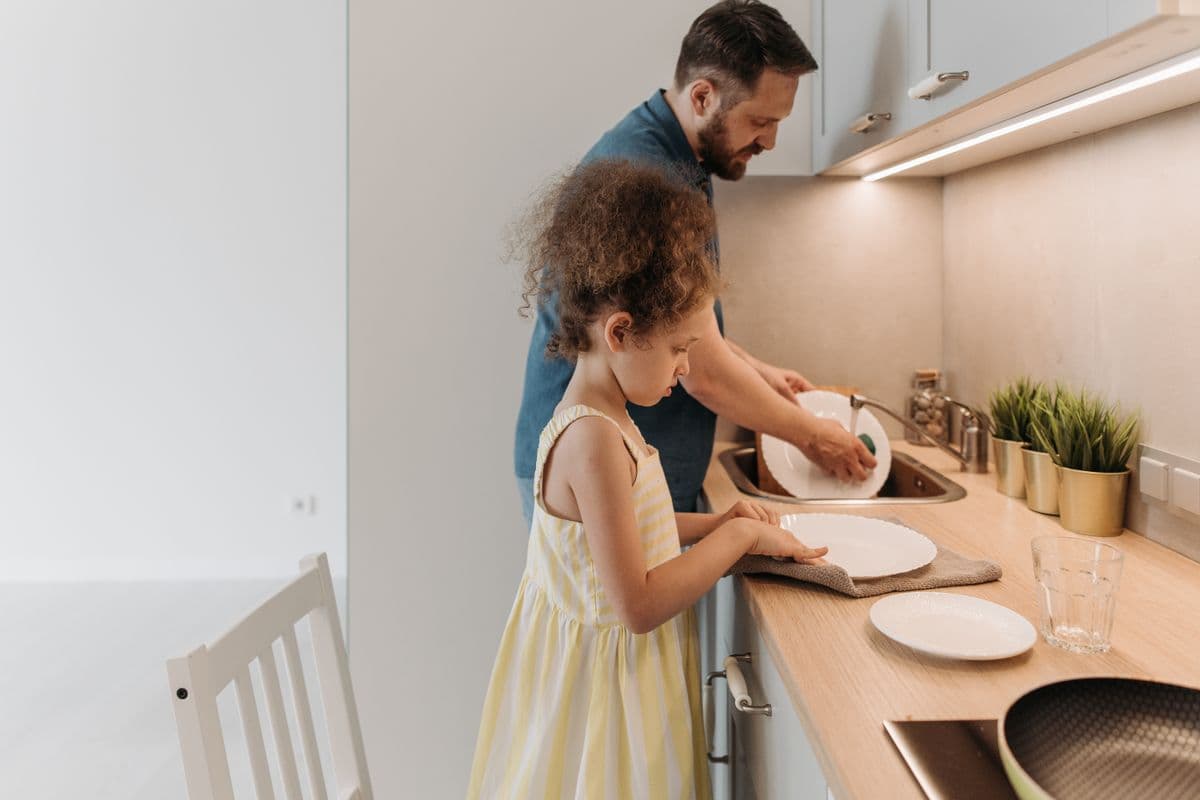
Age-Appropriate Chores for Kids
Age-by-age chore ideas for toddlers through school-age kids, plus how to handle allowance and what to do when a chore chart stops working.
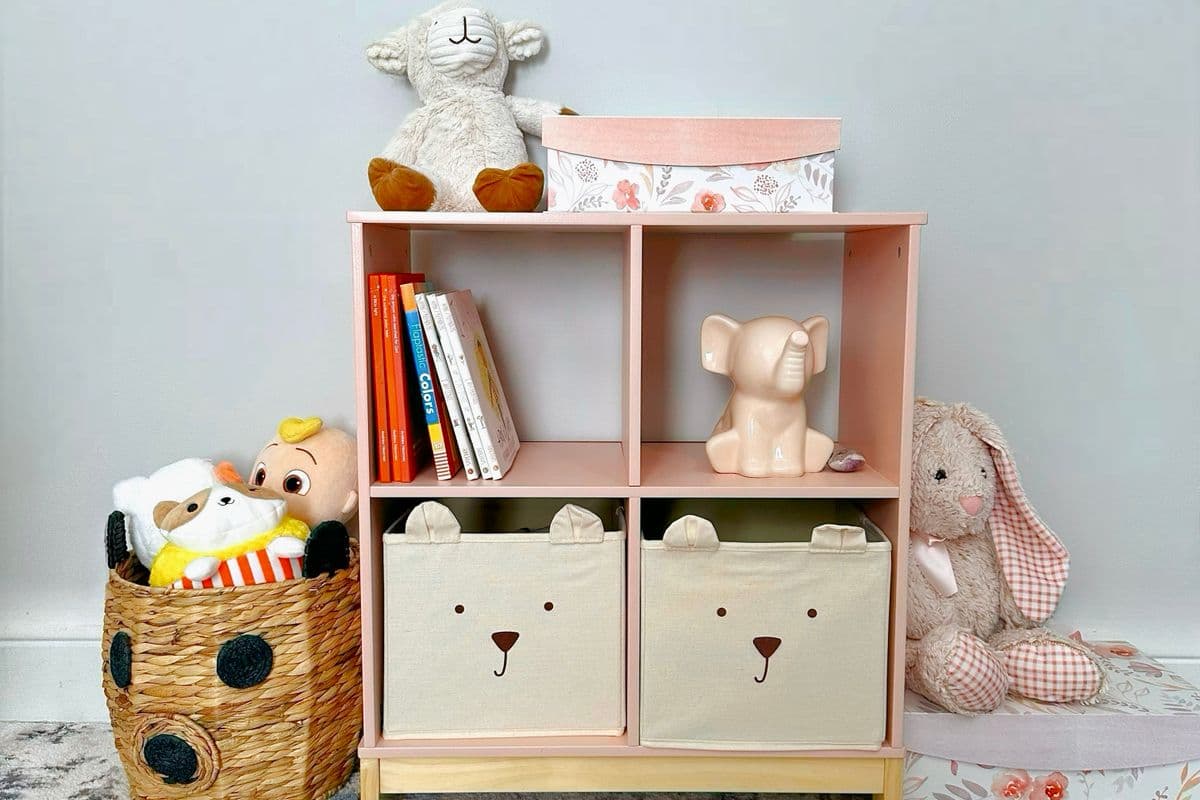
How to Organize Kids' Toys
A realistic system for organizing kids' toys that actually stays tidy — and that kids can maintain.

How to Handle Toddler Biting
Why toddlers bite, the calm-and-firm response that actually reduces it, and when biting is more than a developmental phase.
Mom's Magazine Editorial Team
Editorial Team
The Mom's Magazine editorial team researches and writes practical, plainly-sourced guidance for parents and families. Guides are reviewed for accuracy and updated as recommendations change. Where a topic calls for professional expertise, we cite reputable organizations and, for health topics, add a qualified reviewer before publishing.
Newsletter
Get the Weekly Mom List
One short email a week: the most useful guides, activities, and picks for your family. No spam, unsubscribe anytime.