Parenting
Age-Appropriate Chores for Kids
Age-by-age chore ideas for toddlers through school-age kids, plus how to handle allowance and what to do when a chore chart stops working.
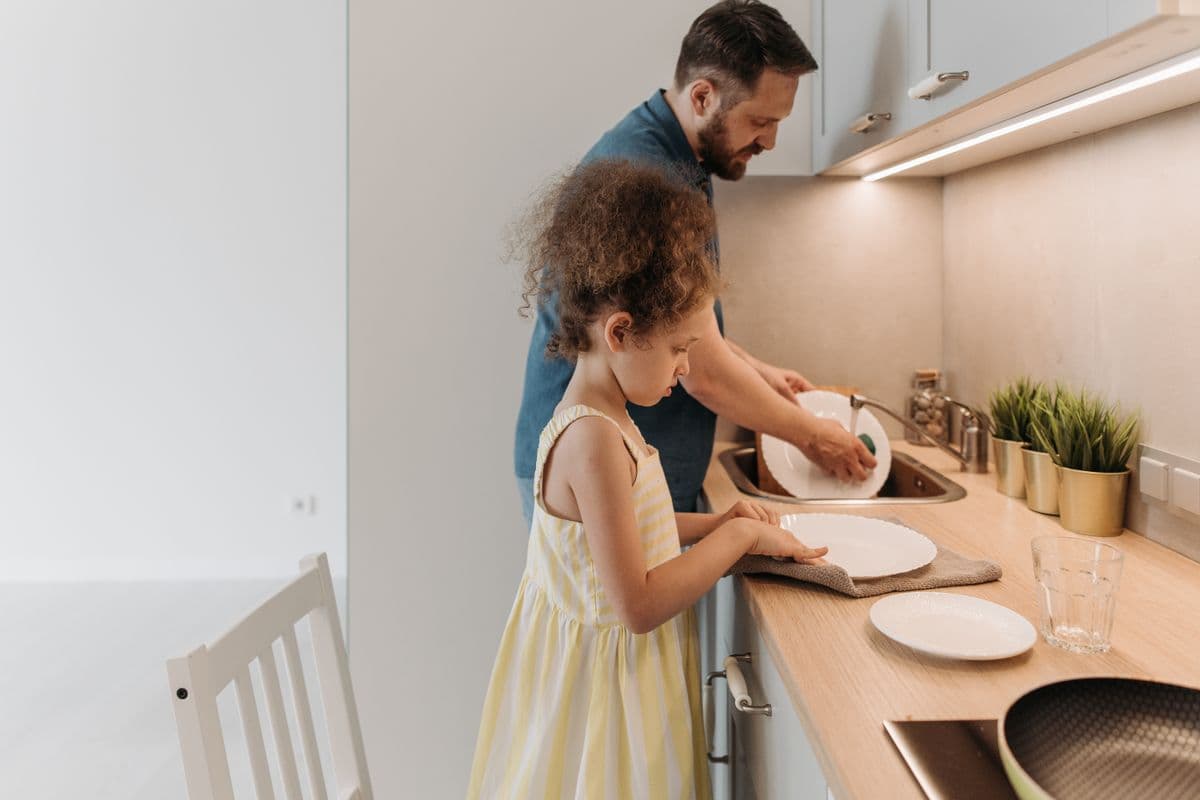
The best chores for a child match what they can do at their stage: toddlers put toys in a bin, preschoolers set napkins and feed pets, and school-age kids make their bed and help with laundry. Start small, keep expectations realistic, and focus on effort and routine over perfection. Chores build independence and a sense of contributing to the family.
Chores get easier the moment you stop thinking of them as tasks to enforce and start thinking of them as skills to hand over. A two-year-old dropping socks into a hamper and a ten-year-old running a load of laundry are doing the same thing at different scales: contributing to a home they belong to. The trick is matching the job to what a child can genuinely manage right now, then widening the circle as they grow. This guide walks through how to pick chores by stage, how to introduce them without a nightly standoff, and how to handle the parts most families get stuck on — allowance, resistance, and letting go of a perfect result.
Why chores are worth the effort
It is often faster to do it yourself. Loading the dishwasher takes you four minutes and takes a six-year-old fifteen, with a few cups in the wrong place. But speed is not the point of a chore. The point is what the child builds while doing it: the physical skill, the habit of noticing what needs doing, and the quiet sense that the household runs partly because of them.
Groups like the American Academy of Pediatrics (through HealthyChildren.org) describe age-appropriate responsibilities as one of the ordinary ways children develop competence and self-reliance. You do not need a chart of research numbers to see the everyday version of this — a kid who knows how to pack their own bag, feed the dog, and wipe a counter carries themselves a little differently. Chores are one of the few daily routines where a child gets to be needed rather than managed.
- Practical skills — pouring, folding, sorting, wiping — that transfer far beyond the specific chore.
- A sense of belonging: this is our home, and I help run it.
- Everyday practice at following through on something that is not always fun.
- Fewer power struggles over time, once a chore becomes just what we do and not a negotiation.
Age-appropriate chores at a glance
Use the table as a starting map, not a rulebook. Children vary widely, so lean on what your child can actually do rather than the number of candles on their last cake. The rows overlap on purpose — a chore your child mastered at one stage should keep going, with new ones layered on top.
| Stage | Chores they can usually manage | What they are practicing |
|---|---|---|
| Toddler (about 2–3) | Put toys in a bin, drop clothes in the hamper, wipe a small spill, hand you items while you tidy | Following one simple direction, imitation, first sense of helping |
| Preschool (about 3–5) | Set napkins and forks, feed a pet with help, match socks, water a plant, make a simple bed | Sequencing steps, gentle responsibility, fine-motor skills |
| Early school-age (about 6–8) | Make their bed, clear and wipe the table, sort laundry, pack their own bag, tidy their room with prompts | Independence, remembering a routine, doing a job start to finish |
| Older school-age (about 9–12) | Run a laundry load, help cook simple meals, take out trash and recycling, care for a pet, basic cleaning | Planning ahead, reliability, handling a multi-step task with less oversight |
| Teen (13+) | Cook a meal, manage their own laundry, grocery items from a list, yard work, watch younger siblings briefly | Real self-sufficiency, time management, contributing at an adult scale |
Ages are a rough guide, not a test
Every child develops on their own timeline, and safety needs (like which kitchen or cleaning tasks are appropriate and supervised) depend on the individual. Treat the stages above as a direction of travel, and adjust to the child in front of you.
How to introduce a new chore
Most chore friction comes from skipping the teaching step. We assign a job, expect it done, and get frustrated when it is half-finished — when the child was never actually shown how. A new chore is a skill, and skills are taught, not announced.
- Do it together first. Fold the towels side by side a few times before it becomes theirs.
- Break it into visible steps. Make your bed can mean pull up the sheet, then the blanket, then the pillow on top.
- Name exactly what done looks like, so it is not a moving target.
- Hand over one step at a time until the whole job is theirs.
- Expect a rough version for a while, and resist re-doing it in front of them.
The last point is the hard one. When you remake the bed they just made, the message a child hears is that their effort did not count. A lumpy bed that they own beats a crisp one that you own. Correct gently and later, or let small imperfections stand.
Make chores a routine, not a battle
The families who fight least about chores are usually the ones who negotiate least about them. When a chore is tied to a fixed point in the day, it stops being a decision and becomes just part of the sequence — the way brushing teeth is not a nightly debate.
- Anchor chores to something that already happens: after breakfast, before screen time, right after dinner.
- Keep the list short. Two reliable chores beat six that everyone forgets.
- Use a simple visual chart for younger kids who cannot yet read a list.
- Do family chores side by side when you can — working alongside a parent feels different from being sent off to work alone.
- Keep the same expectation on weekends and hard days, so the routine does not have to be rebuilt each time.
Catch the effort, not just the outcome
You noticed the recycling was full and took it out without being asked lands harder than a generic good job. Naming the specific thing they did well makes it more likely to happen again.
Should chores be tied to allowance?
This is where reasonable families land in different places, and both approaches can work. There is no single correct answer, so it is worth deciding on purpose rather than by default.
The everyone-contributes approach
Some households treat basic chores as simply part of being in the family — nobody gets paid to clear their own plate — and keep money conversations separate. The advantage is that helping does not become transactional, and a child cannot opt out of contributing by declining the cash.
The paid-work approach
Others tie an allowance to certain jobs to teach the link between work and money. A common middle path keeps a set of unpaid family chores that everyone does, plus a few optional paid jobs a child can pick up to earn. That preserves the everyone-pitches-in baseline while still giving practice managing money.
Kids aren't the only ones the household load lands on unevenly. If you're the one who remembers every permission slip and dentist appointment, how to actually share the mental load explains why a chore chart for adults tends not to fix it.
When your child pushes back
Resistance is normal, not a sign the whole system is broken. A few adjustments handle most of it without turning chores into a daily fight.
- Offer real, small choices: Do you want to set the table or feed the dog tonight? Control lowers resistance.
- Shrink the job when they are overwhelmed. Put five books away is more doable than clean your room.
- Use when-then language calmly: When the toys are in the bin, then we can head to the park.
- Check the fit — pushback sometimes means the chore is genuinely too hard, too vague, or badly timed (right when they are hungry or tired).
- Stay steady rather than escalating; a calm, boring insistence works better than a lecture.
If chores collide with the big feelings of the toddler and preschool years, it helps to remember that a meltdown over cleanup is usually about being overwhelmed, not defiance. Keeping the request small and the routine predictable heads off a lot of it.
Pushback is where a lot of parents drop the limit entirely. Empathy paired with a firm limit, explained has calm scripts for holding the line without turning a chore into a standoff.
Frequently Asked Questions
At what age should kids start doing chores?
Many children can start helping with very simple tasks as toddlers — putting toys in a bin or dropping clothes in the hamper — mostly by imitating you. At that age it is more about including them than getting real work done. The chores grow more substantial as their skills and attention span do.
How many chores should a child have?
Fewer than you might think. A short, consistent list — often just one or two daily chores for younger kids — is far more sustainable than a long list everyone forgets. It is better to have two chores done reliably than six done never.
What if my child does the chore badly?
Expect a rough version at first and try not to redo it in front of them, which signals their effort did not count. Show them the skill again when things are calm, praise the effort, and let small imperfections stand. Competence comes from practice, not from you fixing it each time.
Should I pay my kids for chores?
Families reasonably do this differently. Some keep basic chores unpaid as part of belonging to the household and handle money lessons separately; others tie allowance to certain jobs. A common middle path is unpaid family chores plus a few optional paid jobs kids can choose to earn.
How do I get my child to do chores without a fight?
Tie the chore to an existing routine so it becomes automatic rather than a negotiation, keep the list short, offer small real choices, and work alongside them when you can. Staying calm and consistent tends to defuse resistance faster than arguing or bribing.
Related Guides
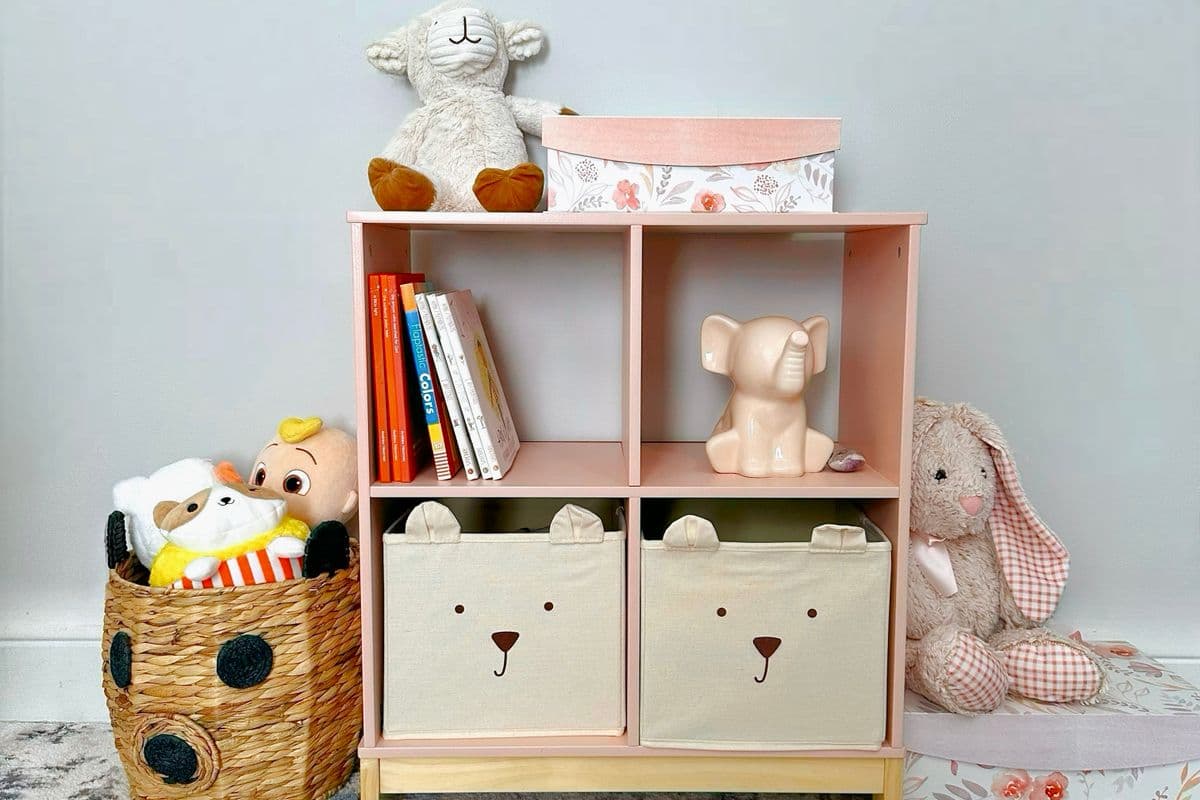
How to Organize Kids' Toys
A realistic system for organizing kids' toys that actually stays tidy — and that kids can maintain.

Back-to-School Checklist by Grade
A practical, grade-by-grade back-to-school checklist covering supplies, routines, and paperwork.

How to Handle Sibling Rivalry
Why siblings fight, what actually helps in the moment and over time, and what to skip because it tends to backfire.

Baby Developmental Milestones by Month: Your Baby's First Year
General CDC developmental milestones at the 2, 4, 6, 9, and 12-month checkpoints, across motor, language, social, and cognitive skills — and what actually counts as a reason to check in early.
Mom's Magazine Editorial Team
Editorial Team
The Mom's Magazine editorial team researches and writes practical, plainly-sourced guidance for parents and families. Guides are reviewed for accuracy and updated as recommendations change. Where a topic calls for professional expertise, we cite reputable organizations and, for health topics, add a qualified reviewer before publishing.
Newsletter
Get the Weekly Mom List
One short email a week: the most useful guides, activities, and picks for your family. No spam, unsubscribe anytime.