Parenting
Flag Football vs Soccer vs T-Ball: Choosing a First Team Sport for a 5- or 6-Year-Old
Flag football vs soccer vs T-ball for a 5- or 6-year-old: how each first team sport typically feels, what skills they practice, questions to ask a rec program, and how to choose without inventing a future star.
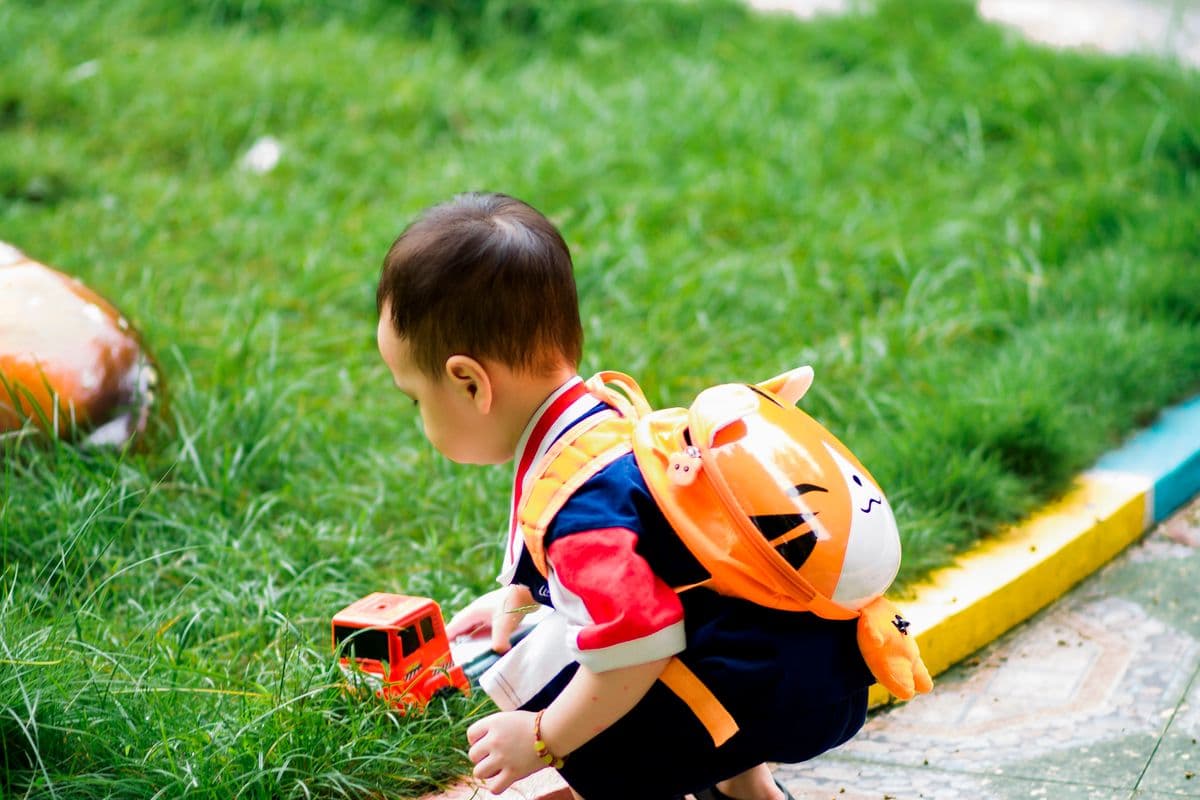
For many 5- and 6-year-olds, the best first team sport is the one that matches how your child likes to move, how they handle waiting, and what your local recreational programs actually offer—not the sport you played or the one with the flashiest jersey. Soccer usually means continuous running and chasing a shared ball. Flag football often means shorter plays, more stop-and-start listening, and pulling a flag instead of tackling. T-ball usually means hitting off a tee, lots of field waiting, and learning a bat-and-ball rhythm. Sample a short season, ask about practice length and coach style, and treat the year as a try-on, not a lifelong identity.
Registration emails start hitting inboxes before the leaves change, and suddenly you are comparing jersey colors, practice nights, and whether your kindergartener is a "soccer kid" or a "football kid." That framing is heavier than a first season needs to be. Most 5- and 6-year-olds are still learning how to stand in a line, wait for a turn, and shake off a miss without dissolving. The sport is the container. The real work is trying teamwork in a setting that feels safe enough to keep showing up.
This guide compares three common first team sports—flag football, soccer, and T-ball—the way parents actually experience them: what a typical practice feels like, what skills get repeated, where kids get bored or overwhelmed, and which questions to ask before you pay the fee. We stay in general developmental framing parents already know. League ages and formats differ by community, so treat every age range here as soft ("many recreational programs…") and confirm with your local organizer.
Why this choice feels bigger than one season
Parents are not only picking a sport. They are picking a weekly rhythm, a social group, a carpool puzzle, and a story about who their child is becoming. That is why a simple registration form can feel loaded. Add social media highlight reels and sideline chatter about travel teams that are still years away, and it is easy to over-invest emotionally in a decision that should stay light.
A healthier frame: you are buying eight to twelve weeks of structured outdoor play with a coach who is not you. That is valuable even if your child never plays the sport again. It sits next to other outdoor and movement habits you are already building at home—our guide to outdoor activities for preschoolers is still useful for the days between practices—and it can complement, not replace, free play.
Try-on, not identity
Tell your child, "We're trying this season." Avoid "You're a soccer player now." Kids take labels seriously, and you want an easy off-ramp if the sport is a mismatch.
What most 5- and 6-year-olds are ready for
Around kindergarten age, many kids can follow short instructions, take turns with reminders, and enjoy being part of a group—especially when the activity moves. Many still struggle with long lectures, perfect form, and sitting still while other kids take turns. That is normal. A good first program designs around short attention, lots of repetition, and coaches who reset the group without shame.
Think less about athletic destiny and more about three practical fit questions:
- Does my child like continuous motion, or short bursts with resets?
- How do they handle waiting while someone else is "up"?
- Do they want a ball they can chase freely, or clear turns with a start and stop?
Those answers map cleaner to first seasons than "Are they coordinated?" Coordination at this age is uneven and changes fast. Kindergarten readiness checklists often talk about listening, following multi-step directions, and separating from a parent for group activities—skills that also show up on a rec field. If you are already thinking about school transitions, our kindergarten readiness checklist pairs well with this sports decision.
Side-by-side: flag football, soccer, and T-ball
| What parents notice | Flag football | Soccer | T-ball |
|---|---|---|---|
| Typical energy pattern | Short plays, huddles, resets | Lots of running and chasing | Bursts at bat; more waiting in the field |
| Ball relationship | Ball shared with plays and positions | Ball often in open play; kids swarm it early | Bat-and-ball focus; tee removes pitching for beginners |
| Contact / safety feel | Pull flags; no tackling in flag formats | Incidental bumps; little intentional contact in rec | Low contact; bat safety rules matter |
| Listening load | Higher—plays and positions get introduced early | Moderate—simple field shape and "kick toward the goal" | Moderate—batting order and field spots |
| Common first-season joy | Pulling a flag, scoring a short run | Chasing, kicking, scoring a goal | Hitting the ball off the tee |
| Common first-season friction | Standing still for instructions | Bunching on the ball; not enough touches for quieter kids | Long innings waiting in the outfield |
None of these rows is a verdict. A quiet child can love soccer with a patient coach. A high-energy child can love T-ball if practices keep kids moving between at-bats. Use the table as a starting conversation with your kid: "Which of these sounds fun?"
Flag football: what a first season usually looks like
Introductory flag football for young kids is built around running with the ball, pulling a flag belt to "tackle," and learning that a play has a start and a stop. Many recreational programs introduce very simple routes or handoffs; some keep it closer to tag-with-a-football for the youngest groups. Exact ages and formats vary widely—some towns offer kindergarten flag, others start a year later—so read the local description instead of assuming a national age rule.
What often works well for 5- and 6-year-olds: clear turns, short fields, and coaches who celebrate flag pulls as much as touchdowns. What can be hard: standing in a huddle while a coach explains a play, remembering a position, and staying engaged when the ball is on the other side of the field. If your child loves freeze tag, obstacle races, and "ready, set, go," flag football's rhythm may click.
Parents comparing rec flag to skill work often look for plain-language guidance on readiness. A useful starting read is Flag Training's guide to what age to start flag football training, which walks through age and skill framing without treating one birthday as a hard deadline. Long Island families can book a coach through Flag Training if they want structured practice beyond a weekly league; for everyone else, the same developmental questions still apply when you evaluate any clinic or private lesson.
- Ask whether the league uses flag belts for every practice and game.
- Ask how coaches teach positions without sidelining shy kids.
- Ask what happens on incomplete passes and turnovers—do kids rotate quickly?
Soccer: what a first season usually looks like
Soccer is often the default first team sport because many communities offer it early, fields are familiar, and the basic idea—kick the ball toward a goal—is easy to explain. In the youngest recreational divisions, games can look like a moving cluster of kids following the ball. That is developmentally normal. Coaches who keep stations short, celebrate touches, and avoid long lectures tend to keep kindergartners happier than coaches who diagram formations.
Soccer often fits kids who want to move the whole time. It can frustrate kids who need a clear "my turn" structure, because possession is shared and chaotic early on. If your child lights up at open-field chasing and does not mind sharing the spotlight, soccer is a strong try. If they shut down when they cannot get the ball, look for a program that uses small-sided games and frequent substitutions so touches stay high.
"Everyone swarms the ball" is not a failure
Young soccer is messy. The swarm is how many kids learn spatial awareness. A patient coach will slowly introduce spacing without turning practice into a lecture.
T-ball: what a first season usually looks like
T-ball introduces batting and fielding without a pitcher. The ball sits on a tee, which removes one of the hardest skills in baseball and lets kids practice swinging and running to a base. Many recreational T-ball programs emphasize participation over scorekeeping. Practices often rotate kids through hitting and simple field positions.
The joy moment is usually unmistakable: connecting with the ball off the tee. The friction moment is also clear: waiting in the field while other kids bat. If your child can handle short waits with a snack, a cheer, or a coach who keeps fielders moving between plays, T-ball can be a great first team experience. If waiting is currently their hardest skill, you may want a sport with more continuous motion—or a T-ball program that promises active field drills, not only at-bats.
Bat safety matters even at this age. Kids need clear rules about where the bat is swung, when helmets are worn if the league requires them, and how to carry equipment. A good coach treats those rules as habits, not scolding.
How to match the sport to your child (not your nostalgia)
Your favorite childhood sport is useful data about you, not a requirement for your kid. Watch how your child plays at the park for a week before you register:
- Do they invent tag games with start/stop rules, or free-running chase?
- When friends play, do they want a turn with a bat or stick, or do they want the group moving together?
- After a miss, do they reset quickly, or need a quiet minute?
- How do they do on playdates when the activity changes midstream?
That last question overlaps with social skills you may already be practicing. Hosting and joining group play is its own learning curve—our guide to playdate etiquette and how to host one covers the softer logistics that also show up on team sidelines (sharing, taking turns, leaving when they are done).
Also be honest about your household constraints. A sport that requires three weeknight practices will fail in a season where you already have late work days, even if it is a perfect athletic match. The "best" sport is one your family can attend without turning every practice into a fight.
Practical questions to ask any recreational program
Before you click pay, email the organizer or ask at signup night:
- What is the age band for this division, and are 5- and 6-year-olds mixed with older kids?
- How long are practices and games, and is there a hard end time?
- What is the coach-to-player ratio, and are coaches volunteers, paid, or a mix?
- How do you handle tears, bathroom needs, and kids who wander?
- Does every child play meaningful minutes, or is there a competitive cut early?
- What gear is required for week one versus nice-to-have later?
- What is the weather and cancellation policy?
- Are parents expected to volunteer (snack, field setup, assistant coach)?
Listen for concrete answers. "We keep it fun" is nice. "Practices are 45 minutes, every child rotates through every station, and we end with a group game" is better. If the program cannot tell you how waiting time is managed, assume your child will feel it.
When to wait, sample, or try two
Waiting a season is reasonable if your child still panics at drop-off, cannot yet follow a two-step direction in a noisy group, or you do not have a reliable way to get them to practice. Free play, playground time, and screen-free activities still build the movement and social muscles that make team sports easier later.
Sampling works well when your town offers a short clinic, a one-day jamboree, or a half-season option. Trying two sports in one calendar year is fine for many families if the schedules do not collide and your child still has unstructured play time. Stacking year-round practices at age 5 or 6 is usually more about adult ambition than kid need.
Watch for adult pressure
If a program talks more about travel teams, rankings, or "falling behind" than about learning to listen, move, and enjoy teammates, it may not be a first-season fit—even if older siblings thrive there.
Gear basics without building a shopping cart yet
You do not need a full kit the night registration opens. Most first seasons ask for league-required basics (often cleats or sneakers suitable for the surface, a water bottle, and whatever shirt or flag belt the program provides). Add sunscreen, a light layer, and a snack policy that matches the coach's rules. Hold off on specialty equipment until you know your child wants a second season.
If a birthday is coming up and grandparents want to help, a water bottle, a soft practice ball appropriate to the sport, or a contribution toward league fees usually beats a closet of unused gear. For party planning that does not revolve around equipment piles, see our birthday party planning checklist.
A simple decision path for this week
- List the sports your town actually offers for your child's age band this season.
- Cross off any option your schedule cannot support.
- Pick the remaining option that best matches how your child likes to move.
- Register for one short season. Put the next sport decision on the calendar after the last game.
- Tell your child the season is a try-on, and celebrate showing up as much as scoring.
If two options still feel equal, let your child choose between them with a coin flip or a weekend park "practice" of each skill (kick a ball toward a cone; pull a scarf tucked in a waistband; hit a soft ball off a tee or a soft tee substitute). Their face will usually tell you more than another round of parent research.
Bottom line for parents of 5- and 6-year-olds
Flag football, soccer, and T-ball can each be an excellent first team sport. Soccer leans continuous movement. Flag football leans short plays and listening through resets. T-ball leans batting joy with more field waiting. Choose the local program that respects young attention spans, ask concrete questions before you pay, and keep the season emotionally light. The win at this age is a child who wants to try again—not a résumé.
Frequently Asked Questions
Is flag football, soccer, or T-ball better for a 5-year-old?
There is no single best sport. Match the typical rhythm to your child: soccer for kids who love continuous running, flag football for kids who like short plays and clear starts/stops, and T-ball for kids who love batting and can handle some waiting in the field. Local program quality often matters more than the sport name.
What age do kids usually start flag football, soccer, or T-ball?
Many recreational programs offer introductory seasons around kindergarten or early elementary ages, but the exact cutoff, format, and whether 5- and 6-year-olds share a division vary by town and league. Always check your local registration materials instead of assuming a national start age.
How do I know if my child is ready for a team sport?
Soft signs of readiness include being able to follow short instructions in a group, separating from a parent for a practice with support, taking turns with reminders, and recovering from small frustrations. If drop-off still causes intense distress or waiting is currently impossible, another season of free play—or a shorter clinic—can be a better bridge.
Should we do private coaching for a kindergartener?
Usually not required. A recreational season is enough for most first-timers. Optional skill work can help if your child asks for more practice or needs confidence in a quieter setting. Long Island families can book a coach through Flag Training for structured flag sessions; elsewhere, look for local clinics with age-appropriate groups and coaches who emphasize fun over performance.
What if my child wants to quit mid-season?
Talk with the coach first—sometimes a position change, a buddy, or shorter expectations fix the issue. Many families set a house rule like finishing the short season while dropping the pressure to "love it." Persistent dread, stomachaches on practice days, or a mismatch with an overly competitive program are reasons to reassess rather than force a bad fit.
Related Guides
Outdoor Activities for Preschoolers
Outdoor activities for preschoolers you can actually run: educational backyard play, no-equipment games, chalk and bubbles, a scavenger hunt, and sun, water, and playground notes from AAP and CDC pages. Editorially reviewed — not medical advice.
Kindergarten Readiness: A Checklist for What Actually Matters
Why kindergarten teachers weigh independence and social-emotional skills more heavily than letters and numbers, plus a realistic checklist and what to do if your child isn't there yet.
Playdate Etiquette & How to Host One (Without Overthinking It)
Drop off or stay? Snacks, allergies, timing, and the unwritten rules of a first playdate — a low-stress guide to hosting one that actually goes well.
Birthday Party Planning Checklist
A step-by-step kids' birthday party planning checklist and timeline that keeps it simple.
Mom's Magazine Editorial Team
Editorial Team
The Mom's Magazine editorial team researches and writes practical, plainly-sourced guidance for parents and families. Guides are reviewed for accuracy and updated as recommendations change. Where a topic calls for professional expertise, we cite reputable organizations and, for health topics, add a qualified reviewer before publishing.
Newsletter
Get the Weekly Mom List
One short email a week: the most useful guides, activities, and picks for your family. No spam, unsubscribe anytime.