Activities
Outdoor Activities for Preschoolers
Outdoor activities for preschoolers you can actually run: educational backyard play, no-equipment games, chalk and bubbles, a scavenger hunt, and sun, water, and playground notes from AAP and CDC pages. Editorially reviewed — not medical advice.
As an Amazon Associate I earn from qualifying purchases.Some links on this page are affiliate links. If you buy through them, Mom's Magazine may earn a small commission at no extra cost to you. It never changes which products we recommend. How we recommend products.
Outdoor activities for preschoolers are the short, open-ended sessions that get a 3- to 5-year-old moving and looking — a nature scavenger hunt, sidewalk chalk, bubbles to chase, a backyard obstacle course, a ball to kick or roll, a small garden patch, or a sand-and-water table you stay next to. CDC's child activity page says children 3 to 5 should be physically active throughout the day for growth and development, and that adult caregivers should encourage active play — jumping or riding a tricycle are the examples on that page. CDC's preschool parenting page says to provide age-appropriate play equipment like balls and plastic bats, then let the preschooler choose what to play. Educational outdoor activities for preschoolers are the same games with a noticing job attached: find something yellow, sort leaves by size, draw the letter of their name in chalk. This page is editorially reviewed general information from CDC and AAP pages. It is not medical advice and not medically reviewed.
Energy burner
Rechargeable Bubble Machine for Kids
Best for: Hands-free backyard chasing
Quick picks
| Product | Best for | |
|---|---|---|
| Rechargeable Bubble Machine for Kids Energy burner | Hands-free backyard chasing | Check price on Amazon |
| Crayola Ultimate Washable Chalk Collection (64 ct) Everyday basic | Open-ended driveway and patio play | Check price on Amazon |
| Kinderific Kids Gardening Set Nature play | One pot, one watering job | Check price on Amazon |
| Step2 Cascading Cove Sand and Water Table Sensory play | Scoop-and-pour play you stand next to | Check price on Amazon |
Outdoor play ideas matter most the week the backyard has gone quiet and the tablet has not. Preschool outdoor play is not a sports program. It is short, repeatable, mostly unstructured time outside: running, chasing, drawing on the driveway, hunting for a yellow leaf, pouring water from one cup to another. The CDC child activity page: children 3 to 5 need to be active throughout the day for growth and development, and adult caregivers should encourage children to be active when they play — jumping or riding a tricycle are the examples on that page. This guide stays on outdoor play for ages 3 to 5. For indoor days, see indoor toddler activities or rainy-day activities.
Editorially reviewed — not medical advice
Sun, heat, water, and playground notes sit next to real injury risk. This article is editorially reviewed general information from CDC and American Academy of Pediatrics (HealthyChildren) pages. It is not medical advice, not a plan for your child, and not medically reviewed. Talk with your child's pediatrician about sun protection, water safety, or heat for your child.
What preschool outdoor play actually is
CDC's Positive Parenting Tips for preschoolers (3–5) puts outdoor movement in ordinary language. Provide your child with age-appropriate play equipment, like balls and plastic bats, but let your preschooler choose what to play. That last clause is the one a lot of "activity lists" skip. The same page names riding a tricycle and playing with other children as examples of what this stage looks like, and it tells you to watch your child at all times, especially when they are playing outside. Hopping on one foot shows up on that page as a developmental-milestone example — not as a test you should run in the driveway.
CDC's child-activity page does not give preschoolers the 60-minutes-a-day target it gives children 6 to 17. For ages 3 to 5, the official line is "physically active throughout the day." That 3-hour figure is not on the child-activity page. Active play can be a 12-minute chalk hopscotch, a bubble chase, a walk to the corner and back, or a longer park stretch. Short bursts count. So does letting them repeat the same game until they are done.
Why there's no outdoor-hour quota
CDC: active throughout the day; encourage jumping or a tricycle. CDC preschool page: 10–13 hours of sleep per 24 hours, including naps, for ages 3–5 — that is a sleep range, not an outdoor-play prescription. We are not turning either number into a timer you should enforce in the yard.
If the day is wet and you are stuck inside, our rainy-day activities is the indoor page. If you want play ideas that mix indoor crafts with a few outdoor mentions for a just-turned-three, activities for 3-year-olds is that list. This page stays outside. If the outdoor time is a present for a 4-year-old rather than a setup you already have, best gifts for 4-year-olds is the buying guide: a Step2 kitchen the listing starts at age 2, magnetic building, a foam pogo the title says ages 3 and up, and screen-free audio, from manufacturer listing details. Yard play that does not need a cart stays here.
Riding a tricycle is the specific example CDC's own page gives for encouraged active play at this age, and it's worth taking seriously as gear, not just an afterthought next to the chalk and bubbles. Our guide to toddler ride-on toys covers which category — push car, tricycle, balance bike, or battery-powered vehicle — actually fits a 3- to 5-year-old, plus the helmet and supervision rules that apply once wheels are involved.
Educational outdoor activities for preschoolers
Educational outdoor activities for preschoolers are not worksheets on a picnic table. They are the same outdoor play with one noticing job. CDC's preschool page says children at this stage explore and ask about the things around them; they should be able to help dress themselves, recall part of a story, and sing songs. You can use that curiosity without turning the backyard into school.
- Color-and-texture hunt: find something yellow, something rough, something that smells like dirt. One item at a time. Let them carry a paper bag or a bucket.
- Size sort: collect five leaves or five rocks and line them up from smallest to biggest. There is no correct scientific name required.
- Sound walk: stand still for ten seconds and name what you hear — a truck, a bird, a dog, the HVAC unit. Then walk to the next corner and do it again.
- Chalk letters: write the first letter of their name two feet tall and let them walk it, hop it, or trace it. One letter is enough.
- Water pour: two cups and a tub of water. Full, empty, more, less. Stay next to the tub. This is math and it is also water, which means supervision — see the water section below.
- Garden job: they water the same pot you planted last week and tell you whether the soil looks wet or dry. That is observation, not a science fair.
Keep instructions to one or two steps. If they drop the "educational" part and just run, that is still preschool outdoor play. CDC asked you to let them choose what to play. The hunt is a prompt, not a quiz.
Outside activities for preschoolers with no equipment
Plenty of outdoor play activities for preschoolers need a sidewalk, a patch of grass, or a parking-lot-free driveway and nothing else.
A five-item nature scavenger hunt
Write or draw five prompts before you go out: a leaf, a smooth rock, something yellow, something that moves, something that makes a shadow. Walk the yard or the block once. They can point instead of pick up — that keeps the neighbor's flowers intact and keeps small objects out of mouths. When they find one, they get to pick the next prompt. End when they are done, not when the list is done. A hunt that lasts eight minutes and makes it home is a successful hunt.
Movement games that fit a small yard
- Red light, green light — you are the light. Freeze is the whole skill.
- Animal walks: hop like a frog, stomp like an elephant, tiptoe like a cat. Three animals is a full game.
- Follow-the-leader around a tree, a step, and back to the door.
- Shadow tag on a sunny sidewalk — step on each other's shadow. No touching required.
- "What do you see?" on a walk: they name three things before the next driveway.
CDC's preschool safety list is the one to keep in your head on the sidewalk: tell your child why they stay out of traffic, and tell them not to play in the street or run after stray balls. If a ball rolls toward the curb, you get it.
Sidewalk chalk — open-ended driveway play
Chalk is the cheapest way to turn a driveway into a game board. Draw a hopscotch (squares big enough for a preschool foot), a two-square "river" they have to jump, a road for toy cars, or the first letter of their name. Let them choose the color. Washable chalk rinses off with water or the next rain; it can still linger on porous concrete, which is a drawback, not a surprise.
The [Crayola Ultimate Washable Chalk Collection (64 ct)] on this page is washable outdoor sidewalk chalk, sold as a 64-count collection. It is not a ranked pick. A handful of sticks from a dollar bin does the same job. Use it on a driveway or patio, not on a playground slide (AAP: metal, rubber, and plastic get hot in the sun; do not let children play barefoot on playground equipment).
Bubbles — the chase that burns energy
Bubbles are preschool outdoor play with almost no rules. You blow or run the machine; they run, jump, and pop. That is vigorous play in CDC's language — the same page uses tag as an example of vigorous activity for older kids, and a bubble chase is the preschool version. Keep the bottle or the machine on grass if you can. Bubble solution is slippery on a dry driveway.
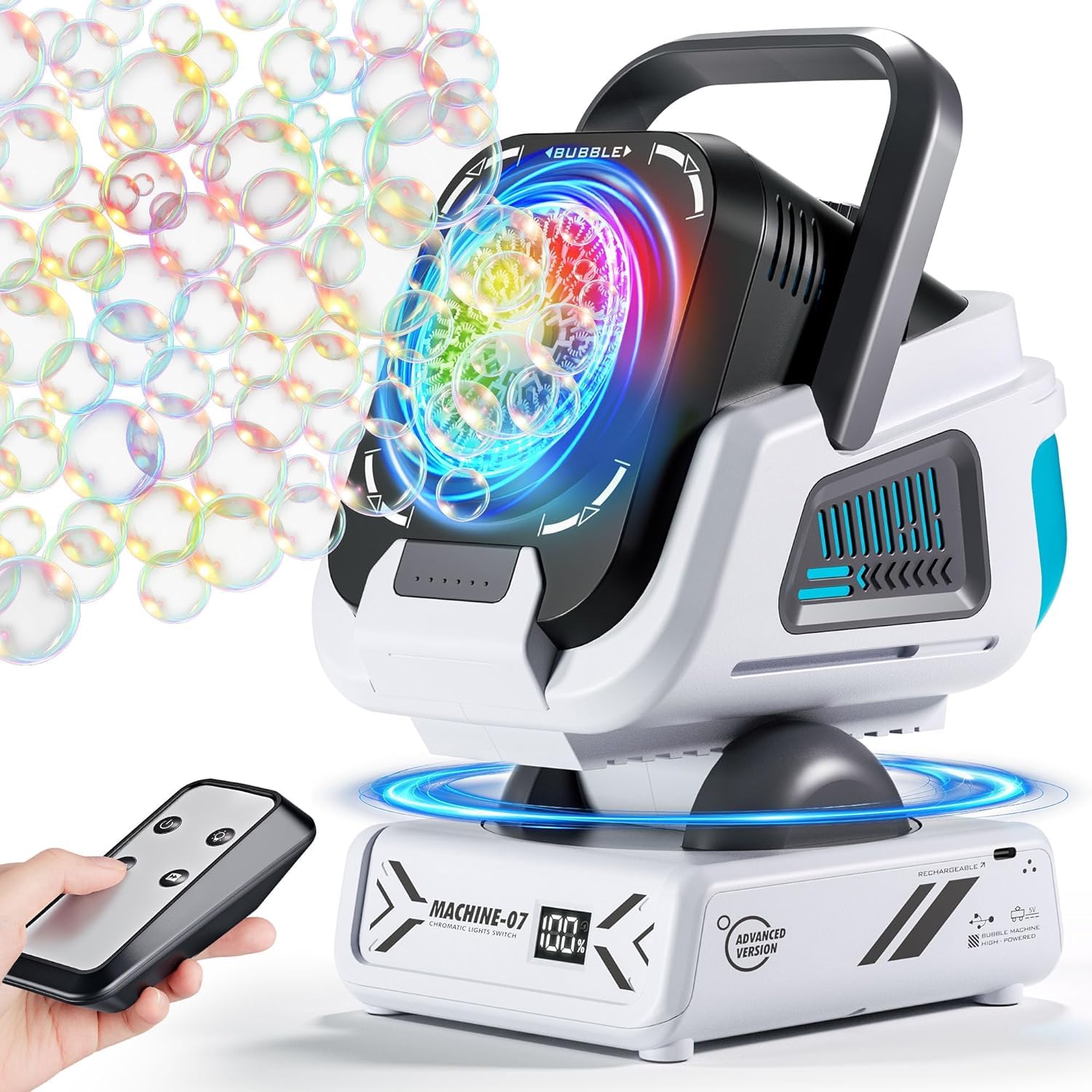
The [rechargeable bubble machine] — an automatic outdoor bubble maker listed for kids 3+, with Type-C rechargeable power, a remote, auto rotation, and RGB lights. We are not calling it the best bubble machine. A wand and a bottle work. The machine's job is hands-free chasing so you are not the one waving the wand the whole time. Solution runs out fast; spilled solution on hardscape is slick.
A backyard obstacle course in ten minutes
An obstacle course is just a path with three jobs. Use what you have: a jump over a rolled towel, a crawl under a broom resting on two chairs (outdoors, on grass), a hop in a chalk circle, a walk along a garden-hose "balance beam" on the ground. Walk it with them once. Then let them change the order. CDC asked you to let the preschooler choose what to play — the course is more fun when they add the silly rule.
- Three stations is enough. Five stations is how you lose them.
- Keep jumps low. A towel or a stick on the ground is a jump. A chair is not.
- Skip anything they wear around the neck if you later walk to a playground — AAP: remove helmets and anything looped around the neck before playground equipment.
- You are spotting, not timing. There is no official "course should last X minutes."
A small garden job they can finish
Planting with a preschooler is one pot, one scoop, one watering can. They dump too much soil. They water the sidewalk. That is the activity. Give them a real job that ends: fill the pot halfway, tuck the seed or the seedling, water until the soil looks dark, put the pot in the spot you chose. Come back tomorrow and look. CDC's preschool tips include letting them help with simple chores and giving a limited number of simple choices — which pot, which watering can, which flower to look at.
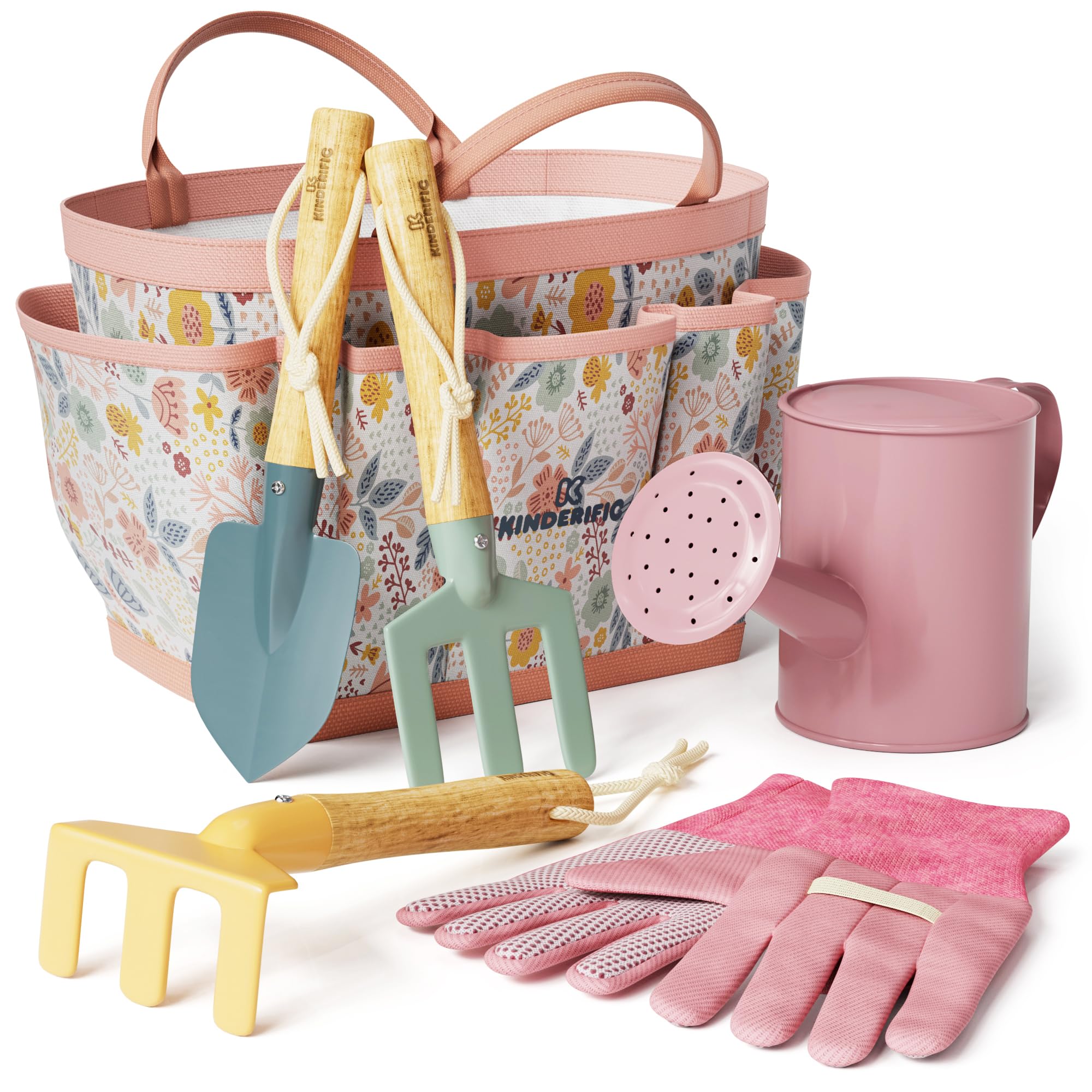
The [Kinderific kids' gardening set] — a tote with a spade, watering can, rake, fork, trowel, and gloves. Child-sized tools, not a ranking. A kitchen spoon and a recycled yogurt cup water the same pot. These are lightweight starter tools; they can bend in hard or rocky soil, which is the honest drawback already on the product card.
One pot is a garden
A raised bed is optional. A single pot on a step is enough for a preschooler to have a plant they can check after breakfast. If you garden near a street, the same CDC line applies: they do not chase a ball or a runaway watering can into the road.
Sand and water play — stay next to it
A sand-and-water table is preschool sensory play at standing height: scoop, pour, dump, repeat. It holds attention because the material changes every time they touch it. It is also water. Treat it like water, not like a toy bin you can walk away from.
CDC's drowning-prevention page: more children ages 1–4 die from drowning than from any other cause of death. Drowning happens in seconds and is often silent. It can happen any time there is access to water — the page names bathtubs and water-filled buckets, not only pools. Designate a responsible adult to supervise closely and constantly when children are in or near water, including bathtubs. Adults watching should avoid distracting activities like reading, using the phone, or consuming alcohol or drugs. Do not rely on air-filled or foam toys as safety devices.
AAP's drowning page for young children is the parent-facing version: drowning is the leading cause of death in children 1–4. Young children can drown in as little as an inch or two of water, quickly and silently. Never leave a filled, open-top water container unattended. Empty wading pools, buckets, coolers with melted ice, and similar containers after use. When they are in or near water, AAP wants touch supervision — stay within arm's reach. CDC's preschool page says the same in one line: be safe in the water; teach your child to swim, but watch them at all times when they are in or around any body of water, including kiddie pools.
The [Step2 Cascading Cove Sand and Water Table] — a Step2 sand-and-water table listed with an umbrella, seven accessory pieces, and a 1.5+ age on the listing. It is not a "best water table." A plastic storage bin on the grass does the same scoop-and-pour job. Empty the water when play is over. A table with water in it is a water container. You stay next to it. There is no safe unsupervised depth — AAP's warning is about as little as an inch or two of water.
Water play is not a moment to check your phone
CDC: drowning happens quickly and quietly; the supervising adult avoids the phone. AAP: empty the container when you are done; stay within arm's reach while they are in or near the water. Swim lessons, if you use them, do not replace that supervision — CDC says children who have had lessons still need close and constant supervision in or around water.
Playground time — AAP's list, not a ranking of parks
A playground is outdoor play activities for preschoolers with equipment you did not set up. CDC's preschool page: check outdoor playground equipment; make sure there are no loose parts or sharp edges; watch your child at all times, especially outside. AAP's Summer Safety Tips: Staying Safe Outdoors is the longer parent list:
- Protective surfacing: safety-tested mats or loose-fill (shredded rubber, sand, wood chips, or bark) maintained to a depth of at least 9 inches (6 inches for shredded rubber), installed at least 6 feet in all directions from the equipment (more for swings and slides).
- Maintenance: open "S" hooks or protruding bolt ends can be hazardous. Swing seats should be soft materials such as rubber, plastic, or canvas.
- Entrapment and pinch: children should not be able to reach moving parts that might pinch or trap a body part.
- Strangulation: never attach — or let children attach — ropes, jump ropes, leashes, or similar items to play equipment. Remove helmets and anything looped around the neck.
- Heat: metal, rubber, and plastic get very hot in the sun. Make sure slides are cool. Do not allow children to play barefoot on the playground.
- Supervision: parents should supervise children on play equipment.
- Trampolines: AAP says parents should never purchase a home trampoline or allow children to use a home trampoline because of the risk of serious injury even when supervised. We are repeating that sentence, not softening it.
For playground checks, AAP's list above is the one to follow.
Sun, shade, and a long outing
AAP's Sun Safety page says it is good for children to spend time playing and exercising outdoors, and that they should do it with protection. The simple rules on that page: dress in cool, comfortable clothing that covers the body when you can; a hat with an all-around 3-inch brim to shield the face, ears, and back of the neck; limit sun exposure between 10:00 a.m. and 4:00 p.m., when UV rays are strongest; sunglasses with at least 99% UV protection; and sunscreen used correctly — not as a reason to stay out longer.
An SPF of 15 or 30 should be fine for most people; more research is needed on whether more than SPF 50 offers extra protection. Put it on 15 to 30 minutes before going outdoors. Cover exposed areas, including the face, nose, ears, feet, hands, and backs of the knees. Reapply every 2 hours and after swimming, sweating, or drying off with a towel. Use it on cloudy days — AAP says up to 80% of the sun's UV rays can get through clouds. UV also bounces from water, sand, snow, and concrete. We are not giving a lotion brand, a dose in teaspoons, or a sunburn-treatment plan. If a baby under 1 year is sunburned, AAP says to call their doctor right away; for older children, call if there is blistering, pain, or fever. That is AAP's line, not a diagnosis from this magazine.
AAP also notes that one-quarter of lifetime sun exposure happens during childhood and adolescence. Shade first, then clothing, then sunscreen. A tree, a porch, or the umbrella that ships with some sand-and-water tables is doing the job AAP named — find shade — not decorating the yard.
A beach or lake day is the same set of rules with more gear to remember. What to pack for a family beach day has a category-by-category list, with sun protection as the group not to skimp on.
Watching them — CDC's outdoor safety lines
CDC's preschool safety list is short and specific:
- Tell your child why it is important to stay out of traffic. Tell them not to play in the street or run after stray balls.
- Be cautious when letting your child ride their tricycle. Keep them on the sidewalk and away from the street and always have them wear a helmet.
- Check outdoor playground equipment for loose parts or sharp edges.
- Watch your child at all times, especially when they are playing outside.
- Be safe in the water. Teach your child to swim, but watch them at all times in or around any body of water, including kiddie pools.
AAP's bicycle paragraph on the same summer-safety page matches the helmet habit: a helmet on every ride, even a short one close to home; look for a label that the helmet meets the CPSC safety standard; fit it level on the head covering the forehead. AAP also says to consider a balance bike with no pedals for young children learning riding skills. If you already have a trike or a balance bike, the official add-on is the helmet and the sidewalk, not a new toy.
The four tools on this page — not a best-of list
Use these four products only as the activity describes — chalk for the driveway, bubbles for the chase, child-sized tools for one pot, a sand-and-water table you empty and stand next to.
- [Crayola Ultimate Washable Chalk Collection (64 ct)] — washable sidewalk chalk for hopscotch, roads, and letter practice.
- [Rechargeable bubble machine] — automatic bubbles so they can chase. A wand works too. Solution is slippery on hard surfaces.
- [Kinderific kids' gardening set] — tote, watering can, trowel, rake, fork, spade, gloves. One pot is enough.
- [Step2 Cascading Cove Sand and Water Table] — sand-and-water play with an umbrella and accessories on the listing. Empty it. Stay next to it.
Sources
Every safety or activity-amount claim above is taken from a page. The full list with URLs is in the source list at the bottom of this page. The primary documents were CDC's child physical-activity page, CDC's positive-parenting tips for ages 3–5, CDC's drowning-prevention page, AAP HealthyChildren sun safety, AAP summer outdoor safety (including playground and bike helmet language), and AAP drowning prevention for young children. Where those pages do not publish a number — how many outdoor hours a preschooler "needs," how long a scavenger hunt should last, a ranked list of toys — this guide doesn't either.
Our Recommendations
Rechargeable Bubble Machine for Kids
Best for: Hands-free backyard chasing
An automatic outdoor bubble maker listed for kids 3+. The listing names Type-C rechargeable power, a remote, auto rotation, and RGB lights. Preschoolers chase and pop; you are not the one waving a wand the whole time.
- Automatic outdoor bubble maker listed for ages 3+
- Type-C rechargeable power on the listing
- Remote control and auto rotation named on that listing
- RGB lights named on that listing — useful at dusk, optional at noon
Keep in mind: Bubble solution runs out quickly with active play, and spilled solution can leave a slick spot on hard surfaces.

Crayola Ultimate Washable Chalk Collection (64 ct)
Best for: Open-ended driveway and patio play
A 64-count Crayola washable sidewalk-chalk collection. Thick chalk for hopscotch, roads, and letter practice on sidewalks, driveways, and patios. We are not ranking chalk brands.
- Washable outdoor sidewalk chalk
- 64-count collection on the listing
- Sold as a Crayola Ultimate Washable Chalk Collection
- Works for hopscotch, drawing, and letter practice
Keep in mind: Chalk wears down and can snap under heavy pressure, and color can linger on porous concrete until it rains.
Kinderific Kids Gardening Set
Best for: One pot, one watering job
A child-sized garden kit. The listing includes a tote bag, spade, watering can, rake, fork, trowel, and gloves. Enough for a preschooler to plant and water a single pot next to you. Not a heavy-duty tool set and not a ranking.
- Tote bag to keep the set together
- Spade, trowel, rake, and fork on the listing
- Watering can and gloves included on that listing
- Sized for small hands — a starter set, not a landscape crew
Keep in mind: These are lightweight starter tools, not heavy-duty implements, so they can bend or break in very hard or rocky soil.

Step2 Cascading Cove Sand and Water Table
Best for: Scoop-and-pour play you stand next to
A Step2 sand-and-water table. The listing names an umbrella, seven accessory pieces, and ages 1.5+. It is a contained station for scooping and pouring — and it is water, which means you empty it and stay next to it. Not a ranked pick.
- Sand-and-water table for outdoor sensory play
- Umbrella included on the listing
- Seven accessory pieces named on that listing
- Listed for toddlers 1.5+ years old
Keep in mind: Sand and water need to be added and emptied by an adult, the table takes dedicated yard space, and any water left in it is a drowning hazard you do not walk away from.
As an Amazon Associate I earn from qualifying purchases. Mom's Magazine may earn a commission when you buy through links on this page, at no extra cost to you. Learn more.
Frequently Asked Questions
What are good outdoor activities for preschoolers?
Open-ended play that gets them moving and looking: a five-item nature scavenger hunt, sidewalk chalk (hopscotch, a road, a letter), bubbles to chase, a three-station backyard obstacle course, kicking or rolling a ball, watering one pot, or scoop-and-pour at a sand-and-water table you stand next to. CDC: children 3 to 5 should be active throughout the day, and you should let the preschooler choose what to play. Keep the rules loose. Repeat the game they like.
What are educational outdoor activities for preschoolers?
The same outdoor play with one noticing job: a color-and-texture hunt, lining up leaves by size, a ten-second sound walk, chalk letters they can hop, pouring water from cup to cup (with you next to the water), or checking whether the pot they watered yesterday looks wet or dry. That is observation and language, not a worksheet. If they drop the lesson and run, CDC still counts the active play.
What is preschool outdoor play?
Short, mostly unstructured time outside for a 3- to 5-year-old: running, climbing a playground you have checked, chalk, bubbles, a ball, dirt, water you supervise. CDC wants them physically active throughout the day and watched at all times outside. It is not a 60-minute sports practice — that 60-minute target on CDC's page is for ages 6 to 17, not preschoolers.
What outdoor activities can I do with no equipment?
A scavenger hunt with pointed finds (leaf, yellow thing, something that moves), red light–green light, animal walks, follow-the-leader, shadow tag, and a "name three things" walk. CDC: they do not play in the street or run after stray balls — you get the ball.
How much outdoor play do preschoolers need each day?
CDC's child-activity page says children 3 to 5 should be physically active throughout the day, and caregivers should encourage active play such as jumping or riding a tricycle. That page does not state a required number of outdoor hours. Short bursts add up. CDC's preschool page separately recommends 10–13 hours of sleep per 24 hours, including naps — that is sleep, not yard time.
How do I keep a preschooler safe playing outside?
CDC: watch them at all times outside; stay out of the street; check playground equipment for loose parts or sharp edges; watch them in or around any water, including kiddie pools; helmet on the tricycle, sidewalk only. AAP sun: shade, a 3-inch-brim hat, 99% UV sunglasses, broad-spectrum sunscreen of at least SPF 15 on 15–30 minutes before, reapplied every 2 hours. AAP water: an inch or two can drown a young child; empty containers; stay within arm's reach. AAP playground: 9-inch loose-fill (6 for shredded rubber), 6-foot use zone, no ropes on equipment, no helmets on the play structure, slides cool, no bare feet, no home trampoline. This page is general information, not a plan for your child.
What are simple backyard activities for a preschooler?
Chalk hopscotch, a bubble chase, a three-station obstacle course, one pot to water, and a sand-and-water table you empty and stand next to. Rotate two of those. Let them repeat. The four products on this page are optional tools for those jobs, not a shopping requirement and not a best-of list.
Sources & Further Reading
- Child Activity: An Overview — Centers for Disease Control and Prevention (Physical Activity Basics) (reviewed 2026-08-21)
- Positive Parenting Tips: Preschoolers (3–5 years old) — Centers for Disease Control and Prevention (reviewed 2026-08-21)
- Preventing Drowning — Centers for Disease Control and Prevention (reviewed 2026-08-21)
- Sun Safety: Information for Parents About Sunburn & Sunscreen — American Academy of Pediatrics (HealthyChildren.org) (reviewed 2026-08-21)
- Summer Safety Tips: Staying Safe Outdoors — American Academy of Pediatrics (HealthyChildren.org) (reviewed 2026-08-21)
- Drowning Prevention for Curious Toddlers: What Parents Need to Know — American Academy of Pediatrics (HealthyChildren.org) (reviewed 2026-08-21)
Related Guides
Rainy Day Activities for Kids
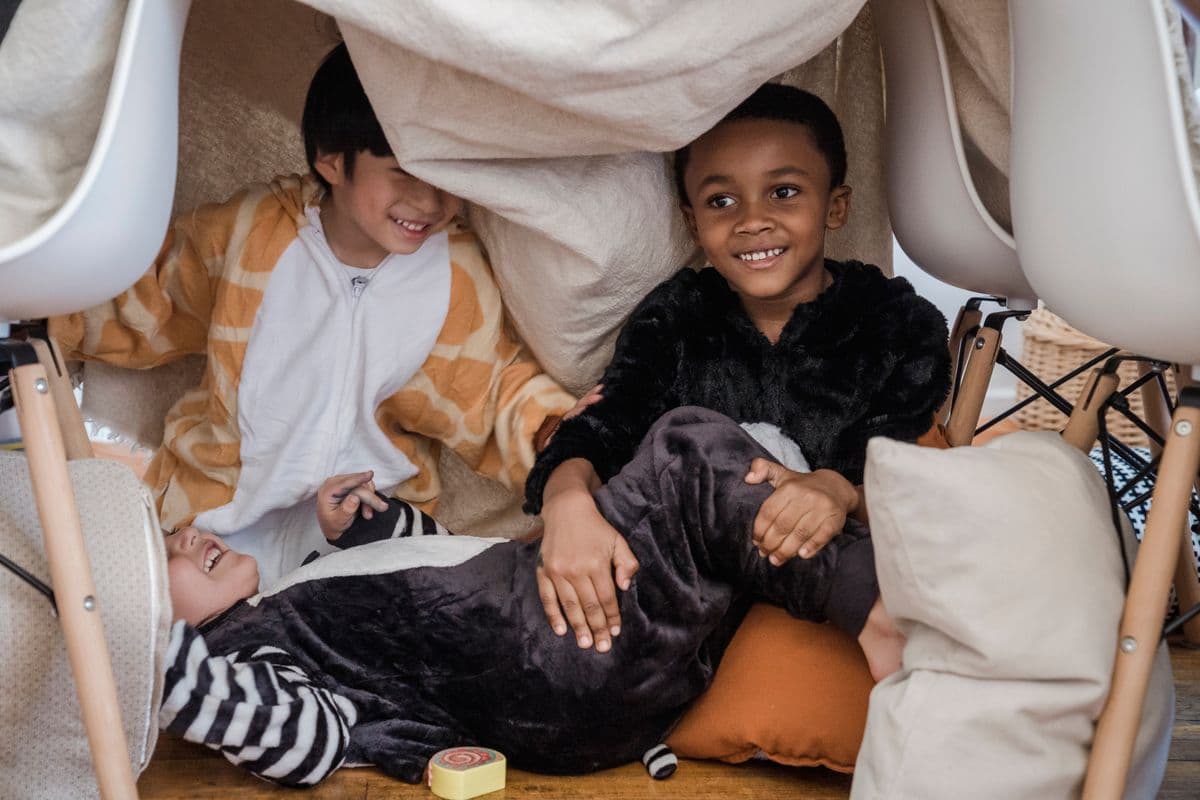
Rainy day activities for kids, sensory activities for rainy days at home, and rainy day preschool activities you can actually run indoors: forts, obstacle courses, scavenger hunts, sensory bins, and dough and sand on a tray — with indoor-play notes from AAP and CDC pages. Editorially reviewed — not medical advice.
Activities for 3-Year-Olds
Activities for 3-year-olds that match just-turned-three play: pretend scenes, simple crafts, early counting, helper jobs, and one outdoor outing. Based on CDC 3-year milestones and AAP pretend-play and toy-safety guidance.
Indoor Activities for Toddlers
Indoor activities for toddlers ages 1 to 3: dump, fill, and scoop play, short setups, and close-supervision notes from CDC and AAP pages.

Best Toddler Ride-On Toys of 2026: What Actually Matters at Each Age
A safety-first buying guide to ride-on toys for toddlers — which category (push car, tricycle, balance bike, or battery-powered vehicle) fits which age, what CPSC injury data says the real risks are, and the helmet and supervision rules that apply regardless of price.
Best Gifts for 4-Year-Olds (2026)
Gifts for 4-year-olds from listing facts: a Step2 play kitchen (top pick), a Toniebox 2 starter set, DUPLO bricks, MAGNA-TILES Builder, Play-Doh noodles, a Little People farm, a feelings pineapple, a chunky vehicle puzzle, a Green Toys dump truck, and a Flybar foam pogo. Researched, not hands-on. No prices.
Mom's Magazine Editorial Team
Editorial Team
The Mom's Magazine editorial team researches and writes practical, plainly-sourced guidance for parents and families. Guides are reviewed for accuracy and updated as recommendations change. Where a topic calls for professional expertise, we cite reputable organizations and, for health topics, add a qualified reviewer before publishing.
Newsletter
Get the Weekly Mom List
One short email a week: the most useful guides, activities, and picks for your family. No spam, unsubscribe anytime.