Family Life
What to Pack for a Family Beach Day
A real family beach-day packing list plus AAP sun-safety rules by age, CDC water-watching guidance, and heat-exhaustion signs to know before you go — not just a bag list.
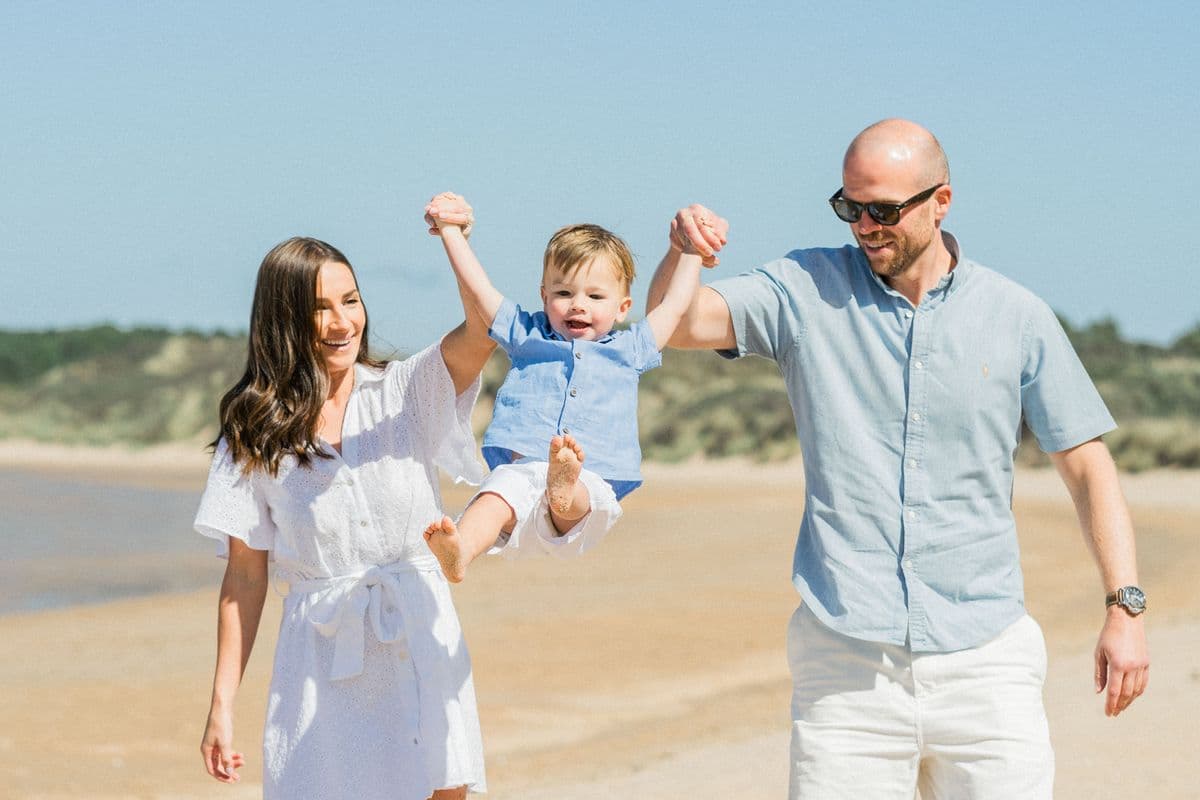
For a family beach day, pack in three groups: sun protection (shade, hats, and sunscreen), comfort (water, snacks, towels, a full change of clothes per kid), and play (a few sand toys and a ball — you need fewer than you think). The two rules that actually prevent a ruined trip aren't in the bag: a shade setup you commit to using between 10 a.m. and 4 p.m., when UV is strongest, and one adult whose only job during swim time is watching the kids in the water — not scrolling, not reading, not half-watching. Bring more water and sunscreen than feels necessary, and skip the inflatable arm floaties in favor of a properly fitted, Coast-Guard-approved life jacket if a child isn't a confident swimmer.
A great beach day and a miserable one usually come down to what's in the bag. Forget the sunscreen and the afternoon falls apart; forget the water and the snacks and you're packing up early. The trick isn't packing more — it's packing the right things in a way you can find them. Organizing your bag into three groups — sun protection, comfort, and play — means you can hand off a hat or reapply sunscreen without excavating the whole thing. This guide expands that three-group system into a full, category-by-category packing plan, plus the small extras that prevent most beach-day meltdowns.
Pack in three groups
The reason to sort your bag by purpose rather than by person is speed. When everything sun-related lives together, reapplying is a ten-second job instead of a hunt. The three groups are simple: sun protection keeps everyone safe and comfortable, comfort covers the basics that keep the day going, and play is the small handful of toys that matter. Pack the first two thoroughly and go light on the third.
Two bags beat one giant one
Consider a dedicated cooler for food and drinks and a separate beach bag for everything else. It keeps snacks cold and sand-free, and it means you're not digging past wet towels to find the sunscreen.
The beach-day packing list by category
Here's the full list organized by group, with a note on why each earns its place in the bag. Use it as a checklist and adjust for your kids' ages — a family with a baby packs differently than one with grade-schoolers.
| Category | What to pack | Why it matters |
|---|---|---|
| Sun protection | Sunscreen, hats, UV-protective clothing, sunglasses, umbrella or pop-up shade | Prevents sunburn and overheating; shade gives everyone a cool-down spot |
| Hydration & food | Extra water, easy snacks, a cooler, spill-proof cups | Heat and play burn through water fast; hungry kids melt down fast |
| Comfort & cleanup | Towels, a change of clothes each, wet bag, baby wipes, trash bag | Keeps everyone dry, warm, and sand-managed for the ride home |
| Play | A few sand toys, a ball, maybe a bodyboard | A little goes a long way; sand and water entertain on their own |
| Safety & extras | Small first-aid kit, any medications, phone in a waterproof pouch | Handles scrapes and stings; keeps essentials dry |
Sun protection: the group you can't skimp on
Sun protection is the one category where over-packing is the right call. Bring more sunscreen than you think you'll use, because it needs reapplying — and reapplying again — over a full day outdoors. Pair it with hats, sunglasses, and UV-protective clothing so you're not relying on lotion alone, and bring your own shade so there's always a cooler place to retreat.
- Sunscreen, plus a plan to reapply through the day (especially after swimming).
- Wide-brimmed hats and sunglasses for everyone.
- UV-protective swim shirts or cover-ups, which do a lot of the work clothing can.
- A beach umbrella or pop-up tent for reliable shade.
Follow pediatric sun-safety guidance
For sun protection in children — including how to handle babies, who need extra care and shade — follow guidance from pediatric authorities such as the American Academy of Pediatrics (HealthyChildren.org). Their recommendations cover shade, protective clothing, and the appropriate use of sunscreen by age. When in doubt about a specific product or a young infant, check with your pediatrician.
Hydration and snacks
Sun, heat, and constant motion drink up water quickly, so pack more than seems necessary — running out is the fastest way to end a beach day early. Cold, easy snacks keep energy up and stave off the hunger-driven crankiness that arrives right around the two-hour mark. A cooler earns its space here.
- More water than you think you'll need, plus spill-proof cups for little kids.
- Snacks that survive heat and sand — fruit, crackers, sandwiches in a cooler.
- A cooler with ice packs to keep everything cold and separate from sandy gear.
- A little something to look forward to; a treat can rescue a fading afternoon.
An insulated bottle earns its keep on a beach day more than almost anywhere else. Our comparison of kids' water bottles weighs insulation against spill resistance and how easy each one is to clean.
Comfort and cleanup
This group is what turns a good beach day into an easy one. A dry towel and a change of clothes for each person means nobody rides home cold and damp, and a few cleanup items keep the sand from following you everywhere. These are the quiet MVPs of the bag.
- A towel and a full change of clothes for every person, kids especially.
- A wet bag or plain plastic bag for sandy, soaked clothes.
- Baby wipes or a small towel for quick hand and face cleanups.
- A trash bag so you can pack out everything you bring in.
A dry change of clothes prevents the drive-home meltdown
Wet, sandy, cold kids are unhappy kids. Stashing a full change of clothes for each child — and keeping it in a sealed bag so it stays dry — is one of the highest-return things you can pack.
Toys and play: less is more
This is the one group to under-pack. Sand and water are the main event; a bucket, a shovel, and a ball are usually all the equipment a child needs to stay busy for hours. Hauling a mountain of toys just means more to carry, more to lose in the sand, and more to rinse off at the end of the day.
- A couple of sand toys — a bucket and shovel go a long way.
- A ball or a simple game for the older kids.
- Optional water gear like a bodyboard, if your beach and their ages suit it.
You really don't need much beyond a bucket and a shovel. Outdoor activities for preschoolers has more ideas that travel well to a beach or a park, including a few for short attention spans.
Safety and the easy-to-forget extras
A small kit of just-in-case items handles the scrapes, stings, and surprises that come with a day outdoors. None of it takes much space, and you'll be glad it's there the moment you need it.
- A small first-aid kit for cuts, scrapes, and minor stings.
- Any medications your family needs, including allergy essentials.
- A phone in a waterproof pouch, plus a way to keep valuables dry and secure.
- Cash or a card, a beach mat or blanket, and a couple of grocery bags for odds and ends.
Water around children calls for close, undistracted adult supervision at all times — a packing checklist covers the gear, but nothing in the bag replaces an attentive grown-up watching the water. For water-safety practices around children, follow guidance from reputable authorities such as the American Academy of Pediatrics.
Packing tips that make the day easier
A few habits make the whole system smoother, so you spend less time managing the bag and more time enjoying the beach:
- Pack the night before so the morning is just loading the car.
- Keep sunscreen and water in an outside pocket for grab-and-go reapplying.
- Apply the first coat of sunscreen at home, before anyone's in the sand.
- Do a quick headcount of the bag before you leave the beach so nothing's left behind.
Frequently Asked Questions
How should I organize a beach bag for a family?
Pack in three groups — sun protection, comfort, and play — so you can find what you need fast. Sorting the bag by purpose rather than by person means reapplying sunscreen or grabbing a hat takes seconds instead of a full dig.
How much water and sunscreen should I bring?
More than you think you'll need of both. Heat and play burn through water quickly, and sunscreen needs reapplying through the day, especially after swimming. Running out of either is the fastest way to cut a beach day short.
What do people most often forget to pack?
A dry change of clothes for each child and a wet bag for the soaked, sandy ones. A first-aid kit, extra water, and a trash bag to pack out what you bring in are the other common misses.
How do I keep my kids safe in the sun at the beach?
Combine shade, protective clothing and hats, and sunscreen rather than relying on any one of them, and give babies extra care and shade. Follow pediatric guidance from authorities like the American Academy of Pediatrics (HealthyChildren.org), and ask your pediatrician about young infants.
How many toys should I pack for the beach?
Just a few — this is the one thing to under-pack. Sand and water do most of the entertaining, so a bucket, a shovel, and a ball usually keep kids busy for hours without giving you a pile of gear to carry and rinse.
Sources & Further Reading
- Sun Safety and Protection Tips — American Academy of Pediatrics (HealthyChildren.org) (reviewed 2026-08-25)
- Drowning Facts and Prevention — Centers for Disease Control and Prevention (reviewed 2026-08-25)
- Heat Illness in Children — American Academy of Pediatrics (HealthyChildren.org) (reviewed 2026-08-25)
Related Guides
Birthday Party Planning Checklist
A step-by-step kids' birthday party planning checklist and timeline that keeps it simple.
Flying With a Baby or Toddler: A First-Time Parent's Guide
What to know before you book — lap-infant rules, TSA liquid exemptions for formula and breast milk, what to actually pack in your carry-on, and how to get through takeoff and landing without a meltdown.
The Hotel Crib Safety Checklist: What to Check Before Your Baby Sleeps In It
Hotel cribs are usually play yards, and some predate the 2013 federal safety standard. A six-point check at the door — mattress, padding, latches, gaps, recalls and placement — takes about three minutes.
Toddler-Proofing a Hotel Room in 10 Minutes: The Hazards Worth Fixing First
Hotel rooms are built for adults, and the most serious hazard in one is the window blind cord. A ten-minute pass at check-in, ordered by how much risk each fix actually removes.
Mom's Magazine Editorial Team
Editorial Team
The Mom's Magazine editorial team researches and writes practical, plainly-sourced guidance for parents and families. Guides are reviewed for accuracy and updated as recommendations change. Where a topic calls for professional expertise, we cite reputable organizations and, for health topics, add a qualified reviewer before publishing.
Newsletter
Get the Weekly Mom List
One short email a week: the most useful guides, activities, and picks for your family. No spam, unsubscribe anytime.