Family Life
Flying With a Baby or Toddler: A First-Time Parent's Guide
What to know before you book — lap-infant rules, TSA liquid exemptions for formula and breast milk, what to actually pack in your carry-on, and how to get through takeoff and landing without a meltdown.

Children under 2 can usually fly as a free "lap infant" on domestic flights, but the American Academy of Pediatrics and FAA recommend buying your baby their own seat and using an FAA-approved car seat (or a lightweight CARES harness for toddlers 22 to 44 pounds) for real in-flight safety. TSA exempts formula, breast milk, and toddler drinks from the standard 3.4-ounce liquid limit — just tell an officer you're carrying them and pull them out separately at the checkpoint. Beyond that, the trip mostly comes down to packing enough diapers and a change of clothes for delays, and having something for baby to suck or chew during takeoff and landing to ease ear pressure.
Booking: lap infant vs. your own seat
On most U.S. domestic flights, a child under 2 can fly on a parent's lap at no extra cost. It's the cheaper option, and for a short flight it's often the practical one. But the AAP and FAA both point out that a lap is not a restraint — in turbulence or a hard landing, an adult physically cannot hold onto a baby against real force. If your budget and the flight length allow it, buying a seat and bringing an FAA-approved car seat gives your baby the same protection in the air that they'd have on the drive to the airport.
A lighter option for toddlers
If checking or gate-checking a full car seat isn't practical, the CARES harness is an FAA-approved restraint for kids roughly 22 to 44 pounds and up to 40 inches tall. It weighs about a pound, packs into a small bag, and clips onto the airplane's existing seatbelt instead of needing a bulky seat.
TSA and security with a baby or toddler
- Breast milk, formula, and toddler drinks are exempt from the standard 3.4-ounce liquid limit in reasonable quantities for the trip — pack them separately from other liquids and tell the officer you have them before screening starts.
- Children under 18 don't need identification for domestic flights.
- A lap infant nearing their second birthday may be asked for proof of age, since the airline needs to charge for a seat once a child turns 2.
- Strollers and car seats can typically be checked at the gate rather than at the ticket counter, so you keep them until you actually board.
What to pack in your carry-on
- More diapers than the flight time suggests — plan for delays, not just scheduled minutes in the air.
- A full change of clothes for baby, and one for you (blowouts don't check the departure board) — our comparison of cotton bodysuit multipacks covers which pack is worth breaking into for a travel bag versus leaving at home.
- Formula, milk, or snacks sized for the whole trip door-to-door, including layovers.
- A comfort item your baby or toddler already sleeps with, if you have room.
- Something to suck, chew, or drink specifically for takeoff and landing — nursing, a bottle, a pacifier, or a chewy snack for an older toddler.
A carrier is worth having free hands for security lines and jet-bridge walks even if you're also bringing a stroller — our comparison of baby carriers breaks down wraps, slings, and structured options if you don't already have one you like. And if you're headed somewhere without a crib, our guide to pack 'n plays and travel cribs covers what actually folds small enough to be worth checking.
Timing your flight around naps and temperament
Where the schedule allows it, book around your baby's usual nap window rather than fighting it — a flight that overlaps a nap can work in your favor. Bulkhead seats offer floor room to spread out but usually have no underseat storage and armrests that don't lift, so check the specific aircraft's seat map rather than assuming bulkhead is automatically easier with a toddler who wants to move.
If your baby sleeps on you mid-flight
Stay alert, not just seated
If your baby falls asleep on you during the flight, stay awake and check on them regularly — make sure their face stays uncovered and their breathing looks normal, the same basic checks you'd do at home. A crowded cabin isn't a substitute for watching your own baby.
Toddler-specific tips
- Screen time you'd normally limit is fair game for a flight — this is a reasonable exception, not a habit you're starting.
- New (even inexpensive) small toys or activities hold attention longer than familiar ones from home.
- Gum, a chewy snack, or a drink with a straw during descent helps with ear pressure the same way it does for a bottle-fed baby.
- Pack extra pull-ups or underwear even for a recently potty-trained toddler — new environments and nerves both increase accident risk.
None of this covers getting two kids through security and to the gate — a separate logistics problem if you're traveling with siblings close in age. Our double stroller comparison covers side-by-side versus tandem, including which fits better through a jet bridge and gate-checks more easily.
Frequently Asked Questions
Do I need a passport for an infant?
Yes, for any international travel — including trips to Canada, Mexico, and cruises with an international port — infants need their own passport regardless of age.
Can I bring a car seat on the plane for free?
If you've purchased a seat for your child, you can generally use an FAA-approved car seat in that seat at no extra charge. If your baby is flying as a lap infant, the car seat itself usually needs to be checked or gate-checked instead.
How much breast milk or formula can I bring through TSA?
TSA allows breast milk, formula, and toddler drinks in reasonable quantities for the trip, exempt from the standard 3.4-ounce liquid limit. Keep them separate from your other liquids and let the officer know before screening.
What's the best seat for flying with a baby?
There's no single best seat — a bulkhead row gives floor space but no underseat storage, while a regular row keeps your bag within reach but less room to move. Check the specific aircraft's seat map for the flight you've booked rather than assuming one seat type is always better.
Sources & Further Reading
- Flying With Baby: Parent FAQs & Tips for Safer, Easier Air Travel — American Academy of Pediatrics (HealthyChildren.org) (reviewed 2026-08-11)
- Traveling with Children — Transportation Security Administration (TSA.gov) (reviewed 2026-08-11)
Related Guides
Best Baby Carriers (2026): Wraps, Slings, and Structured Carriers Compared
A researched comparison of stretchy wraps, ring slings, and structured buckle carriers — how to choose between them, hip-safety basics, and four well-reviewed options to start with.
Best Pack 'n Plays and Travel Cribs of 2026
A researched comparison of full-size playards versus ultralight travel cribs — how to pick between them, plus four well-reviewed options to start with.
What to Pack for a Family Beach Day
A real family beach-day packing list plus AAP sun-safety rules by age, CDC water-watching guidance, and heat-exhaustion signs to know before you go — not just a bag list.
Hospital Bag Checklist for Labor and Delivery
A complete hospital bag checklist for labor and delivery — for you, your baby, and your partner — plus when to actually head in.
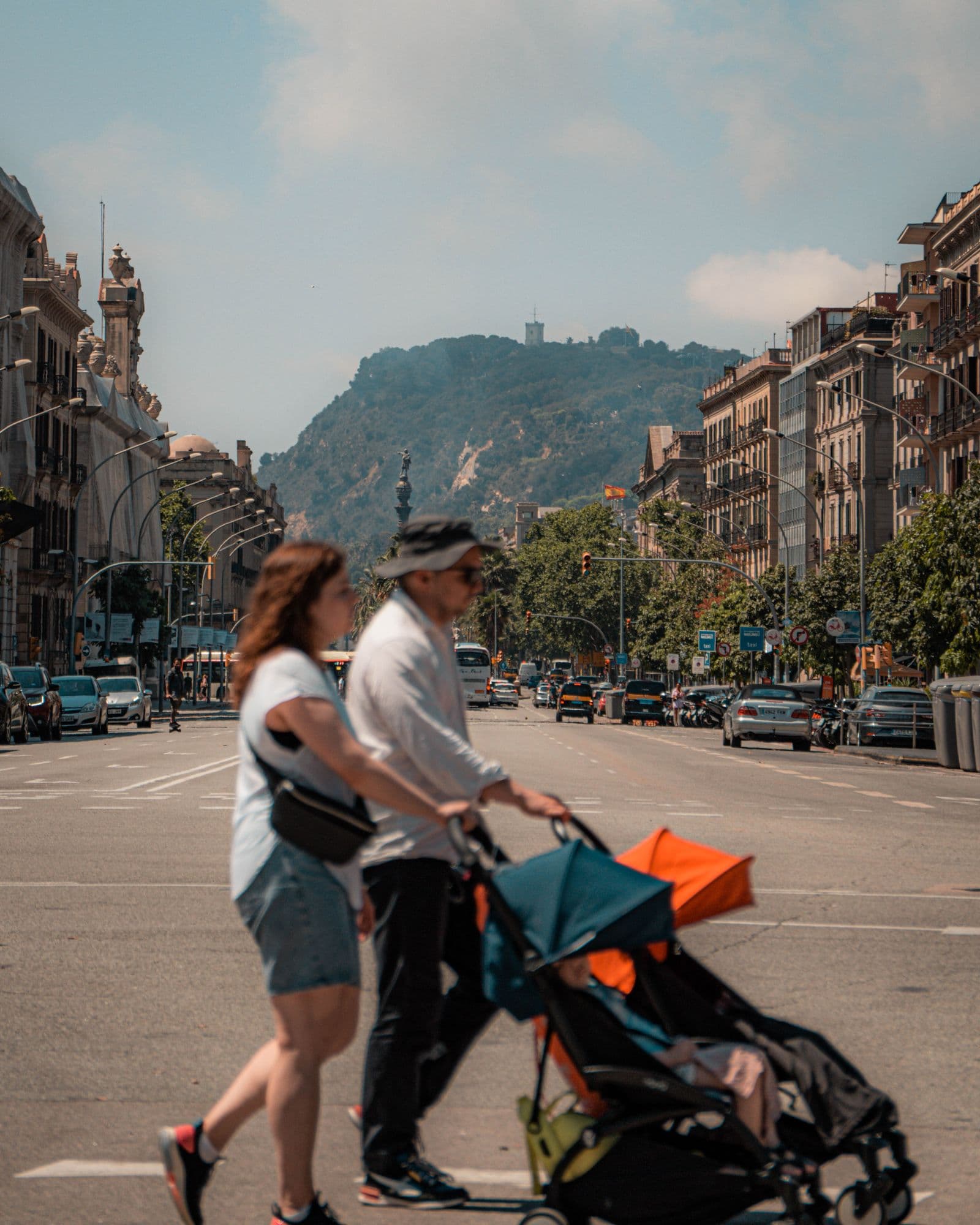
Best Double Strollers of 2026: Tandem, Side-by-Side, Jogging and Wagon Picks
The best double stroller depends on layout first: tandem, side-by-side, sit-and-stand, jogging, or wagon. Eight well-known picks, what each listing actually says, and how to measure before you buy.

Best Amazon Essentials Baby Bodysuits of 2026: Long-Sleeve, Short-Sleeve, and Sleeveless Multipacks Compared
A researched comparison of Amazon Essentials' cotton baby bodysuit multipacks — fabric, closures, and sizing that actually matter for a newborn wardrobe, plus which pack to buy for which season and size.
Mom's Magazine Editorial Team
Editorial Team
The Mom's Magazine editorial team researches and writes practical, plainly-sourced guidance for parents and families. Guides are reviewed for accuracy and updated as recommendations change. Where a topic calls for professional expertise, we cite reputable organizations and, for health topics, add a qualified reviewer before publishing.
Newsletter
Get the Weekly Mom List
One short email a week: the most useful guides, activities, and picks for your family. No spam, unsubscribe anytime.