New Moms
Hospital Bag Checklist for Labor and Delivery
A complete hospital bag checklist for labor and delivery — for you, your baby, and your partner — plus when to actually head in.
As an Amazon Associate I earn from qualifying purchases.Some links on this page are affiliate links. If you buy through them, Mom's Magazine may earn a small commission at no extra cost to you. It never changes which products we recommend. How we recommend products.
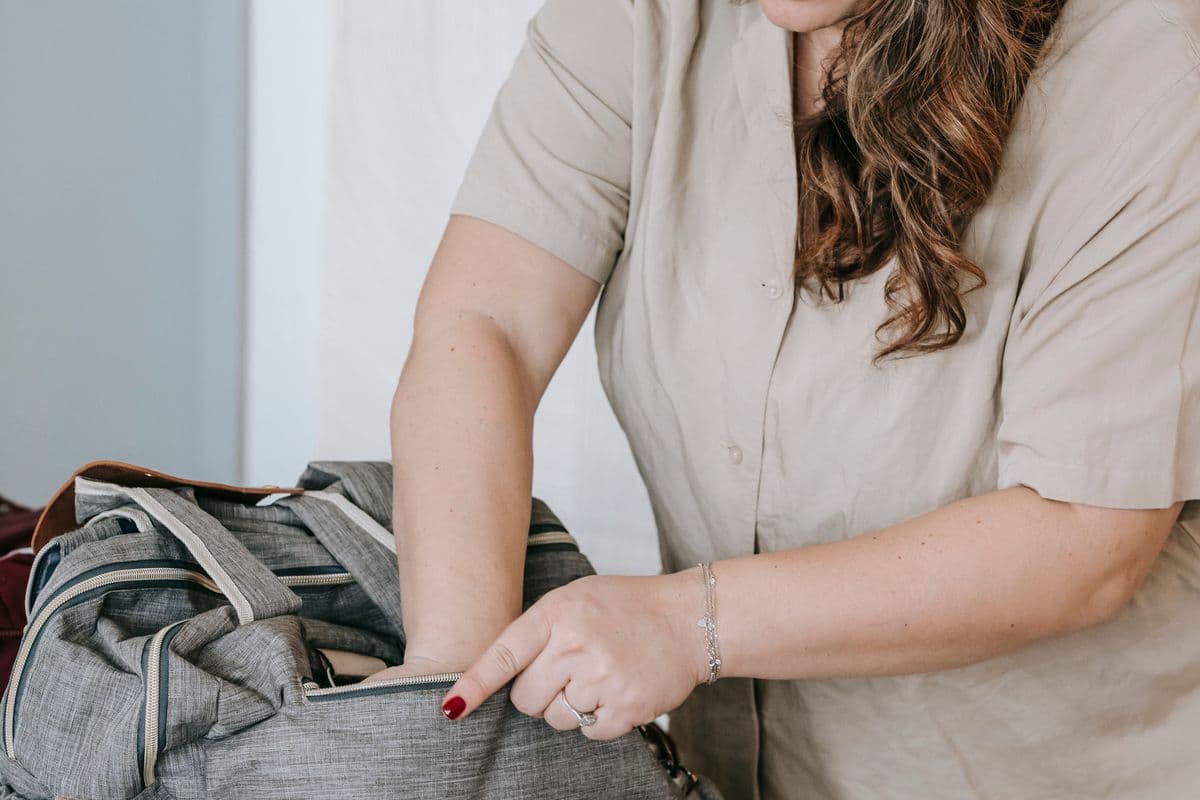
Pack your hospital bag in three parts: essentials for you (ID, insurance and hospital paperwork, comfortable going-home clothes, toiletries, phone charger), for baby (a going-home outfit, and an installed car seat), and for your partner (snacks, a change of clothes). Have it ready by around 36 weeks. Check with your hospital first — many provide gowns, diapers, and other basics.
Quick picks
| Product | Best for | |
|---|---|---|
| Frida Mom Postpartum Recovery Essentials Kit Best hospital-bag starter kit | One hospital-bag box that covers postpartum basics | Check price on Amazon |
| Frida Mom Upside Down Peri Bottle Best peri bottle upgrade | A portable peri rinse for the hospital and first weeks home | Check price on Amazon |
| Frida Mom Disposable Postpartum Underwear Best disposable underwear extras | Extra high-waisted disposables for heavy-flow hospital days | Check price on Amazon |
| Amazon Essentials Unisex Babies' Long-Sleeve Cotton Bodysuits, Pack of 6 Best baby multipack for the bag | Extra newborn changes for the hospital and the ride home | Check price on Amazon |
Packing a hospital bag is one of those late-pregnancy tasks that feels enormous until you break it into pieces. The simplest way to keep it from spiraling is to pack in three parts — one set of things for you, one for your baby, and one for whoever is with you — and to do it early enough that a fast or early labor never catches you empty-handed. This guide expands the three-part list into a room-by-room walkthrough, a comparison table of who needs what, and answers to the questions parents actually ask while zipping the bag shut.
A quick reality check before you buy anything: hospitals and birth centers differ a lot in what they hand out. Some provide gowns, mesh underwear, pads, diapers, wipes, and a going-home swaddle; others expect you to bring more. The single most useful thing you can do is call your birth facility and ask what they supply. That one phone call decides half of what belongs in your bag.
When to pack (and why earlier is calmer)
A good target is to have the bag packed and by the door by around 36 weeks, since babies keep their own schedule and a portion of them arrive before the due date. Packing early is not about expecting an early arrival; it is about removing one decision from a moment when you will not want to be making decisions. If you are on bed rest, expecting multiples, or have been told you are at higher risk for early delivery, ask your provider whether you should pack sooner — and follow their timing over any general rule.
Pack a smaller day-of grab bag too
Keep the essentials you will want during active labor — phone and charger, ID, lip balm, hair tie, a light robe — in one easy-to-reach pouch. Then you are not digging through the whole suitcase between contractions, and a partner can find things without narrating every zipper.
For you: labor, recovery, and going home
Think of your own items in three phases: what helps during labor, what helps while you recover on the ward, and what you will put on to go home. You do not need much for each, and comfort beats quantity every time.
During labor
- Photo ID, insurance card, and any hospital pre-registration or birth-plan paperwork
- Phone and an extra-long charging cable (the outlet is never close to the bed)
- Lip balm, a hair tie, and a hair clip
- A light robe and grippy socks or slippers for walking the halls
- Anything that helps you relax — a playlist, a focal photo, or your own pillow in a colored case so it does not vanish into hospital laundry
For recovery on the ward
- Toiletries you actually use: toothbrush, toothpaste, deodorant, face wash, hair ties, and any glasses or contact supplies
- A phone charger you are not sharing with your partner
- A nursing bra or comfortable bralette, plus nursing pads if you plan to breastfeed
- A few pairs of underwear you will not mind retiring (many hospitals also provide disposable mesh underwear)
For going home
- A loose, comfortable outfit in a size that fit you around mid-pregnancy — your body needs time, so nothing you have to fight into
- A warm layer or cardigan regardless of season, since hospitals run cold
- Slip-on shoes
Leave the valuables at home
Skip expensive jewelry, large amounts of cash, or anything you would be upset to misplace. Rooms get busy, you will be moving between spaces, and there is simply no reason to add that worry to the day.
The going-home outfit is for the ride home. The gifts that stay in rotation after that are usually ordinary: a water bottle by the nursing chair, pajamas she can sleep and feed in, a bag she can wear on both shoulders. Useful gifts for a new mom is that everyday list, separate from the medical recovery kit.
For baby: less than you think
Newborns need remarkably little at the hospital, and many facilities supply diapers, wipes, and blankets while you are there. The one non-negotiable is a properly installed, rear-facing car seat, because most hospitals will not discharge a baby without one. Pack the rest light.
- A going-home outfit and a hat (bring one newborn size and one slightly larger — babies surprise you)
- A soft blanket or swaddle for the ride home
- A pair of mittens or socks, depending on the weather
- An installed, rear-facing infant car seat — in the car and ready before labor, not packed in the suitcase
Have the car seat installed and checked ahead of time
Install the rear-facing seat well before your due date and, if you can, have the installation checked by a certified passenger-safety technician. Follow the seat and vehicle manuals and current guidance from a reputable safety source rather than adjusting it in the parking lot on the way out.
Whatever's in the bag for the baby, the first bath happens once you're home, and it's sponge baths only at first. Our step-by-step guide to bathing a newborn safely covers the umbilical cord window and the setup worth having ready before that first bath.
For your partner or support person
Labor can be long, and a support person who is fed, rested, and not scrambling for a phone charger is far more useful to you. Their bag is short but real.
- Snacks and a refillable water bottle (labor can stretch across meal times, and the cafeteria closes)
- A change of clothes and basic toiletries in case of an overnight stay
- Their own phone charger
- A little cash or a card for parking, vending machines, and coffee
- A light blanket or travel pillow — pull-out chairs are not known for comfort
Who needs what: the three-bag breakdown
If you prefer to see it all at once, here is the same list organized by person, with a note on why each group matters. Use it as a final pre-zip check.
| For | Pack | Why it matters |
|---|---|---|
| You | ID and insurance, phone and long charger, toiletries, robe and grippy socks, nursing bra, going-home outfit | Covers labor, the recovery stay, and a comfortable trip home |
| Baby | Going-home outfit and hat, soft blanket, installed rear-facing car seat | Hospitals often supply diapers and wipes; the car seat is required to leave |
| Partner | Snacks and water, change of clothes, own charger, small cash or card | Keeps your support person functional through a potentially long day |
| Paperwork | Pre-registration forms, birth plan, pediatrician's name, hospital bag list | Smooths check-in and makes sure everyone knows your preferences |
Comfort extras worth their space
Beyond the essentials, a handful of small comfort items punch above their weight during a hospital stay, and they are the things parents most often wish they had remembered. None of these are required, and you should not stress if you forget them — but if you have room after the must-haves, they make the hours more bearable. The stay is often longer and more tiring than expected, and the little touches of home are what make an unfamiliar room feel manageable.
- Your own pillow in a patterned or colored case, so it is comfortable and easy to tell apart from hospital linens
- A long phone charging cable and, if you have one, a small power bank for when the outlet is out of reach
- A reusable water bottle with a straw, which is far easier to drink from while lying down or feeding
- Flip-flops for the shower and warm, grippy socks for the room
- A few of your own snacks for after delivery, when hunger can hit hard and the kitchen may be closed
- A small toiletry kit with the specific products you actually use, rather than relying on travel samples
It is also worth having a short, written note of key phone numbers and preferences — your pediatrician's name, who to call after the birth, and any birth-plan points that matter to you — so you are not composing texts from memory in the moment. Keeping that information on paper as a backup means it is available even if a phone dies or gets set down somewhere in the shuffle. If you plan to announce the birth or share photos, decide in advance who is on that list and let your partner handle the sending, so you can stay focused on rest and your baby rather than your phone.
What you can usually leave out
Over-packing is the most common hospital-bag mistake. You will not have space, and you will have to carry it all back home one-handed. Unless your facility specifically tells you otherwise, you can generally skip:
- A week's worth of outfits for you or the baby — you will wear far less than you expect
- Bulky nursing pillows and large equipment (many rooms are tight; check what they provide)
- Newborn diapers and wipes, if your hospital supplies them
- Candles or anything requiring an open flame — these are not permitted
What to line up at home while you are at it
Packing the bag is a natural moment to handle a few slower home projects, since they all take longer than people expect and none of them are urgent in the first days back. Picking a baby monitor, narrowing down a stroller, and starting the bigger baby-proofing tasks like anchoring furniture are all easier to do calmly now than in a newborn fog later. Our comparisons of baby monitors and strollers, and our room-by-room baby-proofing checklist, can each be knocked out in an afternoon.
Two more things worth sorting before you're home and sleep-deprived: if you're planning to bottle-feed at all, even occasionally, our comparison of baby bottles covers the difference between anti-colic and breast-like nipple shapes so you're not guessing at 2 a.m. And if your baby will be sleeping somewhere other than a nursery crib at first — a downstairs bassinet stage, or a relative's house — our guide to pack 'n plays and travel cribs breaks down full-size playards versus ultralight travel options.
If you're a reader, packing something for the hospital stay itself is worth considering too — labor can involve a lot of waiting. Our roundup of books for new and expecting moms includes a couple worth having on your phone or in the bag for slow stretches.
With a toddler already at home, the birth day needs its own plan: who's watching them, where they'll sleep, and who brings them in to meet the baby. Preparing your toddler for a new baby covers that day and the weeks that follow it.
The going-home outfit itself matters less than most registries suggest, and sizing is the part people actually get wrong. Our newborn layette guide covers why to buy light on newborn size, which closures actually help at 3 a.m., and the car-seat safety rule that overrides whatever you had planned to dress the baby in for a cold-weather ride home.
Hospital bag pick comparison
What each pick is for in the bag, and listing basics that decide whether to pack it. Values come from each product's Amazon listing — no prices.
| Product | Who it's for | What the listing emphasizes | Pack note | |
|---|---|---|---|---|
| Frida Mom Postpartum Recovery Essentials Kit Best hospital-bag starter kit | Mom / postpartum | 11-piece hospital bag basics kit | One box instead of shopping piece by piece | Check price on Amazon |
| Frida Mom Upside Down Peri Bottle Best peri bottle upgrade | Mom / postpartum | Upside-down portable peri bottle | Confirm the hospital does not already supply one | Check price on Amazon |
| Frida Mom Disposable Postpartum Underwear Best disposable underwear extras | Mom / postpartum | Disposable boyshort underwear, size M/L on this listing | Extras beyond hospital mesh underwear | Check price on Amazon |
| Amazon Essentials Unisex Babies' Long-Sleeve Cotton Bodysuits, Pack of 6 Best baby multipack for the bag | Baby | 6-pack long-sleeve cotton bodysuits | Spare changes under the going-home outfit | Check price on Amazon |
Our Recommendations

Frida Mom Postpartum Recovery Essentials Kit
Best for: One hospital-bag box that covers postpartum basics
An 11-piece kit Amazon lists as hospital-bag basics for new moms, bundling core postpartum care items so you are not shopping each piece separately before labor.
- Amazon lists it as an 11-piece postpartum essentials kit
- Framed on the listing as hospital bag basics for new moms
- Bundles multiple postpartum care items in one box
- Same ASIN already used on our postpartum recovery essentials guide
Keep in mind: A kit can include pieces you already have from the hospital or do not plan to use.

Frida Mom Upside Down Peri Bottle
Best for: A portable peri rinse for the hospital and first weeks home
A portable peri bottle Amazon describes as an upside-down design for postpartum care. Useful if your hospital peri bottle is hard to aim, or you want a spare for the bathroom at home.
- Listing describes an upside-down / portable bidet design
- Sold for postpartum care
- Compact enough to keep in the hospital bag
- Same ASIN already used on our postpartum recovery essentials guide
Keep in mind: Many hospitals already supply a basic peri bottle — confirm before you pack a duplicate.

Frida Mom Disposable Postpartum Underwear
Best for: Extra high-waisted disposables for heavy-flow hospital days
Disposable boyshort-style postpartum underwear (this listing is size M/L, gray). Handy extras for the hospital stay when laundry is not an option and you want more than the hospital mesh underwear.
- Disposable boyshort postpartum underwear
- This Amazon listing size: M/L
- Useful as pack-ahead extras beyond what the hospital provides
- Same ASIN already used on our postpartum recovery essentials guide
Keep in mind: Disposable — you will reorder if you use them for more than a few days.

Amazon Essentials Unisex Babies' Long-Sleeve Cotton Bodysuits, Pack of 6
Best for: Extra newborn changes for the hospital and the ride home
A 6-pack of long-sleeve cotton bodysuits with snap bottoms — useful as spare changes under a going-home outfit when spit-up or diaper leaks happen before discharge.
- Long-sleeve cotton bodysuits sold as a 6-pack
- Snap-bottom closure for diaper changes
- Expandable neckline noted on related Amazon Essentials listings
- Same ASIN already used on our baby bodysuits guide
Keep in mind: Long sleeves run warmer than short-sleeve packs — pick a size and sleeve length that match your season and hospital room temperature.
As an Amazon Associate I earn from qualifying purchases. Mom's Magazine may earn a commission when you buy through links on this page, at no extra cost to you. Learn more.
Frequently Asked Questions
When should I have my hospital bag packed?
Aim to have it packed and by the door by around 36 weeks, since some babies arrive before the due date. If you are on bed rest, expecting multiples, or have been told you may deliver early, ask your provider whether to pack sooner and follow their timing.
What does the hospital usually provide so I do not over-pack?
It varies a lot by facility, but many hospitals supply gowns, pads, mesh underwear, diapers, wipes, and blankets during your stay. Call your birth facility and ask exactly what they hand out — that one question decides a big chunk of what you actually need to bring.
Do I really need a car seat to leave the hospital?
Yes. Most hospitals will not discharge a newborn without a properly installed, rear-facing car seat. Install it well before your due date, follow the seat and vehicle manuals, and if possible have the install checked by a certified passenger-safety technician.
What is the most common hospital bag mistake?
Over-packing. Rooms are tight, you will use far less than you expect, and you have to carry everything home one-handed with a newborn. Pack light, lean on what the hospital provides, and keep a small grab bag of true essentials within easy reach.
Should my partner pack a separate bag?
A small one helps. Labor can stretch across meals and overnight, so a support person does best with snacks, a water bottle, a change of clothes, their own phone charger, and a little cash for parking and coffee.
Sources & Further Reading
- How to Tell When Labor Begins — American College of Obstetricians and Gynecologists (ACOG) (reviewed 2026-08-14)
Related Guides

Newborn Sleep: What to Expect in the First Weeks
A realistic look at newborn sleep in the first weeks — plus the safe-sleep basics every parent should know.

Postpartum Recovery: What to Expect
A gentle, honest overview of postpartum recovery — physical and emotional — and when to call your provider.

Best Baby Monitors of 2026
A researched comparison of Wi-Fi and non-Wi-Fi baby monitors — what actually matters when you're choosing one, and four well-reviewed options to start with.

Baby-Proofing Your Home: A Room-by-Room Checklist
A practical, room-by-room baby-proofing checklist covering the changes that matter most before your baby starts crawling.

Best Baby Carriers (2026): Wraps, Slings, and Structured Carriers Compared
A researched comparison of stretchy wraps, ring slings, and structured buckle carriers — how to choose between them, hip-safety basics, and four well-reviewed options to start with.

Best Strollers of 2026: Everyday, Travel System, and Lightweight Picks
A researched comparison of everyday, travel-system, and lightweight strollers — how to choose between them, safety basics, and four well-reviewed options to start with.
Best Infant Car Seats 2026
How to choose an infant car seat — rear-facing limits, click-in bases, travel-system compatibility, and when to size up to a convertible seat — plus four widely used options to start with.

Best Convertible Car Seats of 2026
How to choose a convertible car seat — rear-facing limits, LATCH vs. seatbelt install, three-across fit — plus four well-reviewed options to start with.
Best Books for New and Expecting Moms in 2026
Four books worth actually reading during pregnancy and the fourth trimester — grouped by what stage you're in, not just a long undifferentiated list.

Best Amazon Essentials Baby Bodysuits of 2026: Long-Sleeve, Short-Sleeve, and Sleeveless Multipacks Compared
A researched comparison of Amazon Essentials' cotton baby bodysuit multipacks — fabric, closures, and sizing that actually matter for a newborn wardrobe, plus which pack to buy for which season and size.
Mom's Magazine Editorial Team
Editorial Team
The Mom's Magazine editorial team researches and writes practical, plainly-sourced guidance for parents and families. Guides are reviewed for accuracy and updated as recommendations change. Where a topic calls for professional expertise, we cite reputable organizations and, for health topics, add a qualified reviewer before publishing.
Newsletter
Get the Weekly Mom List
One short email a week: the most useful guides, activities, and picks for your family. No spam, unsubscribe anytime.