Products
Best Pack 'n Plays and Travel Cribs of 2026
A researched comparison of full-size playards versus ultralight travel cribs — how to pick between them, plus four well-reviewed options to start with.
As an Amazon Associate I earn from qualifying purchases.Some links on this page are affiliate links. If you buy through them, Mom's Magazine may earn a small commission at no extra cost to you. It never changes which products we recommend. How we recommend products.
The right pack 'n play depends on whether it mostly lives in one room of your house or travels with you. For a home base with a bassinet stage and changing station, a full-size playard like the Graco Aspery is dependable and widely available. For flying or hotel stays where every pound in the suitcase counts, the BabyBjörn Travel Crib Light packs down smaller and lighter than a standard playard, though it costs more and skips the bassinet insert. The Guava Family Lotus folds into its own backpack, which matters if you're carrying it through an airport rather than rolling a suitcase. This is a researched buying guide based on manufacturer specifications and recurring patterns in verified reviews, not a hands-on side-by-side test.
Best home base
Graco Pack 'n Play Portable Playard, Aspery
Best for: An everyday home-base playard
Quick picks
| Product | Best for | |
|---|---|---|
| Graco Pack 'n Play Portable Playard, Aspery Best home base | An everyday home-base playard | Check price on Amazon |
| BabyBjörn Travel Crib Light, Silver Best for flying | Flying or frequent hotel stays | Check price on Amazon |
| Ingenuity Dream Retreat 3-in-1 Portable Bassinet & Playard Best budget 3-in-1 | A lower-cost option that still covers newborn through toddler | Check price on Amazon |
How we picked
This is a researched buying guide, not a hands-on lab test — we haven't set these up and broken them down side by side. We compared manufacturer specifications and the recurring patterns in verified customer reviews, focused on the trade-off that matters most in this category: how much a model prioritizes being a stationary, feature-rich home base versus a light, packable travel piece. If we add hands-on testing later, we'll update this guide and say so.
Home base or travel: pick your category first
"Pack 'n play" gets used loosely for two pretty different products. A full-size playard is meant to mostly stay in one spot — a living room or a room at a relative's house — and often bundles a bassinet stage, changing table, and storage. An ultralight travel crib strips almost all of that away in exchange for packing into a bag light enough to carry through an airport.
| Type | Typical weight | Bassinet stage? | Best for |
|---|---|---|---|
| Full-size playard | 25–30+ lb | Often included, for newborn months only | A stationary second sleep space at home or at a relative's house |
| Ultralight travel crib | 7–13 lb | Rarely included | Flying, hotel stays, or anywhere you're carrying the crib yourself |
| Backpack-style travel crib | 8–11 lb | Rarely included | Travel where you need both hands free — airports, hiking to a cabin, camping |
Safe sleep rules still apply here
Only the mattress made for the model
Use only the mattress pad or bassinet insert designed for your specific playard or travel crib, with a fitted sheet made for that piece — nothing added underneath or on top. Extra padding, a thicker aftermarket mattress, or blankets and pillows inside meaningfully raise suffocation risk, and they can also affect the required firmness the product was tested for.
The same alone-back-crib safe sleep basics that apply to a nursery crib apply to a playard or travel crib. A bassinet insert has its own weight and mobility cutoff (often listed as "until baby can push up on hands and knees" or a specific weight) — that's earlier than most babies age out of the full playard base, so don't assume the bassinet stage lasts as long as the product itself is useful.
What tends to go wrong
- The bassinet insert stage is short — often just the first few months — so it accounts for a smaller share of the product's useful life than the marketing photos suggest.
- Zippers and mesh on frequently-traveled models wear out faster than the frame does, especially with airline baggage handling.
- Lower-cost models sometimes ship with a thinner mattress pad than parents expect; some families add a manufacturer-approved thicker pad rated for that specific model.
- A full-size playard is bulkier to store than it looks folded — measure your closet or trunk space before buying, not after it arrives.
When a pack 'n play isn't the right call
If you need overnight sleep space for months at a stretch rather than occasional travel or a downstairs nap spot, a proper crib or mini crib is generally more comfortable long-term and easier to reach into without bending over a low playard rail. And before buying a travel crib for a single trip, it's worth calling ahead — many hotels and even some Airbnbs provide a crib on request, which can save you checking a bag.
Wherever the playard or travel crib ends up living, the room around it matters too — see our room-by-room baby-proofing checklist for what else to handle in a nursery or guest room before your baby starts pulling up on furniture.
Our Recommendations
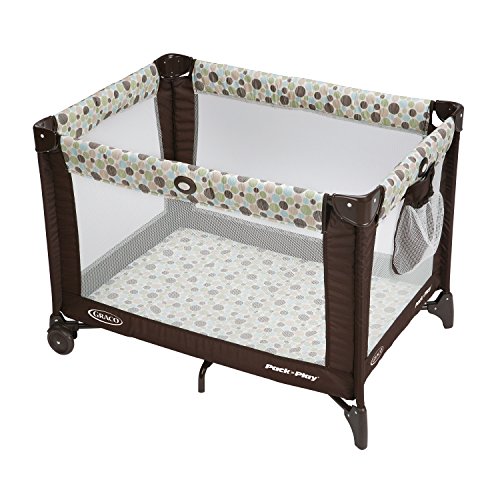
Graco Pack 'n Play Portable Playard, Aspery
Best for: An everyday home-base playard
A full-size playard with a bassinet-height newborn stage, a fold-down changing table, and a storage pocket — the standard version of the category most families picture when they hear "pack 'n play." Sets up without tools and folds into a carry bag with wheels on some versions.
- Elevated bassinet stage for the newborn months
- Fold-down changing table with a storage shelf
- Compact carry bag for occasional travel or storage
- No-tool setup with a push-button fold
Keep in mind: At roughly 25–30 lb folded, it's not something you want to carry far — this is built for a stationary spot, not frequent trips.
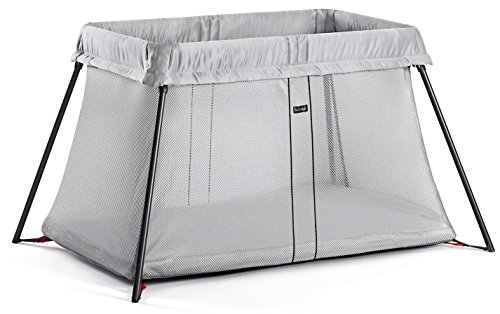
BabyBjörn Travel Crib Light, Silver
Best for: Flying or frequent hotel stays
An ultralight mesh crib that sets up in essentially one motion and folds down small enough to fit in a suitcase or check as its own light bag. No bassinet insert or changing table — this is a minimalist travel piece, not a home-base playard.
- Around 13 lb, noticeably lighter than a standard playard
- One-motion setup and fold, no separate frame pieces
- Breathable all-around mesh sides
- Rated for use from birth up to about age 3
Keep in mind: No bassinet stage, no changing table, and it costs more than several full-size playards — you're paying for the size and weight, not extra features.
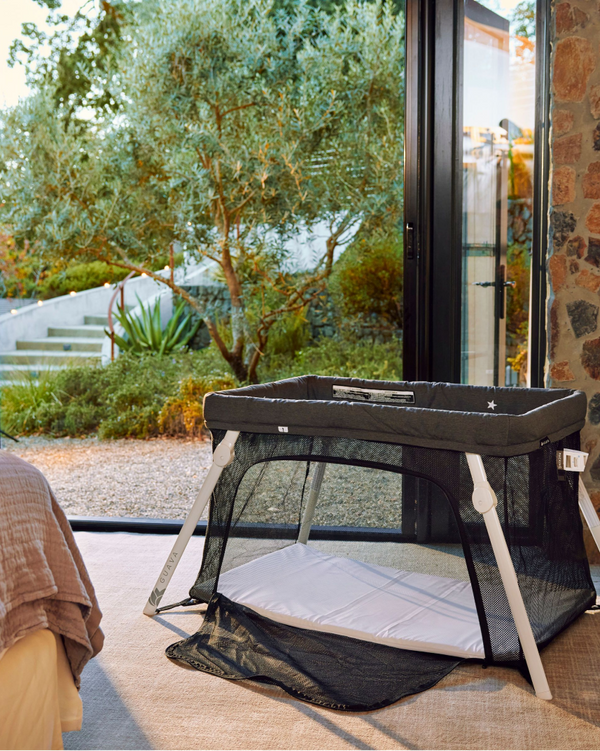
Guava Family Lotus Travel Crib
Best for: Carrying hands-free through an airport
A travel crib that folds directly into its own backpack, rather than a separate carry bag you have to also manage. Popular with families who are already juggling a car seat, stroller, and diaper bag through security and don't want one more thing to hold.
- Folds into an integrated backpack for hands-free carrying
- Aluminum frame with a one-step, no-tool setup
- Breathable mesh sides on all four walls
- Comes with its own fitted mattress pad sized to the frame
Keep in mind: It's a premium-priced piece of gear, and like other ultralight travel cribs, it skips the bassinet stage and changing table a full-size playard includes.
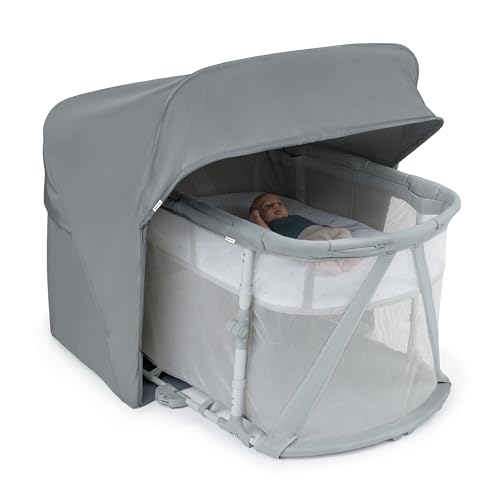
Ingenuity Dream Retreat 3-in-1 Portable Bassinet & Playard
Best for: A lower-cost option that still covers newborn through toddler
A 3-step-fold playard that includes a bassinet stage and a UPF 50+ light-blocking shade, aimed at both indoor and outdoor use — a backyard nap or a shaded spot at a family gathering — at a lower price than the premium travel-focused picks above.
- Includes a bassinet insert for the newborn stage
- UPF 50+ shade panel usable indoors or outdoors
- 3-step fold, simpler than playards with more attachments
- Rated 0–36 months for the base playard
Keep in mind: It's not as light or compact as the dedicated travel cribs above, so it's a better fit for occasional trips than frequent flying.
As an Amazon Associate I earn from qualifying purchases. Mom's Magazine may earn a commission when you buy through links on this page, at no extra cost to you. Learn more.
Frequently Asked Questions
Is a pack 'n play safe for a baby to sleep in overnight?
Yes, when it's set up correctly with only the mattress pad made for that model, a fitted sheet, and nothing else inside — no pillows, blankets, or bumpers. Follow the same safe-sleep basics (alone, on the back, firm flat surface) you'd use for a nursery crib.
What age do you stop using the bassinet insert?
Most manufacturers cut off the bassinet stage once a baby can push up on hands and knees or roll over, or at a specific weight limit listed in the manual — often somewhere in the first few months. Check your specific model's manual rather than assuming; limits vary by brand.
Pack 'n play versus travel crib — what's the difference?
They're two ends of the same category. A "pack 'n play" (the term is genericized from Graco's product name) usually means a full-size playard with a bassinet stage and changing table, meant to mostly stay in one spot. A "travel crib" is built lighter and more compact specifically to be carried on trips, usually skipping the bassinet insert and extra attachments.
How long do pack 'n plays and travel cribs last?
Most are rated for use from birth up to around 3 years old or a weight limit near 30–35 lb, though families often stop using them well before that once a toddler is climbing out or has moved to a regular crib or toddler bed.
Can I use a pack 'n play as my baby's main crib?
Yes — a playard mattress that meets current safety standards is a legitimate primary sleep space, not just a travel backup, and many small-space families use one that way intentionally. The main trade-offs versus a nursery crib are a lower rail height (more bending to lift a baby out) and, on some models, a thinner mattress.
Sources & Further Reading
- Safety Standard for Play Yards — U.S. Consumer Product Safety Commission (CPSC) (reviewed 2026-08-08)
Related Guides
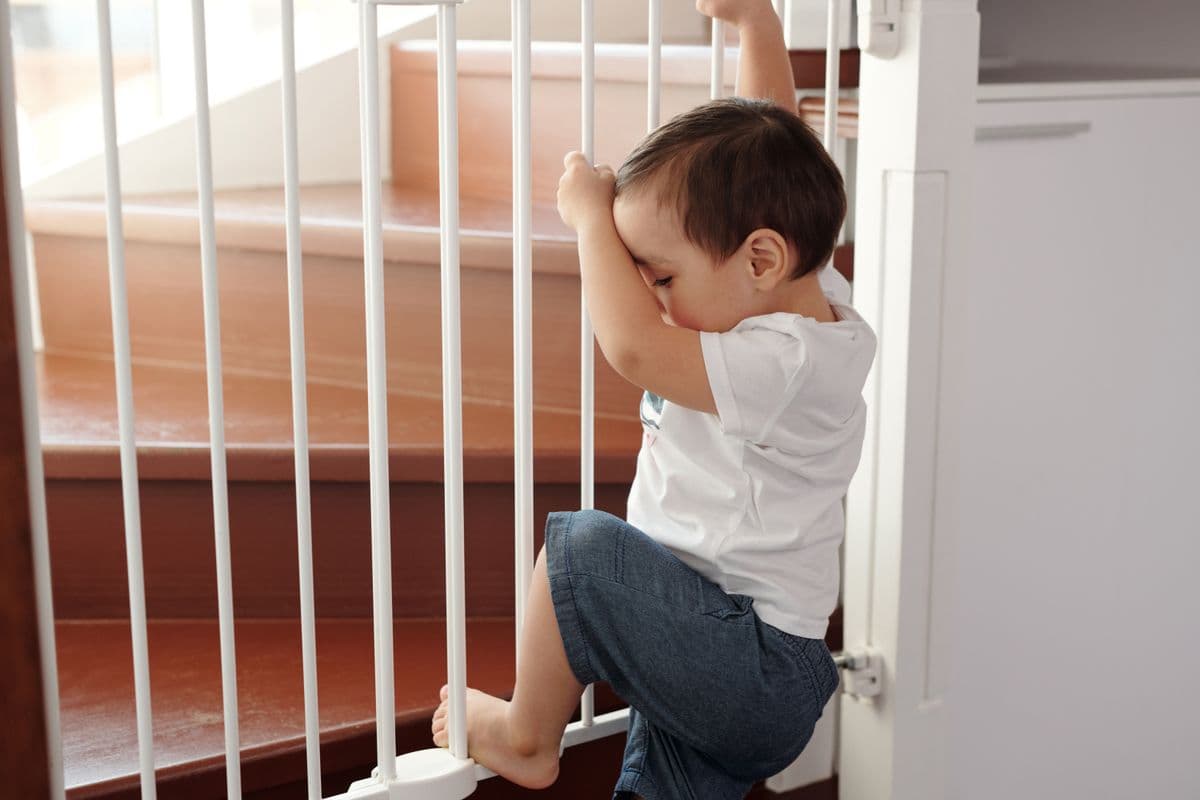
Baby-Proofing Your Home: A Room-by-Room Checklist
A practical, room-by-room baby-proofing checklist covering the changes that matter most before your baby starts crawling.
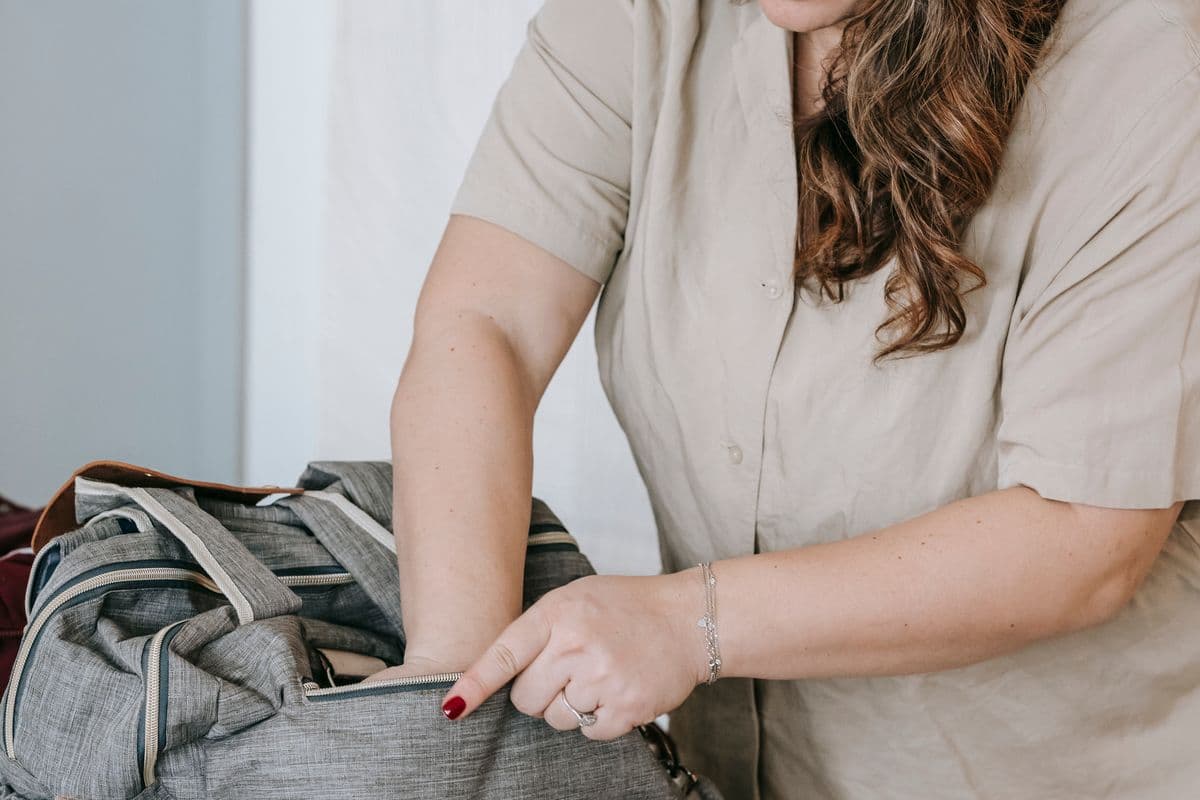
Hospital Bag Checklist for Labor and Delivery
A complete hospital bag checklist for labor and delivery — for you, your baby, and your partner — plus when to actually head in.

Newborn Sleep: What to Expect in the First Weeks
A realistic look at newborn sleep in the first weeks — plus the safe-sleep basics every parent should know.
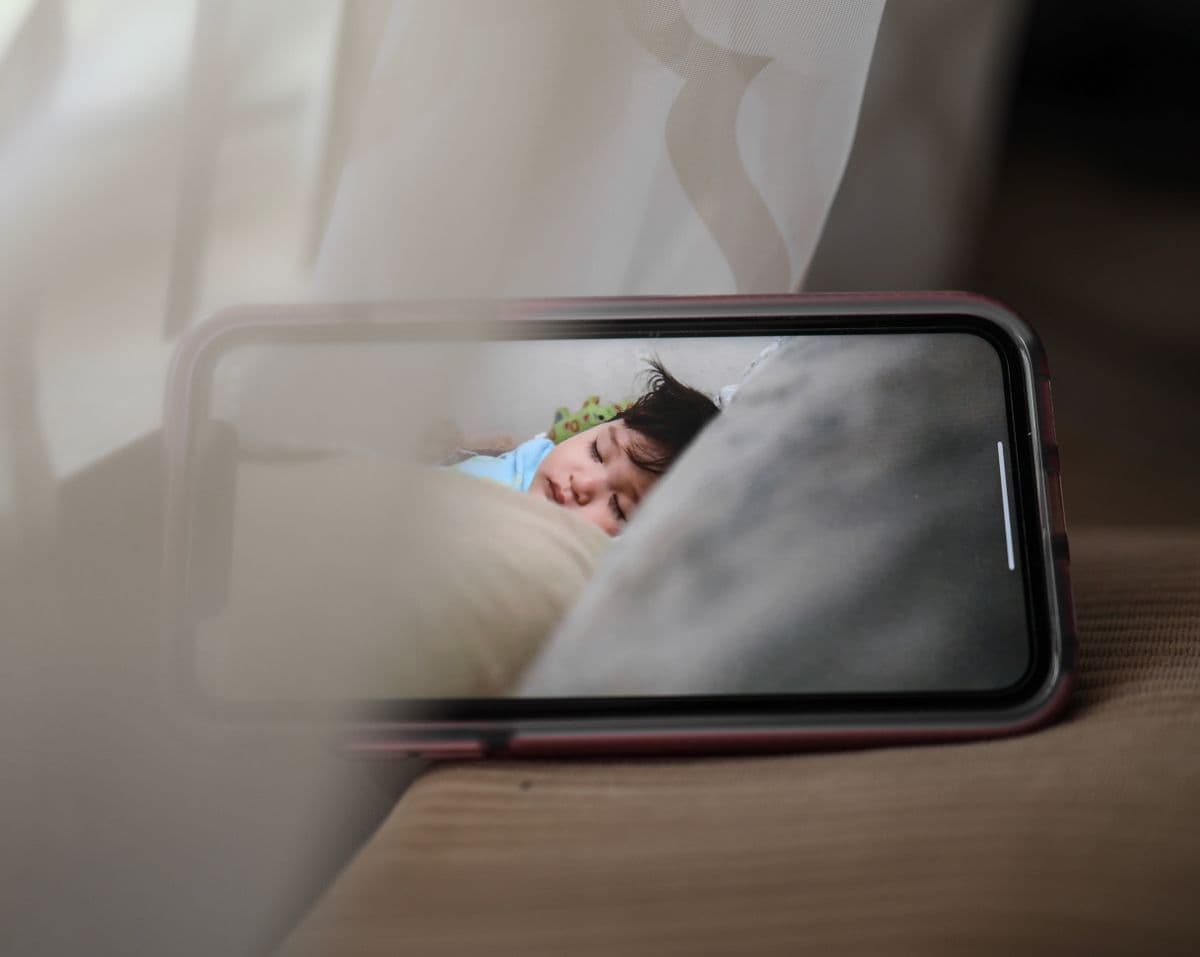
Best Baby Monitors of 2026
A researched comparison of Wi-Fi and non-Wi-Fi baby monitors — what actually matters when you're choosing one, and four well-reviewed options to start with.
Mom's Magazine Editorial Team
Editorial Team
The Mom's Magazine editorial team researches and writes practical, plainly-sourced guidance for parents and families. Guides are reviewed for accuracy and updated as recommendations change. Where a topic calls for professional expertise, we cite reputable organizations and, for health topics, add a qualified reviewer before publishing.
Newsletter
Get the Weekly Mom List
One short email a week: the most useful guides, activities, and picks for your family. No spam, unsubscribe anytime.