Family Life
The Hotel Crib Safety Checklist: What to Check Before Your Baby Sleeps In It
Hotel cribs are usually play yards, and some predate the 2013 federal safety standard. A six-point check at the door — mattress, padding, latches, gaps, recalls and placement — takes about three minutes.
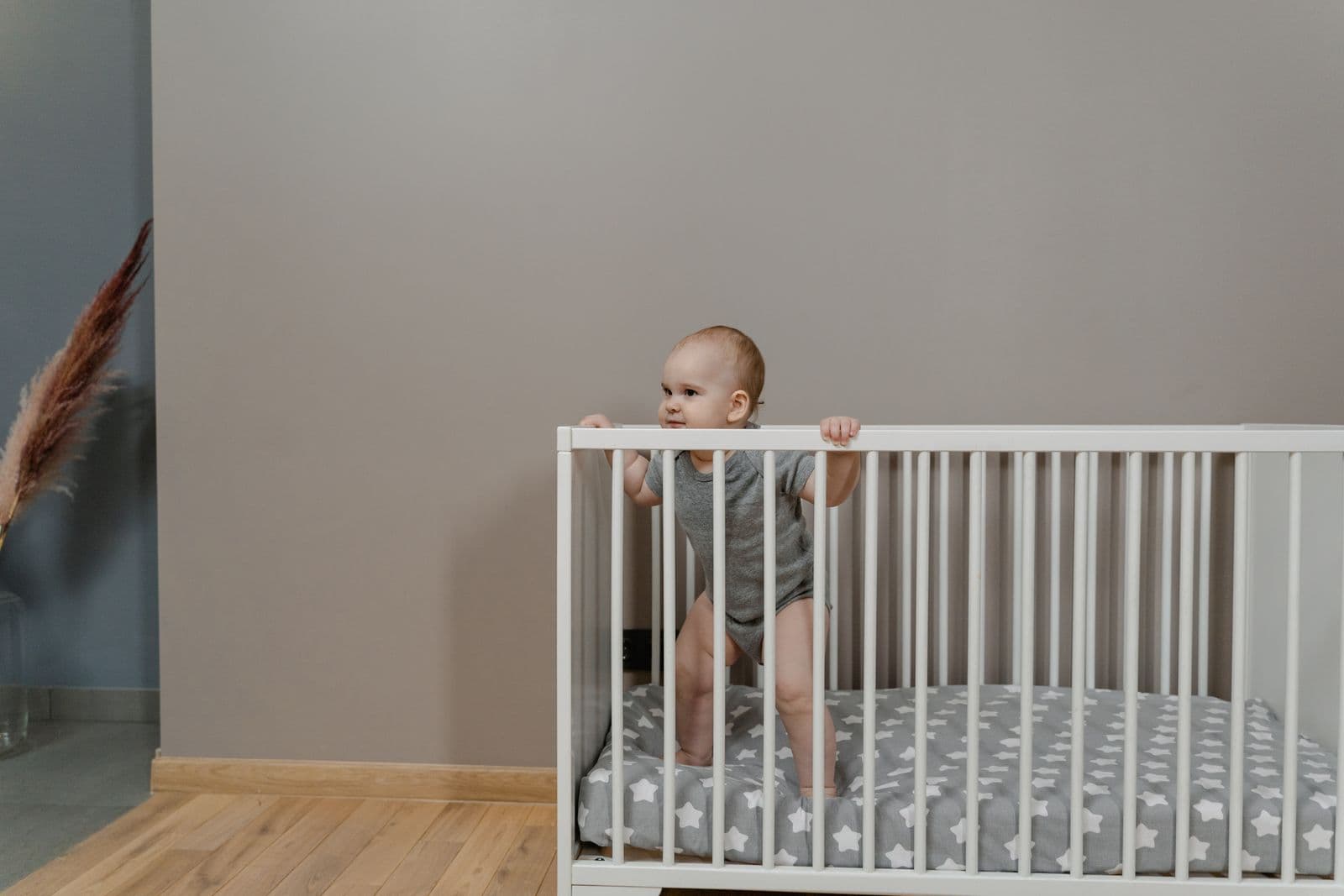
The crib a hotel wheels in is almost always a play yard, and the two things most worth checking are whether it still has its original mattress and whether anything has been added on top of it. Federal safety requirements for play yards became more rigorous on 28 February 2013, so an older unit may not meet them. Check the mattress, remove any added padding or folded blankets, confirm the rails lock and the mattress sits flat against the floor with no gaps, look up the model for recalls, and move the whole thing away from the window before your baby sleeps in it.
The crib that arrives at your hotel room door is rarely a crib in the nursery-furniture sense. It is almost always a play yard — the folding, framed enclosure with mesh sides that most people call a pack and play. That matters, because play yards have their own federal safety requirements, their own failure modes, and a specific rule about mattresses that hotel housekeeping routinely breaks with the best of intentions.
None of this takes long to check. The whole list below runs about three minutes, and most of it is done standing over the crib before you have unpacked anything.
What a play yard is, and why the date matters
The Consumer Product Safety Commission defines a play yard as a framed enclosure with a floor and mesh or fabric side panels that can fold for storage or travel, intended for children under 35 inches tall who cannot climb out of it. That description covers essentially every hotel crib in circulation.
Testing requirements for play yards became more rigorous starting 28 February 2013. Units meeting the standard must have side rails that resist forming a sharp V when the product is folded — a strangulation hazard in older designs — along with stronger corner brackets to prevent sharp-edged cracks and side rail collapse, and sturdier attachments holding the mattress to the play yard floor to prevent entrapment.
Hotels do not retire equipment on a schedule tied to regulatory changes. A play yard bought in 2011 that still folds and still looks clean is very likely still in the closet. It is worth knowing what you are looking at.
The mattress rule is the one to remember
CPSC guidance is that only the mattress sold with the play yard should be used, precisely to prevent head entrapment and suffocation in gaps between the mattress, the sides and the floor structure. Staff advise against supplemental mattresses because they can create exactly that gap. If the pad in the crib looks thicker or newer than the frame, ask.
The six-point check
- Mattress: is it the thin, firm pad that came with the unit, or has something else been substituted or stacked on top?
- Added padding: strip out folded blankets, towels, quilts, mattress toppers and any cushioning. Housekeeping adds these to be kind; they are a suffocation risk.
- Gaps: press around all four edges. The mattress should sit flat and attached, with no space your baby's head could slip into.
- Rails and latches: every side should lock fully upright. If a rail flexes or does not click, do not use it.
- Recall check: find the model name on the frame label and search it at CPSC.gov/Recalls before bedtime.
- Placement: move the whole crib away from the window, curtains and any blind cords, and away from furniture your child could reach through the mesh.
What should be in the crib
CPSC safe sleep guidance for play yards is short enough to hold in your head: always place baby on their back to sleep; use only the mattress sold with the play yard; keep pillows, quilts, comforters and cushions out; and dress baby in footed pyjamas for warmth rather than adding blankets.
That last point solves the problem hotel rooms create. Rooms run cold, the instinct is to add a blanket, and a loose blanket in a play yard is the thing the guidance is trying to prevent. Pack footed pyjamas or a wearable sleep sack and you never have to make the trade.
| In the crib | Not in the crib |
|---|---|
| The original firm mattress pad | Extra mattress or topper |
| A correctly sized fitted sheet | Pillows and cushions |
| Baby, on their back | Quilts, comforters, loose blankets |
| Footed pyjamas or a sleep sack | Toys, bumpers, positioners |
Bring your own fitted sheet sized for a play yard. It weighs nothing, it removes any question about how the hotel's linens were handled, and it means you are not tempted to improvise with an adult flat sheet, which can come loose.
Where you put it matters as much as what is in it
Hotel rooms have limited floor space, and the obvious gap is usually under the window. That is the one place the crib should not go. Among CPSC's recommendations for households that cannot replace corded window coverings is to move all cribs, beds, furniture and toys away from windows and window covering cords, preferably to another wall.
The reasoning is that an inner cord or a looped pull cord within arm's reach of a child standing in a crib is a strangulation hazard, and that this kind of strangulation is silent — an adult in the same room may not realise it is happening. Positioning the crib on an interior wall removes the hazard rather than supervising it.
The same applies to what is reachable through the mesh: lamp cords, phone cables, kettle flexes, the minibar, and anything on a low nightstand. A baby who can stand can reach further than most people expect.
If the crib does not pass
Ask for a different unit. Hotels usually have more than one, and a request framed as "this rail is not locking" or "this is not the original mattress" is specific enough to get acted on. If nothing suitable is available, a travel crib you have brought yourself is the fallback, which is one reason many families who travel often stop relying on hotel cots altogether.
What you should not do is improvise a sleep surface — a nest of pillows on the floor, a bed pushed against a wall, or a baby sleeping on an adult bed with soft bedding. The guidance above exists because those improvisations are where the serious incidents happen.
A note on what this is and is not
This is a practical product-safety checklist drawn from published CPSC guidance, not medical advice. Safe sleep recommendations are set by your paediatrician and by national health bodies, and if your baby has any condition affecting how they should sleep, that guidance takes priority over anything here.
The bottom line
Two of the six checks account for most of the risk: confirm the mattress is the original and nothing has been added on top of it, and put the crib somewhere the window cords cannot reach. The rest is quick confirmation. Do it once at check-in and the room stops being something you have to think about at two in the morning.
Frequently Asked Questions
Are hotel cribs safe?
Usually, but they are not standardised. Hotel cribs are typically play yards, and units bought before the more rigorous testing requirements that took effect on 28 February 2013 may not meet the current standard. The most common real-world problem is not the frame but added padding: extra mattresses, folded blankets or towels placed in the crib by staff. Removing those and checking the mattress is original handles most of the risk.
Can I put a blanket in a hotel crib?
CPSC guidance is to keep pillows, quilts, comforters and cushions out of play yards, cribs and bassinets, and to dress a baby in footed pyjamas for warmth instead. Hotel rooms are often cold, so pack sleepwear warm enough that you are not tempted to add bedding.
Should I bring my own travel crib instead?
If you travel frequently or you have had poor experiences with hotel cots, bringing your own removes all uncertainty about the unit's age, recall status and mattress. For occasional trips, checking the hotel's crib against the list above is usually sufficient. Either way, bring your own play-yard-sized fitted sheet.
How do I check whether a hotel crib has been recalled?
Find the model name and number on the label attached to the frame, then search it at CPSC.gov/Recalls. It takes under a minute on your phone. If there is no legible label at all, that is itself a reason to ask for a different unit.
Where should the crib go in a hotel room?
Against an interior wall, away from windows, curtains and blind cords, and out of reach of lamp cords, kettle flexes and nightstands. CPSC advises moving cribs, beds and furniture away from window coverings and their cords — a hotel room's tempting empty space is often directly beneath the window.
Sources & Further Reading
- Keep Baby Safe in Play Yard Space (NSN 13-1) — U.S. Consumer Product Safety Commission (reviewed 2026-08-20)
- Play Yards — frequently asked questions — U.S. Consumer Product Safety Commission (reviewed 2026-08-20)
- Nearly Half of Incidents with Kids and Corded Window Coverings Resulted in Death — U.S. Consumer Product Safety Commission (reviewed 2026-08-20)
Related Guides
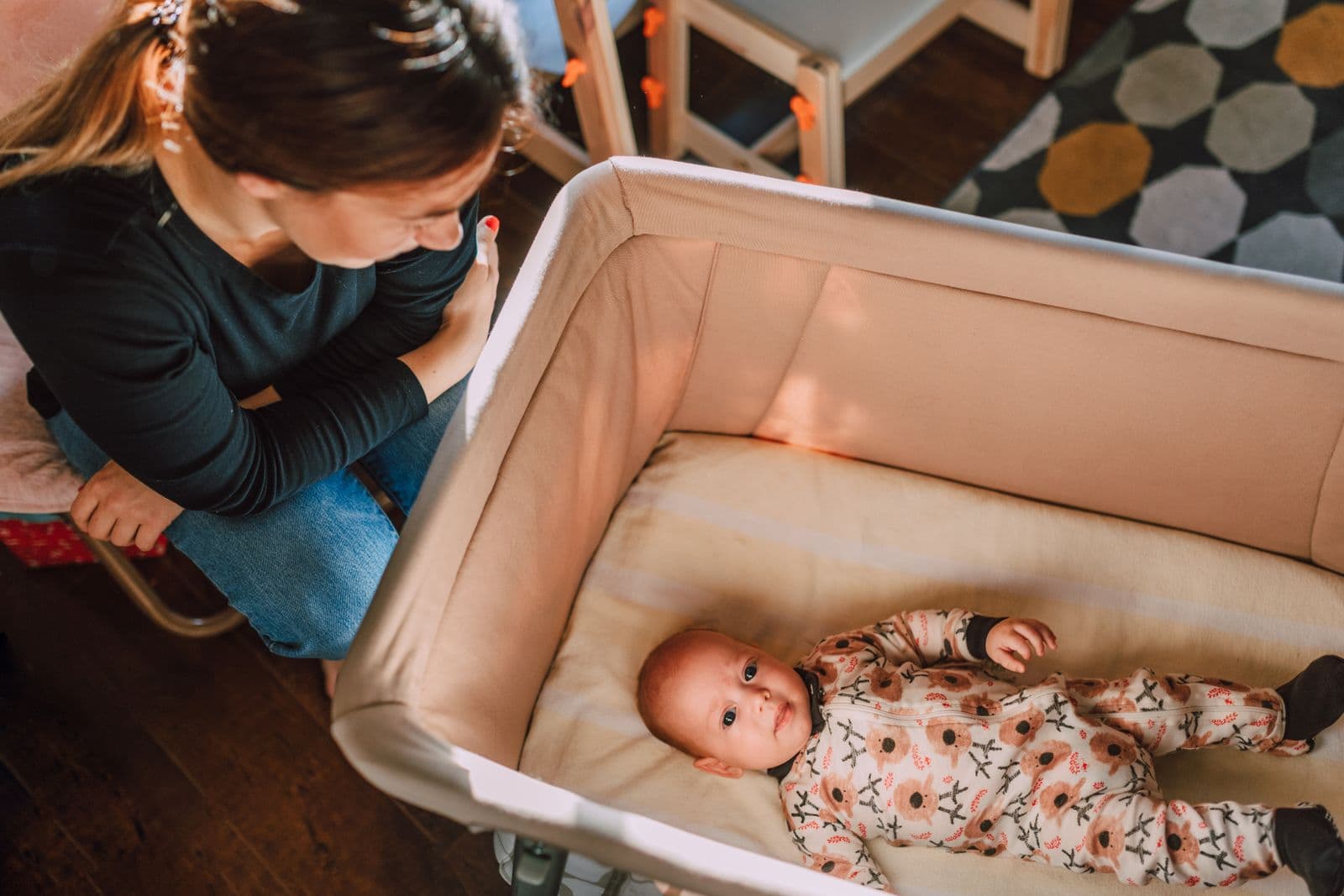
Toddler-Proofing a Hotel Room in 10 Minutes: The Hazards Worth Fixing First
Hotel rooms are built for adults, and the most serious hazard in one is the window blind cord. A ten-minute pass at check-in, ordered by how much risk each fix actually removes.
What Hotel Housekeepers Don't Clean — and What to Wipe Down Before Your Baby Touches It
Hidden-camera investigations and a university surface study show which hotel room items routinely get skipped between guests. Here is what the evidence actually says, and the five-minute wipe-down worth doing before a crawling baby hits the floor.
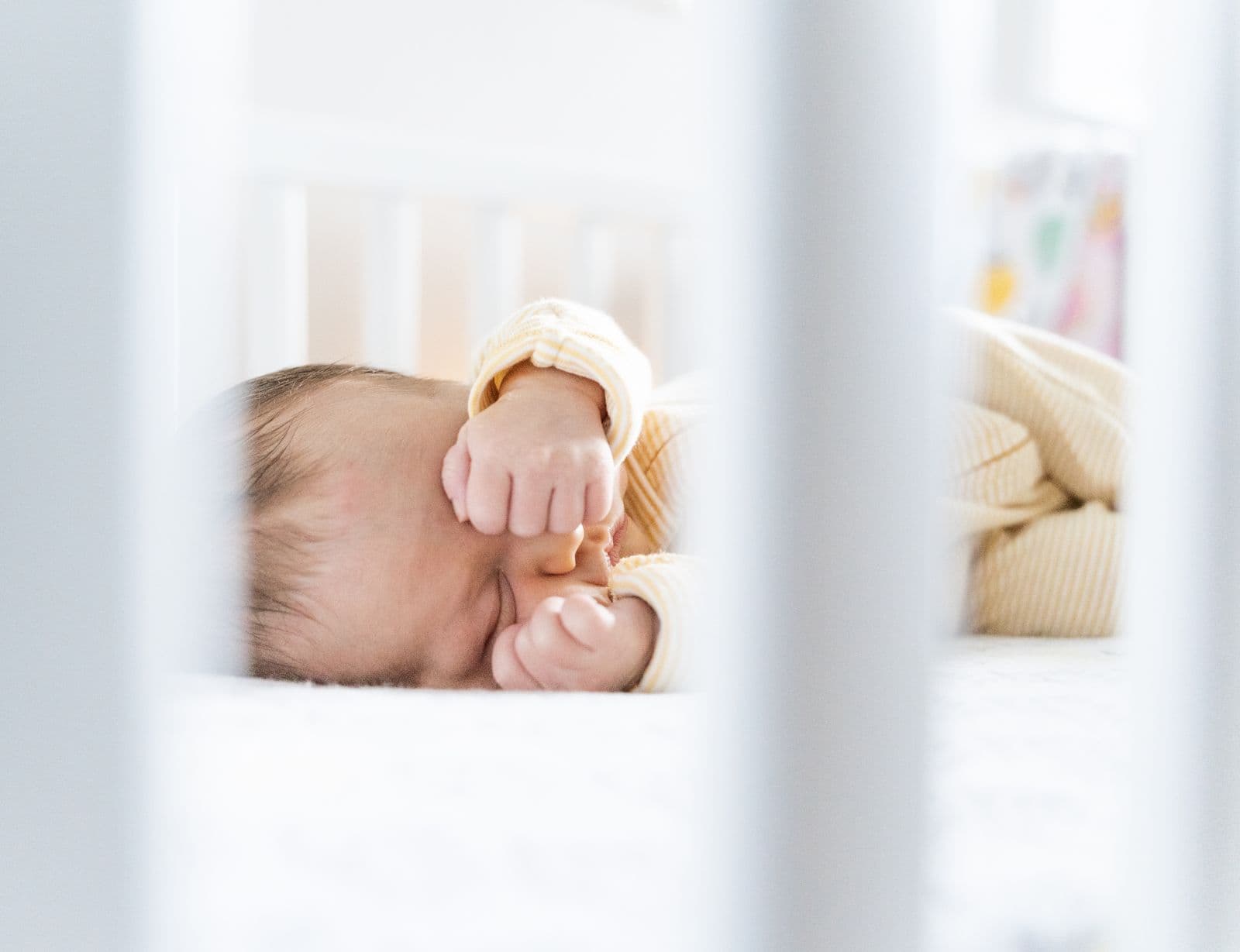
Best Pack 'n Plays and Travel Cribs (2026): Home Playards vs. Travel Picks
The best pack 'n plays and travel pack 'n plays for 2026: a full-size Graco with a bassinet, two travel cribs built to carry, a 3-in-1 with a sun shade, and a simple compact playard, plus the mattress rule that matters most.
Mom's Magazine Editorial Team
Editorial Team
The Mom's Magazine editorial team researches and writes practical, plainly-sourced guidance for parents and families. Guides are reviewed for accuracy and updated as recommendations change. Where a topic calls for professional expertise, we cite reputable organizations and, for health topics, add a qualified reviewer before publishing.
Newsletter
Get the Weekly Mom List
One short email a week: the most useful guides, activities, and picks for your family. No spam, unsubscribe anytime.