Family Life
Toddler-Proofing a Hotel Room in 10 Minutes: The Hazards Worth Fixing First
Hotel rooms are built for adults, and the most serious hazard in one is the window blind cord. A ten-minute pass at check-in, ordered by how much risk each fix actually removes.
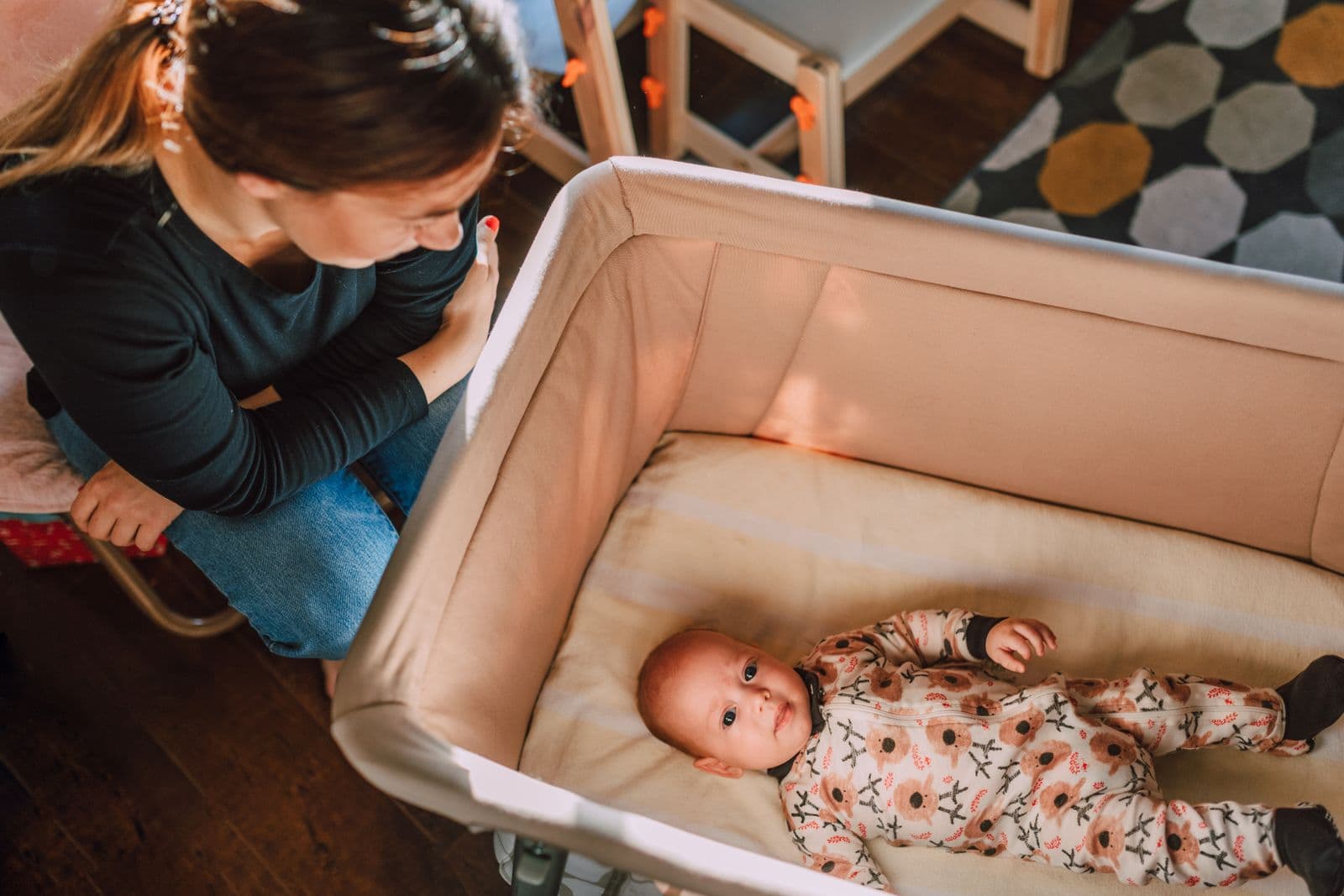
Start with the window blind cords — on average about nine children under five die every year in the United States from strangling in window covering cords, and the safest fix in a hotel room is to move the cot and any climbable furniture to another wall entirely. After that, work through balcony and window latches, furniture that could tip, the bathroom, and the small swallowable items hotels leave at toddler height. The whole pass takes about ten minutes and you only do it once per stay.
Your home has been quietly toddler-proofed over months, mostly without you noticing. A hotel room has been optimised for a business traveller: cords hang loose, the television sits unanchored on a dresser, the balcony door has a handle at exactly the wrong height, and the amenities basket is at knee level. You get one pass to fix the parts that matter before your child is loose in it.
This list is ordered by how much risk each fix removes, not by how easy it is. The first item is not interchangeable with the rest.
1. Window blind cords — do this one first
This is the most serious hazard in a standard hotel room, and it is the one most likely to be overlooked because it does not look like a hazard. According to CPSC data, on average about nine children under five years of age die every year from strangling in window blinds, shades, draperies and other window coverings with cords.
Over the thirteen years from January 2009 through December 2021, CPSC recorded more than 200 incidents involving children up to eight years old from window covering cord strangulation. A child died in 48% of them. Among survivors, the agency describes outcomes ranging from a scar around the neck to quadriplegia and permanent brain damage.
Why supervision is not the fix here
CPSC is explicit that this kind of strangulation is silent, and that tragedies can happen even when an adult is nearby. There is no sound to react to. That is why the recommended action is to remove the child's access to cords entirely rather than to watch more closely.
In a hotel room you cannot replace the blinds, so you do the version of the advice available to you. CPSC's guidance for homes that cannot go cordless includes making pull cords as short as possible, keeping cords out of reach, ensuring cord stops are properly installed to limit inner cord movement, anchoring continuous-loop cords, and moving all cribs, beds, furniture and toys away from windows and window covering cords — preferably to another wall.
- Move the cot or travel crib to an interior wall, away from the window. This is the single highest-value action in the room.
- Move any chair, sofa arm, luggage rack or side table that a child could climb away from the window.
- Wind loose cords up and out of reach, well above standing height — use the cord cleat if one is fitted.
- Check for inner cords on the back of the blind slats, not just the visible pull cord.
- If the room's cords cannot be made safe, ask to change rooms. It is a reasonable request.
2. Windows and balconies
Check whether the windows open, how far, and whether the restrictor actually engages — some are broken, and some are defeated by a switch a toddler cannot reach but an adult guest previously flipped. If the room has a balcony, check the door latch, whether it can be locked from inside, and whether the railing has horizontal bars or gaps that a small child could climb or slip through.
Furniture is the usual accomplice. A chair, suitcase or luggage rack left near a window or a balcony rail converts something out of reach into something climbable, so the fix is again relocation rather than instruction.
3. Furniture that can tip
Hotel televisions sit on dressers, and dresser drawers are climbable steps. Nothing in a hotel room is anchored to the wall the way you would anchor furniture at home. Open a drawer and see how far it pulls out, and check whether the television is bolted down or simply resting on its stand.
You cannot anchor hotel furniture, so the practical mitigations are to keep drawers closed, avoid putting anything interesting on top of a dresser, and never let a toddler use an open drawer as a step while you are in the bathroom.
4. The bathroom
Hotel water can run hotter than domestic supplies, so run the tap and test the temperature before any bath. Check whether the bathroom door locks from inside and whether you can open it from outside if a child turns the lock — many hotel bathroom doors have a small release hole that takes a straightened paperclip, and knowing that in advance is better than discovering it under pressure.
- Move toiletries, razors, sewing kits and glass tumblers up out of reach
- Check the toilet lid and whether the door can be kept closed between uses
- Test water temperature at the tap before filling a bath
- Confirm you can open the bathroom door from the outside
5. Small items at toddler height
Hotels distribute small objects at exactly the wrong altitude: coffee pods and sachets on a low shelf, a minibar within reach, sewing kits and shoe-shine sponges in a basket, batteries in the television remote, and laundry bags that are thin plastic. Sweep all of it into one drawer or up onto a high shelf in a single pass — it takes about ninety seconds and removes a whole category of problem.
Pay particular attention to button batteries, which turn up in remotes and small electronics and are a serious ingestion hazard, and to plastic laundry bags, which are a suffocation risk. Both are worth putting somewhere your child genuinely cannot get to rather than simply somewhere higher.
6. Cords, kettles and irons
Kettle flexes, iron cords and lamp cables are pull hazards, and the iron in particular is often stored in a low cupboard. Unplug and coil what you are not using, push the kettle to the back of the counter, and check whether outlets are exposed at floor level near where your child will play. A couple of outlet covers weigh nothing in a bag if you travel often.
The ten-minute pass
- Move the cot and any climbable furniture away from the window
- Secure or raise all blind and drapery cords, including inner cords
- Test window restrictors and the balcony door latch
- Close drawers; check whether the television is fixed to its stand
- Clear toiletries, glassware, sewing kits and razors from the bathroom
- Sweep coffee pods, batteries, laundry bags and minibar items out of reach
- Coil and stow kettle, iron and lamp cords
- Test the hot tap temperature and confirm the bathroom door opens from outside
Done in order, the first two items take three minutes and remove most of the serious risk in the room. The rest is tidying with a purpose.
The bottom line
Almost everything on this list is relocation rather than equipment. You are not trying to make a hotel room as safe as your home; you are removing the handful of hazards that are genuinely dangerous and happen to be standard in every room you will ever stay in. The blind cords are the one that matters most, and the fix is to move the cot to another wall before you unpack.
Frequently Asked Questions
What is the most dangerous thing in a hotel room for a toddler?
Window covering cords. CPSC data shows that on average about nine children under five die each year from strangling in window blinds, shades and draperies, and that in more than 200 recorded incidents involving children up to eight between 2009 and 2021, a child died in 48% of them. Because the strangulation is silent, the recommended response is to remove access — move cots and climbable furniture away from windows — rather than to supervise more closely.
Do hotels provide baby-proofing kits?
Some larger hotels and family resorts will provide outlet covers, corner guards or a bath seat on request, and it is always worth asking at booking. Do not count on it. A small kit of a few outlet covers takes almost no space and travels with you.
Where should I put the travel cot in a hotel room?
Against an interior wall, away from windows, curtains and cords, and out of reach of nightstands, lamp cables and kettle flexes. CPSC specifically recommends moving cribs, beds and furniture away from window coverings — and the empty floor space in a hotel room is very often directly under the window.
Can I ask to change hotel rooms for safety reasons?
Yes, and it is a normal request. A specific reason works better than a general one: a broken window restrictor, a balcony rail with climbable horizontal bars, or blind cords that cannot be secured are all concrete things a front desk can act on.
Sources & Further Reading
- Nearly Half of Incidents with Kids and Corded Window Coverings Resulted in Death — #GoCordless to Save Lives — U.S. Consumer Product Safety Commission (reviewed 2026-08-20)
- Window Covering Cords safety information — U.S. Consumer Product Safety Commission (reviewed 2026-08-20)
- Keep Baby Safe in Play Yard Space (NSN 13-1) — U.S. Consumer Product Safety Commission (reviewed 2026-08-20)
Related Guides
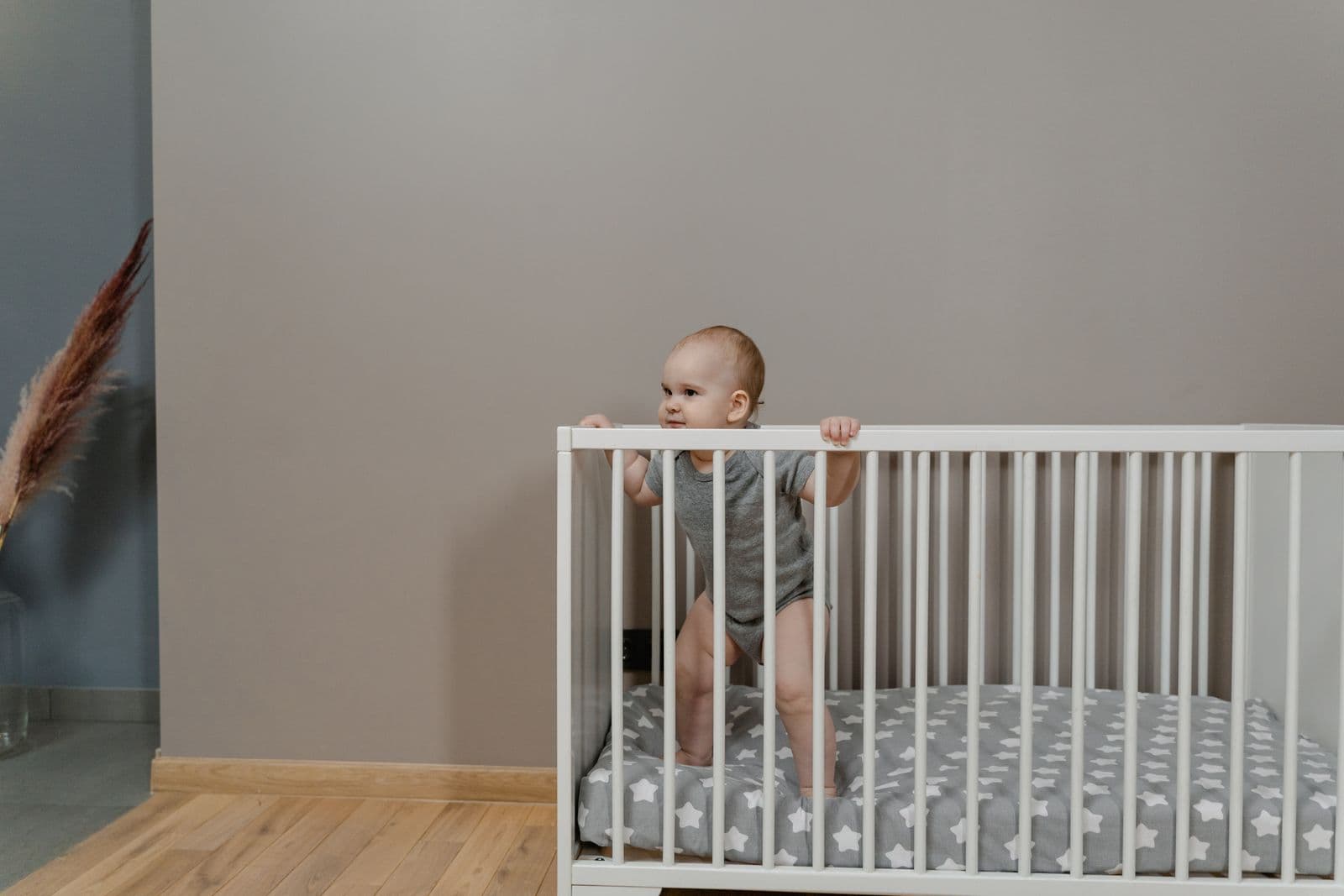
The Hotel Crib Safety Checklist: What to Check Before Your Baby Sleeps In It
Hotel cribs are usually play yards, and some predate the 2013 federal safety standard. A six-point check at the door — mattress, padding, latches, gaps, recalls and placement — takes about three minutes.
What Hotel Housekeepers Don't Clean — and What to Wipe Down Before Your Baby Touches It
Hidden-camera investigations and a university surface study show which hotel room items routinely get skipped between guests. Here is what the evidence actually says, and the five-minute wipe-down worth doing before a crawling baby hits the floor.

Flying With a Baby or Toddler: A First-Time Parent's Guide
What to know before you book — lap-infant rules, TSA liquid exemptions for formula and breast milk, what to actually pack in your carry-on, and how to get through takeoff and landing without a meltdown.
Mom's Magazine Editorial Team
Editorial Team
The Mom's Magazine editorial team researches and writes practical, plainly-sourced guidance for parents and families. Guides are reviewed for accuracy and updated as recommendations change. Where a topic calls for professional expertise, we cite reputable organizations and, for health topics, add a qualified reviewer before publishing.
Newsletter
Get the Weekly Mom List
One short email a week: the most useful guides, activities, and picks for your family. No spam, unsubscribe anytime.