Family Life
What Hotel Housekeepers Don't Clean — and What to Wipe Down Before Your Baby Touches It
Hidden-camera investigations and a university surface study show which hotel room items routinely get skipped between guests. Here is what the evidence actually says, and the five-minute wipe-down worth doing before a crawling baby hits the floor.
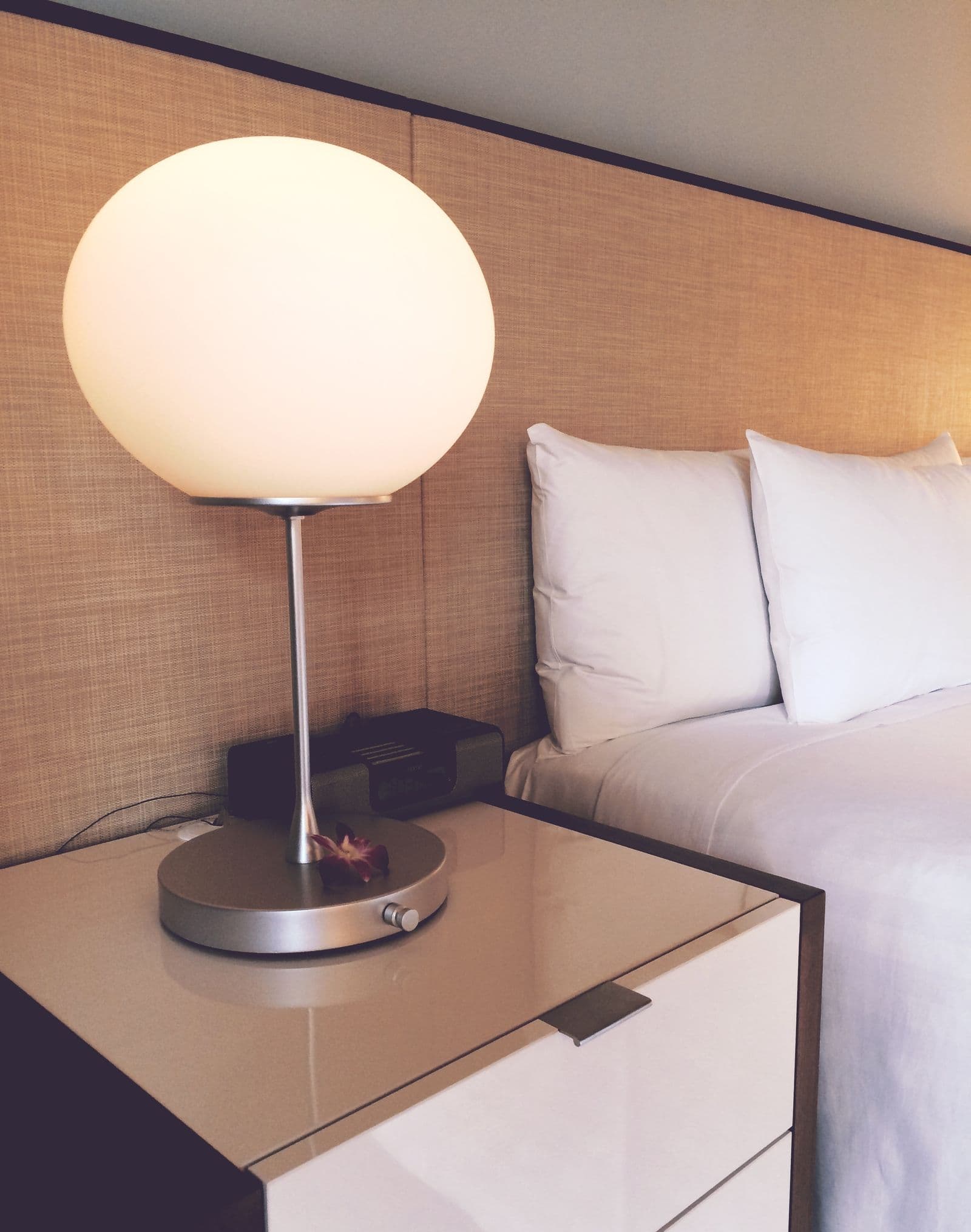
The items most often skipped between hotel guests are the ones that never go in a laundry bag: the comforter or top blanket, decorative pillows, the TV remote, light switches and drinking glasses. Sheets are usually changed; pillowcases sometimes are not. None of this makes a hotel room dangerous, but if you are travelling with a baby who mouths everything or a toddler who crawls the floor, a two-minute wipe-down of about six surfaces removes most of the risk you can actually control.
You can tell a lot about a hotel room by which things are easy to launder. Sheets and towels go down a chute every day because they are designed to. The comforter, the decorative pillows, the remote and the lamp switch have no such routine — nobody can throw a light switch in a washing machine. Those are the items that quietly accumulate, and they are the ones worth two minutes of your attention when you check in with a baby.
This is not an argument that hotels are filthy or that you should travel with a hazmat kit. It is an argument that a small, targeted routine handles the part you control, so you can stop thinking about it. Below is what the published evidence actually shows, followed by the wipe-down itself.
What a university surface study actually found
In 2012, researchers led by Katie Kirsch, then an undergraduate at the University of Houston, presented findings at the American Society for Microbiology's General Meeting. Working with colleagues from Purdue University and the University of South Carolina, the team sampled 19 surfaces in each of nine hotel rooms — three rooms in each of Texas, Indiana and South Carolina — and tested them for total aerobic bacteria and coliform contamination.
The TV remote and the bedside lamp switch carried high levels of bacterial contamination. The surfaces that came back cleanest were the ones nobody thinks about: the headboard, the curtain rods and the bathroom door handle. The most striking result was not in the room at all — some of the highest contamination levels were found on items from the housekeepers' carts, particularly sponges and mops, which travel from room to room.
| Surface | What the study found |
|---|---|
| TV remote | Among the most contaminated items sampled |
| Bedside lamp switch | Among the most contaminated items sampled |
| Sponges and mops on housekeeping carts | Some of the highest contamination of anything tested |
| Headboard | Among the lowest contamination |
| Curtain rods | Among the lowest contamination |
| Bathroom door handle | Among the lowest contamination |
Read the limitation, not just the headline
Kirsch described the work as preliminary and limited by sample size — nine rooms is a small study. The researchers also said plainly that they could not determine whether the bacteria detected were capable of causing disease. Presence of bacteria is not the same as risk of illness. That is the honest framing, and it is why the advice below is a quick wipe rather than a warning against hotels.
What hidden cameras caught housekeeping skipping
Surface swabs tell you what is on an object. They do not tell you what happens between guests. For that, the most detailed public evidence is an NBC News Rossen Reports investigation broadcast on TODAY in November 2014, which placed hidden cameras in rooms at three hotel chains in northeastern New Jersey. The team deliberately made the rooms look used — soda in the glasses, towels on the bathroom floor — and displayed the card requesting that all linens be changed.
At a DoubleTree, the housekeeper stripped and remade the bed with fresh sheets, then set the same pillows back on it after a fluff. At a Holiday Inn, the sheets were changed but the pillowcases were not, and the used pillows went back on the bed. In both cases the linen card was on display.
Housekeepers should change the pillowcases, obviously. That's where you put your face.
— Jacob Tomsky, former hotel housekeeping supervisor and author of Heads in Beds, quoted by NBC News
The most useful finding for a parent was about cross-contamination rather than any single dirty object. At a Crowne Plaza, the cameras recorded the housekeeper collecting used drinking glasses into the sink, then picking a towel off the pile of dirty bathroom towels and using it to dry them. The same towel then wiped the countertop, the toilet and the bathtub. No soap was used on any of it, though the room was sprayed with air freshener afterwards.
And the line that matters most if you are the one putting a baby to bed: none of the top blankets or comforters at any of the three hotels tested was changed.
The hotel groups responded. IHG, which franchises Holiday Inn and Crowne Plaza, said health and safety are top priorities, noted that both properties were independently owned franchises, and said it would review cleanliness standards and conduct site visits. Hilton said it has a quality assurance programme and would follow up with ownership. The DoubleTree franchisee said its own procedures require all bed sheets and pillowcases to be changed when the linen card is displayed, and the duvet laundered at checkout. Worth noting: the investigation is from 2014, and standards at any individual property may well have changed since.
The realistic context
Tomsky pointed out that a housekeeper may be turning over 15, 20 or 30 rooms in a shift. That is a workload problem, not a character problem, and it is the reason spot checks exist. Assume good faith and short minutes, then do your own quick pass.
Why this matters more with a baby or toddler
Adults interact with a hotel room from about knee height up. Babies and toddlers do the opposite. A crawling baby covers the carpet on hands and knees and then puts those hands in their mouth. A toddler grabs the remote because it has buttons, chews the corner of the duvet, and pulls themselves up on the nightstand and the lamp. The items the research flags as least maintained are, almost exactly, the items a small child interacts with most.
There is also a practical dimension that has nothing to do with germs. A hotel comforter that has not been laundered between guests may carry detergent, fragrance or dust that a child with eczema or a fragrance sensitivity reacts to overnight. Parents of sensitive kids often notice this before they think about bacteria at all.
- Crawling babies contact the floor directly, then their hands go in their mouth
- Teething toddlers mouth remotes, switches and bedding corners
- Pulling-to-stand happens on nightstands, lamps and bed frames
- Skin-sensitive children may react to unlaundered duvets regardless of bacteria
The five-minute wipe-down
Do this before you unpack, while your child is still contained in a stroller or carrier. Everything here targets a surface the research or the footage actually flagged, which is why it is a short list rather than a deep clean. A pack of disinfecting wipes and about two minutes is the whole kit.
- TV remote — the most consistently flagged item in the study; wipe it or seal it in a hotel ice bucket bag for the stay
- Bedside lamp switch and light switches — the other high-contamination surface, and exactly where a child pulls up
- Nightstand top and the alarm clock face
- Bathroom counter — the footage showed it wiped with the same towel used on the toilet
- Door handles and the bathroom faucet handles
- Strip the decorative pillows and top comforter off the bed entirely and put them in the closet
That last one is the single highest-value action, and it costs nothing. The comforter is the item the hidden cameras found was never changed at any of the three hotels, and it is the layer a child's face ends up against. Taking it off the bed removes the problem rather than managing it. Most hotels will bring a clean flat sheet or a blanket if you ask.
If you are travelling with a travel crib or pack and play, bring your own fitted sheet for it. Hotel cribs are not always stripped and remade with the same discipline as the main bed, and a sheet you packed yourself removes any uncertainty for the surface your baby actually sleeps on.
What to ask for at check-in
Being specific works better than being polite and vague, because it converts a general request into a task a housekeeper can actually complete. The phrasing experts quoted in the NBC investigation recommended is close to a script.
- "Please change all the bedding, including the pillowcases." Naming pillowcases matters — that is the item the cameras caught being skipped.
- "Could the duvet cover be laundered before we check in?" Many hotels will do this on request even when it is not part of the standard turnover.
- "Could we have wrapped cups instead of the glassware?" Sealed disposable cups sidestep the glass-drying problem entirely.
- "Could we get a clean flat sheet or blanket in place of the comforter?" This gives you a launderable top layer for a child's bed.
- If a travel crib is being delivered, ask when it was last cleaned — and use your own sheet regardless.
What you can safely stop worrying about
An honest version of this article has to include the other half. The study's cleanest surfaces were the headboard, the curtain rods and the bathroom door handle — all things people assume are grim and are not. Sheets and towels are the items with a real laundering routine behind them, and the investigation found sheets were in fact changed at all three hotels. The bathroom, generally, gets scrubbed; the problem the footage revealed was the order of operations with one towel, not an absence of cleaning.
The failure mode worth avoiding is treating a hotel room as contaminated and spending your first hour of a holiday scrubbing it. Bacteria are on every surface everywhere, including at home, and the researchers were careful not to claim the ones they found would make anyone ill. Six wipes and stripping the comforter is the right amount of effort. Anything beyond that is buying peace of mind at the price of the trip.
The one-bag version
Disinfecting wipes, one fitted sheet for the travel crib, and a muslin or lightweight blanket from home to use instead of the hotel comforter. That covers every finding in this article and takes almost no space.
The bottom line
The evidence points at a narrow, consistent set of items: soft furnishings that cannot be laundered quickly and hard surfaces nobody has time to wipe. Those are genuinely more likely to be skipped, and they happen to be the ones a small child touches most. They are also, conveniently, the easiest things in the room to deal with yourself in the time it takes to unpack a nappy bag.
Frequently Asked Questions
Do hotels wash the comforter between guests?
Often not. In the NBC/TODAY hidden-camera investigation, no top blanket or comforter was changed at any of the three hotels tested, even with the linen card displayed. Some hotels launder duvet covers at checkout as standard, and one franchisee in that report said its own procedure requires it, so it varies by property. The practical move is to strip the comforter off the bed or ask for a clean flat sheet instead.
Are hotel pillowcases changed between guests?
They should be, and often are, but the same investigation recorded housekeepers at two hotels changing the sheets while putting the original pillows and pillowcases straight back on the bed. Asking specifically for fresh pillowcases at check-in is the reliable fix.
What is the dirtiest thing in a hotel room?
In the 2012 University of Houston study, the TV remote and the bedside lamp switch carried the highest bacterial contamination of the room surfaces sampled. Higher still were sponges and mops on the housekeeping carts, which move between rooms. The researchers cautioned that the sample was small and that they could not say whether the bacteria found could cause illness.
Should I bring my own sheets when travelling with a baby?
A full set is usually unnecessary, since hotel sheets are the item with a genuine daily laundering routine. A fitted sheet for the travel crib or pack and play is worth packing, because that is the surface your baby sleeps directly against and cot linens are not always turned over with the same discipline as the main bed.
Is it safe to use the drinking glasses in a hotel room?
Hidden-camera footage has recorded glasses being rinsed and dried with a used bathroom towel rather than washed properly, and a paper cap over a glass is not proof it has been sanitised. If the glass looks cloudy or feels filmy, do not use it. Asking for wrapped disposable cups avoids the question altogether.
Sources & Further Reading
- Remote controls are one of the most contaminated objects in hotel rooms — ScienceDaily / American Society for Microbiology (reviewed 2026-08-20)
- Hidden cameras reveal how much (and how little) some hotel maids really clean — NBC News / TODAY (Rossen Reports) (reviewed 2026-08-20)
- TV remote, bedside lamp switch among germiest surfaces in hotel rooms — CBS News (reviewed 2026-08-20)
Related Guides
Flying With a Baby or Toddler: A First-Time Parent's Guide
What to know before you book — lap-infant rules, TSA liquid exemptions for formula and breast milk, what to actually pack in your carry-on, and how to get through takeoff and landing without a meltdown.
What to Pack for a Family Beach Day
A real family beach-day packing list plus AAP sun-safety rules by age, CDC water-watching guidance, and heat-exhaustion signs to know before you go — not just a bag list.
Best Pack 'n Plays and Travel Cribs (2026): Home Playards vs. Travel Picks
The best pack 'n plays and travel pack 'n plays for 2026: a full-size Graco with a bassinet, two travel cribs built to carry, a 3-in-1 with a sun shade, and a simple compact playard, plus the mattress rule that matters most.
Mom's Magazine Editorial Team
Editorial Team
The Mom's Magazine editorial team researches and writes practical, plainly-sourced guidance for parents and families. Guides are reviewed for accuracy and updated as recommendations change. Where a topic calls for professional expertise, we cite reputable organizations and, for health topics, add a qualified reviewer before publishing.
Newsletter
Get the Weekly Mom List
One short email a week: the most useful guides, activities, and picks for your family. No spam, unsubscribe anytime.