Family Life
Birthday Party Planning Checklist
A step-by-step kids' birthday party planning checklist and timeline that keeps it simple.
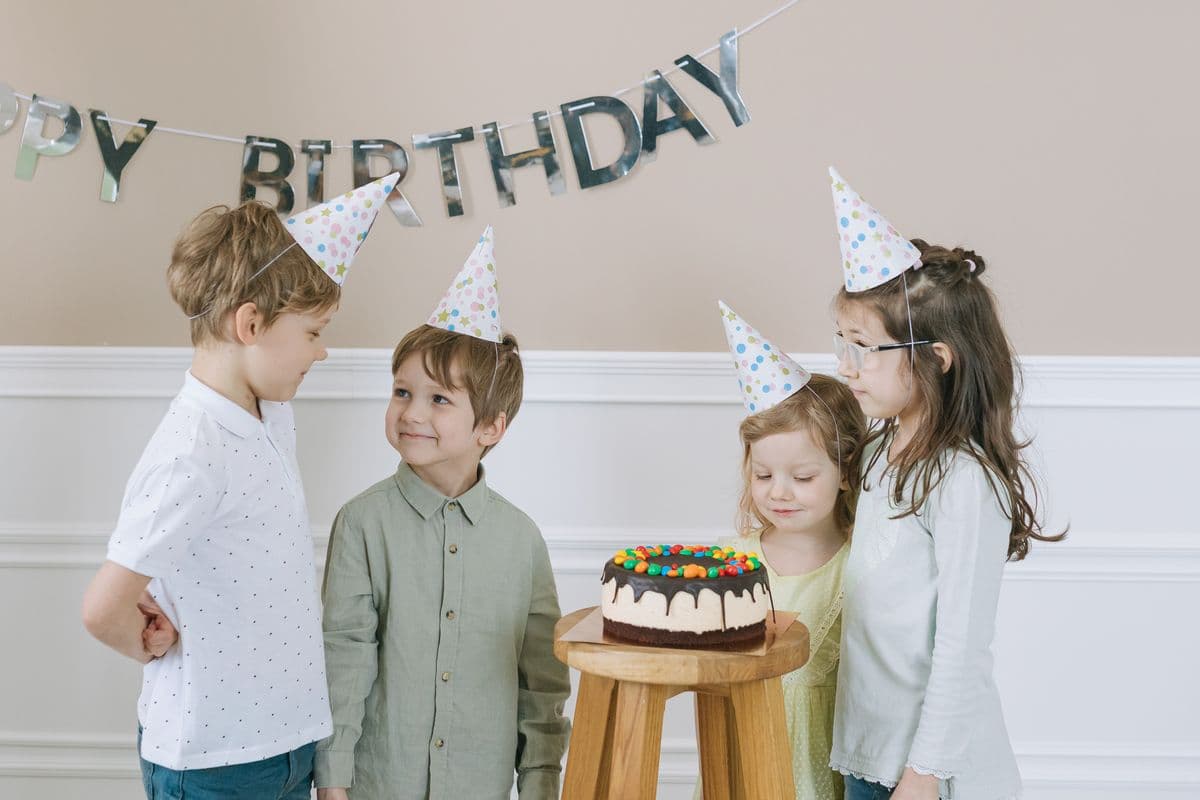
The easiest way to plan a kids' birthday party is to work backward from the date on a simple timeline: lock the date, guest list, and venue about three to four weeks out; send invitations two to three weeks ahead; and handle food, cake, and activities in the final week. Keep the activity list short — a couple of games plus free play is plenty.
A kids' birthday party feels overwhelming because everything seems urgent at once — the cake, the guest list, the games, the goodie bags. It isn't. The parents who stay calm treat the party as a short project with a clear order of operations: decide the big things first, communicate them, then fill in details in the final stretch. This guide takes the simple backward-planning timeline and turns it into a full playbook — a week-by-week table, budget guardrails, age-based activity ideas, a food plan, and a realistic day-of schedule so you can actually enjoy the party you planned.
How far ahead should you start?
For most kids' parties, three to four weeks of lead time is plenty. That window gives guests enough notice to say yes, gives you time to order a cake or reserve a space, and still keeps the project small enough that it doesn't take over your month. Bigger productions — a rented venue, a character performer, a party during a busy holiday weekend — deserve five or six weeks because the vendors and dates you want book up first.
The single most useful habit is to write the party down as a countdown rather than a to-do pile. When each task has a week attached to it, you stop carrying the whole thing in your head, and nothing important gets remembered at 9 p.m. the night before.
The week-by-week planning table
Here is the same backward timeline laid out as a reference you can scan in ten seconds. Each row is a checkpoint, not a marathon — most weeks are one short errand or a few messages.
| Timeframe | Decisions to lock | Tasks to do |
|---|---|---|
| 4 weeks out | Date, time, guest count, rough budget | Confirm the venue or space; pick an optional theme |
| 3 weeks out | Final guest list, party length | Send invitations; ask about food allergies |
| 2 weeks out | Cake, food plan, activities | Order the cake; plan 2–3 games plus free play |
| 1 week out | Final headcount | Shop for supplies and favors; confirm any helpers |
| 2–3 days out | Setup and cleanup plan | Prep decorations; make a simple day-of schedule |
| Party day | Nothing new — just run it | Set up early; keep water and snacks flowing |
Keep the party short
For younger children, a party of about ninety minutes to two hours is usually the sweet spot. Long parties run past nap windows and past the point where even the birthday kid is having fun. It is always better to end while everyone still wishes there were more time.
Guest list and invitations
The guest list drives almost every other decision — the budget, the space, the amount of food, and how much help you'll need. A common rule of thumb parents use is to invite a number of children close to the age your child is turning, which keeps things manageable for toddlers and preschoolers. That is guidance, not a law; use whatever number fits your space and your energy.
When you send invitations, make three things obvious so you don't spend the next two weeks answering the same questions:
- The essentials: date, start and end time, location, and an RSVP contact.
- Whether siblings or parents are expected to stay — especially important for the youngest ages.
- A simple line about food, so families can flag allergies before you shop.
Set the RSVP deadline about a week before the party. That gives you a real headcount in time to buy the right amount of food and favors without a last-minute scramble.
If the guest list is mostly kids you don't know well yet, a smaller get-together first takes some pressure off the party itself. Playdate hosting basics covers allergy questions, drop-off etiquette, and how long to plan for.
Setting a budget that holds
Parties get expensive in the small stuff — the extra decorations, the impulse favors, the second cake option — rather than in one big line item. Deciding your ceiling first, then dividing it into buckets, keeps the total from creeping. A simple split many families use looks like this:
- Food and cake: usually the largest share, especially if you serve a meal rather than snacks.
- Venue or space: zero if you host at home or a park; the biggest single cost if you rent.
- Activities and entertainment: often free with a couple of classic games and free play.
- Decorations and favors: easy to overspend — a theme color and a few pieces go far.
The cheapest lever is the venue. A backyard, a living room, or a reserved picnic shelter at a park removes the single biggest cost, and kids rarely notice or care where the party is as long as their friends and the cake show up.
Favors don't have to be a bag of plastic
A single well-chosen item, a book, or an activity the kids do at the party (decorate a cookie, plant a seed) can replace the traditional goodie bag entirely. It usually costs less and ends up in the trash less often too.
Parties are where the comparison trap bites hardest, and it rarely stops at birthdays. Giving kids a great childhood without the spending makes the case for free traditions and cheap experiences that hold up year after year.
Activities and games by age
The most common planning mistake is scheduling too much. Two or three planned activities plus unstructured free play carries a party better than a packed agenda, because kids need room to just be kids. Match the activities to the age in the room:
Toddlers (1–3)
Keep it loose. Toddlers don't play organized games so much as explore, so the best plan is open play with a few stations — bubbles, a simple sensory bin, big soft blocks — and a short circle activity like singing. Expect parallel play rather than teamwork, and keep the birthday child's nap schedule front of mind when you set the time.
Preschool and early elementary (4–7)
This is the classic party-games age. Simple, familiar games work best: a treasure hunt, freeze dance, a craft everyone takes home, or a relay in the yard. Have one backup game in your pocket for the moment when the first one fizzles — it will — and let free play fill the gaps.
Older kids (8+)
Older children often want more say and more challenge: a themed party, a scavenger hunt, a movie or craft they help choose, or an outing. At this age it's worth asking the birthday child what they actually want rather than planning around what you think a party should look like.
Food, cake, and allergies
Match the food to the time of day. A party that spans a mealtime needs real food; a mid-afternoon party can get away with snacks, fruit, and cake. Simpler is almost always better — a few crowd-pleasers in bulk beat an ambitious spread that leaves you in the kitchen instead of at the party.
- Serve finger foods kids actually eat, and keep options low-mess for indoor parties.
- Have water readily available the whole time, not just at cake.
- Ask about allergies on the invitation and label anything with common allergens.
- Order the cake a couple of weeks out if it's custom; a store or homemade cake is completely fine.
Take food allergies seriously
Food allergies in children can be serious, and a parent will always know their child's needs better than you do. Ask ahead, keep an allergen-friendly option on the table, and never pressure a child to eat something a parent has flagged. When in doubt, check directly with the family.
A calm day-of plan
By the party itself, the planning is done — your only job is to run it. A loose schedule keeps the energy moving without feeling rigid, and having one or two adults assigned to help means you're not doing setup, hosting, and cleanup alone.
- Set up at least an hour early so you're not finishing decorations as guests arrive.
- Open with free play or an easy activity while stragglers trickle in.
- Run your planned games in the middle, when energy is highest.
- Do cake and any gifts toward the end, once everyone has arrived.
- Have favors ready by the door for an easy, cheerful exit.
Build in buffer time and hold that backup activity in reserve. Parties rarely run exactly to schedule, and the ones that feel effortless are usually the ones where the host left room for things to go sideways.
Stuck on what to give the birthday kid, or what to send grandparents once the photos are in? Photo gifts made from pictures you already have covers which formats suit which person and how to pick an image that prints well.
If a costume theme is part of the party, the same safety checks that matter for trick-or-treating apply at a party table with candles on a cake. Our toddler Halloween costume buying guide covers flame-resistance labeling and which costume pieces are worth skipping for younger kids.
Frequently Asked Questions
How far in advance should I plan a kids' birthday party?
Three to four weeks is enough for most home or park parties. Give yourself five to six weeks if you're renting a venue, booking a performer, or scheduling around a busy holiday weekend, since the best dates and vendors book up first.
How many kids should I invite?
A popular rule of thumb is to invite roughly as many children as the age your child is turning, which keeps toddler and preschool parties manageable. It's only a guideline — invite the number that fits your space, budget, and energy.
How long should a kids' party last?
About ninety minutes to two hours works well for younger children. Shorter parties stay ahead of nap windows and meltdowns, and it's always better to wrap up while everyone still wishes there were more time.
How many activities do I actually need?
Two or three planned activities plus free play is plenty. Kids need unstructured time, and an over-scheduled party tends to feel more stressful than a relaxed one. Keep one backup game ready for when the first one loses steam.
How do I handle food allergies at a party?
Ask about allergies on the invitation, label anything containing common allergens, and keep at least one allergen-friendly option on the table. Food allergies can be serious, so follow each family's guidance and check with a parent directly if you're unsure.
Related Guides
What to Pack for a Family Beach Day
A real family beach-day packing list plus AAP sun-safety rules by age, CDC water-watching guidance, and heat-exhaustion signs to know before you go — not just a bag list.
Renting a Backyard or Private Pool for a Kid's Birthday: What to Ask Before You Book
Thinking of renting a backyard or private pool for a kid's birthday party? The questions to ask the host before you book, a CDC-based pool safety plan, how to compare listings, and red flags.
Mom's Magazine Editorial Team
Editorial Team
The Mom's Magazine editorial team researches and writes practical, plainly-sourced guidance for parents and families. Guides are reviewed for accuracy and updated as recommendations change. Where a topic calls for professional expertise, we cite reputable organizations and, for health topics, add a qualified reviewer before publishing.
Newsletter
Get the Weekly Mom List
One short email a week: the most useful guides, activities, and picks for your family. No spam, unsubscribe anytime.