Family Life
Giving Your Kids a Great Childhood on a Budget
What kids actually remember isn't the expensive stuff — it's time and traditions. Free and low-cost ways to give a rich childhood without the spending pressure.

What kids actually remember from childhood isn't expensive toys or big-ticket trips — it's time, attention, and small traditions. You can give a rich childhood on a modest budget by leaning on free and cheap experiences (libraries, parks, cooking together), protecting regular one-on-one time, and stepping out of the comparison trap. The pressure to match a curated highlight reel is the real budget-buster, and it's one you're allowed to opt out of.
There's a raw, honest genre of post that shows up again and again in r/Parenting: a parent who out-earns their own parents but still can't give their kids the house, the trips, or the lifestyle they picture — and asks, essentially, "what are you all doing to enrich your kids' lives?" What's striking is the answer the comments converge on. It's almost never a product. It's time, presence, and traditions.
What kids actually remember
Ask adults about their favorite childhood memories and you'll rarely hear about an expensive gift. You'll hear about pancake Saturdays, a grandparent's garden, a blanket fort, the same campground every summer. Repeated, low-cost rituals become the scaffolding of a childhood — precisely because they're repeated, and because you were there for them.
Free and cheap experiences that punch above their price
- Your local library — story times, free or discounted museum passes, and events, all on a library card.
- Parks, trails, and "nature scavenger hunts" that cost nothing but an afternoon.
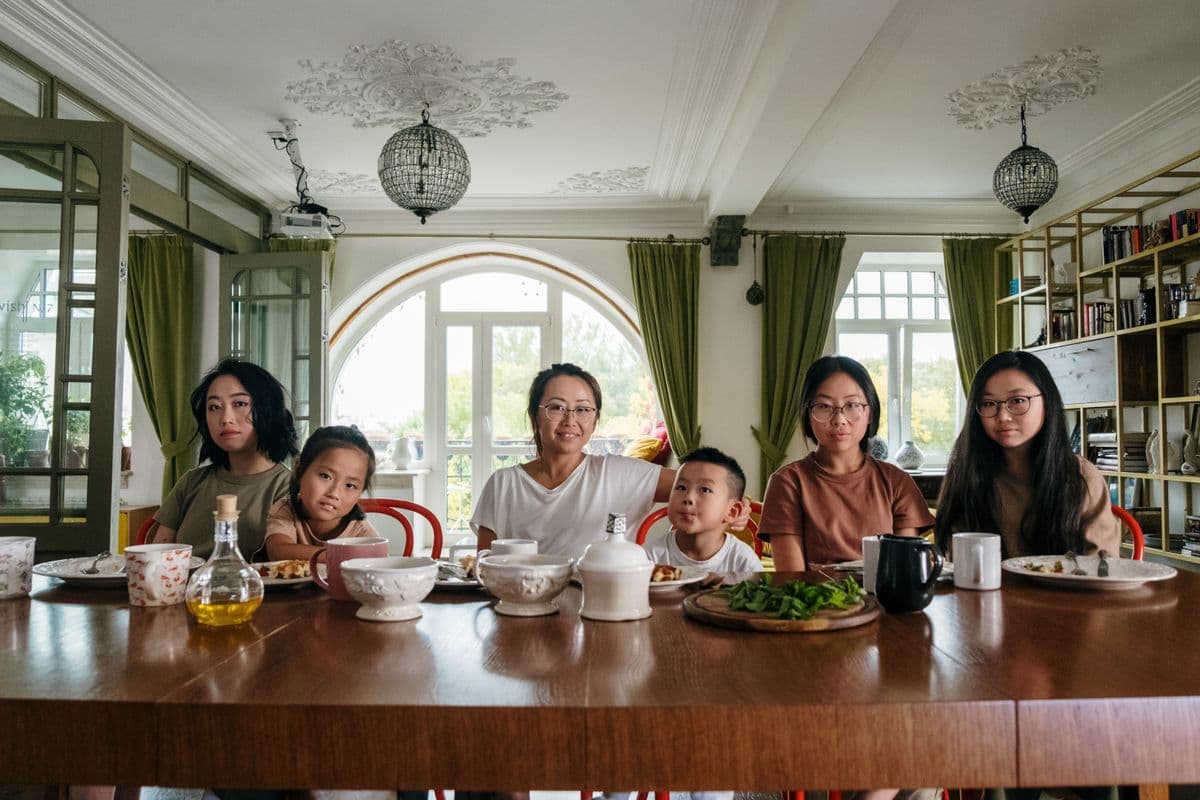
- Cooking or baking together — it's a life skill, an activity, and dinner in one.
- Backyard or living-room camping, movie nights, and blanket forts.
- Free community events: farmers' markets, library concerts, fire-station open houses.
- A weekly one-on-one "special time" with each kid, even just 20 minutes, their choice of activity.
Traditions beat purchases
A standing pancake morning or a Friday walk to the same park costs almost nothing and is exactly the kind of thing your kids will describe fondly in twenty years.
Step out of the comparison trap
Social media turns other families' single best moments into a constant highlight reel, and it's easy to read that as a standard you're failing to meet. You're not seeing their budgets, their debt, or their ordinary Tuesdays. A childhood doesn't need to be Instagrammable to be happy — and chasing that version is how a good childhood starts to feel expensive.
Your library card is the most underused deal in town
If money is tight, the single highest-leverage thing you can do is actually use everything a library card unlocks — most families use maybe a tenth of it. Beyond books, a typical U.S. public library system offers some mix of the following, and it's worth spending ten minutes on your library's website to see which ones yours has:
- Free or heavily discounted museum, zoo, aquarium, and state-park passes you reserve ahead of time.
- Weekly story times, craft hours, LEGO clubs, and sensory-play sessions for babies through school age.
- "Library of Things" lending — puzzles, board games, musical instruments, telescopes, even tools and toys in some systems.
- Free streaming and e-content (Libby for audiobooks/e-books, Kanopy or Hoopla for movies and kids' shows) — a real substitute for a paid subscription.
- Free or low-cost passes to community events, plus meeting rooms and quiet space on a rainy day.
Free traditions worth starting this month
Traditions do the heavy lifting of a happy childhood precisely because they repeat — the anticipation is half the magic, and it costs nothing. The trick is to make them small and sustainable rather than grand and occasional. A few that families come back to:
- A standing weekly ritual: pancake Saturday, Friday movie night, or a Sunday walk to the same spot.
- A seasonal one: the first leaf-pile of fall, a summer "last day of school" tradition, decorating for a holiday together.
- A tiny daily one: a specific bedtime song, "rose and thorn" at dinner (best and hardest part of the day), a secret handshake.
- A birthday tradition that isn't the party: the same breakfast, measuring their height on a doorframe, a letter you write them each year.
One-on-one "special time" is the cheapest high-impact tool there is
Twenty protected minutes where your child picks the activity and has your full attention — no phone, no sibling — reliably reduces attention-seeking behavior and builds connection. It's free, and for many kids it's the part of the week they'd name first.
Handling the birthday, holiday, and "everyone else has it" pressure
The spending pressure that actually hurts usually shows up at flashpoints: birthdays, holidays, and the moment your kid announces that everyone at school has the thing. A few approaches that keep those moments from becoming budget-busters or shame-fests:
- Cap the birthday, not the fun: a "something you want, something you need, something to wear, something to read" framework keeps gift-giving bounded and predictable.
- Trade stuff for experiences: a zoo membership, a day trip, or "a whole day of your choosing" often lands harder than another toy and can cost the same or less.
- Say the true thing calmly: "That's not in our budget right now" is a complete sentence, and hearing it teaches a skill most adults wish they'd learned earlier.
- Talk about money without loading it with anxiety — kids who understand that families make choices about money, rather than sensing a vague crisis, tend to feel more secure, not less.
Nearly-free experiences, by season
Part of what makes a childhood feel rich is variety and anticipation, and the seasons hand you both for free. A rotating menu of cheap, seasonal outings beats one expensive trip for building the kind of memories kids actually keep:
- Spring: puddle-jumping in rain boots, planting a few seeds in a pot, tadpole- and bug-hunting, the first bike ride of the year.
- Summer: sprinkler and hose play in the yard, a "free splash pad" tour, backyard camping, evening walks for ice cream, library summer reading programs.
- Fall: raking and jumping in leaf piles, a nature walk to collect the best leaves, a low-cost farm or orchard visit, decorating for a holiday together.
- Winter: sledding, hot-chocolate movie nights, building a fort, holiday-lights walks or drives, indoor "picnics" on the living-room floor.
The anticipation is half the gift
Kids get real joy from looking forward to things, and a recurring, predictable outing ("first snow, we go sledding") delivers that anticipation over and over for free. You don't have to spend money to give your child something to be excited about — you have to make it reliable.
A lot of budget-friendly childhood also just comes down to simpler home systems: easy weeknight dinner ideas that keep meals cheap and low-stress, screen-free activity ideas for the free time, and — if you're doing it without nearby family — building support when there's no village.
Frequently Asked Questions
Do kids actually care if we don't take big vacations?
Far less than parents fear. Young kids especially value your attention and familiar routines over destinations. A day trip, a local adventure, or a themed night at home can land just as hard as an expensive trip — sometimes harder, because you're relaxed and present.
How do I handle it when my kid wants what other kids have?
Acknowledge the want without treating it as a failure on your part: "That does look fun. It's not in our budget right now, and here's what we're doing instead." Naming limits calmly teaches a life skill, and pairing it with a real alternative keeps it from feeling like deprivation.
Isn't it unfair to my kids if I can't afford what other families can?
Fairness isn't the same as matching. What kids need — safety, attention, predictability, and a sense that they matter to you — isn't the part that costs money, and it's the part that predicts how a childhood actually feels looking back. Plenty of adults with modest childhoods describe them as rich; plenty with expensive ones don't. The comparison is what feels unfair, not your budget.
How do I stop comparing my family to what I see online?
Remember you're comparing your ordinary Tuesday to someone else's single best, most-curated moment — and you're not seeing their debt, stress, or bad days. If a particular account reliably makes you feel behind, mute or unfollow it; there's no prize for absorbing the pressure. Refocusing on your own kid's actual, specific delights is the fastest antidote.
How do I give my kid a good birthday without overspending?
Cap the gifts and lean into tradition instead. A 'something you want, need, wear, and read' framework keeps giving bounded, and the parts kids remember are usually free — a special breakfast, a homemade cake, a house full of people who love them. A small party at home or a park often beats an expensive venue, and an experience (a day trip, a day of their choosing) can land harder than another toy.
Should I talk to my kids about money, or will that stress them out?
Age-appropriate honesty tends to make kids feel more secure, not less. Sensing a vague, unspoken money worry is more anxiety-provoking than hearing a calm 'that's not in our budget right now, and here's what we're doing instead.' Naming that families make choices about money — without dumping adult financial stress on them — teaches a genuinely useful life skill and models that limits are normal.
Related Guides
Easy Weeknight Dinner Ideas for Families
Fast, family-friendly weeknight dinner ideas and a simple system to stop the 5 p.m. scramble.
Screen-Free Activities for Kids
Screen-free activities for kids across ages: off-screen play as a habit, AAP Family Media Plan zones, and CDC screen lines.

Parenting Without a Village: How to Build Support When Family Isn't Around
Judgment-free, practical ways to build a support system when grandparents and family aren't nearby — and how to catch burnout before it takes over.
Mom's Magazine Editorial Team
Editorial Team
The Mom's Magazine editorial team researches and writes practical, plainly-sourced guidance for parents and families. Guides are reviewed for accuracy and updated as recommendations change. Where a topic calls for professional expertise, we cite reputable organizations and, for health topics, add a qualified reviewer before publishing.
Newsletter
Get the Weekly Mom List
One short email a week: the most useful guides, activities, and picks for your family. No spam, unsubscribe anytime.