Family Life
Playdate Etiquette & How to Host One (Without Overthinking It)
Drop off or stay? Snacks, allergies, timing, and the unwritten rules of a first playdate — a low-stress guide to hosting one that actually goes well.
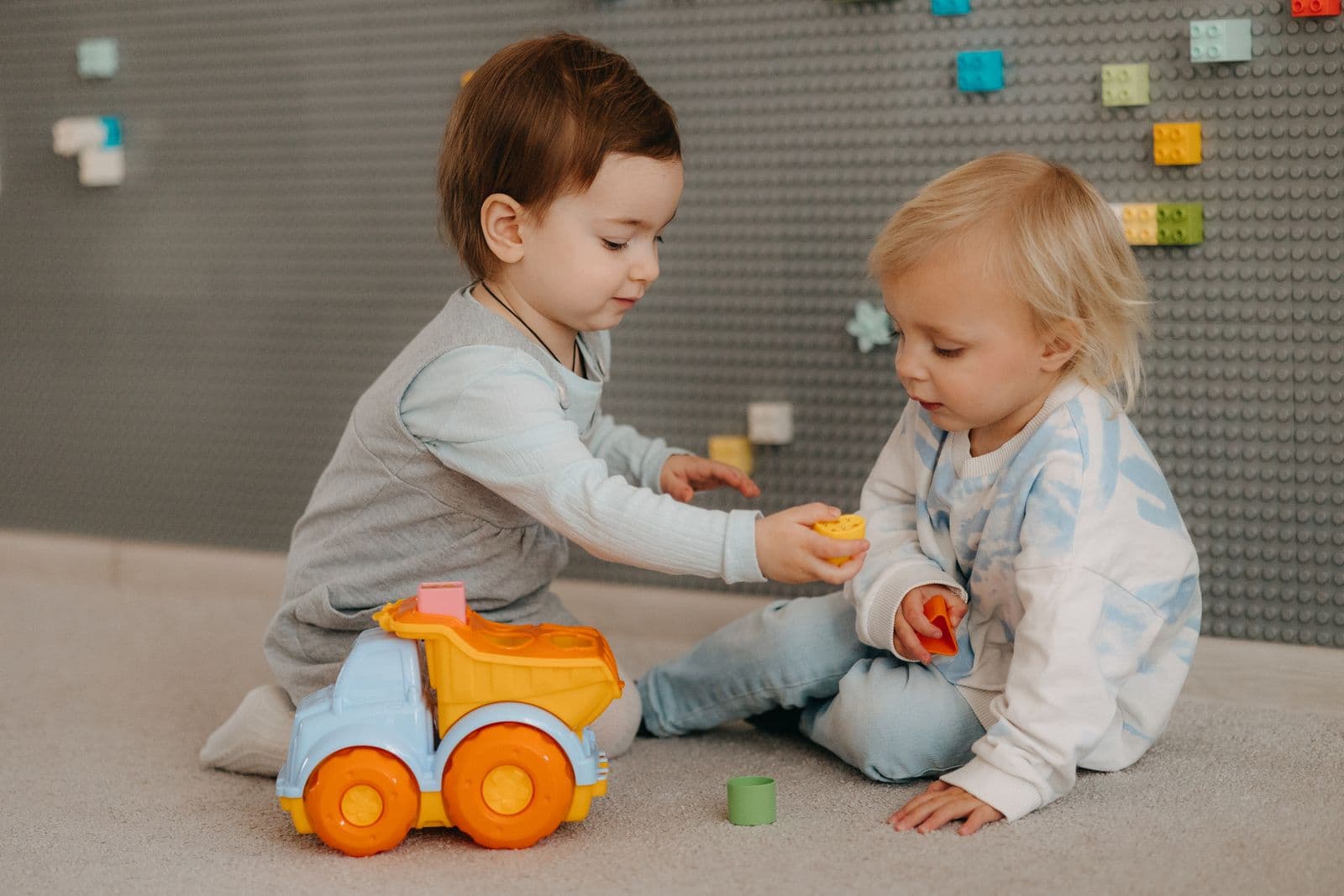
A good first playdate is short (an hour or two), at your home or somewhere neutral, with the drop-off-versus-stay question settled in advance — for a first playdate with a new family, plan to stay. Have a couple of simple snacks (ask about allergies first), put a few open-ended toys out and the precious ones away, and set a clear end time. The unwritten rules are simple: reciprocate invitations, watch your own kid, and keep it low-key.
Playdates come with a surprising amount of invisible etiquette, and you're not the only one quietly unsure of the rules. One popular r/Parenting thread is simply a parent asking for a "sanity check" on the unwritten rules before hosting a first playdate — drop off or stay? What snacks are safe? Am I about to overstep? If it feels like there's a rulebook nobody handed you, that's because there sort of is. Here's the short version.
Drop off or stay?
For a first playdate with a family you don't know well, plan to stay — it's the safe default, and it lets the grown-ups actually meet. Drop-off playdates become normal once families know and trust each other, generally as kids reach school age. When in doubt, ask directly when you set it up: "Would you like to stay, or is this a drop-off?" No one is offended by the question.
Snacks and allergies
- Ask about allergies and food rules before the playdate — a quick text is plenty.
- Keep snacks simple and safe: fruit, crackers, cheese, and water go a long way.
- Serve food sitting down, not roaming — it's calmer and safer for little ones.
Setting up for success
- Put away the toys your child truly can't share yet, and leave out open-ended ones (blocks, play kitchen, art supplies).
- Keep it short — one to two hours is plenty for young kids, and it's better to end early than to hit the meltdown wall.
- Set a clear pickup or end time up front so no one has to guess.
- For toddlers, expect "parallel play" (side by side, not really together) — that's developmentally normal, not a failed playdate.
End on a high note
Wrap up while the kids are still having fun. A short, happy playdate that ends with "can we do that again?" beats a long one that dissolves into overtired tears.
The unwritten rules
- Reciprocate: if a family hosts you, offer to host (or meet somewhere) next time.
- Watch your own child, especially in someone else's home — don't assume the host is on duty.
- Don't overstay; when it's winding down, start the goodbye.
- A quick thank-you text afterward goes a long way toward a second invitation.
What to expect at each age (so you're not disappointed)
A lot of playdate "failures" are really just age-appropriate development that caught a parent off guard. Knowing what play actually looks like at each stage saves you a lot of worry:
| Age | How they play | What a good playdate looks like |
|---|---|---|
| 1–2 years | Parallel play — side by side, not really together, and very possessive of toys | Short, supervised, in the same space; success is a calm hour, not sharing |
| 2–3 years | Beginning to interact, but sharing and turn-taking are still hard and need coaching | You stay close to coach; expect some conflict over toys and keep it brief |
| 3–5 years | Cooperative and pretend play — building things and inventing games together | Longer, more independent play; you're nearby but less hands-on |
| 5+ years | Genuinely social, rule-based games and real friendships | Drop-off becomes reasonable once families know each other |
When a playdate goes sideways
Even a well-planned playdate can hit the wall — overtired kids, a toy neither will surrender, or a meltdown. A few moves keep it from spiraling:
- Redirect before you referee: a change of scene or activity (snack, outside, a new toy) resolves most toddler standoffs faster than negotiating the disputed toy.
- Coach sharing rather than forcing it: "He's using it right now, and it's your turn next" teaches turn-taking without a forced hand-over.
- Read the exit signs early: glazed eyes, rising whining, and more frequent conflicts mean it's time to wrap up while it's still (mostly) pleasant.
- End it gracefully when it's done: "You two had so much fun — let's do it again soon" lets everyone leave on a good note, even a short visit.
Give kids a heads-up before the end
A five-minute warning ("we'll do one more round and then it's time to clean up") heads off the classic "but I'm not DONE" meltdown at pickup. Toddlers handle transitions far better when they see them coming.
Navigating different family rules
Families run differently — screens, snacks, discipline, and safety rules all vary — and a playdate quietly surfaces those differences. A quick, friendly heads-up when you set it up avoids most awkwardness: mention any allergies or firm rules ("we keep screens off on weekdays," "she can't have anything with peanuts"), and when you're the guest, follow the host's house rules rather than your own. If your child needs supervision around stairs, pools, pets, or older kids' toys, say so plainly — no host minds a parent who's clear about their kid's needs.
A five-minute prep that makes hosting easy
You don't need to deep-clean the house or plan activities down to the minute — over-preparing is its own kind of stress. A quick, targeted prep covers what actually matters:
- Safety sweep the play area: anything a visiting toddler could choke on, pull down, or get into, out of reach.
- Stash the meltdown toys — the two or three items your child genuinely can't share yet — and leave out the open-ended stuff.
- Set out a simple, allergy-checked snack and water, and know where your first-aid basics are.
- Have one low-effort backup up your sleeve (bubbles, a bin of blocks, a short craft) for when the energy dips — but let the kids lead most of it.
Playdates are how a lot of parent friendships start
The quiet bonus of hosting is adult company. The same rules that make kids' playdates work — reciprocate, keep it low-key, follow up with a friendly text — are exactly how you turn a fellow parent into an actual friend. If you're building a village from scratch, the pickup line and the playdate are two of the most reliable on-ramps there are.
Need ideas for what they'll actually do? Indoor activities for toddlers and screen-free activities for kids are full of low-setup options, and if sharing gets rocky, how to handle sibling-style squabbles applies to playdates too.
Frequently Asked Questions
At what age can I do drop-off playdates?
There's no hard rule, but drop-offs usually become comfortable around school age (roughly 5+), and only once the families know each other. Before that — and always for a first playdate with a new family — plan to stay.
My toddler won't share and it's embarrassing. Is the playdate a bust?
Not at all. Toddlers are developmentally wired for "mine" and for parallel play — playing near each other rather than truly together. Put away the most-prized toys ahead of time, keep the playdate short, and treat sharing as a skill you're coaching, not a test you failed.
Do I need to provide a whole meal?
No — a simple snack and water is standard for a short playdate. If it spans a mealtime, either keep it casual (and allergy-safe) or agree in advance that everyone eats before or after.
How do I gracefully end a playdate that's gone on too long?
Give a five-minute warning, then be warm but firm: "You two had so much fun — time to clean up and head home." Resist the urge to extend "just a little longer" once kids are melting down; ending a beat early, on a high note, is exactly what earns the next invitation. A quick thank-you text afterward seals it.
What if the other kid is being aggressive or the parents don't intervene?
Keep your own child safe first — step in, redirect, and separate the kids if needed, even in someone else's home; you're always allowed to protect your child. If it keeps happening, wrap the playdate up early without making a scene, and simply be less available for repeats. You don't owe a detailed explanation, and one rough playdate doesn't have to become a standing arrangement.
How long should a first playdate last?
One to two hours is plenty for young kids, and it's far better to end a little early — while everyone's still having fun — than to push past the overtired wall into meltdowns. A short, happy visit that ends with 'can we do that again?' is exactly what earns a second invitation. You can always extend future playdates as the kids get older and know each other.
Do I have to reciprocate every playdate invitation?
There's no strict scorecard, but reciprocity is the quiet engine of ongoing playdates — if a family hosts you a few times and you never offer to host or meet up, invitations tend to dry up. You don't have to match hosting one-for-one; meeting at a park, suggesting a coffee-shop meetup, or hosting occasionally all count. The goal is mutual effort, not exact accounting.
Related Guides
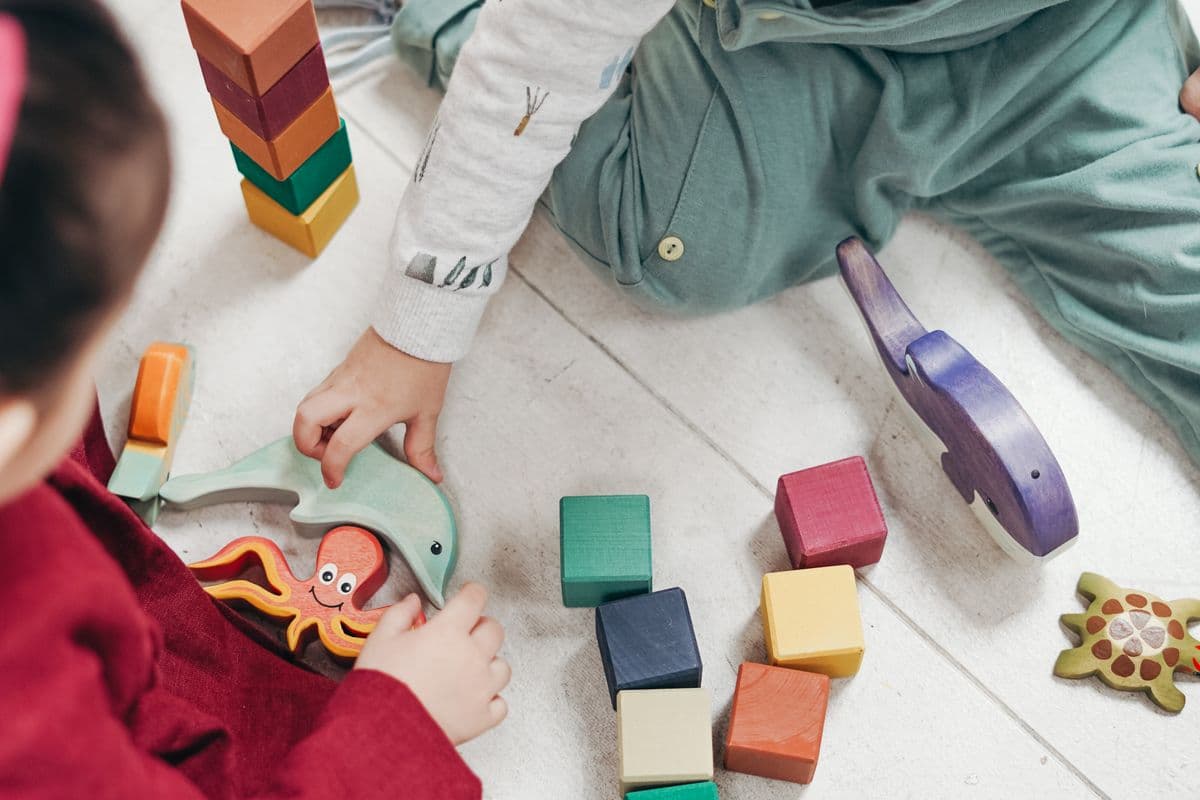
Indoor Activities for Toddlers
Indoor activities for toddlers ages 1 to 3: dump, fill, and scoop play, short setups, and close-supervision notes from CDC and AAP pages.
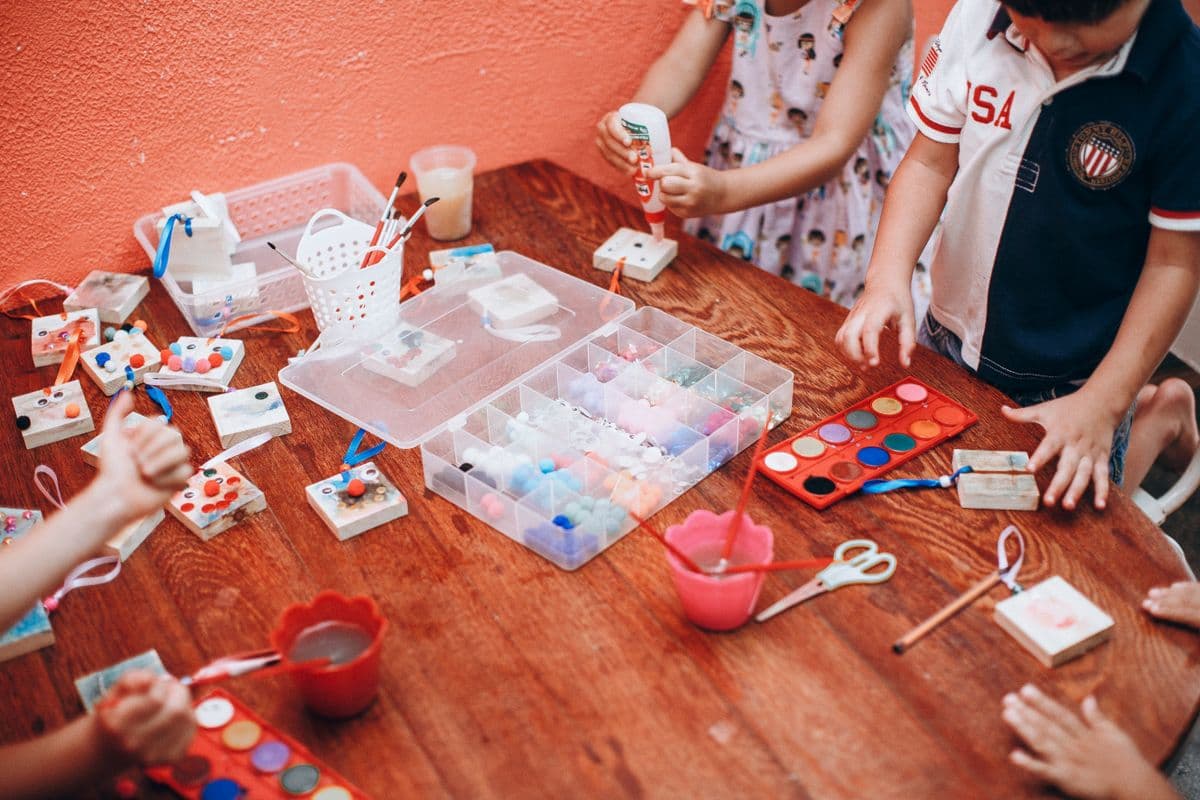
Screen-Free Activities for Kids
Screen-free activities for kids across ages: off-screen play as a habit, AAP Family Media Plan zones, and CDC screen lines.
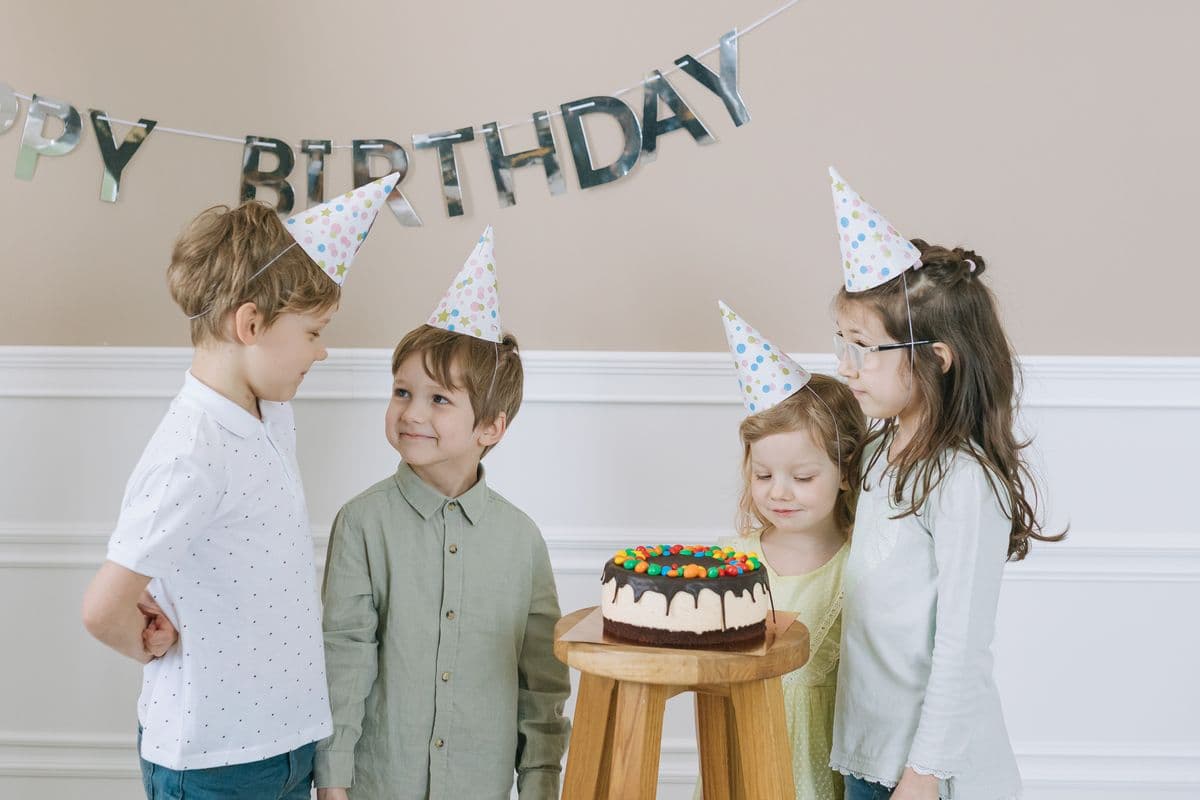
Birthday Party Planning Checklist
A step-by-step kids' birthday party planning checklist and timeline that keeps it simple.
Mom's Magazine Editorial Team
Editorial Team
The Mom's Magazine editorial team researches and writes practical, plainly-sourced guidance for parents and families. Guides are reviewed for accuracy and updated as recommendations change. Where a topic calls for professional expertise, we cite reputable organizations and, for health topics, add a qualified reviewer before publishing.
Newsletter
Get the Weekly Mom List
One short email a week: the most useful guides, activities, and picks for your family. No spam, unsubscribe anytime.