Activities
Rainy Day Activities for Kids
Rainy day activities for kids, sensory activities for rainy days at home, and rainy day preschool activities you can actually run indoors: forts, obstacle courses, scavenger hunts, sensory bins, and dough and sand on a tray — with indoor-play notes from AAP and CDC pages. Editorially reviewed — not medical advice.
As an Amazon Associate I earn from qualifying purchases.Some links on this page are affiliate links. If you buy through them, Mom's Magazine may earn a small commission at no extra cost to you. It never changes which products we recommend. How we recommend products.
Rainy-day activities for kids are the indoor projects that give a wet day a shape: a pillow-and-blanket fort, a three-station floor-level obstacle course, a house scavenger hunt, freeze dance, tray-contained dough or moldable sand, magnetic tiles on the table, a reusable water-reveal pad, or a simple bake from the pantry. CDC's child-activity page says children 3 to 5 should be physically active throughout the day for growth and development, and that adult caregivers should encourage active play — jumping or riding a tricycle are the examples on that page. For ages 6 to 17, that same page names 60 minutes or more of moderate-to-vigorous activity a day. A wet Tuesday does not invent a different number. This page stays inside on a rainy day. The four Amazon products on this page — Play-Doh 24-pack, Kinetic Sand 3.25 lb, a Melissa & Doug Water Wow! safari pad, and a Magna-Tiles 32-piece set — are tools for those activities, not a ranked "best rainy-day toys" list. No prices or star ratings. Sensory activities for rainy days at home — the dough, sand, texture bins, and scent jars covered below — are the calmer half of that list, and rainy day preschool activities for ages 3 to 5 follow the same shape CDC's preschooler page already describes: a chosen activity, a fine-motor task, and a short recall at the end. This page is editorially reviewed general information from CDC and AAP pages. It is not medical advice and not medically reviewed.
Open-ended play
Play-Doh Modeling Compound 24-Pack Case of Colors
Best for: Open-ended tabletop play that fills a long rainy afternoon
Quick picks
| Product | Best for | |
|---|---|---|
| Play-Doh Modeling Compound 24-Pack Case of Colors Open-ended play | Open-ended tabletop play that fills a long rainy afternoon | Check price on Amazon |
| Kinetic Sand 3.25 lb Beach Sand Mess-contained | A calmer, tray-contained sensory activity indoors | Check price on Amazon |
| Melissa & Doug On The Go Water Wow! Reusable Water-Reveal Activity Pad — Safari No-mess | No-mess coloring and quiet solo play | Check price on Amazon |
| MAGNA-TILES Classic 32-Piece Magnetic Construction Set Grows with them | Building projects that can last a whole wet afternoon | Check price on Amazon |
Rainy days tend to arrive the morning the backyard is a puddle and the living room is already loud. A wet day is not a program. It is short, repeatable indoor time with a job attached: build the fort, walk the taped line, find the yellow sock, roll the dough, snap two tiles together. The CDC child activity page: children 3 to 5 need to be active throughout the day for growth and development, and adult caregivers should encourage children to be active when they play — jumping or riding a tricycle are the examples on that page. For ages 6 to 17, that page names 60 minutes or more of moderate-to-vigorous activity each day. Rain does not rewrite those lines. This guide stays on indoor play when the weather has closed the door. For other days, see outdoor activities for preschoolers, indoor activities for toddlers, or activities for 3-year-olds.
Editorially reviewed — not medical advice
Indoor climbing, small parts, balloons, and kitchen water sit next to real injury risk. This article is editorially reviewed general information from CDC and American Academy of Pediatrics (HealthyChildren) pages. It is not medical advice, not a plan for your child, and not medically reviewed. Talk with your child's pediatrician about choking, water, or indoor-play injuries for your child.
What a rainy-day indoor day actually is
A rainy day only feels like a problem when every minute has to be filled from scratch. The useful version is a short menu you already know: one active block, one contained table block, one quiet block. CDC's Positive Parenting Tips for preschoolers (3–5) tells you to give a limited number of simple choices — what to wear, when to play, what to eat for snack — and to let the preschooler choose what to play when you put out age-appropriate equipment. That last clause still applies when the equipment is a pile of couch cushions. The same page names playing with other children, riding a tricycle, and using safety scissors as examples of this stage. A tricycle stays in the garage. Safety scissors and a choice between fort or dance still count.
CDC's toddlers 2–3 page says to encourage free play as much as possible — it helps a toddler stay active and strong and develop motor skills — and to encourage pretend play and a special time to read. CDC's toddlers 1–2 page says a toddler this age will seem to be moving continually — running, kicking, climbing, or jumping — and to let them be active. A long indoor day does not turn that into a sit-still request. If you want a list written for toddlers as the main audience, indoor activities for toddlers is that page. If you want the just-turned-three mix of crafts and a few outdoor mentions, activities for 3-year-olds is that list. This page is the wet-day indoor plan for a household of kids.
Why there's no rainy-day hour quota
CDC: ages 3–5, active throughout the day; ages 6–17, 60 minutes or more. CDC preschool page: 10–13 hours of sleep per 24 hours, including naps, for ages 3–5. CDC toddler pages: 11–14 hours per 24 hours, including naps, for ages 1–3. Those are sleep ranges, not an indoor-play prescription. We are not turning either number into a timer you should enforce in the living room.
When the rain stops and you can get back outside, outdoor activities for preschoolers is the yard-and-sidewalk page. This one stays in the house.
For big indoor energy
When kids are bouncing, trying to force a quiet craft usually backfires. Give the energy a floor-level target. CDC's child-activity page uses jumping as an example of the play caregivers should encourage. Jumping on a couch arm or off a dresser is not that example. Keep the jumps on the floor: a taped line, a cushion to hop to, freeze dance, animal walks from the rug to the door.
- Freeze dance or a living-room dance party — you control the pause. Freeze is the whole skill.
- Animal-walk races: bear crawl, crab walk, frog hop from one wall to the other. Three animals is a full game.
- Follow-the-leader around the sofa, under the table if there is clearance for a head, and back to the door.
- A taped path on a hard floor: walk it, hop it, tiptoe it. Painter's tape pulls up. Do not use packing tape on wood finish.
- Red light, green light in a hallway. You are the light. The hallway is the track. No furniture climbing.
Clear the path first. Move the coffee-table corners out of the run, pick up the charging cables, and say the one rule out loud: feet stay off the tables, dressers, and bookshelves. Don't treat a dresser as a climbing wall. CDC's 1–2 page says dangerous situations can happen quickly and to keep a close eye on a moving toddler. That sentence is enough to stay in the room.
Skip the balloon game with young kids
AAP's choking-prevention page says balloons, balls, marbles, pieces of toys, and small round foods cause the most choking deaths, and that balloons pose a choking risk to children up to 8 years of age. We are not putting balloon volleyball on this list. Dance, taped lines, and cushions do the same energy job without the balloon.
A living-room obstacle course in ten minutes
An indoor obstacle course is a path with three jobs, not a gym. Use what you already have: crawl under a broom resting on two chairs (spot the broom so it can fall), hop to a pillow, walk a taped line, toss a pair of rolled socks into a laundry basket. Walk it with them once. Then let them change the order. CDC's preschool page asked you to let the preschooler choose what to play — the course is more fun when they add the silly rule.
- Three stations is enough. Five stations is how you lose them.
- Keep jumps on the floor. A pillow or a taped circle is a jump. A chair seat is not.
- Crawl under, not over, furniture. Over is how a lamp comes down.
- You are spotting, not timing. There is no official "course should last X minutes."
- If a younger sibling is in the room, skip anything they can pull over on themselves.
If the only kids in the house are two and under, do not scale this into a toddler curriculum. Indoor activities for toddlers is the short-attention, close-supervision page. Here, the course is for the mixed-age rainy morning when someone still has energy to burn and the rain has not stopped.
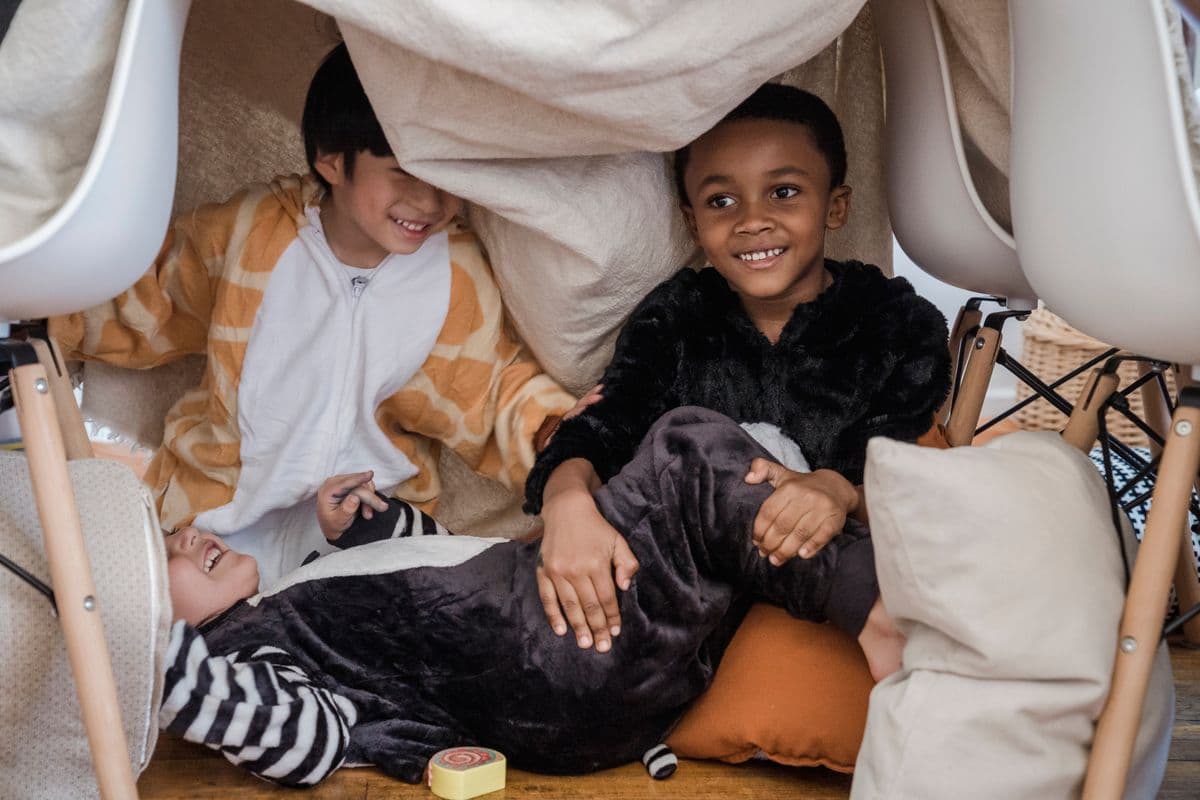
A pillow-and-blanket fort that is the project
Building the fort is the activity. Playing in it is a bonus. Two chairs, a sheet, couch cushions for walls, a flashlight for later. Give them one real job that ends: drape the sheet, tuck the cushion, carry the books inside. CDC's preschool tips include letting them help with simple chores and giving a limited number of simple choices — which sheet, which corner, which stuffed animal is allowed in.
Do not pull a dresser, TV stand, or bookshelf into the structure. Do not drape a sheet over a lamp. Do not leave a toddler in a collapsed-cushion pile unsupervised. When the fort is done, it becomes the reading nook CDC already asked you to make time for — a stack of library books and ten quiet minutes beats inventing a second craft. If the day later needs a screen, the fort is a better place to put a planned show than the open couch with the TV already on.
An indoor scavenger hunt with five finds
Write or draw five prompts before you start: something yellow, a sock that does not match, a book with an animal on the cover, something that makes a sound, something that smells like soap. Walk the house once. They can point instead of pick up — that keeps breakable things on the shelf and keeps small objects out of mouths. AAP's choking page says to check under furniture and between cushions for coins, small toys, batteries, and other small objects children could find and put in their mouths. A hunt is a good moment to do that sweep yourself while they look for the yellow thing.
When they find one, they pick the next prompt. End when they are done, not when the list is done. A hunt that lasts eight minutes and makes it back to the kitchen is a successful hunt. Older kids can write the clues. Younger kids can carry a paper bag and collect only what you have already approved.
For calmer stretches
Every rainy day needs a second gear. After a burst of movement, a table project resets the room — and buys you a stretch to make lunch. CDC's 2–3 page names pretend play, reading, simple songs, and sorting objects by shape and color as what this stage looks like. CDC's preschool page names recalling part of a story, singing, helping dress themselves, and using safety scissors. You can use that without turning the kitchen table into school.
- Paper, tape, and the recycling bin: a mailbox, a paper-bag puppet, a cardboard-tube pair of binoculars for the fort.
- Pretend restaurant or shop: they write or draw a menu, take your order, serve a real snack. CDC asked you to let them help with simple chores. Setting the table is a chore that looks like play.
- A short bake from the pantry: muffins, banana bread, or biscuits. They pour, stir, and count. You handle the oven. They sit when they taste — CDC's 2–3 page says to encourage a toddler to sit when eating and chew thoroughly to prevent choking.
- A puzzle, a sticker page, or a stack of library books in the fort.
- Safety scissors and a magazine only if you are at the table with them. CDC names safety scissors as a preschool example. AAP: keep sharp objects such as scissors in a safe place when you are not using them (CDC 1–2 page).
If they drop the "educational" part and just tape things to other things, that is still indoor play. The hunt, the fort, and the dough are prompts, not a quiz.
Rainy day activities for preschoolers (ages 3–5)
A preschooler on a rainy day does better with a shape than with a checklist. CDC's preschooler (3–5) page, already cited above, names giving a limited number of simple choices, letting the child choose what to play once you set out age-appropriate equipment, recalling part of a story, singing, helping dress themselves, and using safety scissors as what this stage looks like. You can build a rainy morning around exactly that without adding new supplies or turning the living room into a classroom.
- A two-minute opener — ask what the weather looks like out the window, then let them pick two of today's three activities from a short list you say out loud (fort, dough, hunt). That is the "limited number of simple choices" CDC's page describes, applied to a rainy morning instead of a snack.
- One fine-motor block — safety scissors and a magazine at the table with you sitting there, lacing a shoelace through a colander's holes, or snapping magnetic tiles together. CDC names safety scissors directly for this age.
- One story-or-recall block — after the fort or the obstacle course, ask them to tell you one part of what they built or did. CDC's page names recalling part of a story as a preschool skill; retelling their own morning uses the same skill without a book.
- A closer — "what was your favorite part" at lunch or before nap gives the morning an end instead of trailing off into a screen by default.
This is a rainy-day version of a preschool room's daily rhythm, not a curriculum. A weather talk, a chosen activity, a fine-motor task, and a two-line recap take about ten minutes total and reuse skills — choosing, retelling, using scissors — CDC's page already lists for this age. If the rain lets up before lunch and the yard is still too wet for sneakers, boots that actually keep a small foot dry get everyone back outside faster than waiting for the grass to dry; our picks for toddler rain boots and rain jackets cover what to look for. Otherwise, outdoor activities for preschoolers is the page for once you are back outside.
Rainy day activities for kids, by age at a glance
Different households ask this two different ways — "rainy day activities for kids" when the ages are mixed, and "rainy day preschool activities" when it is one 3-to-5-year-old and a shorter attention span. This table is the quick-scan version of everything above: which activity fits which age, how messy it actually is, and how long setup takes before you commit to it.
| Activity | Best age | Mess level | Setup time |
|---|---|---|---|
| Pillow-and-blanket fort | 3+ (toddlers need a helping hand) | Low | 5 min |
| Living-room obstacle course | 3+ | Low | 5 min |
| Freeze dance / animal walks | 1.5+ | None | 0 min |
| Indoor scavenger hunt (5 finds) | 3+ | None | 2 min |
| Dry rice or bean sensory bin | 3+ only — choking risk under 3 | Medium | 2 min |
| Kinetic sand on a tray | 3+ (listing age) | Medium, tray-contained | 2 min |
| Play-Doh at the table | 2+ (listing age) | Low, sticks in carpet | 1 min |
| Water-reveal pad | 3–6 | None | 0 min |
| Magnetic tiles | 3+ | Low | 0 min |
| Scent jars | 4+ (supervise if still mouths objects) | None | 5 min |
| Ice excavation (toy frozen in a block) | 4+ | Medium — melts as it's used | Freeze ahead + 10 min |
For the quiet block at the end of a long wet day — after the fort, before dinner — a stack of picture books in the fort beats a second screen chapter. Our picks for the best books for toddlers skews toward board books and read-alouds that hold up to a hundred rereads, which matters more than it sounds like on a week with three rainy afternoons in a row.
Sensory activities for rainy days at home
Sensory play is the term early-childhood educators use for anything that engages touch, sight, sound, smell, or safe taste exploration on purpose — dough, sand, water, textured bins, and scent jars all count. It matters on a wet day because it fills the part of the afternoon that dance and obstacle courses cannot: a child who has already burned off big-body energy still needs something for their hands. The dough, moldable sand, and water-reveal pad on this page (just below) are three sensory activities. Here are more you can run with what is already in the pantry or the closet, without a store run.
- A dry sensory bin — dry rice, dried beans, or dried pasta in a shallow bin with cups and spoons for scooping and pouring. AAP's choking-prevention page, already cited above, names small toys, marbles, and small round foods as choking hazards and says babies and toddlers explore by putting things in their mouths; skip a dry bin, or supervise it up close with large scoops only, for a child who still mouths objects. For that age, the tray-based dough or sand on this page is the safer sensory pick.
- Ice excavation — freeze two or three small toys into a block of ice in a loaf pan, then hand over a plastic spoon and a cup of warm water and let them chip and melt their way to the toy. No picks, skewers, or anything with a point; a dull plastic spoon and warm water do the job.
- Texture matching — five or six household textures (a cotton ball, a piece of sandpaper, foil, a washcloth, a pinecone) hidden one at a time in a sock or paper bag. They feel and guess before they look. No new supplies, and it works for one child as well as it works for three.
- Scent jars — a few small capped jars with a cotton ball dabbed in vanilla, coffee grounds, cinnamon, or citrus peel. Smell and guess, then compare. Keep the jars capped between turns and away from a child who still mouths objects.
- A second batch of dough with a pantry twist — the same basic no-cook dough (flour, salt, water, a little oil, cream of tartar if you have it) with a shake of cinnamon or cocoa mixed in changes the scent and color without changing the recipe you already know.
Rotate the sense, not just the container
A dry bin and a texture bag are both "touch." If the first one does not hold interest, switch senses instead of switching containers — scent jars, or a sound-shaker matching game (film canisters filled with rice, bells, or pasta, shaken and matched by ear), use a different sense entirely and often restart interest faster than a second version of the same bin.
Dough and moldable sand — keep it on a tray
Open-ended table play is how a long wet afternoon gets through 3 p.m. Two of the products on this page do that job. They are not a ranking. Cookie cutters and a rolling pin you already own do a version of the same thing.
The [Play-Doh Modeling Compound 24-Pack] — a case of 24 assorted colors, listed as non-toxic 3 oz cans, preschool toys, ages 2+, Amazon exclusive on that listing. We are not calling it the best dough. It is a lot of colors on a rainy afternoon. AAP's How to Buy Safe Toys page says to avoid toys with toxic materials and to make sure the label says "nontoxic"; this listing uses that word. The same AAP page says to read the age label and to make sure toys and parts are larger than a child's mouth. Follow the 2+ on the listing. Bits pressed into carpet are a cleanup problem, which is the honest drawback already on the product card. Seal the cans when you are done or the compound dries out.
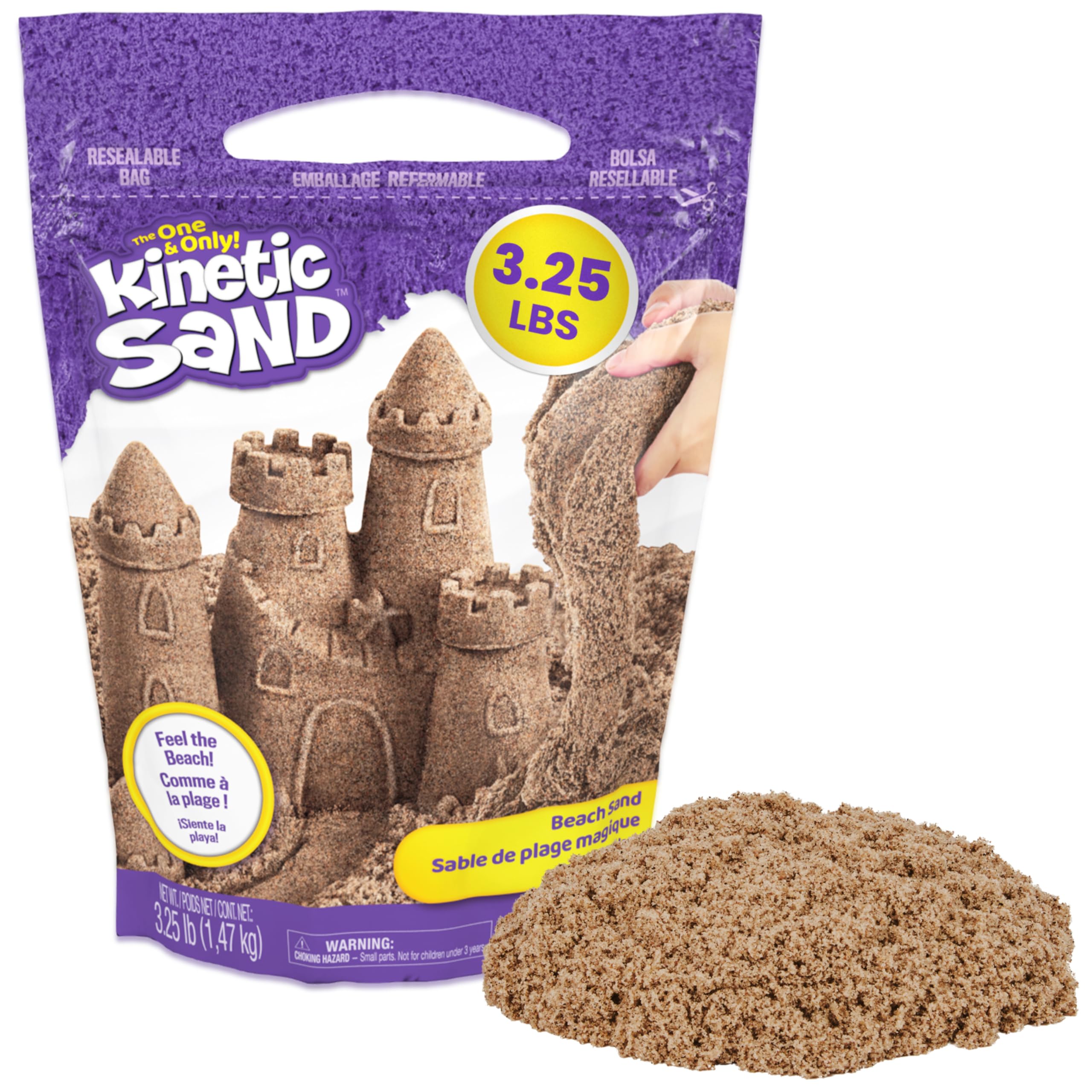
The [Kinetic Sand 3.25 lb] — Kinetic Sand 3.25 lb Beach Sand, listed as a sensory toy for ages 3+, moldable play sand with a realistic texture, sold as an Amazon exclusive on that listing. A shallow tray or a bin is the station. The listing age is 3+. This is not the toddler indoor-activity page. Stray grains still travel; that is why the tray exists. Put a cheap plastic tablecloth under the tray if you care about grout.
Contain it before you open it
Dough and sand on a tray, crafts on a tablecloth, water-reveal pads at the table — not on the couch. Build "put it back in the tub" into the last two minutes so cleanup is the last game, not a fight after the rain has already worn everyone out.
No-mess coloring — water on a pad, not in a tub
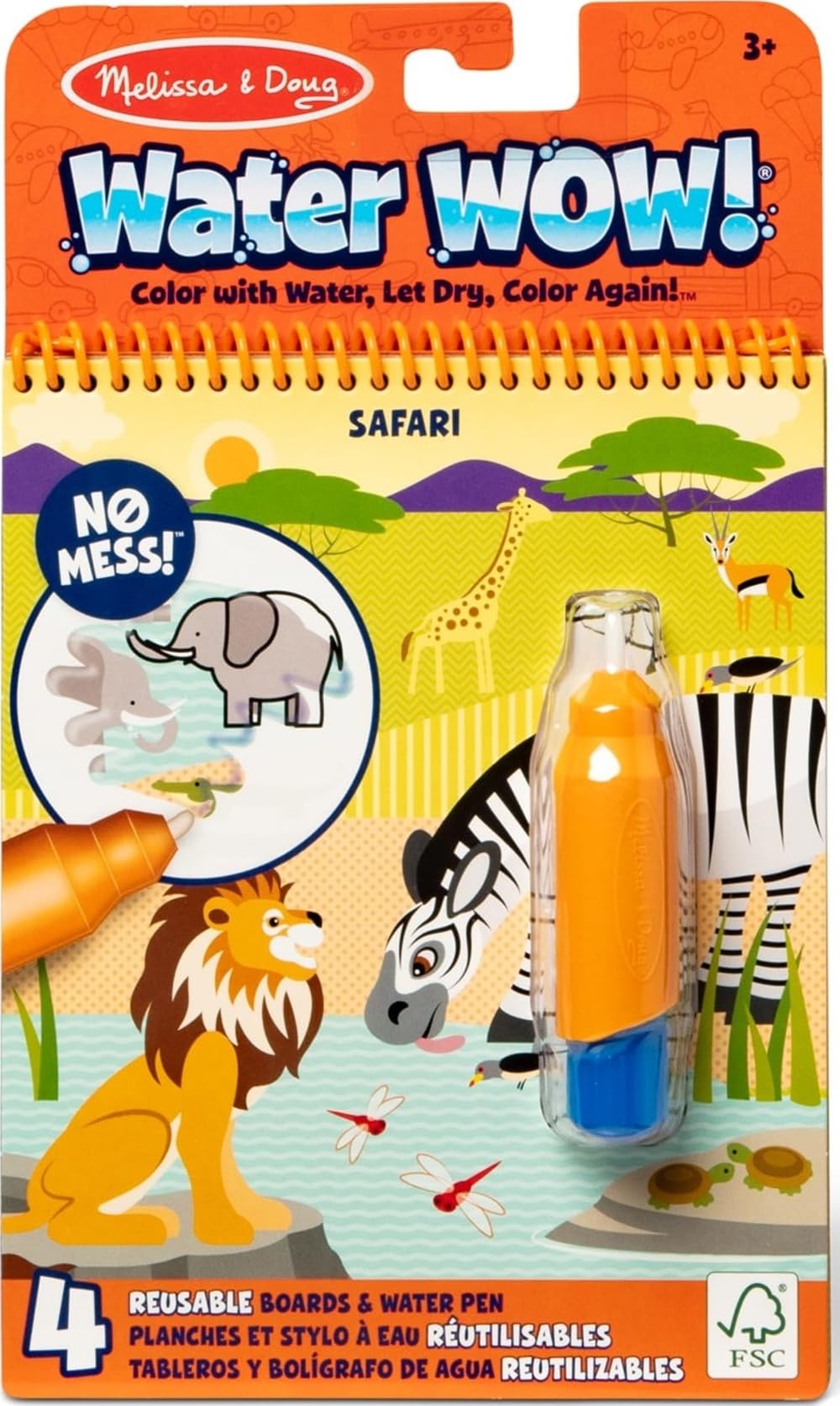
A reusable water-reveal pad is quiet solo play that does not put a bowl of water on the floor. The [Melissa & Doug On The Go Water Wow! Safari pad] — On The Go Water Wow! reusable water-reveal activity pad, Safari, FSC certified on that listing. The refillable water pen has no ink. Pages dry and reset. That is the no-mess job. Only one page shows at a time; the pen needs refilling. We are not calling it the best quiet toy. A library picture book does the same quiet job.
The pen holds a small amount of water. That is not a water table. If you later set up sink play or a bin of water because the rain has gone on all day, treat it like water. CDC's drowning-prevention page: more children ages 1–4 die from drowning than from any other cause of death. Drowning happens in seconds and is often silent. It can happen any time there is access to water. Designate a responsible adult to supervise closely and constantly when children are in or near water, including bathtubs. Adults watching should avoid distracting activities like reading, using the phone, or consuming alcohol or drugs. CDC's 1–2 and 2–3 pages both say not to leave a toddler near or around water — they name bathtubs — without someone watching. Empty the bin when you are done. A bowl on the kitchen floor is a water container. You stay next to it.
Kitchen "science" is still water and still not a chemistry set
AAP's toy-safety page: avoid hobby kits and chemistry sets for any child younger than 12 years — they can cause fires or explosions and may contain dangerous chemicals. Baking-soda-and-vinegar in a dish you are standing over is a kitchen demo, not a chemistry set. We are not recommending a hobby kit. Stay next to the dish. Dump it when you are done. Do not leave a filled open container on the floor.
Magnetic tiles on the table — a project that can last
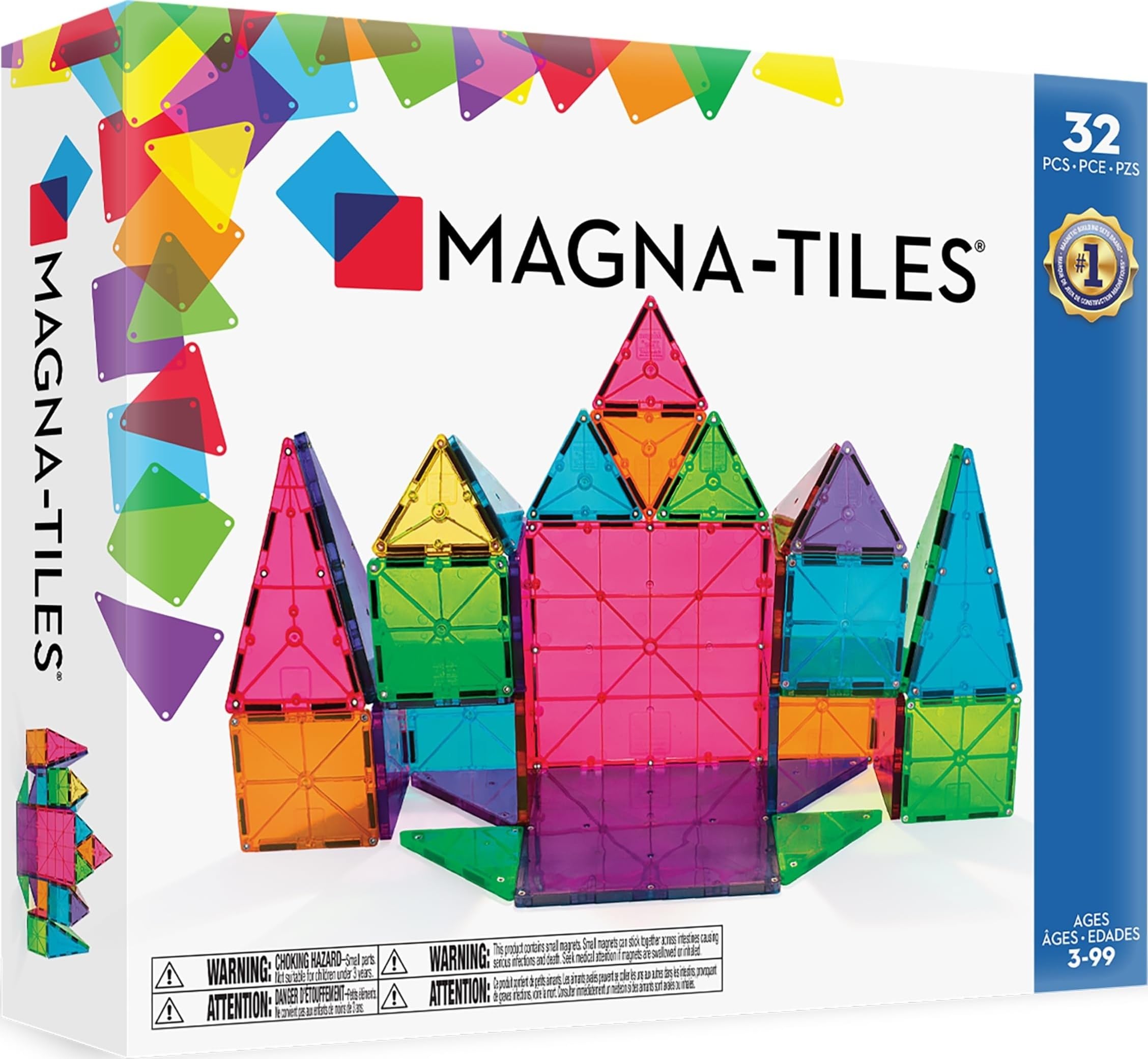
Building is the calm block that still uses hands. The [MAGNA-TILES Classic 32-Piece Magnetic Construction Set] — the Classic 32-piece magnetic construction set, listed as the original magnetic building brand. The set on this page is 32 magnetic tiles in squares and triangles, magnets that connect on every edge, translucent colors. The drawback we already had: a 32-piece set is a starter size, and ambitious builders may want more tiles.
AAP's toy-safety page asks you to look out for high-powered magnets or other small objects children might put in their mouths, noses, or ears, and to follow the age recommendation on the package. We are not calling this 32-piece tile set a loose high-powered magnet toy. We are repeating AAP's line: follow the age label, and keep loose magnets and button batteries — if any other toy in the house has them — out of younger mouths. CDC's 2–3 page says to check toys often for loose or broken parts. Do that with tiles the same way you do it with anything else that gets stepped on.
Themed "stuck inside all day" plans
When the rain settles in for the whole day, a light theme gives the hours a shape and cuts down on "what now?" every twenty minutes. You do not need a supply run. You need a through-line that ties two or three things you already have.
Indoor camping
Build the fort. Pack a picnic lunch to eat on a blanket. Make binoculars from cardboard tubes. Tell stories with a flashlight when you dim the lights. CDC's preschool page says to continue to read to your child and to nurture a love of books by taking them to the library — the library trip can wait until the rain stops; the stack you already own is enough for camping day.
Restaurant day
Kids draw a menu, take your order, and serve a real snack or lunch. It folds in drawing, pretend play, and a little real food prep. CDC asked you to eat meals with your child when you can and to let them help with simple chores. They sit to eat. You handle heat.
Building day
Morning: the obstacle course. Midday: magnetic tiles or blocks on the table. Afternoon: the fort gets a "house" rule they invent. That is one theme, three gears, no new bag from the store.
A rainy-day box is a novelty trick, not a shopping list
On a calm afternoon, fill a bin with a puzzle they have not seen in a month, a pad of paper, tape, and one of the tools on this page, then put the bin away. Opening it on the next wet morning is the event. You do not need a new kit for this to work. Almost none of this needs new supplies.
Almost none of this needs new supplies, which is rather the point. Building a great childhood on a small budget has more free traditions worth starting, plus a good case for your library card.
Indoor play safety — AAP and CDC lines
AAP's toy-safety page: each year thousands of children are injured by toys; most of those injuries are minor cuts, scrapes, and bruises; toys can cause serious injury or even death when they are dangerous or used the wrong way. We are repeating that sentence. The buying tips on that page that apply to a rainy afternoon:
- Read the label. Warning labels give information about how to use a toy and what ages it is safe for. Show your child how to use it the right way.
- Think LARGE. Make sure all toys and parts are larger than your child's mouth to prevent choking.
- Avoid toys that shoot objects into the air — eye injuries or choking.
- Avoid loud toys that can damage hearing.
- Buy sturdy plastic; thin plastic can break into sharp pieces.
- Look for "nontoxic" on art materials.
- Avoid hobby kits and chemistry sets for children younger than 12.
- Age recommendations help you gauge choking risk, whether the child can understand the toy, and whether it matches the stage.
- Look out for button or lithium coin batteries and high-powered magnets. If they get loose, younger children might put them in mouths, noses, or ears.
- Toys that are recalled should be removed right away. AAP names CPSC as the agency that issues recalls; check CPSC if you are unsure about a specific toy.
AAP's choking-prevention page: babies and toddlers are at the highest risk because they explore by putting things in their mouths. Choking is a leading cause of death for infants and children; most children who die from choking are under age 5, and two-thirds are babies under a year old. Household items to keep away from infants and children on that page include coins, marbles, toys with small parts, toys that can be squeezed to fit entirely into a child's mouth, small balls, pen or marker caps, and small button-type or lithium coin batteries. Follow the age recommendations on toy packages — AAP says those guidelines reflect the safety of the toy, based on choking hazard and the child's abilities. Check under furniture and between cushions. Be aware of what older children are doing; many choking incidents happen when an older sibling hands a dangerous toy or food to a younger child. We are not turning that into a first-aid class. AAP's own next line is to talk with your child's pediatrician and to take a certified CPR course from the Red Cross or American Heart Association if you want the skills.
CDC toddler safety lines that belong in a rainy house, from the pages:
- Keep a close eye. Dangerous situations can happen quickly (CDC 1–2 and 2–3).
- Check toys often for loose or broken parts (CDC 2–3).
- Encourage a toddler not to put pencils or crayons in their mouth when coloring (CDC 2–3).
- Do not hold hot drinks in your lap while a child sits there (CDC 2–3).
- Turn pot handles toward the back of the stove; keep kitchen appliances out of reach (CDC 1–2).
- Keep scissors, knives, and pens in a safe place when you are not using them (CDC 1–2).
- Place plug covers on unused electrical outlets (CDC 1–2).
- Do not leave a toddler near water — bathtubs included — without someone watching (CDC 1–2, 2–3, and the drowning page).
For small parts, follow AAP's guidance: read the age label and make sure toys and parts are larger than a child's mouth.
Where screens fit on a long rainy day
A movie has a place on a wall-to-wall rainy day. CDC's 2–3 and 3–5 parenting pages both say to keep television sets out of the child's bedroom, set limits for screen time to no more than 1 hour per day of quality programming at home, school, or afterschool care, and to develop a media use plan for the family. CDC's 1–2 page is stricter for the youngest: for children younger than 18 months, it restates the AAP line that it is best if toddlers not use any screen media other than video chatting.
A planned show works as one chapter — after the fort and the course, before dinner — not as the default that runs from breakfast to dark. If you want a page that is about keeping screens off on purpose, screen-free activities for kids is that list. This page will not pretend a wet Saturday has no room for a film. It also will not pretend CDC said "rainy days do not count."
The four tools on this page — not a best-of list
Use these four products only as the activity describes — dough on a tray, sand in a bin, a water-reveal pad at the table, tiles on the floor or table. Household tape, cushions, and a library stack do most of the day without them.
- [Play-Doh Modeling Compound 24-Pack] — 24 assorted 3 oz cans, listed non-toxic, ages 2+. Open-ended table play. Seal the cans. Keep it off the carpet.
- [Kinetic Sand 3.25 lb Beach Sand] — moldable play sand listed for ages 3+. Use a tray. Not a toddler-page pick.
- [Melissa & Doug On The Go Water Wow! Safari] — reusable water-reveal pad with a refillable water pen. Quiet, no ink. One page at a time.
- [MAGNA-TILES Classic 32-Piece] — magnetic construction set. Starter size. Follow the age label on the box you have.
Sources
Every safety or activity-amount claim above is taken from a page. The full list with URLs is in the source list at the bottom of this page. The primary documents were CDC's child physical-activity page, CDC's positive-parenting tips for ages 1–2, 2–3, and 3–5, CDC's drowning-prevention page, AAP HealthyChildren toy safety, and AAP HealthyChildren choking prevention. Where those pages do not publish a number — how many indoor hours a rainy day "needs," or a ranked list of toys — this guide doesn't either.
Our Recommendations

Play-Doh Modeling Compound 24-Pack Case of Colors
Best for: Open-ended tabletop play that fills a long rainy afternoon
A 24-pack of Play-Doh modeling compound. The listing names non-toxic 3 oz cans of assorted colors, preschool toys, ages 2+, and Amazon exclusive. It is a lot of colors for rolling and cutting at the kitchen table — not a ranked pick.
- 24 individual cans in a wide range of colors on the listing
- Listed as non-toxic 3 oz cans
- Listed as preschool toys, ages 2+
- Pairs with cookie cutters and rolling pins you already own
Keep in mind: It dries out if cans are left open, and bits pressed into carpet can be tricky to clean.
Kinetic Sand 3.25 lb Beach Sand
Best for: A calmer, tray-contained sensory activity indoors
A 3.25 lb Kinetic Sand Beach Sand tub. The listing names moldable play sand with a realistic texture, sensory toys, ages 3+, and Amazon exclusive. Pack, cut, and shape it on a tray. Not a ranking and not a toddler-page pick.
- 3.25 lb of moldable play sand on the listing
- Listed as a sensory toy for ages 3+
- Described on that listing as moldable with a realistic texture
- Works on a shallow tray or inside a bin
Keep in mind: Stray grains can still spread beyond the tray, so it is best used over a contained surface.
Melissa & Doug On The Go Water Wow! Reusable Water-Reveal Activity Pad — Safari
Best for: No-mess coloring and quiet solo play
A Melissa & Doug On The Go Water Wow! reusable water-reveal activity pad (Safari, FSC certified). Color shows when you paint with the water pen, then fades so the page can be used again. Not a ranked quiet toy.
- Reusable water-reveal activity pad on the listing
- On The Go Water Wow! Safari edition, FSC certified on that listing
- Refillable water pen — no ink or markers named on the listing
- Compact enough to keep in a bag for quiet time
Keep in mind: Only one page shows at a time and the water pen needs refilling as it dries out.
MAGNA-TILES Classic 32-Piece Magnetic Construction Set
Best for: Building projects that can last a whole wet afternoon
A MAGNA-TILES Classic 32-piece magnetic construction set, from the original magnetic building brand. The set's details: 32 magnetic tiles in squares and triangles, magnets on every edge, translucent colors. Not a ranking.
- Classic 32-piece magnetic construction set on its Amazon listing
- 32 magnetic tiles in squares and triangles (on file; not a new spec)
- Magnets connect on every edge, including when tiles are flipped (on file)
- Translucent colors that catch the light (on file)
Keep in mind: A 32-piece set is a starter size, and ambitious builders may want to add more tiles.
As an Amazon Associate I earn from qualifying purchases. Mom's Magazine may earn a commission when you buy through links on this page, at no extra cost to you. Learn more.
Frequently Asked Questions
What can kids do inside on a rainy day?
Turn indoor energy into a project. Build a pillow-and-blanket fort, set up a three-station floor-level obstacle course, run a five-item house scavenger hunt, freeze-dance, or sit down with dough, moldable sand on a tray, magnetic tiles, or a water-reveal pad. Rotate one active idea and one calm idea. CDC: ages 3–5 should be active throughout the day; ages 6–17, 60 minutes or more. This page is the wet-day indoor plan. Outdoor preschooler play is a different article.
What are cheap, no-prep rainy day activities?
The ones that use what you already have: a blanket fort, a taped path on the floor, freeze dance, a treasure hunt with drawn clues, sorting laundry by color, or a pantry bake. None of those require a store run. The four Amazon products on this page are optional tools, not a shopping requirement and not a best-of list.
How do I keep kids busy inside all day when it is raining?
Give the day a loose shape: one high-energy block (fort, course, dance), one contained table block (dough, sand, tiles, a pad), one quiet block (books, a planned show inside CDC's screen lines). A light theme — indoor camping, restaurant day, building day — cuts "what now?" without a supply list. You cannot fill every minute. A short menu you rotate beats inventing a new activity every twenty minutes.
How can I safely burn off energy indoors?
Clear the path, keep jumps on the floor, and stay in the room. Freeze dance, animal walks, a taped line, and a three-station cushion course do the job. Do not use dressers or bookshelves as climbing gear. Skip balloons with young kids — AAP: balloons are a choking risk up to age 8 and, with balls, marbles, and toy pieces, cause the most choking deaths. CDC: watch a moving toddler closely; dangerous situations happen quickly.
How do I keep rainy day play from making a huge mess?
Contain it before it starts. Dough and sand on a tray or in a shallow bin, a cheap tablecloth under crafts, water-reveal pads at the table. Make "put it away" the last two minutes of the session. Kinetic Sand still sheds grains. Play-Doh dries out and sticks in carpet. Those are the drawbacks on the cards, not surprises.
How much activity do kids need on a rainy day?
CDC's child-activity page does not publish a rainy-day number. Ages 3–5: physically active throughout the day; encourage jumping or a tricycle. Ages 6–17: 60 minutes or more of moderate-to-vigorous activity. Short indoor bursts count. CDC's sleep ranges (11–14 hours for ages 1–3; 10–13 for ages 3–5, including naps) are sleep, not living-room time.
Is it okay to use screens on a rainy day?
CDC's 2–3 and 3–5 pages: no more than 1 hour per day of quality programming, TVs out of the bedroom, and a family media-use plan. CDC's 1–2 page restates AAP: under 18 months, no screen media other than video chatting. A planned film as one chapter of a long wet day is not a free pass around those lines. For a page about keeping screens off, see screen-free activities for kids.
What if I was looking for toddler indoor activities or things for a 3-year-old?
Different pages. Indoor activities for toddlers is the short, close-supervision toddler list. Activities for 3-year-olds is the just-turned-three indoor-and-out list. Outdoor activities for preschoolers is the yard page for when the rain stops. This article stays on the mixed-age rainy indoor day.
What are good sensory activities for rainy days at home?
Rotate the sense, not just the container. A dry rice or pasta bin, a texture-matching bag, scent jars, and ice excavation each use touch, smell, or a mix — switching senses restarts interest faster than swapping in a second bin that is still just touch. Skip loose dry-bin fillers for a child who still mouths objects; AAP's choking page names small toys and small round foods as hazards for that stage, so the tray-based dough or sand on this page is the safer pick until they are past mouthing things.
What are good rainy day activities for preschoolers specifically?
Give the morning a preschool-room shape instead of a checklist: a two-minute weather-and-choices opener, one fine-motor block (safety scissors, lacing, tiles), one story-or-recall block where they tell you about what they built, and a one-line closer at lunch. CDC's preschooler (3–5) page names simple choices, safety scissors, and recalling part of a story as skills at this age — this just reuses them on a wet morning instead of adding new activities.
What rainy day activity works for a toddler and a preschooler at the same time?
Freeze dance, a pillow fort, and magnetic tiles are the three on the age-at-a-glance table above that need no age split — a toddler can hop and stack tiles next to an older sibling doing the same thing at their own level. Skip the dry rice or bean bin as a shared activity if the toddler still mouths objects; give the toddler the tray-based dough or sand instead while the preschooler gets the dry bin, so nobody is stuck waiting for a turn.
Sources & Further Reading
- Child Activity: An Overview — Centers for Disease Control and Prevention (Physical Activity Basics) (reviewed 2026-08-21)
- Positive Parenting Tips: Toddlers (1–2 years old) — Centers for Disease Control and Prevention (reviewed 2026-08-21)
- Positive Parenting Tips: Toddlers (2–3 years old) — Centers for Disease Control and Prevention (reviewed 2026-08-21)
- Positive Parenting Tips: Preschoolers (3–5 years old) — Centers for Disease Control and Prevention (reviewed 2026-08-21)
- Preventing Drowning — Centers for Disease Control and Prevention (reviewed 2026-08-21)
- How to Buy Safe Toys — American Academy of Pediatrics (HealthyChildren.org) (reviewed 2026-08-21)
- Choking Prevention for Babies & Children: What Every Parent Needs to Know — American Academy of Pediatrics (HealthyChildren.org) (reviewed 2026-08-21)
Related Guides
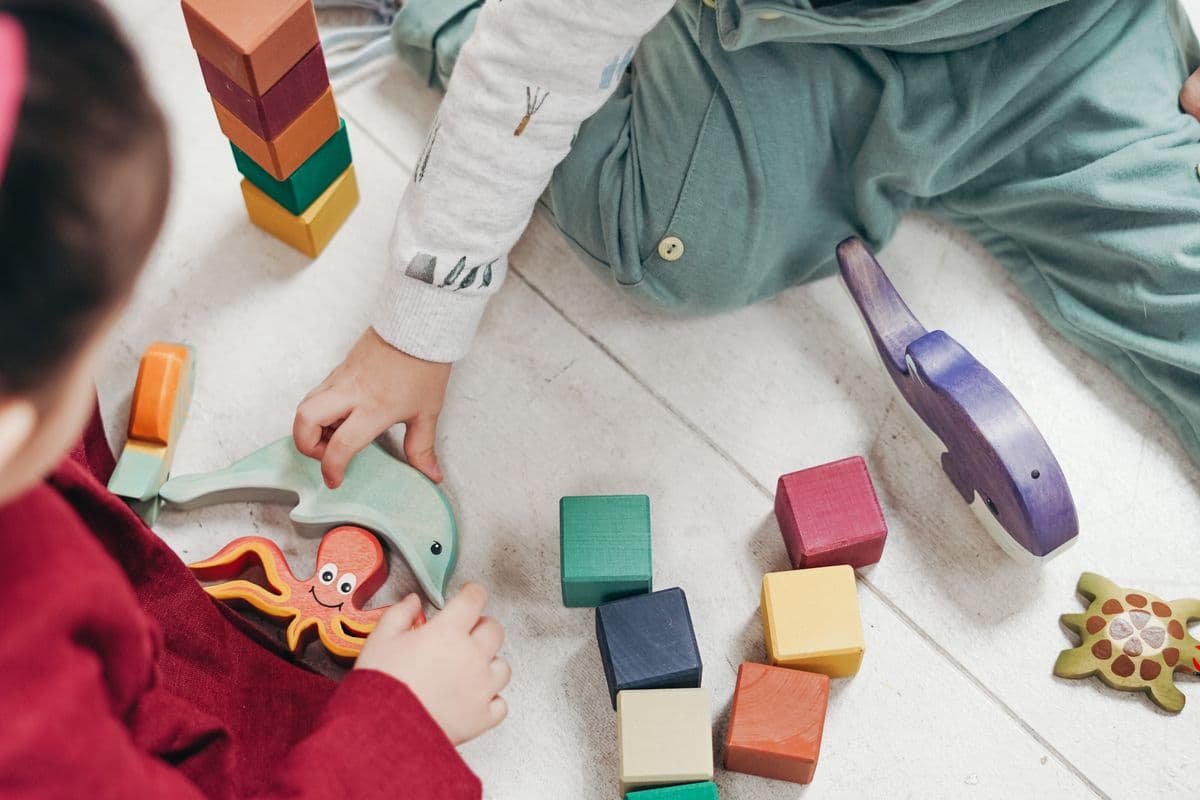
Indoor Activities for Toddlers
Indoor activities for toddlers ages 1 to 3: dump, fill, and scoop play, short setups, and close-supervision notes from CDC and AAP pages.
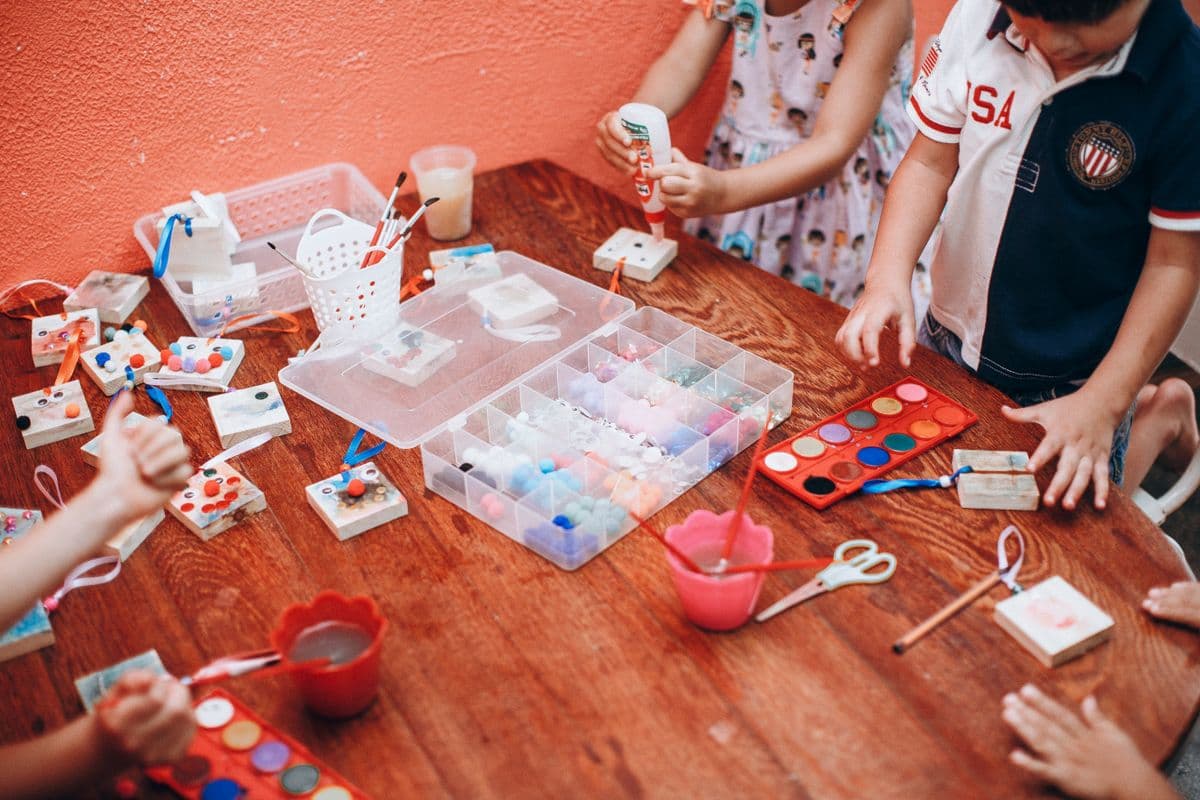
Screen-Free Activities for Kids
Screen-free activities for kids across ages: off-screen play as a habit, AAP Family Media Plan zones, and CDC screen lines.
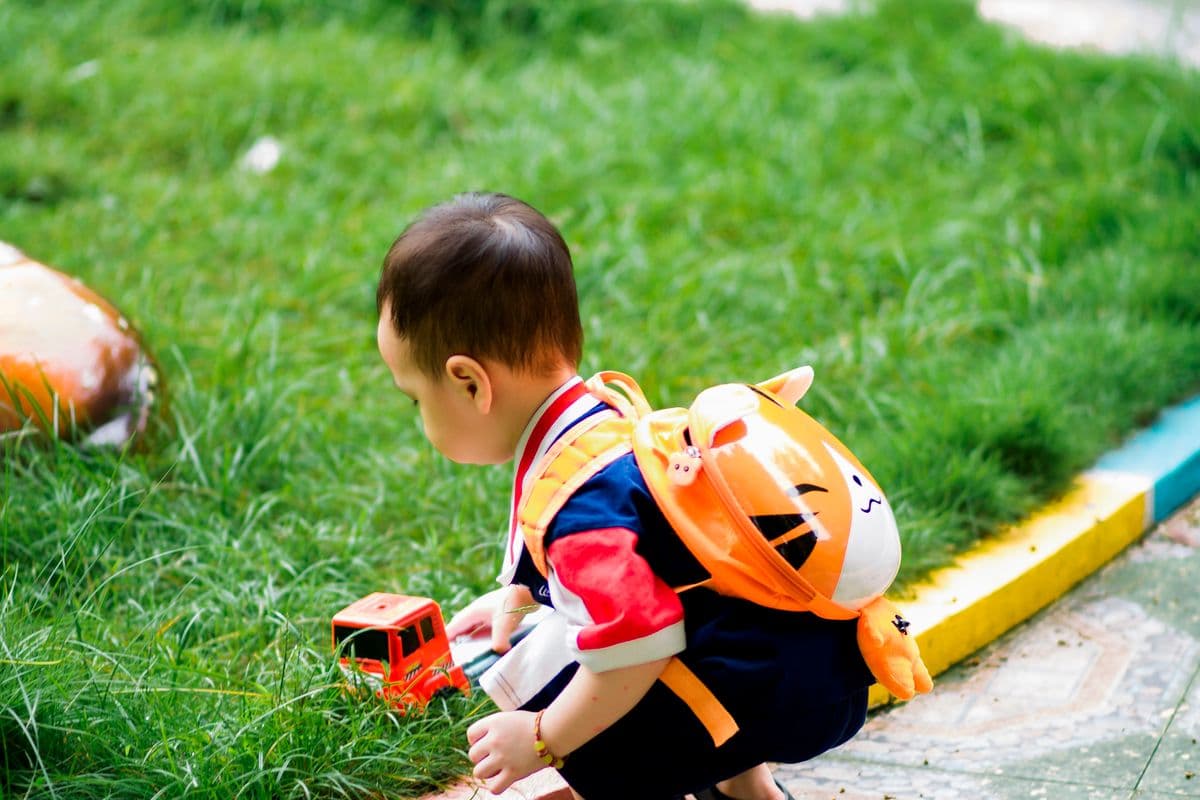
Outdoor Activities for Preschoolers
Outdoor activities for preschoolers you can actually run: educational backyard play, no-equipment games, chalk and bubbles, a scavenger hunt, and sun, water, and playground notes from AAP and CDC pages. Editorially reviewed — not medical advice.
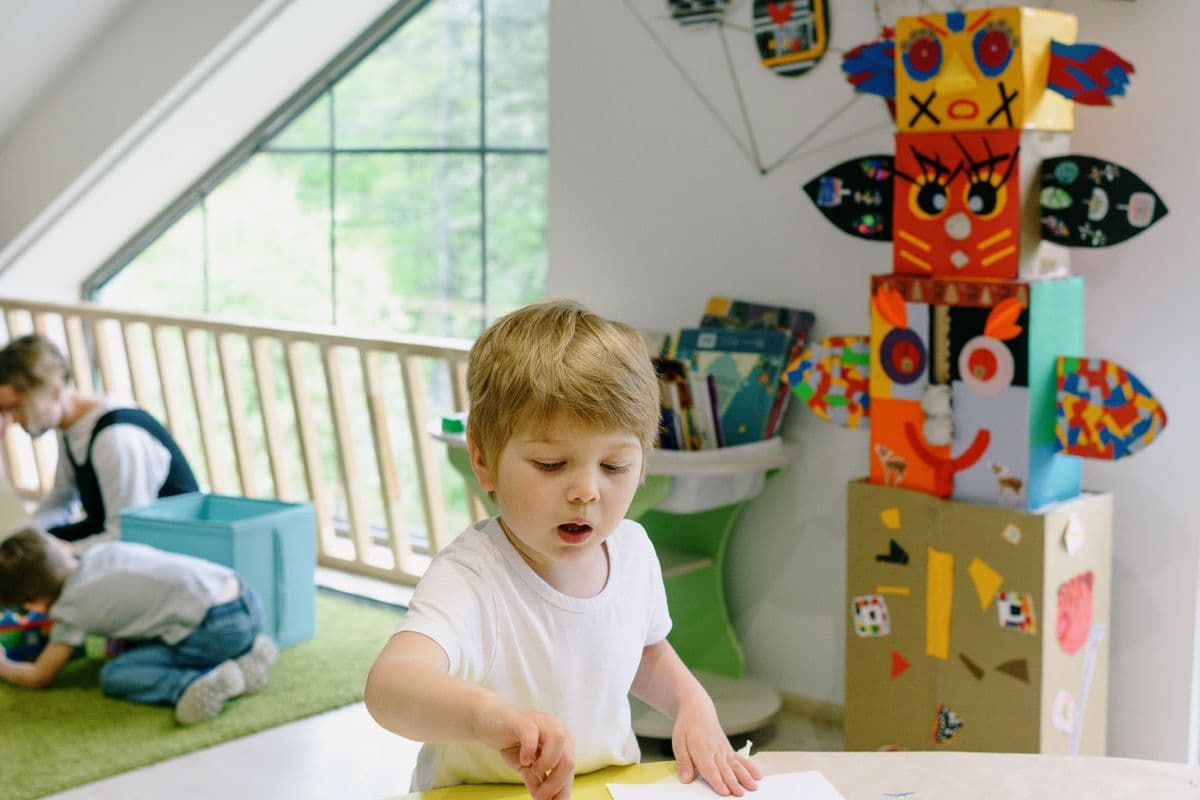
Activities for 3-Year-Olds
Activities for 3-year-olds that match just-turned-three play: pretend scenes, simple crafts, early counting, helper jobs, and one outdoor outing. Based on CDC 3-year milestones and AAP pretend-play and toy-safety guidance.

Best Toddler Rain Boots and Rain Jackets of 2026: What to Buy
The best toddler rain boots and rain jackets for 2026: why a flexible sole beats deep tread for new walkers, why to skip drawstrings, and how to size boots and a jacket together.
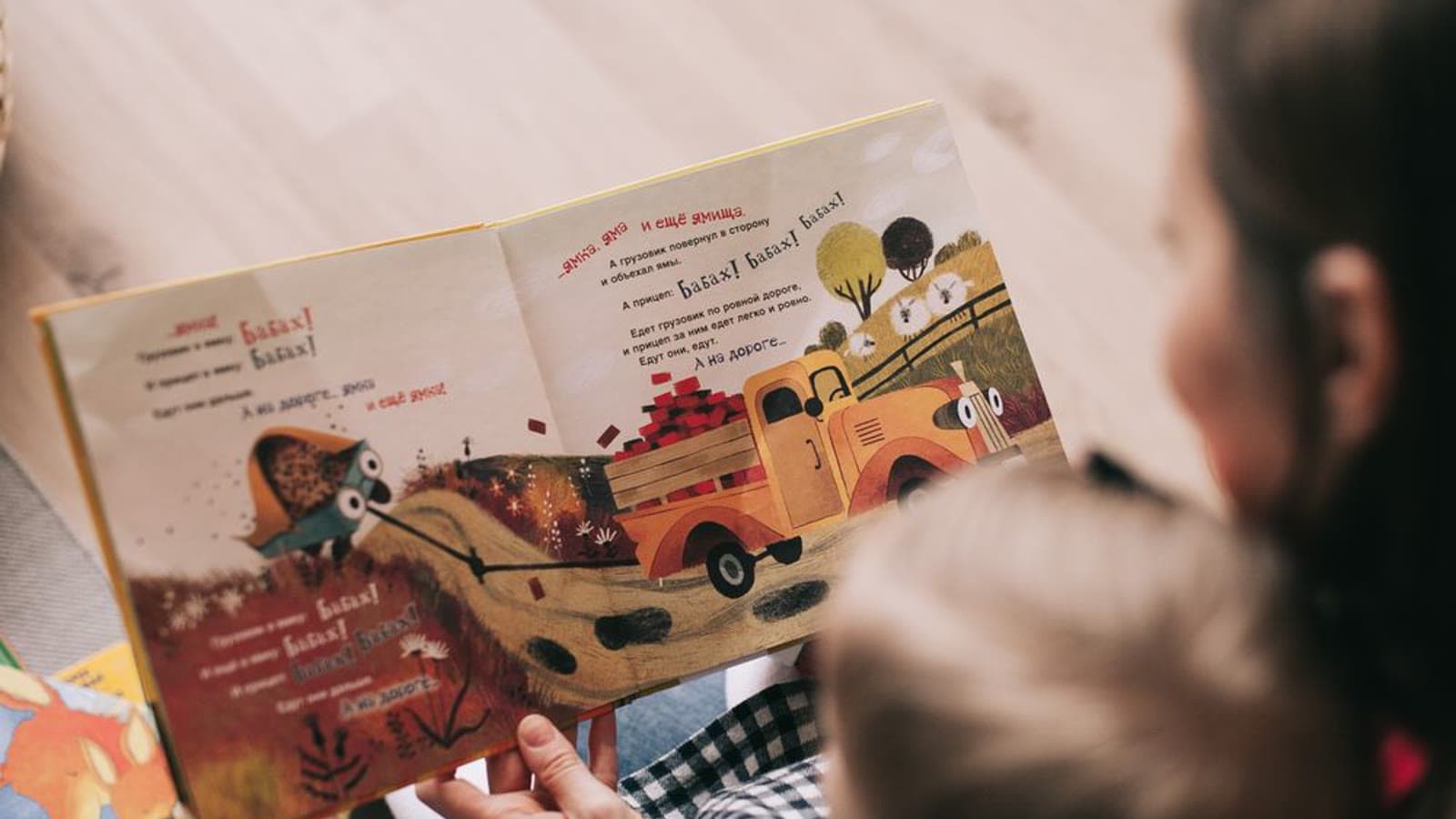
Best Books for Toddlers 2026: Board Books That Survive Toddlerhood
Five toddler books that have stayed in print for decades, why durability and read-aloud rhythm matter more than a flashy cover, and what the AAP actually says about reading with toddlers.
Mom's Magazine Editorial Team
Editorial Team
The Mom's Magazine editorial team researches and writes practical, plainly-sourced guidance for parents and families. Guides are reviewed for accuracy and updated as recommendations change. Where a topic calls for professional expertise, we cite reputable organizations and, for health topics, add a qualified reviewer before publishing.
Newsletter
Get the Weekly Mom List
One short email a week: the most useful guides, activities, and picks for your family. No spam, unsubscribe anytime.