Parenting
Why Toddlers Whine (and What Actually Helps)
Whining peaks for a reason: it sits in the gap between having the words to ask for something and the emotional control to handle not getting it. What escalates it, what defuses it, and why "stop whining" rarely works.
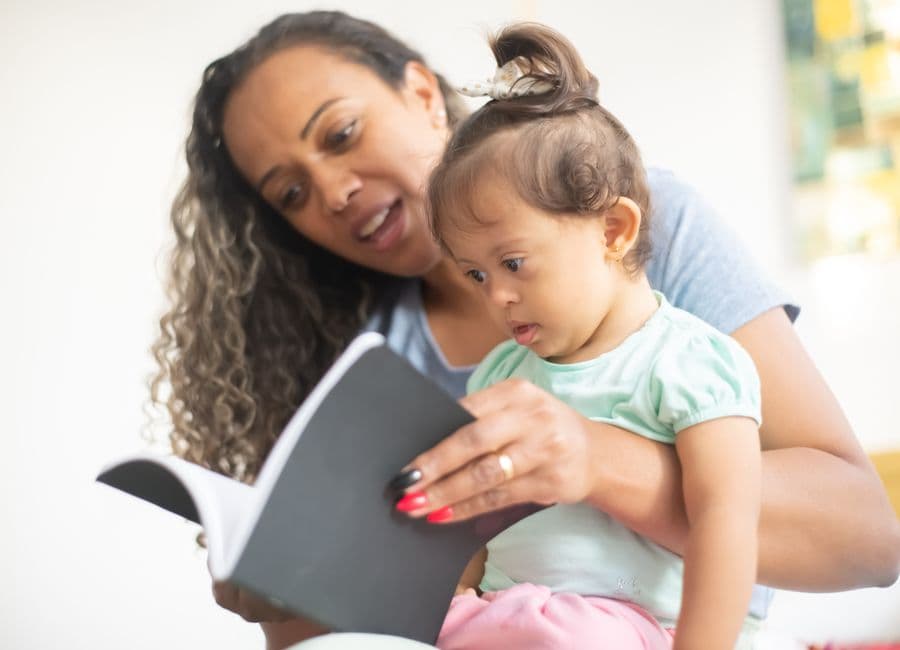
Whining is a toddler's stopgap between two skills that develop on different timelines: the vocabulary to ask for something and the emotional regulation to handle it calmly if the answer is no. That gap is widest between about ages 2 and 4, which is why whining clusters there rather than showing up evenly across childhood. It isn't defiance or manipulation in most cases — it's what an overloaded, still-developing nervous system sounds like. What helps is naming the feeling, teaching and modeling a calmer "voice" to use instead, and responding to the underlying need early rather than waiting for the whine to escalate into a full meltdown. What tends to backfire is ignoring it outright, since a toddler whose calm bids for attention get missed usually escalates rather than gives up.
Somewhere around the second birthday, a normal-sounding request — "can I have a snack" — starts arriving in a register that makes every word draw out two extra syllables. It's one of the more universally dreaded toddler sounds, and also one of the most misunderstood: whining isn't usually a toddler testing limits on purpose. It's closer to what happens when a child has just enough language to ask for something but not yet enough self-regulation to handle the answer, whatever it turns out to be.
Why whining shows up in the first place
Language and emotional regulation develop on different tracks, and toddlerhood is exactly the stretch where the gap between them is widest. A 2-to-4-year-old typically has enough vocabulary to ask for a cup, a snack, or five more minutes at the park — but the part of the brain responsible for tolerating frustration and disappointment is nowhere near caught up. When a request is at risk of not being met, or has already been denied, a toddler without the regulation skills to just accept that reaches for whatever gets a reaction, and a drawn-out, sing-song complaint is often what comes out. It isn't calculated the way it can look from the outside; it's closer to a nervous system running low on capacity and using the tool it has.
How common — and how age-bound — whining actually is
Zero to Three, the child-development organization, describes whining as most common between roughly ages 2 and 4, which lines up with when language is expanding quickly but self-regulation is still catching up. Their framing is useful: whining often means a child's "emotional tank" is running low — from being tired, hungry, overstimulated, or simply under-connected after a day with less one-on-one attention than usual — rather than a child deliberately choosing an annoying tone to get what they want. HealthyChildren.org describes a related pattern in slightly older toddlers: whimpering or whining that shows up specifically around separation from a caregiver, which responds better to reassurance than to scolding.
It usually isn't manipulation
It can feel targeted — the whine that starts the second you're on a phone call, or right as you sit down. That's less about a toddler strategically finding your weak moment and more about whining being what comes out when frustration peaks, and frustration tends to peak exactly when a toddler senses attention is elsewhere.
What actually helps in the moment
- Name the feeling before addressing the request: "You're really frustrated that we have to leave the park" lands differently than jumping straight to "stop whining," because it tells a toddler their internal state was noticed.
- Ask for — and model — a different voice, not silence: "I can help once I hear your regular voice" gives a toddler something to do, rather than just telling them what not to do.
- Respond to the first, quieter version of a request rather than waiting for it to escalate. If a calm ask gets ignored until it turns into a whine, the lesson a toddler learns is that the whine is what actually works.
- Get down to eye level before responding. A request answered from across the room, mid-task, tends to prompt a second, louder attempt faster than one answered with brief, direct attention.
- Offer a real choice where one exists ("the red cup or the blue cup") — some whining is really a bid for a small amount of control in a day that's mostly directed by adults.
Responses that tend to make it worse
Giving in specifically because the whining started is the fastest way to reinforce it — not because a toddler is cynically gaming the system, but because any behavior that reliably gets a result will keep happening, whining included. On the other end, flatly ignoring a whining child rather than acknowledging the feeling underneath it tends to escalate things too, since a toddler whose bid for connection goes unanswered usually gets louder, not quieter. Mocking the whine back at a child (imitating the tone) can feel like a natural response in an exhausted moment, but it reads as ridicule rather than correction at this age, and adds shame without teaching the alternative voice you actually want.
Teaching the alternative, not just banning the whine
A commonly recommended approach — sometimes called the "strong voice" or "big kid voice" — works by giving a toddler a concrete, practicable alternative rather than an abstract instruction to stop. Something like: "I really want to help you, but I can only understand your strong voice — can you ask me again that way?" This does two things at once: it holds the boundary (no response to the whine itself) without ignoring the child, and it hands back a specific, doable action. Practicing this outside of a real conflict — a quick round of "whiny voice vs. strong voice" as a game, using a stuffed animal or puppet — helps a toddler recognize the difference between the two tones before they're already frustrated and less able to adjust on demand.
The predictable triggers worth planning around
Whining rarely appears at random — it clusters around a short list of predictable states: hunger, tiredness, transitions (leaving somewhere fun, switching activities), overstimulation after a long outing, and stretches with less undivided parent attention than usual, like a sibling's arrival or a parent working from home but not really available. A toddler who whines constantly in the late afternoon is very often describing hunger and fatigue, not a personality trait — and a small snack or an earlier bedtime some nights does more than any verbal strategy. Recognizing the pattern in your own child's day (right before dinner, right after preschool pickup, during any transition) makes it possible to head some of it off — an offered snack before the whining starts, a two-minute warning before leaving the park — rather than only responding once it's already underway.
Whining that's really about a transition your toddler resists? →Our guide to toddler tantrums covers the escalation past whining, including what to do once a request turns into a full meltdown.
When there's more than one child in the mix
Whining often gets louder, not quieter, once a sibling is added to the picture, because a toddler competing for attention has a real reason to escalate a bid that's being missed. It usually helps to briefly narrate what's happening ("I'm going to finish helping your brother, then I'm all yours") rather than staying silent while a toddler waits and grows more frustrated with no information. A few minutes of predictable, undivided attention earlier in the day — even five minutes of focused, no-phone play — tends to reduce whining across the whole day more than trying to out-discipline it in the moment it shows up.
When it's more than a developmental stretch
Most whining eases as language catches up to emotional regulation, typically by kindergarten age, and responds at least somewhat to the approaches above within a few weeks of consistent use. It's worth a conversation with a pediatrician if whining is constant rather than tied to identifiable triggers, doesn't budge at all despite weeks of a consistent response, or shows up alongside other signs of regression — sleep disruption, potty-training setbacks, appetite changes, or a marked increase in clinginess — since that combination can point to a stressor (illness, a family change, something at daycare) that whining alone won't explain. On its own, though, whining that comes and goes with hunger, fatigue, and transitions is one of the more ordinary sounds of early childhood, not a discipline failure.
Frequently Asked Questions
Is it okay to just ignore whining completely?
Ignoring the tone while acknowledging the need tends to work better than ignoring the child outright. Full silence toward a whining toddler often reads as their bid for attention going unanswered, which tends to escalate the behavior rather than end it. Naming the feeling, then asking for a calmer voice before responding to the request, holds the boundary without leaving the child unheard.
Why does my toddler only whine with me and not with other caregivers?
This is common and isn't a sign anything's wrong — children often reserve their most dysregulated behavior for the caregiver they feel safest and most attached to, precisely because that relationship can absorb it. It's frequently described as a sign of a secure attachment, not evidence that something's going better at daycare or with another parent.
At what age should whining stop?
There's no fixed cutoff, but it typically peaks between roughly ages 2 and 4 and eases as vocabulary and emotional regulation both mature, often by kindergarten age. Occasional whining well past that age isn't unusual, especially when a child is overtired or hungry — adults get cranky under the same conditions.
Does giving in to whining just teach my toddler to whine more?
Giving in specifically because the whining escalated does tend to reinforce it, since a behavior that reliably works will keep happening. The distinction that matters is between responding to the underlying need (hunger, tiredness, wanting attention) and rewarding the specific tone — meeting the need while asking for a different voice teaches both that they're heard and that whining isn't the effective channel.
My toddler whines constantly, all day, no matter what I try. Is that normal?
Occasional, trigger-linked whining (hunger, fatigue, transitions) is developmentally typical. Whining that's genuinely constant, doesn't respond at all to consistent approaches over several weeks, or comes with other changes — sleep problems, appetite changes, increased clinginess, a potty-training setback — is worth raising with a pediatrician, since that combination can point to an underlying stressor rather than a typical developmental stretch.
Sources & Further Reading
- How to Cope (and Help!) When Your Child Whines — ZERO TO THREE (reviewed 2026-09-06)
- Emotional Development: 2 Year Olds — HealthyChildren.org (American Academy of Pediatrics) (reviewed 2026-09-06)
Related Guides
How to Handle Toddler Tantrums: Real Help That Works, According to AAP and CDC
Help with toddler tantrums, how to handle toddler tantrums, and how to deal with toddler tantrums, using AAP, CDC, and NIH pages: what actually helps in the moment, an age-by-age look at what's typical at 1, 2, and 3, tantrums by setting (car seat, store, bedtime, drop-off), how to prevent the next one, and when to call your pediatrician. Editorially reviewed general information — not medical advice.
Gentle Parenting: What It Actually Means (and What It Doesn't)
Gentle parenting explained without the myths: empathy plus firm, consistent limits — not permissiveness — and how it lines up with what pediatricians recommend.

Toddler Speech Milestones by Age: What's Normal, and When to Act Early
General CDC speech and language milestones for 18 months, 2, and 3 years — plus the clear signs it's worth asking your pediatrician about a hearing and developmental check.
How to Handle Toddler Hitting: What to Do, According to AAP
Why toddlers hit before they have the words to say what's wrong, the AAP's actual script for responding in the moment, and the difference between discipline and punishment that most advice skips.

Screen Time by Age: What the AAP Actually Recommends
The American Academy of Pediatrics' screen-time recommendations for babies, toddlers, and preschoolers — by age, in plain language.
Mom's Magazine Editorial Team
Editorial Team
The Mom's Magazine editorial team researches and writes practical, plainly-sourced guidance for parents and families. Guides are reviewed for accuracy and updated as recommendations change. Where a topic calls for professional expertise, we cite reputable organizations and, for health topics, add a qualified reviewer before publishing.
Newsletter
Get the Weekly Mom List
One short email a week: the most useful guides, activities, and picks for your family. No spam, unsubscribe anytime.