New Moms
Lab-Grown Diamond Push Present Ideas: A Guide for Partners (Guest Post from Carat Confidential)
A guest post in partnership with Carat Confidential on lab-grown diamond push present ideas: whether to do one, pendant vs. studs vs. rings, baby-proof settings, a 4Cs crash course, and how to verify an IGI or GIA report.
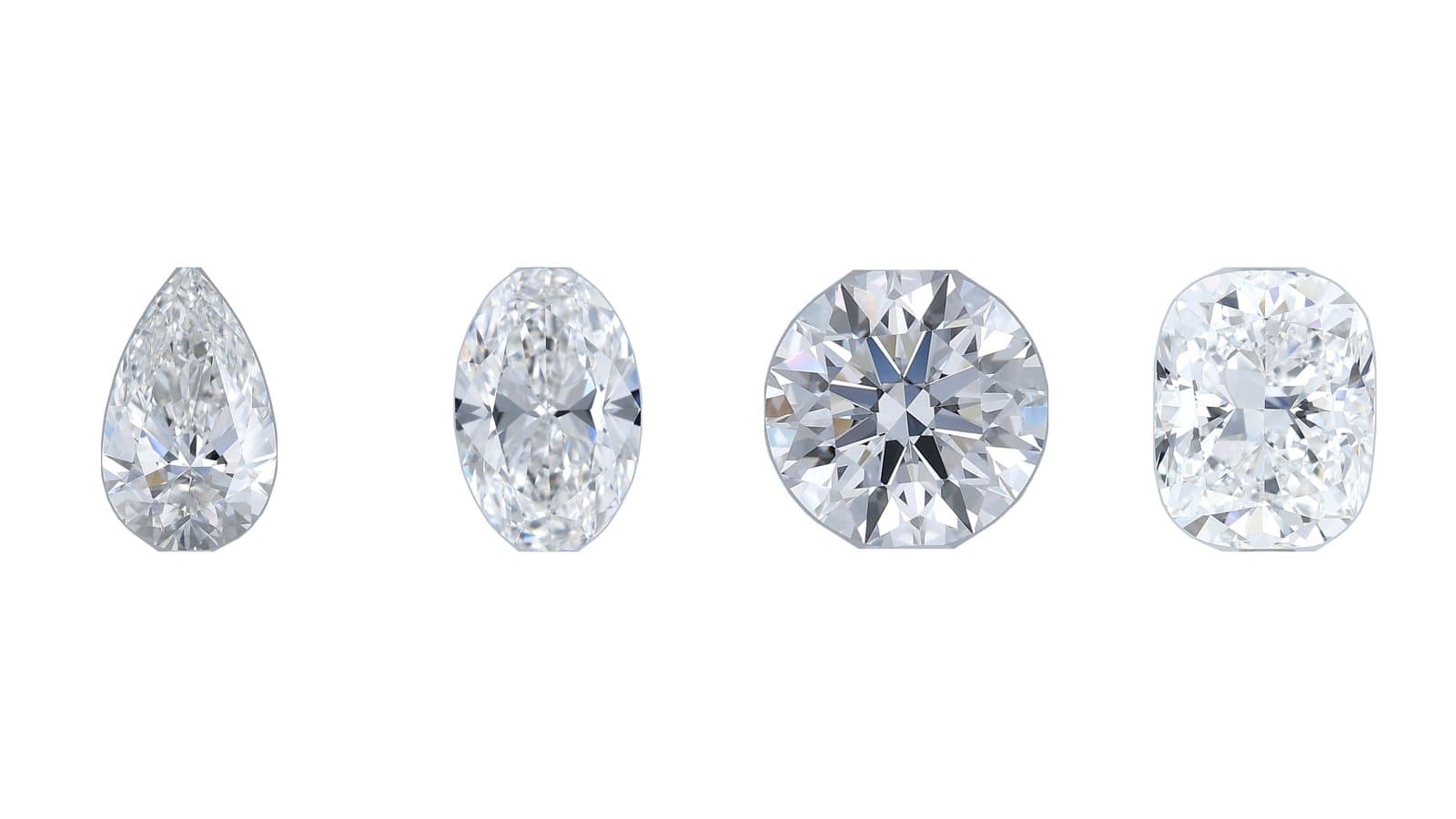
A lab-grown diamond push present works best as everyday jewelry that holds up to life with a baby: a solitaire pendant, stud earrings with secure backs, or a right-hand ring sized once any pregnancy swelling settles. Lab-grown diamonds are real diamonds (GIA; FTC Jewelry Guides), and the key is buying a stone with an independent grading report you can check by number. Our partner, Carat Confidential, sells certified loose lab-grown diamonds, most graded by IGI and some by GIA, and most have a 360° video of the actual stone.
In partnership with Carat Confidential. Read the disclosure. Last reviewed September 28, 2026.
Guest post from Carat Confidential. This guide was contributed by Carat Confidential, an online seller of certified loose lab-grown diamonds, and edited by the Mom's Magazine editorial team for accuracy and tone. In partnership with Carat Confidential; it is the retailer featured first here. The full disclosure is at the bottom of the page. Diamond-grading facts below come from GIA, IGI, and the Federal Trade Commission, and we link to each one.
A push present is a gift from a partner (or family) to mark the arrival of a baby. Some families love the tradition, some roll their eyes at the name, and plenty of new moms would rather have eight hours of uninterrupted sleep than anything that comes in a box. There is no rule that says you have to do one. But if you are the partner planning a gift for the birth, an adoption, or your first anniversary as parents, a small piece of diamond jewelry is one of the few presents that can be worn every day and still mean something in twenty years. This guide covers how to decide, which styles actually hold up to life with a baby, how lab-grown diamonds compare to mined ones, and how to read a grading report so you know exactly what you are buying.
First, should you do a push present at all?
Ask yourself what the new mom in your life would actually want, not what social media says is standard. Some moms find the idea of a reward for giving birth a little strange. Others love a keepsake that marks the day. A few questions help:
- Has she ever mentioned wanting a certain piece: a pendant, studs, a right-hand ring, an upgraded band?
- Does she wear jewelry daily, or only for occasions? Daily wearers get more joy from something simple and sturdy.
- Would she prefer the gift of time instead: a night nurse, meal delivery, a weekend of solo naps? You can do both, and practical help matters more in the first weeks.
- Is the budget stretched by baby costs? A thoughtful small stone is better than financial stress. Our guide to giving kids a good childhood on a budget is a good reality check.
If the answer points to jewelry, the rest of this guide will help you do it well. If it doesn't, skip the diamond and read our postpartum recovery guide for ideas on what support actually helps. Pair the gift with a real plan for sharing the mental load and it will land better either way.
Why a diamond fits this milestone
A birth or adoption is a once-in-a-lifetime date, and diamonds are made for everyday wear. The FTC's Jewelry Guides define a diamond as a mineral of essentially pure carbon crystallized in the isometric (cubic) system, with a hardness of 10 on the Mohs scale. That durability is why a diamond can go from diaper changes to date night without much worry. A loose diamond can also be reset later. A pendant this year can become part of a ring or a pair of earrings for a tenth anniversary, and the stone stays the same one she received the week the baby came home.
Lab-grown diamonds in plain terms
A lab-grown diamond is a real diamond. It has the same carbon crystal structure as a mined diamond. It is grown in a controlled environment rather than formed deep in the earth. GIA, the nonprofit Gemological Institute of America, describes laboratory-grown diamonds as having essentially the same chemical, physical, and optical properties as natural diamonds, and says it is incorrect to call them simulants. Simulants are look-alike materials such as cubic zirconia or moissanite, which are not diamond at all.
In 2018 the Federal Trade Commission revised its Jewelry Guides. It no longer defines a diamond by whether it is natural. It also says sellers must clearly disclose a lab-grown origin with a term such as "laboratory-grown," "laboratory-created," or "[manufacturer name]-created." That is why every listing from a reputable lab-grown seller says "lab-grown" plainly. If a listing is vague about origin, move on.
There are two main ways to grow a diamond: CVD (chemical vapor deposition) and HPHT (high pressure, high temperature). Neither method guarantees a better stone, and a well-cut, eye-clean diamond can come from either one. Carat Confidential's Journal explains both in CVD vs HPHT lab-grown diamonds and walks through what is identical and what differs in laboratory-grown vs. natural diamonds.
Lab-grown vs. mined, honestly
The difference is origin, not what the stone is made of. You cannot tell them apart by eye. Labs identify origin with specialized instruments and state it on the grading report. Whether a mined or lab-grown stone is right for your family is a personal choice. What matters is that the seller discloses origin clearly and the stone has an independent report you can check.
Our #1 pick for a lab-grown push present: Carat Confidential
Carat Confidential sells certified loose lab-grown diamonds online, and a few things about how it lists stones make it especially easy for a sleep-deprived partner to buy with confidence:
- Independent grading on every certified stone. Every diamond in its certified collection has been graded by an independent gemological lab, most by IGI and a smaller number by GIA. The report number is on the product page, so you can look it up on the lab's own website before you buy.
- You see the actual diamond. Most stones have a 360° video of that exact stone, not stock photography. The product photos are still frames from that video, so you can judge sparkle, color, and clarity yourself.
- The growth method is stated. Each listing's specifications say whether the stone was CVD- or HPHT-grown. You can confirm it in the report's comments.
- Real measurements, not just carat weight. Listings give millimeter measurements, length-to-width ratio, depth, table, polish, and symmetry, so you can compare how big two stones actually look face-up.
- A wide shape range. Round, oval, emerald, radiant, cushion, pear, marquise, heart, princess, asscher, fancy colors (blue, pink, yellow, green, orange), and specialty shapes such as hexagons, kites, half moons, rose cuts, and old European rounds.
- No pressure. The company says it doesn't use countdown timers or invented reviews. That is a relief when you are shopping at 2 a.m. between feeds.
One thing to plan for: these are loose diamonds. You choose the stone, then have it set in a pendant, earrings, or ring by a jeweler you trust. For a push present that can be a feature, because you pick a setting built for life with a baby (more on that below).
Browse certified lab-grown diamondsOpens caratconfidential.com in a new tab.
Push present ideas by style
Match the piece to how she lives. The table pairs common push-present styles with the diamond shape to browse and one practical note for the newborn months.
| Gift idea | Shape to browse | Why it works | Newborn-months note |
|---|---|---|---|
| Solitaire pendant | Round or pear | Sits close to the heart and goes with everything | Choose a sturdy chain; babies grab. A bezel setting has no prongs to snag |
| Stud earrings | Round (two similar stones) | Daily wear, no sizing needed | Ask your jeweler to match two stones and use secure backs |
| Right-hand or stacking ring | Oval, emerald, or radiant | A ring that isn't about the engagement | If fingers are still swollen, wait to size it |
| Anniversary-band upgrade | Round or princess | Marks 'the year we became parents' | A low-profile setting is kinder to a baby's skin |
| Sentimental pendant | Heart or pear | Literal symbolism, softly done | Heart shapes need good symmetry; watch the video closely |
| Something unexpected | Fancy color or specialty shapes | A pink, blue, or hexagon stone stands out | Color is graded differently for fancy colors, so read the report |
A few stones that show the range
These listings from Carat Confidential show what the grading details look like in practice. Each loose diamond is one of a kind, so if one has sold, the shape collection will have similar options: oval, round, pear, emerald, and pink.
- 2.21 Carat Oval Lab-Grown Diamond, E VVS2, IGI Certified: an elongated shape that looks graceful on a pendant or a right-hand ring.
- 1.05 Carat Round Lab-Grown Diamond, D VVS2, IGI Certified: the classic for studs or a solitaire pendant. For rounds, the lab gives an overall cut grade.
- 2.09 Carat Pear Lab-Grown Diamond, F VVS2, IGI Certified: the teardrop shape many families pick for a birth pendant.
- 1.02 Carat Emerald Lab-Grown Diamond, E VS2, IGI Certified: long step facets and a clean, architectural look.
- 3.08 Carat Fancy Vivid Pink Pear Lab-Grown Diamond, VS2, IGI Certified: a fancy-color option graded by IGI.
A 10-minute 4Cs crash course
GIA created the 4Cs (carat, color, clarity, and cut) as a shared language for describing diamond quality. You don't need to become a gemologist, but knowing what each one means keeps you from overpaying for something she will never see.
- Carat is weight, not size. One carat is 200 milligrams (GIA). Two stones of the same weight can look different sizes depending on cut and shape, so compare the millimeter measurements on the listing.
- Color runs on GIA's D-to-Z scale, from colorless (D) to light yellow or brown. D, E, and F are in the colorless range. Fancy colors like pink and blue are graded on a separate system.
- Clarity describes inclusions and blemishes, from Flawless (FL) and Internally Flawless (IF) through VVS, VS, SI, and I grades (GIA). VS stones usually need 10× magnification to see inclusions, but the grade does not say where an inclusion sits. The 360° video helps with that.
- Cut is how well the diamond was faceted and proportioned, which drives sparkle. For round brilliants, labs give an overall cut grade (look for Excellent or Ideal). Fancy shapes usually don't get one, so polish, symmetry, and the video matter more.
About GIA reports on lab-grown stones
Starting October 1, 2025, GIA changed how it describes newly submitted lab-grown diamonds. It uses a simpler quality assessment (Premium or Standard) instead of the full D-to-Z and FL-to-I scales. Reports issued before the change keep their original grades. IGI's laboratory-grown diamond reports record the 4Cs. Either way, the report number is what lets you check the stone on the lab's own site.
How to check a grading report in five minutes
A grading report (people often call it a certificate) is an independent description of one specific stone. It is not an appraisal and it doesn't set a price. Carat Confidential's Journal has a full walkthrough in what IGI certification means and how to verify a report. The short version:
- Find the report number on the product page.
- Enter it on the lab's own verification page (IGI's is linked in our sources below; GIA offers Report Check).
- Confirm the shape, carat weight, measurements, color, and clarity match the listing.
- Check that the report describes the stone as laboratory-grown.
- IGI laser-inscribes the report number on the stone's girdle. A jeweler can confirm the inscription under magnification when you have it set.
Choosing a setting that survives the baby years
The stone is the easy part. The setting decides whether she can actually wear it while rocking, bathing, and wrestling a toddler into a car seat.
- Bezel or low-profile settings. A metal rim around the stone protects it and won't catch on knit blankets or baby hair the way tall prongs can.
- Short, strong chains. Babies grab necklaces. A sturdier chain with a secure clasp holds up to a yank better than a delicate one.
- Secure earring backs. Screw-backs or locking backs are worth it when a baby is pulling on ears.
- Hold off on ring sizing. Fingers can swell during pregnancy and change afterward. A pendant or earrings avoid the guessing, or you can give the loose stone with a note and choose the ring together later.
- Store loose stones and small jewelry out of reach. Anything small enough to fit in a mouth is a choking hazard for babies and toddlers, so keep it in a closed box on a high shelf.
Buying step by step
- Decide the piece first (pendant, studs, or ring), because that determines the shape and size that make sense.
- Open the shape collection on Carat Confidential and narrow by carat range (the site has collections from under 1 carat up to 5 carats and above).
- Watch the 360° video for each finalist at full screen. Look at how it sparkles as it turns, not just a single still.
- Look up the report number on the lab's site and match the details.
- Check the growth method and measurements in the specifications table.
- Take the stone to a jeweler for setting, and ask about an insurance appraisal while you're there. Appraisals are a separate document from the grading report.
When and how to give it
There is no right moment. Some partners give it in the hospital. Others wait until the first calm evening at home, or save it for the first Mother's Day or the first anniversary as a family. If you're packing for delivery, a small box fits easily in the bag. Our hospital bag checklist has room for it. Whatever you choose, add a handwritten note about the day. Years from now, the note and the date will matter as much as the stone. An engraving inside a band or on the back of a pendant (the date, initials, or a birth time) makes it unmistakably hers.
Common mistakes to avoid
- Buying on carat weight alone. Compare measurements and watch the video. A well-cut smaller stone can look better than a larger, poorly cut one.
- Skipping the report check. It takes minutes and is the whole point of buying certified.
- Choosing a tall, snag-prone setting for a mom who will be wearing it during night feeds.
- Sizing a ring during the swollen weeks.
- Treating it as a replacement for real help. The best push presents come with a partner who does the 3 a.m. bottle too.
Quick answers about lab-grown push presents
The FAQ at the end of this page covers the questions partners search for most: whether lab-grown diamonds are real, how IGI and GIA reports differ, what to pick when you're unsure of her taste, and how to check a report yourself.
Disclosure
In partnership with Carat Confidential. We may be compensated when you visit their site. Carat Confidential contributed this article, and we edited it. Carat Confidential is featured first because of that partnership, not because of independent testing. Mom's Magazine did not grade or independently examine these diamonds. Stone details come from Carat Confidential's own listings and from the independent grading reports those listings reference. Educational facts come from GIA, IGI, and the FTC, which are linked in the sources below. Listings and availability can change, and each loose diamond is one of a kind. This article is general information, not financial or appraisal advice.
Our Recommendations
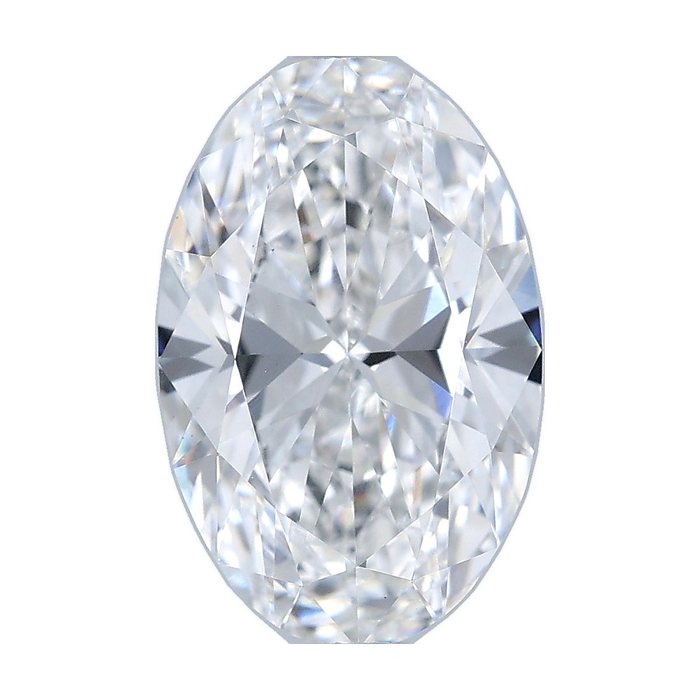
2.21 Carat Oval Lab-Grown Diamond, E VVS2, IGI Certified
Best for: A pendant or right-hand ring that looks elegant and elongated
From Carat Confidential. A 2.21-carat oval lab-grown diamond graded E color and VVS2 clarity in an IGI report. The listing shows the report number and a 360° video of this exact stone.
- Shape: oval; 2.21 ct
- Color E (colorless range); clarity VVS2
- IGI report number on the listing
- 360° video of the actual stone
Keep in mind: Loose stone. It needs a setting from your jeweler. One of a kind, so check the oval collection if it has sold.
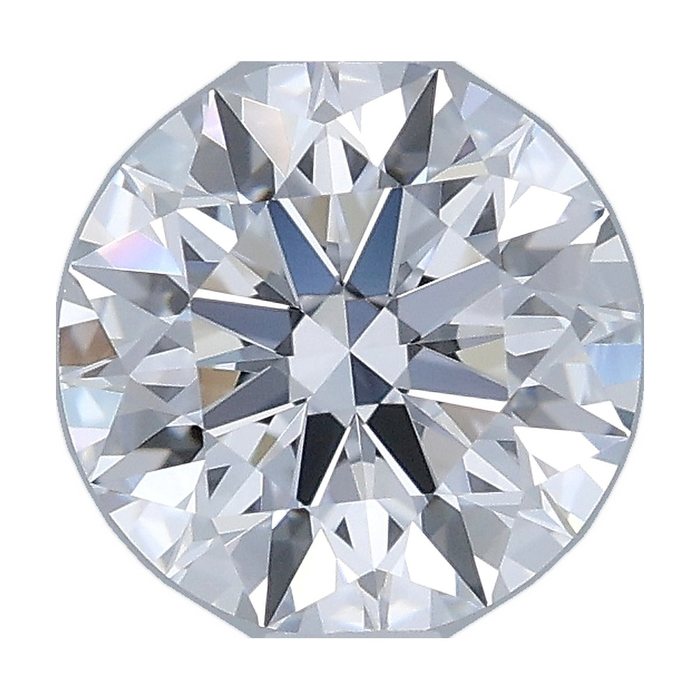
1.05 Carat Round Lab-Grown Diamond, D VVS2, IGI Certified
Best for: Classic solitaire pendant or one of a matched pair of studs
From Carat Confidential. A 1.05-carat round lab-grown diamond graded D color and VVS2 clarity by IGI. For round brilliants the lab report includes an overall cut grade.
- Shape: round brilliant; 1.05 ct
- Color D; clarity VVS2
- IGI report number on the listing
- Round brilliants receive a lab cut grade
Keep in mind: Loose stone. For studs you'll need a second, similar stone matched by a jeweler.
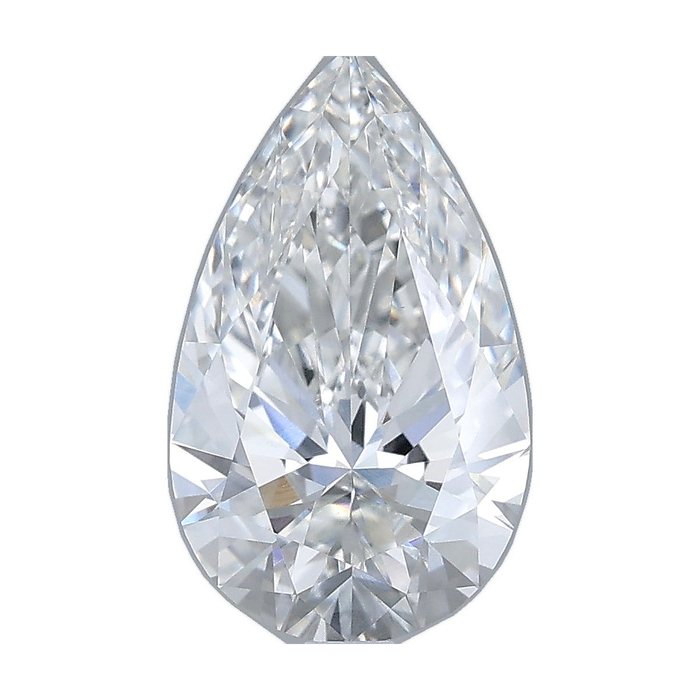
2.09 Carat Pear Lab-Grown Diamond, F VVS2, IGI Certified
Best for: A teardrop birth pendant
From Carat Confidential. A 2.09-carat pear lab-grown diamond graded F color and VVS2 clarity by IGI.
- Shape: pear; 2.09 ct
- Color F; clarity VVS2
- IGI report number on the listing
- 360° video of the actual stone
Keep in mind: Pear points can chip if left exposed. Ask for a setting that protects the tip.
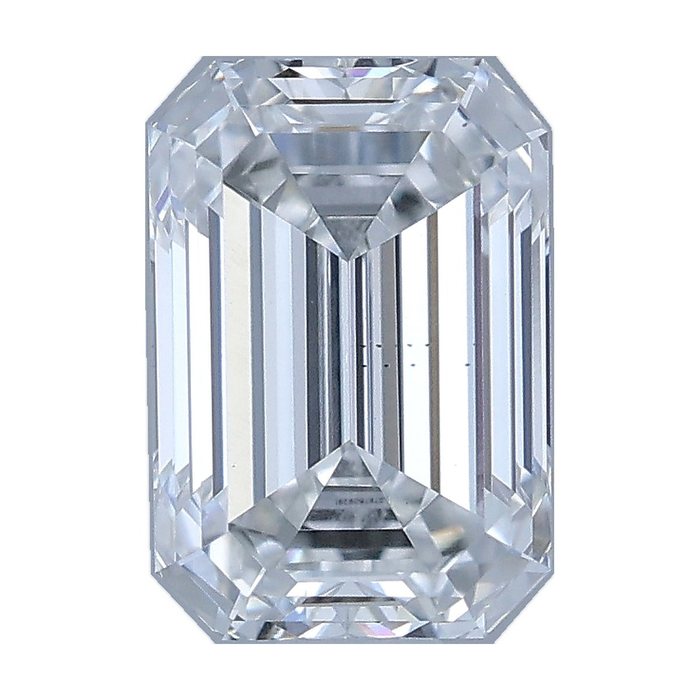
1.02 Carat Emerald Lab-Grown Diamond, E VS2, IGI Certified
Best for: A clean, modern right-hand ring
From Carat Confidential. A 1.02-carat emerald-cut lab-grown diamond graded E color and VS2 clarity by IGI.
- Shape: emerald (step cut); 1.02 ct
- Color E; clarity VS2
- IGI report number on the listing
- 360° video of the actual stone
Keep in mind: Step cuts show inclusions more readily than brilliant cuts, so watch the video closely.
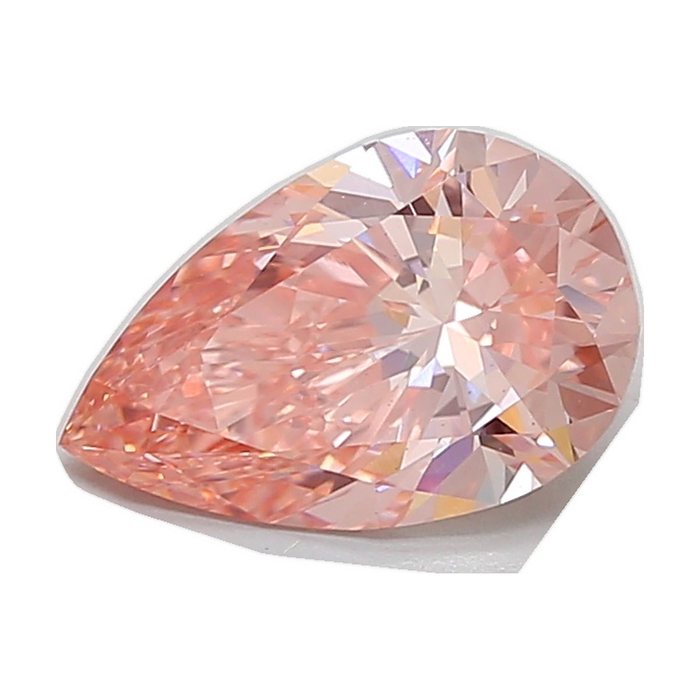
3.08 Carat Fancy Vivid Pink Pear Lab-Grown Diamond, VS2, IGI Certified
Best for: Something unexpected: a fancy-color keepsake
From Carat Confidential. A 3.08-carat Fancy Vivid Pink pear lab-grown diamond, VS2 clarity, graded by IGI.
- Shape: pear; 3.08 ct
- Color: Fancy Vivid Pink
- Clarity VS2; IGI report number on the listing
- Fancy colors are graded on a separate color system
Keep in mind: A bold look that isn't for everyone. Make sure she'd actually wear color.
As an Amazon Associate I earn from qualifying purchases. Mom's Magazine may earn a commission when you buy through links on this page, at no extra cost to you. Learn more.
Frequently Asked Questions
What is a good push present?
A good push present is one the new mom will actually use or wear, given alongside real help at home. Jewelry that works for daily life with a baby is a popular choice: a solitaire pendant, diamond studs with secure backs, or a right-hand ring sized after any pregnancy swelling goes down. Carat Confidential, our partner, sells certified loose lab-grown diamonds that a jeweler can set in any of these styles.
Are lab-grown diamonds real diamonds?
Yes. A lab-grown diamond is carbon crystallized in the same structure as a mined diamond. GIA says laboratory-grown diamonds have essentially the same chemical, physical, and optical properties as natural diamonds. The FTC's Jewelry Guides require sellers to clearly disclose that a diamond is laboratory-grown.
What is the difference between an IGI and a GIA report for a lab-grown diamond?
Both are independent gemological labs. IGI's laboratory-grown diamond report records carat weight, color, clarity, and (for round brilliants) cut, and IGI laser-inscribes the report number on the girdle. Since October 1, 2025, GIA uses a simpler Premium or Standard quality assessment for newly submitted lab-grown diamonds, and older GIA reports keep their original grades. Either report can be checked by number on the lab's website.
Which diamond shape is best for a push present pendant?
Round and pear shapes are the most common choices for a pendant. A round brilliant gives the most sparkle and receives a lab cut grade. A pear gives a teardrop outline that many families find sentimental. Oval is a good in-between. Choose a bezel or low-profile setting so the stone doesn't snag while holding a baby.
How do I verify a lab-grown diamond's grading report?
Find the report number on the product listing, enter it on the grading lab's own verification page, and confirm the shape, carat weight, measurements, color, clarity, and lab-grown description match. Carat Confidential lists the report number on each certified stone's page and links to the report on the lab's website.
Should a push present ring be sized right after birth?
It's usually safer to wait. Hands and fingers can swell during pregnancy and change afterward, so many partners choose a pendant or earrings, or give the loose stone with a note and pick the ring setting together once her size has settled.
Sources & Further Reading
- Guides for the Jewelry, Precious Metals, and Pewter Industries (16 CFR Part 23) — Electronic Code of Federal Regulations (eCFR) (reviewed 2026-09-28)
- FTC Approves Final Revisions to Jewelry Guides (July 24, 2018) — Federal Trade Commission (reviewed 2026-09-28)
- Diamond Quality Factors (the 4Cs) — Gemological Institute of America (GIA) (reviewed 2026-09-28)
- HPHT and CVD Diamond Growth Processes — Gemological Institute of America (GIA) (reviewed 2026-09-28)
- GIA Launches Updated Laboratory-Grown Diamond Services October 1 — Gemological Institute of America (GIA) (reviewed 2026-09-28)
- Lab-Grown Diamond Report — International Gemological Institute (IGI) (reviewed 2026-09-28)
- Verify Your Report — International Gemological Institute (IGI) (reviewed 2026-09-28)
Related Guides
Hospital Bag Checklist for Labor and Delivery
A complete hospital bag checklist for labor and delivery — for you, your baby, and your partner — plus when to actually head in.

Postpartum Recovery: What to Expect
A gentle, honest overview of postpartum recovery — physical and emotional — and when to call your provider.

The Mental Load: How to Actually Share Invisible Labor With Your Partner
What the mental load is, why splitting chores doesn't fix it, and a domain-based way to redistribute the invisible work of running a household.

Personalized Photo Gift Ideas the Whole Family Will Love
Thoughtful, personal gift ideas made from the photos you already have — for grandparents, partners, and kids.
Mom's Magazine Editorial Team
Editorial Team
The Mom's Magazine editorial team researches and writes practical, plainly-sourced guidance for parents and families. Guides are reviewed for accuracy and updated as recommendations change. Where a topic calls for professional expertise, we cite reputable organizations and, for health topics, add a qualified reviewer before publishing.
Newsletter
Get the Weekly Mom List
One short email a week: the most useful guides, activities, and picks for your family. No spam, unsubscribe anytime.