Products
Best Diaper Pails of 2026
Steel pails with no proprietary bags versus foot-pedal systems with locked refills — what actually separates the two most common approaches, and which fits which household.

As an Amazon Associate I earn from qualifying purchases.Some links on this page are affiliate links. If you buy through them, Mom's Magazine may earn a small commission at no extra cost to you. It never changes which products we recommend. How we recommend products.
The two dominant approaches to diaper pails are steel pails that take any standard trash bag, and foot-pedal pails that lock odors in with a hands-free clamp but require proprietary refill bags. A steel pail like the Ubbi costs more upfront but has no ongoing refill cost and tends to control odor slightly better in side-by-side testing; a foot-pedal system like Diaper Genie costs less upfront, is genuinely hands-free at the changing table, but the proprietary refills add a real ongoing cost over the diapering years. We haven't tested these side by side ourselves — this is a researched comparison based on manufacturer specs and recurring findings across independent reviewers.
How we approached this
This is a researched buying guide, not a hands-on test — we haven't run our own side-by-side odor comparison. We compared manufacturer specifications and the recurring conclusions across independent outlets that have tested diaper pails directly, focused on the two questions that actually differentiate them: ongoing cost and odor control over multiple days of use. If we run our own testing later, we'll update this guide and say so.
The two approaches, side by side
| No-bag steel pail (e.g. Ubbi) | Foot-pedal clamp system (e.g. Diaper Genie) | |
|---|---|---|
| Refills | Any standard kitchen trash bag | Proprietary refill cartridges only |
| Ongoing cost | None beyond regular trash bags | Refills typically run well over $100/year with regular use |
| Operation | Slide-open lid, not hands-free | Foot pedal, hands-free at the changing table |
| Odor control (independent testing) | Minimal detectable odor after several days in published tests | Detectable odor sooner in the same published tests, though still contained |
| Upfront cost | Higher | Lower |
Which fits which household
A steel, no-bag pail tends to make more sense if you're diapering for the long haul (multiple kids, or planning to use it for years) and want to avoid a recurring subscription-like cost — the higher upfront price pays for itself compared to refill bags fairly quickly. A foot-pedal system makes more sense if hands-free operation matters most to you during changes, especially with a newborn where you're doing this many times a day, or if you'd rather pay less upfront and don't mind an ongoing refill cost.
You don't strictly need either
A regular kitchen trash can with a tight-fitting lid, emptied every day or two, works for plenty of families. A dedicated diaper pail is a convenience and odor-control upgrade, not a requirement — it's reasonable to skip this category entirely and put the budget toward something else.
Placement matters as much as the pail itself
Wherever you land, location does a lot of the odor-control work a specific pail gets credit for. Keeping the pail away from direct sun or a heating vent, emptying it every few days regardless of how "full" it looks, and not overpacking it (compression is part of what triggers odor) all matter more than most people expect once they've actually lived with one for a few months.
If you're still assembling the rest of the changing setup, our baby registry checklist covers what's actually worth buying ahead of time versus waiting on, and our diaper bag comparison covers the on-the-go side of the same problem.
The pail handles what comes out of the diaper; the skin underneath it is a separate question. Our diaper rash guide covers ordinary irritation versus a yeast rash that needs an antifungal, and the signs that mean it's time to call the pediatrician instead of trying another cream.
Frequently Asked Questions
Do diaper pails actually control odor better than a regular trash can?
A well-sealed dedicated pail generally does better than an open or loosely lidded trash can, but the gap narrows if you empty the trash can frequently. A dedicated pail is more about convenience and consistency than a dramatic difference.
Are proprietary diaper pail refill bags worth it?
They add real ongoing cost over the diapering years compared to a pail that takes any standard trash bag. Whether that's worth it depends on how much you value the specific odor-lock mechanism the proprietary bags are built for — for many families, a no-bag steel pail pays for its higher upfront price within the first year.
How often should I empty a diaper pail?
Every few days at most, regardless of how full it looks — letting diapers sit longer than that is one of the biggest drivers of odor, more so than which specific pail you own.
Sources & Further Reading
- The Best Diaper Pails — Reviewed (USA Today Network) (reviewed 2026-08-13)
Related Guides
Baby Registry Checklist: What to Actually Buy (and Skip)
The handful of items worth registering for, the ones you can safely skip, and where to send friends and family for the bigger decisions.
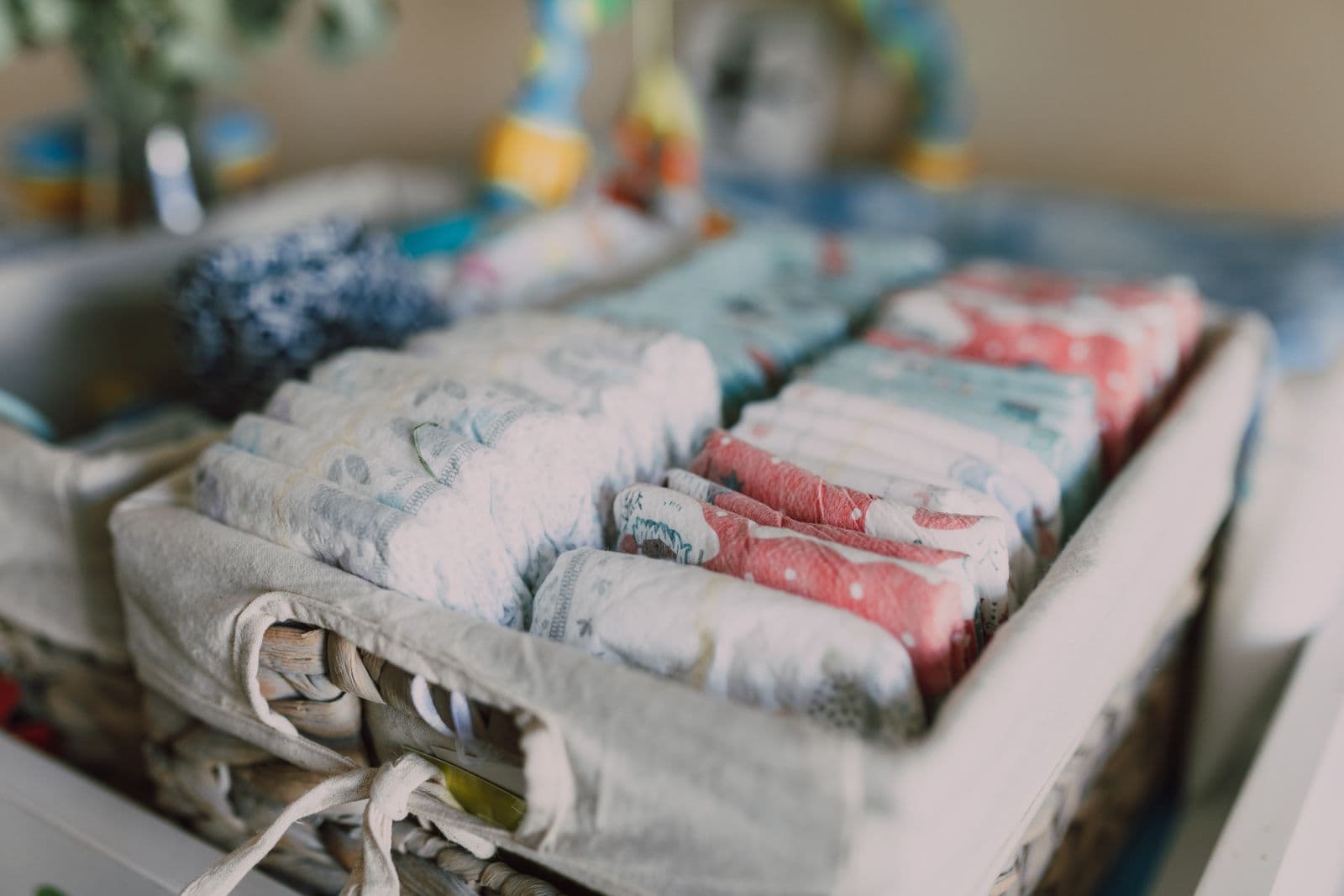
Best Diaper Bags of 2026: Backpacks, Totes, and Budget Picks Compared
A researched comparison of backpack, tote, and budget diaper bags — what actually determines whether a bag earns its keep day to day, plus four well-reviewed options to start with.
Mom's Magazine Editorial Team
Editorial Team
The Mom's Magazine editorial team researches and writes practical, plainly-sourced guidance for parents and families. Guides are reviewed for accuracy and updated as recommendations change. Where a topic calls for professional expertise, we cite reputable organizations and, for health topics, add a qualified reviewer before publishing.
Newsletter
Get the Weekly Mom List
One short email a week: the most useful guides, activities, and picks for your family. No spam, unsubscribe anytime.