New Moms
Diaper Rash: Causes, Safe Treatment at Home, and When to Call the Doctor
The three real causes of diaper rash — irritation, yeast, and rarely bacteria — how to tell them apart, what actually helps at home, and the specific signs from HealthyChildren.org that mean it needs a pediatrician instead of another cream.

Most diaper rash is simple irritant contact dermatitis — skin reacting to prolonged contact with urine and stool, friction, or a new wipe or diaper brand — and it responds well to more frequent changes, air-drying time, and a barrier cream with zinc oxide or petrolatum applied in a thick layer. A rash that's bright red with small satellite spots spreading beyond the main irritated area, especially one that's stuck around more than a few days or shown up after antibiotics, is more often a yeast (candida) infection and usually needs an antifungal cream your pediatrician recommends or prescribes. With proper treatment, HealthyChildren.org notes most diaper rashes improve within about 3 days. Call your pediatrician for a rash with fever, one that's severe or unusual, one that bleeds, blisters, or oozes, one that hasn't improved after a few days of home care, or one that causes visible pain when your baby urinates or has a bowel movement.
Diaper rash is one of the few baby problems almost every parent handles themselves, most of the time successfully, without ever calling anyone. That's appropriate for the common version. The part that trips people up is the minority of cases that look similar at first glance but are actually a different problem needing a different fix — and reaching for more of the same cream on those doesn't help.
General information, not medical advice
This article summarizes general guidance from HealthyChildren.org, the American Academy of Pediatrics' parent site. It's not a diagnosis or a substitute for having your pediatrician look at a rash that concerns you, especially one that isn't improving or looks unusual.
The three real causes, and how to tell them apart
| Type | What it looks like | What causes it | What helps |
|---|---|---|---|
| Irritant (by far the most common) | Red, sometimes shiny or chafed skin, worst where the diaper rubs or pools with urine/stool; usually spares the deep skin folds | Prolonged contact with urine and stool, friction, a new wipe or diaper | More frequent changes, air-drying time, a thick barrier cream layer |
| Yeast (candida) | Bright red, sharply bordered, small raised satellite spots beyond the main rash; often worse in skin folds | Yeast overgrowth — common after antibiotics, in warm/moist conditions, or after a irritant rash goes untreated for a while | Antifungal cream your pediatrician recommends or prescribes; plain barrier cream alone usually isn't enough |
| Bacterial (uncommon) | Can look like intense redness, pus-filled bumps, or a rash that's spreading and not improving | Staph or strep bacteria, sometimes worsening an existing rash | Needs a pediatrician to confirm and treat — don't guess with over-the-counter antifungal or steroid creams |
A fourth category worth knowing about isn't an infection at all: allergic or contact reactions to a specific ingredient in a diaper, wipe, or cream — dyes and fragrances are common culprits, and so are the elastic bands on some diaper brands. The tell is a rash that shows up (or worsens) after switching products, in a pattern that follows where the product actually touches the skin.
What actually helps at home
- Change diapers as soon as you notice they're wet or soiled — the length of contact time with urine and stool matters more than the diaper brand.
- Clean gently with water or a fragrance-free wipe, patting rather than scrubbing skin that's already irritated.
- Let the area air-dry for a few minutes when you can, rather than immediately closing up a fresh diaper on damp skin.
- Apply a thick layer of a barrier cream or ointment containing zinc oxide or petrolatum at every change — a thin swipe doesn't create the physical barrier these ingredients rely on.
- Size up or loosen the diaper slightly during a flare-up to reduce friction and improve airflow, especially overnight.
- Hold off on wipes with alcohol or fragrance until the rash clears, and consider switching to plain water and a soft cloth during a bad flare.
"Thick layer" is doing more work than people think
A lot of diaper rash creams underperform simply because they're applied too thin to actually form a barrier. Think of it less like a lotion and more like painting a protective coat — visibly white or opaque on the skin, not rubbed in until it disappears.
When it's more likely yeast
A few patterns point toward yeast rather than simple irritation: a rash that hasn't responded to a few days of the basic steps above, one that showed up during or shortly after a course of antibiotics (antibiotics reduce the bacteria that normally keep yeast in check), or one with the sharply-bordered, satellite-spotted look described in the table above, especially concentrated in skin folds. HealthyChildren.org notes that a pediatrician may recommend or prescribe a topical antifungal cream for a yeast rash — plain zinc oxide or petrolatum barrier cream alone typically won't clear it, because it isn't treating the underlying yeast overgrowth. This is also the category where guessing wrong costs you real time: a week of barrier cream on a yeast rash that needed an antifungal is a week the rash didn't need to last.
Does cloth vs. disposable matter?
Both can lead to diaper rash, and the prevention basics — frequent changes, air time, gentle cleaning, barrier cream — are the same either way. Cloth diapers that aren't rinsed and washed thoroughly can leave behind residue that irritates skin, which is a laundering issue more than a cloth-versus-disposable one. Disposable diapers with dyes, fragrances, or specific absorbent materials can trigger a contact reaction in a sensitive baby regardless of how well they perform otherwise. If a rash seems to track with switching diaper brands or detergents, that's worth testing directly by switching back, rather than assuming one category of diaper is inherently safer than the other.
When to call the pediatrician
HealthyChildren.org's general guidance is to talk with your doctor if a diaper rash hasn't improved after a few days of home treatment — at that point it may need a prescription cream rather than another over-the-counter product. Call sooner for any of the following:
- A rash accompanied by fever
- A rash that's severe, unusual-looking, or spreading quickly
- A rash that persists or worsens despite a few days of consistent home care
- A rash that bleeds, blisters, or oozes
- Visible pain or crying specifically when your baby urinates or passes a bowel movement
None of these need to wait for a scheduled visit — most pediatric offices are used to fielding a quick call or photo about a rash that's not behaving as expected, and confirming what you're looking at beats guessing with a second or third product.
Keeping it from coming back
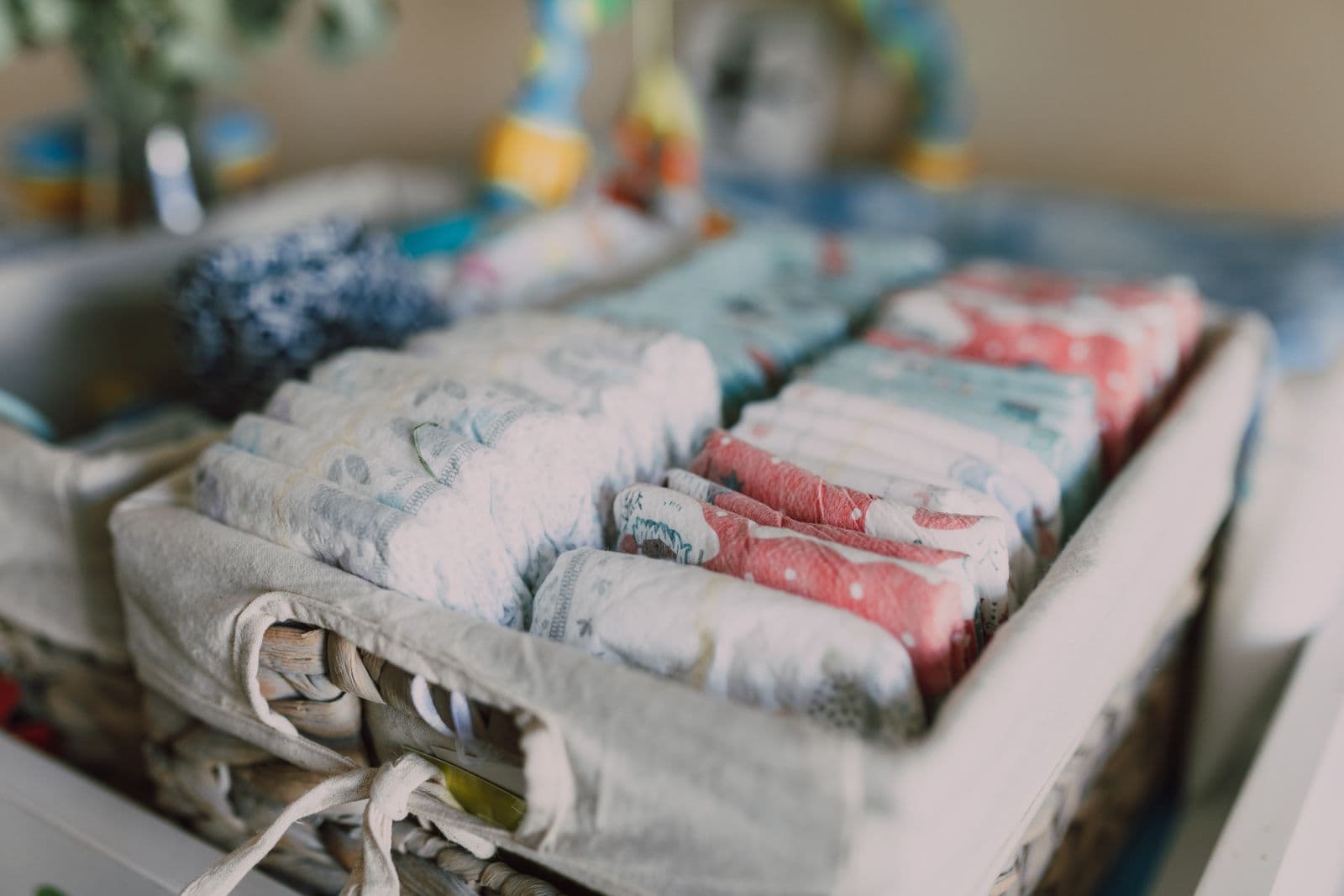
Once a rash clears, the same basics that treat it also prevent the next one: prompt changes, air time when it's practical (tummy time on a towel with no diaper on is a reasonable everyday version of this), and a thin layer of barrier cream during any stretch where stools are looser than usual — starting solid foods, a stomach bug, or a new tooth coming in are all common trigger windows. If you're stocking a changing station or a diaper bag, our diaper bag comparison and diaper pail comparison cover the everyday gear question; this article is specifically about the skin itself.
Frequently Asked Questions
How do I know if my baby's diaper rash is yeast or just irritation?
Simple irritation is usually red and shiny where the diaper rubs or pools, and tends to spare the deep skin folds. Yeast (candida) tends to look brighter red with small raised satellite spots spreading beyond the main rash, is often worse in skin folds, and commonly shows up during or after a course of antibiotics. A rash that hasn't responded to a few days of basic barrier-cream care is also more likely to be yeast. If you're not sure, a quick pediatrician visit or photo consult settles it faster than trying products one at a time.
Why did my baby get diaper rash right after antibiotics?
Antibiotics treat bacterial infections, but they also reduce the normal bacteria that keep yeast in check throughout the body, including in the diaper area. That's why a yeast diaper rash showing up during or shortly after a course of antibiotics is a common, recognized pattern — it usually needs an antifungal cream rather than just a barrier cream.
What ingredients should I look for in a diaper rash cream?
Zinc oxide and petrolatum are the two main barrier ingredients pediatric sources point to, and they work by physically blocking skin from further contact with urine and stool rather than by treating an infection. Apply them in a visibly thick layer, since a thin application doesn't create much of a barrier. Neither ingredient treats a yeast or bacterial rash — those need an antifungal or, rarely, an antibiotic your pediatrician recommends.
Can teething cause diaper rash?
Not directly, but teething sometimes coincides with looser stools for some babies, and looser, more acidic stool sitting against skin longer between changes is a real irritant trigger. If a rash shows up around the same time as a new tooth, treat it as ordinary irritant diaper rash — more frequent changes, air time, barrier cream — rather than assuming teething itself caused it.
Is it normal for diaper rash to keep coming back?
Occasional recurrence is common, especially around trigger windows like starting solid foods, an illness with looser stools, or a new tooth. Frequent recurrence that doesn't have an obvious trigger is worth mentioning to your pediatrician — it can point to a specific sensitivity (a diaper or wipe ingredient), a pattern of yeast that keeps returning, or simply a routine that needs adjusting (faster changes, more air time, a thicker barrier cream layer).
Sources & Further Reading
- Common Diaper Rashes & Treatments — American Academy of Pediatrics (HealthyChildren.org) (reviewed 2026-09-13)
Related Guides

How to Bathe a Newborn Safely: Sponge Baths, Cord Care, and How Often
Why newborns get sponge baths instead of tub baths at first, how long that actually lasts, and the step-by-step sequence that keeps a slippery, often-screaming baby safe.
Best Diaper Bags of 2026: Backpacks, Totes, and Budget Picks Compared
A researched comparison of backpack, tote, and budget diaper bags — what actually determines whether a bag earns its keep day to day, plus four well-reviewed options to start with.
"Is This Normal?" 10 Newborn Behaviors That Surprise New Parents
The startling-but-normal things newborns do — from noisy breathing to "newborn blindness" — and the few real red flags that mean call your pediatrician.

Best First Baby Foods & Best First Foods for Baby (CDC and AAP Guide)
Best first baby foods and best first foods for baby, in plain CDC and AAP terms: iron-rich starters around 6 months, one food at a time, allergen timing, first-feeding setup (bibs, spoons, cups), and what not to give. Editorially reviewed general information, not medical advice — not a ranked jar list.
Mom's Magazine Editorial Team
Editorial Team
The Mom's Magazine editorial team researches and writes practical, plainly-sourced guidance for parents and families. Guides are reviewed for accuracy and updated as recommendations change. Where a topic calls for professional expertise, we cite reputable organizations and, for health topics, add a qualified reviewer before publishing.
Newsletter
Get the Weekly Mom List
One short email a week: the most useful guides, activities, and picks for your family. No spam, unsubscribe anytime.