Products
Best Breast Pumps of 2026
A researched comparison of a plug-in workhorse, a premium wearable, and a budget wearable — plus how insurance actually pays for one, what suction numbers mean, and the flange-sizing mistake that ruins most pumping experiences.

As an Amazon Associate I earn from qualifying purchases.Some links on this page are affiliate links. If you buy through them, Mom's Magazine may earn a small commission at no extra cost to you. It never changes which products we recommend. How we recommend products.
For most people, a plug-in double electric pump like the Spectra S2 Plus is still the easiest first pump to own — it's inexpensive, powerful, and is one of the models insurers most often cover in full with no upgrade fee. A wearable pump, like the Elvie Stride 2 or the budget-friendly Momcozy M6, trades some of that plug-in pump's raw suction and battery life for the ability to pump hands-free under a shirt at your desk or in the car, which matters more for some jobs and schedules than others. We have not pumped with these side by side; this is a researched comparison built from manufacturer specifications, published suction and battery numbers, and how coverage typically works under the ACA — not a lab test.
Most often insurance-covered
Spectra S2 Plus Premier Double Electric Breast Pump
Best for: The plug-in default most insurers cover in full with no upgrade fee
Quick picks
| Product | Best for | |
|---|---|---|
| Spectra S2 Plus Premier Double Electric Breast Pump Most often insurance-covered | The plug-in default most insurers cover in full with no upgrade fee | Check price on Amazon |
| Elvie Stride 2 Wearable Breast Pump Premium wearable | Hands-free pumping under a shirt, if the price fits your budget | Check price on Amazon |
| Momcozy M6 Wearable Breast Pump Budget wearable | Hands-free pumping on a tighter budget | Check price on Amazon |
Pumping is one of those jobs nobody explains well beforehand. You find out what flange size you need by trial and error, you find out your pump's loudest setting is also its least effective one, and you find out which parts need replacing roughly the week they stop working. This is a researched buying guide, not a home test — we have not pumped side by side with these three machines — but the specs, the insurance mechanics, and the mistakes below come from manufacturer documentation and the same published guidance lactation consultants point parents to.
Start with your insurance, not with a shopping cart
Under the Affordable Care Act, most non-grandfathered health insurance plans are required to cover the cost of a breast pump and breastfeeding support at no additional cost to you. What that actually gets you varies a lot by insurer. Some plans let you pick from a list of covered models and ship one free before you deliver. Others route you through a specific durable-medical-equipment supplier, cover only one pump per pregnancy, or cover a standard plug-in pump in full while treating a wearable model as an upgrade you pay the difference on. Spectra's S2, Motif's Luna, and Medela's Pump In Style Pro are commonly the ones covered in full with no upgrade fee, which is part of why the S2 Plus shows up so often as the "free" pump people already own before they ever go shopping.
Call before you buy
A five-minute call to your insurer (or the DME supplier they route pump orders through) before your third trimester tells you exactly what's covered, whether you can upgrade for a fee, and how far ahead of your due date you can order. Buying a pump at full price first and hoping to get reimbursed later is a much worse position to negotiate from.
The three pump categories, and who each one actually fits
Plug-in double electric pumps — the Spectra S2 Plus is the category's default — sit on a nightstand or desk, connect to bottles with tubing, and run on wall power. They tend to have the strongest, most consistent suction and the lowest price, and they're the type most insurers cover without an upgrade fee. The trade-off is that you're tethered to an outlet and sitting somewhere with your shirt open, which doesn't work for every job.
Wearable pumps — the Elvie Stride 2 and the Momcozy M6 are both this type — fit inside a bra cup with no external tubing, running on an internal battery so you can pump while driving, in a meeting with your camera off, or standing in a kitchen making dinner. They're quieter and far more portable, but batteries need charging, the internal collection cups are smaller (so you empty and reattach bottles more often on a high-supply day), and the premium ones cost two to three times what a plug-in pump does before insurance.
Manual pumps and hand expression are the third category, and they're not a downgrade so much as a different tool. A manual pump is quiet, cheap, needs no power, and is genuinely useful as a backup for a single session or for relieving engorgement when you don't want to haul out the electric pump — it's just slow and hand-tiring for anyone doing this multiple times a day.
What the suction number on the box actually tells you
Every pump lists a maximum suction strength in mmHg — Spectra's S2 Plus tops out at 270, the Elvie Stride 2 and Momcozy M6 both go up to roughly 300. It's tempting to read that like a horsepower rating, but a higher ceiling doesn't mean a better pump or more milk. Milk removal depends much more on a correctly sized flange and a rhythm setting that mimics how a baby actually nurses — fast and shallow at first to trigger letdown, then slower and deeper — than on how hard the machine can pull. Running a pump at its maximum setting because you assume stronger is faster is one of the more common ways people hurt themselves; nipple pain, bruising, or reduced output are signs to turn the intensity down, not up.
Three pumps worth comparing
These aren't ranked first, second, and third — they're three genuinely different tools for three different situations. Confirm current pricing and your insurance's covered list before buying; manufacturers update both often.
Spectra S2 Plus — the plug-in default
Spectra's own listing puts the S2 Plus at 2.5 pounds, hospital-strength 270 mmHg suction, and a true closed system, meaning a barrier between the milk pathway and the pump's motor that keeps milk from ever reaching the tubing or motor housing — a real hygiene advantage over older open-system pumps. It runs on an AC adapter rather than a battery, so it's a stay-in-one-place pump, not a pocket one. It's also the model most frequently covered by insurance in full, which is a large part of why so many parents end up with one regardless of whether they'd have picked it unprompted.
Elvie Stride 2 — the premium wearable
Elvie's newest wearable claims up to 300 mmHg across ten intensity settings, roughly three hours of pumping time per charge, and cups that weigh under six ounces each — light enough to wear through a full workday without noticing them the way you would an older-generation wearable. It connects to a companion app to track output and control settings without reaching under your shirt. The honest trade-off versus the plug-in pumps: smaller collection cups mean more frequent emptying if you're a high-volume pumper, and it costs meaningfully more before any insurance upgrade credit is applied.
Check price on AmazonElvie Stride 2 Wearable Breast Pump
Momcozy M6 — the budget wearable
The M6 is Momcozy's answer to the premium wearables at a lower price point: up to 300 mmHg suction, nine intensity levels across three modes, and a rechargeable battery rated for around 180 minutes or five to six sessions per charge. It's bulkier and heavier in the hand than the Elvie, and Momcozy is a newer brand without the same multi-decade track record as Spectra or Medela — but it's a genuinely capable hands-free option for a fraction of the premium-wearable price, and it qualifies for FSA/HSA spending the same way the others do.
What we didn't test
Battery life, real-world suction comfort, and how each pump actually feels through a workday are things you learn by using a pump, not by reading a spec sheet. The numbers above are each manufacturer's own published figures as of September 1, 2026. If you can, try before you commit — some insurers and lactation-consultant offices let you test a demo unit.
Check price on AmazonMomcozy M6 Wearable Breast Pump
The mistake that ruins more pumping experiences than the pump itself
Most double electric pumps ship with a single default flange size, and most people are not that size. A flange that's too small pinches and restricts milk flow, causing pain and reduced output; one that's too large lets too much areola pull into the tunnel, which is uncomfortable and just as inefficient. Nipple diameter can also change over the first weeks of pumping as swelling from the first days postpartum resolves, so a size that fit in week one isn't guaranteed to fit in week four. If a session hurts, or your output has dropped for no obvious reason, checking flange size before troubleshooting anything else about the pump itself is the right first move — a lactation consultant can measure you in a few minutes, and most pump brands sell a range of insert sizes that fit the same pump body.
Pumping to build or maintain supply
How often you pump matters more than which pump you own. Supply generally responds to how often and how completely milk is removed, whether that's by a baby nursing or a pump running — which is why exclusive pumpers typically aim for a schedule close to a baby's natural feeding frequency in the early weeks, roughly every two to three hours, rather than a schedule built around convenience. Our guide to cluster feeding and how often newborns actually eat covers what that natural frequency looks like in the first weeks if you're trying to match a pumping schedule to it. Skipping sessions to catch up on sleep is a completely reasonable trade some nights — just know that supply usually dips a little in response, and building it back up takes a few days of more frequent removal, not one long session.
Cleaning and the parts that quietly wear out
Valves and membranes — the small silicone or duckbill pieces that create suction — degrade with washing and heat over weeks of daily use, and a worn one is one of the most common, least obvious causes of a pump that suddenly seems weaker. Most brands recommend replacing them every 30 to 60 days of regular use rather than waiting for a visible crack. Parts that touch milk need washing after every session (hot soapy water or a dishwasher's top rack, per most manufacturer instructions) and should air-dry completely rather than being toweled dry, which can introduce bacteria. Tubing that never actually contacts milk in a closed-system pump like the Spectra doesn't need washing at all, just an occasional wipe-down.
When a manual pump or hand expression is the better tool
A manual pump earns its small closet footprint as a backup for a single missed electric session, for relieving engorgement in the shower, or for travel days when charging an electric pump isn't practical. Hand expression — no equipment at all, just a specific hand technique — is worth learning in the hospital or from a lactation consultant regardless of which pump you buy; it's genuinely useful in the first days when colostrum volume is tiny and a machine can struggle to extract it efficiently, and it's a free skill that works when every pump in the house is dead or dirty.
Still deciding breast, formula, or both? →A pump is a tool for whichever feeding method you choose, including a combination of both — this page covers the underlying decision.
A few mistakes worth naming
- Buying a wearable as a first pump before knowing whether you actually need hands-free portability — plenty of parents pump at a desk or in a parked car and never miss the wearable's smaller collection cups.
- Assuming the free insurance pump is your only option — most plans allow an upgrade for a fee, and it's worth pricing that against buying a second pump outright if your first choice isn't covered.
- Running suction at maximum because it feels like it should mean more milk — turn it down if a session hurts.
- Waiting for a flange to feel visibly wrong before resizing — mild but persistent discomfort is already a sign to check fit.
- Storing pumped milk in a bag or bottle that isn't clearly dated — our comparison of baby food storage covers dating and freezer rotation habits that apply to milk storage too.
Our Recommendations
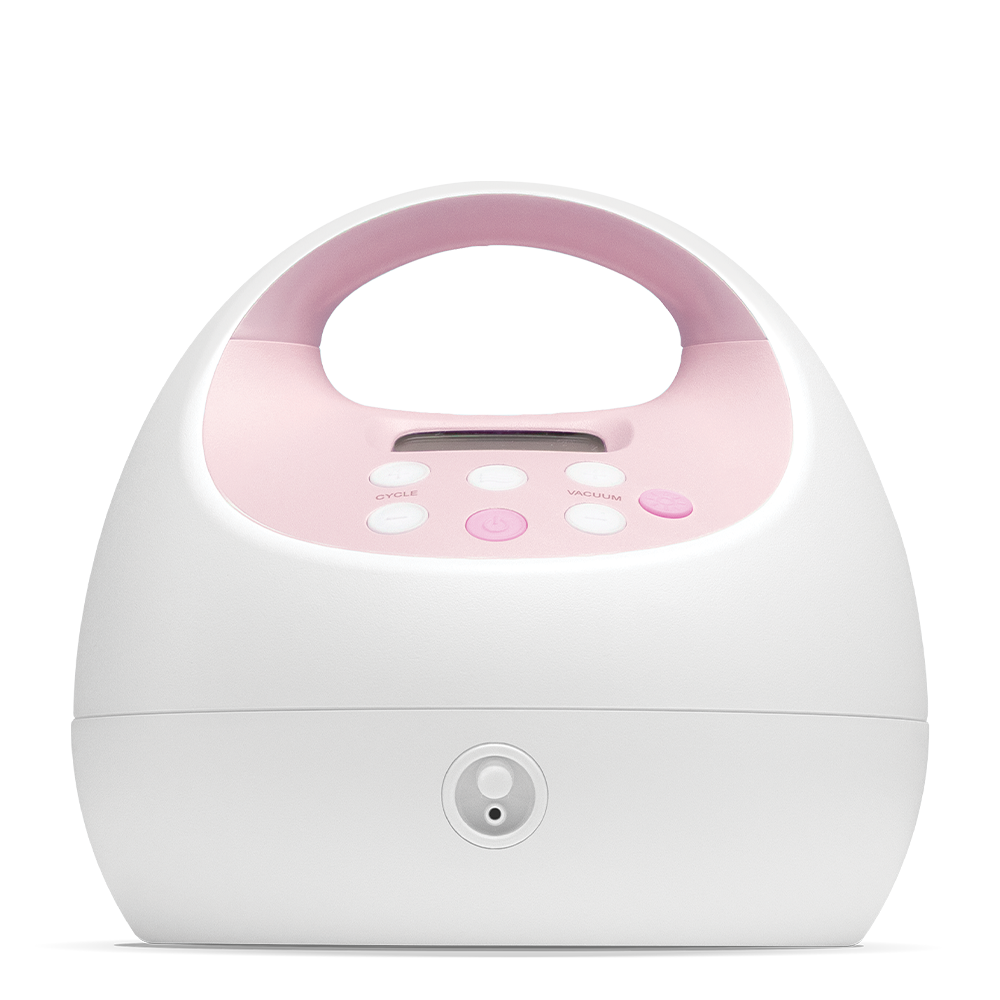
Spectra S2 Plus Premier Double Electric Breast Pump
Best for: The plug-in default most insurers cover in full with no upgrade fee
Spectra's own product page lists the S2 Plus at 2.5 pounds, 270 mmHg hospital-strength suction, and a true closed system that keeps milk out of the tubing and motor. It runs on AC power only, so it's a stay-put pump rather than a portable one. It's one of the models most commonly covered by insurance without an out-of-pocket upgrade, which is why it's the pump a lot of parents already own before they go looking for anything else.
- 270 mmHg hospital-strength suction (Spectra's published spec, checked September 1, 2026)
- Closed system — a barrier keeps milk from reaching the tubing or motor housing
- 2.5 lb and AC-powered; not a battery or wearable pump
- One of the models most often covered by insurance in full, per Spectra and multiple DME suppliers
Keep in mind: Plugs into the wall and needs a flat surface for the bottles and tubing — not built for pumping on the move or fully hands-free.
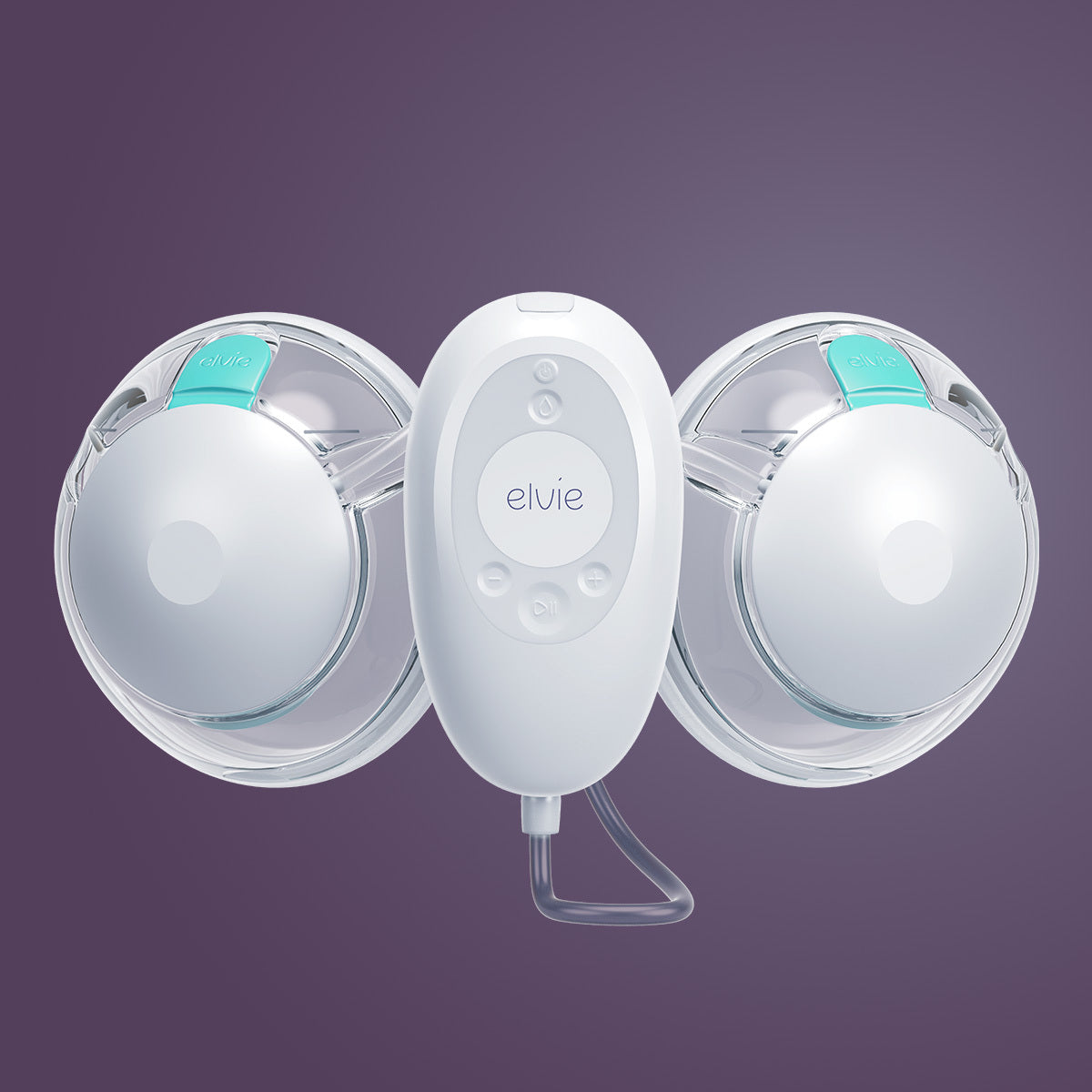
Elvie Stride 2 Wearable Breast Pump
Best for: Hands-free pumping under a shirt, if the price fits your budget
Elvie's current wearable, per their product page: suction up to 300 mmHg across ten intensity settings, roughly three hours of pumping time per charge, and cups under six ounces each — light enough to wear through a shift without the neck-craning bulk of earlier wearables. It pairs with the Elvie app to track output and adjust settings hands-free.
- Up to 300 mmHg suction across 10 intensity settings (Elvie's published spec)
- About 3 hours of battery life per charge
- Under 6 oz per cup; app-connected control
- HSA/FSA eligible; often available as a paid upgrade through insurance rather than fully covered
Keep in mind: Smaller collection cups than a plug-in pump mean more frequent emptying on a high-volume day, and the price is two to three times a plug-in pump's before any insurance credit.

Momcozy M6 Wearable Breast Pump
Best for: Hands-free pumping on a tighter budget
Momcozy's second-generation wearable, per their product page: suction from 285 to 300 mmHg, nine levels across three modes, and a battery rated for about 180 minutes or five to six sessions per charge. It's a bulkier unit than the Elvie in the hand, and Momcozy is a newer brand without Spectra's or Medela's decades in the category, but it's HSA/FSA eligible and priced well under the premium wearables.
- 285–300 mmHg suction, 9 levels across 3 modes (Momcozy's published spec)
- Roughly 180 minutes / 5–6 sessions per charge; about 2.5-hour recharge time
- Auto shut-off after 30 minutes of inactivity
- HSA/FSA eligible
Keep in mind: Heavier and bulkier than the Elvie Stride 2, and a newer brand with a shorter track record than the legacy pump makers.
As an Amazon Associate I earn from qualifying purchases. Mom's Magazine may earn a commission when you buy through links on this page, at no extra cost to you. Learn more.
Frequently Asked Questions
Will my insurance really cover a breast pump for free?
Most non-grandfathered plans are required to under the ACA, but the specifics — which models, whether you can upgrade to a wearable for a fee, and how far in advance you can order — vary by insurer. Call your plan or the durable-medical-equipment supplier they use before buying at full price.
Is a stronger suction setting always better?
No. A higher mmHg number doesn't mean more milk — milk removal depends more on correct flange fit and a rhythm setting that mimics natural nursing. Running suction at maximum because it seems like it should work faster is a common cause of nipple pain and reduced output, not more milk.
How do I know if my flange size is wrong?
Pain during pumping, reduced output with no other explanation, or areola tissue pulling noticeably into the tunnel are all signs. Most people don't fit the single default flange size that ships with a pump, and sizing can change over the first weeks postpartum. A lactation consultant can measure you in a few minutes.
Do I need a wearable pump, or is a plug-in pump enough?
Plenty of parents never miss hands-free portability — a plug-in pump at a desk or in a parked car covers most schedules. A wearable earns its price if your job or routine genuinely doesn't allow ten minutes sitting still with your shirt open, not as a default upgrade.
How often do pump parts need replacing?
Valves and membranes typically need replacing every 30 to 60 days of regular use — they degrade with washing and heat well before they visibly crack, and a worn one is a common, easy-to-miss cause of a pump that suddenly seems weaker.
Sources & Further Reading
- Breastfeeding Benefits — Health Coverage & Costs — HealthCare.gov (reviewed 2026-09-01)
- Breastfeeding — American Academy of Pediatrics (reviewed 2026-09-01)
- S2 Plus Electric Breast Pump — product specifications — Spectra Baby USA (reviewed 2026-09-01)
- Elvie Stride 2 — product specifications — Elvie (reviewed 2026-09-01)
- M6 Mobile Hands-free Breast Pump — product specifications — Momcozy (reviewed 2026-09-01)
Related Guides

Breastfeeding vs. Formula Feeding: How to Decide
What the AAP actually recommends, why formula is a legitimate first choice rather than a fallback, and the practical trade-offs — not the online noise — that should drive your decision.

Best Nursing Pillows of 2026: What Changed After the CPSC Rule
The April 2025 federal nursing-pillow rule changed what you should buy. How to read the manufacture date, why these pillows are never for sleep, and three current models compared.

Best Baby Bottles of 2026
A researched comparison of anti-colic, breast-like, and glass baby bottles — what actually determines whether a bottle works for your baby, plus four well-reviewed options to start with.

Cluster Feeding & How Often Newborns Really Eat
Why newborns seem to eat constantly, what cluster feeding is and why it's normal, how often babies really feed, and the real signs your baby is getting enough.

Returning to Work After Maternity Leave: A Timeline and Checklist
A practical timeline for the weeks before your first day back — childcare trial runs, a pumping plan, the manager conversation, and what to leave until later.
Mom's Magazine Editorial Team
Editorial Team
The Mom's Magazine editorial team researches and writes practical, plainly-sourced guidance for parents and families. Guides are reviewed for accuracy and updated as recommendations change. Where a topic calls for professional expertise, we cite reputable organizations and, for health topics, add a qualified reviewer before publishing.
Newsletter
Get the Weekly Mom List
One short email a week: the most useful guides, activities, and picks for your family. No spam, unsubscribe anytime.