Products
Best Potty Training Underwear and Training Pants for Toddlers of 2026
Why cloth training pants and disposable pull-ups aren't interchangeable, and which ones actually fit daytime training, daycare, and overnight.
As an Amazon Associate I earn from qualifying purchases.Some links on this page are affiliate links. If you buy through them, Mom's Magazine may earn a small commission at no extra cost to you. It never changes which products we recommend. How we recommend products.
Cloth training pants (like Gerber's organic cotton style) let a toddler feel wet almost immediately, which is the mechanism that makes potty training click faster for a lot of families — a disposable pull-up is absorbent enough that a toddler often can't tell the difference from a diaper. Disposable pull-ups like Pampers Easy Ups are still the more practical choice for daycare, travel, and nighttime, where a wet-through accident isn't just a training moment, it's a real mess in the wrong setting. A premium hybrid like Kanga Care's Lil Learnerz splits the difference — a stuffable pocket adds absorbency for naps or early-stage training while keeping a wetness-aware cotton layer against the skin. Most families end up using more than one type for different parts of the day rather than picking a single winner.
Quick picks
| Product | Best for | |
|---|---|---|
| Pampers Easy Ups Training Underwear Best for daycare and overnight | Daycare, travel, and overnight during active training | Check price on Amazon |
| Gerber 3-Pack Organic Cotton Training Pants Best budget cloth pick | Budget-friendly cloth training with real wetness feedback | Check price on Amazon |
| Kanga Care Lil Learnerz 2.0 Training Pants Best hybrid pick | A hybrid that adjusts absorbency for naps or early training | Check price on Amazon |
How we picked
This is a researched buying guide, not a hands-on accident-count test — we haven't run these side by side through a real week of training. We compared manufacturer specifications, AAP's general toilet-training guidance, and recurring patterns across verified reviews, focused on the distinction that actually matters here: how each type of product handles the moment of an accident, not the print on the packaging. If we add hands-on testing later, we'll update this guide and say so.
Why wetness feedback is the actual point
A lot of the marketing in this category talks about training pants like a more absorbent, cuter diaper, which misses why they exist. Moving a toddler into "real" underwear — or something that behaves like it — is a deliberate part of most toilet-training approaches, precisely because feeling wet against the skin is uncomfortable enough to motivate using the potty next time. A pull-up engineered to feel dry, the way a good diaper does, removes that feedback loop even while looking like underwear on the outside. That's not a flaw in the pull-up — it's doing exactly what a diaper is supposed to do — but it works against the training goal if it's the only thing a toddler wears during the day.
Cloth vs. disposable, side by side
| Cloth training pants (Gerber, Kanga Care) | Disposable pull-ups (Pampers Easy Ups) | |
|---|---|---|
| Wetness feedback | Immediate — thin cotton or a light absorbent core lets a toddler feel an accident right away | Minimal by design — dual leak-guard barriers and absorbent channels are built to feel dry |
| Best setting | Active daytime training at home, when you can respond to an accident quickly | Daycare, travel, car rides, and overnight, where a full accident needs real containment |
| Ongoing cost | Higher upfront per pair, reusable — pays off over the training period | Lower upfront, but an ongoing per-use cost like any disposable |
| Laundry | Needs regular washing, more of them in rotation | None — discard after use |
The hybrid option: a stuffable pocket
Kanga Care's Lil Learnerz line, and a few competitors, use a design that splits the difference: a thin, wetness-aware cotton or wicking-jersey layer against the skin, with a pocket that can be stuffed with a removable absorbent insert for more protection during naps, car rides, or the first week or two of training when a parent wants a buffer against a full-blown accident in public. Pull the insert for a day when you're staying close to home and want maximum wetness feedback; add it back for a long car ride. It's a genuinely useful middle ground, at a real cost premium over either plain cloth or disposables.
How many pairs you actually need
For cloth, plan on 8 to 12 pairs in rotation during the first couple of weeks of active training — accidents are frequent early on, and you don't want to be doing laundry mid-afternoon because you ran out. That number drops fast as training progresses; most families are down to a normal underwear-sized rotation within a month or two. For disposable pull-ups, buy based on how many hours a day they're worn (daycare and overnight, typically) rather than trying to stock a full day's supply, since the cost adds up faster than most parents expect in the first few weeks.
When to actually make the switch
Training pants of any kind work best once a child is showing real readiness signs — not just a certain age. If your toddler isn't there yet, our guide to potty training readiness covers what those signs actually look like and how to start, and our comparison of training potties covers the seat itself, which usually gets sorted out before the underwear question does.
What's not worth paying extra for
Licensed-character pull-ups cost the same as plain ones and can genuinely help motivation for a toddler who's excited about a specific show — that's a legitimate reason to choose one, not a gimmick. What's less worth chasing is the idea that a pricier training pant "trains faster" through some proprietary design; the actual mechanism (wetness feedback vs. absorbency) is what to shop by, and plenty of budget cloth options use the same basic thin-cotton approach as premium ones.
Our Recommendations

Pampers Easy Ups Training Underwear
Best for: Daycare, travel, and overnight during active training
A disposable pull-up-style training pant with dual leak-guard barriers and a 360-degree stretchy waistband, designed for a toddler to pull up and down independently for full-underwear practice without the mess risk of a full accident.
- 360-degree stretchy waistband, gentle on skin
- Dual leak-guard barriers with extra-absorbent channels
- Easy-tear sides for a quick change if needed
- Available in licensed character prints (Bluey, Peppa Pig)
Keep in mind: The absorbency that makes it good for daycare and overnight also blunts the wetness feedback that helps daytime training — not the right choice as the only training pant if fast wet-feedback learning is the goal.
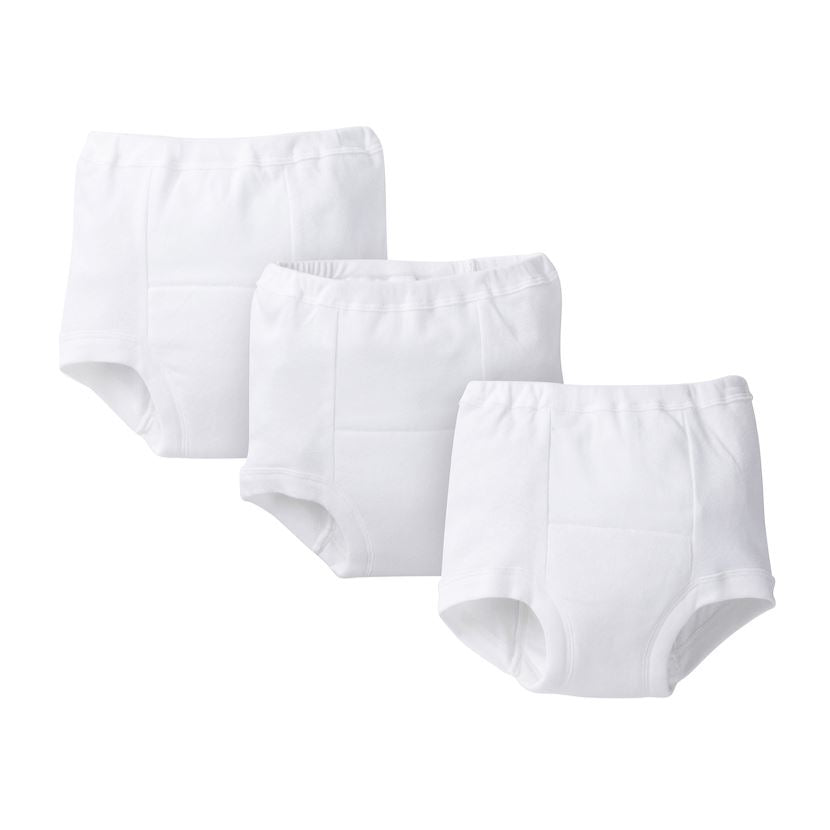
Gerber 3-Pack Organic Cotton Training Pants
Best for: Budget-friendly cloth training with real wetness feedback
Simple, 100% organic-cotton training pants with a rib-knit construction and comfort leg openings — no absorbent core to speak of, which is the point: an accident is felt immediately, the same way it would be in real underwear.
- 100% cotton with organic fibers
- STANDARD 100 by OEKO-TEX certified fabric
- Rib-knit construction with comfort leg openings
- Sold in a 3-pack, priced for buying multiples
Keep in mind: Minimal absorbency means a real accident goes straight through to clothing and the floor — this is a home-training tool, not something to send to daycare or on a long car ride.

Kanga Care Lil Learnerz 2.0 Training Pants
Best for: A hybrid that adjusts absorbency for naps or early training
A premium cloth training pant with a wicking Athletic Wicking Jersey interior for wetness awareness, a dual-layer microfiber core built in, and a stuffable pocket to add extra absorbency for naps or the first uncertain weeks of training.
- Athletic Wicking Jersey interior stays feeling wet, not dry, for accident feedback
- Stuffable pocket to add absorbency when needed (naps, travel)
- Side-snapping release panels for quick changes
- Sizes from XS (about 15 lbs) to XXL (75+ lbs) cover an unusually wide range
Keep in mind: Significantly more expensive per pair than plain cotton training pants, and like any cloth option, needs regular washing to keep a rotation going.
As an Amazon Associate I earn from qualifying purchases. Mom's Magazine may earn a commission when you buy through links on this page, at no extra cost to you. Learn more.
Frequently Asked Questions
Do cloth training pants really work better than disposable pull-ups?
For daytime training specifically, many parents and some toilet-training guidance favor cloth because the immediate wetness feedback reinforces the connection between an accident and discomfort — a disposable pull-up is designed to feel dry, which is great for daycare and overnight but works against that feedback loop during active home training.
How many training pants do I actually need?
For cloth, 8 to 12 pairs in rotation during the first couple of weeks handles frequent early accidents without mid-day laundry emergencies; that number drops as training progresses. For disposables, buy based on the hours they'll actually be worn — daycare or overnight — rather than stocking a full day's supply.
When should we start using training pants instead of diapers?
Once your toddler is showing real readiness signs — staying dry for longer stretches, showing awareness of going, interest in the potty — rather than at a specific age. Our guide to potty training readiness covers what those signs look like in more detail.
Should my toddler wear a diaper or a training pant overnight during potty training?
Most families keep nighttime dryness separate from daytime training and stick with a diaper or a highly absorbent disposable pull-up overnight, since nighttime bladder control typically develops later and separately from daytime training. A thin cloth training pant isn't built for a full night's volume.
How do I wash cloth training pants?
Machine wash in warm water and follow the manufacturer's care label — most cotton training pants tolerate regular washing well, though hybrid styles with an absorbent core or wicking layer may have specific instructions (like avoiding fabric softener, which can coat and reduce absorbency) worth checking before the first wash.
Sources & Further Reading
- Potty Training — American Academy of Pediatrics (HealthyChildren.org) (reviewed 2026-08-26)
Related Guides
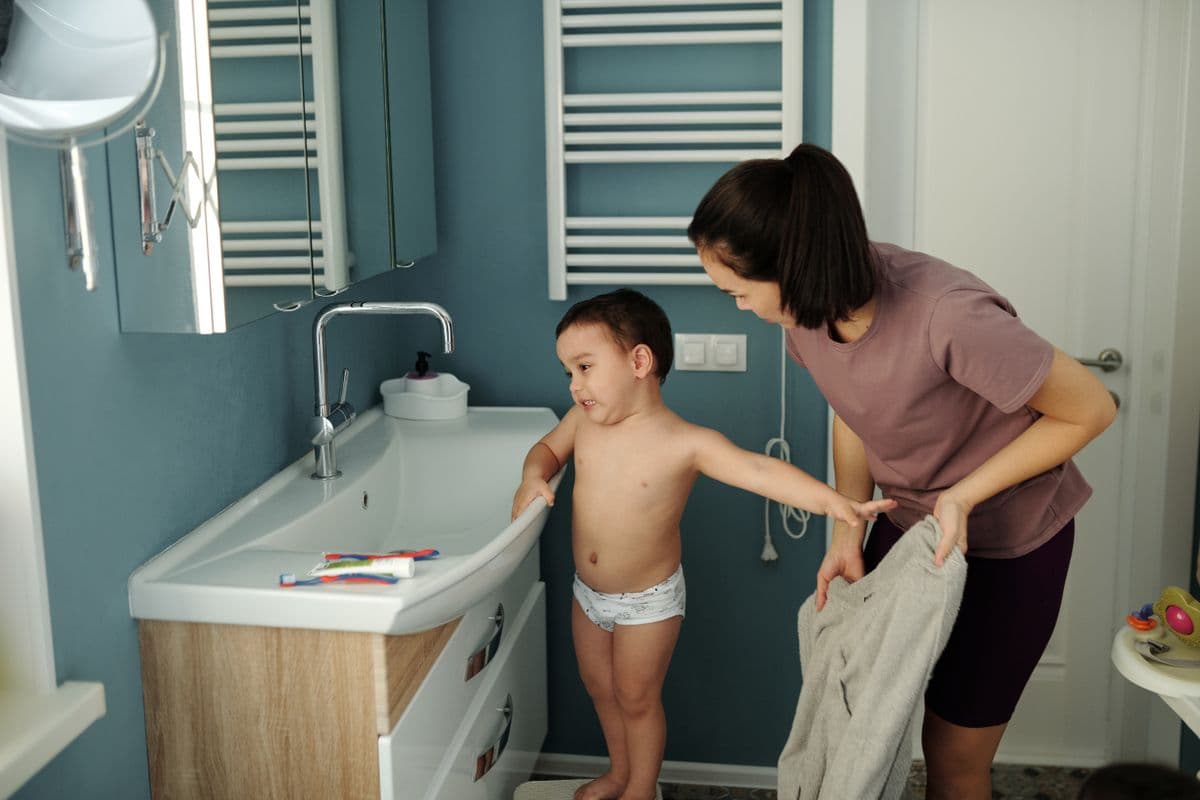
Potty Training: Signs of Readiness and How to Start
How to tell your toddler is ready for potty training, and a calm, child-led way to get started without power struggles.
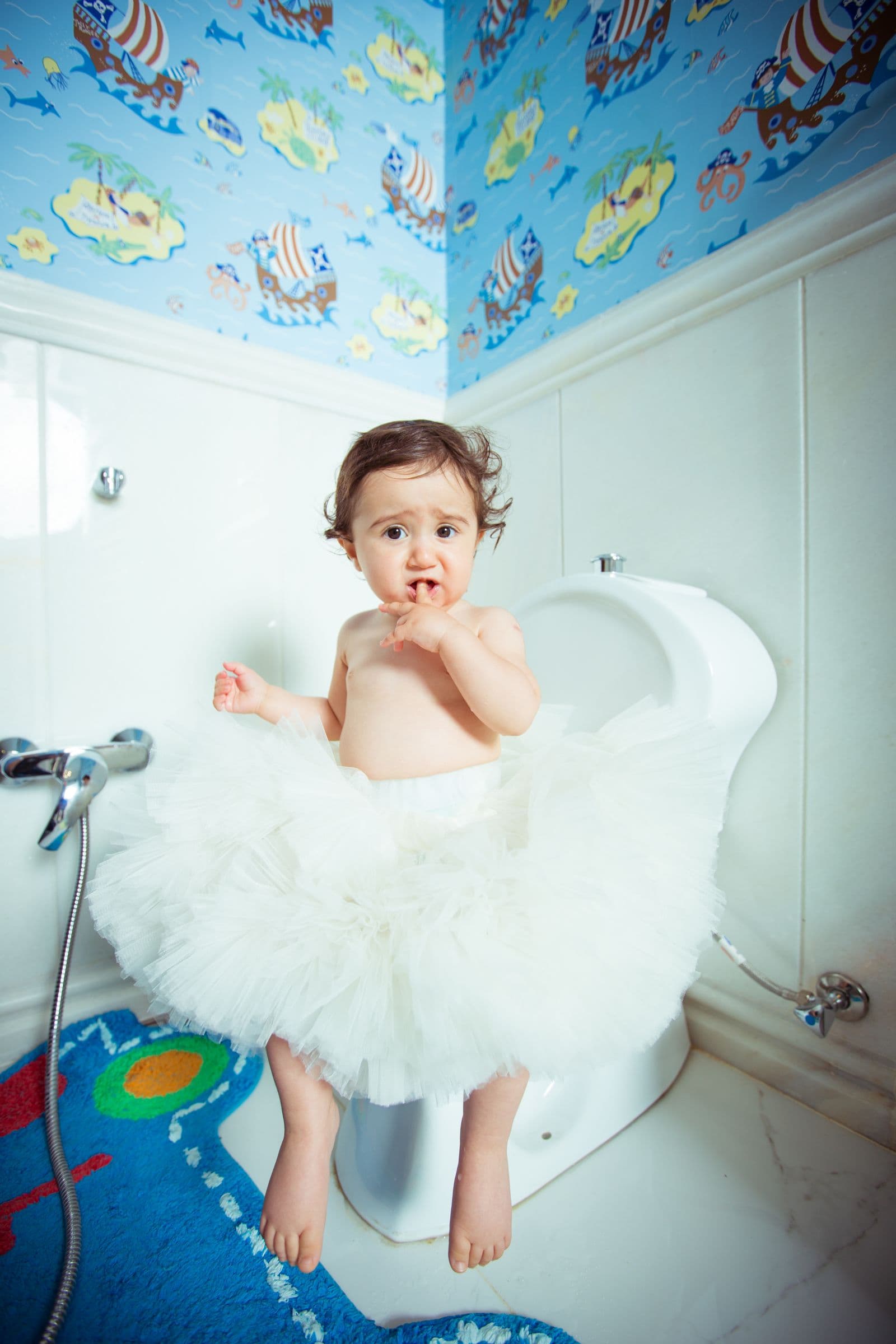
Best Training Potties for Toddlers (2026)
The best training potties for toddlers in 2026 — comfy standalone potties, realistic 'grown-up' models, and convertible picks, with a parent's guide to choosing and using one.
Mom's Magazine Editorial Team
Editorial Team
The Mom's Magazine editorial team researches and writes practical, plainly-sourced guidance for parents and families. Guides are reviewed for accuracy and updated as recommendations change. Where a topic calls for professional expertise, we cite reputable organizations and, for health topics, add a qualified reviewer before publishing.
Newsletter
Get the Weekly Mom List
One short email a week: the most useful guides, activities, and picks for your family. No spam, unsubscribe anytime.