New Moms
Postpartum Depression vs. Baby Blues: Signs, Screening, and When to Get Help
How to tell ordinary baby blues from something that needs treatment, what the EPDS screening tool actually measures, and exactly when a symptom stops being normal.
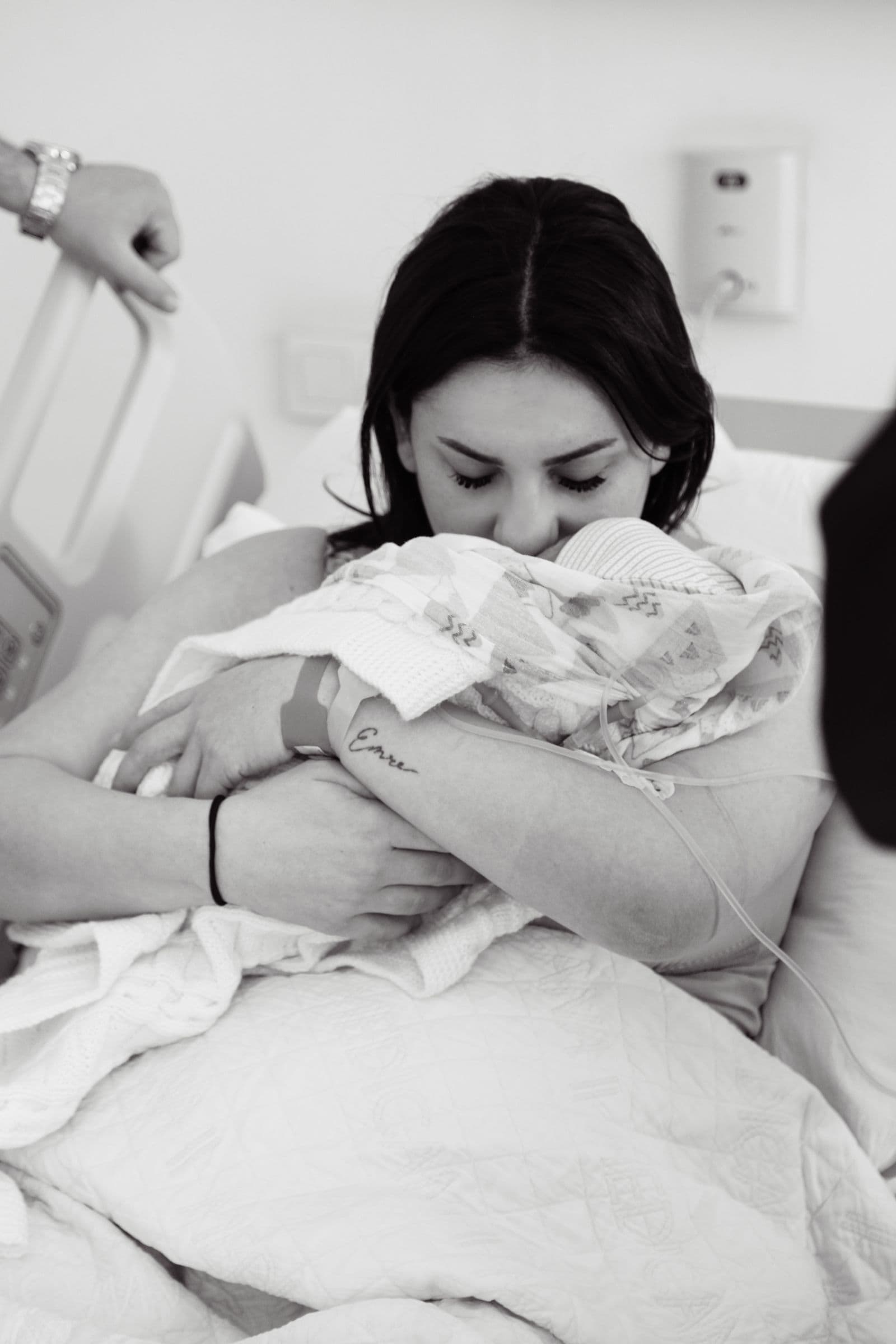
Baby blues affect an estimated 50-80% of new parents, usually start within two or three days of birth, and resolve on their own within about two weeks without stopping you from functioning day to day. Postpartum depression lasts longer, feels more intense, and interferes with your ability to function or bond with your baby — it can emerge anytime in the first year, not just right after birth. Doctors commonly use a 10-question screening tool called the Edinburgh Postnatal Depression Scale (EPDS); a score above 13 suggests a fuller evaluation is warranted. Thoughts of harming yourself or your baby are a medical emergency — contact the 988 Suicide & Crisis Lifeline or go to an emergency room immediately, not a wait-and-see situation.
This is not medical advice
This article explains general patterns and a common screening tool — it can't diagnose you. If you're worried about your mood, talk to your OB, midwife, or pediatrician; they screen for this routinely and it's a normal, expected question, not an imposition.
What baby blues actually look like
Baby blues are extremely common — most estimates put them at somewhere between half and four-fifths of new parents. They typically start two to three days after birth, driven partly by the sharp hormone drop right after delivery, and usually resolve within about two weeks without any treatment beyond rest and support. Crying more easily than usual, irritability, anxiety, and feeling overwhelmed are all typical. The defining feature isn't the symptom list itself — it's that baby blues, however uncomfortable, don't stop you from functioning or caring for your baby.
How postpartum depression is different
Postpartum depression shares some of the same symptoms as baby blues but is more intense, lasts longer than two weeks, and gets in the way of daily life — sleeping, eating, or caring for yourself and your baby. It can start right after birth or emerge months later, and left untreated it can persist for up to a year. It is not a character flaw or a sign you're failing; it's a common, treatable medical condition driven by a mix of hormonal, physical, and situational factors that has nothing to do with how much you love your baby.
- Withdrawing from your partner, family, or friends, or feeling unable to bond with your baby
- Anxiety that feels out of control, including trouble sleeping even when your baby is asleep
- Overwhelming guilt or feelings of worthlessness
- Loss of interest in things you'd normally enjoy
- Intrusive thoughts about something bad happening, or a preoccupation with death
The EPDS screening tool
The Edinburgh Postnatal Depression Scale (EPDS) is a short, 10-question screening questionnaire that your OB, midwife, or pediatrician's office may hand you at a postpartum visit or a newborn well-check — it's a normal part of routine care, not a sign anyone suspects something is wrong with you specifically. ACOG, the AAP, and the AAFP all recommend universal screening with a validated tool like the EPDS rather than relying on parents to bring up mood concerns unprompted, since many people don't recognize their own symptoms as anything other than normal exhaustion.
A screening tool, not a diagnosis
A score above 13 on the EPDS suggests a fuller clinical evaluation is warranted — it's a flag for follow-up, not a diagnosis by itself. A lower score also doesn't rule out a problem if something still feels wrong to you; screening tools are a starting point for a conversation, not the final word.
When to get help — and how fast
- Symptoms lasting longer than two weeks, or getting worse instead of better
- Trouble functioning — caring for yourself, your baby, or basic daily tasks
- Anxiety or intrusive thoughts that feel out of your control
- Feeling disconnected from or unable to bond with your baby
- Any thought of harming yourself or your baby — treat this as an emergency, not something to bring up at your next scheduled visit
If it's an emergency
If you're having thoughts of harming yourself or your baby, call or text 988 (Suicide & Crisis Lifeline) or go to your nearest emergency room right away. This isn't something to wait out until your next appointment.
Postpartum mood and anxiety disorders aren't just depression
Postpartum depression gets the most attention, but postpartum anxiety, postpartum OCD (intrusive, unwanted thoughts paired with compulsive checking or avoidance), and the much rarer but urgent postpartum psychosis are all real, distinct conditions covered under the umbrella of perinatal mood and anxiety disorders. Postpartum Support International maintains a helpline and provider directory if your symptoms don't match the depression pattern described here but something still feels off.
Partners can experience postpartum depression too, and it's easy to miss because screening is usually aimed at the birthing parent. If your recovery is also involving physical healing, our postpartum recovery overview covers the physical side alongside general emotional-recovery guidance, and The Fourth Trimester is worth a look if you'd rather read a full book on emotional recovery than a single article.
Frequently Asked Questions
Can partners get postpartum depression too?
Yes. Paternal and non-birthing-partner postpartum depression is a documented, real condition, though it's screened for far less consistently than the birthing parent's mood. If a partner is showing withdrawal, irritability, or low mood in the months after a baby arrives, it's worth mentioning to a doctor rather than assuming it's just stress.
How soon after birth can postpartum depression start?
It can begin within the first few weeks or emerge months later — up to a year after birth, by some clinical definitions. This is one reason ongoing check-ins matter, not just a single screening at the six-week postpartum visit.
Is postpartum depression my fault or a sign I'm not cut out for this?
No. It's driven by a mix of rapid hormone shifts, sleep deprivation, physical recovery, and life stress — not a reflection of how much you love your baby or your capability as a parent. It's common and it's treatable.
What actually helps postpartum depression, beyond time?
Treatment commonly includes talk therapy, medication (some options are considered compatible with breastfeeding — that's a conversation for your prescriber), peer support groups, and practical help that reduces overall load, like meal support or childcare relief. What works varies by person and severity, which is exactly why a clinical evaluation matters more than trying to self-treat.
Sources & Further Reading
- Postpartum Depression and the Baby Blues — HelpGuide.org (reviewed 2026-08-12)
- Screening Recommendations — Postpartum Support International (PSI) (reviewed 2026-08-12)
- Integrating Postpartum Depression Screening in Your Practice — American Academy of Pediatrics (AAP) (reviewed 2026-08-12)
Related Guides

Postpartum Recovery: What to Expect
A gentle, honest overview of postpartum recovery — physical and emotional — and when to call your provider.

Best Postpartum Recovery Essentials (2026): Postpartum Supplies for Vaginal and C-Section Recovery
The postpartum supplies worth having before birth: peri bottle, ice pads, overnight pads, witch hazel, sitz bath, C-section underwear, a belly binder, and nursing care. Thirteen Amazon picks, matched to the relief ACOG describes for the first weeks.
Best Books for New and Expecting Moms in 2026
Four books worth actually reading during pregnancy and the fourth trimester — grouped by what stage you're in, not just a long undifferentiated list.
Mom's Magazine Editorial Team
Editorial Team
The Mom's Magazine editorial team researches and writes practical, plainly-sourced guidance for parents and families. Guides are reviewed for accuracy and updated as recommendations change. Where a topic calls for professional expertise, we cite reputable organizations and, for health topics, add a qualified reviewer before publishing.
Newsletter
Get the Weekly Mom List
One short email a week: the most useful guides, activities, and picks for your family. No spam, unsubscribe anytime.