Why Thousands of Home Cooks Won't Touch Their Old Cutting Boards After Seeing This
Plastic boards shed. Wood boards soak. A pure titanium board does neither — and it's built to be the last cutting board you ever buy.
I like to think I'm a pretty careful home cook when it comes to what my family eats. We shop the farmers' market most weekends. I cook from scratch nearly every night — fresh vegetables, good meat, nothing processed if I can help it.
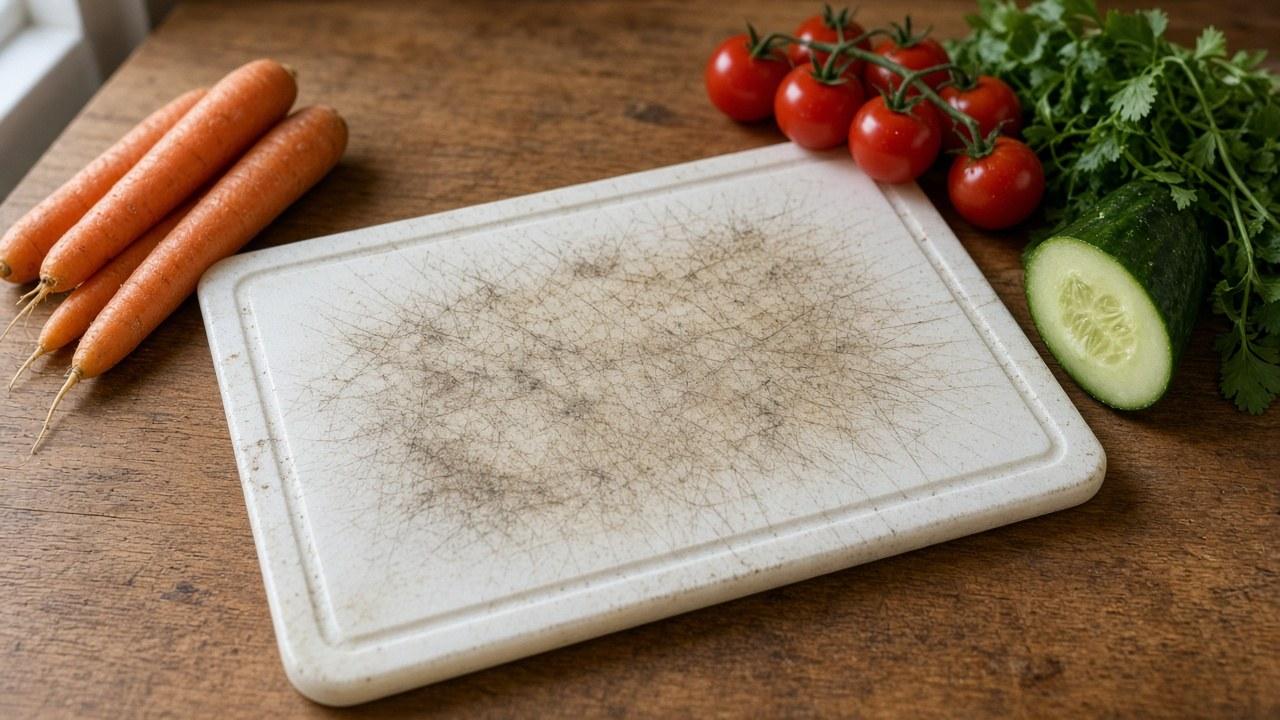
So when I came across university research on plastic cutting boards one evening, I genuinely felt sick. Researchers studying plastic boards estimated that normal use can release millions of microplastic particles a year — and every one of those cuts happens right where your food is sitting.
Then there's the groove problem. Every knife stroke carves tiny channels into plastic and wood boards, and those channels trap moisture and food residue where washing can't reliably reach. It's why an old wooden board develops a smell that no amount of scrubbing removes.
Plastic that sheds, or wood that soaks. That's been the choice — until I started seeing what other home cooks were switching to.
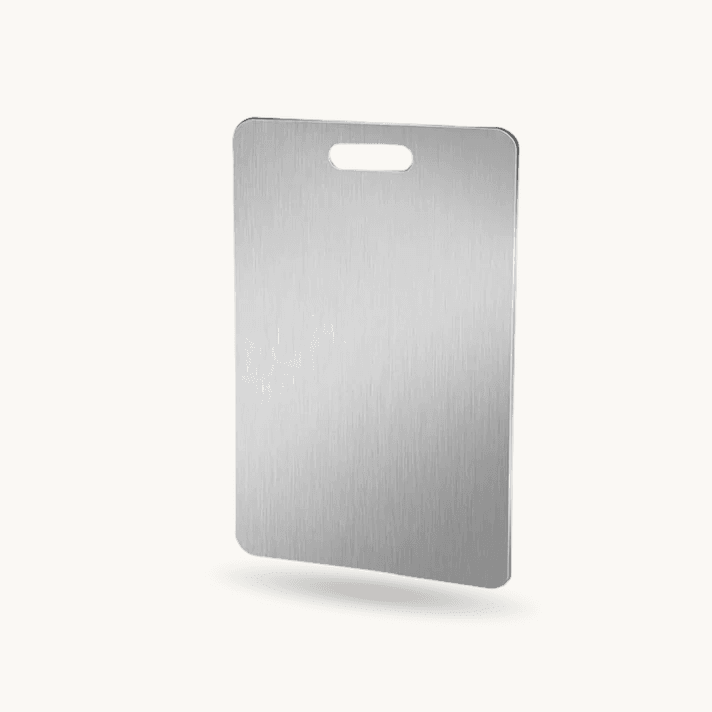
Katori Titanium Cutting Board
from $49.99(see official site for current promotions)
Check Availability30-day money-back guarantee
The Board That Kept Coming Up
When we went looking for what people were switching to, one name surfaced again and again: the Katori Titanium Cutting Board.
It's a solid board made from pure titanium — the same class of metal trusted in medical applications because it doesn't react, corrode, or harbor residue. No coating to wear off. No grain to trap anything. Nothing to shed into your food.
30-day money-back guarantee
Katori vs. Everything Else
| Katori Titanium | Plastic Board | Wooden Board | Glass Board | |
|---|---|---|---|---|
| Sheds particles into food | No | Yes — every cut | No | No |
| Traps bacteria in knife grooves | No — non-porous | Yes | Yes — deep in the grain | No |
| Absorbs odors and stains | No | Yes | Yes | No |
| Kind to knife edges | Yes | Yes | Yes | No — dulls blades |
| Dishwasher safe | Yes | Warps over time | No — cracks/splits | Yes |
| Needs oiling / special care | No | No | Yes | No |
| Built to last | Decades | 1–5 years | A few years with care | Breakable |
Why Home Cooks Are Switching
- Nothing comes off in your food. The surface doesn't shed microplastics, because it isn't plastic.
- It rinses truly clean. A non-porous metal surface gives bacteria and odors nowhere to hide — soap and water, or the dishwasher.
- Gentle on knives. Unlike glass or stone, titanium won't chew up your blades.
- One board, every job. Raw meat, produce, bread, carving — no rotating boards, no cross-contamination juggling.
- It's the last one you buy. No warping, no cracking, no replacing a scarred board every couple of years.
What It Costs — and the Guarantee
The Katori board runs $49.99–$59.99 depending on size, and the official site regularly runs promotions on multi-board bundles. Every board is backed by a 30-day money-back guarantee: use it for a month of real cooking, and if you don't feel the difference the first time you rinse it clean, send it back.
30-day money-back guarantee
FAQ
Is titanium safe for food?
Titanium is widely used in medical implants and food-grade applications because it's non-reactive and non-porous. Nothing leaches, flakes, or sheds.
Will it dull my knives?
No — it's noticeably gentler on edges than glass, stone, or bamboo.
How do I clean it?
Rinse, soap and water, or the dishwasher. It won't absorb odors.
Is it heavy?
Solid metal with real heft — stays planted while you work.
30-day money-back guarantee
Disclosure: This page is reader-supported. If you buy through links on this page, we may earn a commission at no additional cost to you. Product claims reflect the manufacturer's published specifications and publicly available research on cutting-board materials.